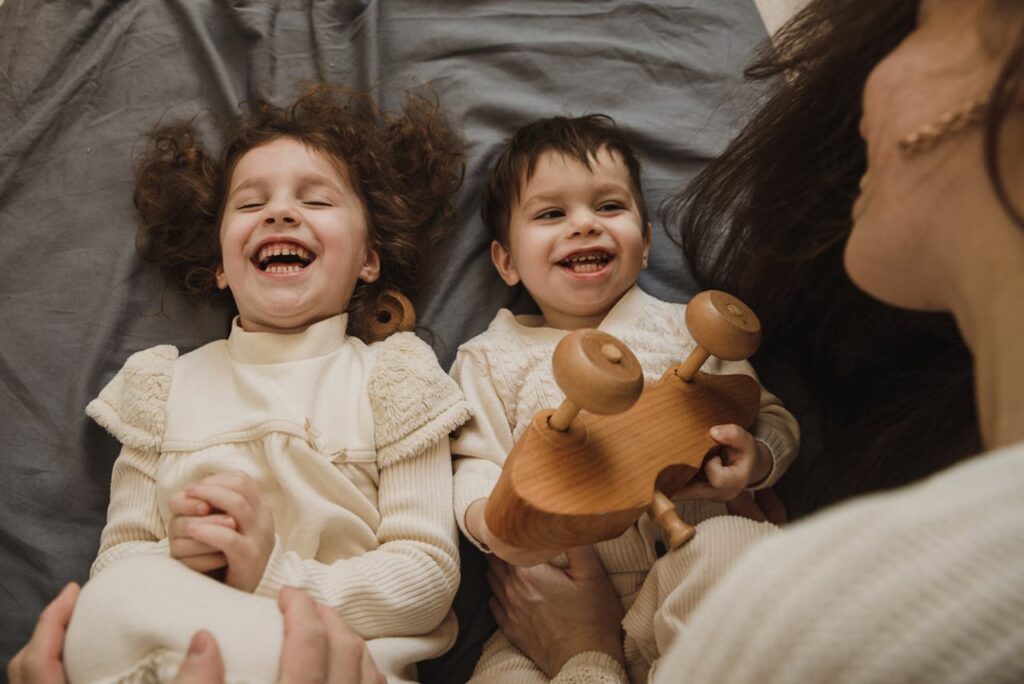
Creating a warm, welcoming home isn’t just about décor or furniture—it’s about how kids feel in the space. The little details we often overlook can be the ones they remember most. From cozy corners to family rituals, these small things bring comfort, security, and joy to their everyday lives. Here are 12 little things that help make a house truly feel like home for kids.
A Cozy Blanket or Favorite Stuffed Animal
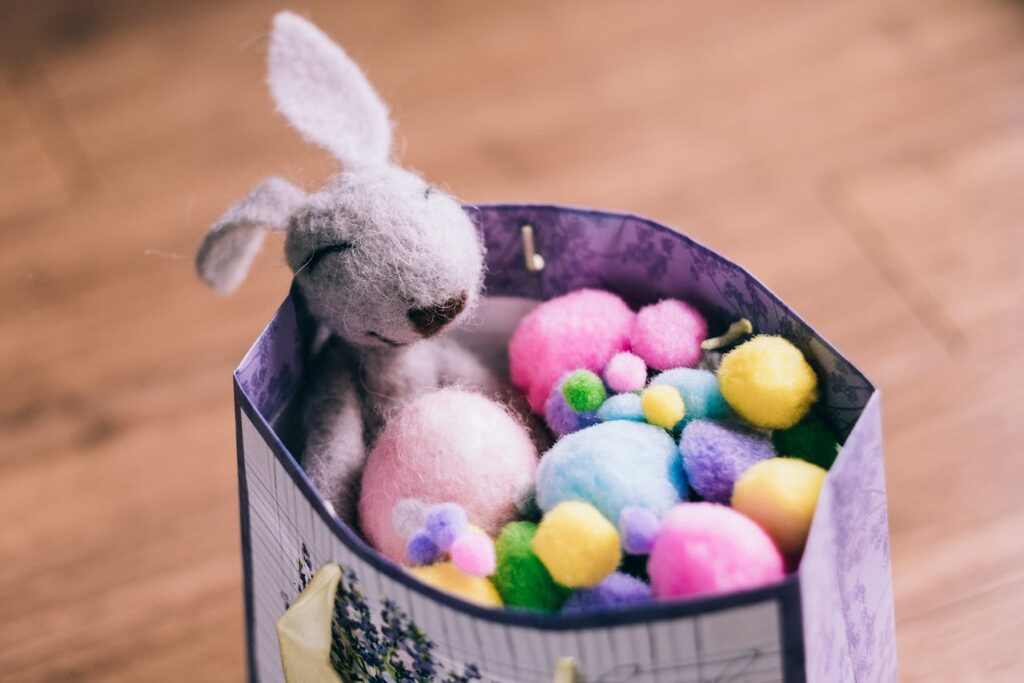
Whether it’s a well-loved teddy bear or a soft, worn blanket, these items offer more than comfort—they bring a sense of safety. Kids often use them as emotional anchors during stressful times or transitions. Having them easily accessible makes a home feel nurturing and familiar. These objects become trusted friends that stay with them through every stage of childhood.
Family Photos on Display
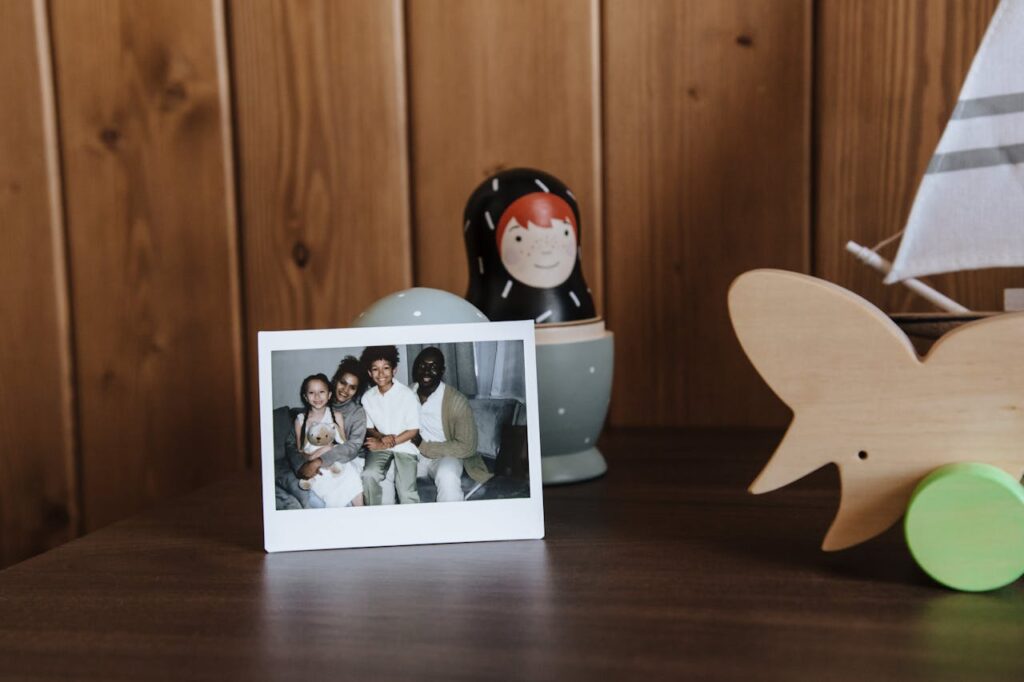
Seeing pictures of themselves with family members creates a sense of belonging for kids. It shows that they are part of something bigger—something full of love and shared memories. Whether framed on walls or stuck to the fridge, these images tell a visual story of home. They serve as daily reminders that they are loved, valued, and connected to their family.
A Spot to Be Creative
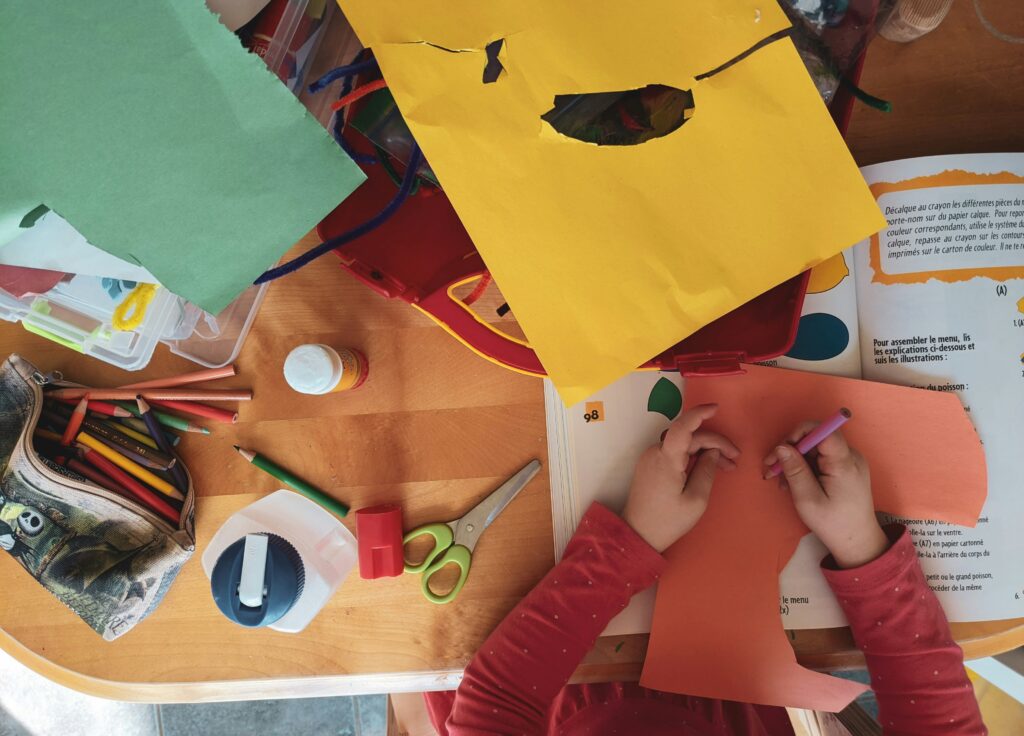
A small art table or craft corner encourages kids to express themselves freely. It doesn’t need to be fancy—just a space where markers, paper, and imagination come together. Knowing they have a place to be messy and creative makes kids feel included and inspired. It sends a powerful message that their creativity matters in the world around them.
Their Artwork Displayed Proudly
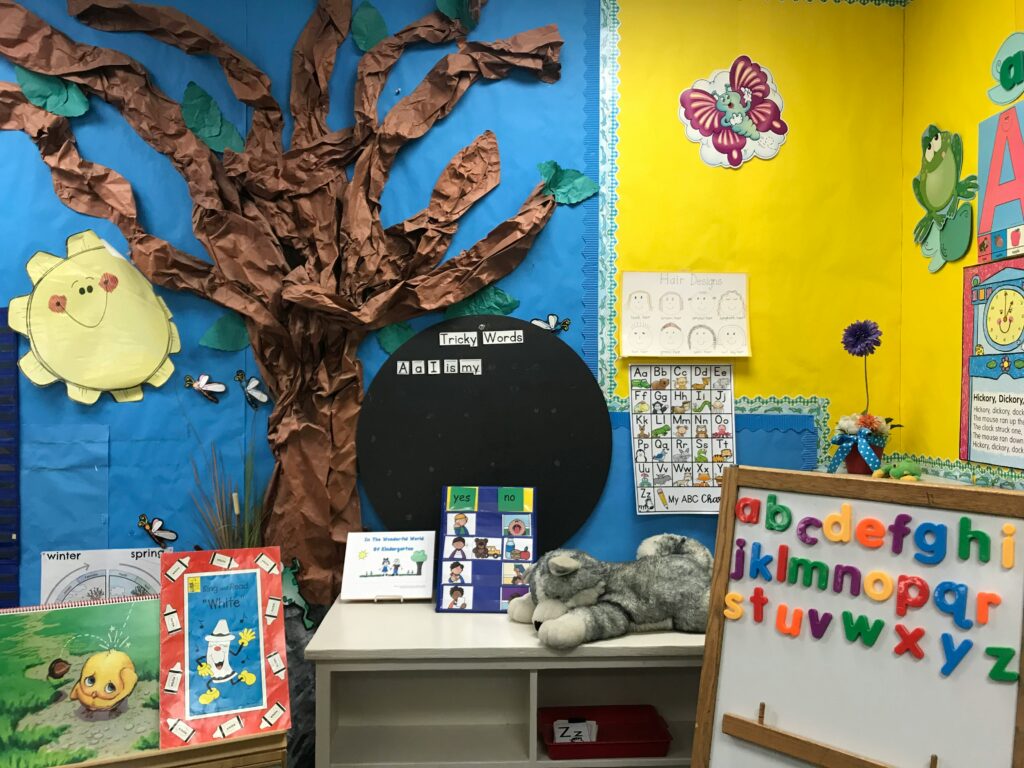
Hanging up kids’ drawings and crafts shows them that their efforts are valued. It gives them a sense of pride and ownership in the space. Even a simple bulletin board or fridge display can boost their confidence. When their creations are on display, kids feel seen and appreciated in a deeply personal way.
A Place for Play
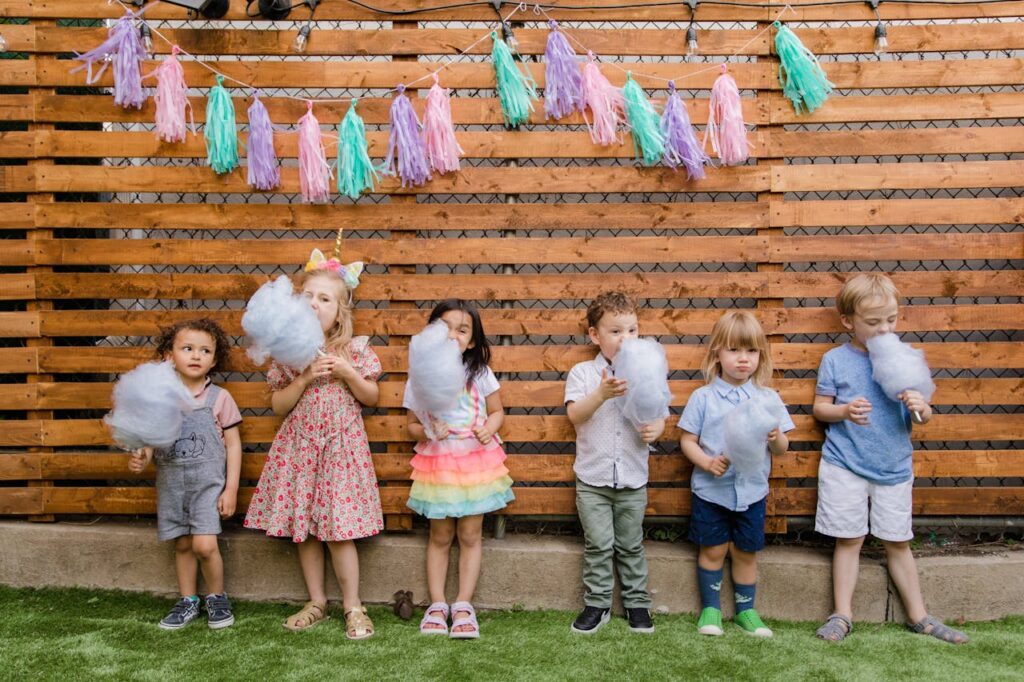
Having a dedicated play area—even just a rug with toys—gives kids freedom to explore and imagine. It tells them that play is welcomed and encouraged in the house. This space becomes a hub of learning, laughter, and storytelling. It’s a joyful zone where kids can unwind and just be themselves.
Predictable Routines
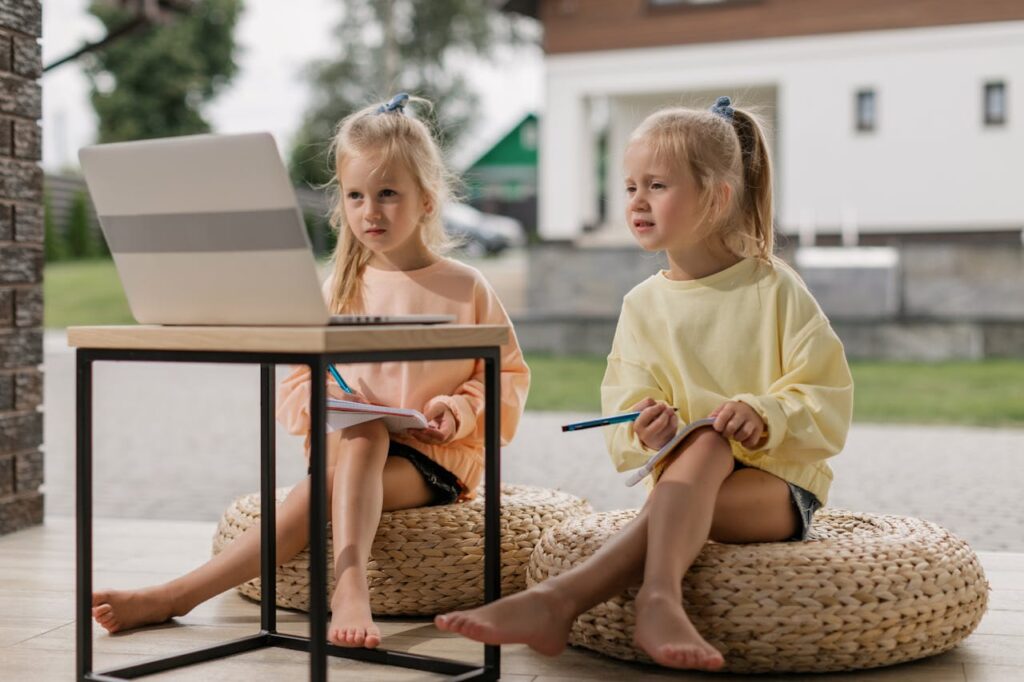
Daily rituals like bedtime stories or Saturday pancakes provide a comforting rhythm to life. Routines make children feel secure because they know what to expect. These repeated experiences turn everyday moments into traditions. Over time, they become the invisible threads that hold a child’s world together.
A Kitchen That Welcomes Little Helpers
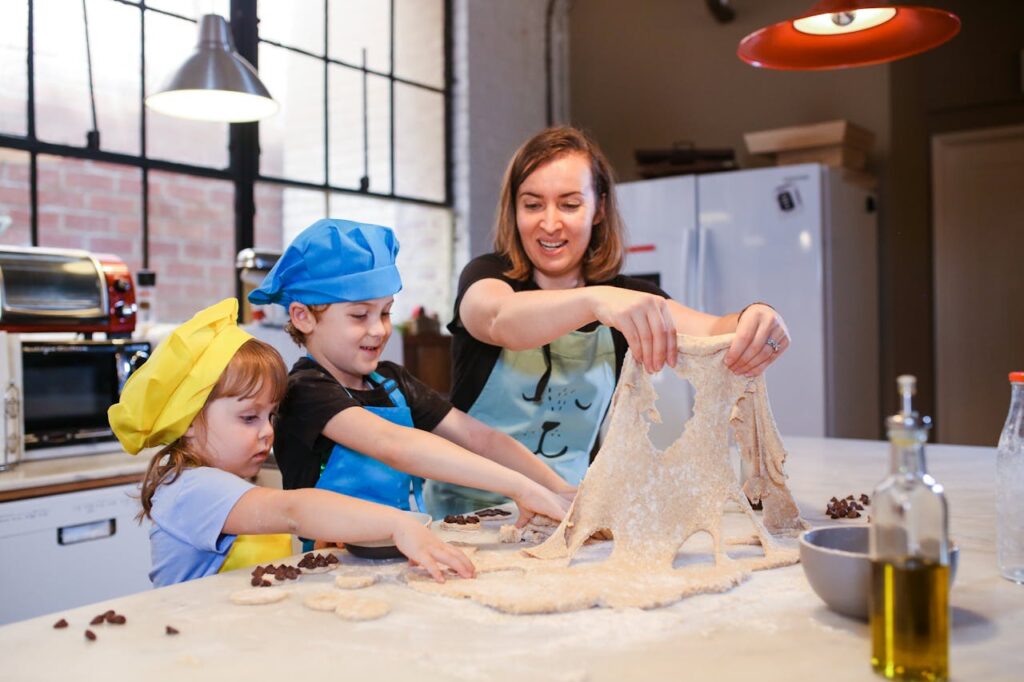
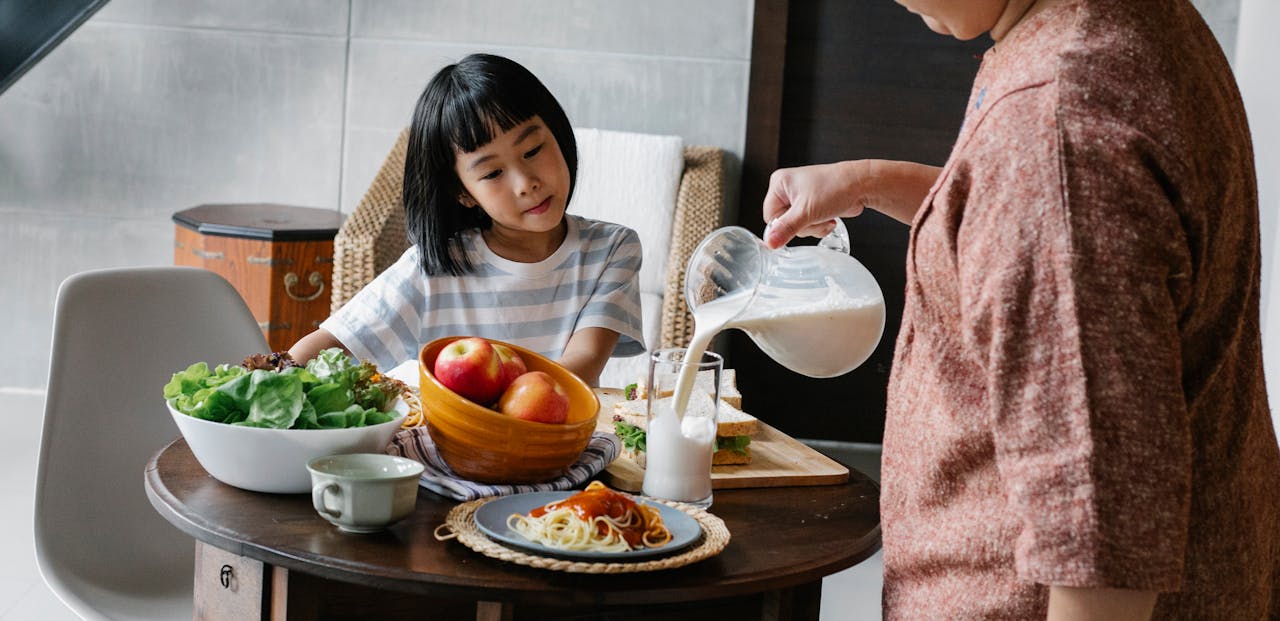
Letting kids help in the kitchen—even just stirring or taste-testing—makes them feel important. It teaches life skills while also creating bonding moments. Having a stool they can climb or utensils just for them encourages participation. These experiences also build self-confidence and help kids feel like contributors to family life.
Books Within Reach

A basket of books on the floor or a low shelf gives kids easy access to stories. It fosters a love of reading and makes quiet time more inviting. When kids can pick out their own books, they feel more independent and engaged. Creating a reading-friendly home opens the door to imagination, empathy, and learning.
Warm Lighting and Soft Spaces
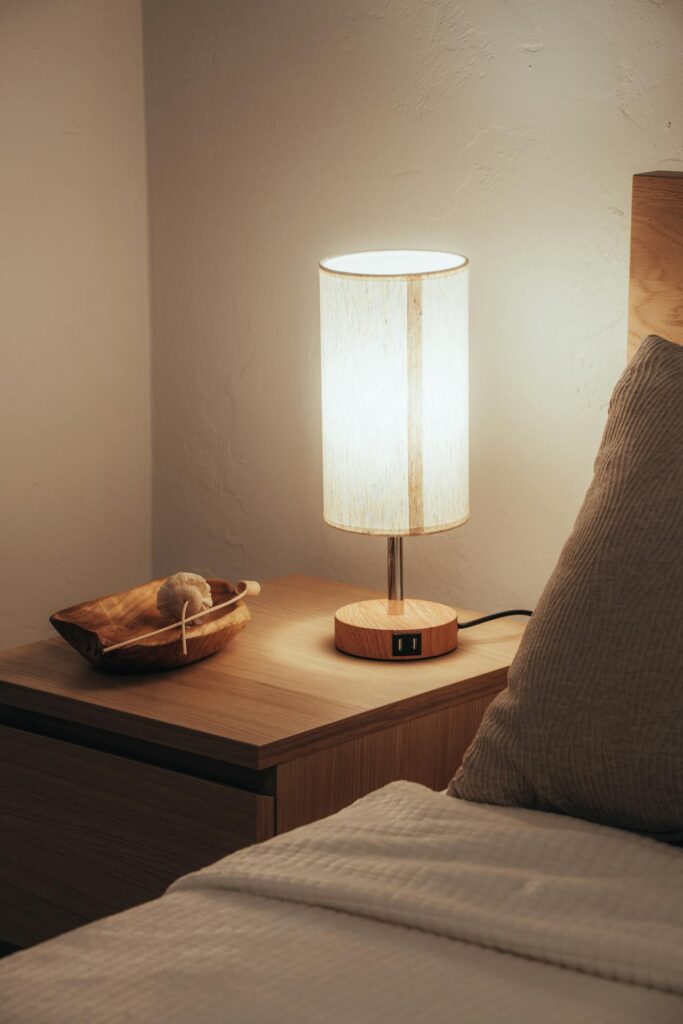
Soft lighting from lamps or string lights adds a cozy atmosphere. Bean bags, pillows, and rugs give kids comfortable places to relax or play. These touches make the home feel gentle and inviting. A warm, cushioned environment helps children regulate emotions and feel secure.
Special Family Sayings or Inside Jokes
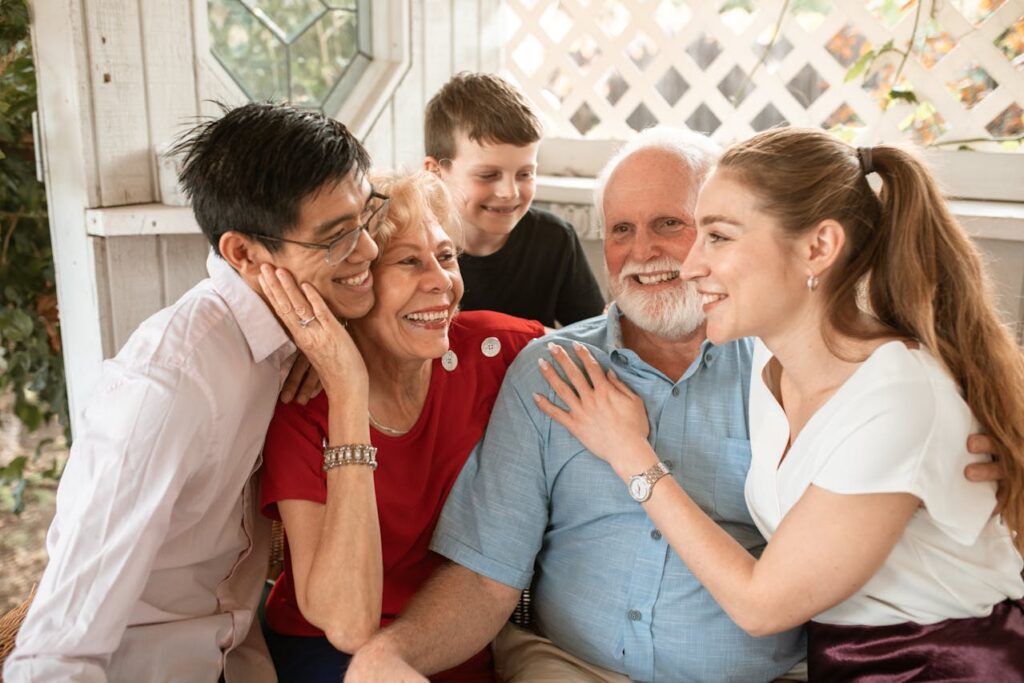
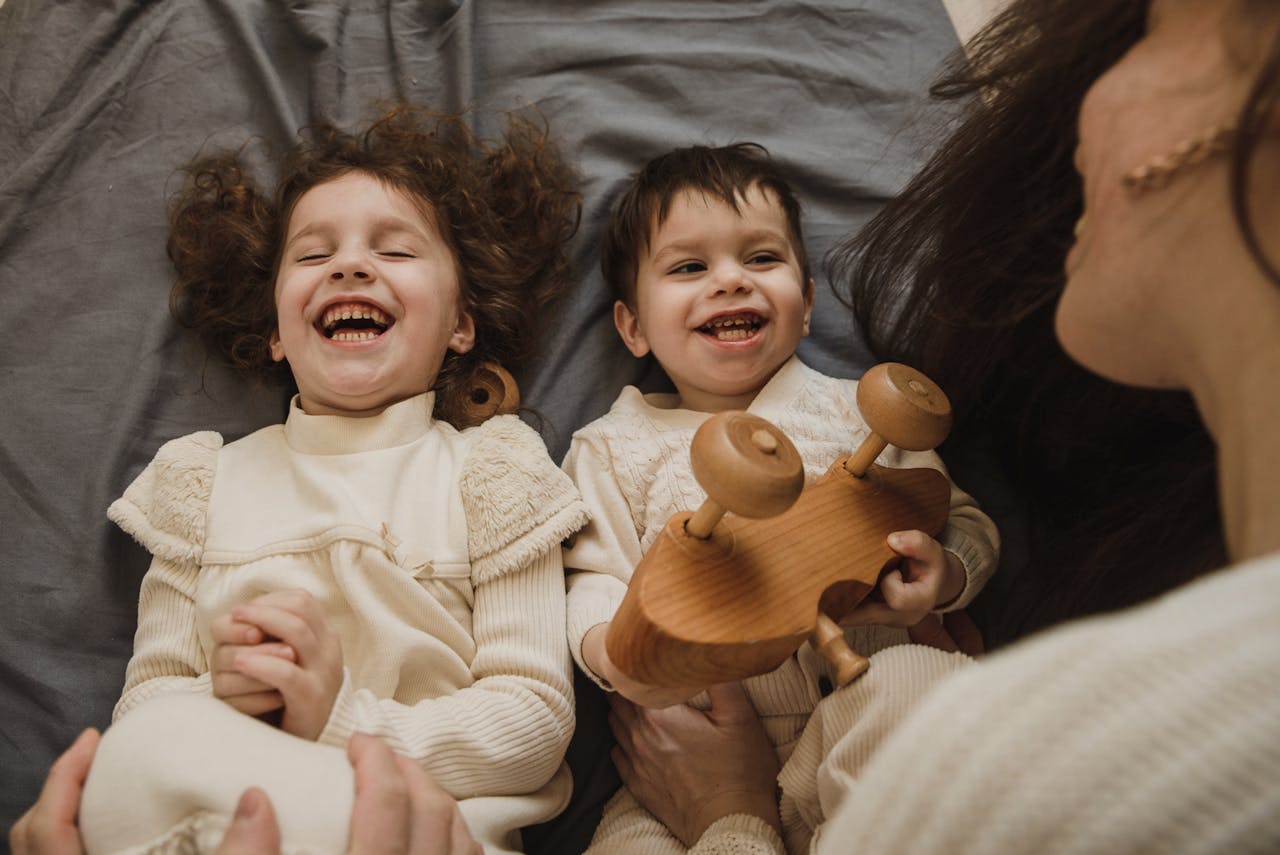
Every family has little phrases or shared jokes that make them unique. These verbal traditions give kids a strong sense of identity and connection. When they hear these familiar words, they know they’re part of a special group. It’s these shared giggles and sayings that help build emotional closeness and lifelong memories.
A Place to Be Themselves
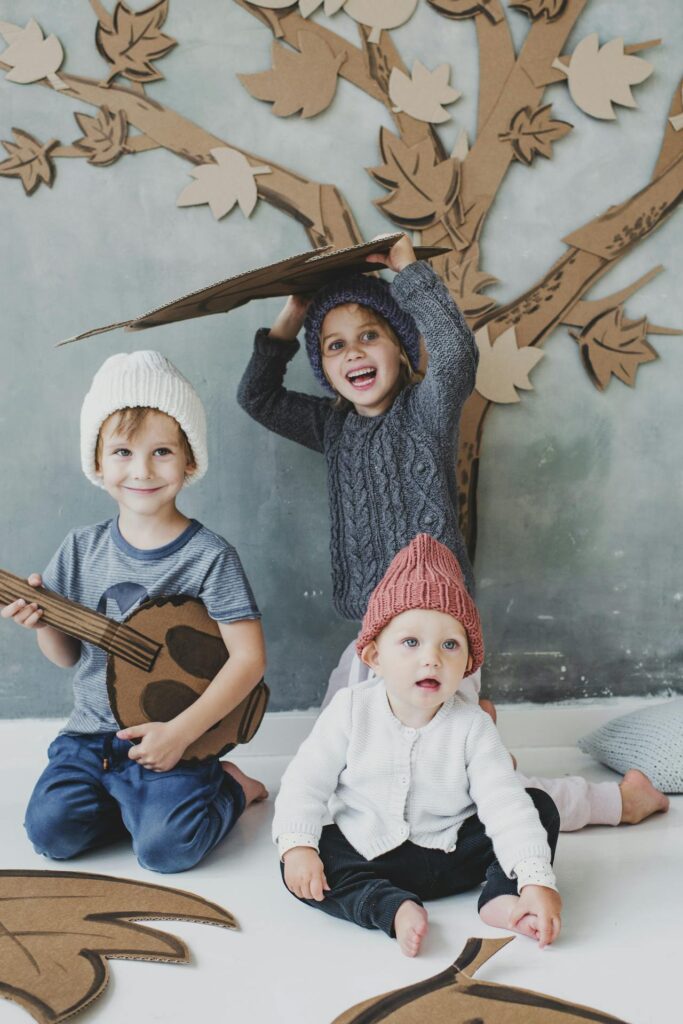
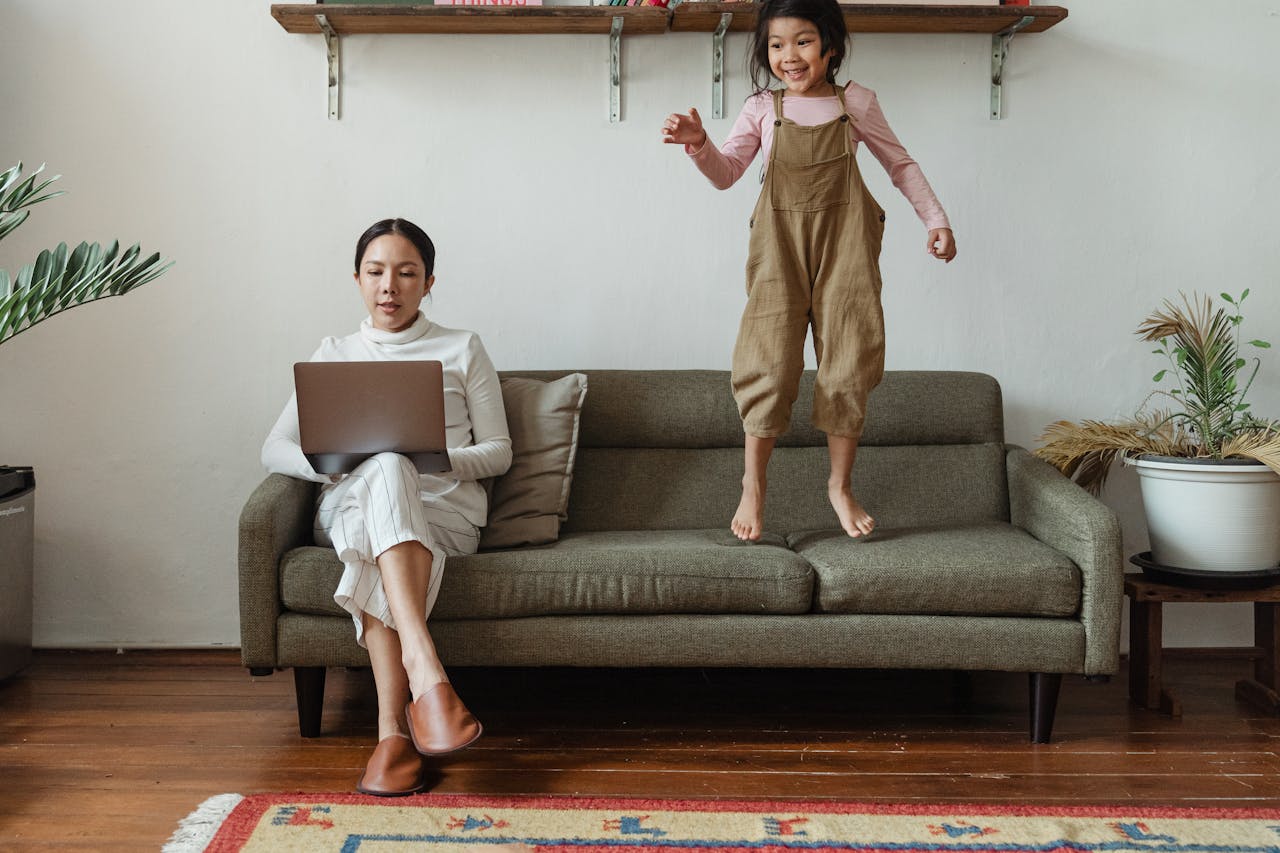
Most of all, kids need space to be silly, loud, quiet, curious, or emotional without fear. A home that accepts them fully gives them deep emotional security. Whether they’re dancing in pajamas or having a bad day, they know they’re safe. A true home allows children to grow into themselves with confidence and love.