
American culture is rich with stories that feel historical, cautionary, or inspirational, even when they are not entirely true. Many of these tales were repeated so often that they hardened into accepted memory, passed through classrooms, newspapers, and family conversations. Their power came not from accuracy, but from usefulness. They explained fear, reinforced values, or made sense of uncertainty. Over time, research, records, and evidence revealed that some of these legends were exaggerated, misinterpreted, or completely fabricated. What remains is not deception, but insight into how national myths quietly form.
George Washington and the Cherry Tree

The story of young George Washington confessing to cutting down a cherry tree was presented for generations as proof of innate honesty. In reality, the tale was invented by a biographer decades after Washington’s death. No historical records support it. The story functioned as moral instruction rather than documentation. It shaped national character by portraying leadership as truthfulness from birth. Its persistence reveals how early America valued symbolic virtue over factual childhood detail, allowing fiction to substitute for biography.
The Liberty Bell Rang on July Fourth
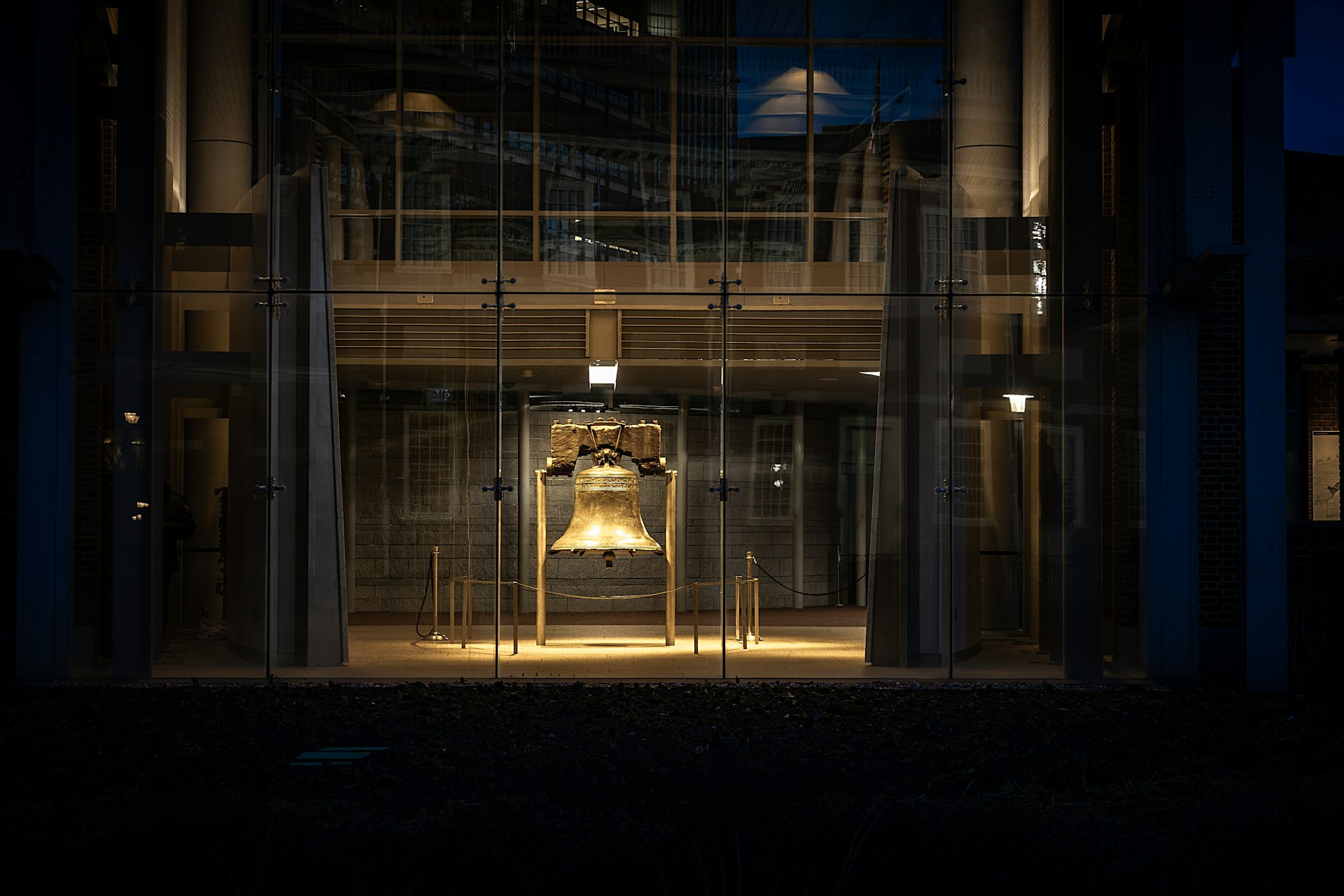
Many Americans believe the Liberty Bell rang loudly to celebrate the signing of the Declaration of Independence. Historical evidence shows this did not happen. The bell may not have rung at all that day, and public readings of the Declaration occurred days later. The image of a ringing bell simplified a complex political moment into a single dramatic signal. The myth endured because it provided a clean, auditory symbol for independence rather than a drawn-out process involving debate and delay.
Pilgrims Wore Black and Buckled Hats
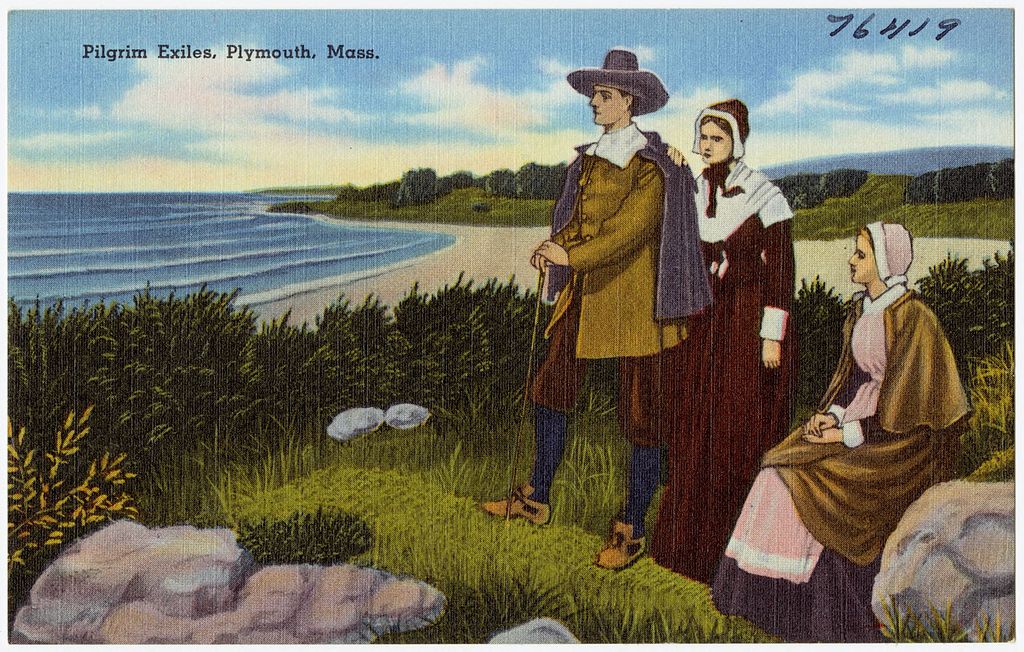
Popular imagery portrays Pilgrims dressed uniformly in black clothing with large buckles. In reality, they wore varied colors including blues, browns, and greens. Buckles were rare and expensive. This visual myth emerged centuries later through artwork and commercial illustrations. The simplified costume helped fix Pilgrims in public memory as solemn and uniform. The fiction persisted because it offered instant visual recognition, even though it distorted everyday colonial life.
The First Thanksgiving Looked Like a Modern Feast
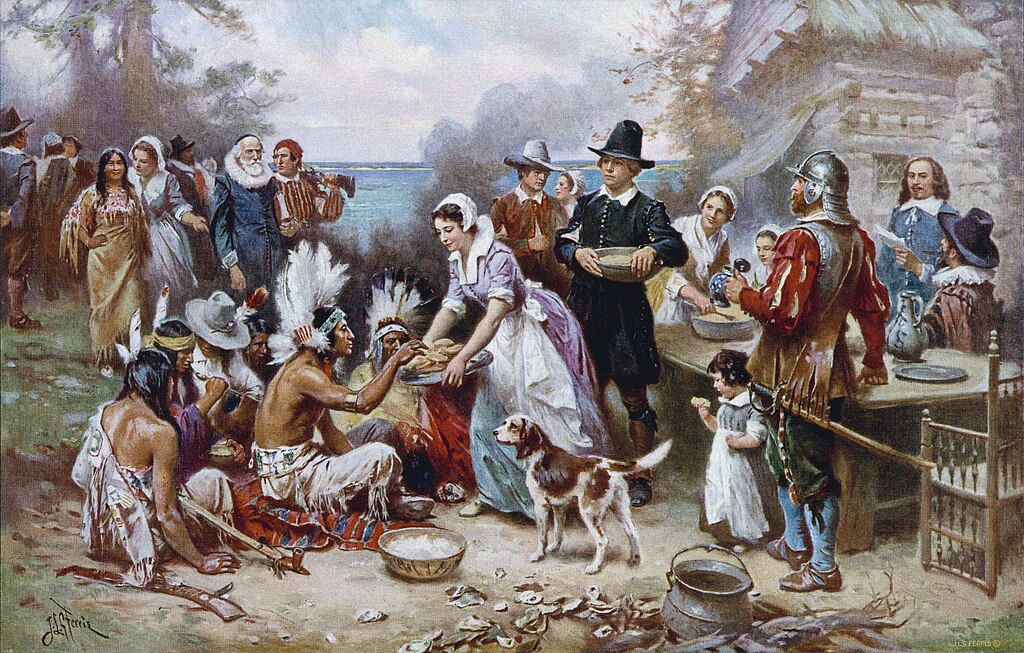
The traditional image of Thanksgiving includes turkey, pies, and a table resembling modern holiday meals. Historical accounts suggest a far simpler gathering focused on available foods like venison, seafood, and grains. The event itself was not intended as an annual celebration. The myth developed later to promote unity and continuity. It reshaped a limited historical moment into a national ritual. The fiction endured because it offered comfort, abundance, and a shared origin story.
Paul Revere Rode Alone
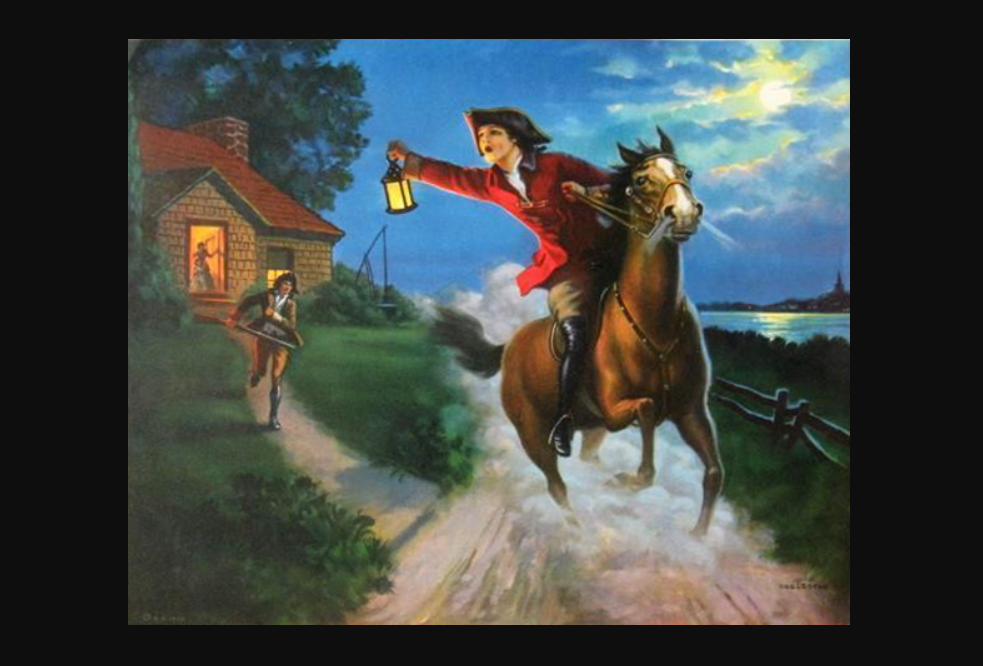
Paul Revere is often remembered as a lone rider warning of British arrival. In reality, the alert system involved multiple riders and coordinated signals. Revere was captured before completing his route. The solitary hero narrative simplified collective action into individual bravery. Poetry and storytelling elevated his role while minimizing others. The myth survived because it aligned with cultural preference for singular heroes over collaborative effort.
Salem Witches Were Burned at the Stake
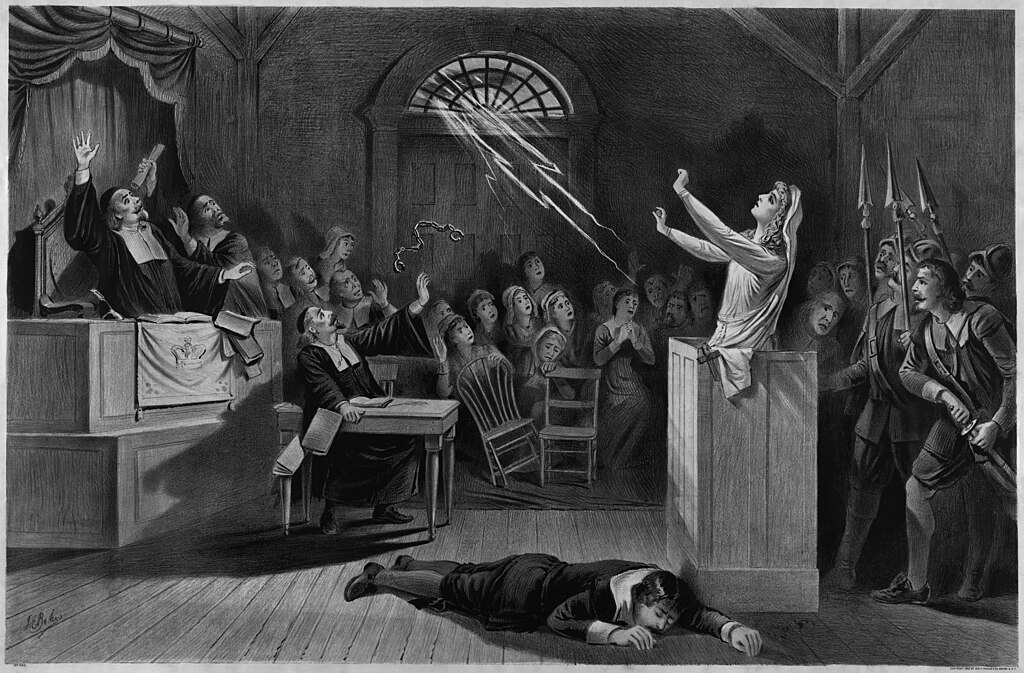
Many believe accused witches in Salem were burned alive. In truth, executions were carried out by hanging, and some died in prison. Burning was not used in colonial Massachusetts. The misconception likely came from European witch trials and later dramatization. The myth intensified horror and moral outrage. It persists because burning is a stronger symbolic image than hanging, reinforcing emotional memory over factual detail.
The Wild West Was Constantly Lawless
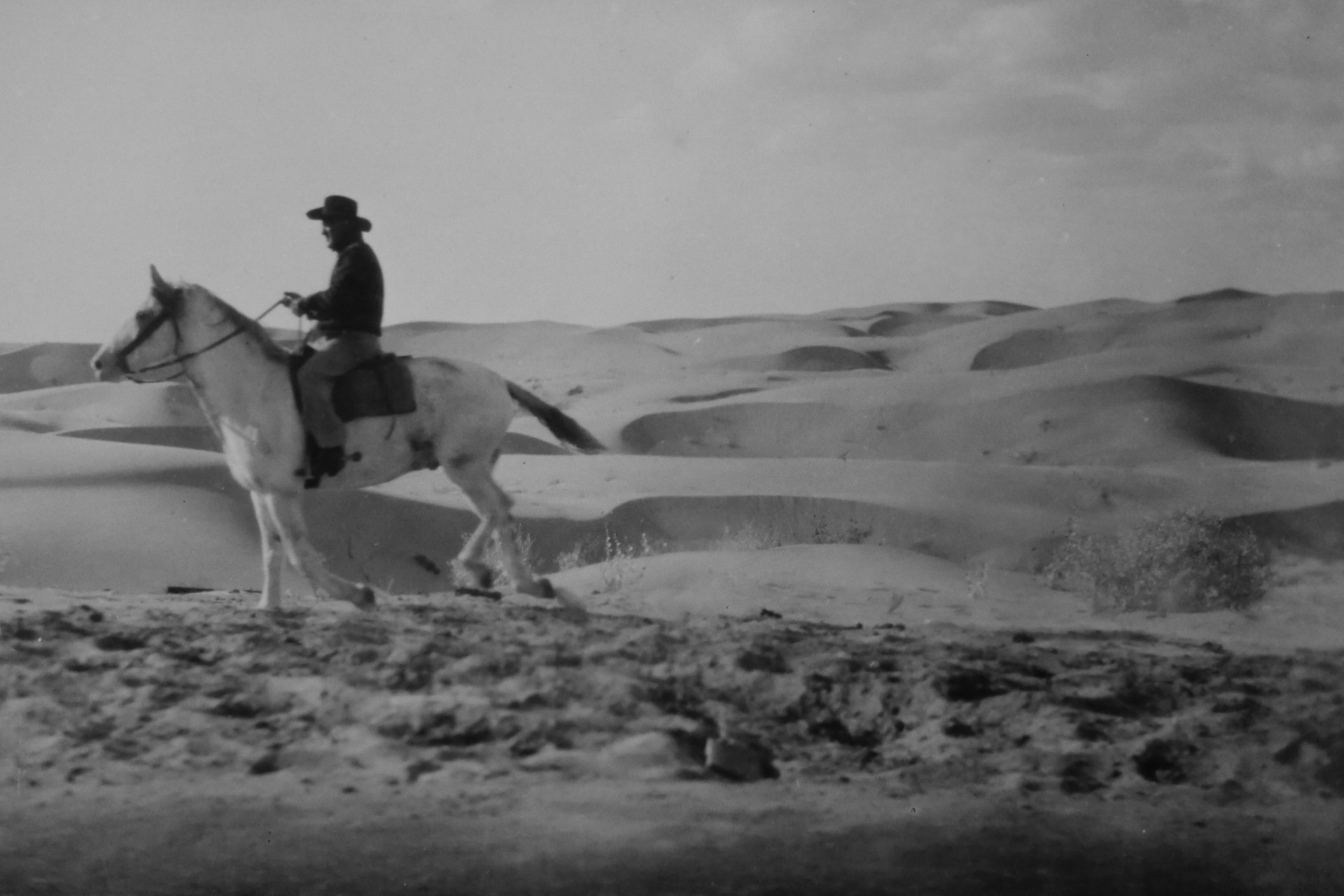
The popular image of the American Wild West suggests nonstop gunfights, lawlessness, and frontier chaos. In reality, many frontier towns had strict rules, curfews, and surprisingly low crime rates. Gun control ordinances existed, and violence was often discouraged through fines and arrests. The exaggerated image developed later through dime novels, movies, and television. These portrayals amplified rare incidents into defining characteristics. The myth endured because it created a dramatic national identity rooted in rugged individualism, even though daily life was far more regulated and communal.
Pocahontas Saved John Smith’s Life
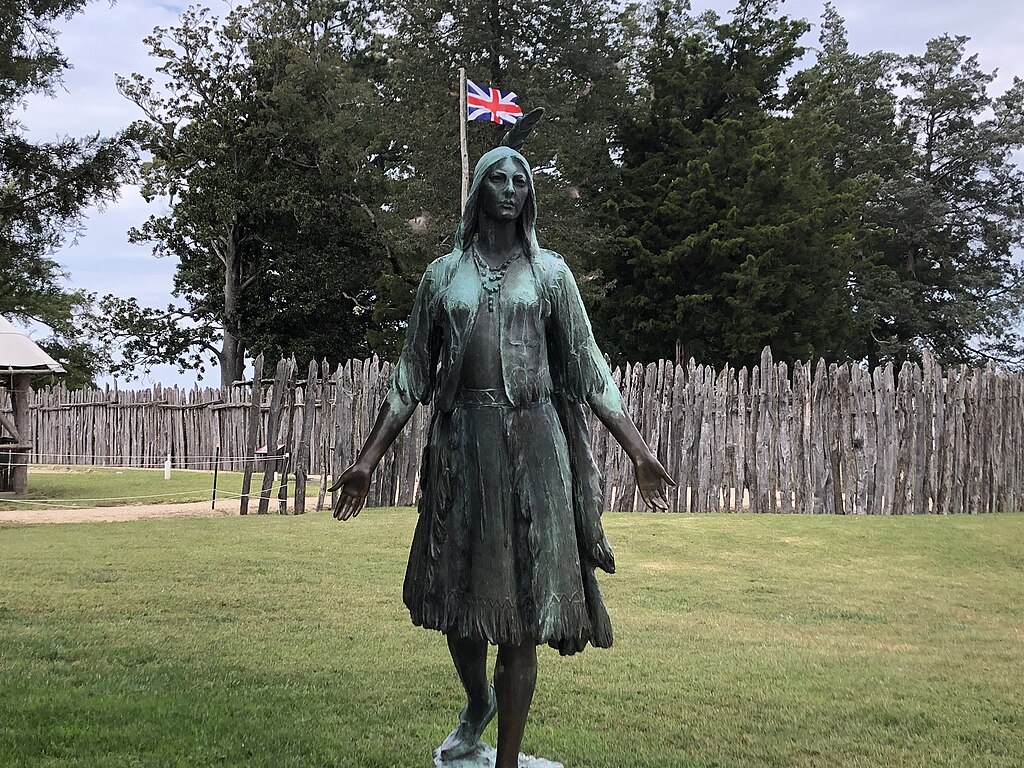
The story of Pocahontas heroically saving John Smith from execution has long been taught as historical fact. Modern historians question whether the event occurred at all. Smith himself wrote about it years later, after Pocahontas had become famous in England. It is more likely the scene was misinterpreted or embellished. The tale functioned as a symbolic bridge between cultures. It survived because it offered a romantic narrative of cooperation that simplified complex colonial relationships.
The Great Chicago Fire Was Started by a Cow
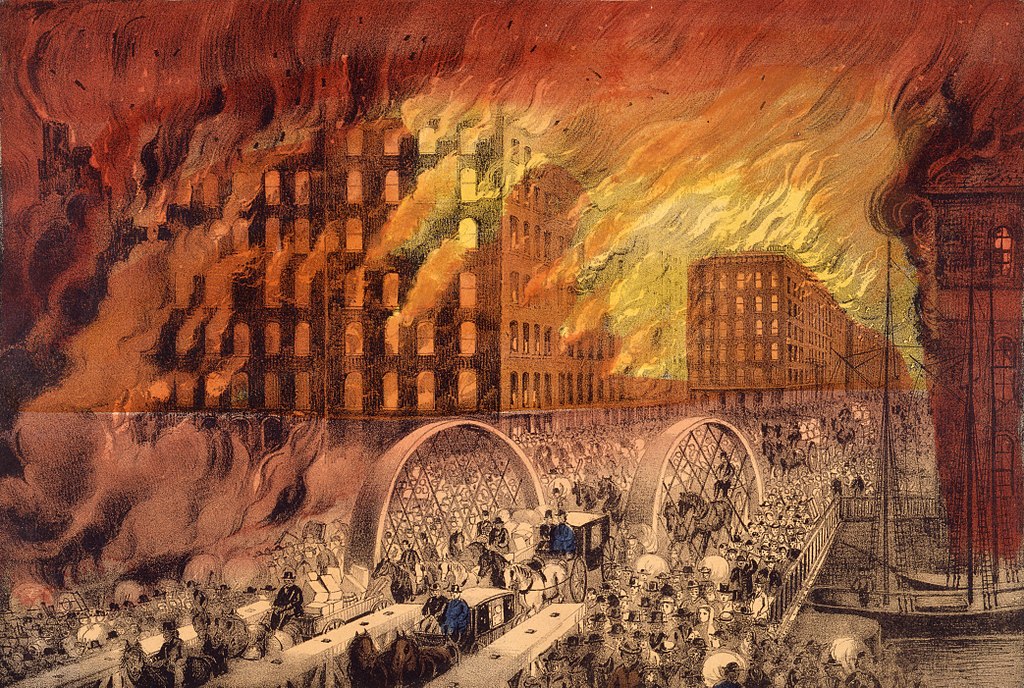
For generations, Americans were told that the Great Chicago Fire began when a cow kicked over a lantern. No evidence supports this claim. The true cause remains uncertain. The cow story provided a simple explanation for a devastating event that destroyed much of the city. It also shifted blame away from structural issues and human error. The myth persisted because it reduced tragedy to a memorable anecdote rather than confronting systemic failures.
America’s Founders All Agreed on the Nation’s Direction
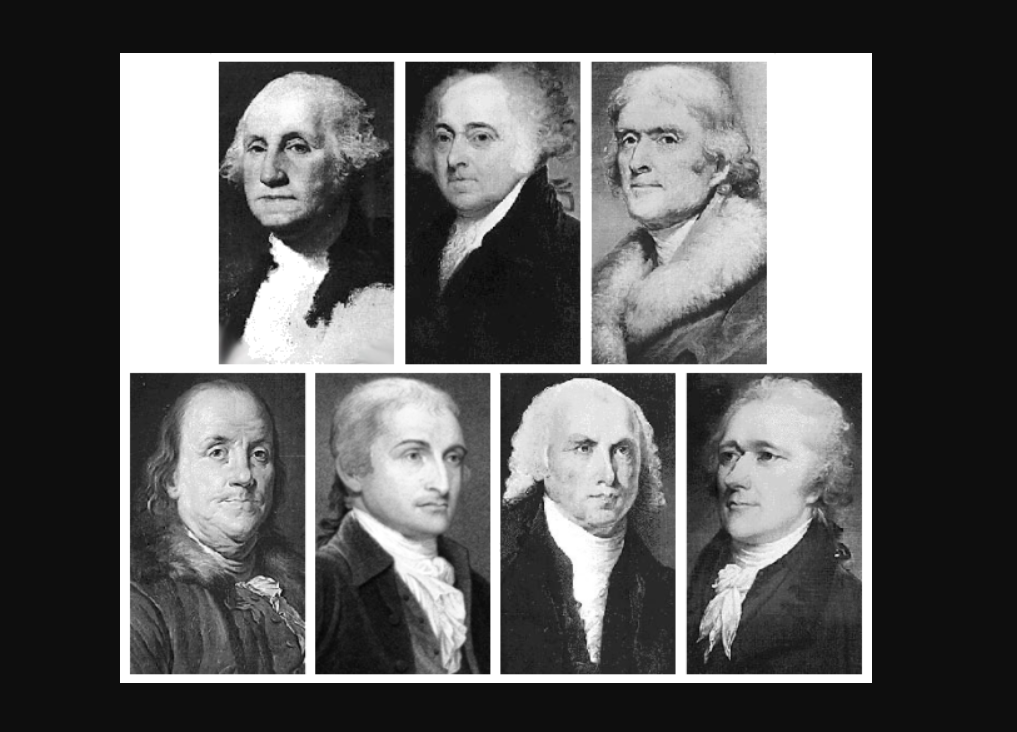
Founding figures are often portrayed as unified visionaries working toward a single goal. In reality, they argued fiercely over governance, power, and rights. Compromises were tense and deeply contested. The image of harmony developed later to promote national cohesion. This myth persists because consensus feels reassuring. It simplifies the messy reality of political creation into a cleaner narrative of shared purpose.
The Moon Landing Was Filmed on a Set
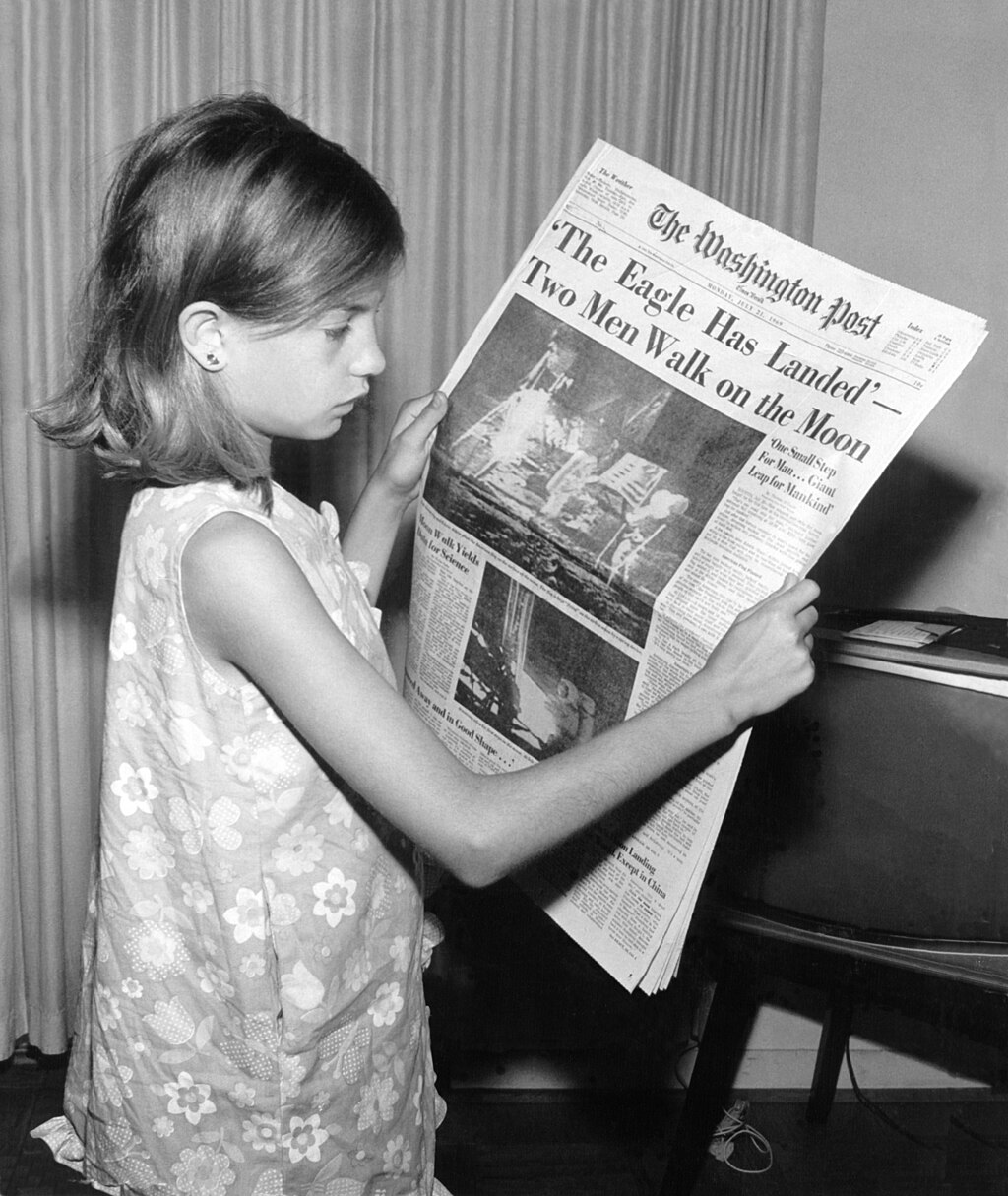
Despite overwhelming scientific evidence, claims that the moon landing was staged persist. These theories emerged from distrust, misunderstanding of technology, and cultural skepticism. The myth gained traction through repetition rather than proof. Its endurance reflects how uncertainty can override documentation. The story survives not because it is plausible, but because it satisfies suspicion during periods of institutional distrust.
The American Dream Was Always Achievable for Everyone
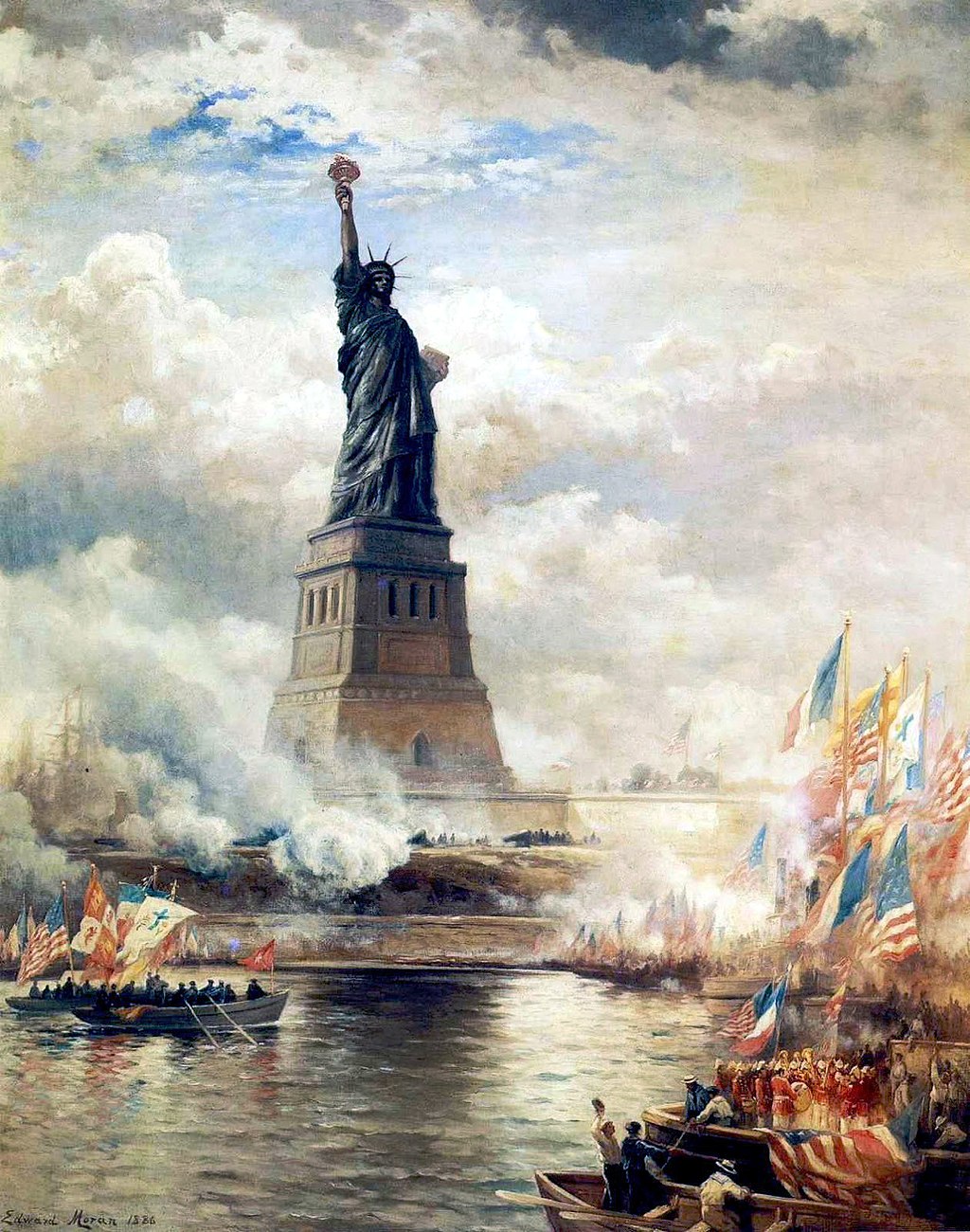
The belief that hard work alone guaranteed success has been promoted as timeless truth. Historically, access to opportunity varied widely based on race, gender, and class. The myth simplified complex economic systems into moral instruction. It encouraged effort while obscuring structural barriers. The story endured because it motivated aspiration. Its fictional uniformity masked unequal realities across American history.
These legendary tales did not survive because they were accurate, but because they were useful. They offered clarity, comfort, and moral framing in moments of uncertainty. Over time, repetition replaced verification. Understanding these myths does not weaken history. It strengthens it by revealing how narratives shape national memory. Fiction becomes powerful when it fills emotional gaps facts alone cannot.