
Shopping habits evolve quickly, and younger generations are often at the forefront of change. Driven by sustainability, digital innovation, and shifting priorities, many traditional products are losing their appeal. Here are 12 items that young shoppers are moving away from, and why.
Cable Television Subscriptions
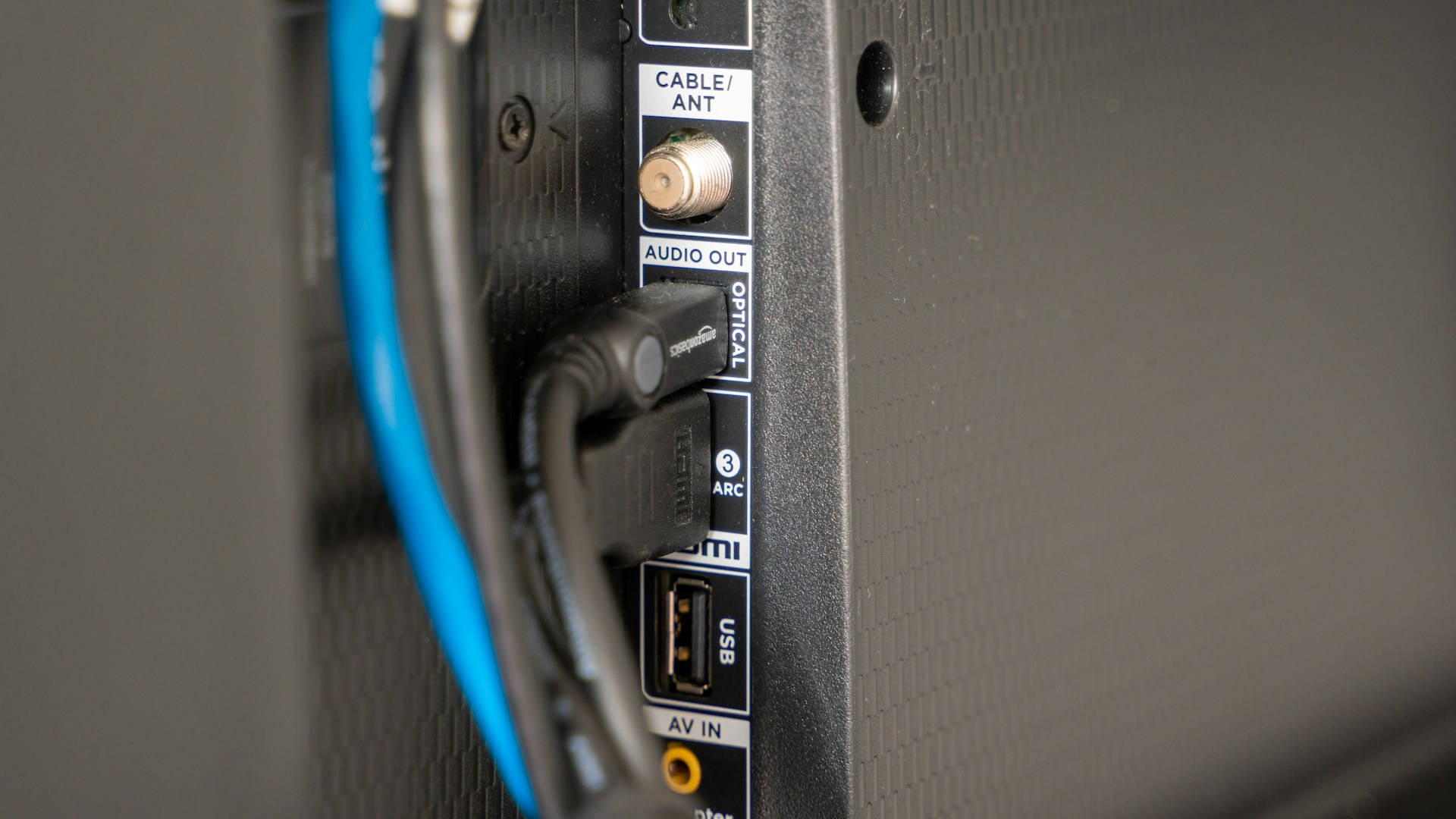
With the rise of streaming services, cable TV has become less relevant for younger audiences. They prefer on-demand viewing and ad-free experiences. High monthly costs and the inconvenience of rigid schedules have accelerated the decline. As a result, traditional cable companies are struggling to keep younger customers.
Single-Use Plastics

Environmental awareness has led to a rejection of disposable plastic items like water bottles, straws, and shopping bags. Reusable alternatives are now widely available and stylish. Many young shoppers see avoiding single-use plastics as a simple way to reduce their carbon footprint. Brands are adapting by offering eco-friendly packaging.
Fast Fashion

While affordable and trendy, fast fashion has come under fire for its environmental impact and questionable labor practices. Younger consumers are increasingly choosing thrifted, secondhand, or sustainably produced clothing. Quality and ethical sourcing are becoming more important than chasing every micro-trend.
Print Magazines and Newspapers

Digital media has replaced traditional print for most younger readers. They access news and entertainment instantly on their smartphones. While specialty magazines still have a niche audience, mass-market print publications are declining rapidly among under-35s.
Landline Phones
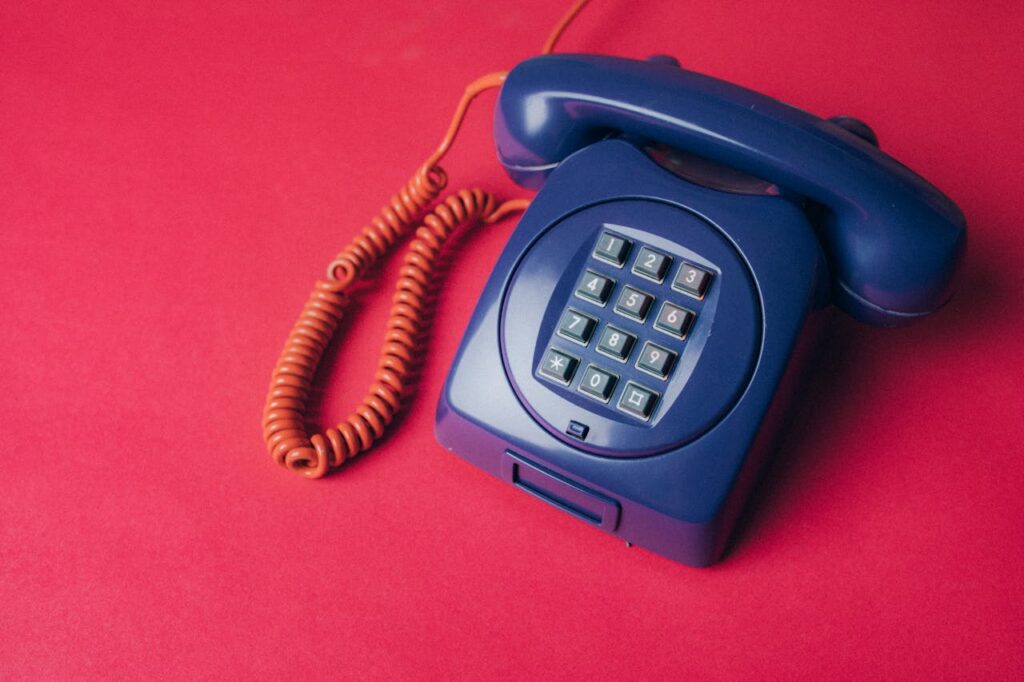
With nearly everyone owning a smartphone, landline phones have become a relic of the past. Young households rarely see a need for them. The convenience of mobile devices with internet, messaging, and camera functions makes landlines unnecessary.
Desktop Computers
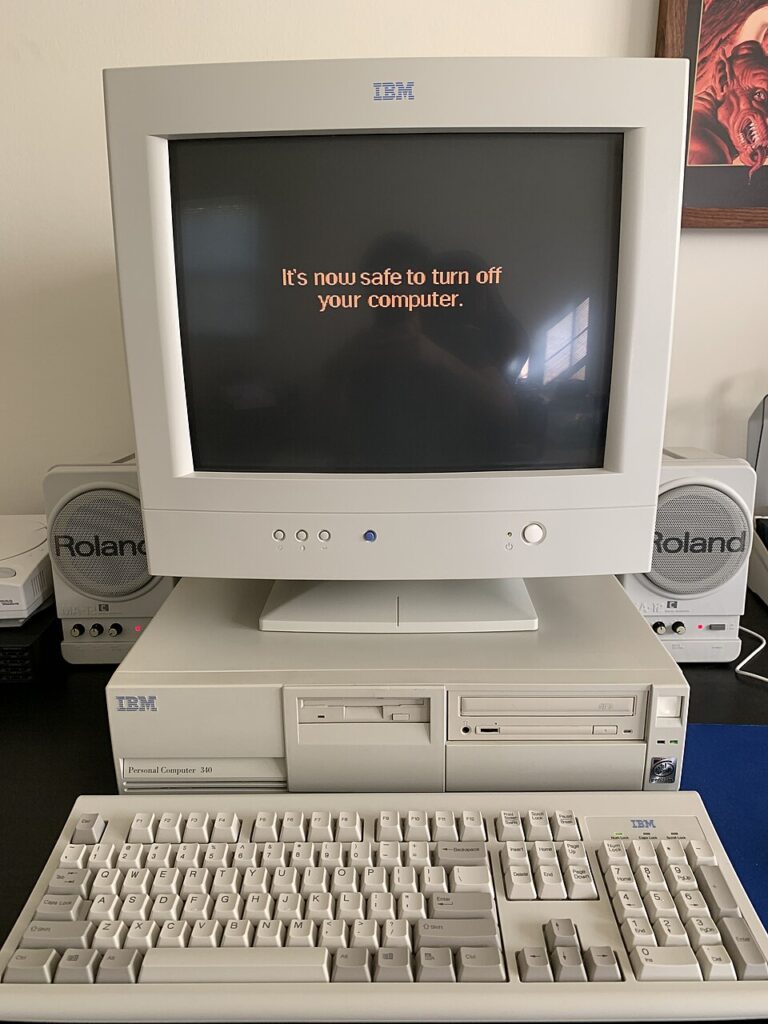
While still essential for certain professions, desktop computers are losing ground to laptops and tablets. Younger people value mobility and flexibility. For most daily tasks, a portable device is more than enough.
Formal Dinnerware Sets

Expensive china and silverware sets, once a standard for wedding registries, no longer appeal to younger buyers. They prefer multifunctional, dishwasher-safe options that fit modern, minimalist lifestyles. The decline reflects a shift toward casual dining and smaller living spaces.
Gas-Powered Lawn Equipment

Environmental consciousness is driving a switch to electric lawn mowers, trimmers, and blowers. Young homeowners and renters appreciate the lower maintenance and quieter operation. As battery technology improves, gas-powered tools are falling out of favor.
Compact Digital Cameras
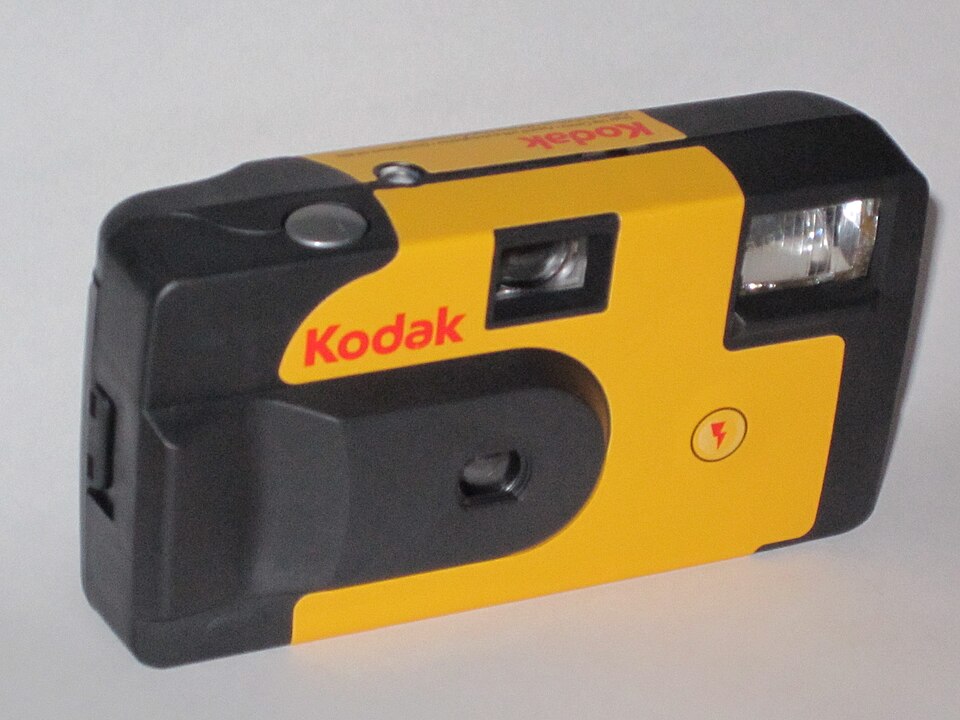
Smartphone cameras have replaced compact point-and-shoot cameras for most casual photography. High-resolution lenses, editing apps, and instant sharing make carrying a separate camera unnecessary for everyday use.
Greeting Cards

While still appreciated in some circles, physical greeting cards are losing ground to digital alternatives. Younger people often send personalized e-cards, videos, or social media messages instead. The shift saves money and reduces waste.
DVD and Blu-ray Discs
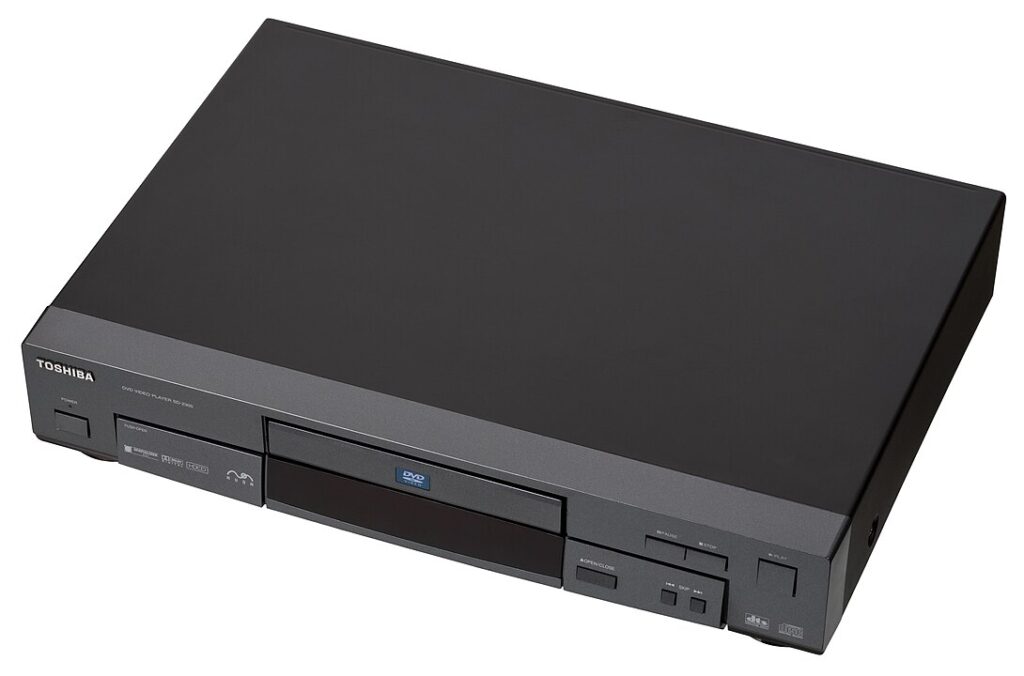
Streaming services have made physical media less relevant for younger audiences. The ability to watch instantly, anywhere, without storage concerns is more appealing. Collectors remain, but most young shoppers see discs as outdated.
Traditional Bank Branch Services

Online and app-based banking has reduced the need for visiting physical branches. Mobile deposits, instant transfers, and virtual customer support are now the norm. Younger customers value speed and convenience over in-person service.