Younger generations surround themselves with items that Baby Boomers would never dream of keeping. Objects once seen as unnecessary clutter have become symbols of personality, comfort, identity, and online culture. These items fill shelves, drawers, and countertops, not because they are essential, but because they represent lifestyle choices and aesthetic preferences. While Boomers valued practicality and durability, younger adults often embrace objects that tell stories, spark joy, and look good in photos. This shift reveals how homes today reflect emotional expression more than utilitarian need.
1. Decorative throw pillows for every season
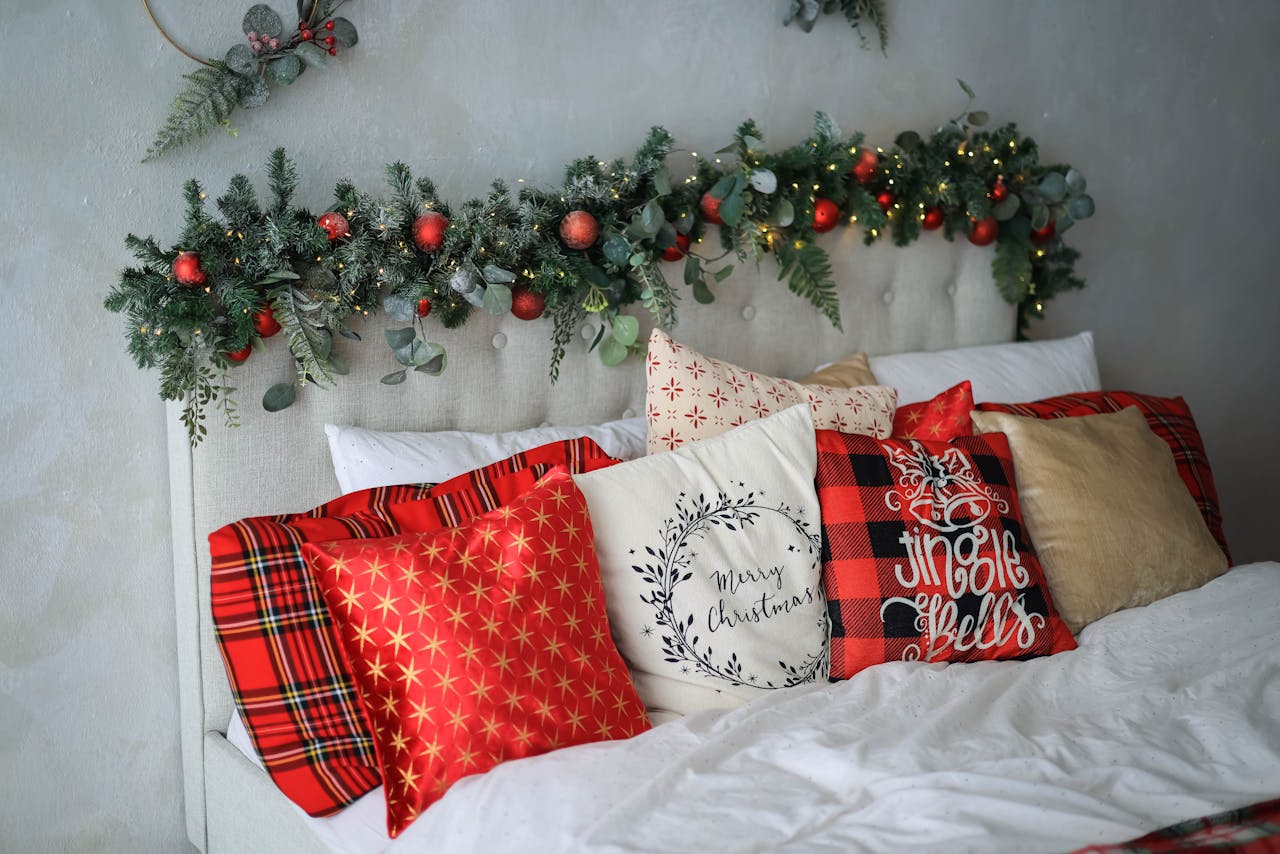
Throw pillows have graduated from a few cushions on the sofa to full blown seasonal statements. Younger homeowners swap them for autumn, winter, summer, and themed holidays, creating rotating décor that changes the feel of a room. Boomers may see this as unnecessary excess, but younger buyers enjoy using pillows as a low cost way to keep spaces feeling fresh. The ritual transforms homes into curated environments where design is influenced by mood, not just comfort, and each season becomes an excuse for a small makeover.
2. Houseplants treated like family members
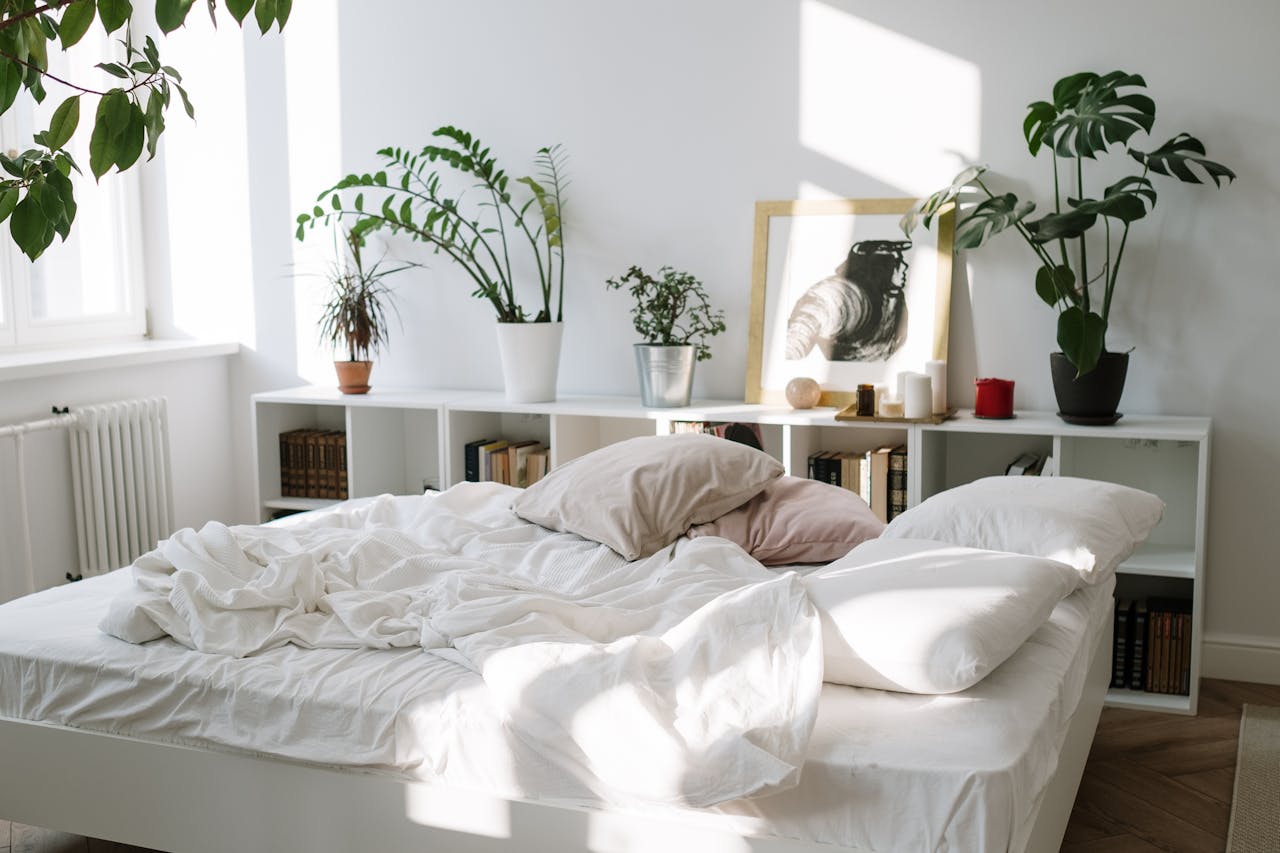
Younger generations fill homes with indoor plants that receive more attention than some pets. They are watered, misted, photographed, and occasionally named. While Boomers favored low maintenance décor, today’s households treat plants as emotional companions. Social media inspires rare species collections and elaborate displays. Care routines become rituals that bring pride and calm. These leafy additions are no longer background elements but central characters in the story of modern living, shaping the atmosphere of rooms and the identity of families.
3. Mason jars used for everything but canning
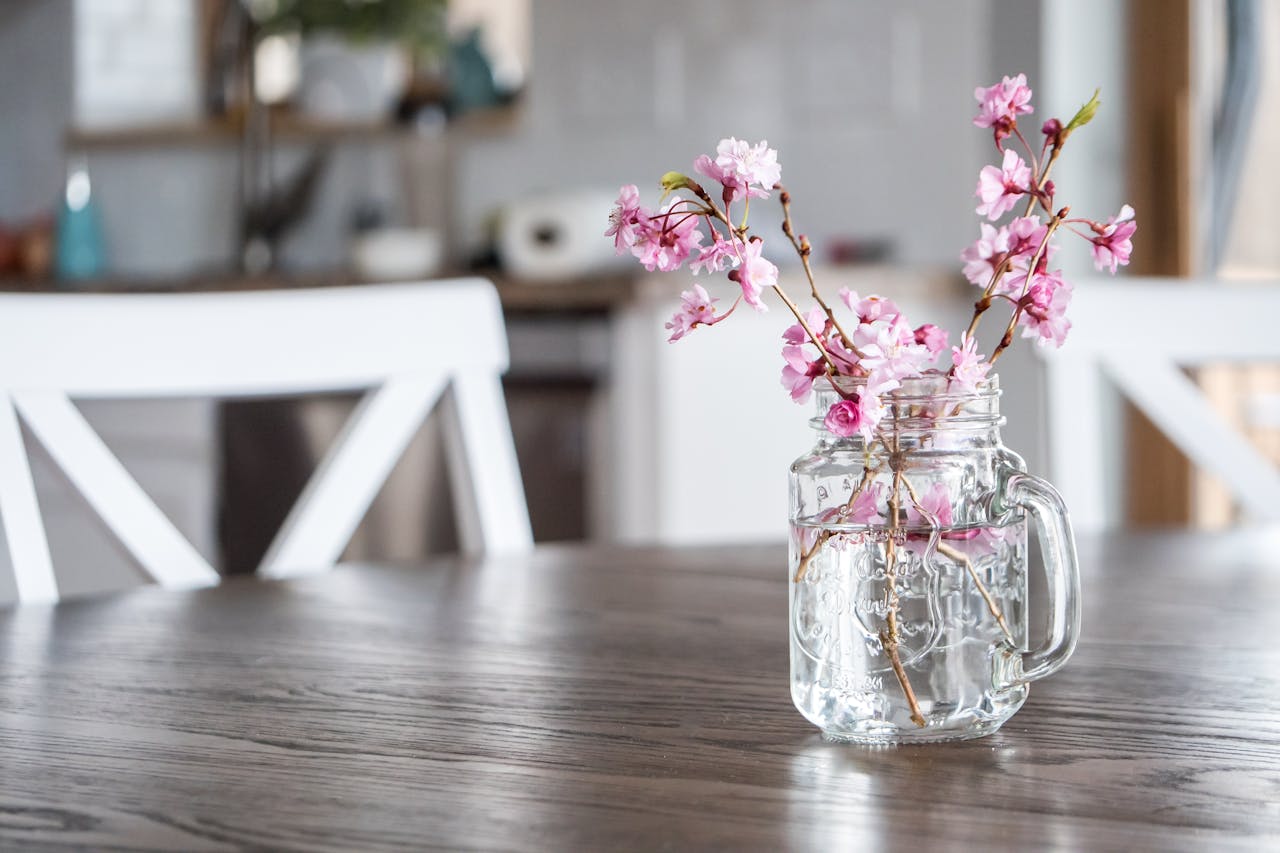
Mason jars once lived in pantries for preserving fruit and vegetables. Now they store smoothies, candles, cotton pads, salad bowls, utensils, and craft materials. Younger generations turned the humble jar into a lifestyle accessory. Its rustic design fits kitchens, desks, and picnics, even though many owners never use it for its original purpose. For Boomers, using jars this way seems impractical, yet younger adults see versatility and charm. The jar has become an aesthetic symbol of creative, repurposed living.
4. Craft supplies saved for potential hobbies
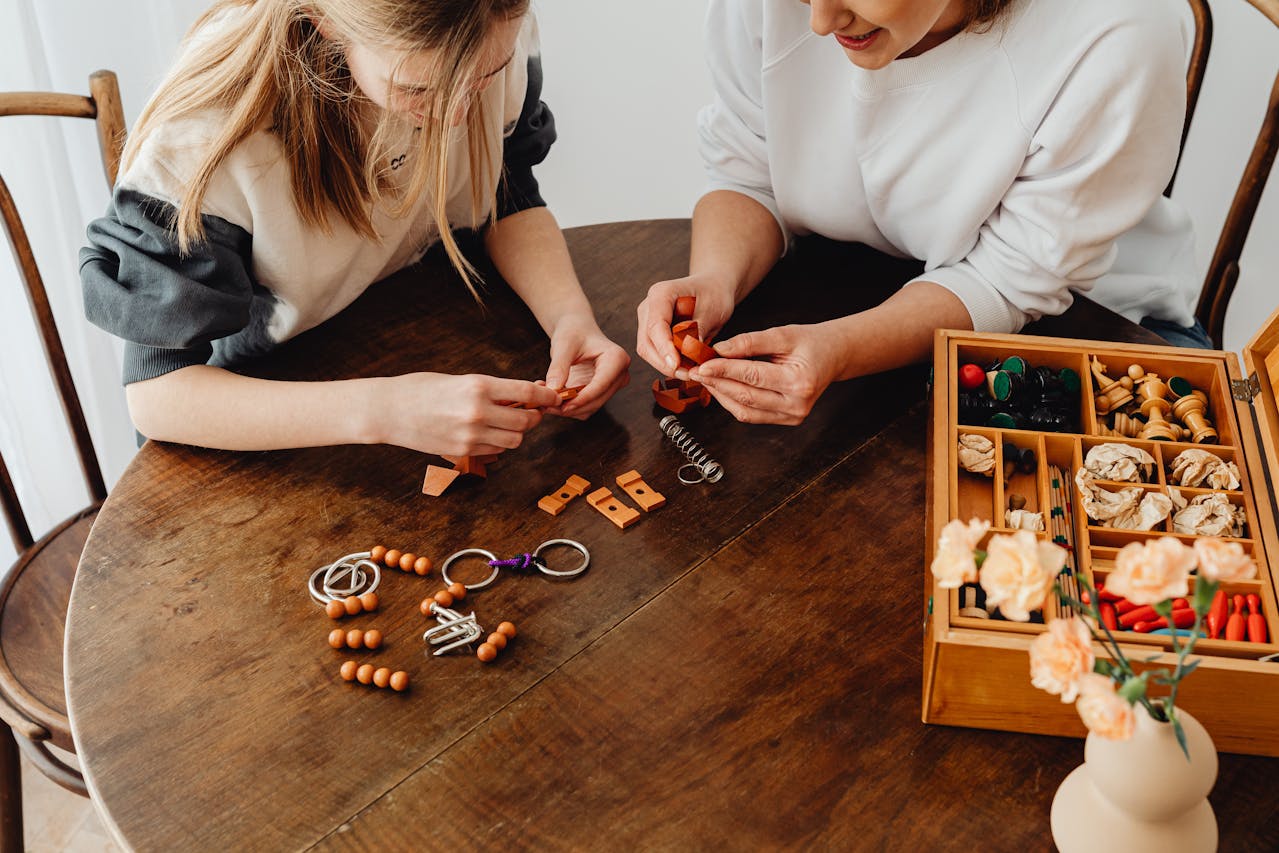
Many homes now contain bins of paints, beads, yarn, and unfinished projects. Younger generations collect tools for hobbies they may never start, inspired by online tutorials and trends. While Boomers waited until they needed something before buying it, younger adults enjoy the potential of creativity. Craft supplies become symbols of imagined productivity and identity, even if they remain untouched. The materials reflect optimism and a desire to express individuality, making storage closets feel like future studios waiting for inspiration.
5. Holiday themed mugs
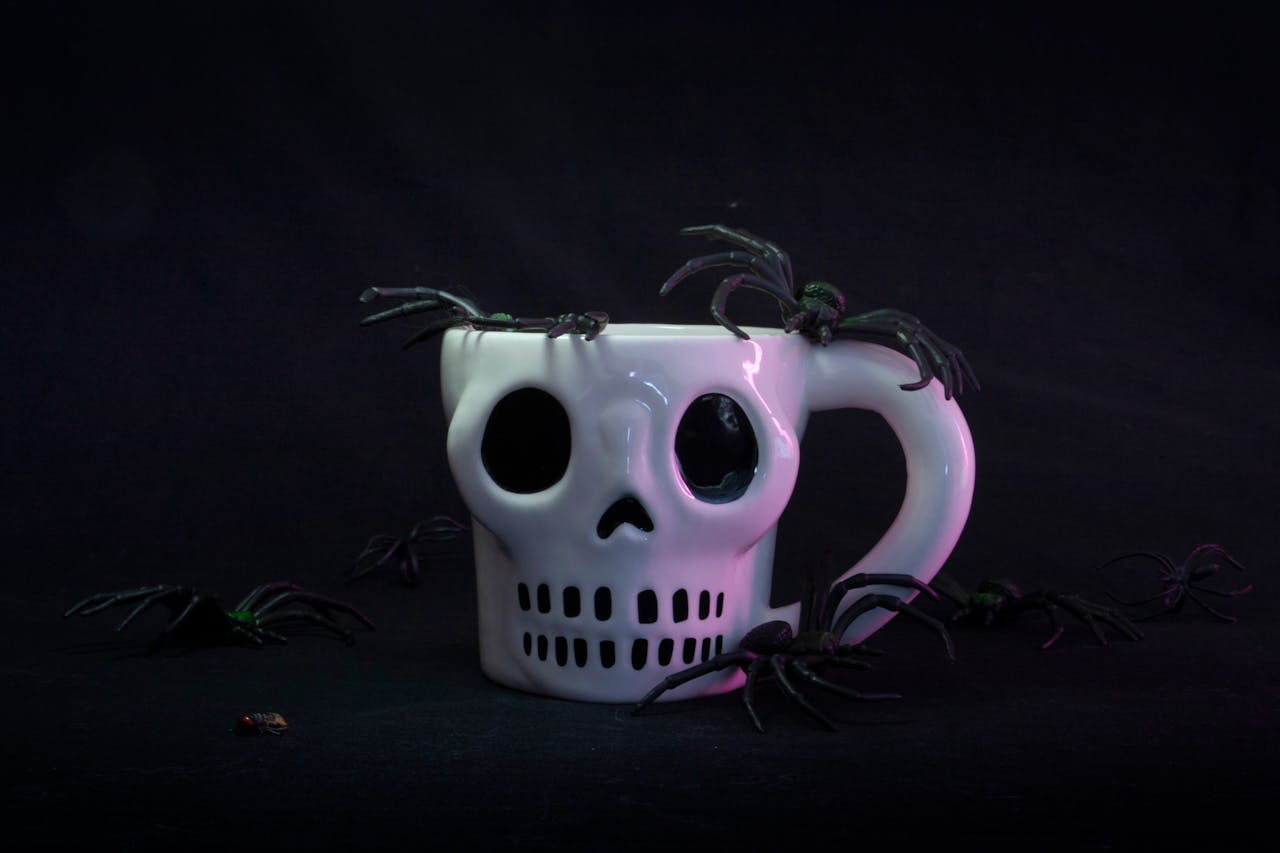
Mugs used to be everyday kitchenware, but younger homeowners collect them for Halloween, Christmas, Valentine’s Day, and birthdays. These cups become personal souvenirs of seasons, memories, and moods. They fill shelves with playful messages and designs, serving more as decorations than dishes. Boomers may view them as space wasters, yet younger adults enjoy the comfort and expression they bring. Each mug marks a moment or feeling, turning morning coffee into a ritual that changes with the calendar.
6. Scent diffusers in every room
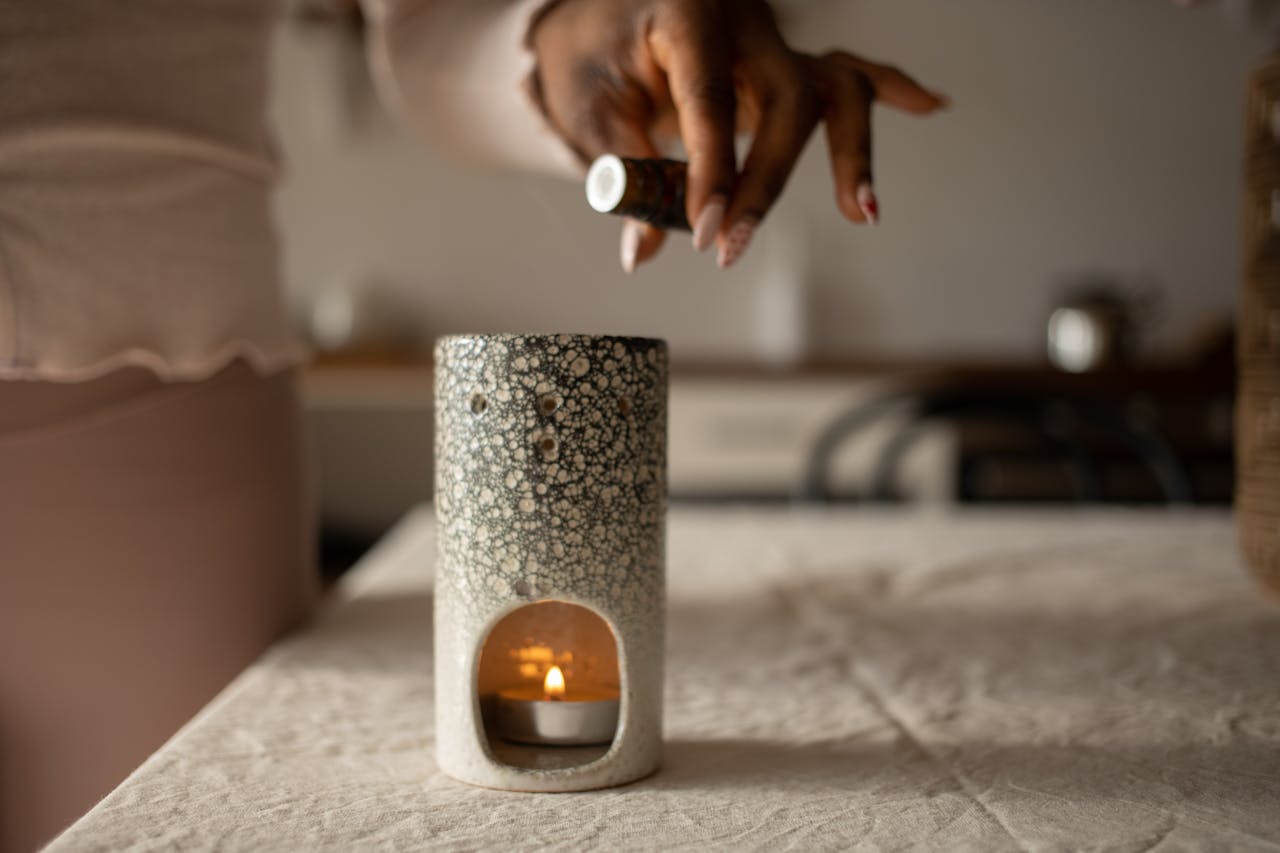
Rather than relying on a single air freshener, younger households use diffusers to match scents with moods, seasons, or décor. Lavender for sleep, citrus for mornings, cedar for winter. These devices blur the line between interior design and wellness. Boomers may see this as unnecessary, but younger adults value scent as part of atmosphere. Diffusers signal that comfort is curated, not accidental, and the aroma of a room can be as expressive as the art on the walls.
7. Travel souvenir magnets covering the fridge
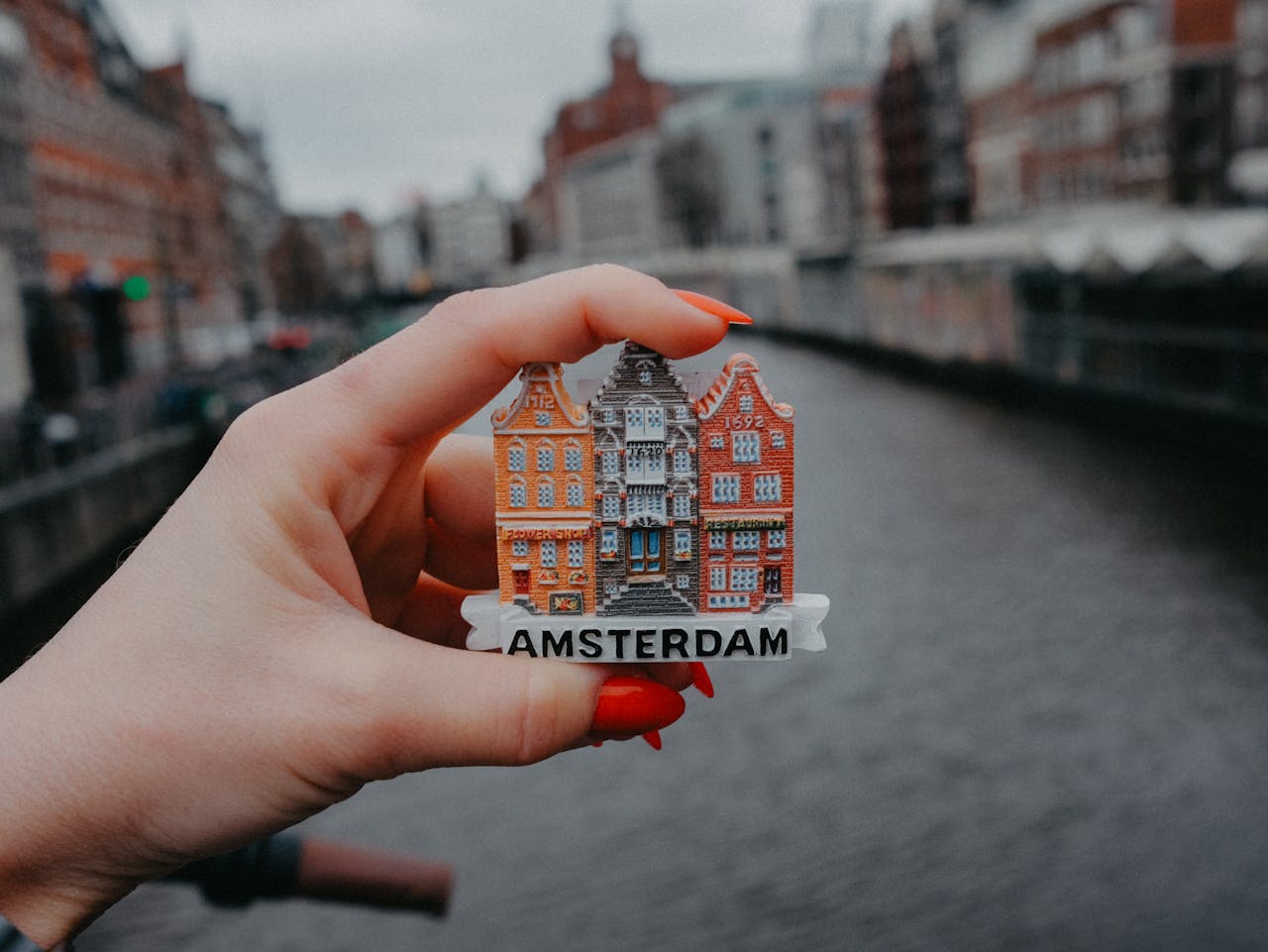
Refrigerators have become memory boards layered with magnets from road trips, flights, and local adventures. While Boomers may keep photos in albums, younger adults display journeys through fridge décor. Each magnet represents a story, a shared moment, or a destination. The fridge becomes a gallery of lived experiences rather than a cold appliance. It turns daily routines like grabbing milk into nostalgia triggers and transforms kitchens into personal museums of movement and identity.
8. Digital photo frames looping forgotten selfies
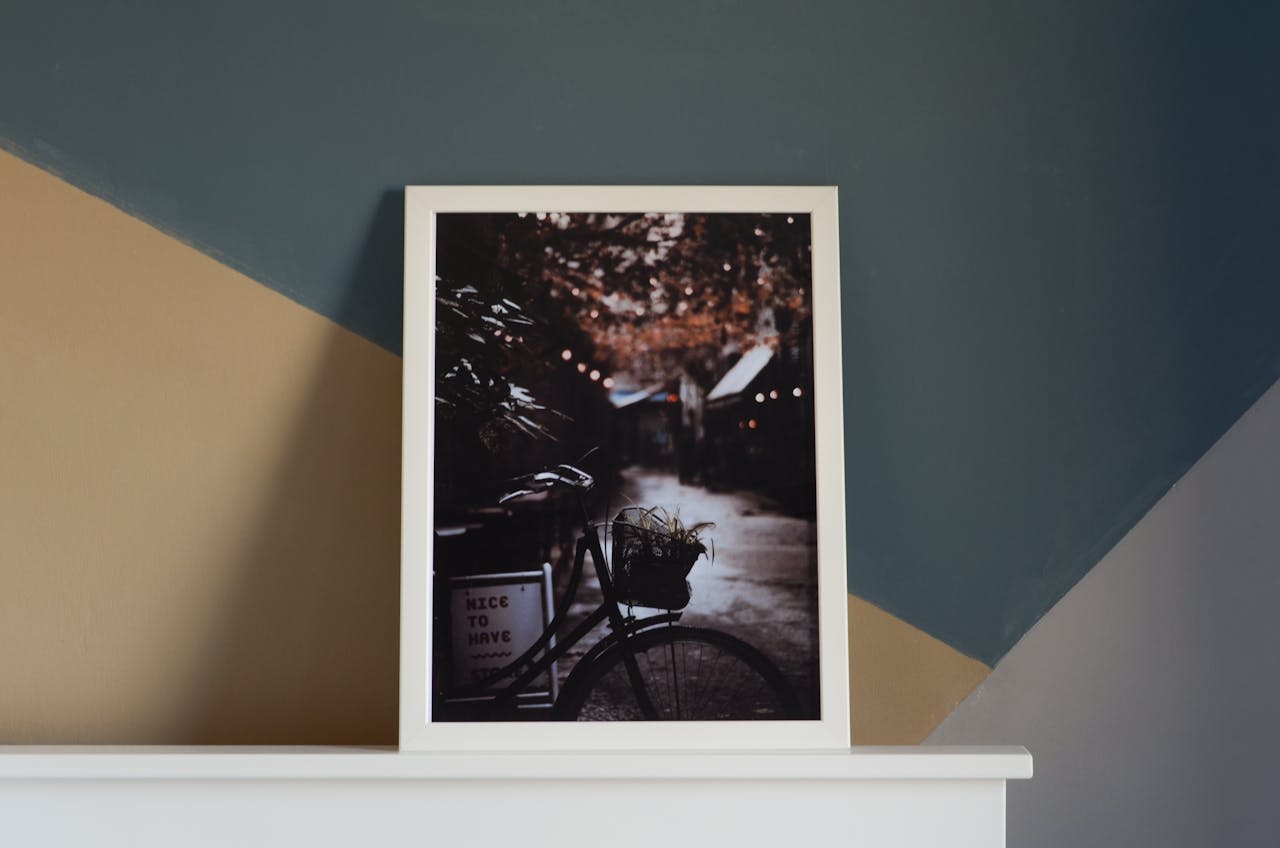
Instead of framed portraits, younger households use digital screens that scroll through images from vacations, pets, hobbies, and spontaneous selfies. Many photos are barely remembered, yet they appear daily like a highlight reel of ordinary life. Boomers often prefer printed photos, but younger adults enjoy this endless slideshow of memories. These frames turn walls and shelves into living archives and give fleeting phone pictures a permanent presence. The home becomes a place where digital identity blends with décor.
9. Ceramic bowls that exist only for Instagram photos
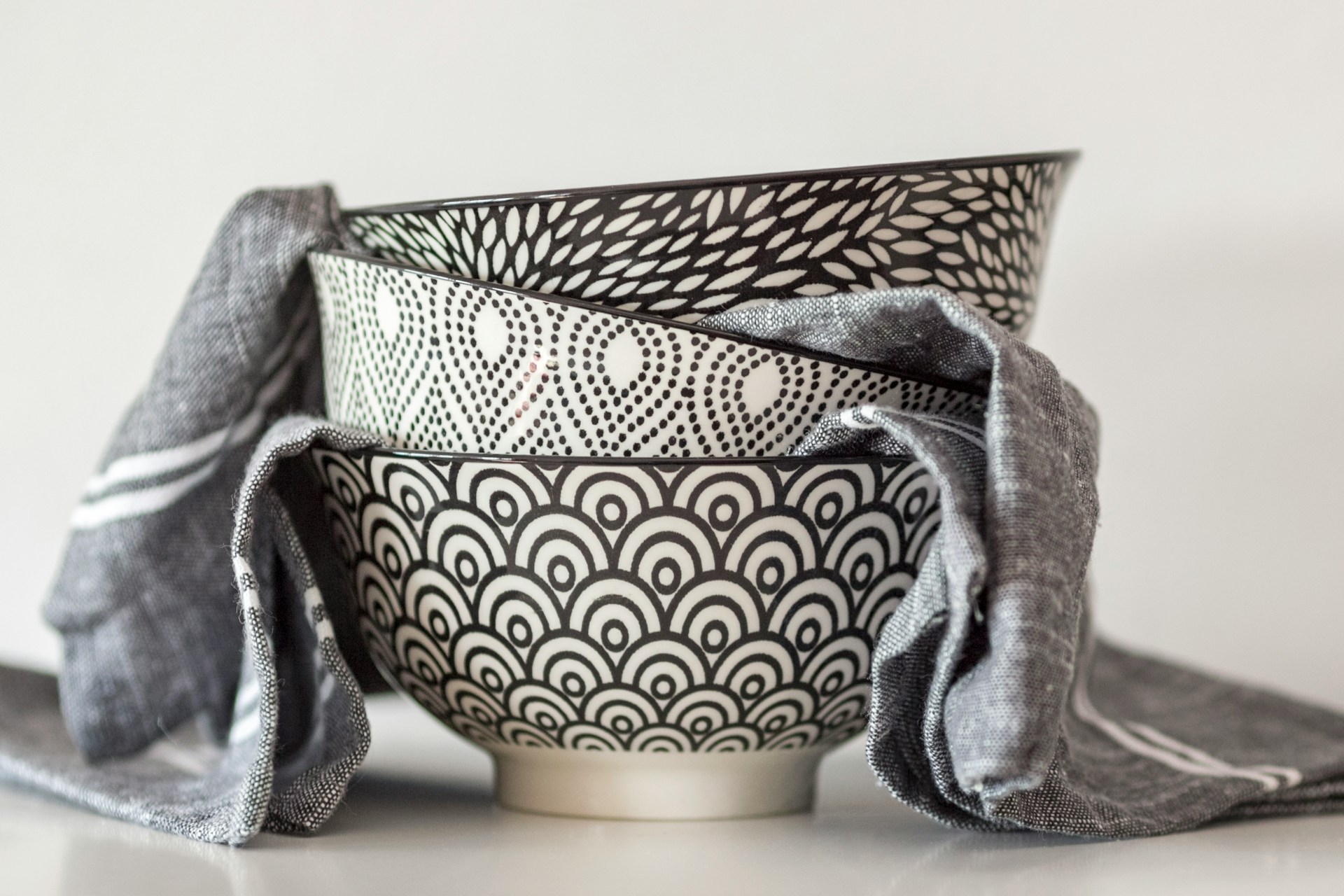
Perfectly glazed bowls sit untouched because their purpose is aesthetic rather than functional. Younger shoppers buy tableware that photographs well regardless of whether it holds food. Boomers may say a dish is meant for eating, but younger adults turn plates and bowls into visual props. These items reflect how modern kitchens serve as backdrops for personal branding. The ceramic bowl has become a symbol of curated identity where style matters as much as utility.
10. Motivational quote stickers stuck on laptops and water bottles
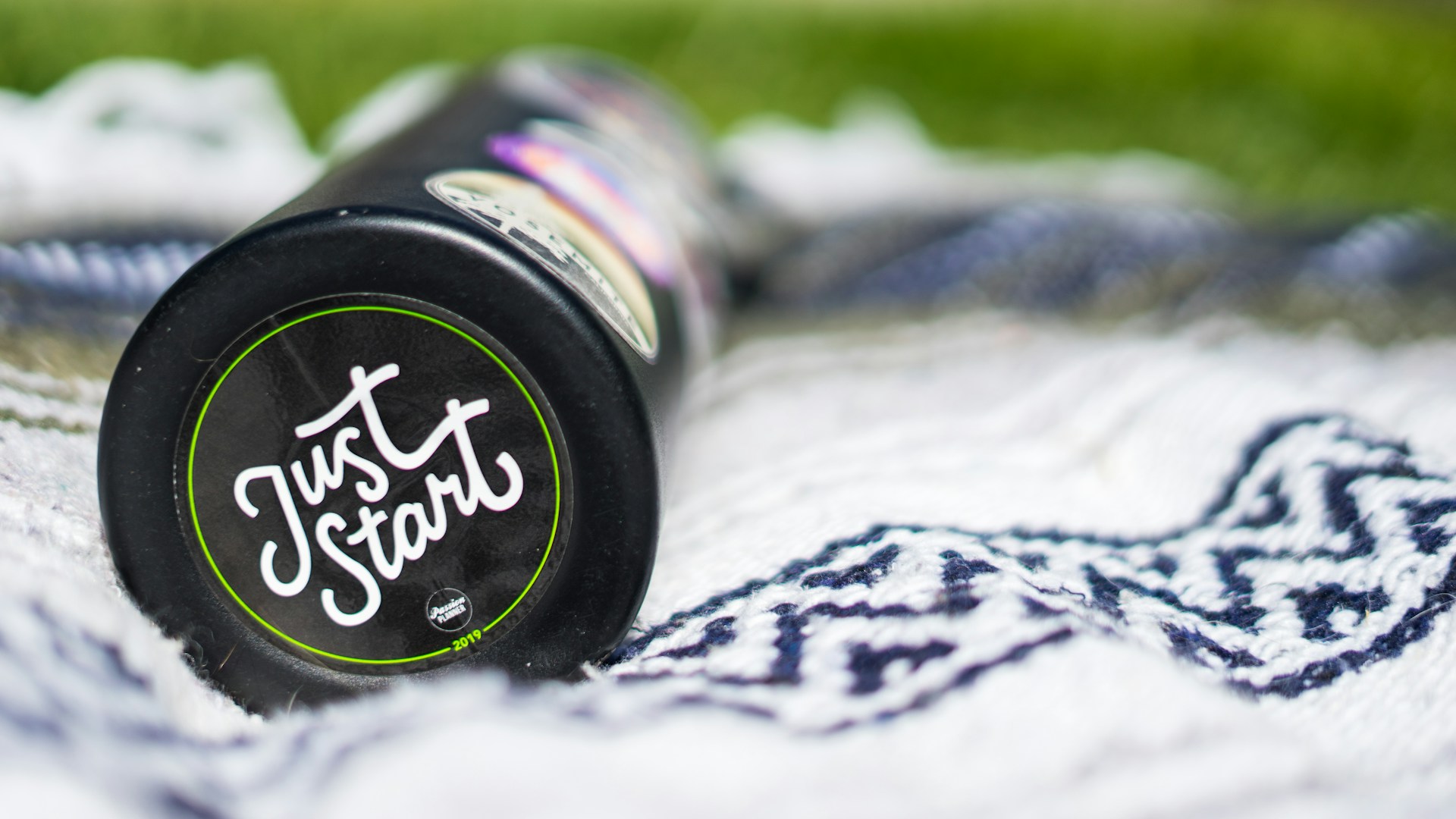
These stickers serve as portable affirmations that travel to work, gyms, and cafés. Younger generations adorn laptops and bottles with quotes about hustle, kindness, or confidence. Boomers might see them as childish, but younger adults treat objects as expressions of personal values. The stickers create micro reminders throughout the day and signal identity to others. They turn everyday items into emotional accessories and reshape how belonging and confidence are communicated in public spaces.
11. Candles bought for aesthetic, never lit
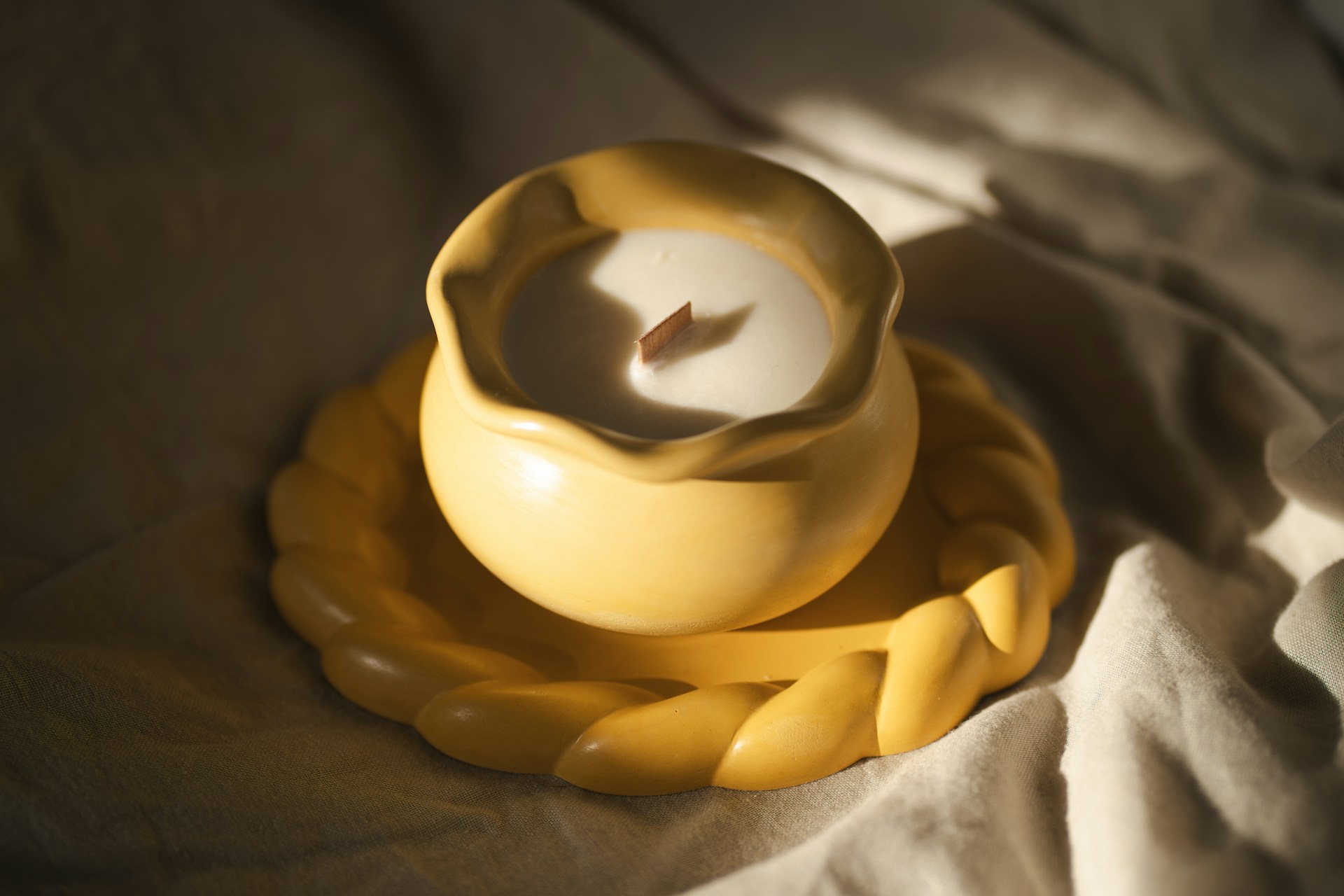
Some candles are purchased only for their shape, color, or trend value. They sit untouched on shelves, resting like sculptures rather than air fresheners. Boomers may ask why anyone buys something they do not use, but younger generations treat candles like room jewelry. They complete a vibe and appear in photos, even if the wick remains unburned. The candle becomes more symbol than tool, contributing to mood and style while never fulfilling its traditional purpose.
12. Pet outfits stored in drawers like baby clothes

Pets have become full family members, complete with wardrobes. Sweaters, costumes, and accessories accumulate faster than wear time allows. Boomers may find this unnecessary, but younger adults enjoy dressing their pets for seasons, social posts, or special events. The outfits reflect affection and identity more than utility. Drawers overflow, turning closets into miniature fashion archives for creatures that do not understand clothes. Yet the joy they bring ensures the practice continues.
Younger generations curate homes filled with emotional meaning, humor, and personal identity. Their belongings often tell stories more than they serve tasks. Baby Boomers might question the practicality of these items, yet the younger desire for personalization and joy shapes how modern spaces evolve. These objects transform houses into reflections of personality, memory, and mood rather than mere shelter. The contrast shows how generations decorate not just where they live, but who they are.