

Let’s be honest—moms are resourceful geniuses. When something breaks, spills, or suddenly needs to be fixed before the school run, you can bet a mom has a creative solution ready. But not all of these life-saving home hacks pass the professional sniff test. Some are quick fixes that work in the moment but might cause damage, cost more in the long run, or just go against expert advice. Still, they keep popping up in households everywhere, because let’s face it—they work… kind of.
Using Vinegar for Everything
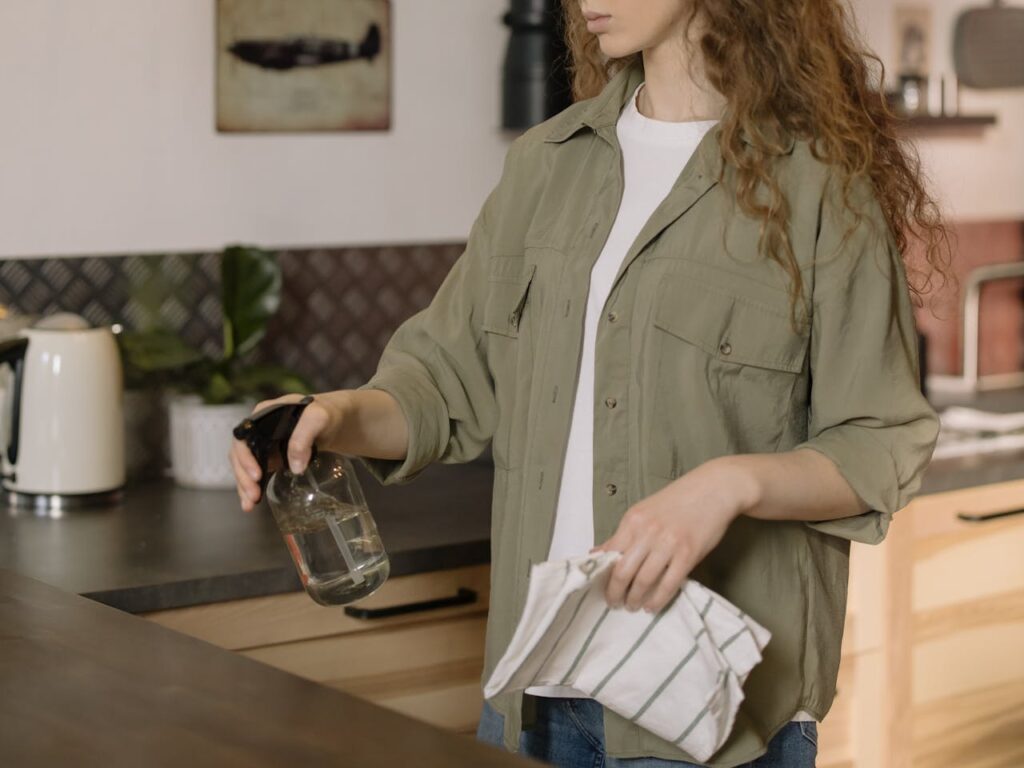
Vinegar is a legendary mom solution. From cleaning windows to unclogging drains and freshening laundry, it seems like vinegar can do no wrong. But professionals warn that vinegar is acidic and can damage natural stone, rubber gaskets in appliances, and even hardwood floors over time. While it’s handy and cheap, its overuse can lead to costly repairs or wear and tear. It’s a favorite because it feels safe and natural, but not everything responds kindly to that sour splash. Plus, the lingering smell can be overwhelming when used too frequently or in poorly ventilated areas.
Using Hot Glue as a Wall Gum
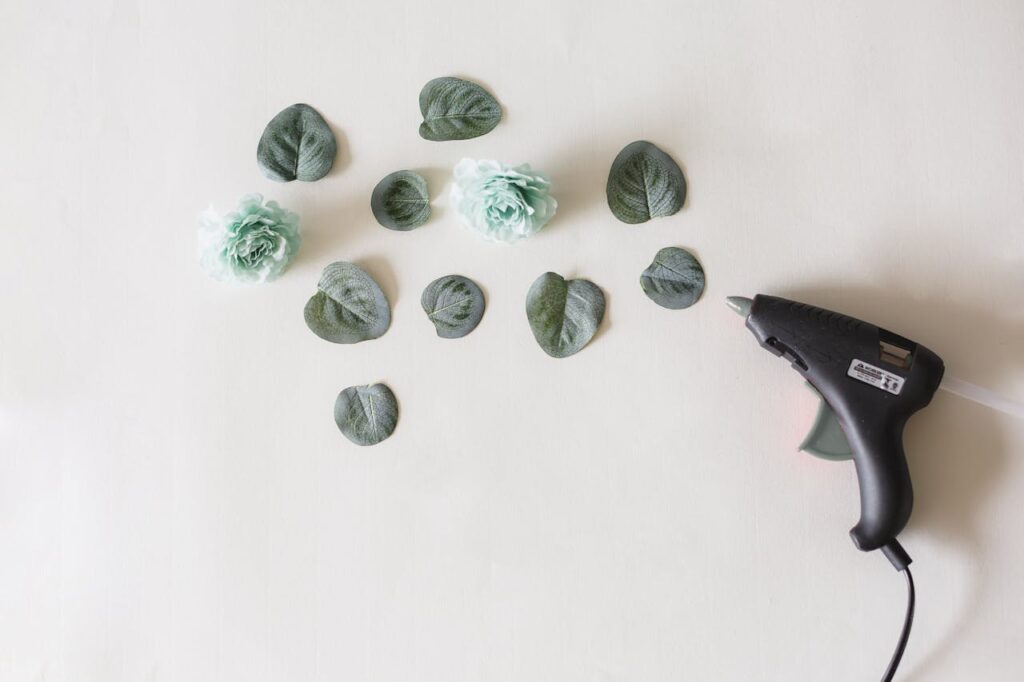
Hot glue is a go-to for crafty moms everywhere—it sets fast, grips well, and feels almost magical. So naturally, some moms use it to stick lightweight items, like mini hooks or decorations, directly onto walls. But professionals cringe at this trick. Hot glue bonds quickly, but removing it later can peel off paint, damage drywall, or leave behind a hard residue that’s tricky to scrape without harming the surface. While it might seem perfect for kids’ rooms or seasonal décor, the damage it can cause long-term outweighs the convenience. It’s a quick fix that can turn into a slow regret when it’s time to redecorate.
Bleach for Mold on Everything
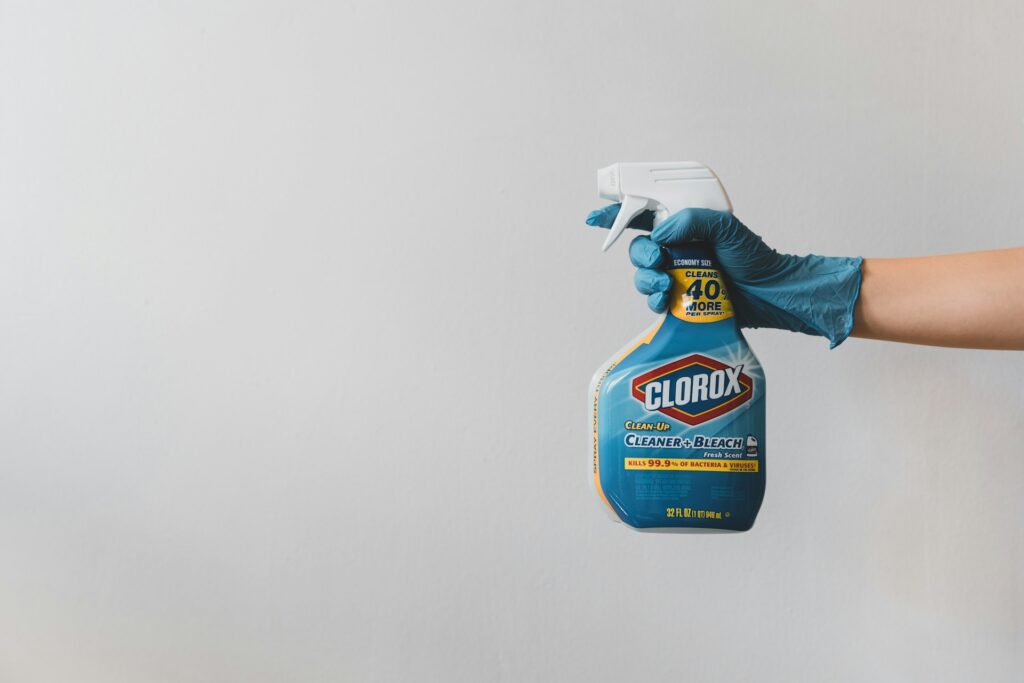
Mold in the shower? Bleach it. Musty basement? Bleach it. Moms reach for that white bottle without hesitation. But pros warn that bleach can’t fully kill mold on porous surfaces like grout or wood and often makes it worse by only whitening the top layer. Worse still, it can release harsh fumes or damage finishes. While it gives that “clean” look instantly, deeper mold remediation usually requires more than just a strong smell and stinging eyes. When used incorrectly, bleach can also spread spores and worsen indoor air quality.
Using Nail Polish to Fix Chips and Scratches
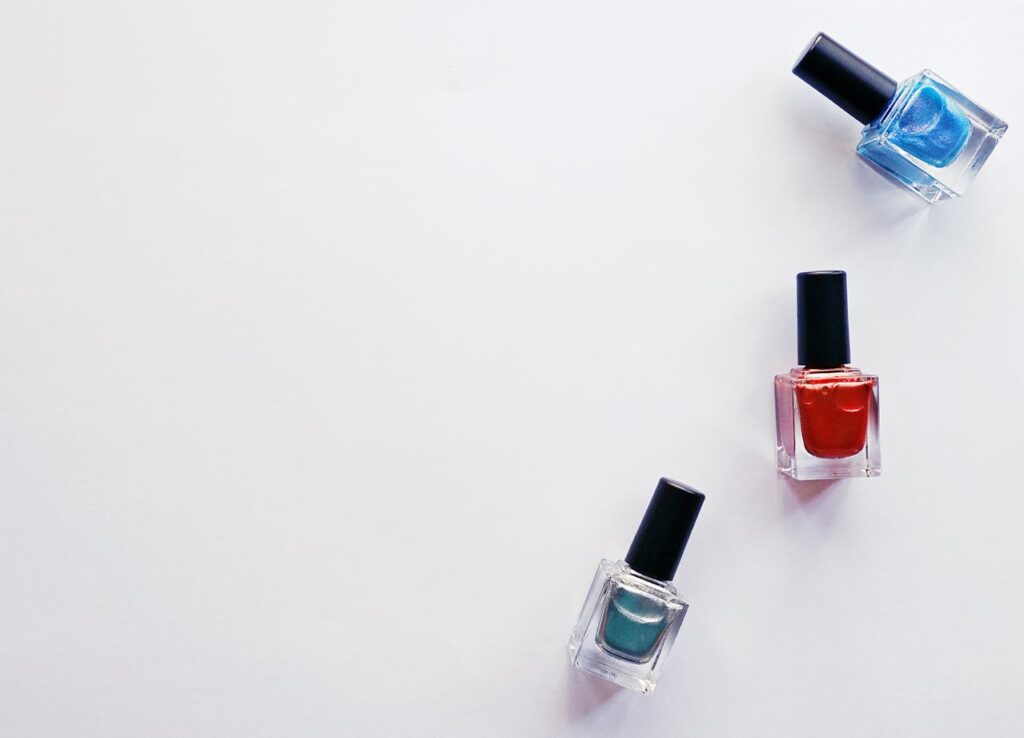
Got a chip in the tile? A scratch on the hardwood? Scuffed the fridge? Somewhere, a mom has already grabbed her bottle of nail polish—clear or color-matched—and dabbed it on. It’s fast, it dries quickly, and it gives that satisfying feeling of “well, at least it looks better.” But professionals shake their heads. Nail polish can yellow over time, doesn’t blend well with surfaces, and might even cause chemical reactions with some finishes. It’s not made for durability and can actually make future repairs more complicated. Still, when it’s 11 p.m. and you’re staging for a school bake sale, a little cover-up polish seems like genius.
Dish Soap in the Washing Machine
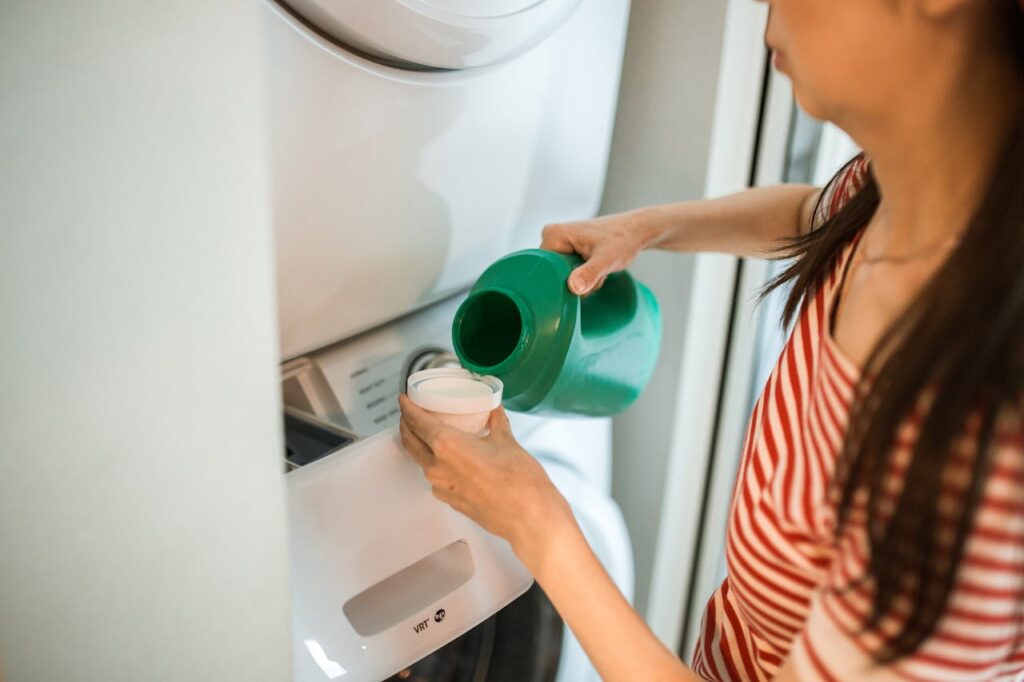
Ran out of laundry detergent? Just use dish soap, right? Many moms have done this at least once. But dish soap foams excessively in washing machines, especially high-efficiency ones, leading to sudsy floods or mechanical issues. It also leaves residues on clothes and internal parts. Professionals strongly discourage this trick, even if it saved the day that one desperate laundry night. Long-term use can even void the warranty of some washers, turning a tiny convenience into a major expense.
Tennis Balls in the Dryer
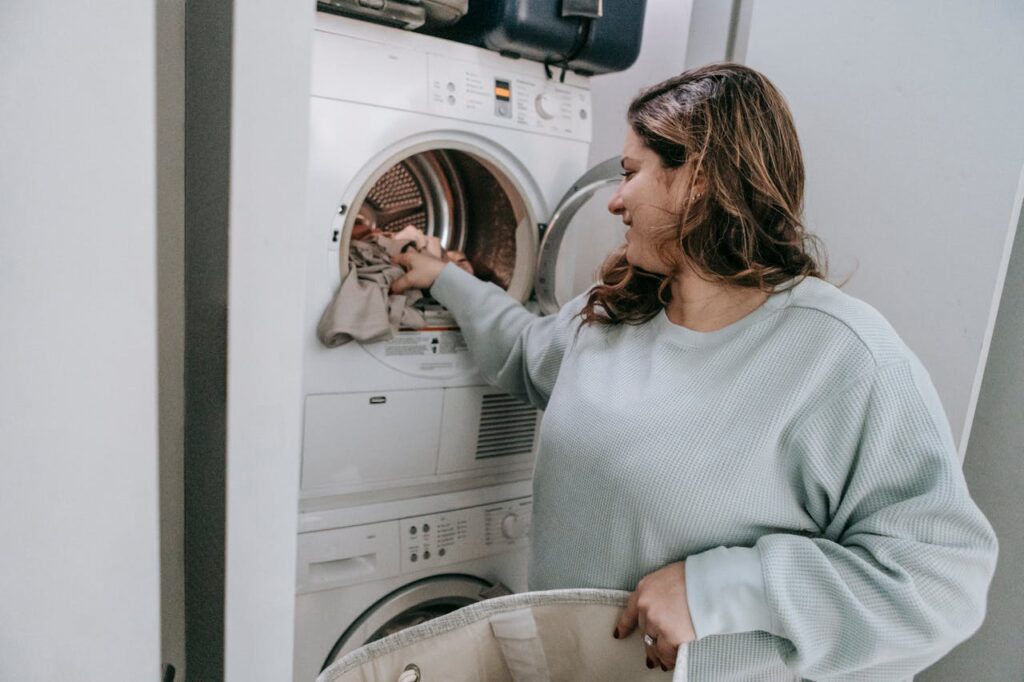
To fluff up comforters or speed up drying time, tennis balls often get tossed into dryers by busy moms. While the idea kind of works, it’s not ideal. Professionals point out that the dye from tennis balls can transfer, and the material can break down under heat. Dryer balls made of wool or silicone are a better choice. Still, when you’re trying to get your kid’s bedding dry before bedtime, the tennis ball trick can seem like a miracle in a pinch. The noise alone, though, can drive you up the wall, especially during a peaceful nap window.
Using Mayonnaise to Remove Crayon or Water Rings
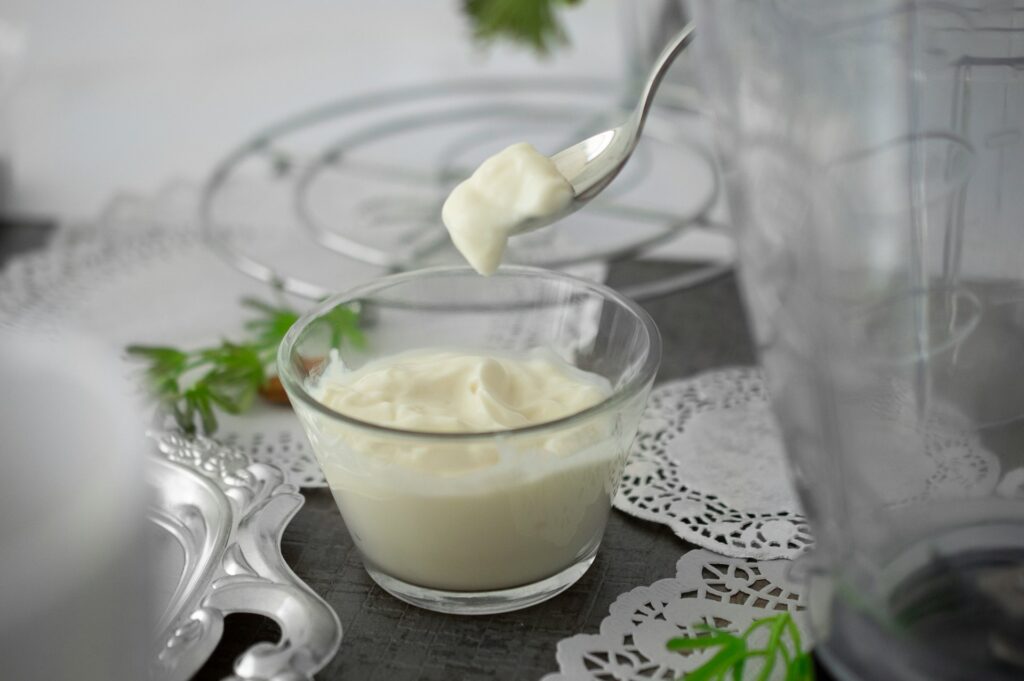
Yes, mayonnaise. Moms sometimes use it to buff out water stains or remove crayon scribbles from wood. And weirdly enough, it sometimes works. But pros say the oil can soak into porous furniture, attract more dirt, or go rancid if not fully wiped off. It’s an old-school hack that spreads online like folklore but isn’t recommended by people who refinish furniture for a living. The smell alone can be unpleasant, and it may cause long-term discoloration of untreated wood.
Using Baby Wipes to Clean Everything
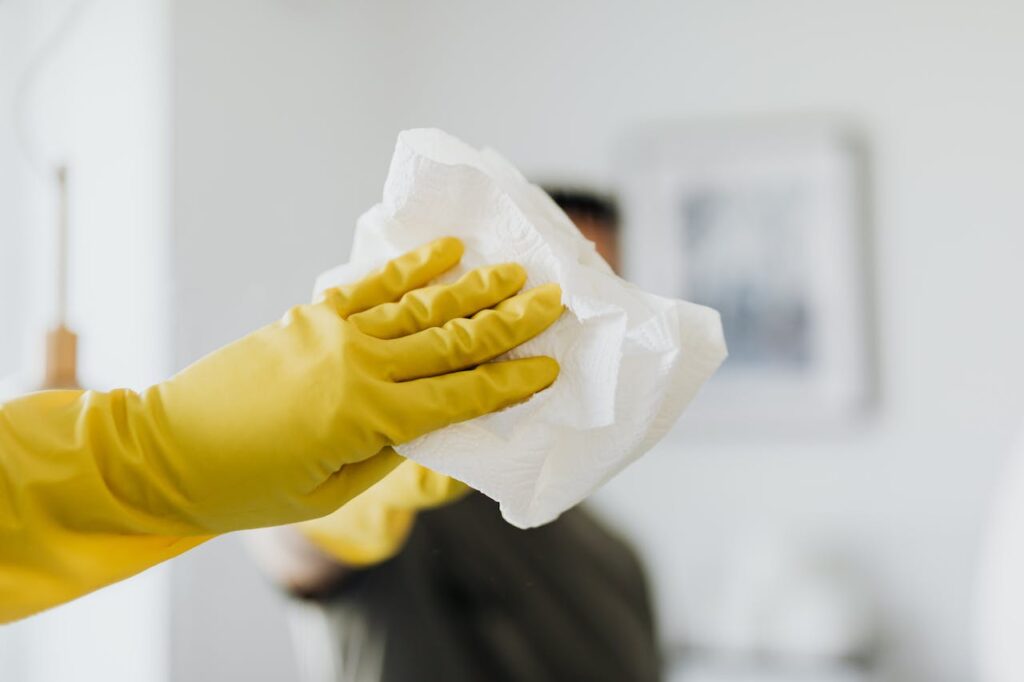
Baby wipes are practically glued to a mom’s hand for the first few years of parenting—and once you realize how well they clean everything from faces to couch stains, it’s hard to stop. Many moms swear by them for wiping down countertops, cleaning up spills, or giving furniture a quick refresh before guests arrive. But professionals caution against using them as a go-to cleaner. Baby wipes often leave a residue, aren’t designed to disinfect, and can degrade certain materials like leather, wood finishes, and electronics. Over time, the gentle formula that’s perfect for baby skin can do damage to surfaces that need a little more care—or less moisture.
Painting Without Primer
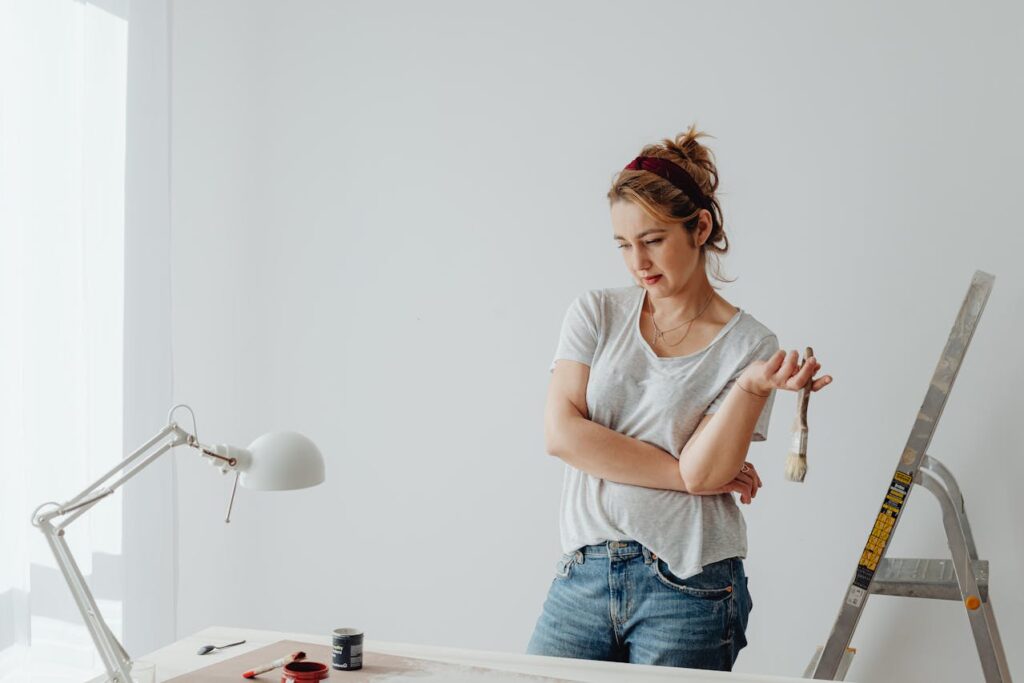
When a mom decides to repaint a room over a weekend, the primer often gets skipped. Why bother when you can just do two coats of the main color, right? But skipping primer can lead to uneven coverage, peeling paint, or bleeding stains. Experts always recommend priming, especially on patched walls or drastic color changes. It’s not just about the look—it’s about longevity. Over time, unprimed walls may show blotches and start flaking, leading to double the work later.
Using Essential Oils Directly on Surfaces for Cleaning
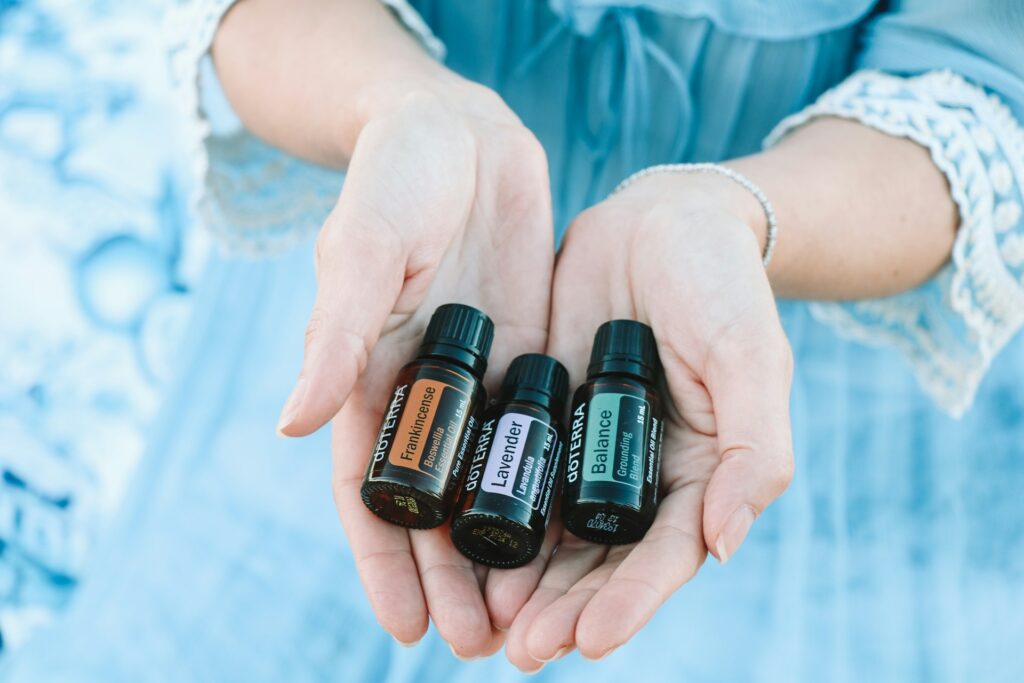
Essential oils smell amazing and feel like the ultimate “clean, but make it natural” mom hack. Many moms add them directly to rags or surfaces to wipe down counters, shine up furniture, or freshen up bathroom tiles. But professionals urge caution. Citrus oils like lemon and orange can break down sealants, damage wood finishes, and even stain countertops when applied directly. Some oils are also phototoxic, which means they can react with sunlight and discolor surfaces. What starts as a feel-good, spa-scented cleaning session might lead to long-term surface damage or sticky buildup. While adding a few drops to a diffuser is great, using undiluted oils like Windex is a big nope from the pros.
Hiding Floor Damage with Rugs Instead of Fixing It
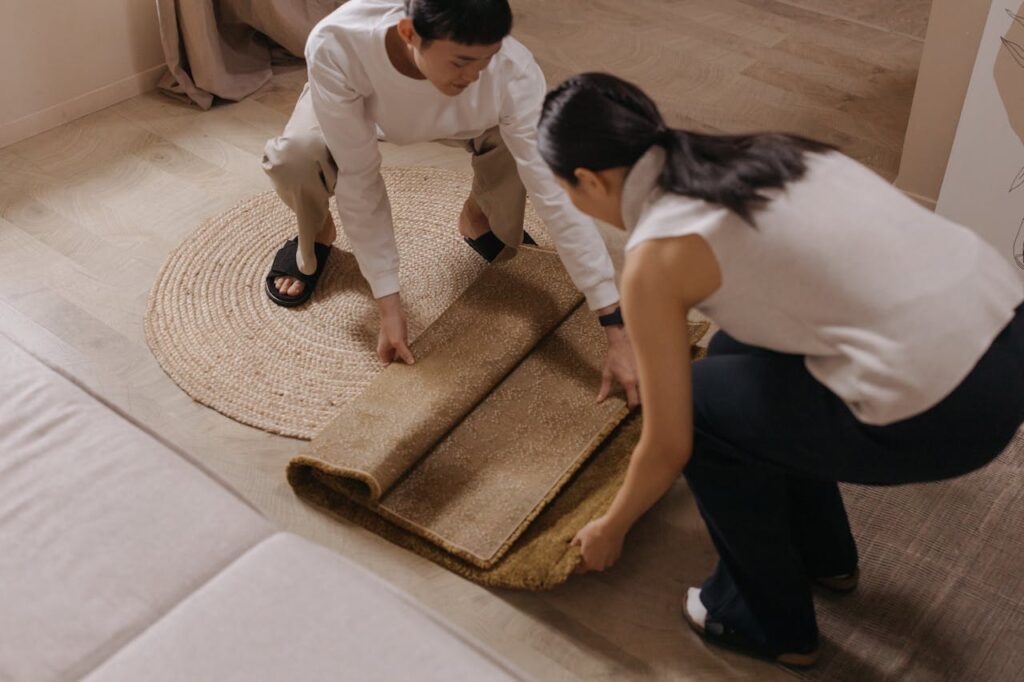
When a section of wood flooring is scratched, warped, or stained beyond recognition, many moms skip the repair bill and toss a stylish rug over it. Out of sight, out of mind, right? While it seems harmless—and honestly, pretty genius when company’s coming—professionals warn that this can trap moisture, worsen the damage underneath, and create uneven surfaces that are trip hazards. Plus, if the underlying problem involves water or mold, covering it up only delays the inevitable (and potentially multiplies the cost). It’s a classic example of short-term charm masking long-term chaos.
Baking Soda in the Vacuum Bag
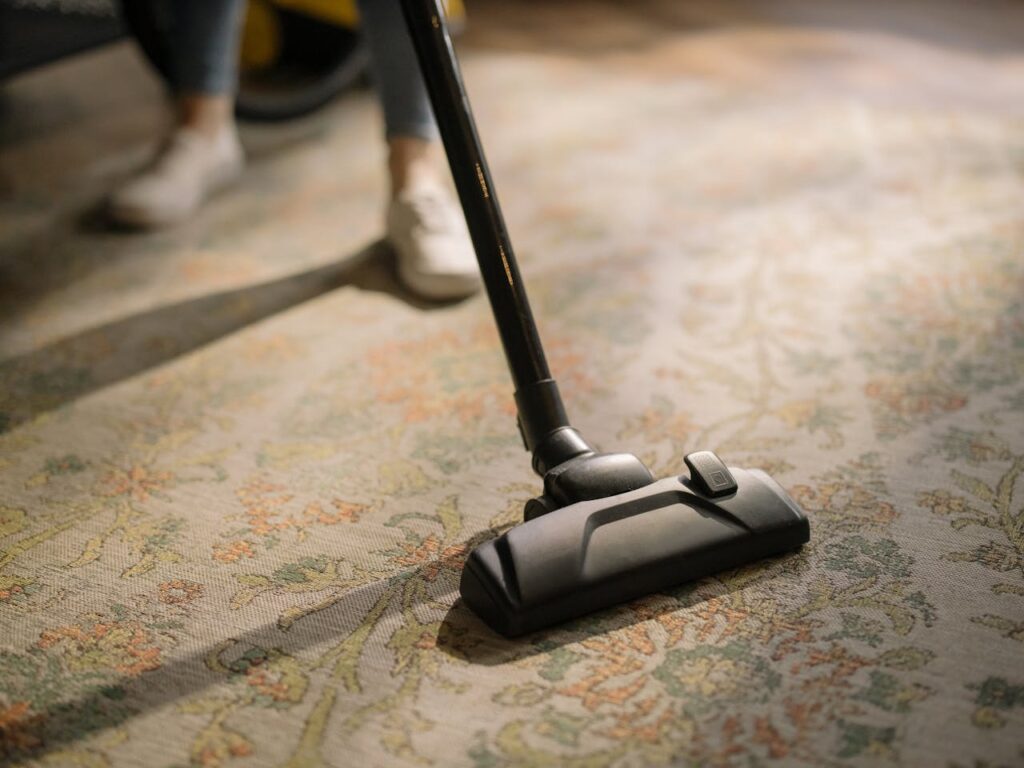
Moms looking to freshen up carpets sometimes sprinkle baking soda before vacuuming, or even dump it directly into the vacuum bag. It smells clean, sure—but pros say baking soda can clog filters, damage vacuum motors, and reduce suction. It’s not designed for machines and can void warranties. Carpet deodorizing powders made for vacuums are a better alternative. Plus, the fine particles can escape into the air, potentially irritating allergies or respiratory issues.
At the end of the day, these mom-approved hacks are born out of necessity, love, and a healthy dose of “figure it out fast.” While the pros might shake their heads, sometimes moms just need something that works right now. Just be sure to weigh the short-term fix against the long-term cost—and maybe, keep a professional’s number handy just in case your toothpaste wall starts cracking again.