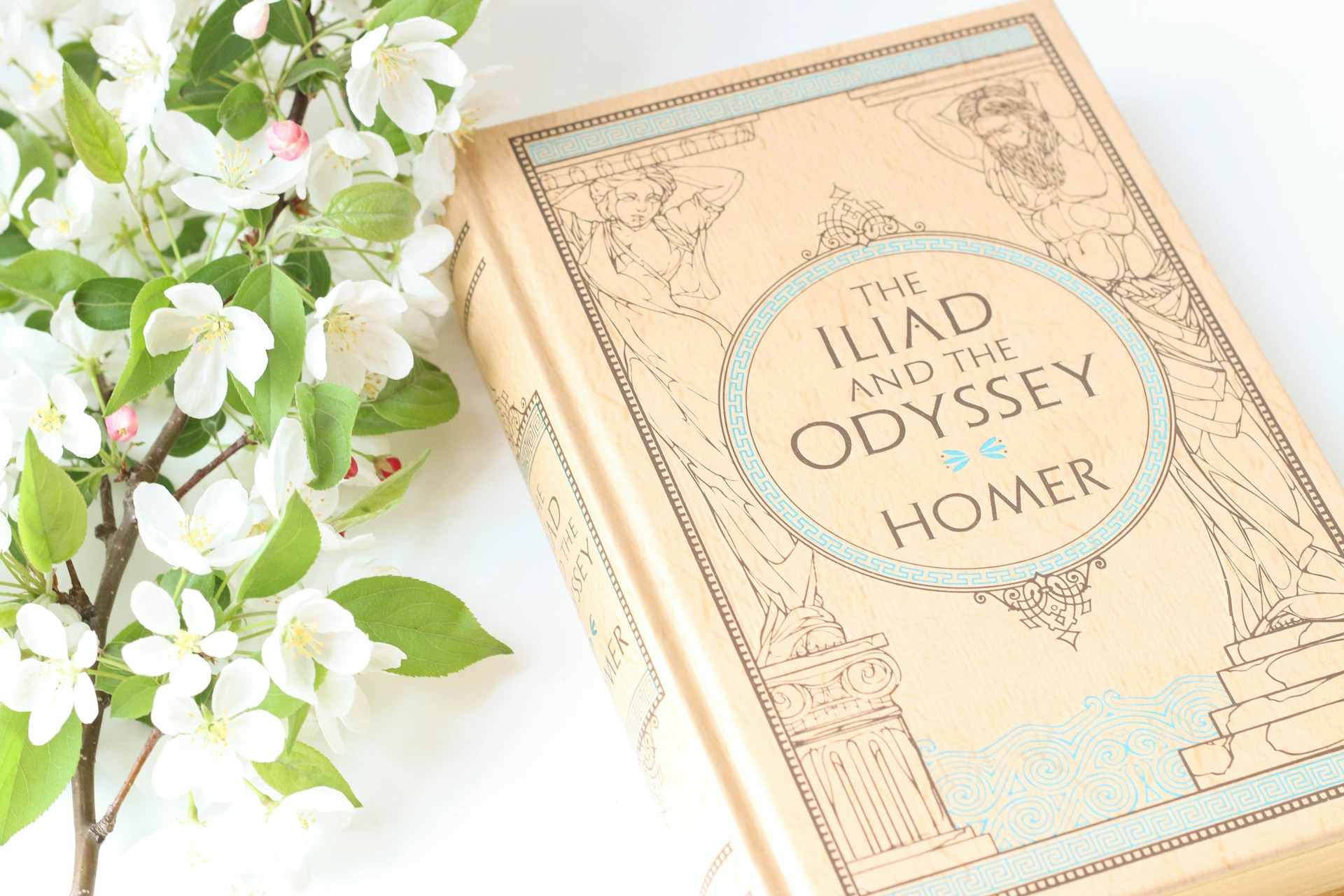
The line between history and myth is often blurred. Across cultures and centuries, certain legendary figures have emerged whose very existence is now questioned by modern historians. Whether born from oral tradition, political propaganda, or folklore, these individuals may never have walked the earth as described—if at all. Here are 12 such figures whose stories are compelling, but whose reality remains uncertain.
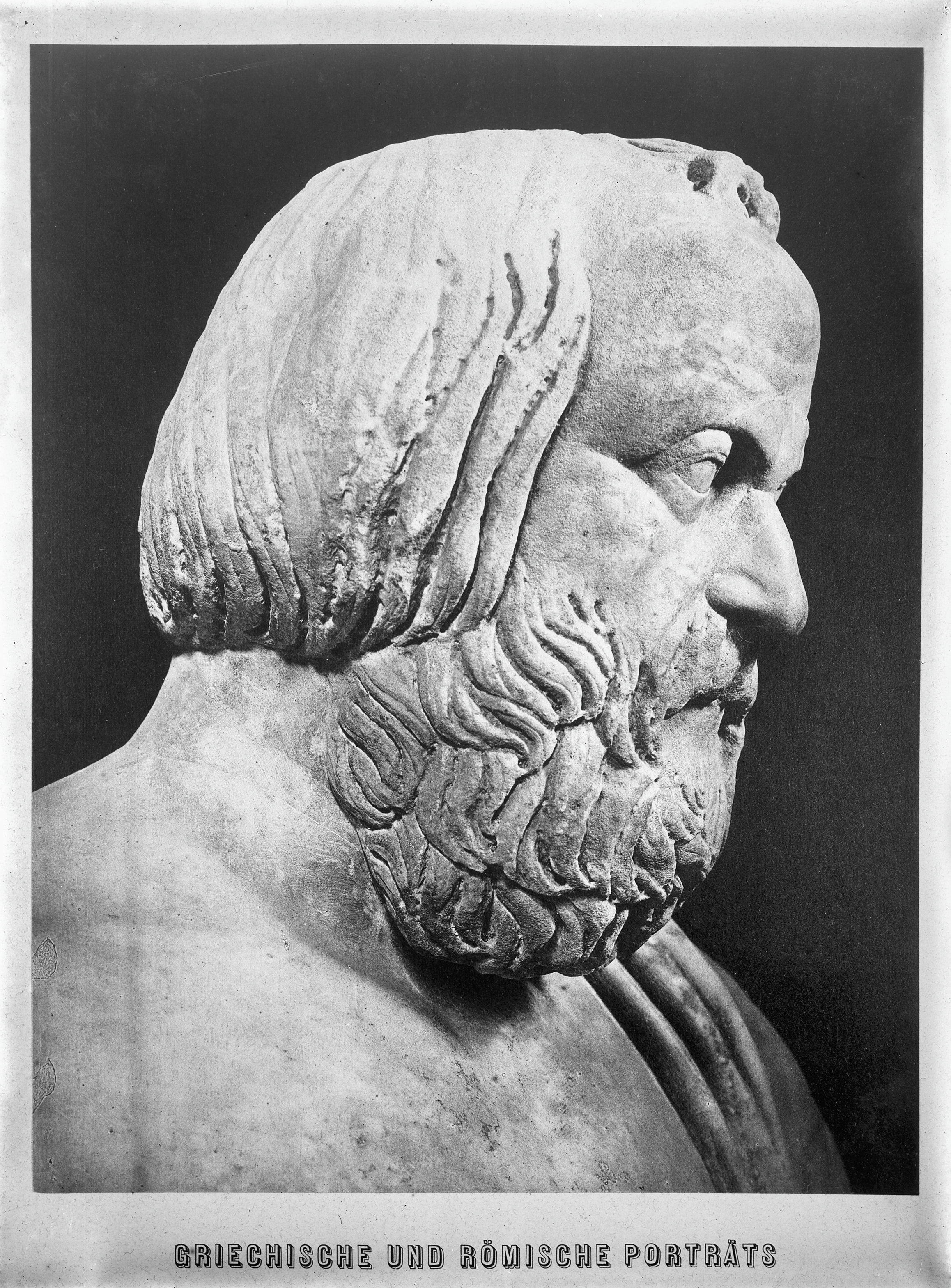
1. Homer
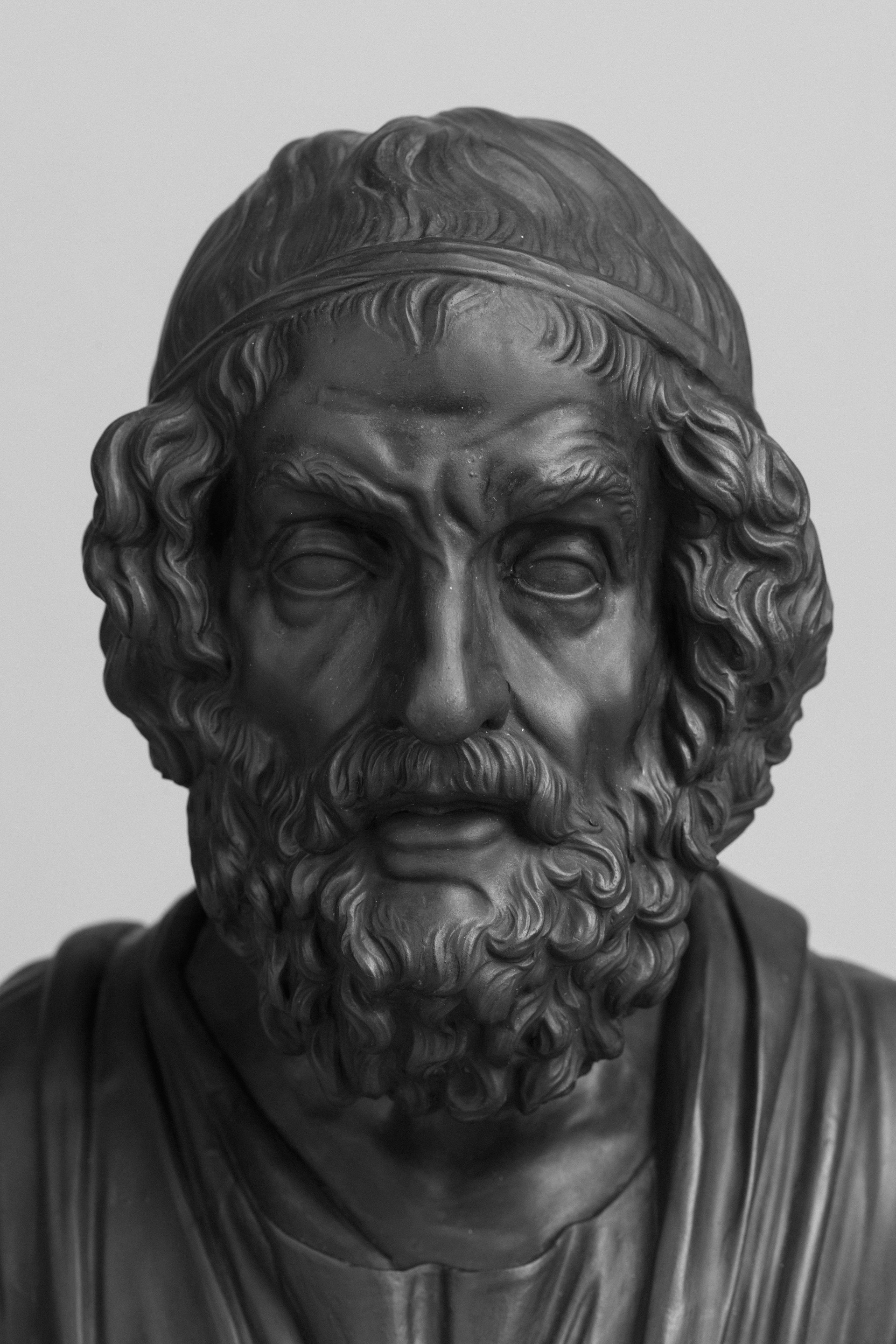
Homer is traditionally credited with composing the Iliad and the Odyssey, two of the most influential works of ancient literature. However, scholars have debated his existence for centuries. The absence of concrete historical records and the formulaic nature of the epics suggest they may have been developed through oral tradition by multiple authors rather than one individual. Homer may have been a symbolic name representing a cultural tradition rather than a single, real person.
2. Mulan
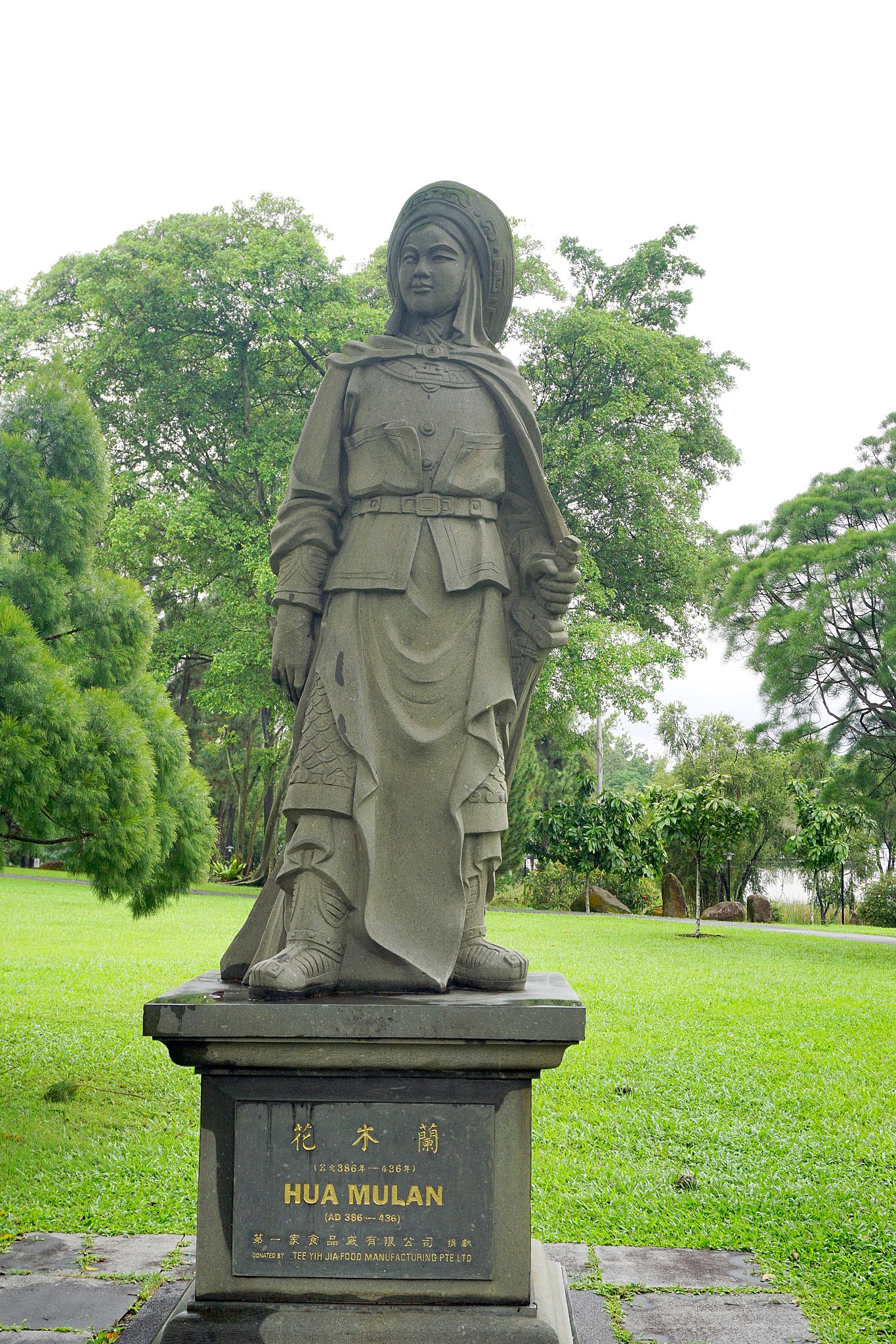
Known from the Ballad of Mulan, this warrior heroine disguised herself as a man to take her father’s place in battle. Despite her fame in Chinese folklore, no official historical records confirm her existence. Historians believe Mulan may be a fictional amalgamation of multiple stories or inspired by real events involving female warriors. Over time, her tale was shaped by cultural ideals, making it difficult to trace to a verifiable historical figure.
3. King Arthur
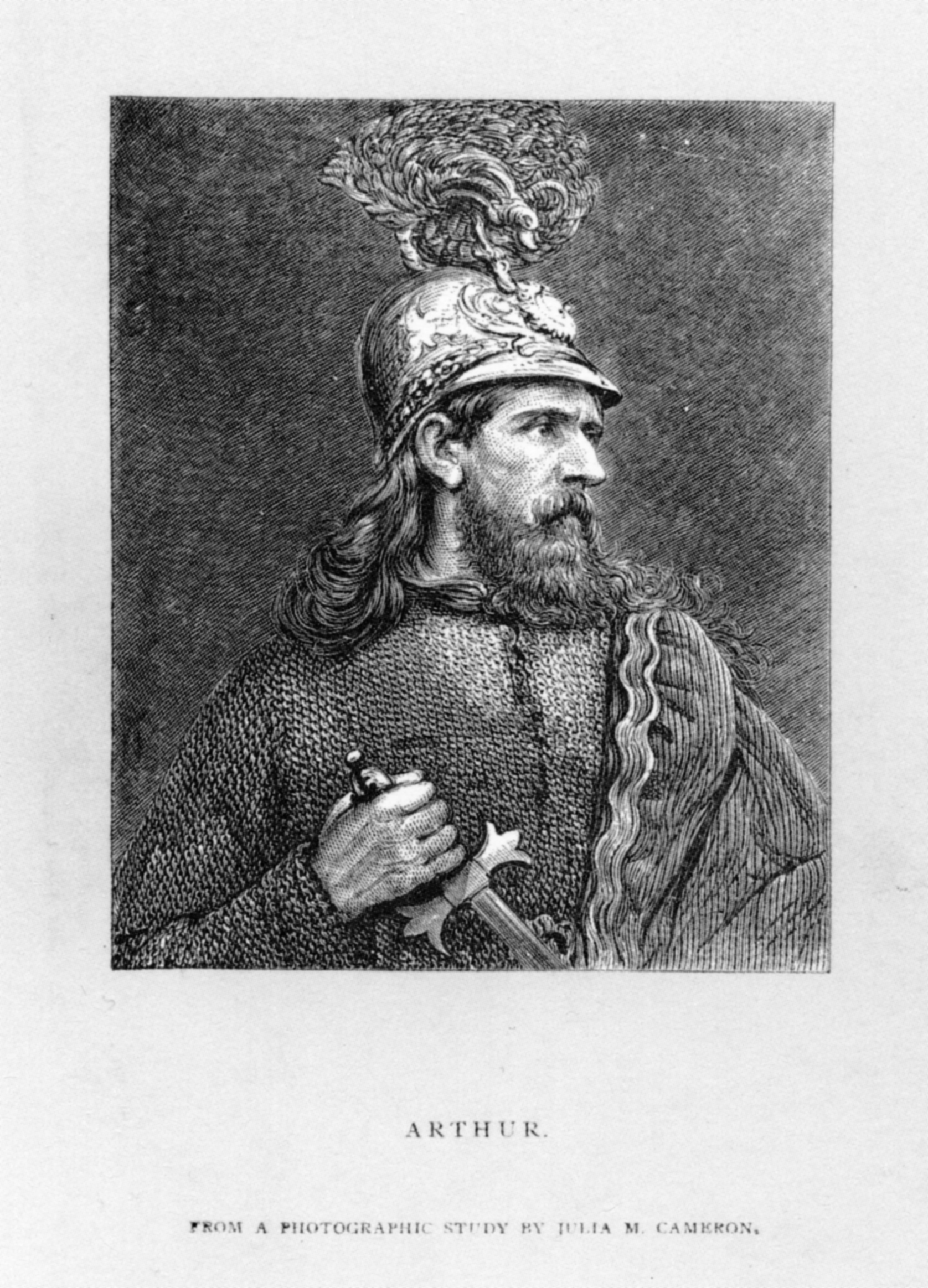
King Arthur, the legendary ruler of Camelot, is a central figure in British folklore. Though widely celebrated in literature, there is no definitive evidence that he ever lived. The earliest accounts come from centuries after his supposed reign and mix myth with history. Scholars argue that Arthur may be based on a composite of real leaders or entirely fictional, created to embody ideal kingship and unify the people during turbulent historical periods.
4. Lycurgus of Sparta
Lycurgus is credited with founding many of Sparta’s strict laws and customs, yet ancient sources differ on when he lived—or if he existed at all. Some say he lived in the 9th century BCE, others place him later. With no contemporaneous evidence, some historians believe Lycurgus was a myth used to legitimize Sparta’s unique militaristic system. His persona could be a convenient construct to explain the city-state’s rigid social and political order.
5. Prester John
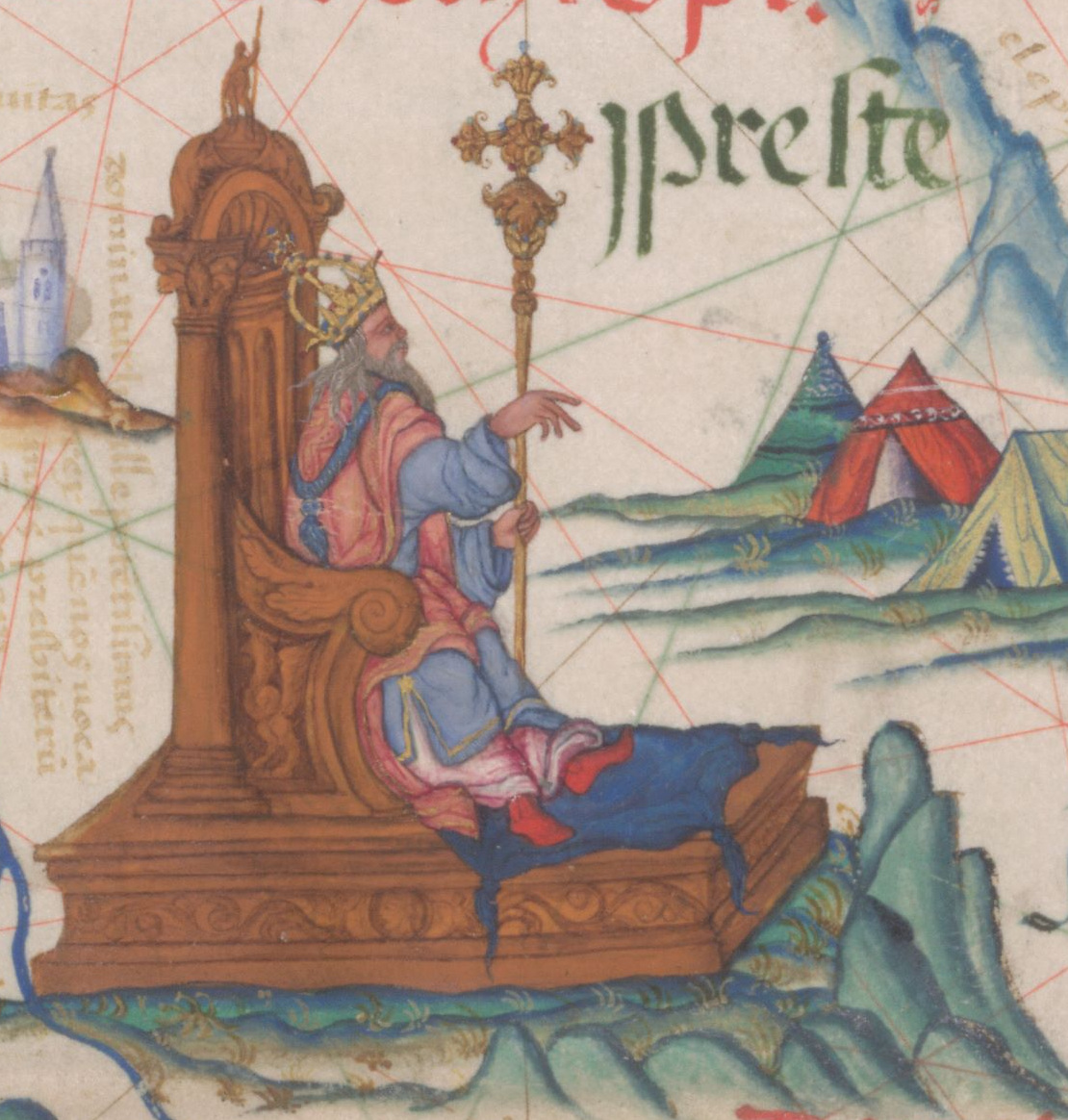
Prester John was a legendary Christian king believed to rule a vast and wealthy kingdom in the East during the Middle Ages. His tale sparked exploration and hope of a powerful Christian ally against Islam. However, no such person or kingdom ever existed. Letters attributed to him were fabrications, and his story likely combined elements of distant cultures misunderstood by Europeans, becoming a myth used for political and religious motivation.
6. Robin Hood
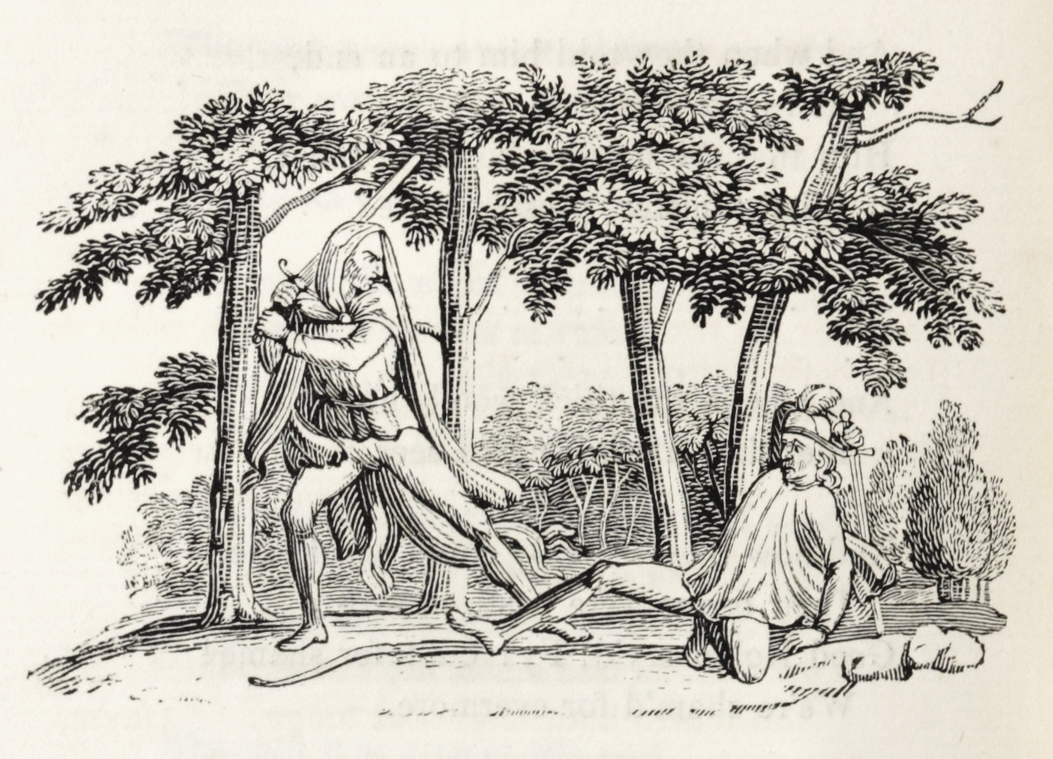
Robin Hood is known as the noble outlaw who robbed from the rich to give to the poor. Though ballads about him date back to the 14th century, there’s no conclusive historical proof of his existence. Multiple candidates and locations have been proposed, but none confirm a real Robin Hood. Historians believe he may be a fictional or symbolic figure, born from various outlaw stories and folk traditions, shaped by the social tensions of medieval England.
7. Pythagoras
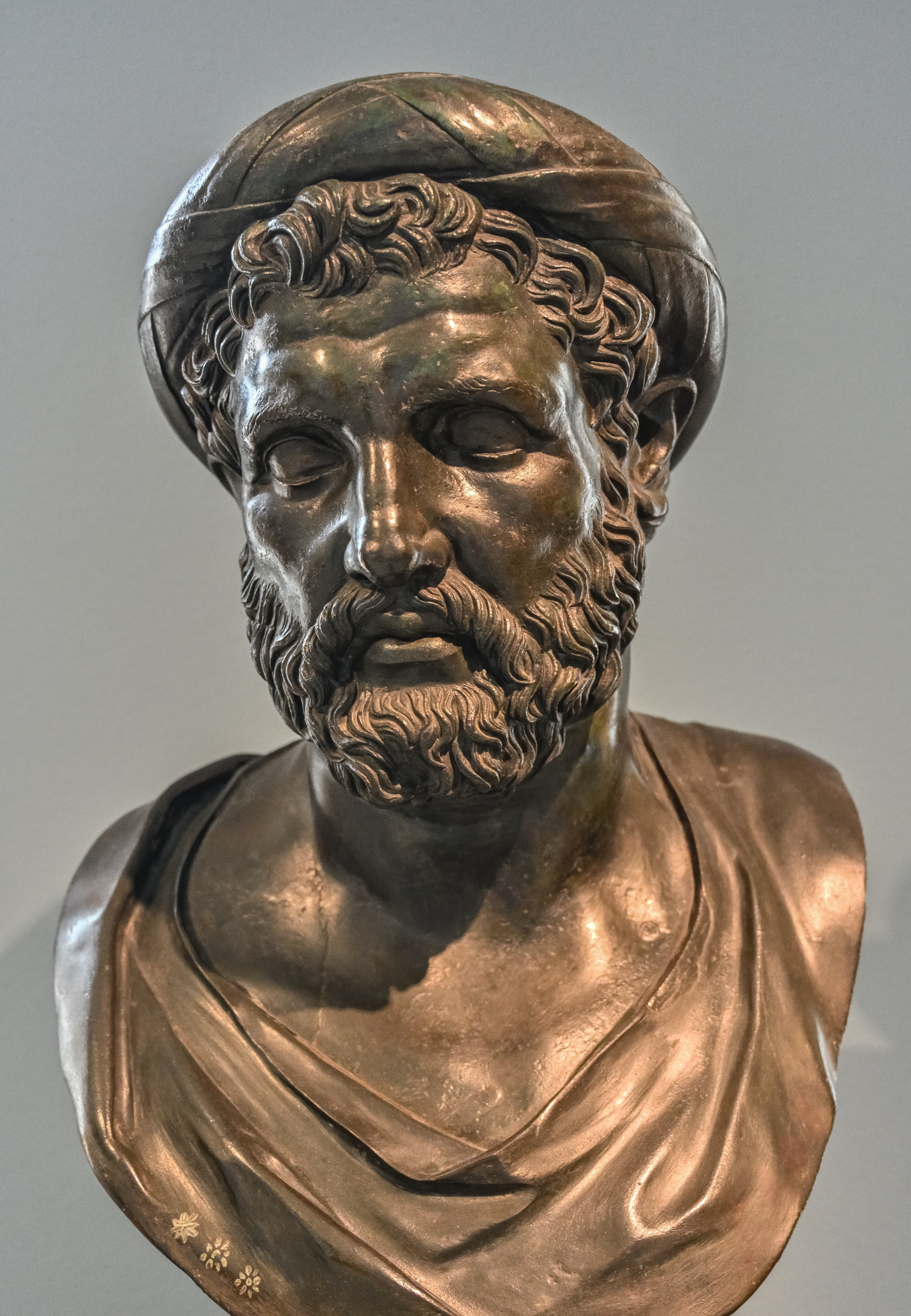
Pythagoras is famed for his mathematical theorem, but many stories about him border on legend. Few contemporary records of his life exist, and much of what we know was written centuries later. He is credited with mystical beliefs, secret schools, and divine powers. Scholars suggest he may have been a cult leader whose actual contributions to math were exaggerated or falsely attributed by followers seeking to elevate his legacy beyond reality.
8. John Henry
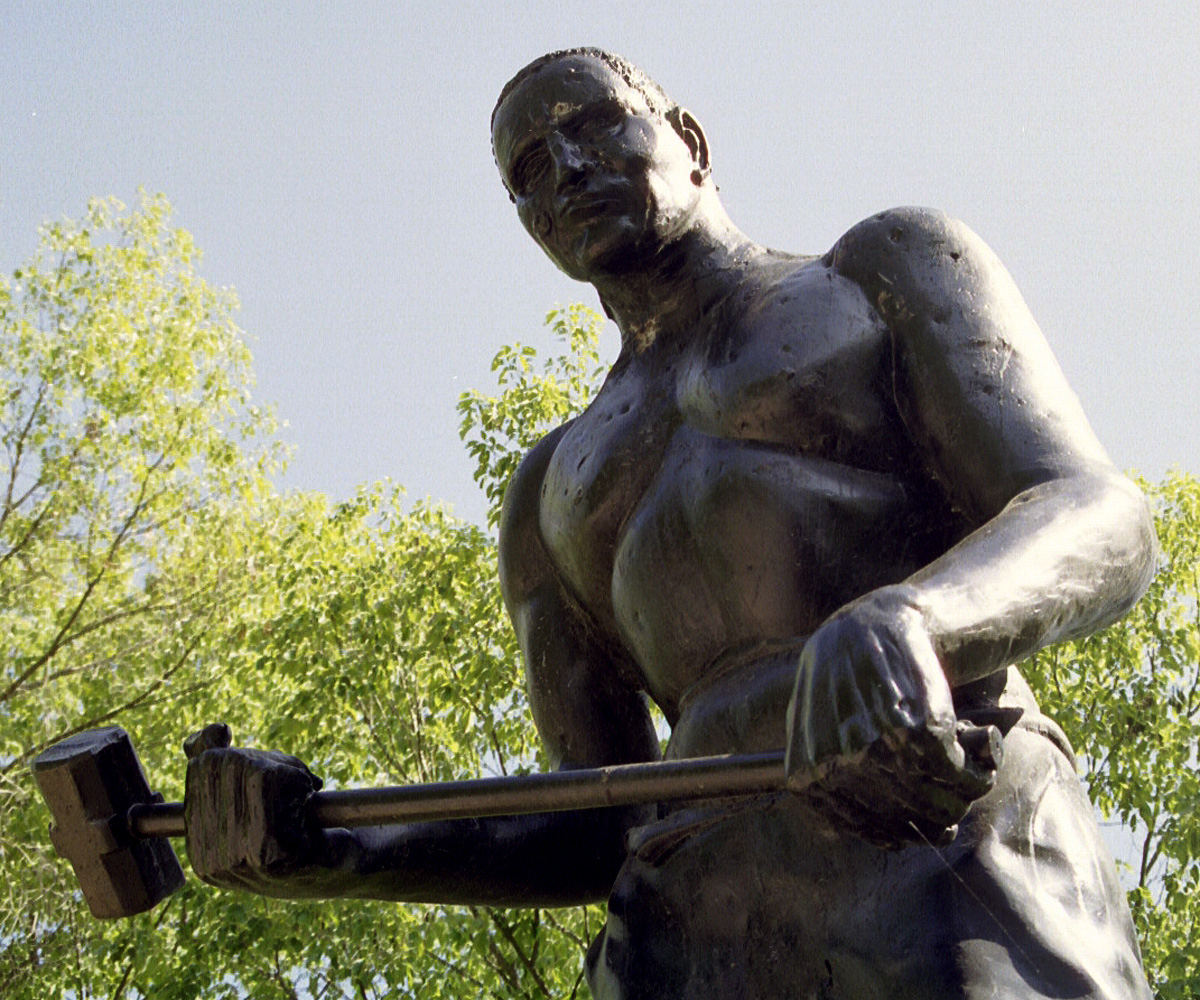
John Henry, the steel-driving man who raced a steam drill and died with his hammer in hand, is a symbol of human endurance versus machines. His story is deeply rooted in American folklore, but historical evidence is scant. Various places claim to be his origin, and differing versions of his tale exist. Historians believe he may represent a composite of real workers or was created to inspire pride and resistance among African American laborers.
9. Ned Ludd
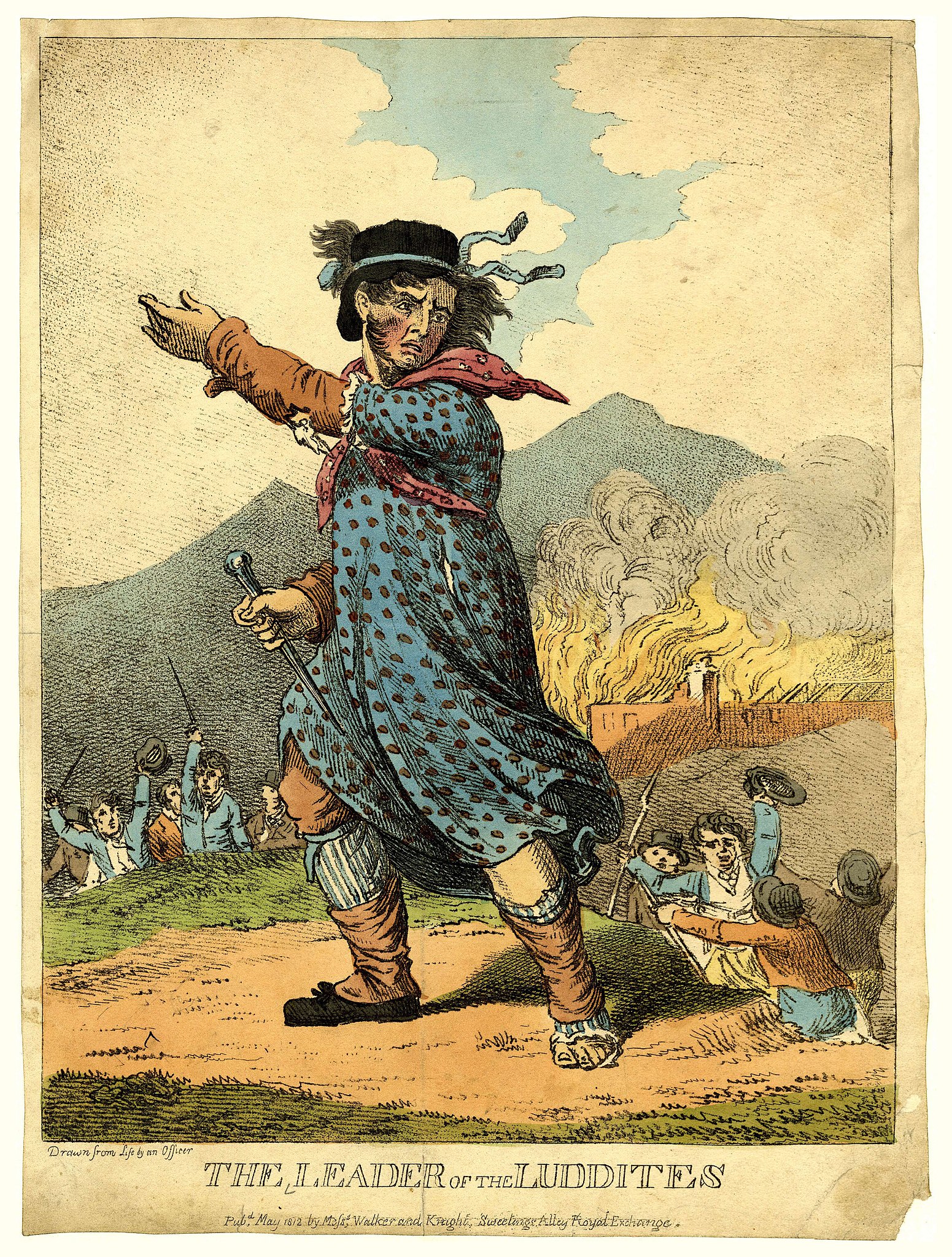
Ned Ludd is the supposed leader of the Luddites, workers who destroyed machinery during the Industrial Revolution. However, no records prove he existed. The name “Ludd” became a symbol used by protestors to sign declarations and threats. Historians view Ned Ludd as a mythical figure, likely invented to personify collective anger against mechanization. His legend helped unify movements, giving them a common hero and identity.
10. William Tell
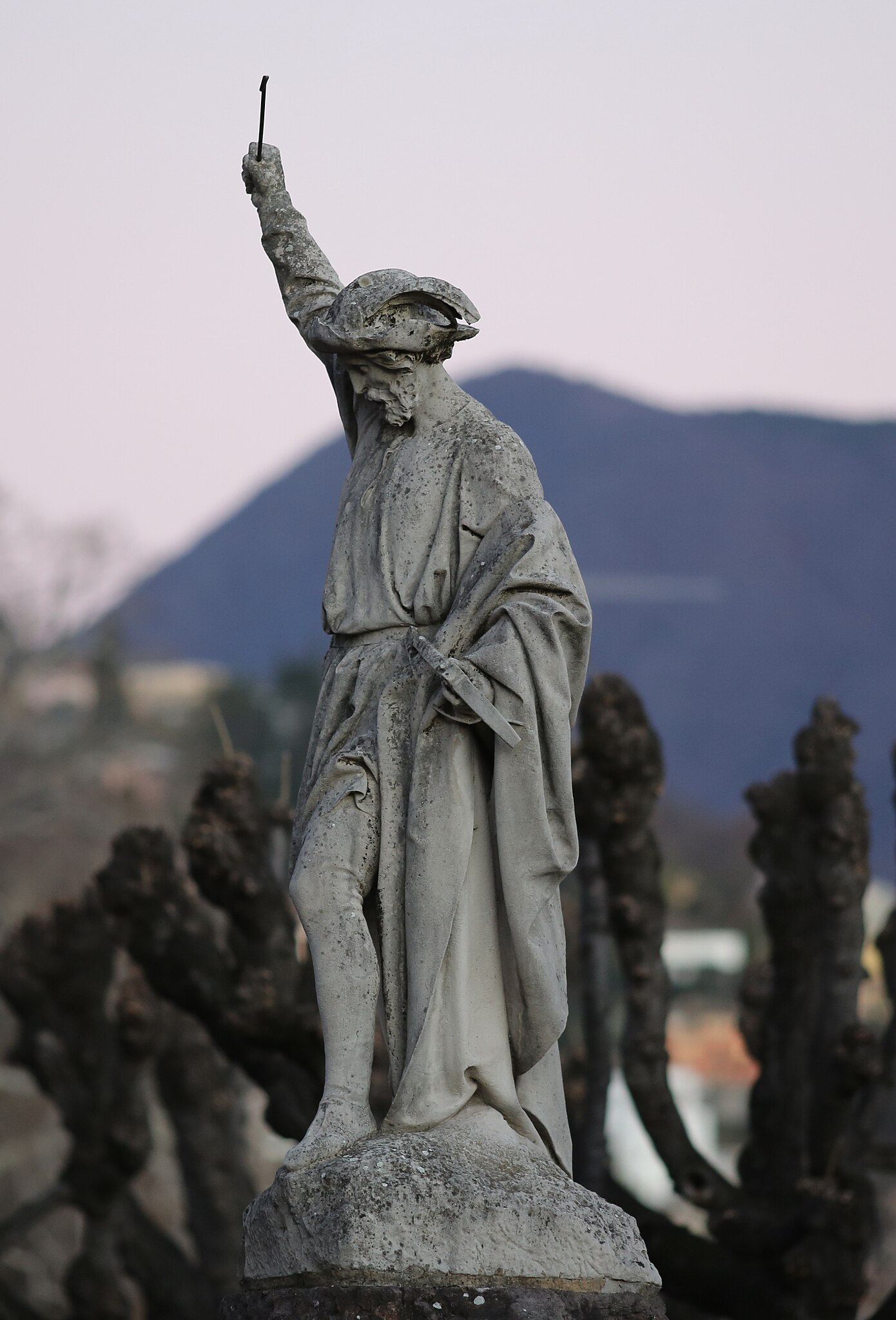
William Tell is Switzerland’s national hero, famous for shooting an apple off his son’s head. His tale first appeared in the 15th century, but no historical evidence supports his existence. Scholars note similarities between his story and older European myths. Many believe Tell was a fictional character used to inspire national pride and resistance during periods of foreign domination, rather than a real archer or political rebel.
11. Sybil Ludington
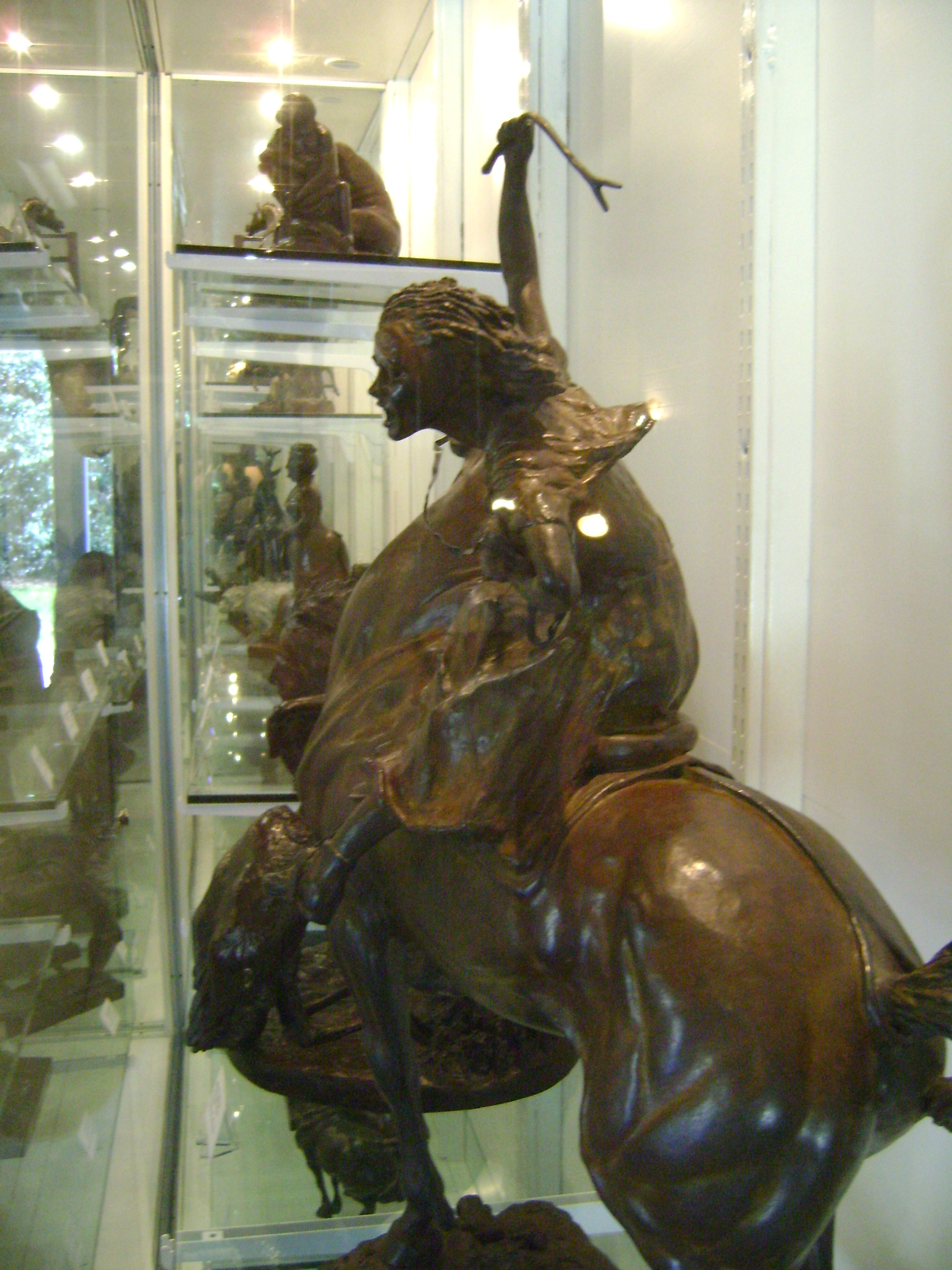
Sybil Ludington is celebrated as a teenage heroine who rode through the night to rally American troops, similar to Paul Revere. Yet, her ride was not recorded until decades later, and contemporary documentation is missing. Historians question the accuracy of her story and suspect it was embellished—or even invented—by later descendants to gain recognition. Her legend remains powerful, but its factual basis is doubtful at best.
12. Kokopelli

Kokopelli is a humpbacked, flute-playing figure from Native American mythology, especially among the Hopi and Pueblo peoples. Often considered a fertility deity, he also represents joy and mischief. While some scholars link him to ancient traders or shamanic figures, there’s no clear evidence that Kokopelli was ever a real person. His image evolved through petroglyphs and oral stories, becoming a cultural icon rather than a historical figure.
These twelve figures represent the fascinating intersection of myth and reality. Whether symbolic, exaggerated, or wholly fictional, their stories have endured because they resonate with cultural values, struggles, or ideals. While modern scholarship casts doubt on their historical authenticity, their impact on literature, national identity, and folklore remains profound. They may not have lived as described, but their legends live on.