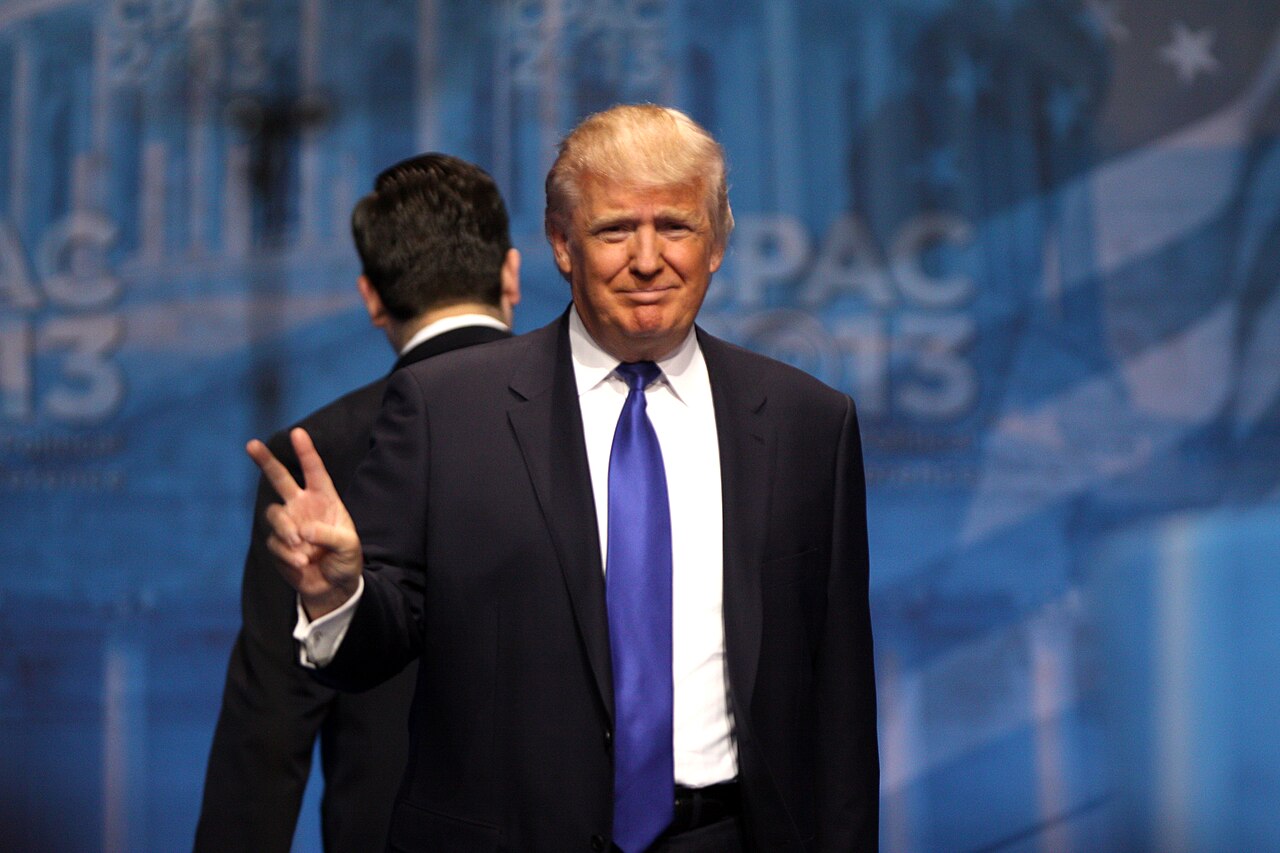
Public figures are often remembered not just for their decisions, but for the exact words they use along the way. Few modern politicians have created as many instantly recognizable, endlessly repeated quotes as Donald Trump. His speaking style has always leaned toward bold confidence, simple phrasing, and unexpected turns of language that stick in people’s minds. Some lines were meant to emphasize a point, others came out casually, and a few became famous almost by accident. What makes these moments last is how easily they travel beyond the original context and become part of everyday conversation, memes, and cultural references that people still bring up years later.
“I know words. I have the best words.”
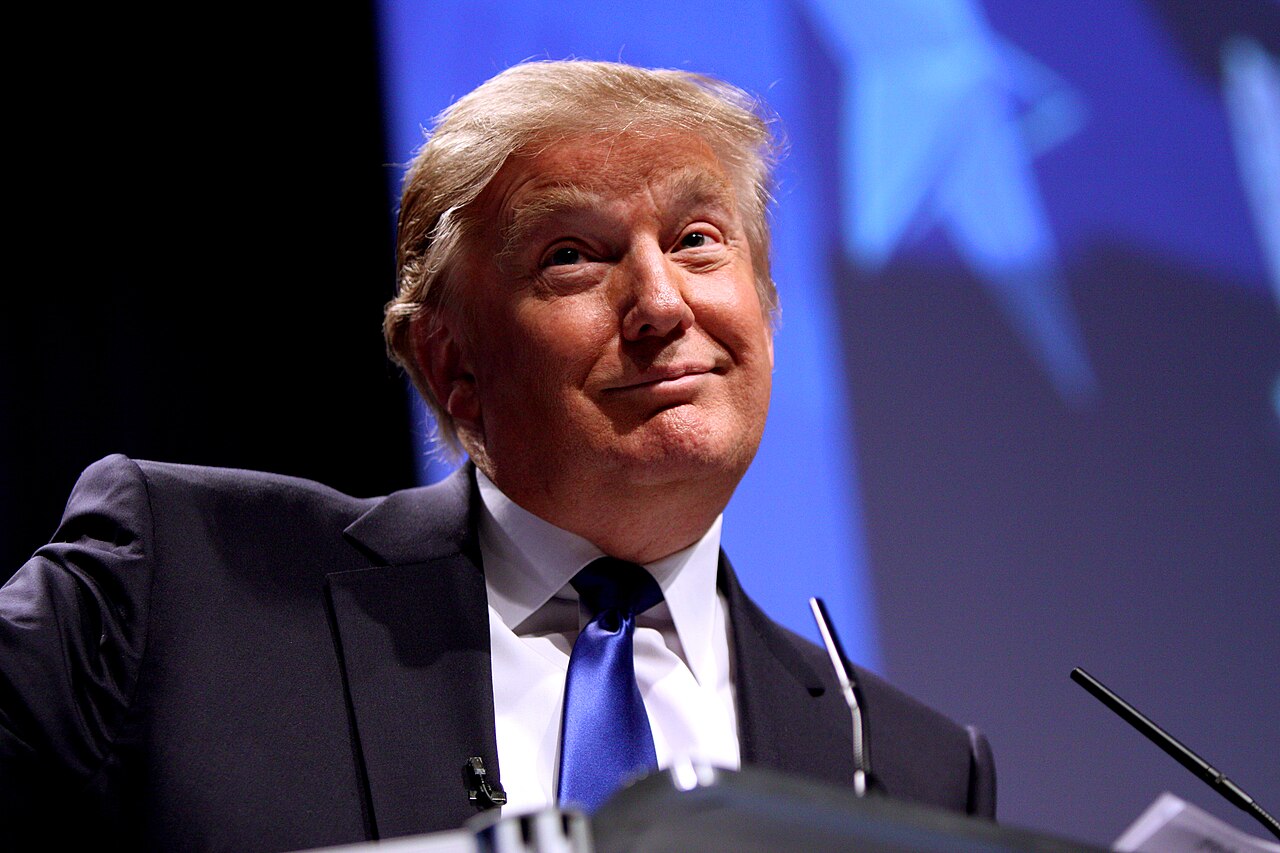
This line stands out because of how simple and direct it is, yet how much confidence it carries. It captures a style of speaking where certainty is emphasized more than explanation. People often repeat this quote in a humorous way because it sounds both self assured and slightly exaggerated at the same time. It has become a kind of shorthand for moments when someone is confidently making a claim without offering much detail. The phrasing is so short and memorable that it has continued to circulate long after it was first said, appearing in jokes, commentary, and everyday conversations.
“Covfefe”
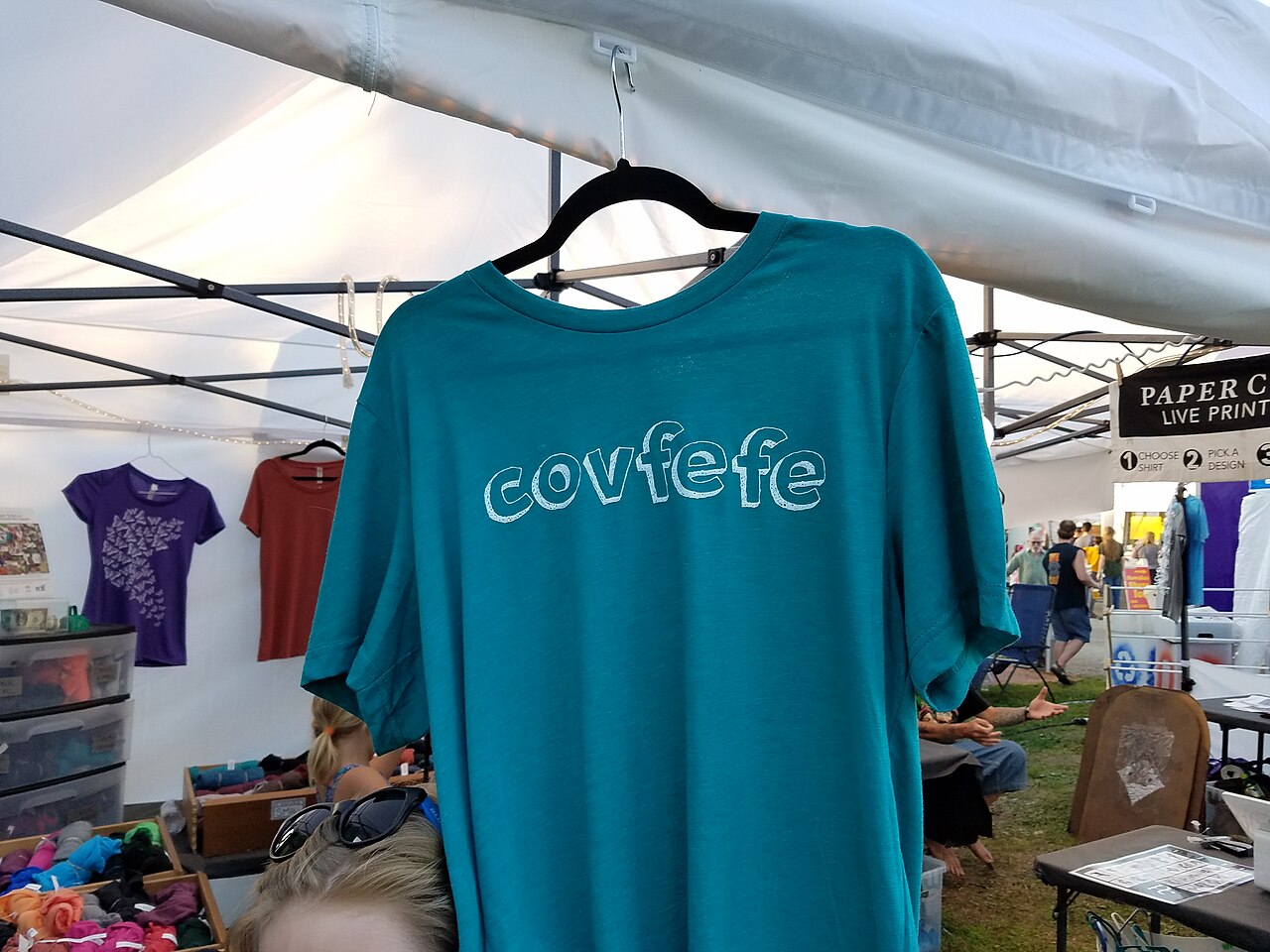
This single word might be one of the most unexpected viral moments in modern political communication. It appeared in a late night tweet and was never clearly explained, which only made it more intriguing. Within hours, people began creating jokes, theories, and playful interpretations of what it might mean. The moment showed how quickly the internet can turn a small, unexplained detail into a widespread cultural reference. Even now, the word is used humorously to describe typos or unfinished thoughts, proving how a brief moment can leave a lasting impression when it captures public attention.
“Person. Woman. Man. Camera. TV.”

This sequence of words became widely shared because of its unusual rhythm and repetition. It was delivered during a discussion about a cognitive test, but the way it was presented made it memorable far beyond its original purpose. People found humor in the simplicity of the list and the emphasis placed on each word. Over time, it has been repeated in playful contexts, often used to mimic the idea of remembering something basic. The line demonstrates how delivery and structure can turn an ordinary statement into something people remember and repeat.
“Nobody knows more about technology than me.”
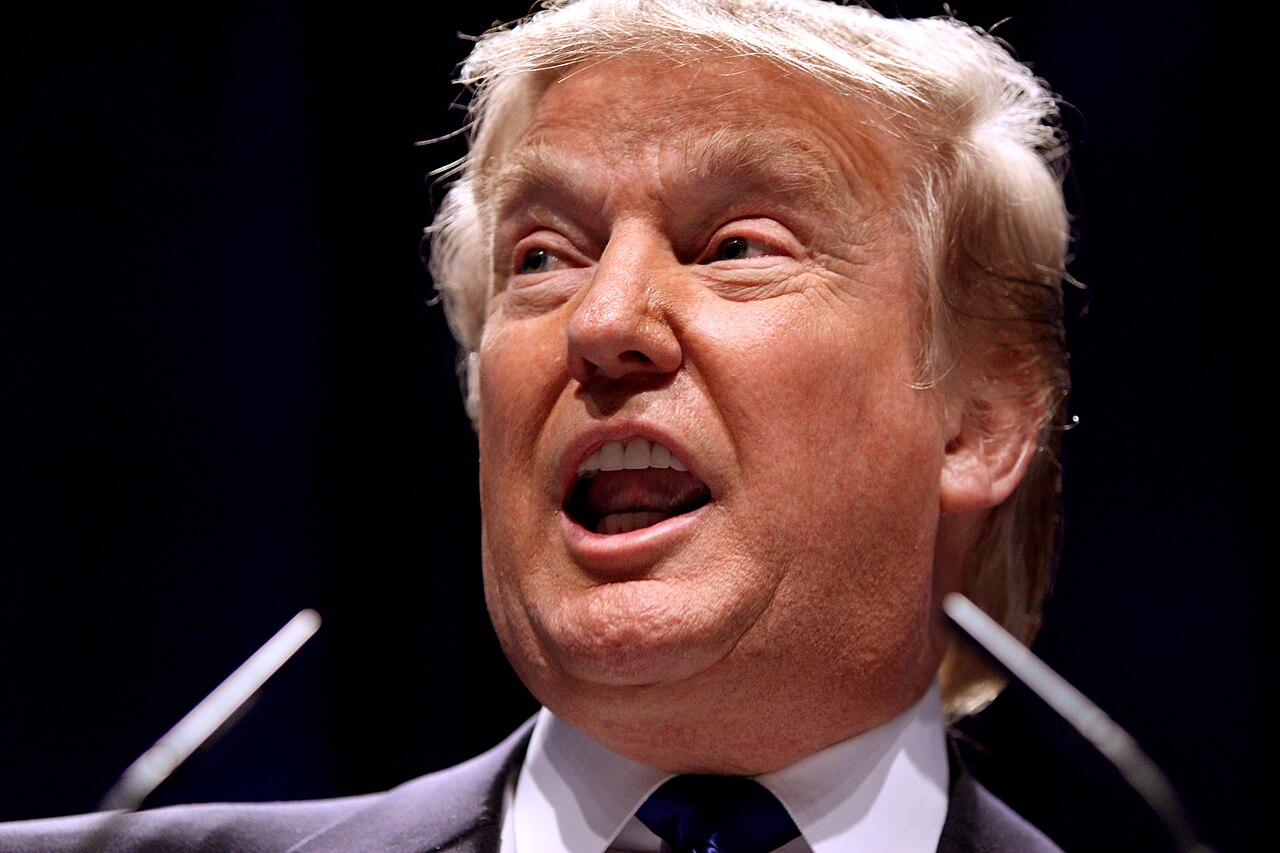
This statement is an example of the broad, confident claims that often define memorable quotes. What makes it stand out is not just the content but the scale of the claim. Lines like this tend to stick because they are easy to repeat and leave a strong impression without requiring explanation. People often reference it when talking about confidence or bold statements in public settings. Its simplicity and certainty make it one of those lines that continues to appear in discussions long after it was first said.
“I could stand in the middle of Fifth Avenue and shoot somebody…”
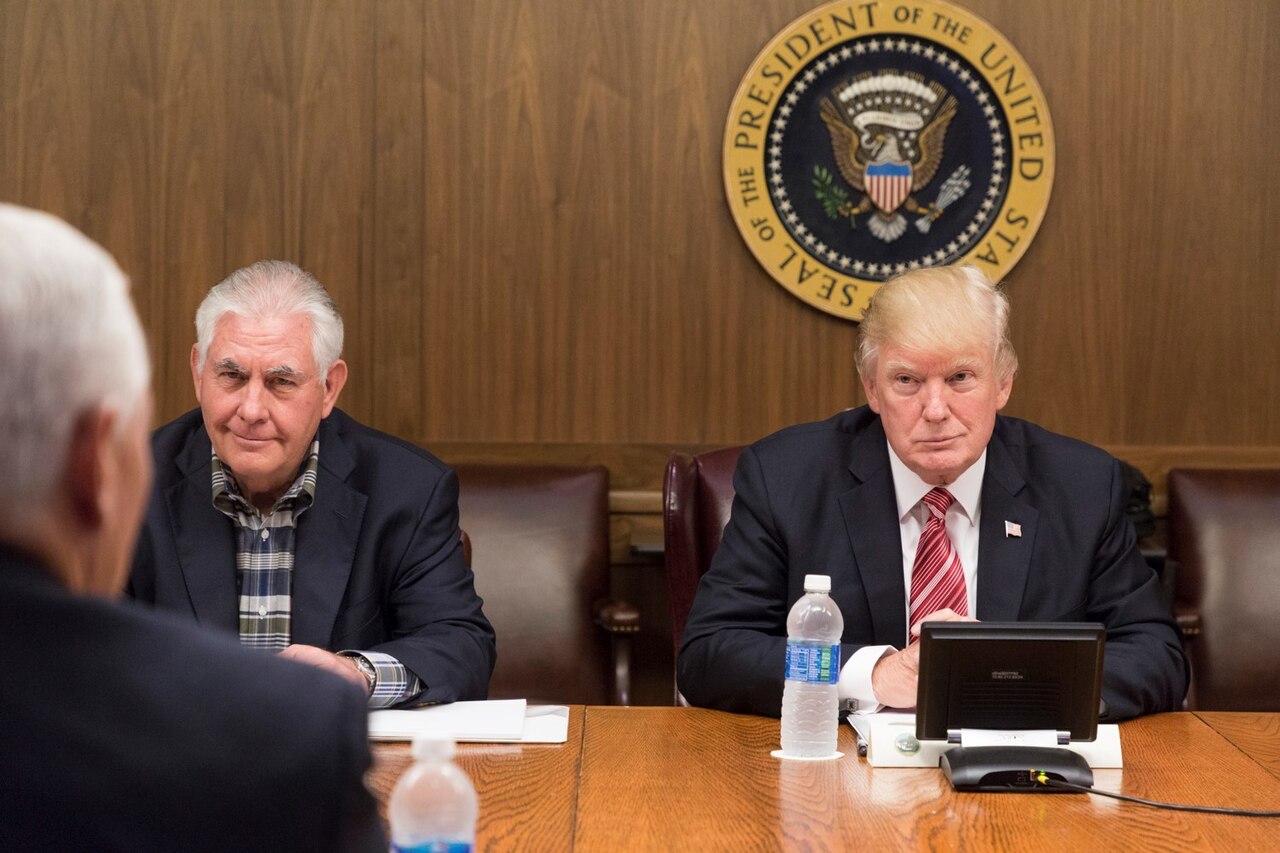
This remark drew immediate attention because of its vivid and dramatic wording. It was intended to make a point about loyalty, but the phrasing itself became the focus of public reaction. The line was widely discussed, quoted, and analyzed across media and online platforms. Its lasting impact comes from how strongly it was expressed, making it difficult for people to ignore or forget. Even when separated from its original context, the imagery alone keeps it part of ongoing conversations.
“We will build a great wall…”
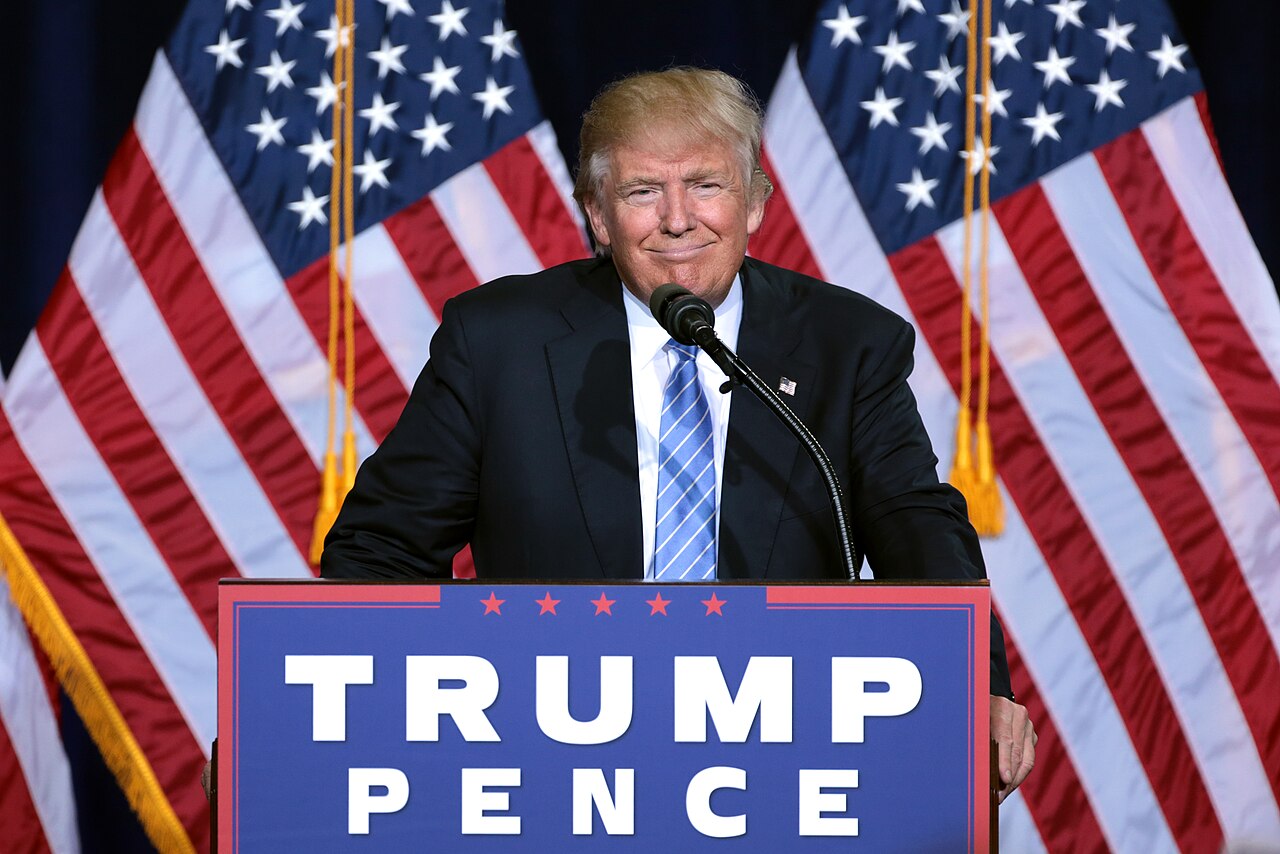
This phrase became one of the most recognizable lines associated with Trump’s public messaging. Its repetition across speeches helped turn it into a slogan that people could immediately identify. The structure is straightforward, which makes it easy to remember and repeat. Over time, it became more than just a statement and evolved into a widely referenced part of political and cultural discussion. The consistency with which it was used played a major role in keeping it in public memory.
“I’m a very stable genius.”
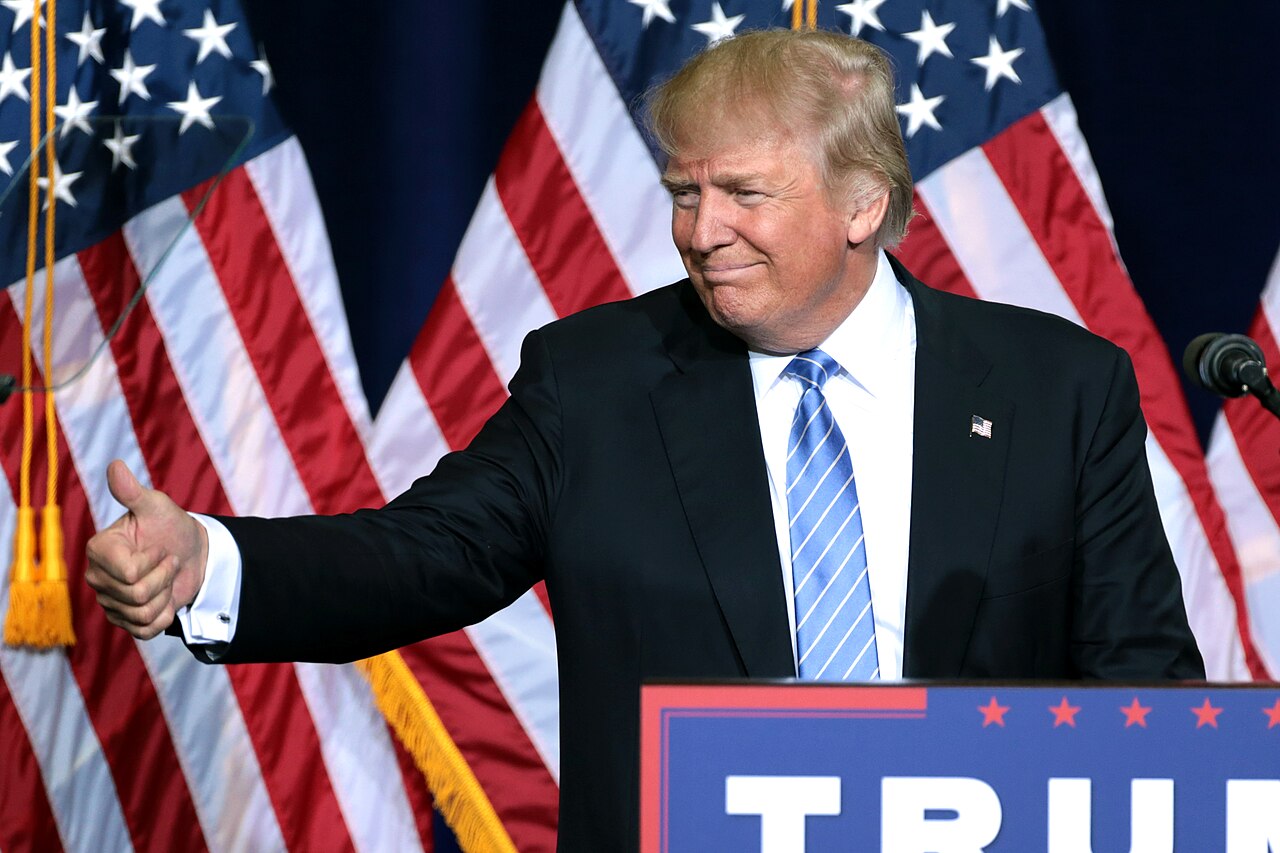
This line gained attention because of the unusual pairing of words. The phrase combines confidence with a slightly unexpected tone, which made it widely shareable. It quickly became part of internet culture, often used humorously in a variety of situations. What makes it memorable is how it blends seriousness with a sense of exaggeration, creating a line that feels both intentional and surprising. Its continued use in jokes and commentary shows how certain phrases can take on a life beyond their original moment.
“Nobody has better respect for intelligence than Donald Trump.”
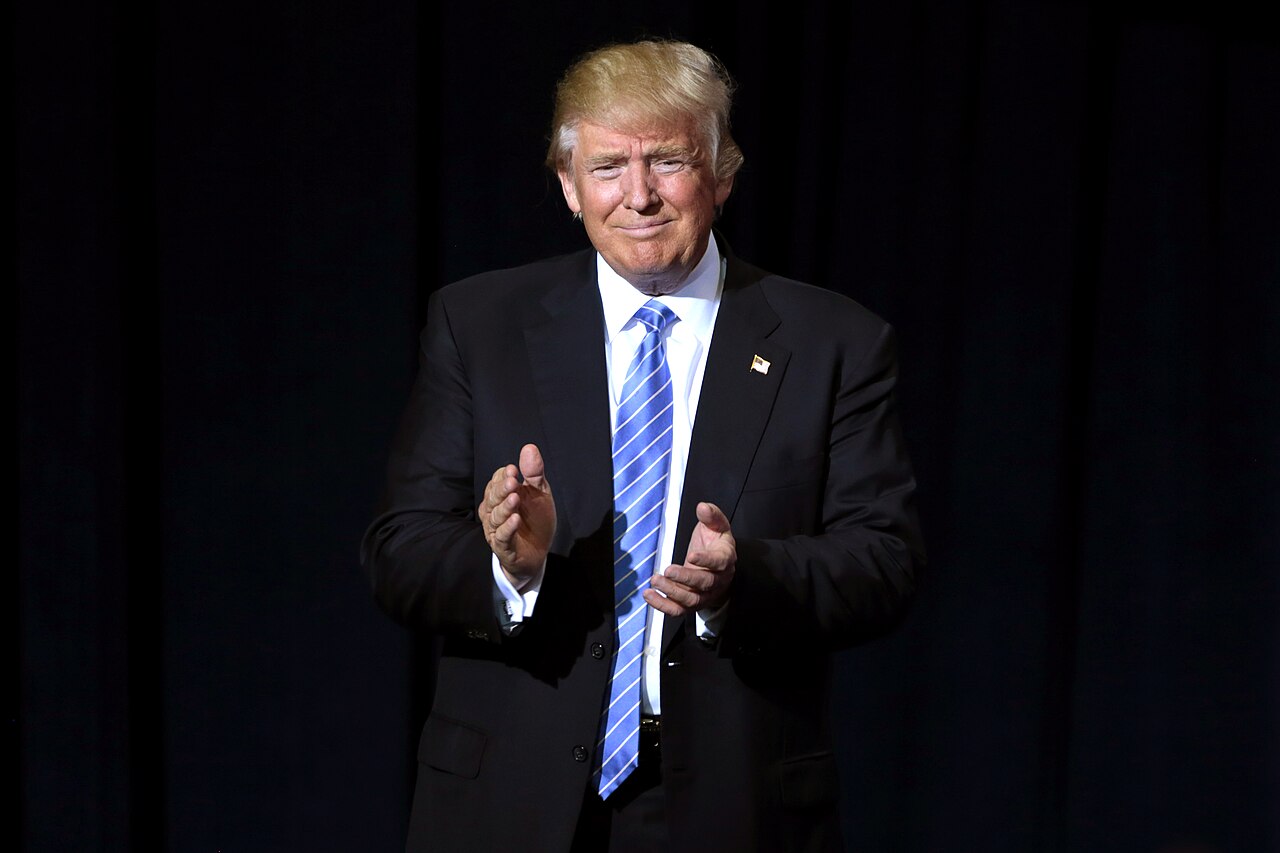
Referring to himself in the third person gave this statement a distinct tone that people immediately noticed. The structure sets it apart from more typical ways of speaking, which is part of why it remains memorable. Lines like this often stand out because they break conventional patterns and draw attention to the phrasing itself. Over time, it has been repeated in both serious and humorous contexts, showing how unusual language choices can leave a lasting impression.
“The windmills are killing the birds.”
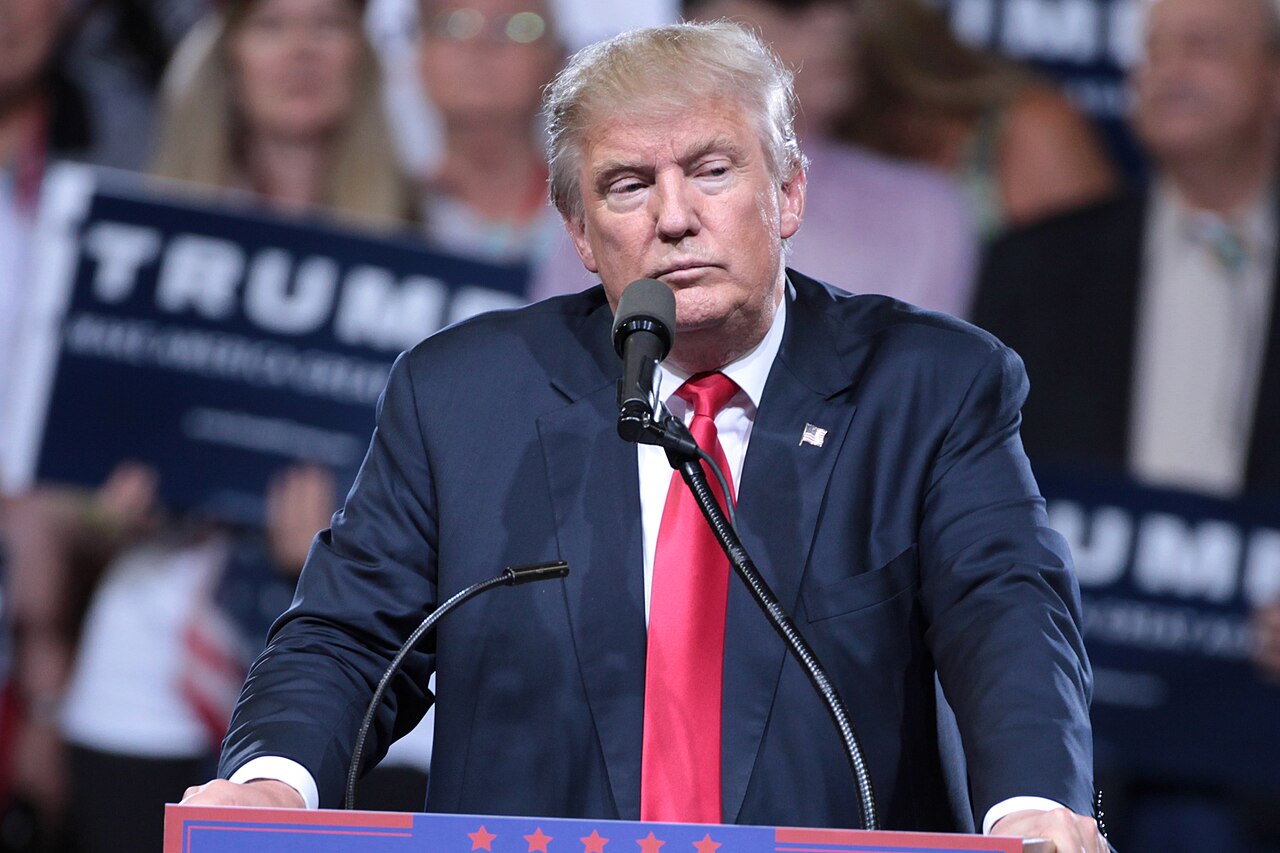
This comment became widely discussed because it addressed a serious topic in very direct and simple terms. The phrasing made it easy to quote, and it quickly entered broader conversations about energy and environmental issues. People often repeat it because of how straightforward it sounds, even when discussing complex subjects. The line demonstrates how simple wording can make a statement more memorable, especially when it becomes part of larger debates.
“I have a great relationship with the blacks.”
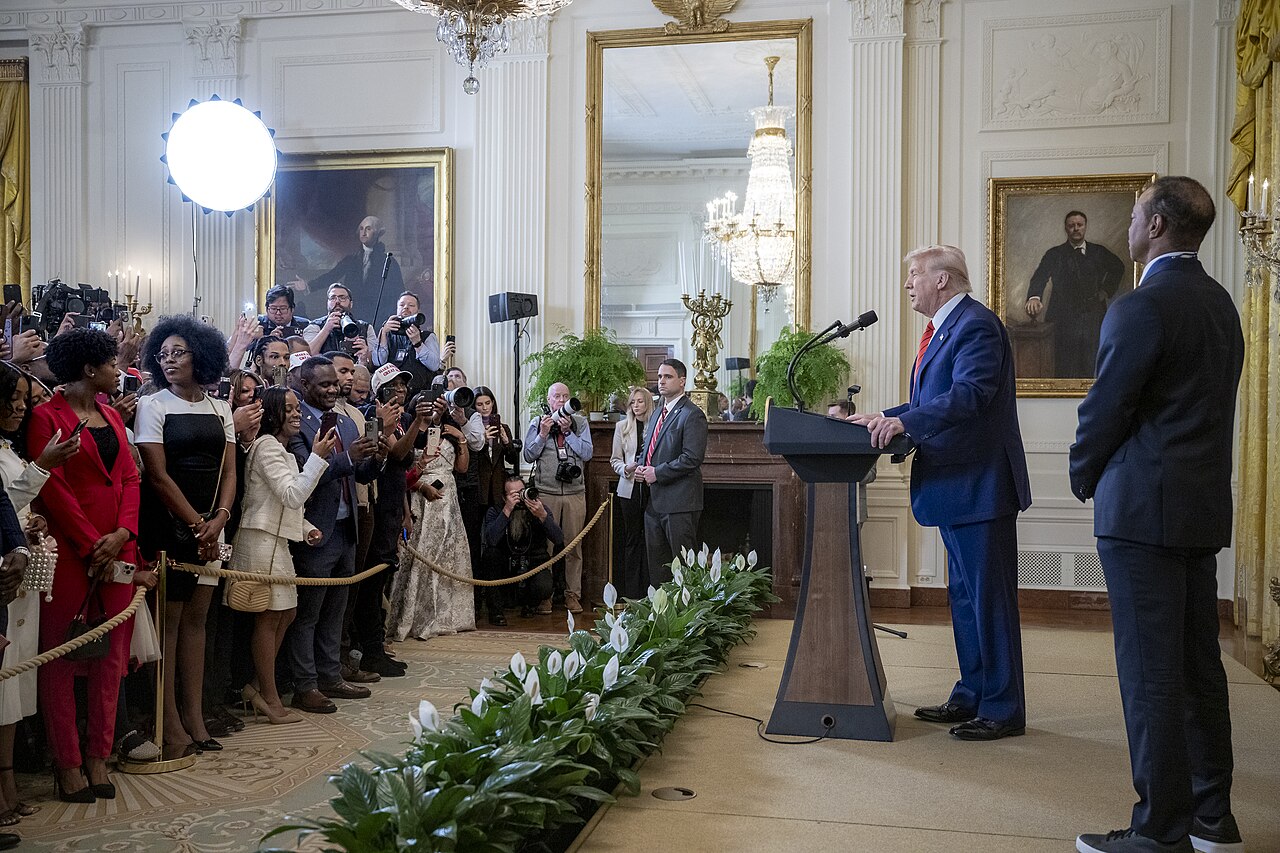
This statement drew attention because of its wording and the reactions it generated. It became widely discussed in media and public conversations, often used as an example of how phrasing can shape perception. The line remains memorable because it sparked broader discussions about communication and language. Moments like this tend to stay in public memory because they go beyond the original context and become part of ongoing dialogue.
“We’re going to win so much, you may even get tired of winning.”
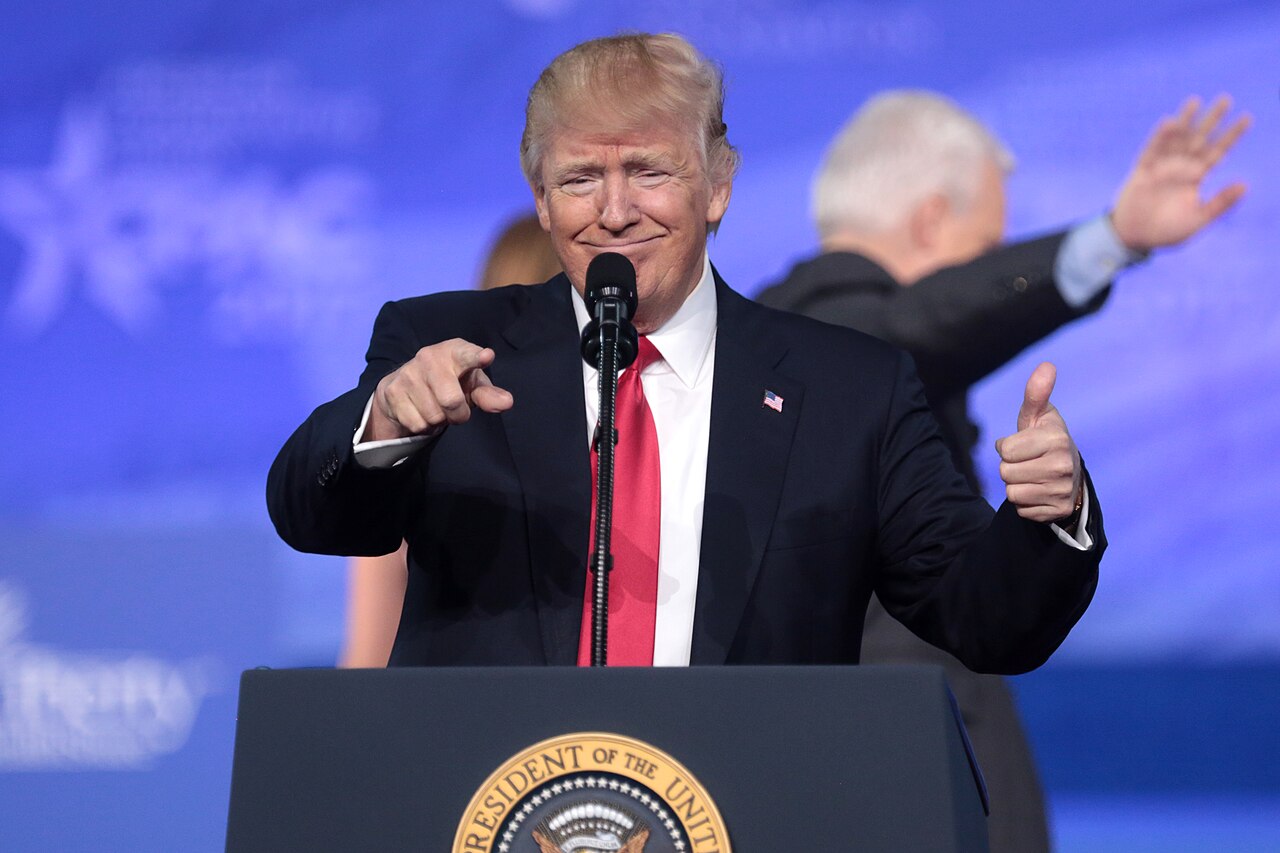
This line became a recurring theme and stood out for its upbeat and confident tone. Its repetition helped reinforce it as one of the most recognizable phrases associated with Trump’s speeches. The idea behind it is simple, but the delivery makes it memorable. Over time, it has been widely quoted in a humorous way, often used to describe situations where enthusiasm is taken to an extreme. Its continued presence in conversations shows how repetition and tone can turn a simple statement into a lasting cultural reference.
“Nobody knew health care could be so complicated.”
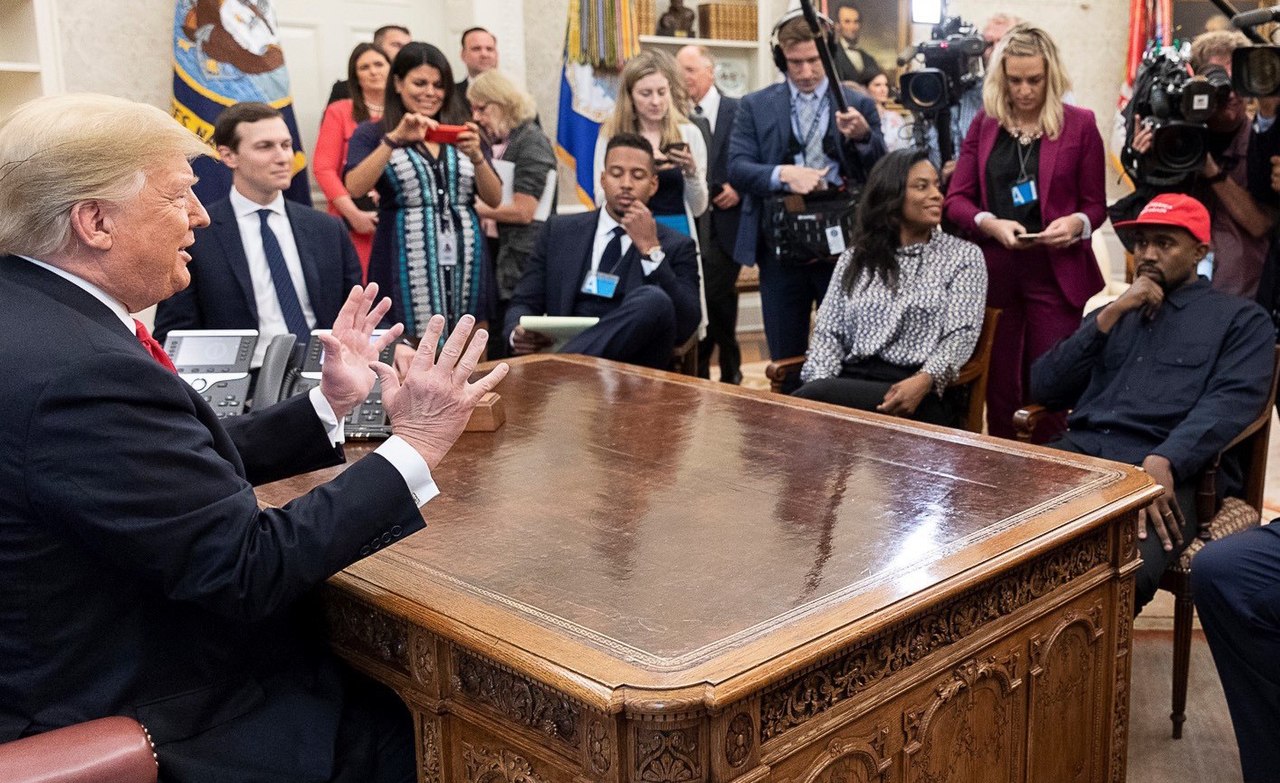
This remark resonated with many people because of its simplicity and relatability. It was widely shared and discussed, sometimes humorously and sometimes more seriously. The straightforward nature of the statement made it easy to repeat, while the topic ensured it stayed relevant. Quotes like this often gain traction because they connect with common experiences while still reflecting a distinctive speaking style. These quotes show how language, delivery, and timing can transform simple statements into moments that people continue to remember and repeat.