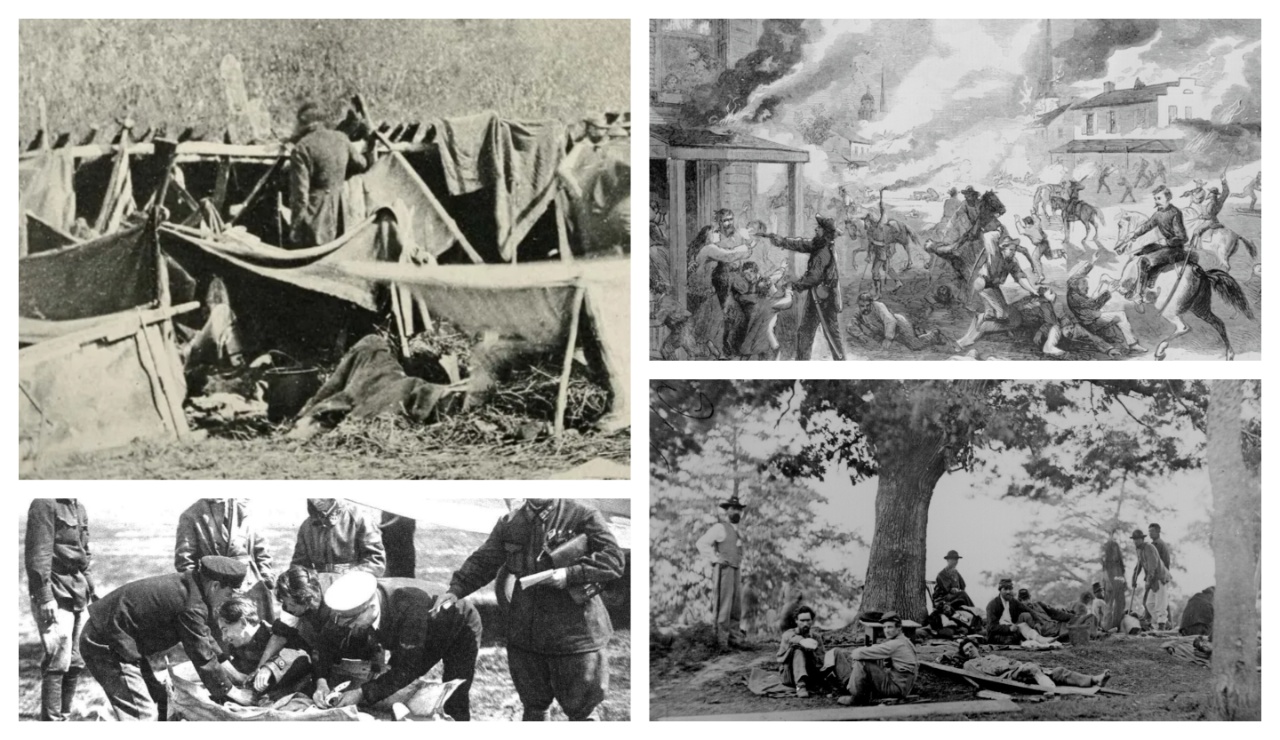
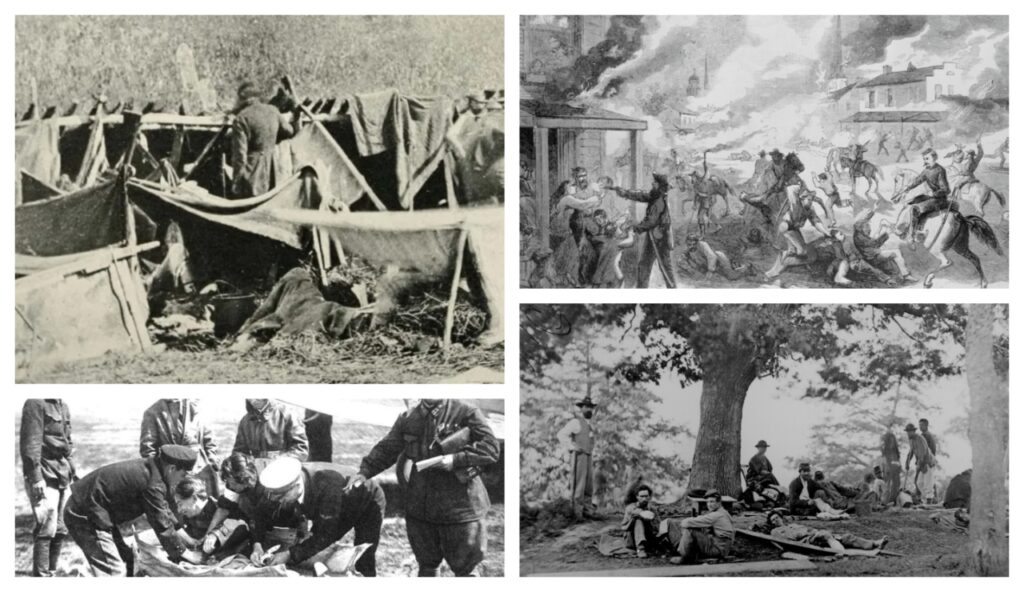
The American Civil War was one of the most brutal conflicts in U.S. history, and the soldiers who fought in it endured unimaginable hardships. These men, many of them barely older than teenagers, were thrust into a world of chaos, disease, and violence with few resources and little training. Life on and off the battlefield tested their physical and mental limits daily. Today’s youth, with access to modern comforts and medicine, would find these conditions almost unthinkable.
Crippling Lack of Medical Knowledge

Medical care during the Civil War was extremely primitive. There was little understanding of germ theory, and antiseptics weren’t widely used. Doctors reused surgical tools without sterilization, and many wounds became infected. Amputations were common and often performed without adequate anesthesia. Survivors were lucky if they didn’t die from post-surgery infections.
Rampant Disease and Poor Sanitation
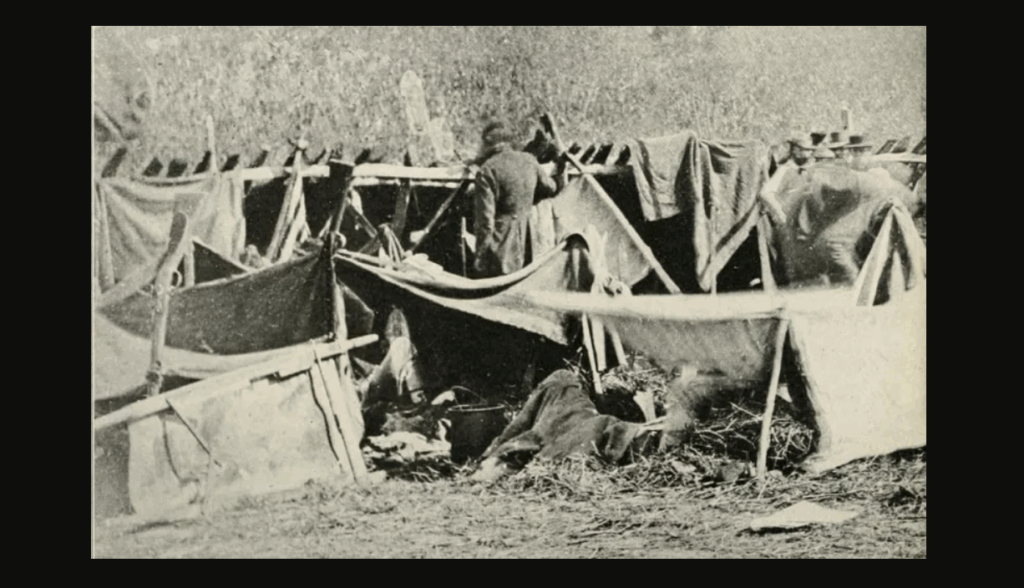
More soldiers died from disease than from battle injuries. Camps were overcrowded, latrines were often too close to drinking water, and hygiene was nearly nonexistent. Dysentery, typhoid, and smallpox spread rapidly through the ranks. With no antibiotics, even minor illnesses could prove deadly. Today’s sanitation standards would seem luxurious in comparison.
Extreme Physical Exhaustion
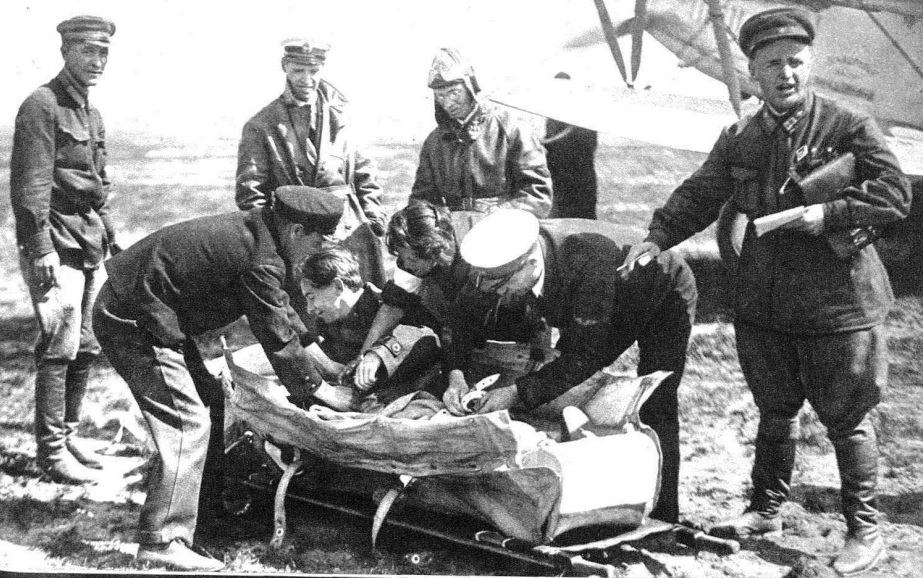
Civil War soldiers marched for miles—sometimes over 20 per day—with minimal rest, carrying heavy packs and gear. Sleep was a luxury, and shelter was often just a blanket under the open sky. Many went days without proper meals or clean water. The constant fatigue took a toll on their stamina and morale.
Malnutrition and Limited Rations
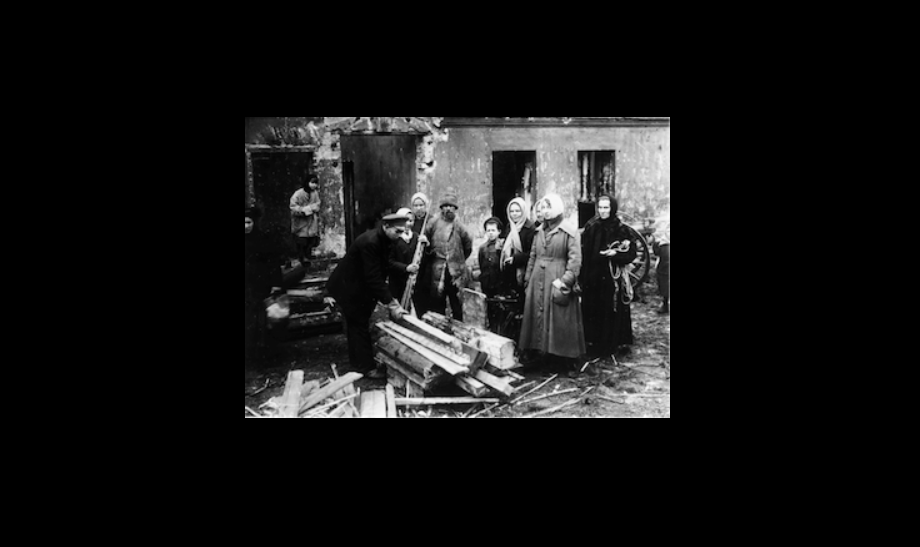
Rations often consisted of hardtack, salted pork, and beans. These meals were monotonous, nutritionally inadequate, and often spoiled. Fresh fruit and vegetables were rare, leading to scurvy and other deficiencies. Food was a constant worry, and many soldiers had to forage or go hungry. It’s a far cry from the balanced diets promoted today.
Crude and Brutal Combat
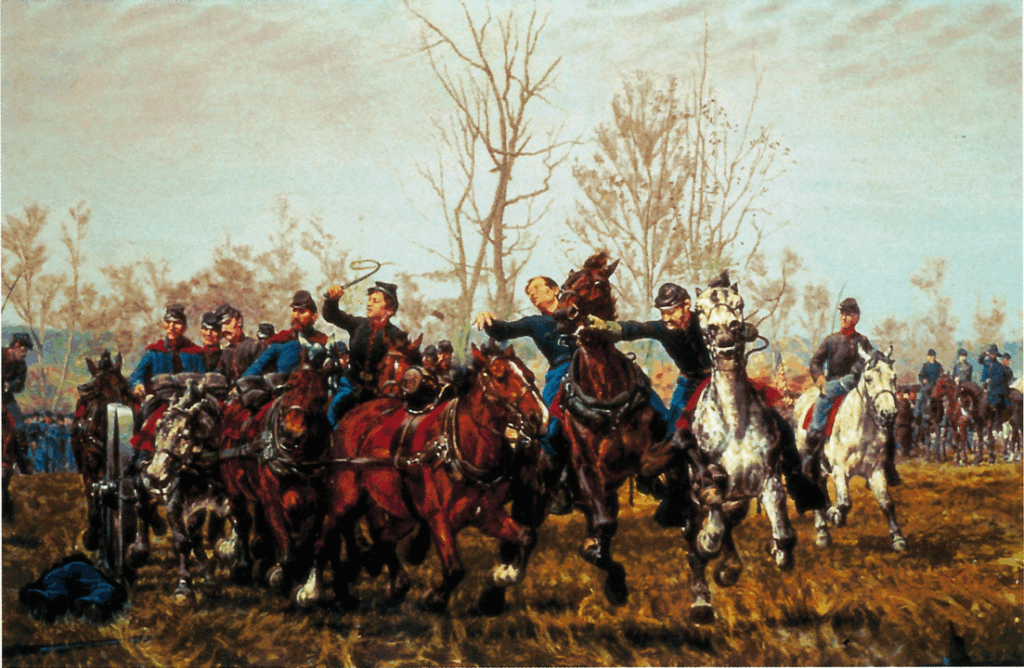
Combat in the Civil War was up-close and personal. Bayonets, muskets, and cannons were used in tightly packed formations. Soldiers had to watch friends and enemies alike fall in horrific ways. The psychological trauma from these brutal battles lingered long after the war. Today’s youth, raised on virtual warfare, cannot grasp the raw savagery of 19th-century fighting.
Minimal Mental Health Support
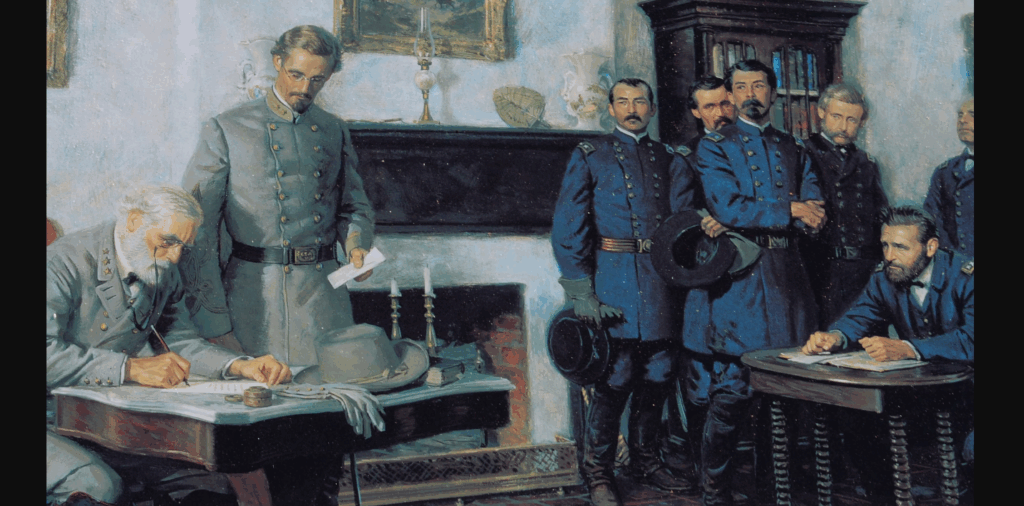
Shell shock, or what we now know as PTSD, was not understood or treated. Soldiers who broke down emotionally were seen as weak or cowardly. There was no counseling or psychological support available. Many veterans returned home scarred by trauma with no path to healing. This emotional toll remains one of the war’s most overlooked consequences.
Harsh Weather Conditions
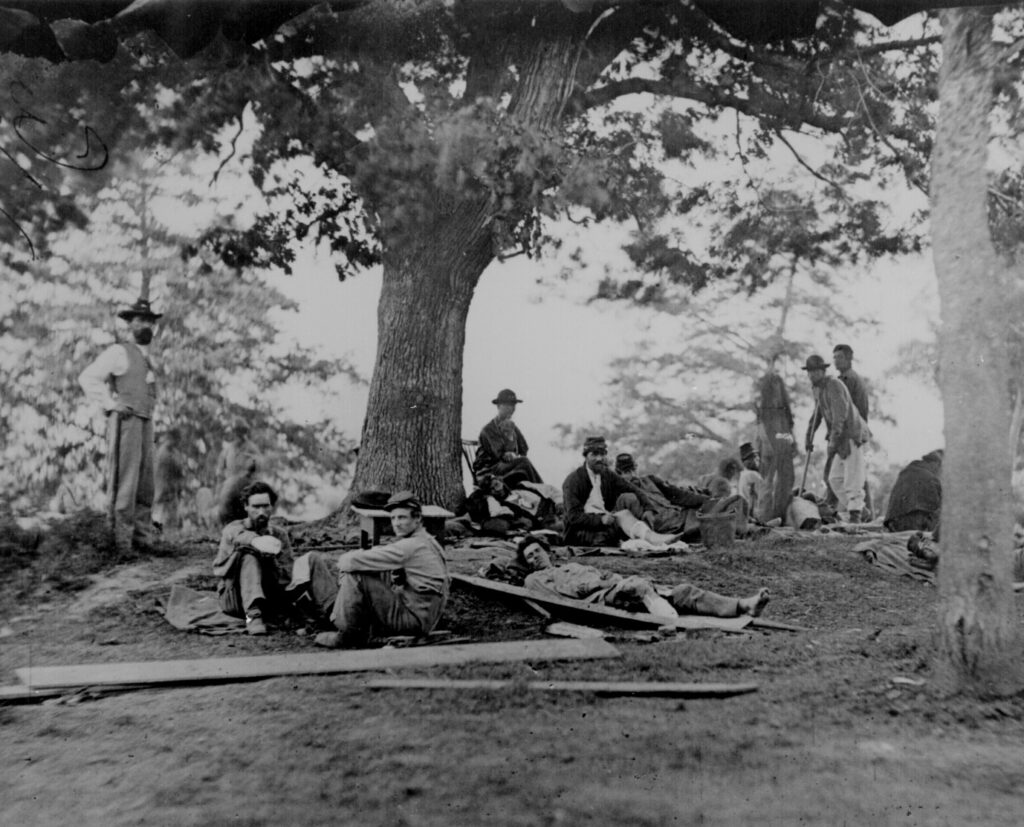
Soldiers faced extreme heat in the summer and freezing cold in the winter, often without proper clothing. Frostbite, heatstroke, and exposure were common, especially during long campaigns. Uniforms were made of wool, which could be stifling in hot climates and offered little protection when wet. Weather could kill as surely as bullets or disease.
Inadequate Footwear and Clothing
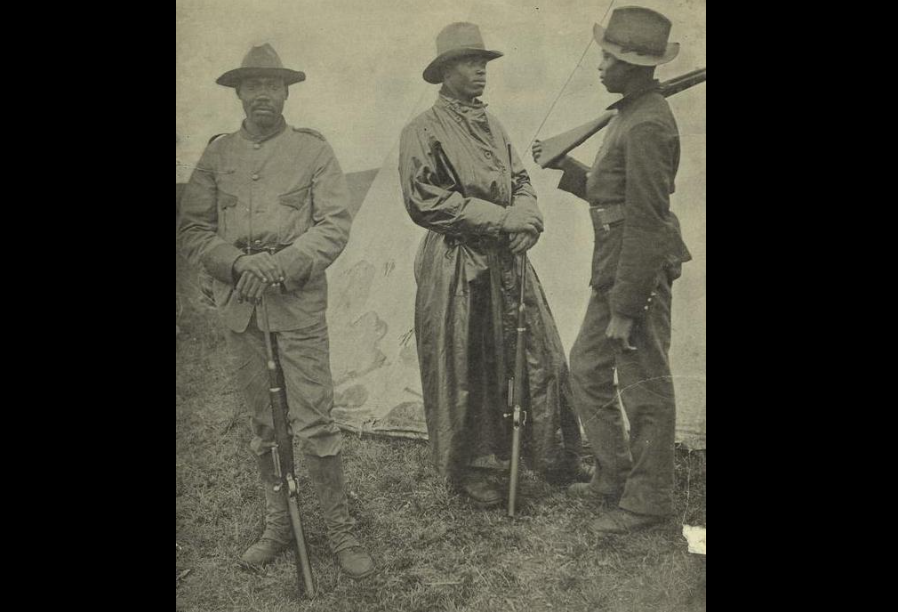
Many soldiers marched with worn-out boots that caused blisters, infections, and injuries. Uniforms were ill-fitting or threadbare, and replacements were hard to come by. Confederate soldiers especially struggled to obtain proper supplies. Clothing shortages left many in rags during harsh seasons, a stark contrast to today’s climate-controlled wardrobes.
Long Separation From Family
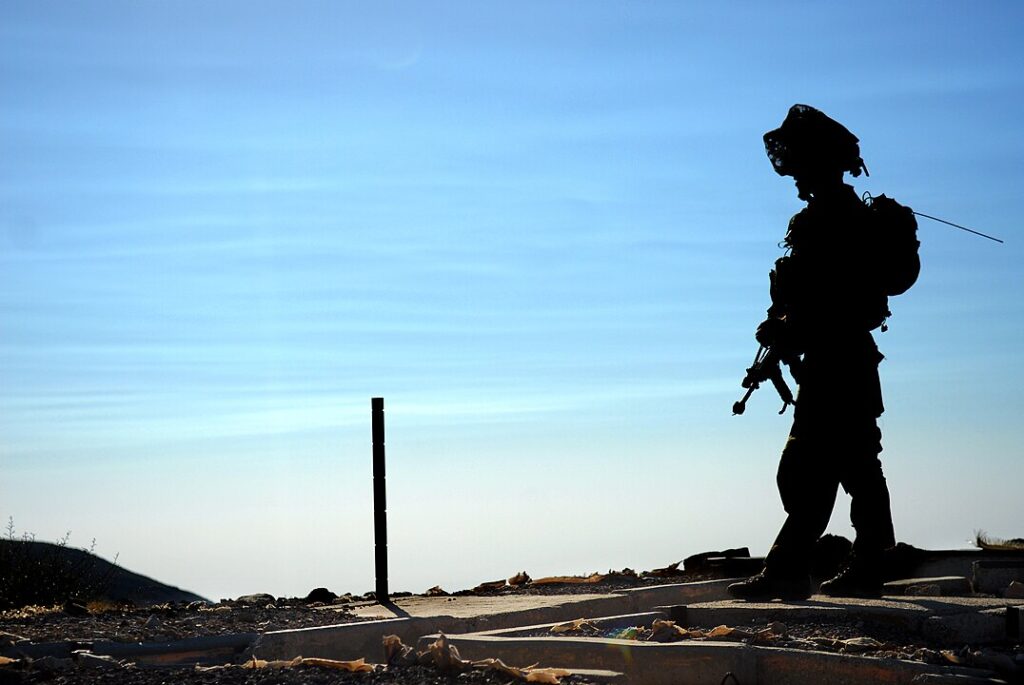
Soldiers were often away from home for years, with only sporadic letters as communication. There were no phone calls, emails, or video chats—just the slow, unreliable postal system. Many never saw their families again. This isolation was deeply painful, especially for younger soldiers who missed their childhoods entirely.
Young Boys Sent to War
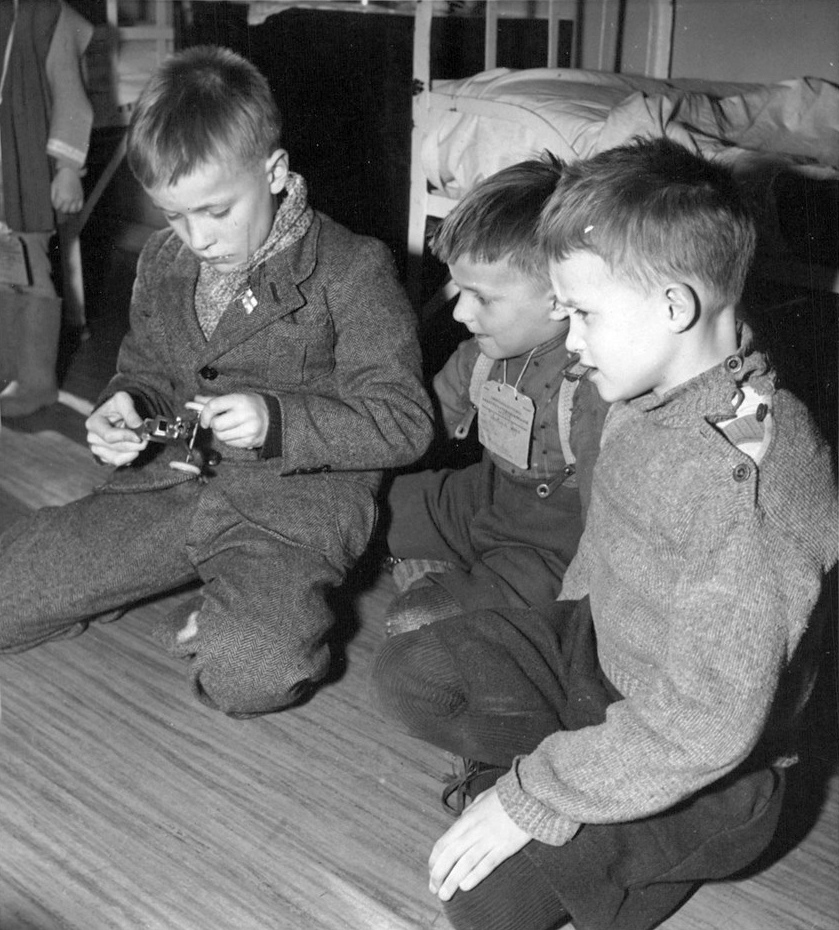
Drummer boys and young enlistees as young as 12 or 13 were not uncommon. Some lied about their age to join, driven by patriotism or economic need. These children witnessed death and destruction far beyond their years. Today, we would consider such involvement in war a tragic violation of child welfare.
Frequent Desertion and Harsh Punishments
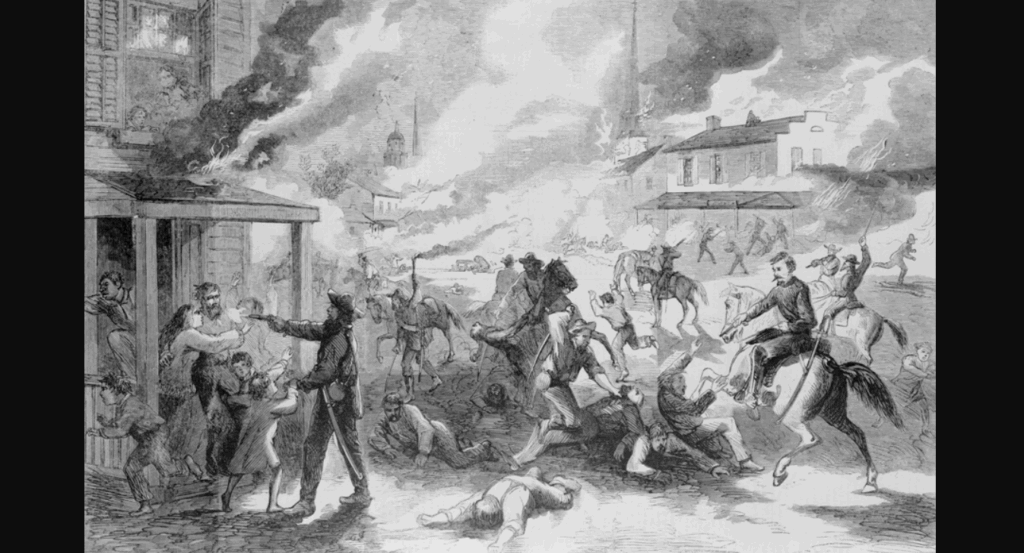
Many soldiers became disillusioned or physically unable to continue and attempted to desert. Punishments were severe—ranging from public shaming to execution. The pressure to remain loyal under unbearable conditions was immense. Kids today, raised with rights and protections, would find such harsh treatment unimaginable.
Constant Threat of Death or Maiming
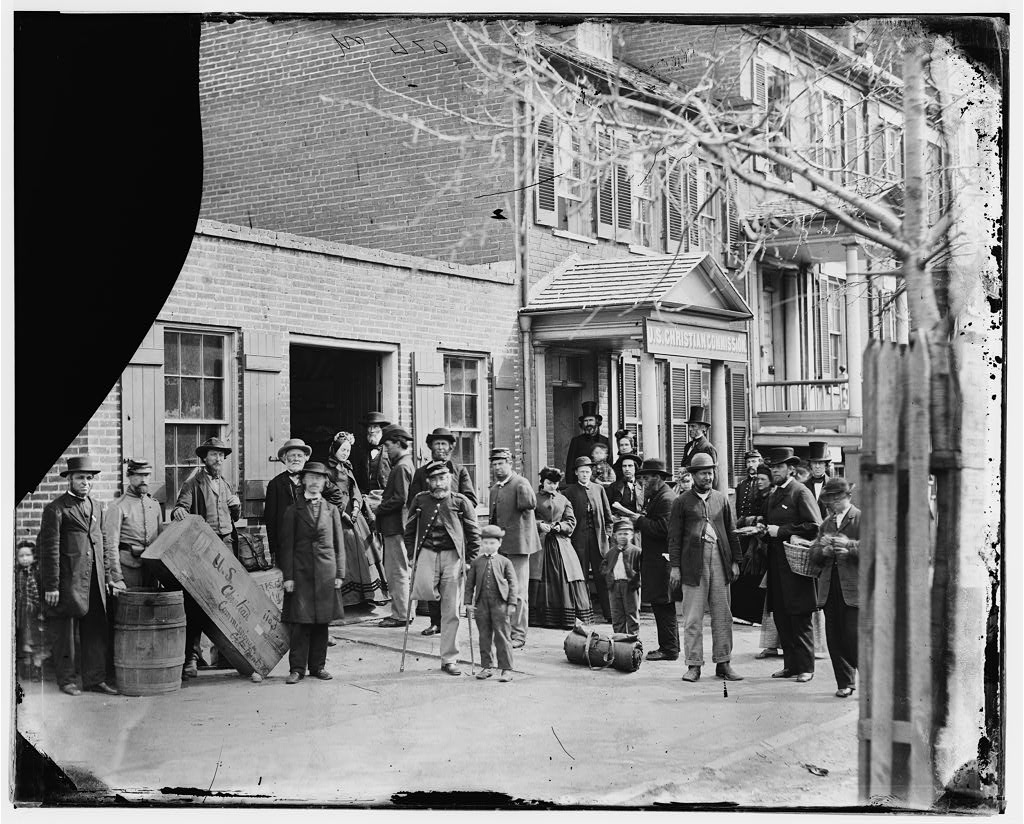
Every day on the front lines brought the possibility of sudden death or dismemberment. There were no guarantees of survival, even for those not in direct combat. Many soldiers lost limbs, eyesight, or hearing and had to live with permanent disabilities. Modern generations have never had to face this kind of daily threat.