Before fast-food chains took over, small-town America was filled with family diners, roadside grills, and cozy cafés that fed communities and memories alike. These local spots served more than food, they offered warmth, stories, and the comfort of being known by name. Every meal came with conversation and familiarity that made even strangers feel at home. Though many are gone today, their flavors and spirit still live on in nostalgia and in the stories people love to tell.
1. Howard Johnson’s
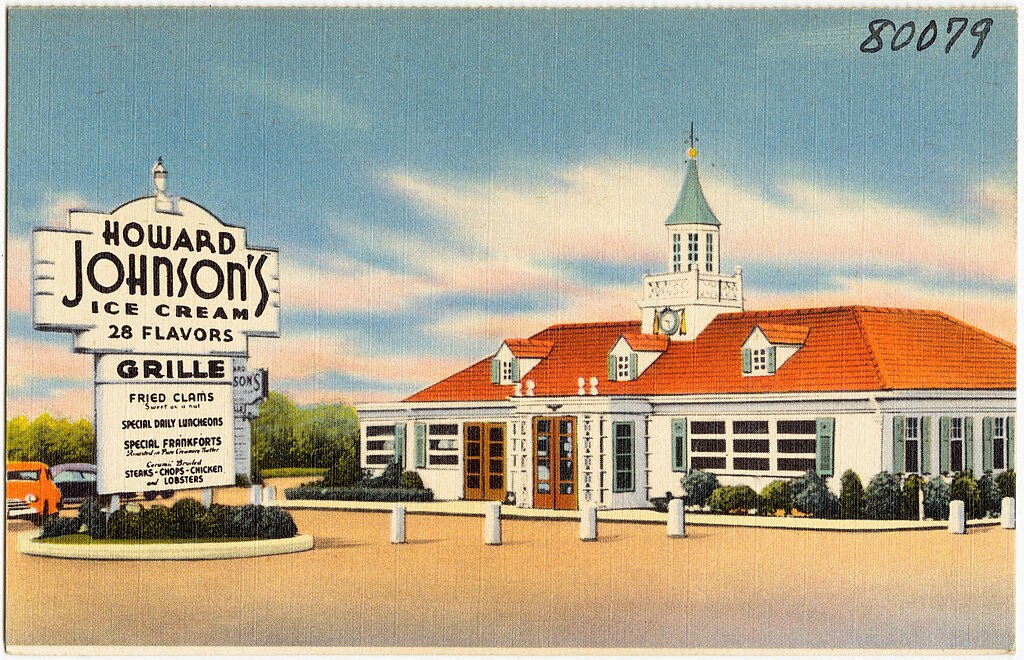
With its orange roofs and 28 ice cream flavors, Howard Johnson’s was once America’s favorite stop for travelers. Families made it a ritual to pull over for fried clams or hot dogs during road trips. The chain defined mid-century comfort dining and became a symbol of wholesome Americana. As highways expanded and fast-food chains grew, Howard Johnson’s faded away, but its cheerful colors and sweet ice cream memories remain a vivid part of small-town dining history.
2. Woolworth’s Lunch Counter
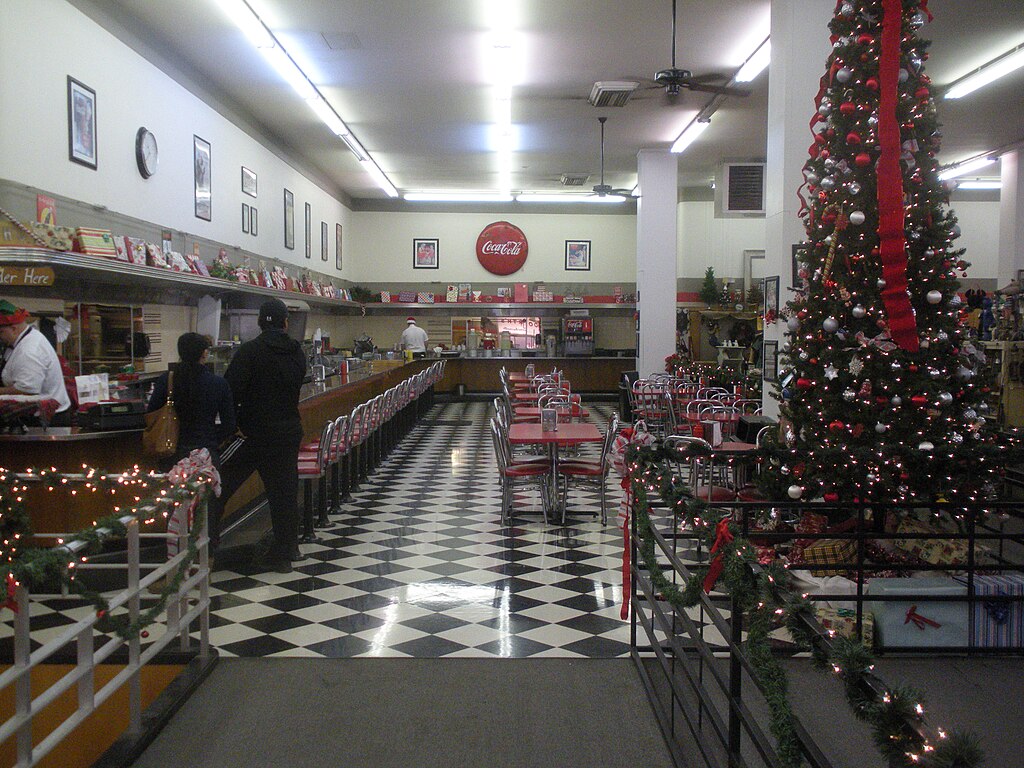
Every Woolworth’s store had a bustling lunch counter where locals gathered for coffee, pie, and gossip. It was affordable, friendly, and part of the daily rhythm of life. The menu was simple: sandwiches, milkshakes, and comfort food served with a smile. These counters weren’t just eateries but social centers that defined small-town spirit. Their legacy is tied to both community and history, marking an era when every bite came with a friendly conversation and a familiar face.
3. Stuckey’s
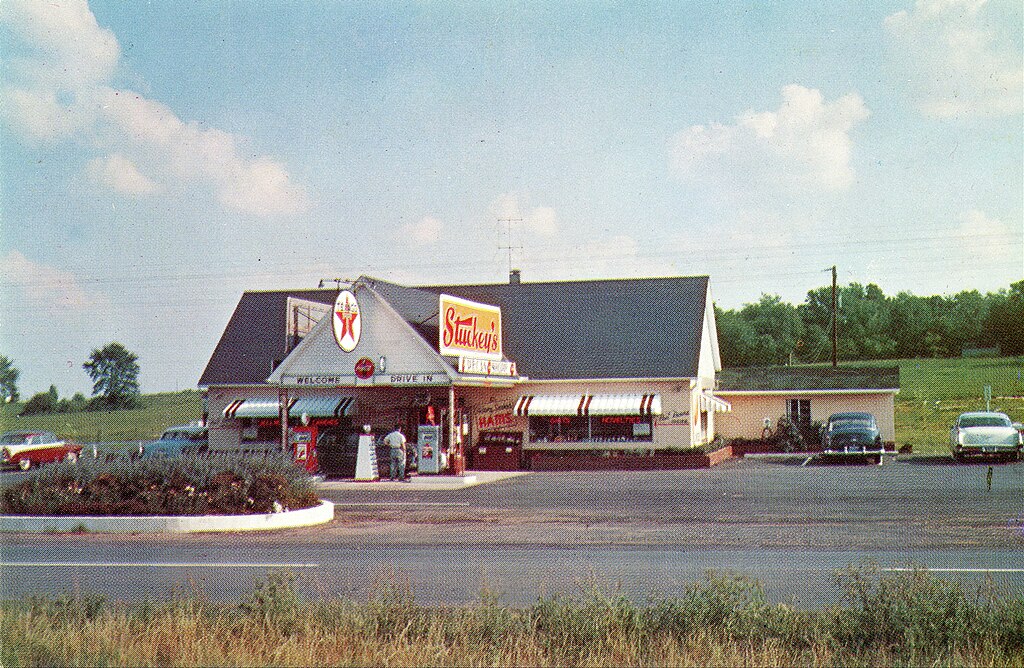
Stuckey’s was the ultimate roadside stop during long drives, offering pecan logs, souvenirs, and hearty sandwiches under its teal roof. Families loved the charm of its gift shops and the promise of clean rest stops in the middle of nowhere. The chain became synonymous with American road trips, a mix of adventure and comfort. Though many have disappeared, the nostalgia for its bright signs and candy counters keeps Stuckey’s name alive in the hearts of travelers everywhere.
4. Shoney’s Big Boy
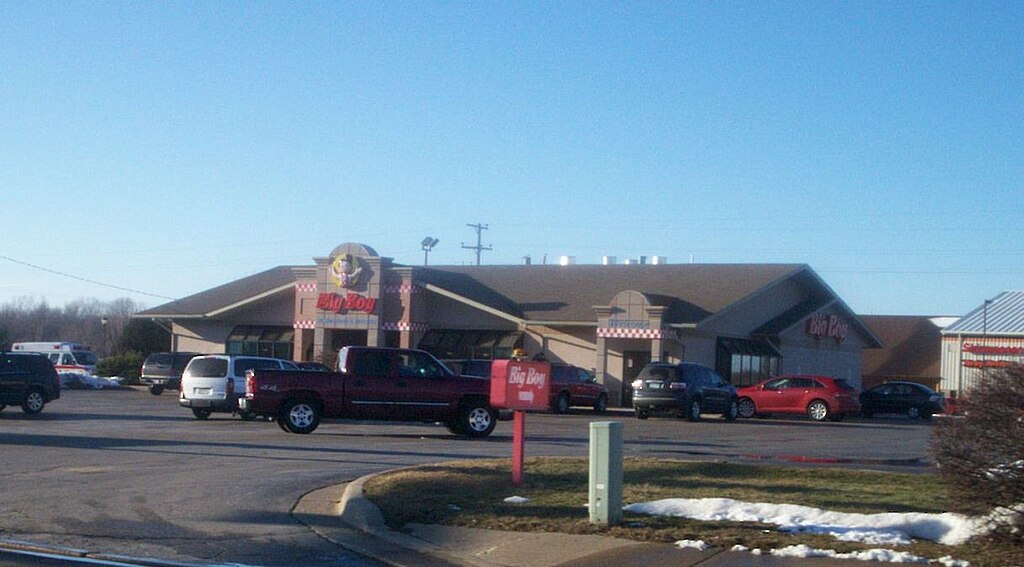
Shoney’s Big Boy was known for its smiling mascot and all-American menu of burgers, fries, and shakes. The Big Boy statue out front became a roadside icon for hungry families across the South and Midwest. Inside, the cozy booths and red décor created a friendly, familiar atmosphere. Though many locations have closed, the memory of their hearty breakfasts and diner-style hospitality remains deeply rooted in small-town culture and the golden age of family dining.
5. Sambo’s
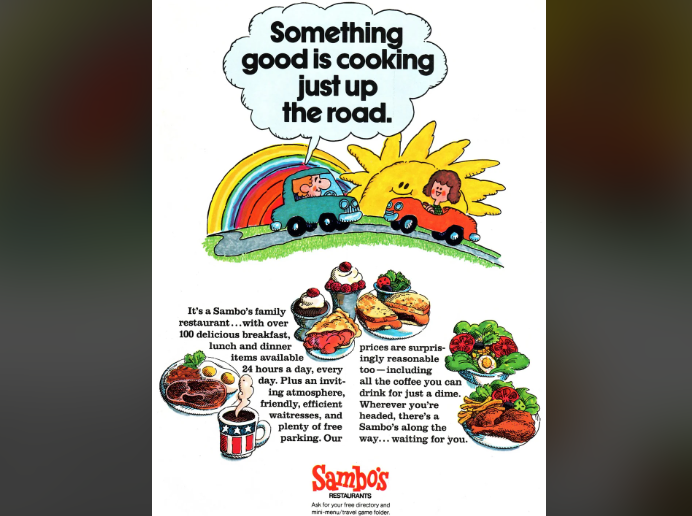
Sambo’s was once a breakfast favorite, known for pancakes, coffee, and its tiger-themed logo. It expanded quickly across America, offering a mix of affordability and consistency that appealed to small-town diners. However, controversy over its name and imagery eventually led to its decline. Despite that, locals still recall its warm service, tasty meals, and the smell of syrup in the morning. The chain’s story reflects a complex chapter of American dining and cultural change.
6. Ponderosa Steakhouse
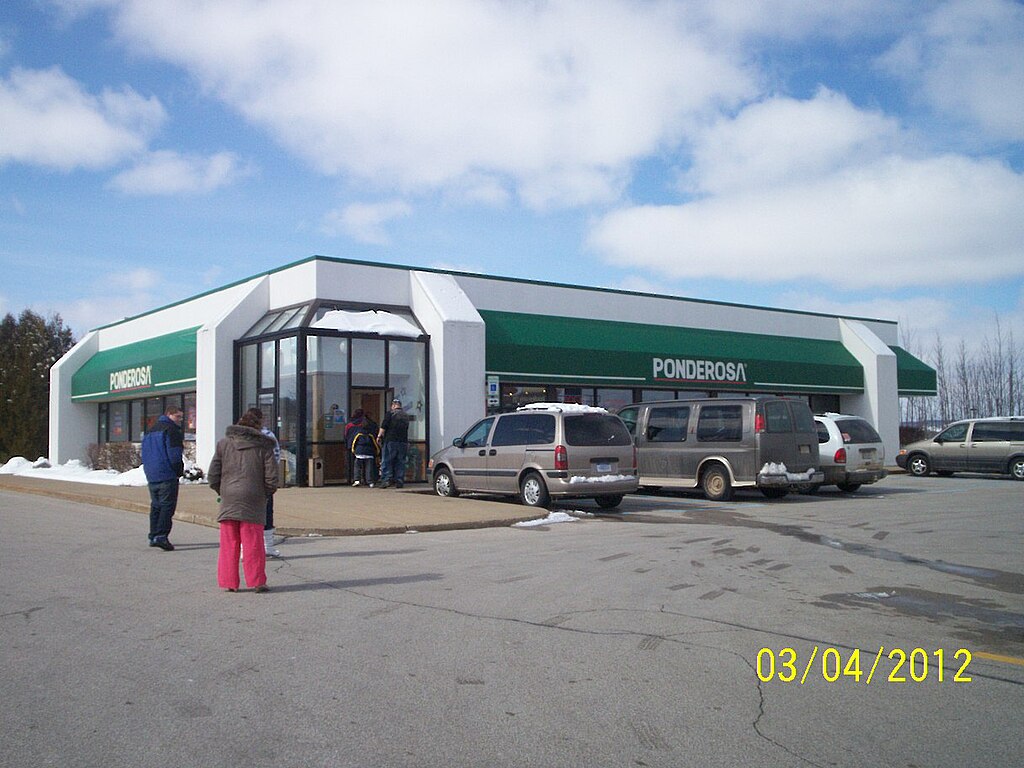
Ponderosa brought the western spirit to small towns, offering hearty steaks and big buffets that made everyone feel like a cowboy. Families loved the rustic charm and value for money, and kids especially enjoyed the self-serve desserts. Its success inspired a sense of adventure and appetite in equal measure. Though many locations have vanished, the brand’s influence remains in how Americans still love casual, hearty steakhouses where meals feel like celebrations of everyday life.
7. Bonanza Steakhouse
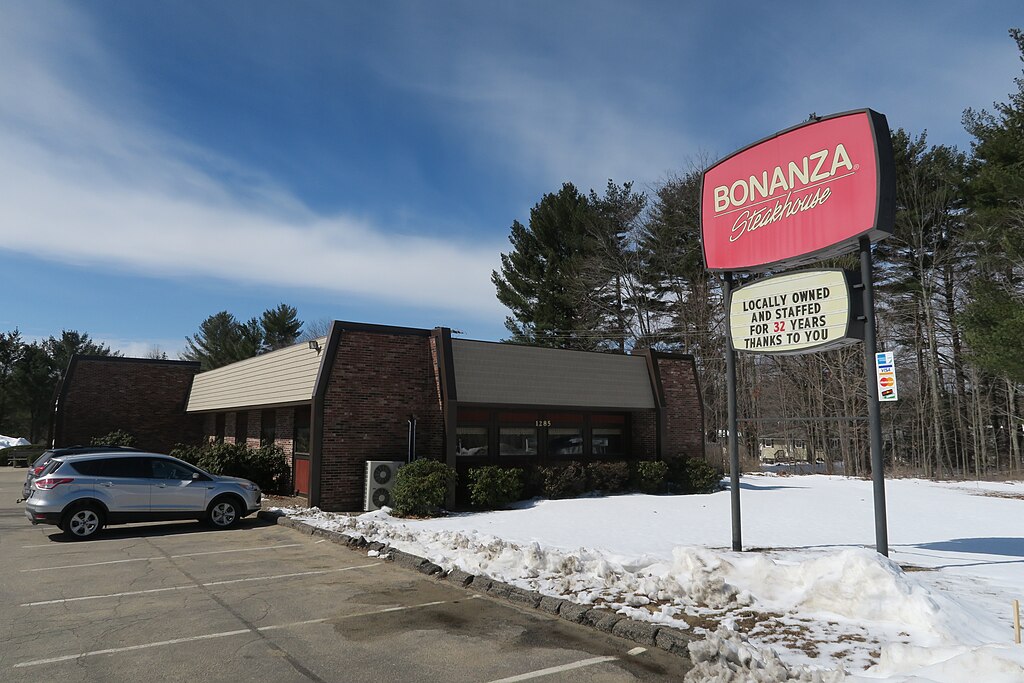
Bonanza was Ponderosa’s sibling chain, sharing its western roots but focusing even more on affordable dining. The grill’s sizzling meat and friendly atmosphere made it a go-to spot for family dinners after long weeks of work. Its salad bar and hearty portions drew loyal customers who loved value and flavor. Bonanza represented simple American generosity, a place where a full plate and warm smile defined the dining experience more than fancy presentation ever could.
8. Dog n Suds
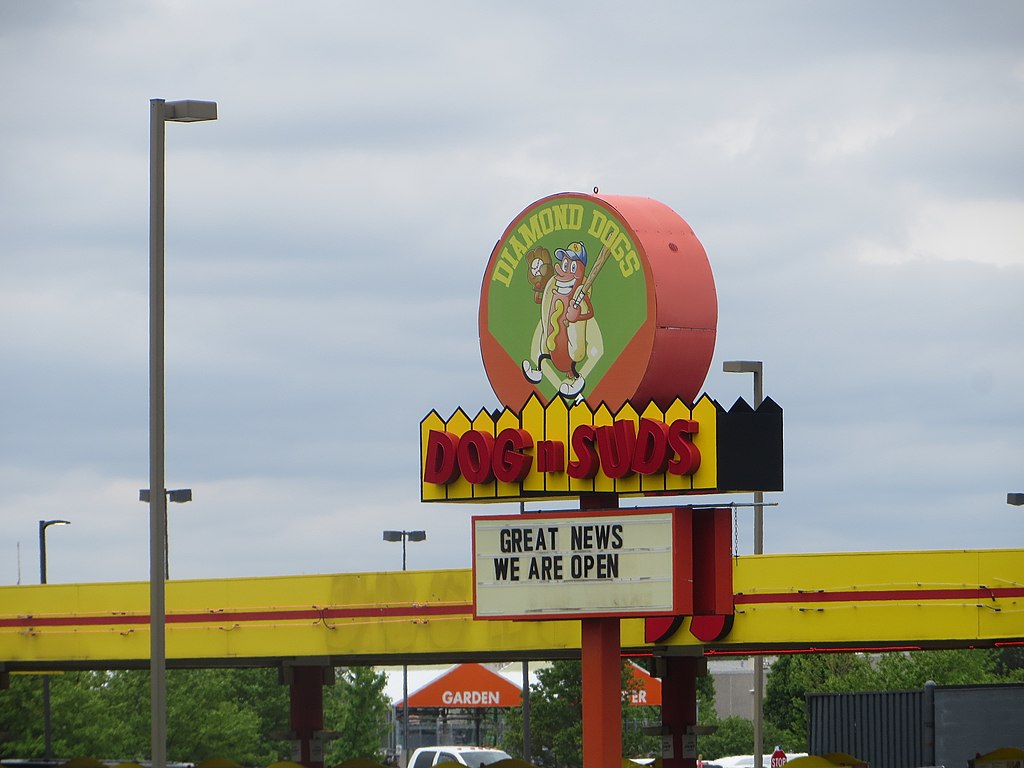
Dog n Suds was the quintessential drive-in restaurant, famous for its frothy root beer and chili dogs served by carhops. The neon signs, car trays, and classic tunes created a nostalgic charm that families adored. It captured the carefree spirit of the mid-century, where dining out meant good food and good vibes. Though few remain today, every surviving Dog n Suds feels like a time capsule, preserving the flavor and friendliness of small-town America’s golden age.
9. Lum’s
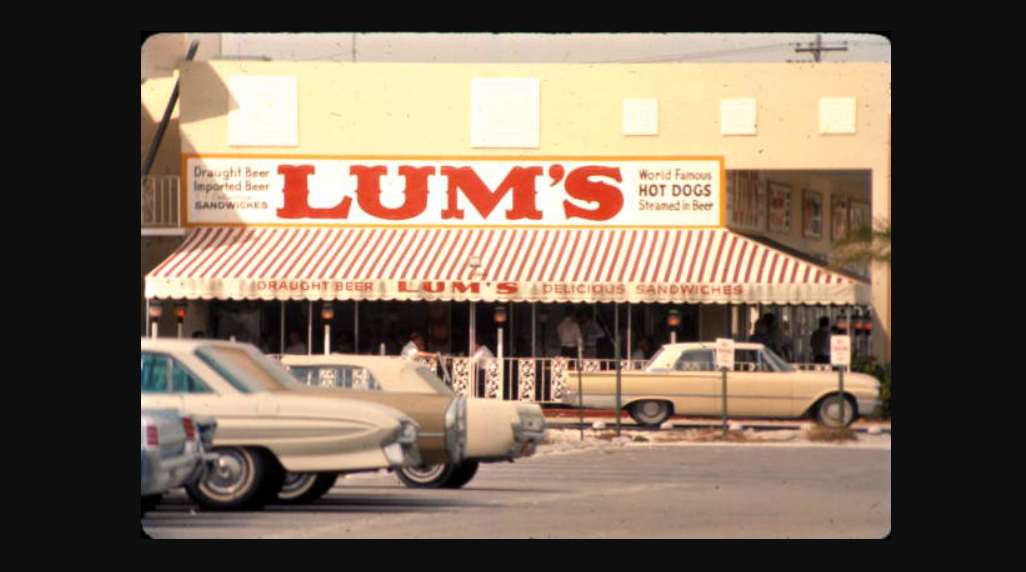
Lum’s stood out for one curious reason, it boiled its hot dogs in beer. That quirky twist made it legendary. With a casual pub atmosphere and a simple but tasty menu, it was a place where locals could unwind without pretense. Its creative approach to comfort food made it both familiar and unique. Though it disappeared by the early 1980s, Lum’s remains fondly remembered as a restaurant that dared to be different while staying completely down-to-earth.
10. Steak and Ale
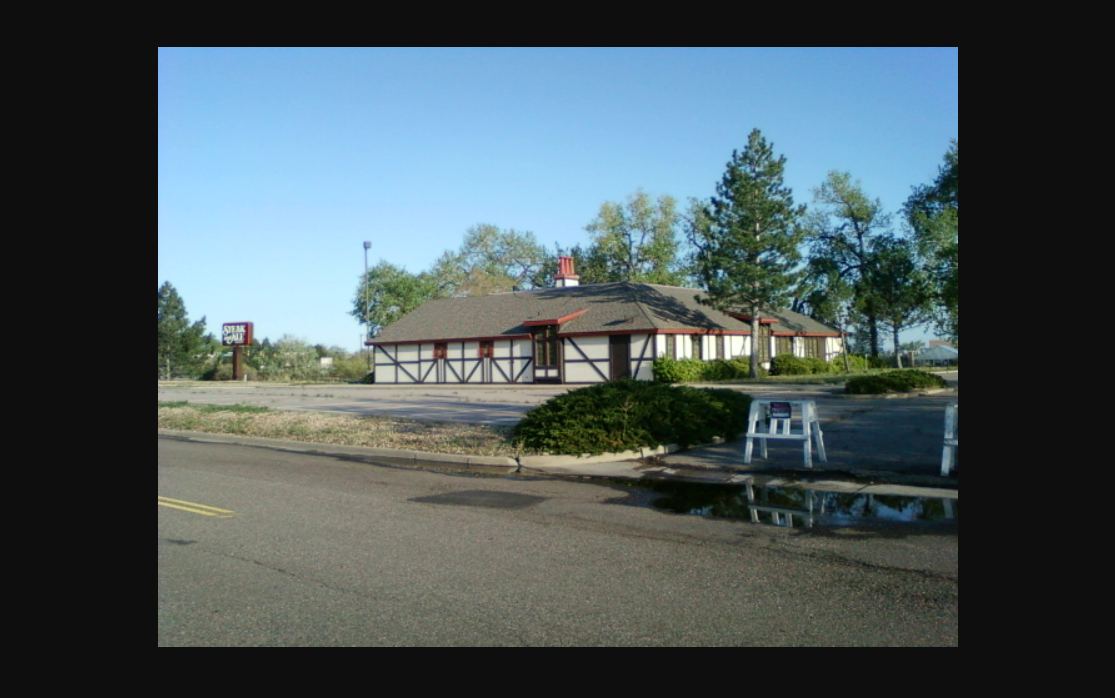
Steak and Ale brought sophistication to small towns without breaking the budget. Its dark wood interiors and hearty meals gave families a taste of fine dining close to home. It was perfect for anniversaries, graduations, or just a special night out. The restaurant’s salad bar and medieval décor were its trademarks. Though it faded over time, its mix of comfort and class inspired many later chains, proving that affordable elegance could thrive in even the smallest communities.
11. Red Barn
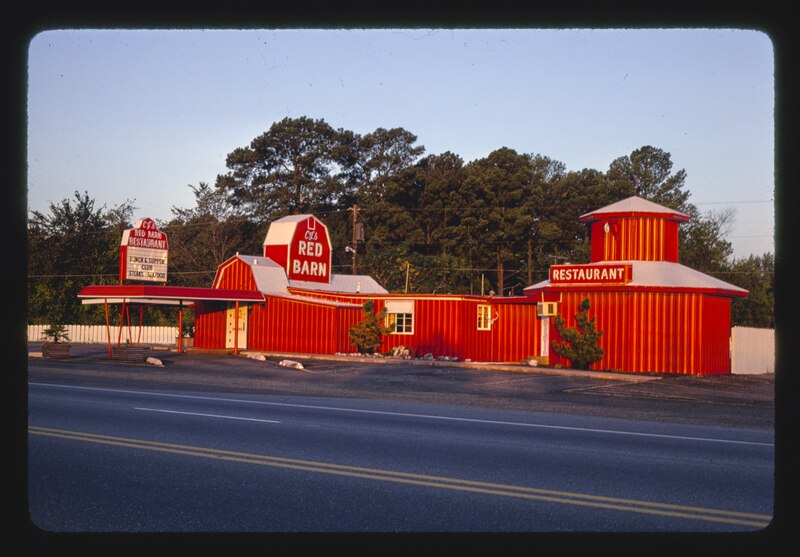
Red Barn’s barn-shaped buildings were impossible to miss, and its burgers and fried chicken kept customers coming back. The restaurant offered variety before that became common, letting families mix and match their meals. It felt homey and welcoming, perfect for after-school snacks or weekend family treats. Though it closed decades ago, many still remember the jingle and bright red buildings that made Red Barn more than just a fast-food stop, it was part of local identity.
12. White Tower
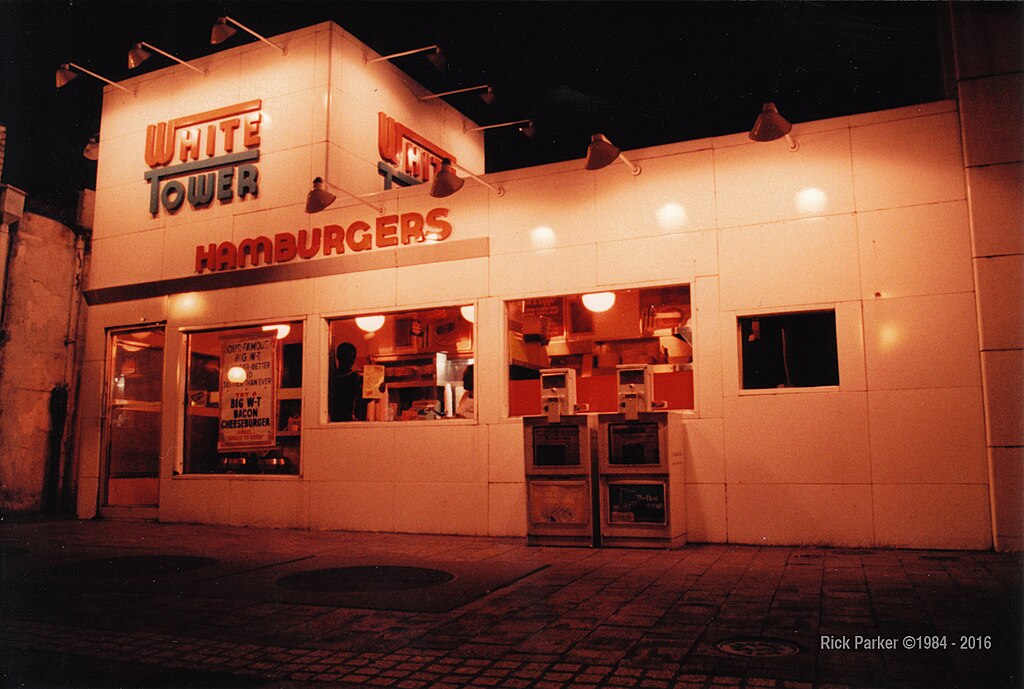
White Tower was the quieter cousin of White Castle, known for its small burgers and clean, white-tiled design. It thrived in small towns, where consistency and friendliness mattered more than flash. Its burgers were simple but satisfying, and its service came with a smile that made everyone feel at home. While most locations are gone, the memory of its glowing signs and late-night comfort food lives on in the stories of those who grew up near one of its shining towers.
Small-town America once thrived on restaurants that offered more than just food, they offered belonging. These diners and drive-ins were part of daily life, where every meal told a story and every regular had a seat waiting. While chains have replaced many of them, their memory lingers in the hearts of those who shared milkshakes, laughter, and moments that defined community. The flavor of small-town America may fade, but it is never truly forgotten.