History often celebrates a select few, while countless others—whose courage and contributions shaped the nation—fade into obscurity. For children learning about the past, it’s just as important to hear about the everyday individuals and unsung heroes who defied odds and made a difference. These lesser-known figures can offer fresh perspectives, deeper inspiration, and relatable stories that spark curiosity and resilience. Sharing their legacies not only broadens understanding of American history but also reminds young minds that heroism comes in many forms. Here are twelve forgotten heroes from U.S. history every child should know.
Sybil Ludington – The Teenage Paul Revere
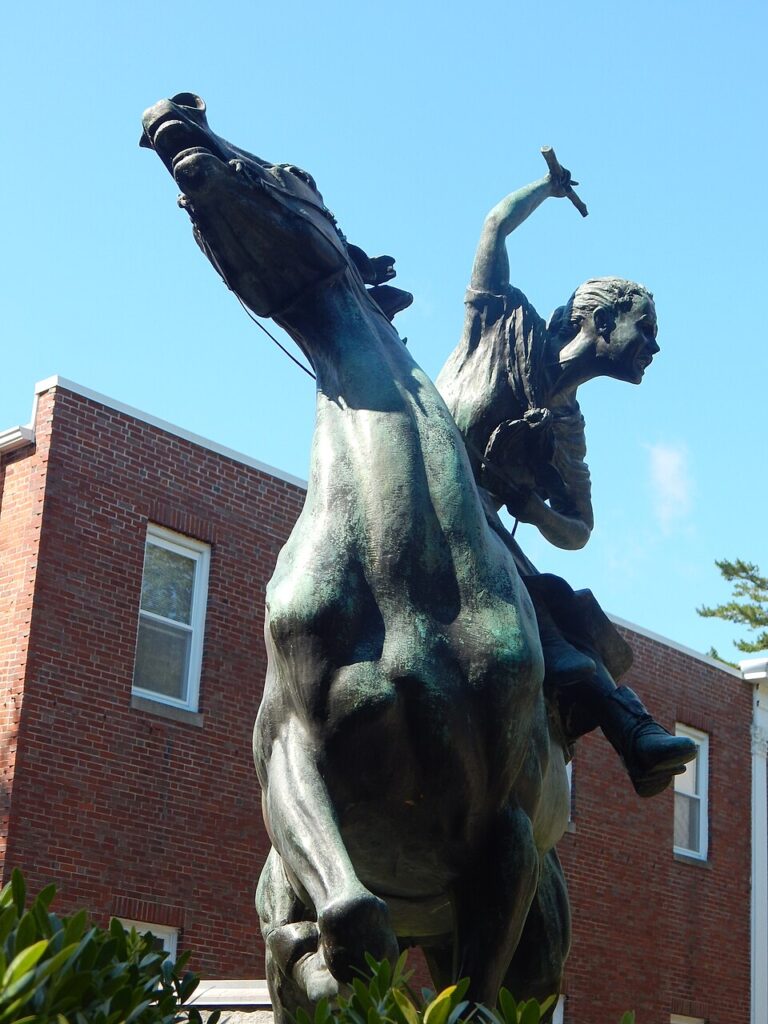
At just 16 years old, Sybil Ludington rode twice the distance of Paul Revere to warn colonial forces of approaching British troops during the Revolutionary War. Despite stormy weather and the threat of capture, she rode 40 miles through the night to rally local militias. Her courageous journey helped troops prepare for an impending attack in New York. Though often overlooked in textbooks, her bravery stands as a powerful example of youthful determination. Sybil’s story shows kids that age is no barrier to making a big impact.
Bass Reeves – The Real Lone Ranger
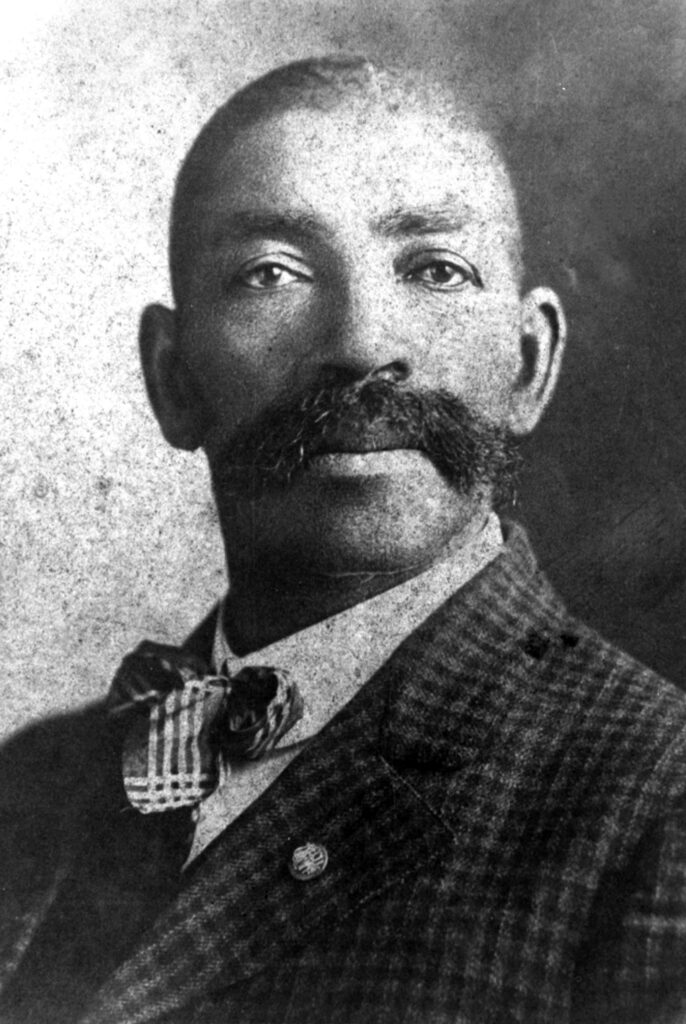
Bass Reeves was one of the first Black U.S. Deputy Marshals west of the Mississippi River, capturing over 3,000 outlaws during his career. Born into slavery, Reeves escaped and eventually became a lawman known for his sharp wit, fearless pursuit of justice, and expert marksmanship. Many believe his legacy inspired the fictional character of the Lone Ranger, though history rarely gives him credit. His story is a powerful lesson in perseverance and honor. Sharing Reeves’ journey helps children see the strength found in rising above adversity.
Deborah Sampson – Woman Warrior in Disguise
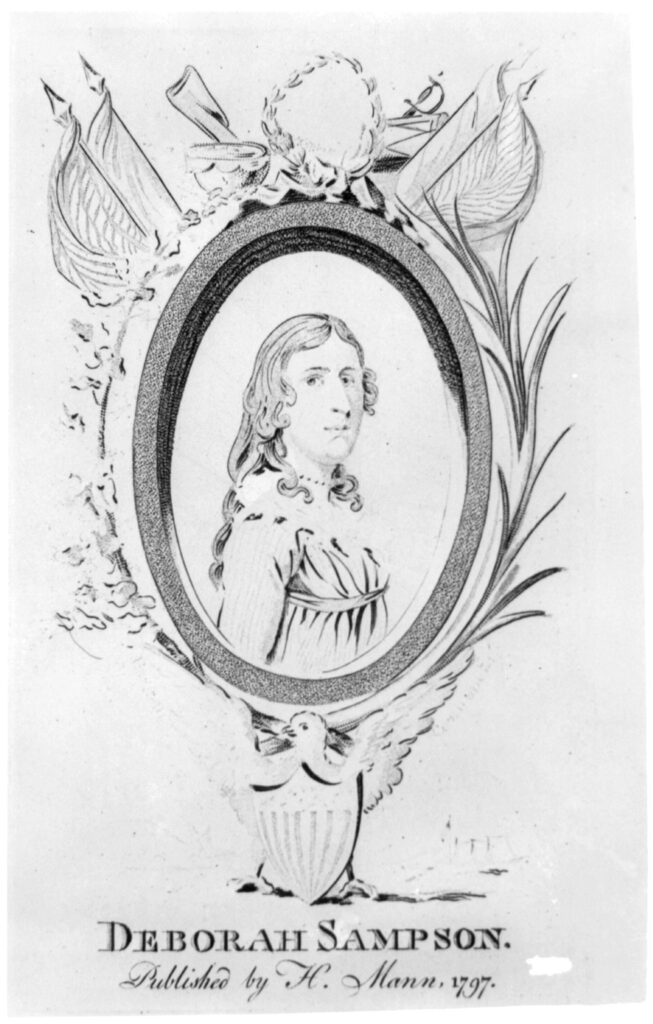
Deborah Sampson disguised herself as a man to fight in the Continental Army during the American Revolution. Under the name Robert Shurtliff, she served for over a year, suffering injuries and keeping her identity hidden to avoid discharge. When her secret was discovered, she received an honorable discharge and later became one of the first American women to lecture about her military experiences. Sampson’s courage broke gender barriers long before the modern era. Her tale reminds kids that bravery often means stepping far outside of expectations.
Benjamin Banneker – Self-Taught Scientist and Inventor
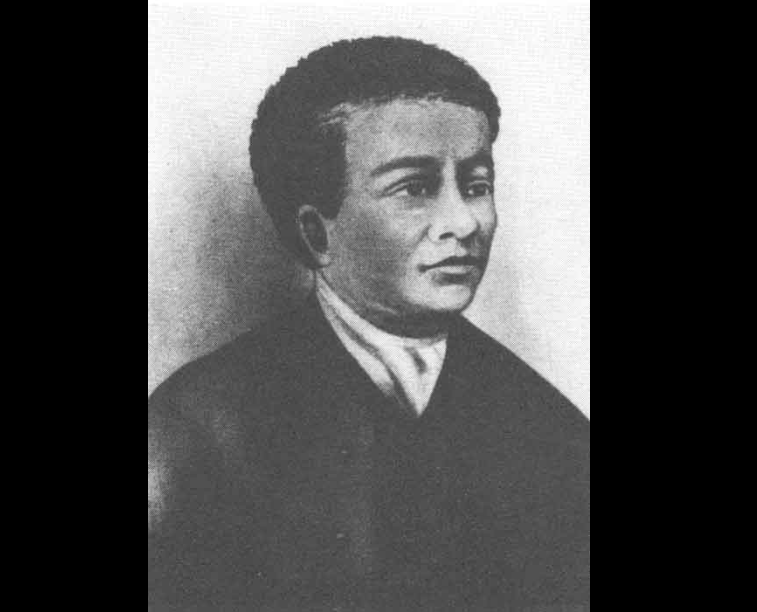
Born free in 1731, Benjamin Banneker was a Black mathematician, astronomer, and inventor who had little formal education. He built a functioning wooden clock entirely from memory and published accurate almanacs that predicted solar and lunar eclipses. Banneker also corresponded with Thomas Jefferson, urging him to recognize the intelligence and humanity of African Americans. Despite living in a time of widespread racism, he made lasting contributions to science and civil rights. His life encourages children to value curiosity and intellectual courage.
Mary Anning – Pioneer of Paleontology
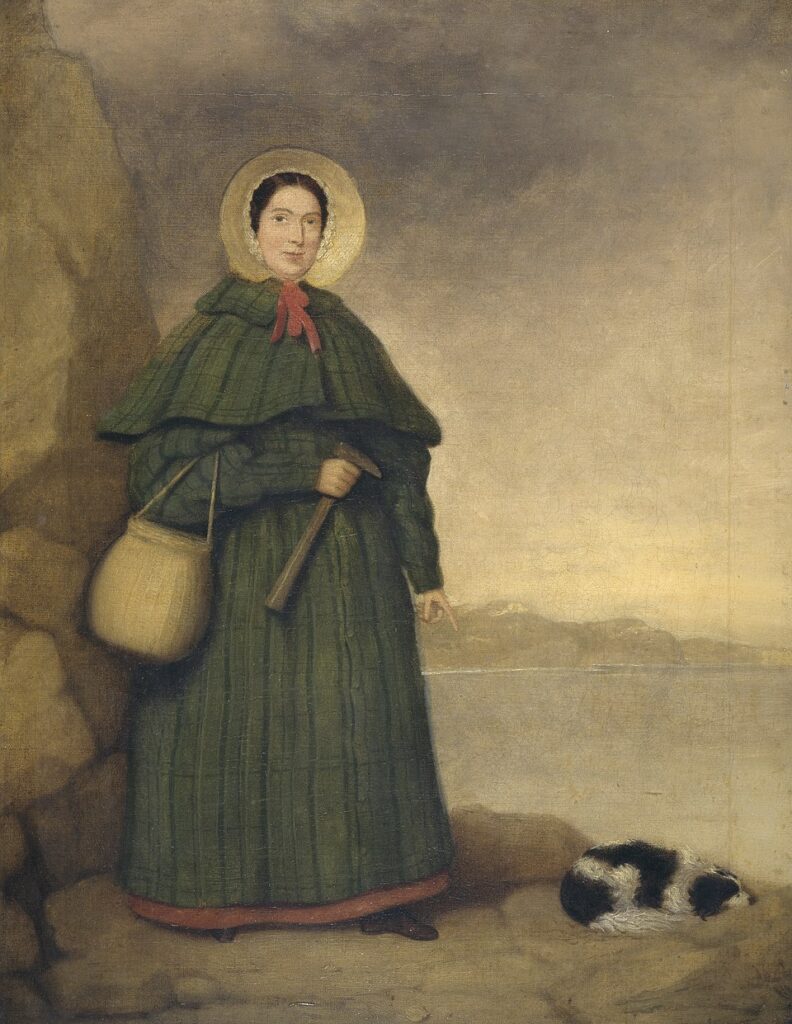
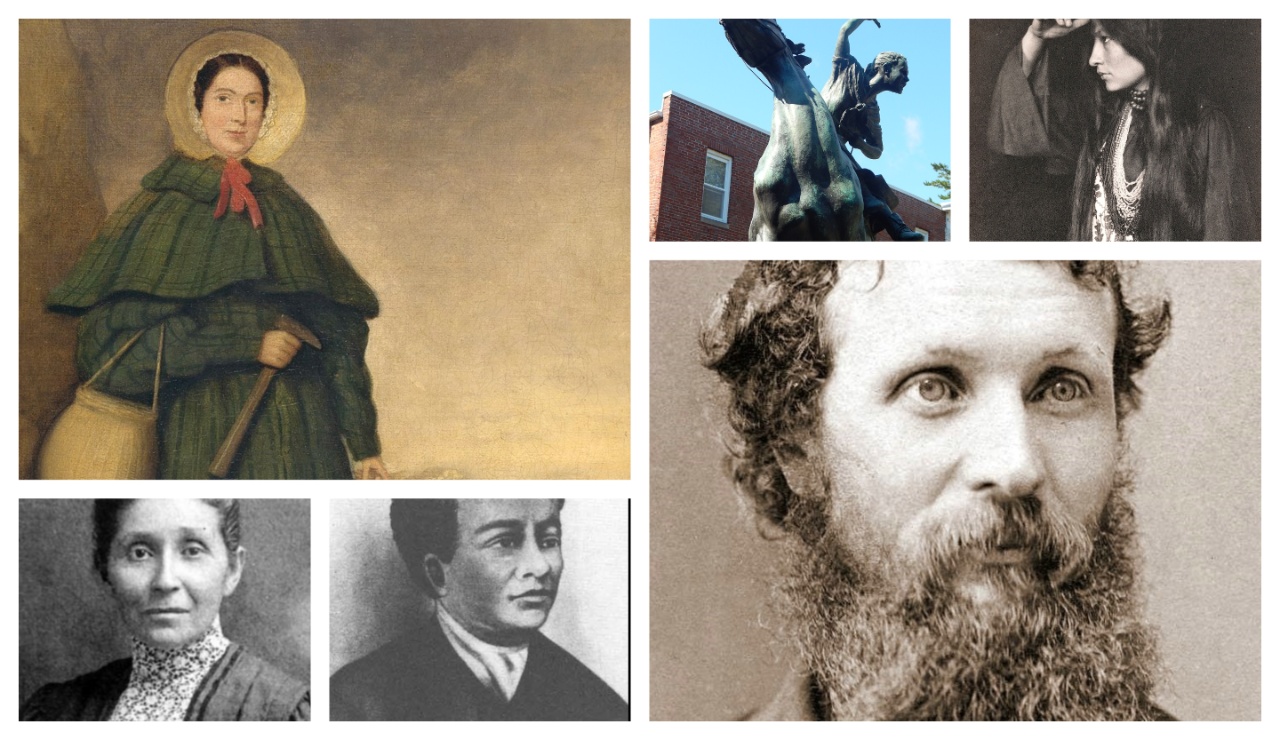
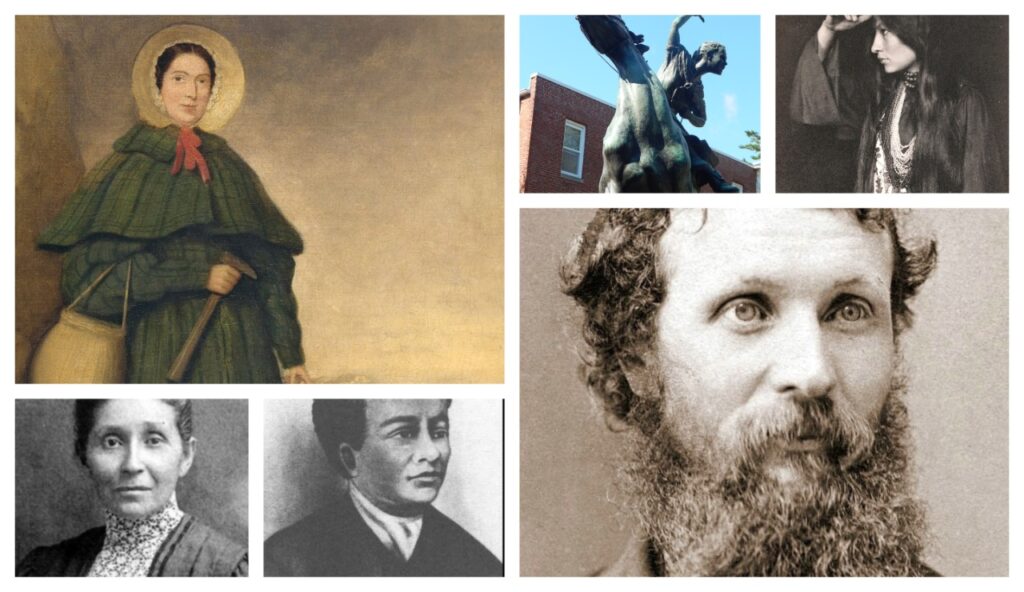
Though not American, Mary Anning’s discoveries along the English coast greatly influenced scientists in the U.S. during the 19th century. As a young girl, she uncovered fossils of ancient sea creatures, including the first correctly identified ichthyosaur skeleton. Despite being excluded from academic circles because of her gender and class, her work laid the foundation for paleontology. American scientists studied and built upon her findings. Sharing Anning’s story inspires children to pursue their passions, regardless of recognition.
Robert Smalls – From Enslaved to Statesman
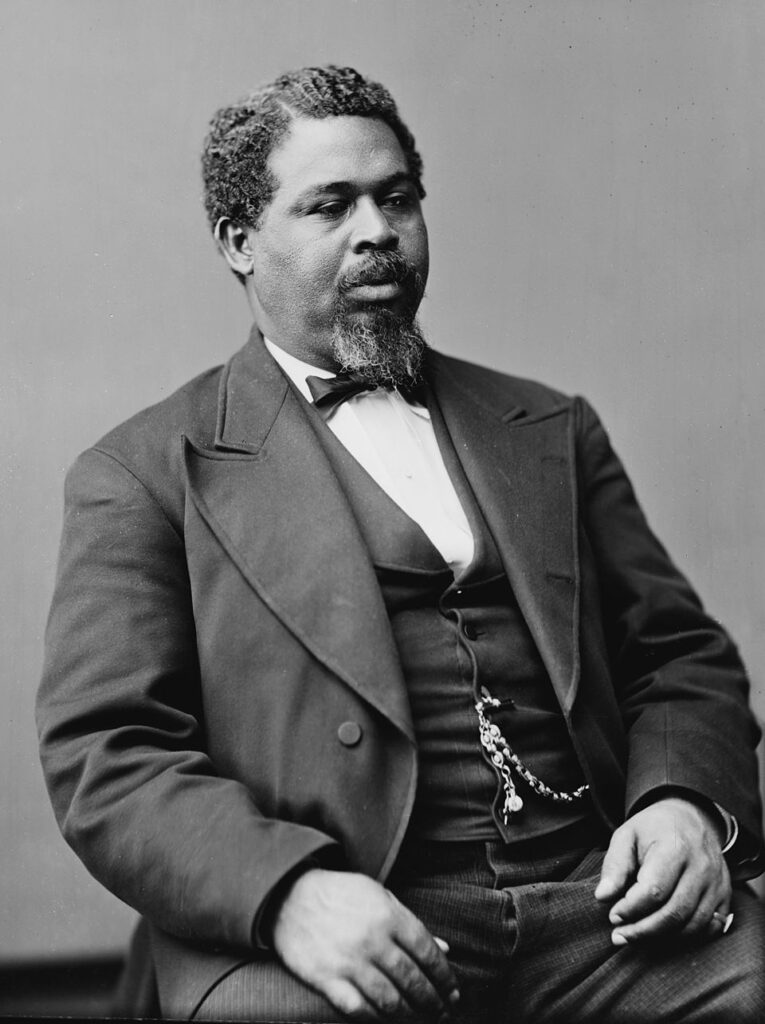
Robert Smalls was born into slavery but made a daring escape during the Civil War by commandeering a Confederate ship and sailing it to Union forces. His bravery earned him freedom for himself and his crew. He later served five terms in the U.S. House of Representatives, advocating for civil rights and education. Smalls’ journey from enslaved worker to political leader is nothing short of extraordinary. His life teaches kids that courage can change the course of history.Elizebeth Friedman – Codebreaker Extraordinaire
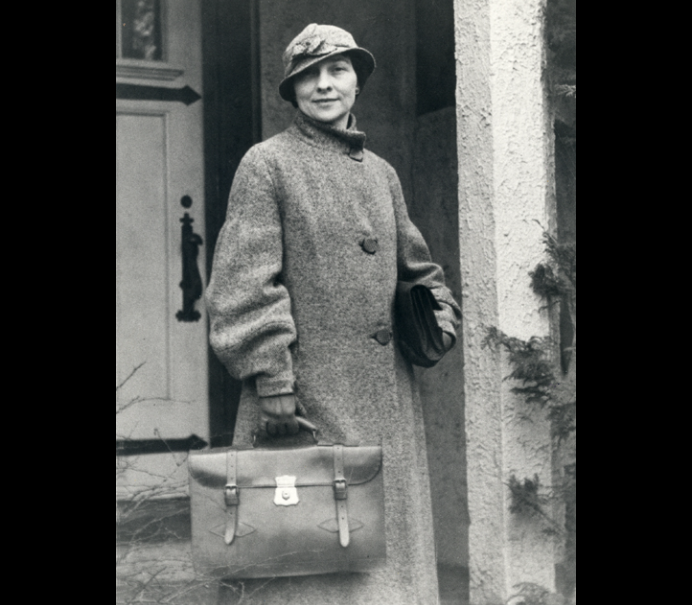
Elizebeth Friedman was a pioneering cryptanalyst who cracked enemy codes during both World Wars. Working in secret, she deciphered messages that led to the capture of smugglers, spies, and even Nazi agents. Her work was so classified that her contributions were only widely recognized decades later. Despite being overlooked in her time, she is now seen as one of the founders of modern cryptography. Her brilliance and persistence are a lesson in quiet heroism and intellectual power.
Zitkála-Šá – Voice for Native American Rights
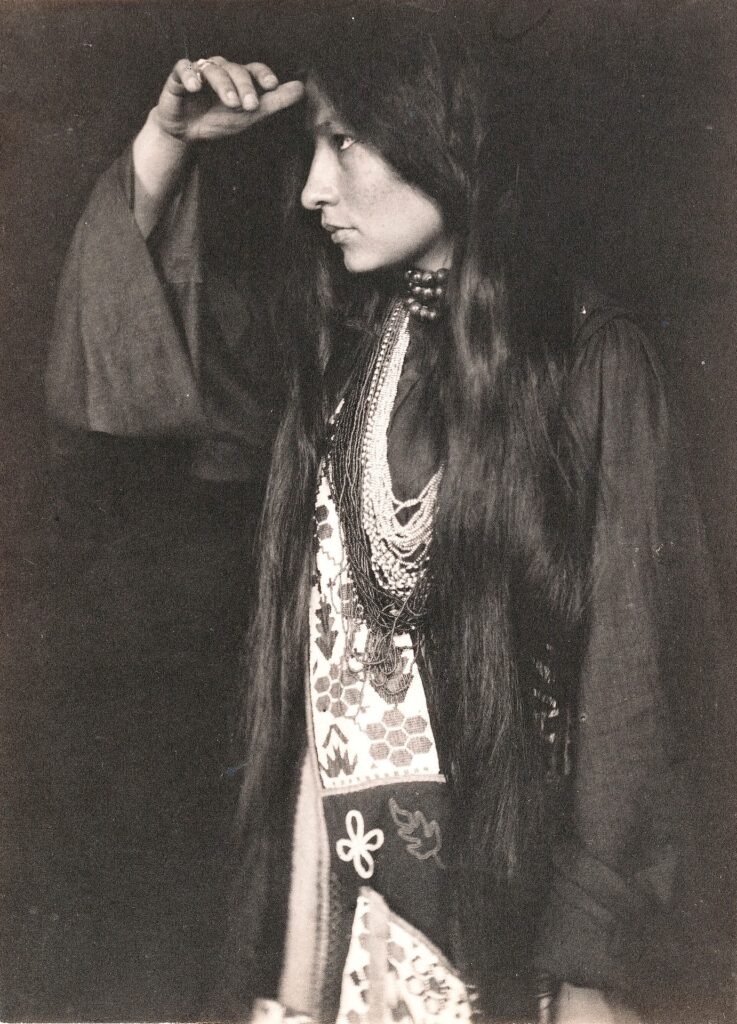
Zitkála-Šá was a Yankton Dakota writer, musician, and political activist who fought for Native American rights in the early 20th century. She used her writing to expose the hardships faced by Indigenous people and worked to preserve Native culture. As a co-founder of the National Council of American Indians, she fought tirelessly for citizenship and education rights. Her voice helped bridge cultural gaps and spark reforms. Zitkála-Šá’s story encourages children to speak up for justice and identity.
Claudette Colvin – Before Rosa Parks
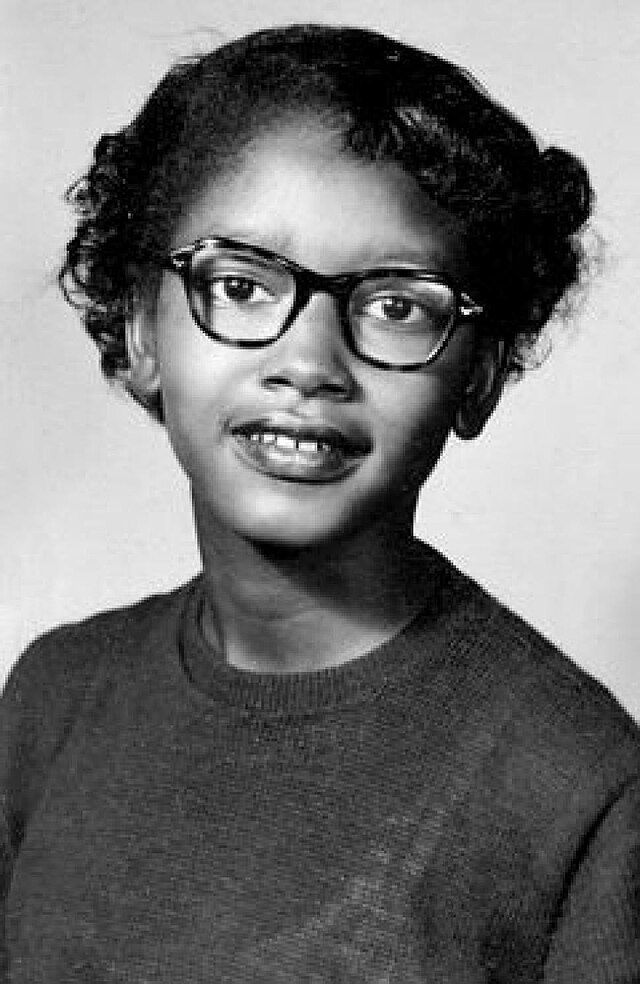
Before Rosa Parks refused to give up her seat, 15-year-old Claudette Colvin did the same in Montgomery, Alabama. Her bold act led to her arrest and sparked early legal challenges to bus segregation. However, because she was young and unmarried, civil rights leaders felt she wasn’t the right face for the movement at the time. Though overshadowed, her bravery played a crucial role in the fight for equality. Her experience reminds kids that even small acts can start major movements.
Dr. Susan La Flesche Picotte – First Native American Physician
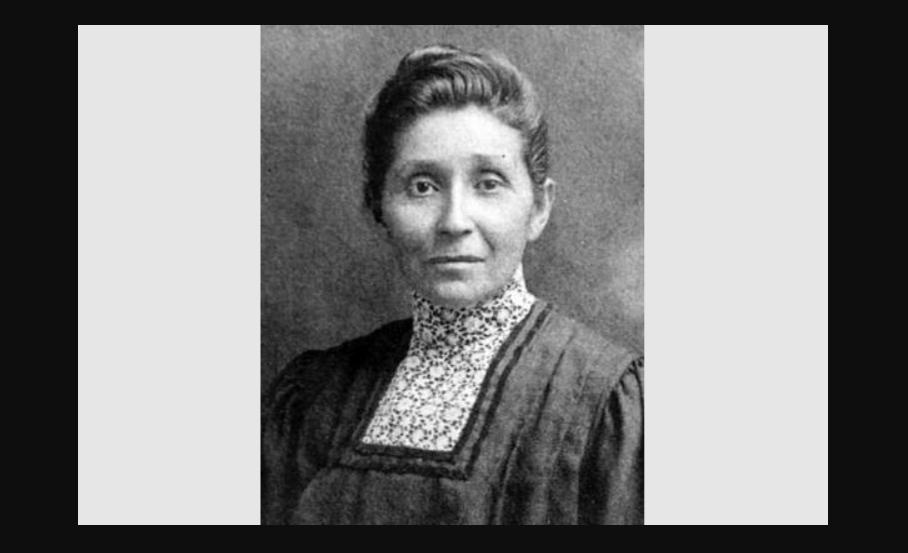
Dr. Susan La Flesche Picotte broke barriers by becoming the first Native American to earn a medical degree in the U.S. In the late 1800s, she served as a doctor to her Omaha community, often traveling miles on horseback to treat patients. She also advocated for public health, sanitation, and Native rights. Despite challenges of race, gender, and geography, she built a hospital with her own funds. Her dedication shows children the importance of service and education.
John Muir – Father of National Parks
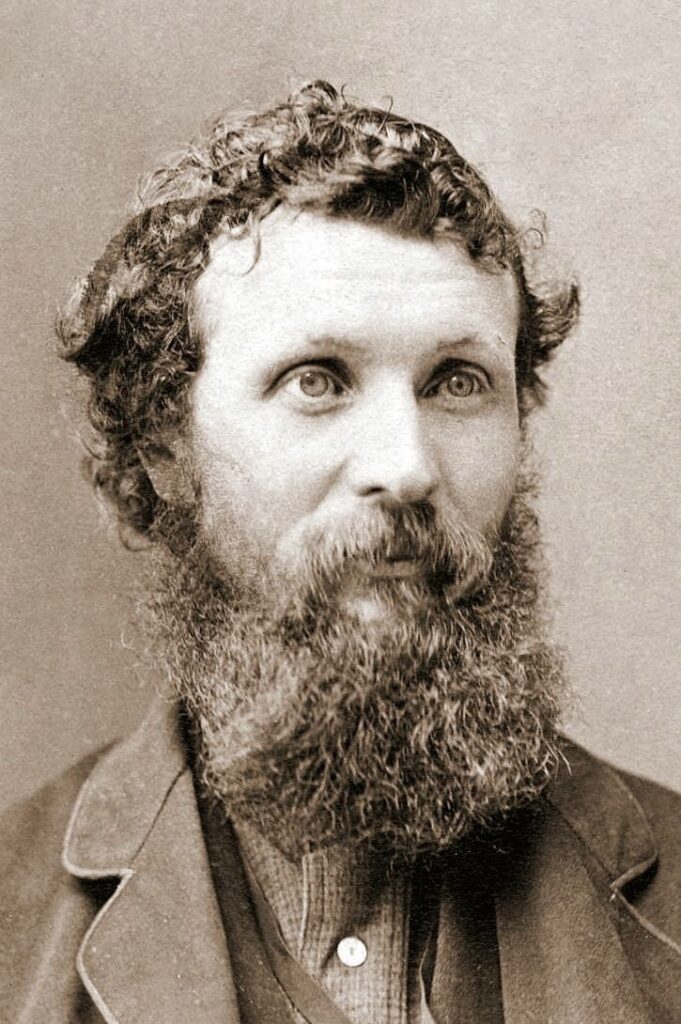
John Muir’s love for nature led him to campaign for the conservation of America’s wilderness. He was instrumental in the creation of national parks like Yosemite and helped inspire the founding of the National Park Service. His writings and activism protected millions of acres of natural land for future generations. Though not as widely remembered today, Muir’s vision shaped the way Americans think about the environment. His story encourages kids to respect and protect the natural world.
Harriet Jacobs – Author of a Hidden Truth
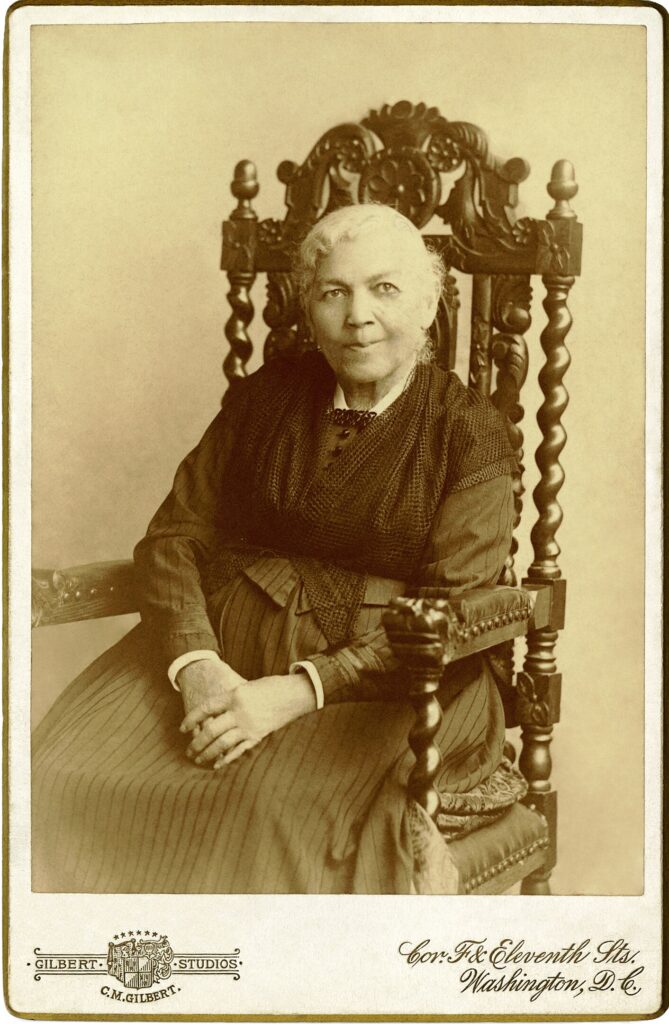
Harriet Jacobs was born into slavery and later wrote Incidents in the Life of a Slave Girl, one of the first personal narratives about slavery by a woman. Her harrowing story exposed the unique abuses enslaved women faced and revealed the emotional toll of family separation. Jacobs eventually escaped, hiding in an attic for seven years before reaching freedom. She later became an abolitionist and educator. Her voice adds an essential perspective to history and reminds children of the strength found in storytelling.