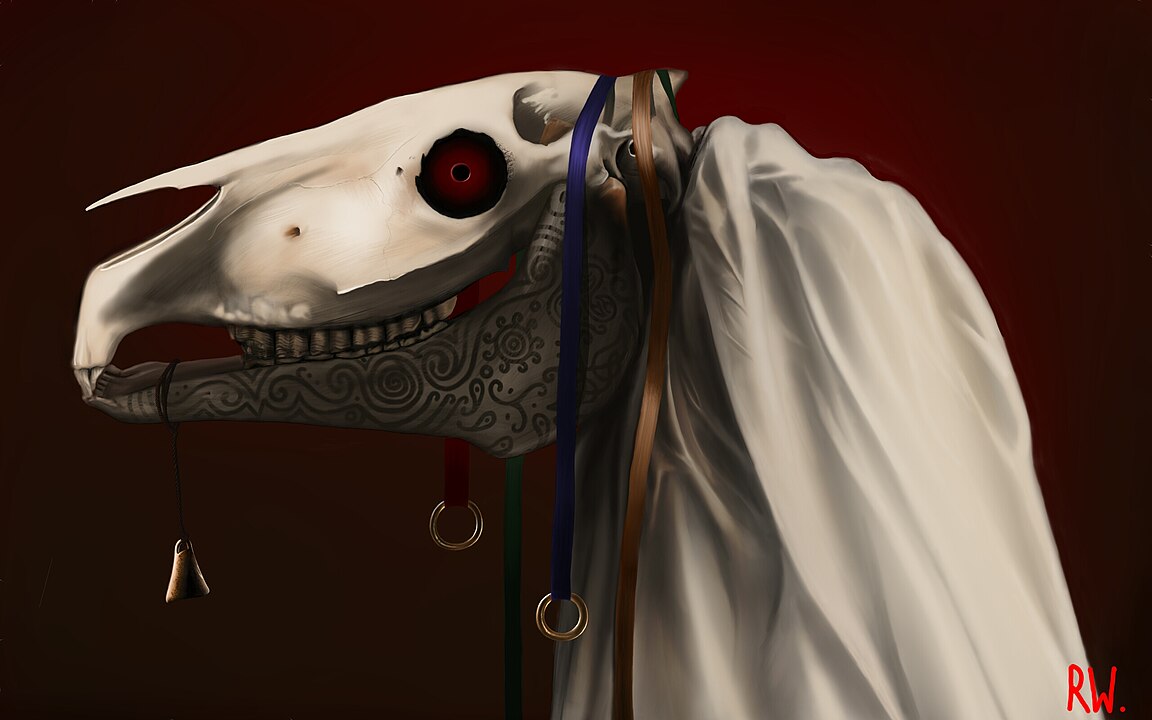
Long before Santa Claus became the central figure of Christmas celebrations, winter folklore featured a diverse range of spirits and supernatural beings. These beings reflected fears, moral lessons, and seasonal beliefs tied to darkness and renewal. Over time, many were softened, erased, or replaced by commercial imagery. Their stories reveal how Christmas once carried mystery, caution, and folklore-driven meaning.
Krampus
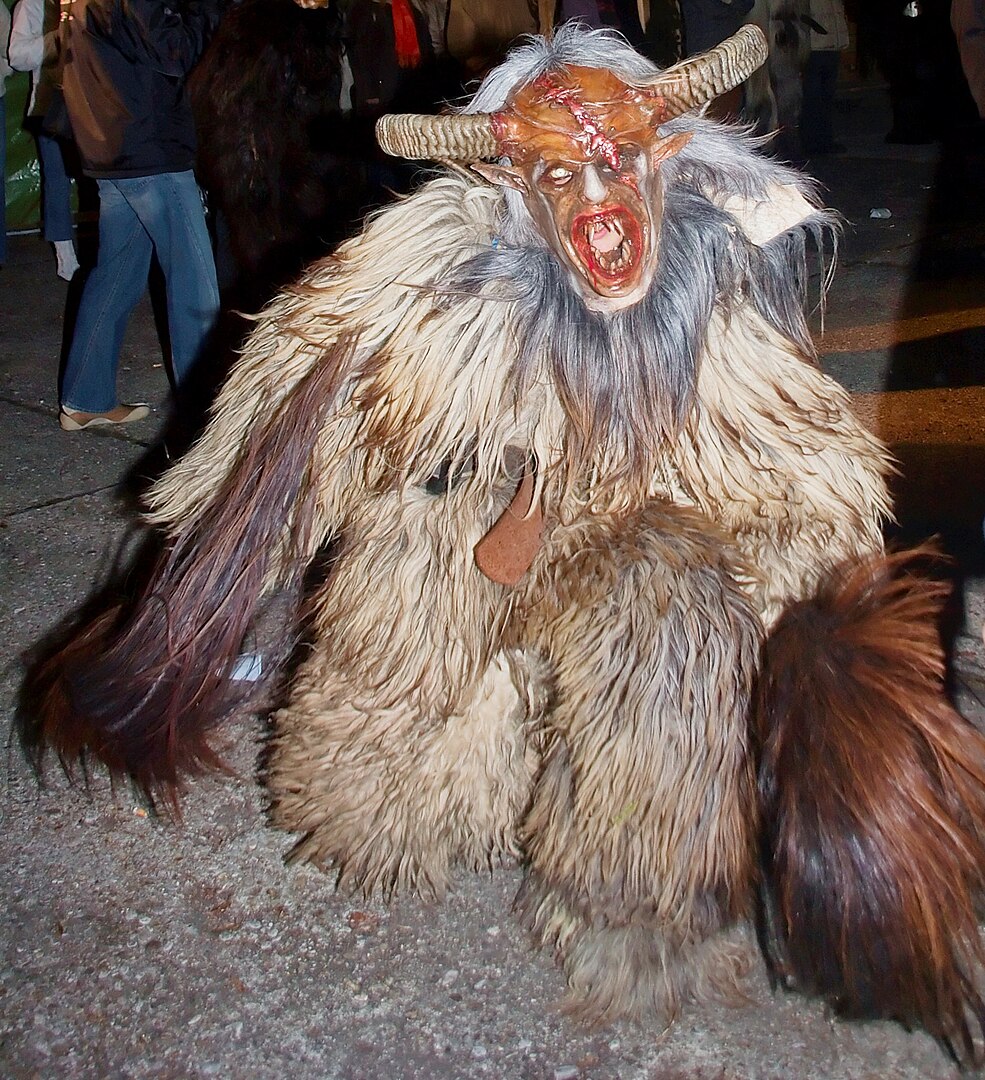
Krampus emerged from Alpine folklore as a horned figure who punished misbehaving children. Unlike Santa’s rewards, Krampus symbolized consequence and discipline. Parades and rituals once featured his frightening presence. Modern celebrations largely removed him, favoring gentler imagery, though some European regions still revive his story seasonally.
Frau Perchta
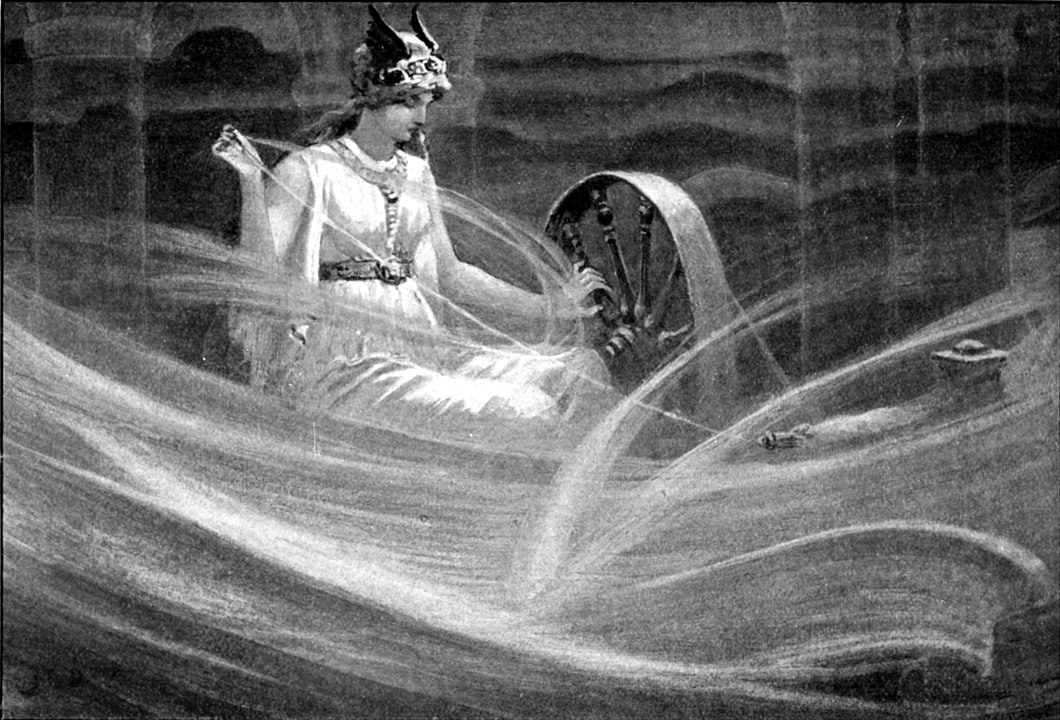
Frau Perchta was a winter spirit associated with judgment and order during the Twelve Days of Christmas. She rewarded diligence and punished laziness, sometimes violently. Her legend reinforced moral behavior during the harsh winter season. As traditions modernized, her darker symbolism faded from mainstream holiday narratives.
Belsnickel
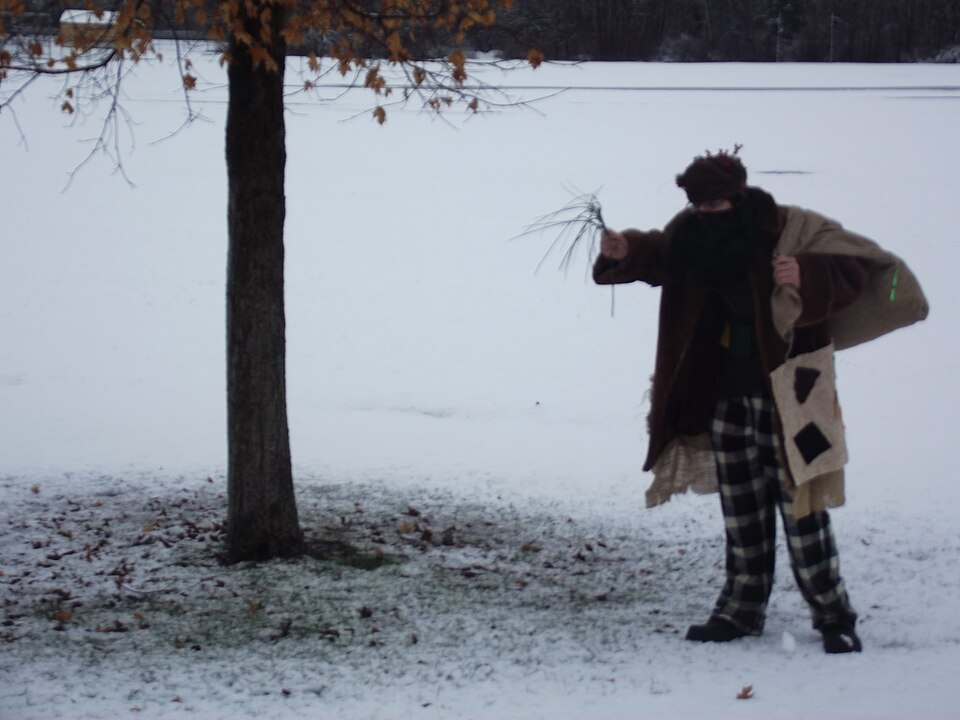
Belsnickel appeared in German-American communities as a ragged, intimidating figure who tested children’s behavior. Unlike Santa, he arrived alone and unannounced. His presence mixed fear with reward, reinforcing discipline. Over time, he was absorbed into softer Christmas traditions or disappeared entirely from popular culture.
Mari Lwyd
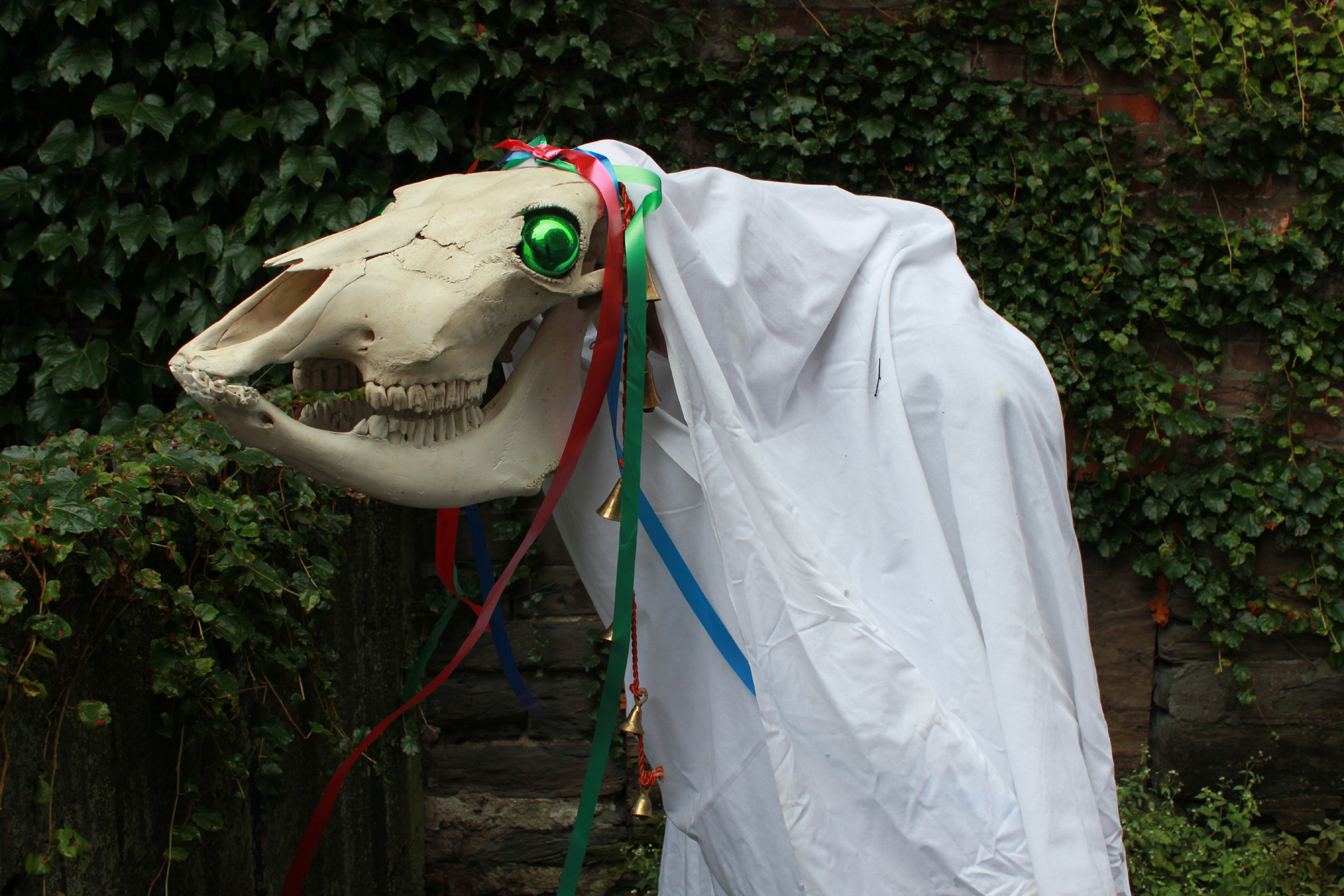
Mari Lwyd originated in Welsh winter folklore as a horse-skull spirit visiting homes for ritual singing contests. The tradition blended humor, competition, and superstition. Its strange imagery conflicted with modern Christmas aesthetics. As celebrations standardized, this unique folk character became a regional curiosity rather than a global symbol.
Gryla
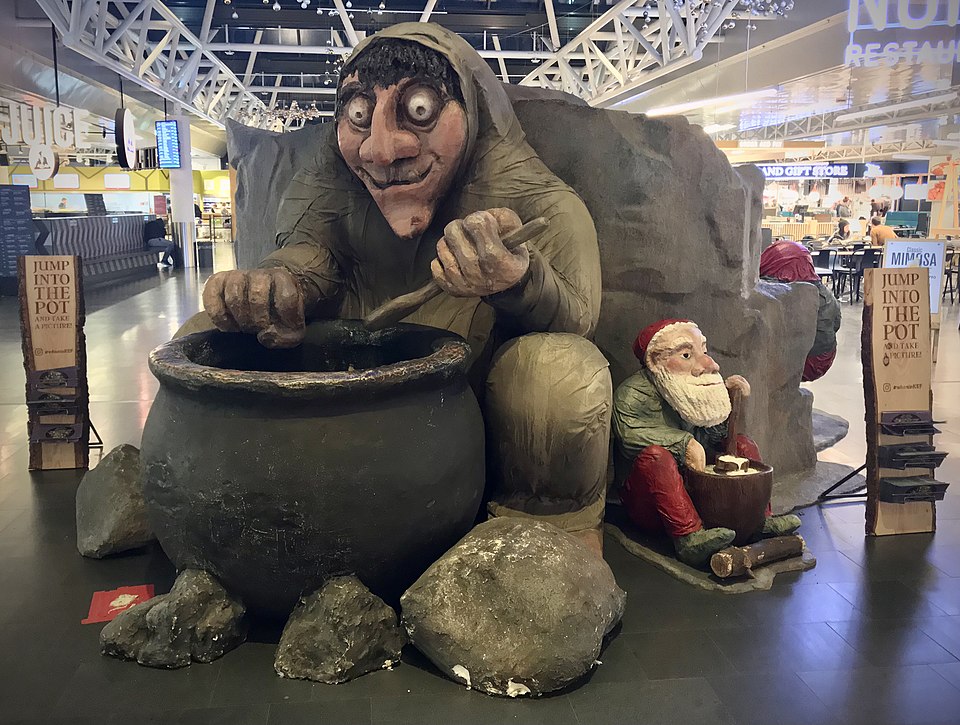
Gryla, from Icelandic folklore, was a monstrous figure who kidnapped and ate misbehaving children. She embodied parental warnings during dark winters. Her terrifying nature clashed with modern child-friendly holidays. Though still known locally, her role diminished outside Icelandic tradition.
The Yule Cat
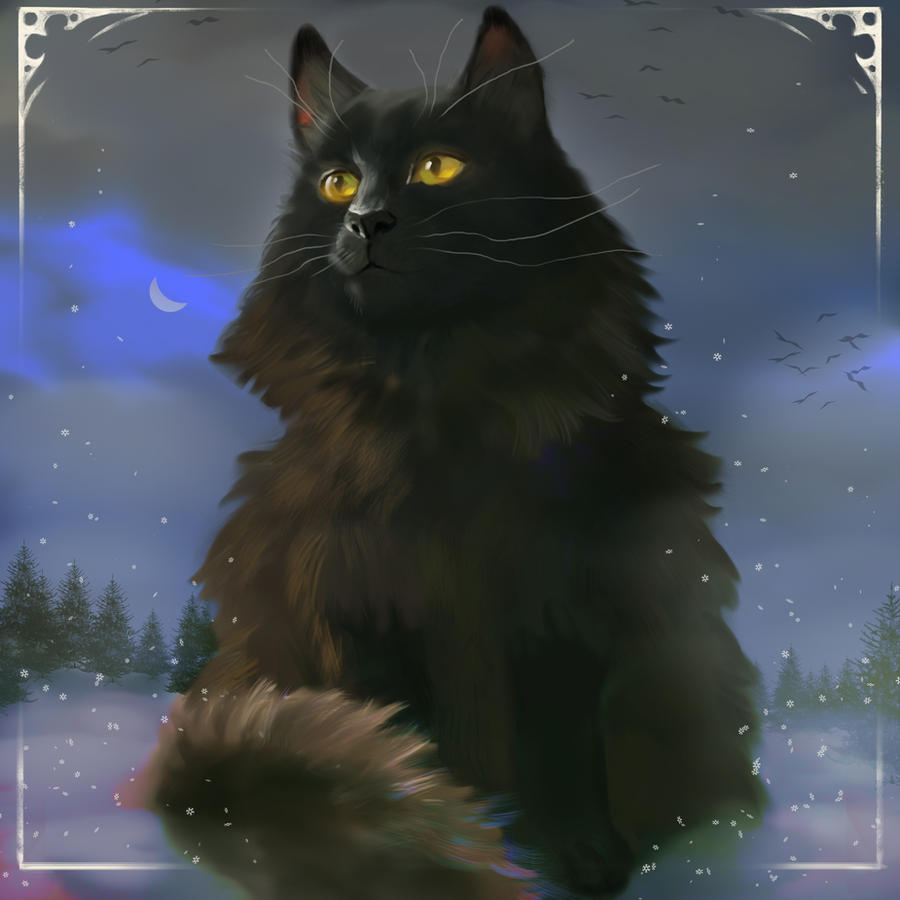
The Yule Cat punished those who failed to receive new clothes for Christmas. It symbolized productivity and survival during winter. The story reinforced communal responsibility and labor. Modern celebrations abandoned the threat-based lesson, leaving the cat as a lesser-known folklore relic.
Knecht Ruprecht
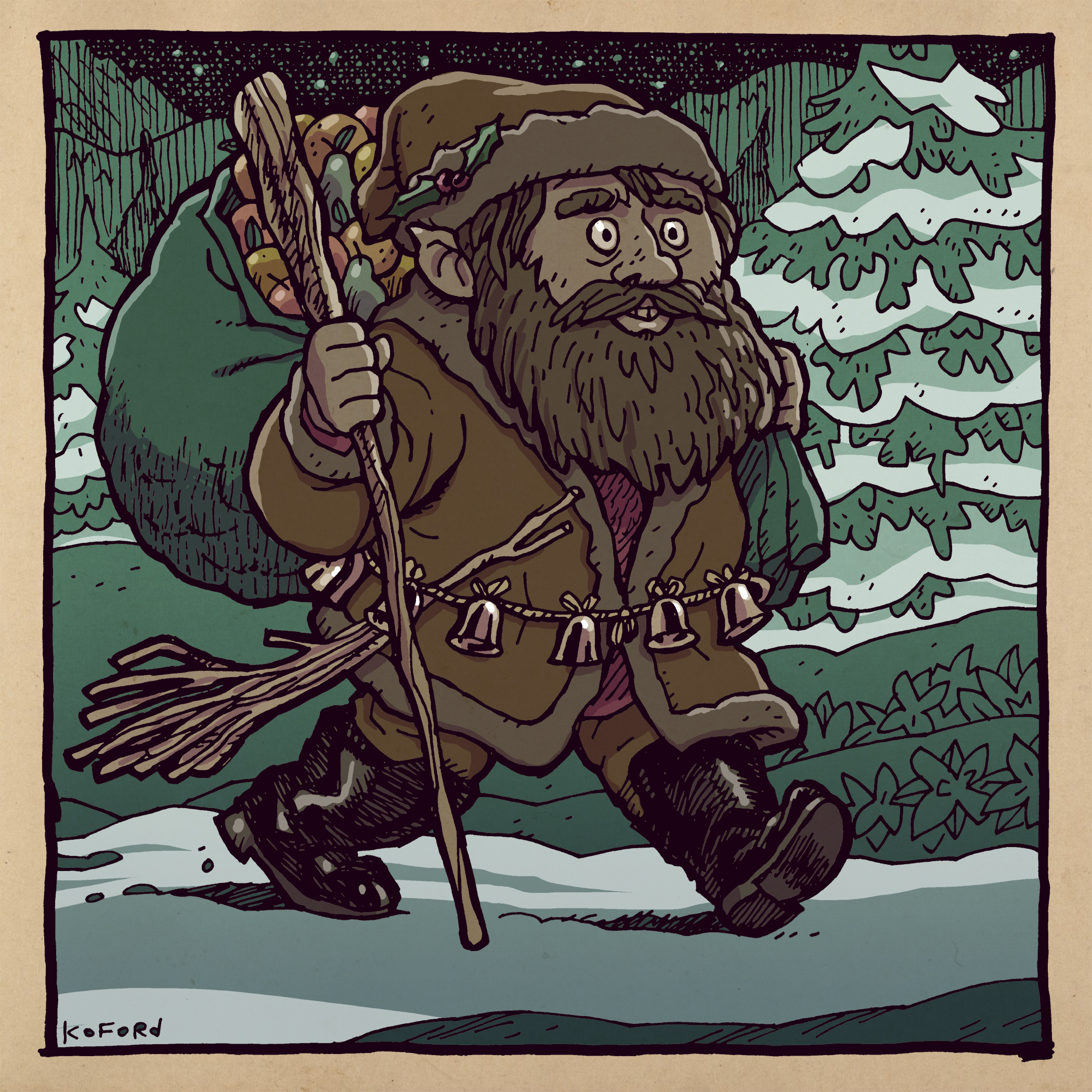
Knecht Ruprecht accompanied Saint Nicholas in German traditions as an enforcer of moral behavior. He questioned children and punished dishonesty. His stern role balanced generosity with accountability. As Christmas softened culturally, his character faded from mainstream celebration.
The Wild Hunt Figures
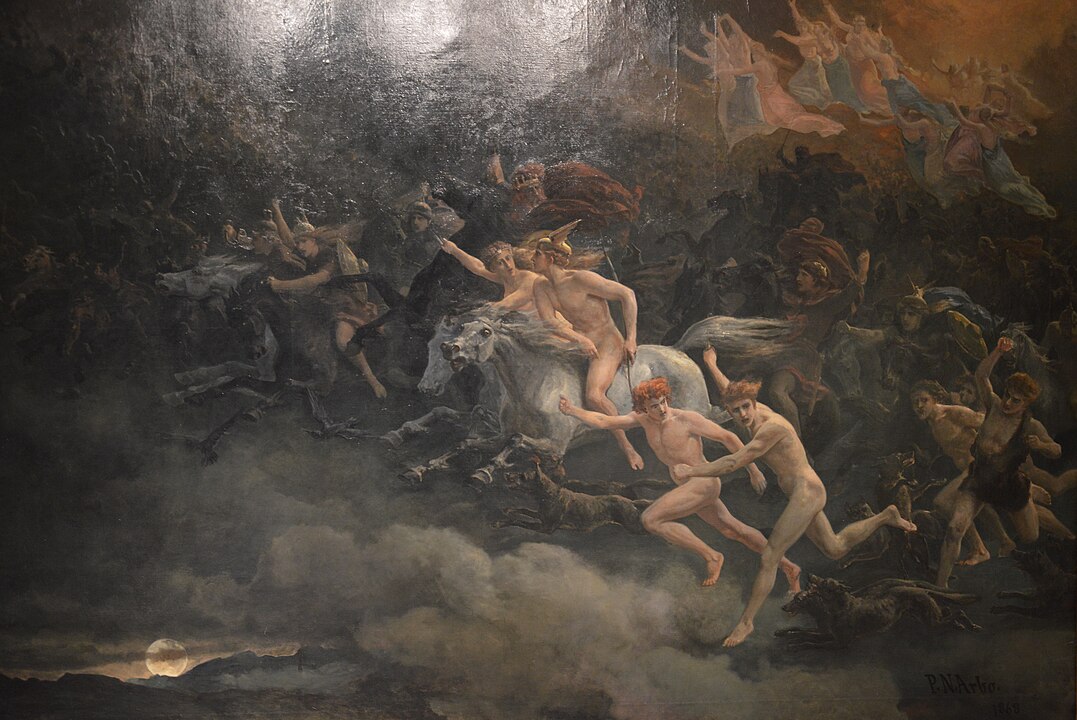
Winter folklore often included spectral hunts riding through the night skies. These spirits symbolized chaos, death, and seasonal transition. Their presence reflected fear of long winter nights. Modern Christmas narratives removed these unsettling elements entirely.
La Befana

La Befana was an Italian gift-bringer resembling a witch who rewarded or punished children. Her story blended Christian and pagan elements. While still celebrated locally, global traditions favored Santa’s image. Her folklore roots became overshadowed by commercialized narratives.
Tomte
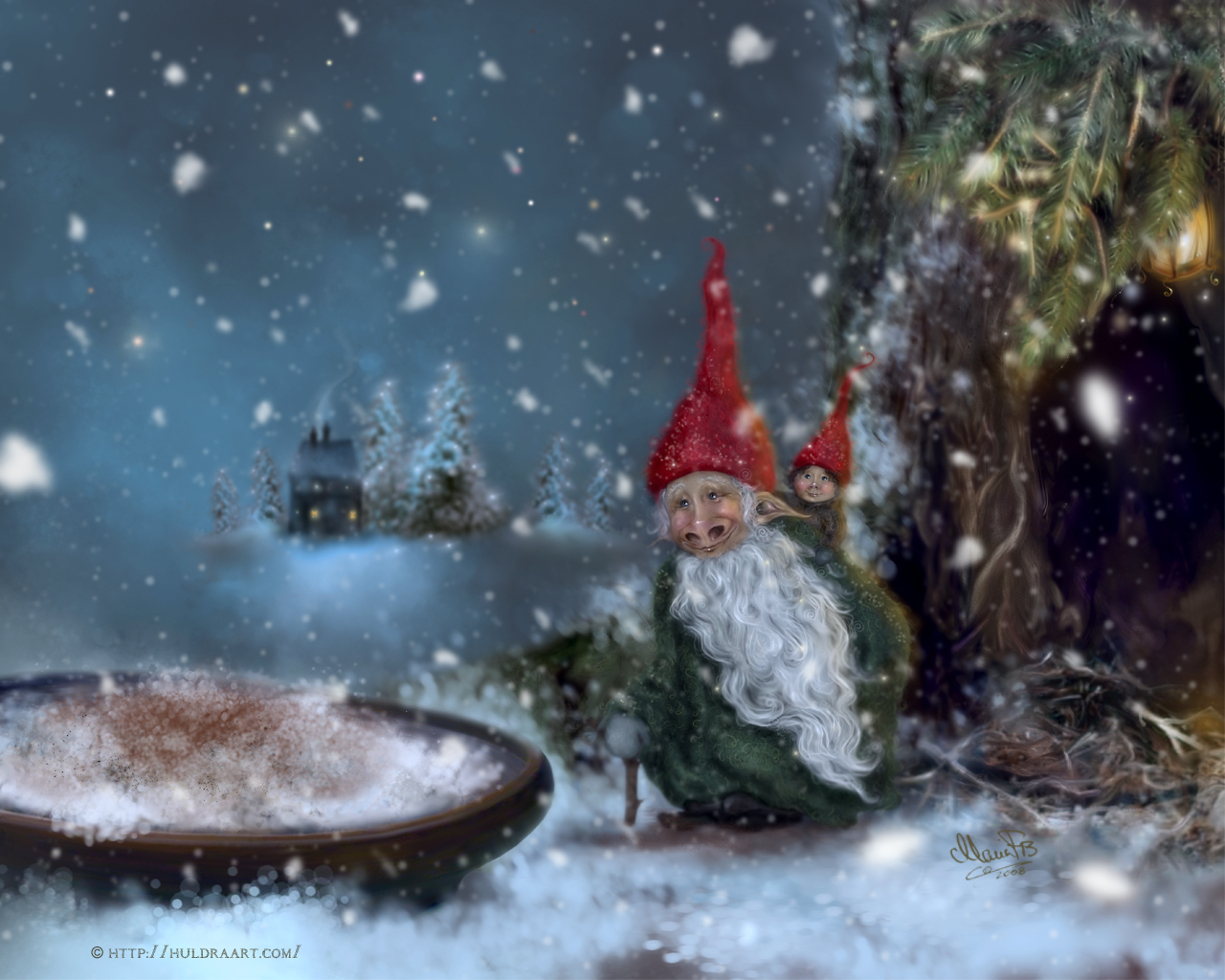
The Tomte was a Scandinavian household spirit protecting farms during winter. He demanded respect and offerings. His role emphasized harmony with nature and labor. Over time, he was softened into a decorative gnome, losing his original spiritual significance.
Yule Goat
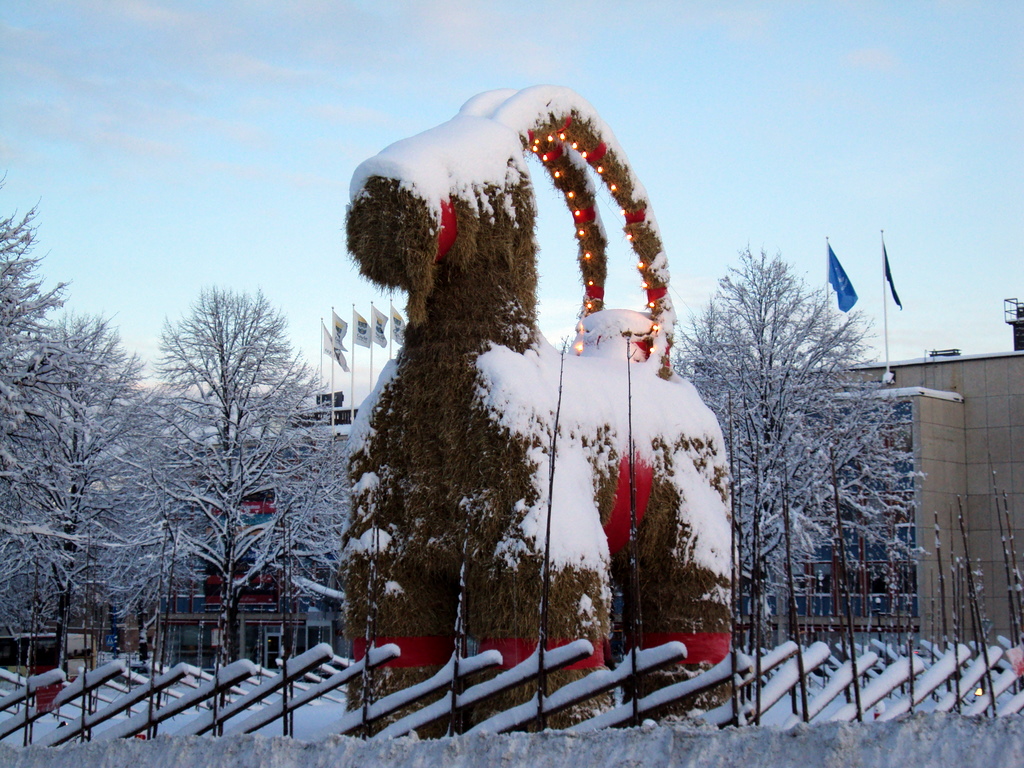
The Yule Goat symbolized fertility and harvest in Nordic traditions. Once central to celebrations, it represented ancient seasonal cycles. Modern Christmas reduced it to decoration. Its mythological importance largely disappeared from popular awareness.
Holda
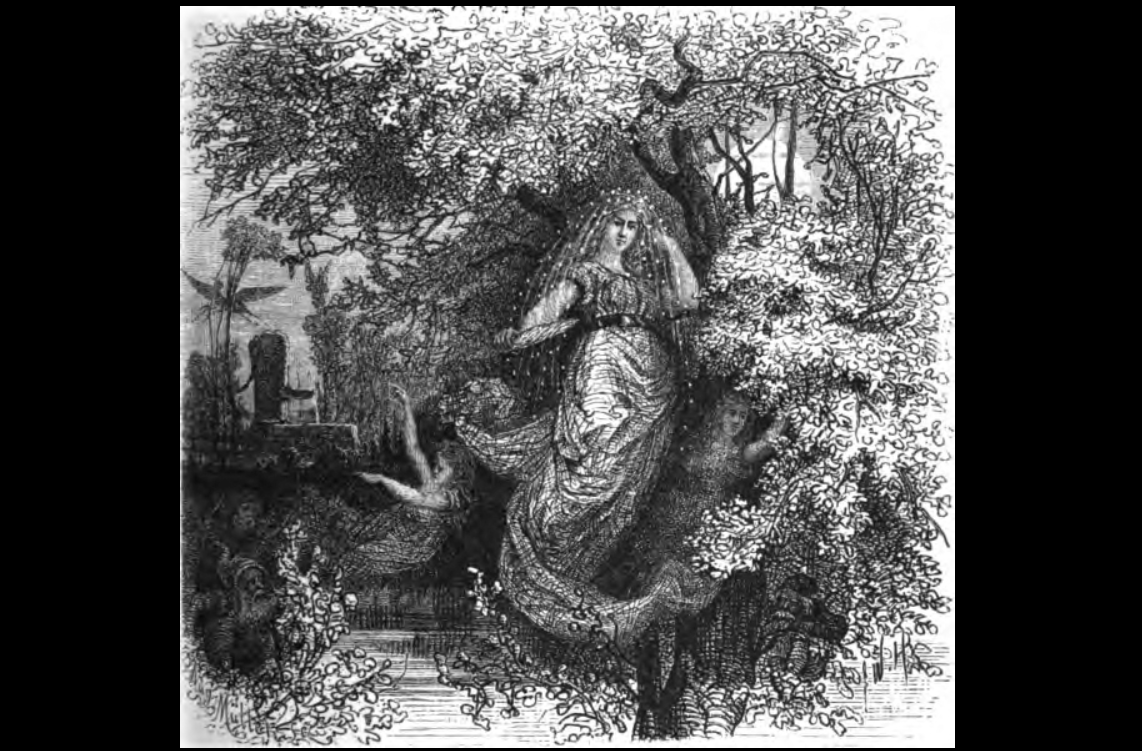
Holda was a Germanic winter goddess associated with snowfall and household order. She rewarded cleanliness and punished neglect. Her influence blended pagan belief with seasonal morality. Christianity and modernization gradually erased her from holiday storytelling.