Across the United States, countless landmarks sit quietly with stories that once shaped communities but have since slipped out of memory. They might not appear in tourist brochures, yet their faded walls and broken signs carry echoes of a different America. From ancient settlements to long-abandoned towns, each one reveals a piece of history that feels raw, real, and deeply human. Here are twelve forgotten places that continue to whisper their stories to anyone who stops and listens.
Centralia, Pennsylvania
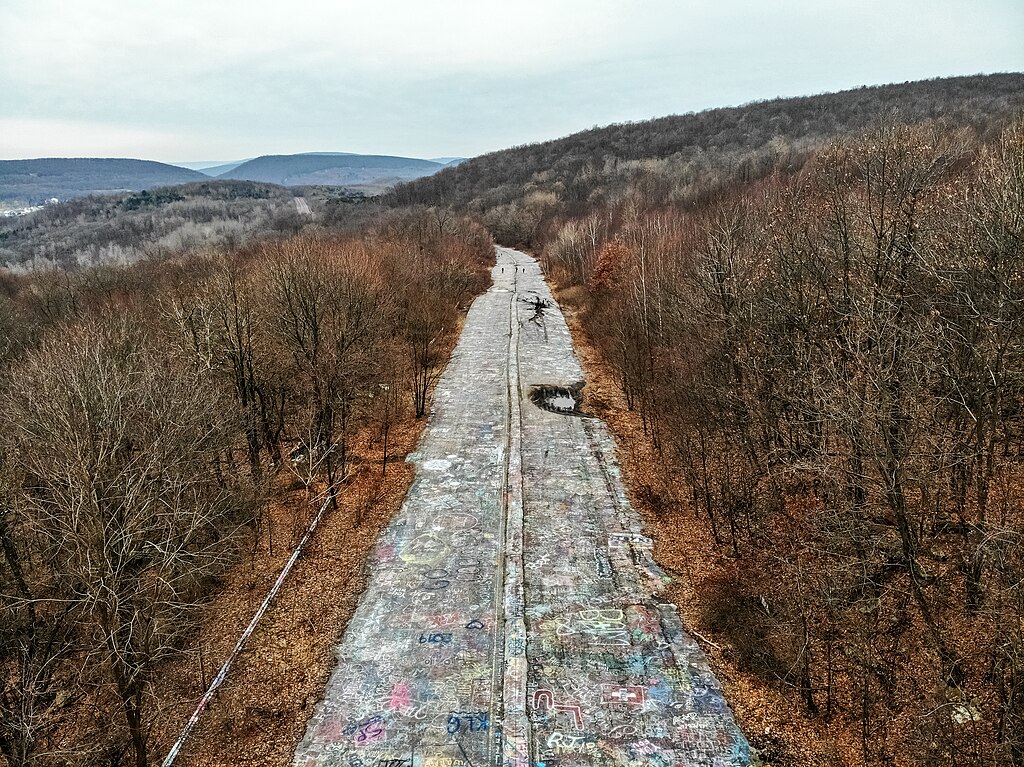
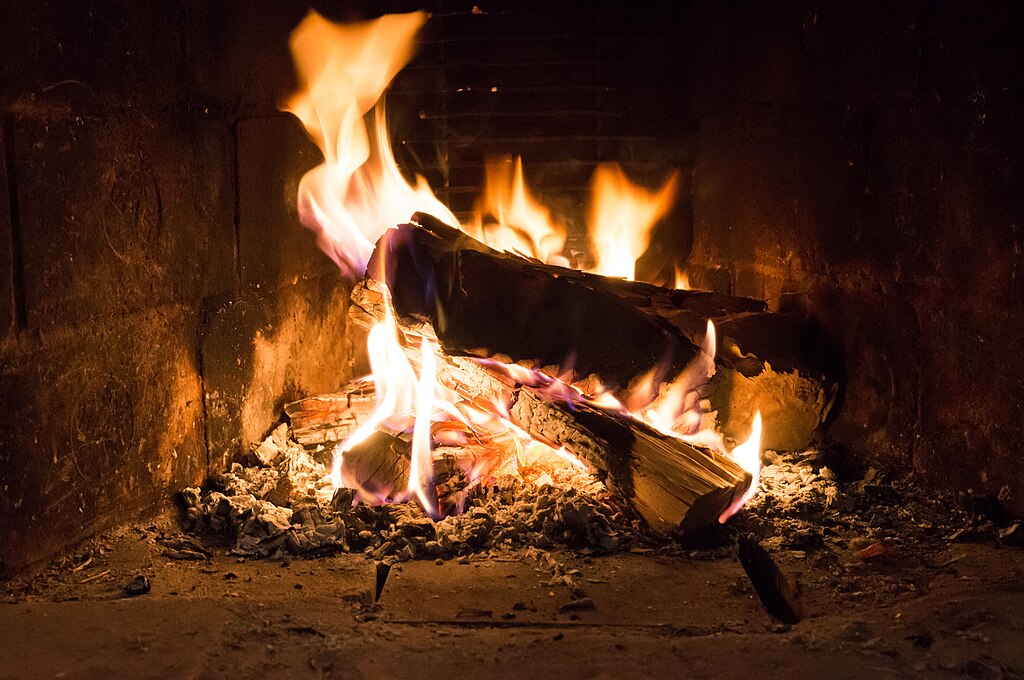
In 1962, an underground coal fire ignited beneath this small mining town, and it has been burning ever since. What was once a tight-knit community turned into a ghost town after toxic fumes and sinkholes made living there impossible. Only a few houses remain, surrounded by cracked roads that still emit smoke. Centralia tells a cautionary story about how human error can alter an entire landscape and how nature reclaims what’s left when people are forced to move on.
Bodie, California
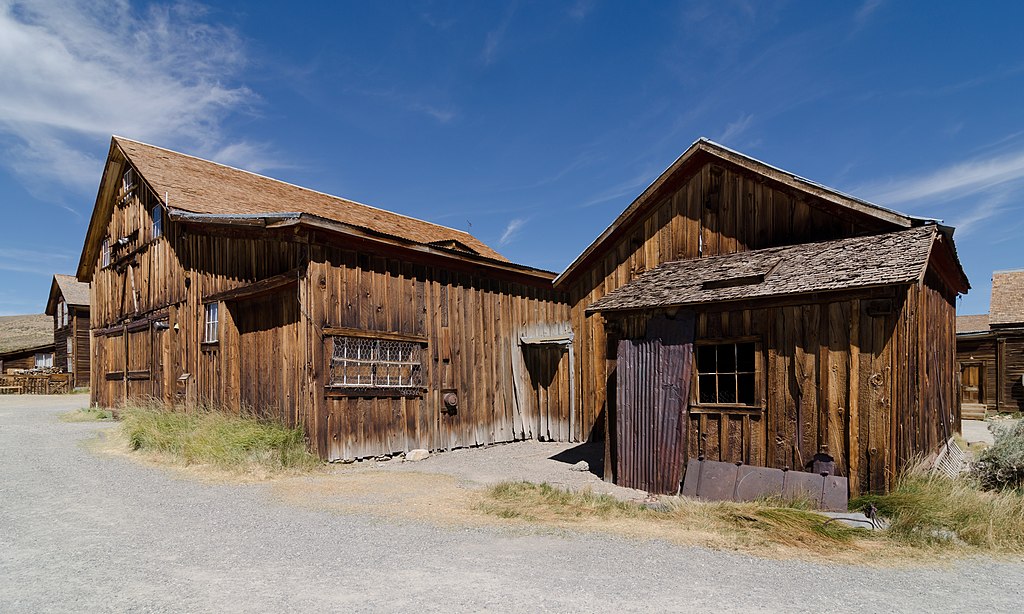
Once home to thousands of gold seekers in the 1800s, Bodie was a place of rough promise and fast decline. When the gold ran out, the miners left, and the town slowly fell silent. Today, its empty homes and dusty streets remain almost untouched, preserved in a state of “arrested decay.” Walking through Bodie feels like time travel, giving visitors a real sense of how people once chased fortune and how fragile prosperity can be in a world built on dreams.
The Salton Sea, California
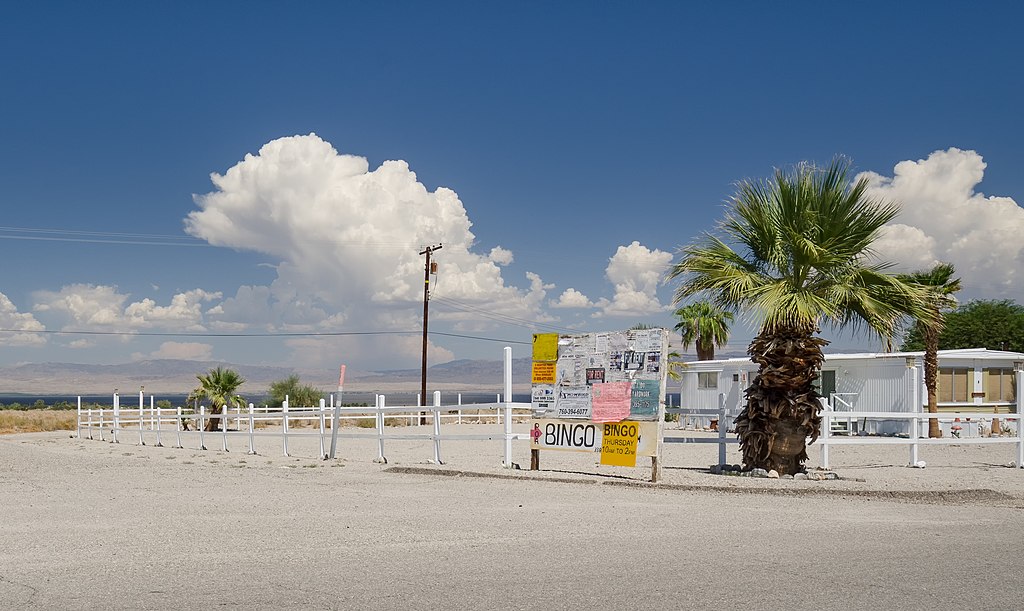
This vast inland lake was created by accident in 1905 when irrigation canals broke and flooded the desert. By the 1950s, it became a glamorous resort for water sports and celebrity getaways. But pollution and rising salinity drove away fish, birds, and people. Now it stands as a haunting reminder of how human ambition and nature’s unpredictability can collide. The eerie beauty of its empty marinas and fish-white beaches tells a story of hope turned to ruin.
Eastern State Penitentiary, Pennsylvania
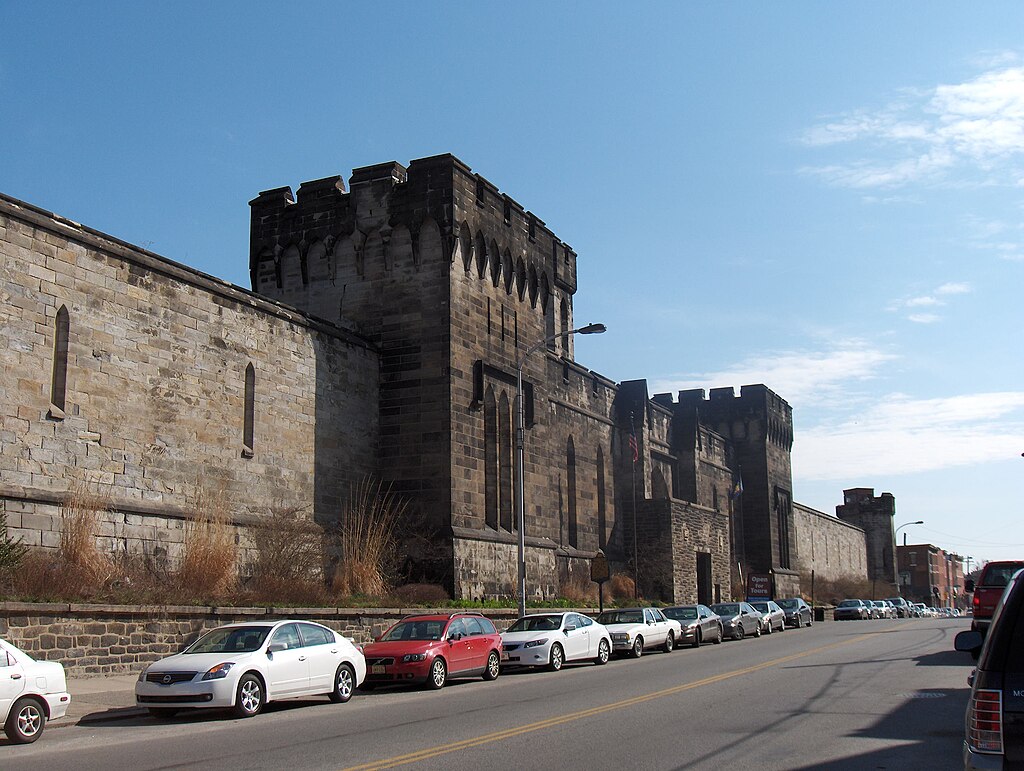
Built in 1829, this enormous prison introduced a new form of solitary confinement meant to reform prisoners through silence and isolation. It was once hailed as a humane innovation but later revealed the toll it took on inmates’ minds. The crumbling cellblocks now stand as haunting monuments to misunderstood justice. Tours through its echoing corridors reveal a time when the line between punishment and cruelty was drawn in cold stone and heavy iron doors.
Route 66 Roadside Motels
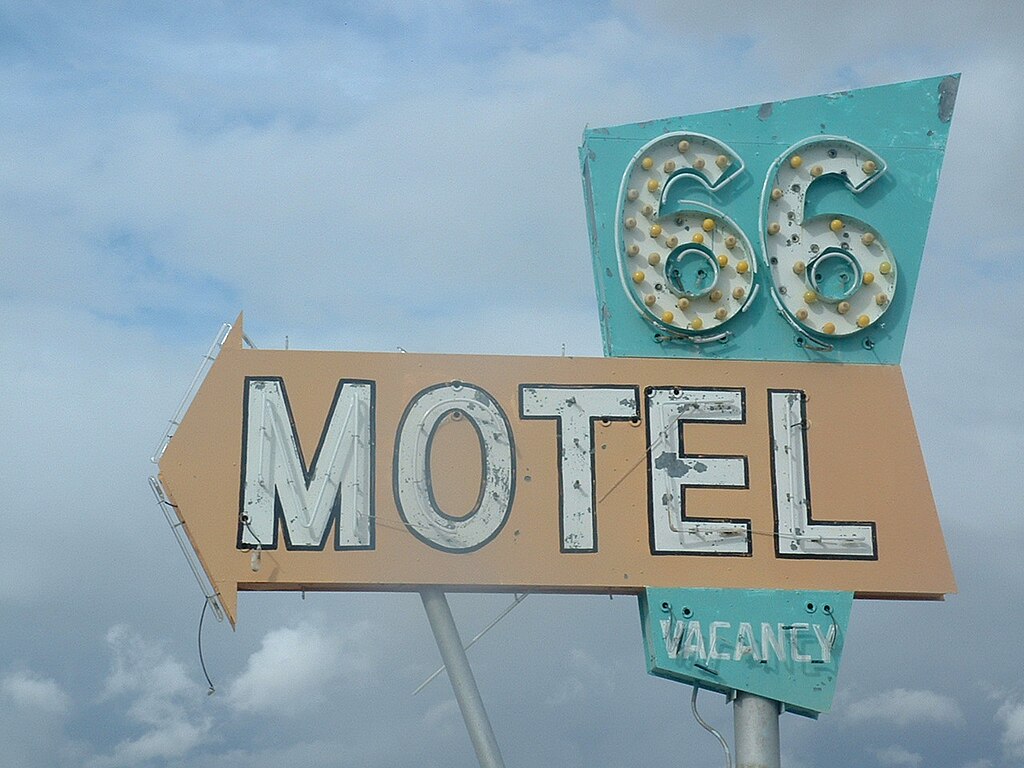
During the golden age of American road trips, Route 66 motels were bright, bustling symbols of freedom. Families would pull over at neon-lit signs promising comfort and adventure. As interstates replaced the old highways, many of these charming motels were left behind. The few still standing tell stories of wanderlust and optimism, where every key handed across a counter meant another chance to discover a new piece of America’s vast open road.
Cahokia Mounds, Illinois
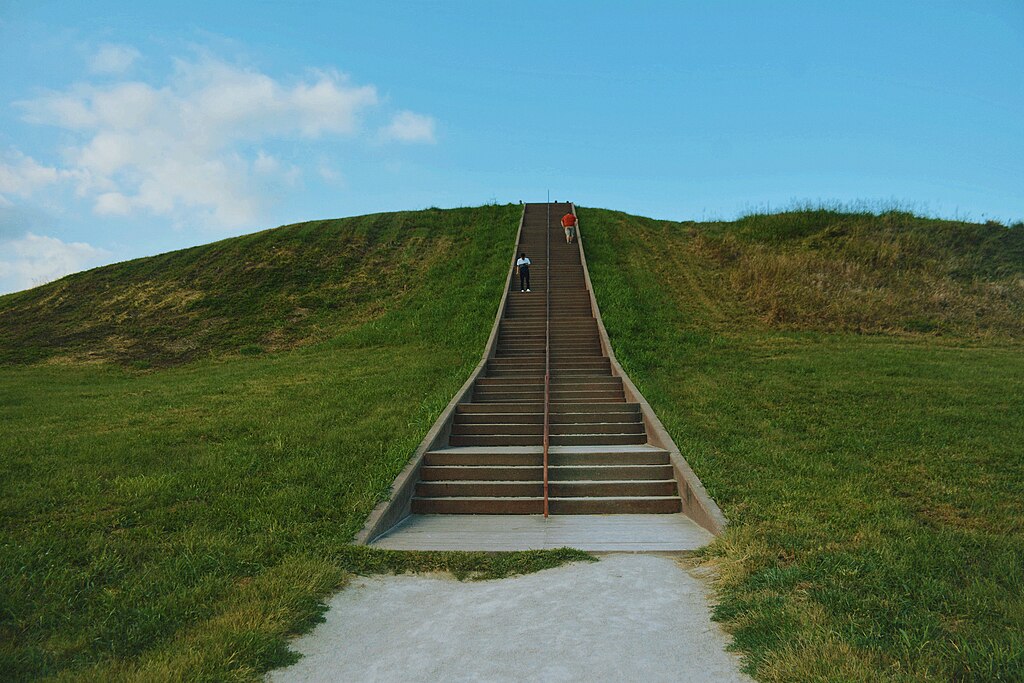
Before Columbus ever arrived, the ancient city of Cahokia thrived near the Mississippi River with thousands of residents, temples, and plazas. Its massive earth mounds still stand, silent but powerful. This forgotten metropolis was once the cultural and economic heart of pre-Columbian North America. Visiting Cahokia is like glimpsing a chapter of American history that too few people know, one that celebrates ingenuity, trade, and a deep connection to the land.
Winchester Mystery House, California
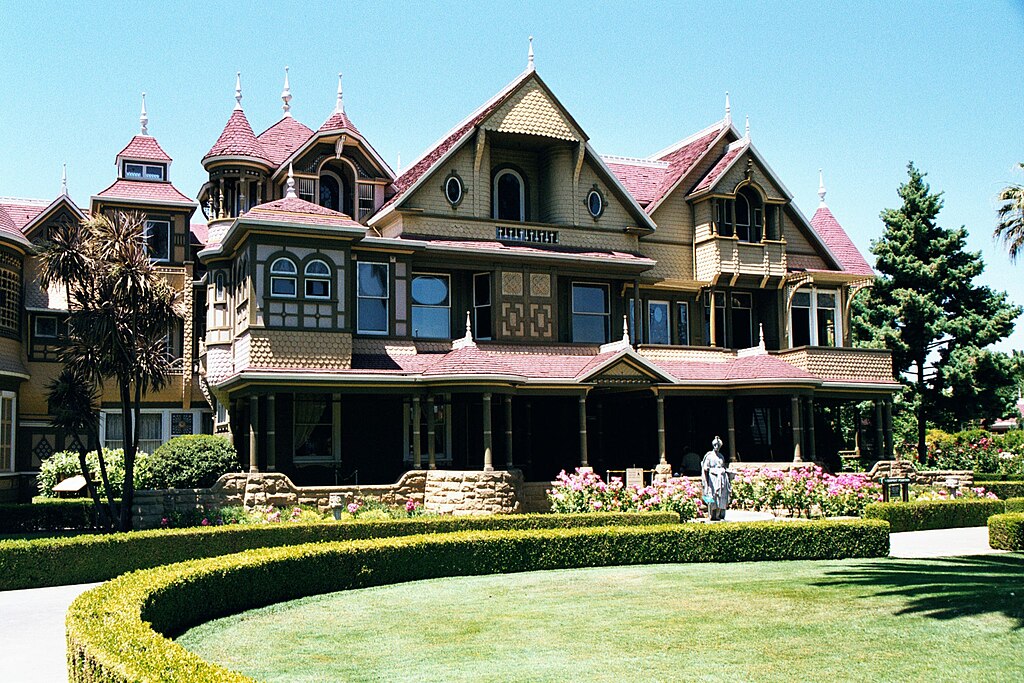
Sarah Winchester built this sprawling mansion over decades, adding stairs that lead nowhere and doors that open into walls. Some say she built endlessly to confuse spirits haunted by the legacy of her family’s rifle fortune. The truth is part grief, part obsession, and entirely human. Each room tells a story of loss, guilt, and imagination. The house remains a fascinating architectural mystery that blurs the line between fear and creativity.
Michigan Central Station, Detroit
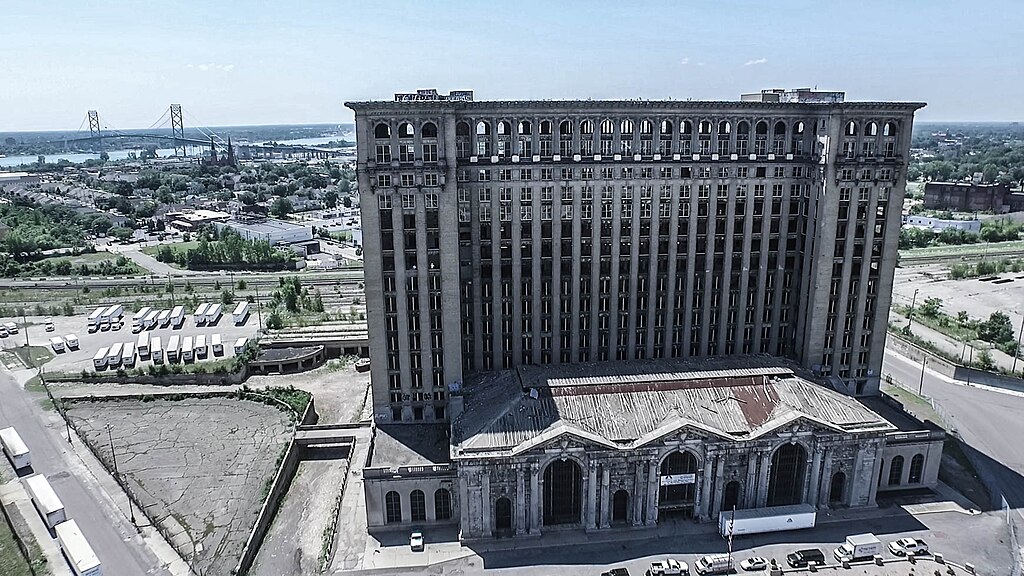
Once a proud symbol of Detroit’s prosperity, this grand train station was left abandoned after decades of economic decline. Its empty halls came to represent the city’s struggles, yet hope has returned with ongoing restoration efforts. The station’s story mirrors Detroit’s own resilience. What was once a haunting shell of broken windows and graffiti is now becoming a landmark of rebirth, reminding visitors that decline is not always the end of a story.
Ellis Island Hospitals, New York
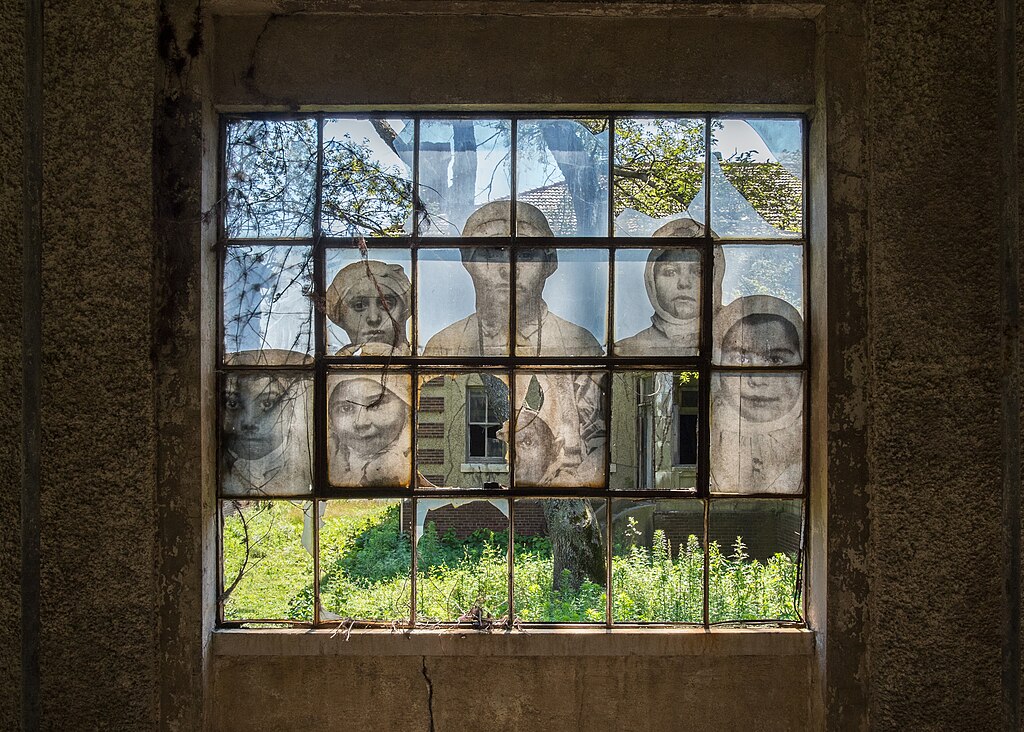
Millions entered America through Ellis Island, but few realize that many were held in its hospital complex before gaining entry. These quiet wards saw triumph, fear, and heartbreak as immigrants battled illness after long voyages. Now closed and decaying, the hospital’s faded rooms preserve the human side of immigration. They remind us that behind every record or name was a real person searching for safety, belonging, and a chance to begin again.
Mount Rushmore’s Hall of Records
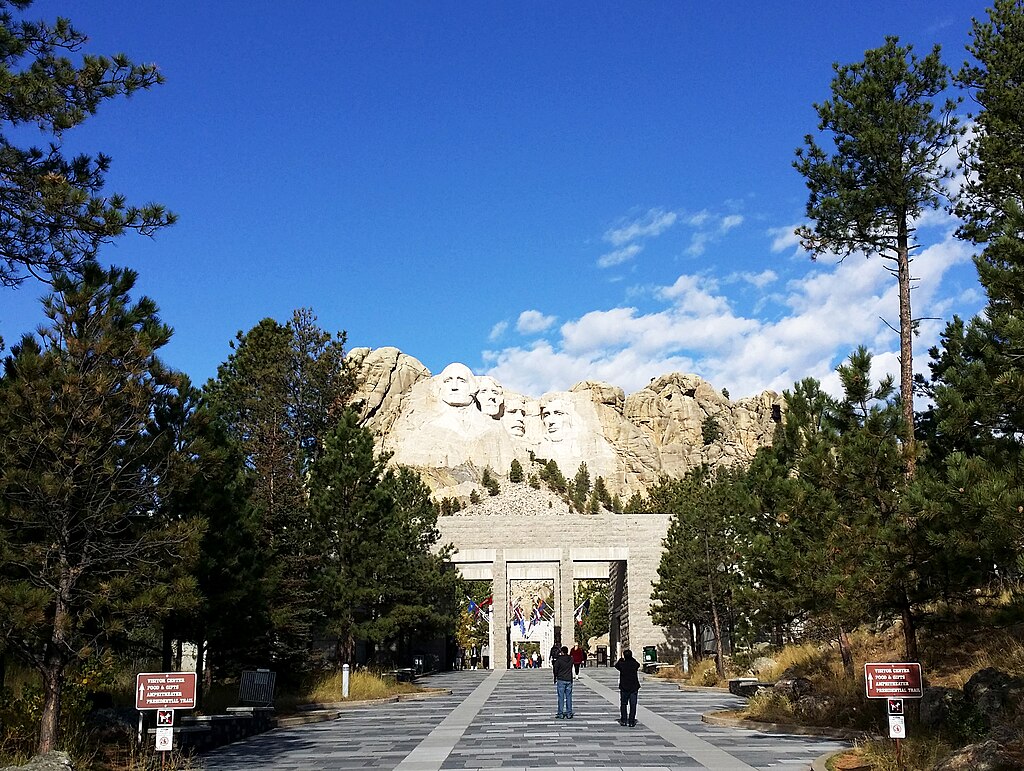
Behind the famous faces of Mount Rushmore lies a hidden chamber carved into the granite. Sculptor Gutzon Borglum intended it to house America’s most important documents, but the project was never finished. Today, the sealed chamber still exists, holding a small time capsule placed decades later. It’s a forgotten piece of an iconic monument that reveals how even the most ambitious visions can remain incomplete yet still inspire generations to dream bigger.
Chaco Canyon, New Mexico
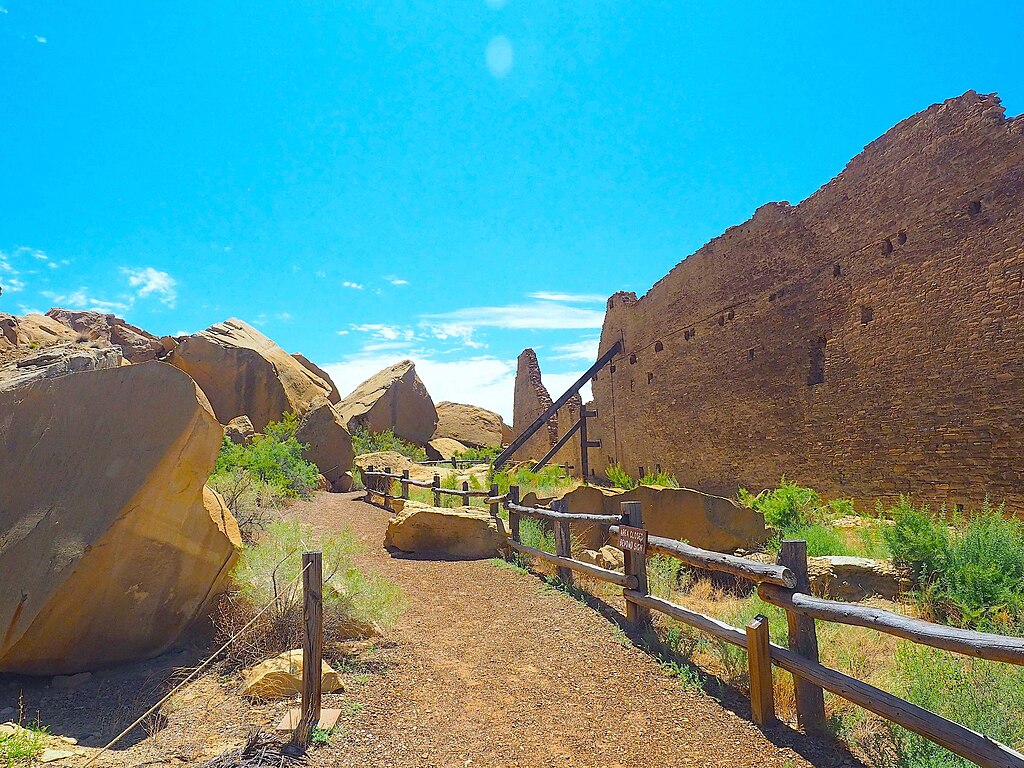
Chaco Canyon was once the center of a vast Indigenous civilization that aligned its stone cities with the stars. Its intricate architecture and celestial designs reveal a deep understanding of the universe. Though centuries have passed, the canyon remains sacred to many tribes. It stands as a quiet reminder that knowledge and spirituality once flourished in America’s deserts long before modern science began to explore the cosmos in its own way.
The Desert of Maine
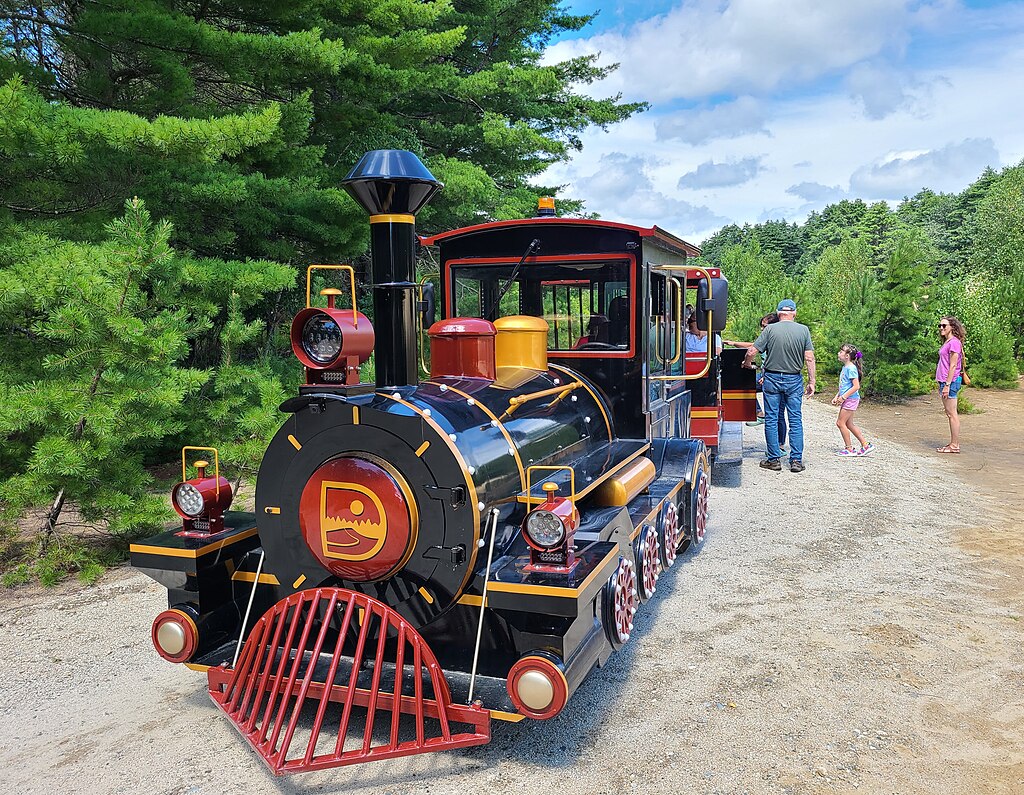
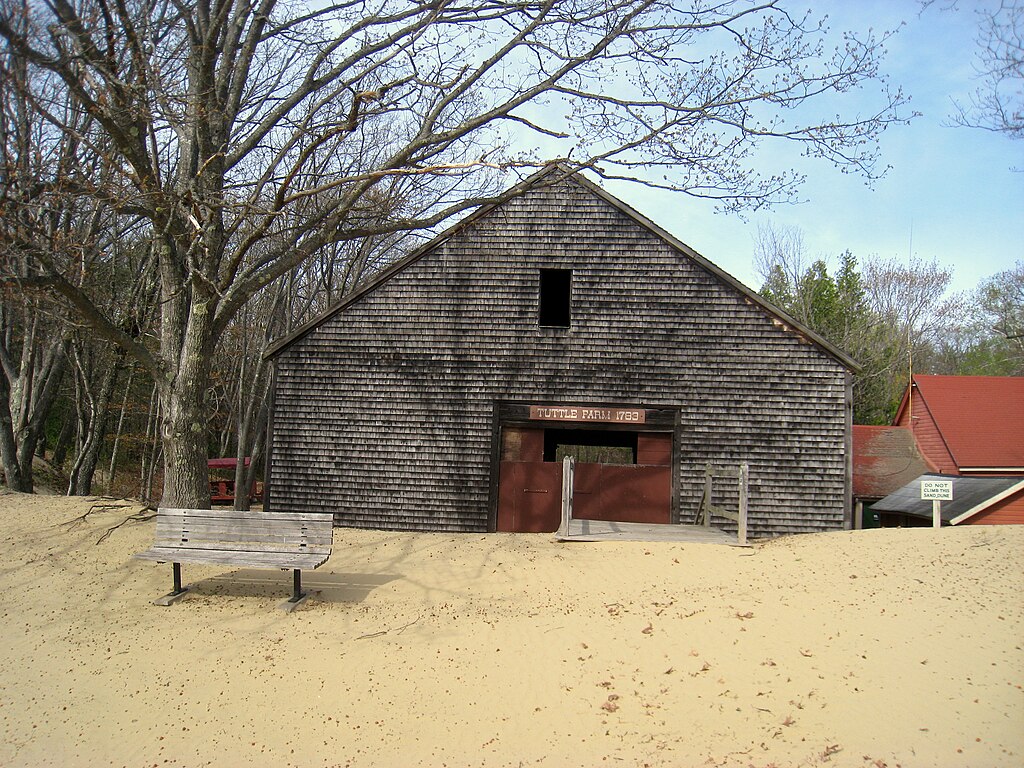
Hidden in Freeport, Maine, lies an unexpected landscape of rolling sand dunes. This strange desert formed when poor farming practices stripped away the soil in the 1800s, revealing glacial sand beneath. What began as an ecological disaster became a roadside curiosity that tells a story of human impact and natural resilience. The Desert of Maine reminds visitors that history isn’t always grand: it can start with a simple mistake that changes everything.
Forgotten landmarks hold more than dust and decay: they hold lessons about ambition, loss, resilience, and change. Each one connects the present to the past in a way that textbooks never could. Visiting them brings history to life, reminding us that every era leaves traces worth preserving. When we protect these hidden places, we’re not just saving old walls but keeping alive the stories that make America’s identity rich, complicated, and endlessly fascinating.