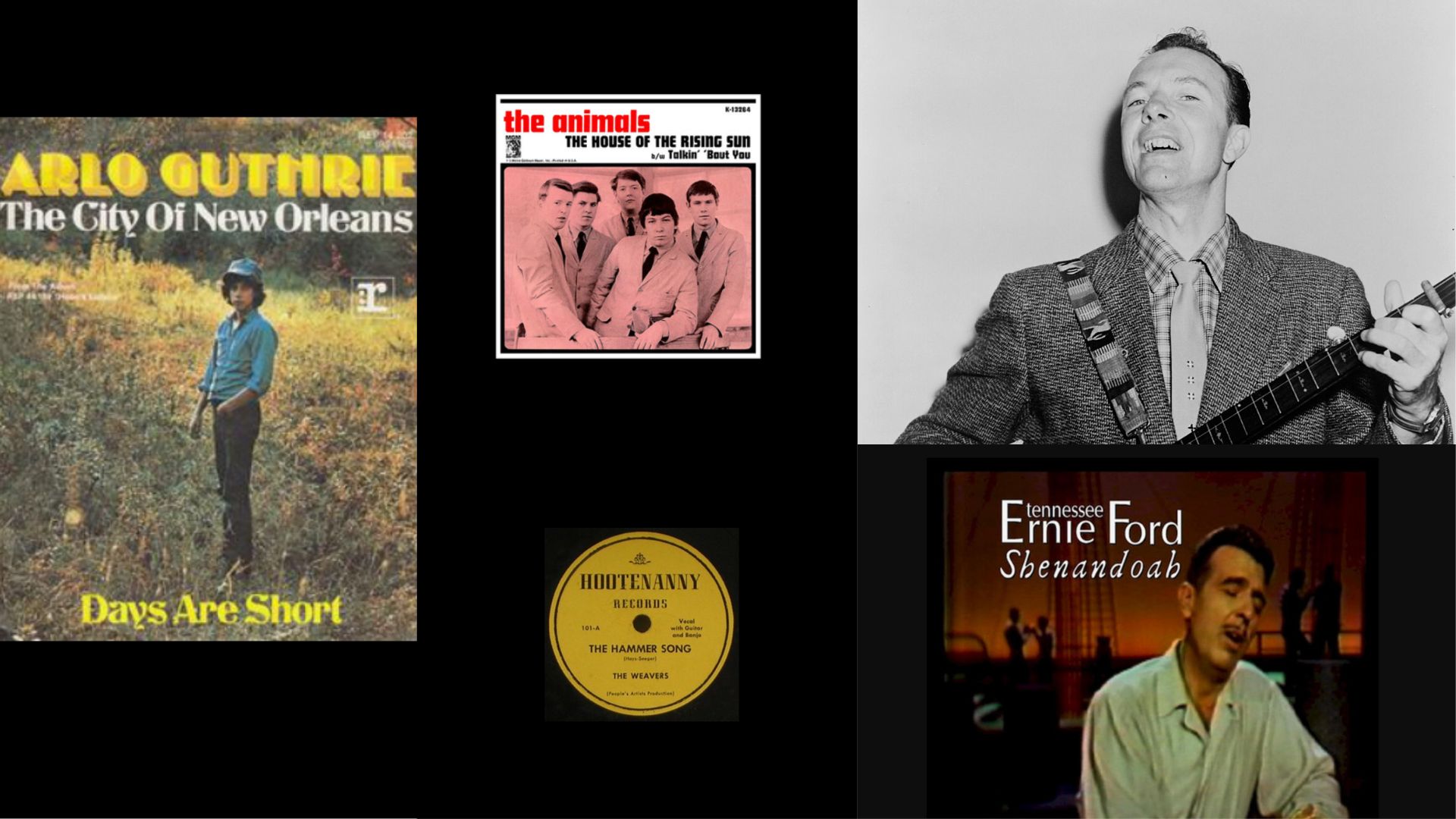
Folk music carries the heartbeat of America’s story. Born from struggles, migrations, and dreams, these songs connect generations through truth and melody. From coal mines to protests, from farms to freedom marches, these timeless tunes echo the country’s spirit of resilience and hope.
“This Land Is Your Land” by Woody Guthrie
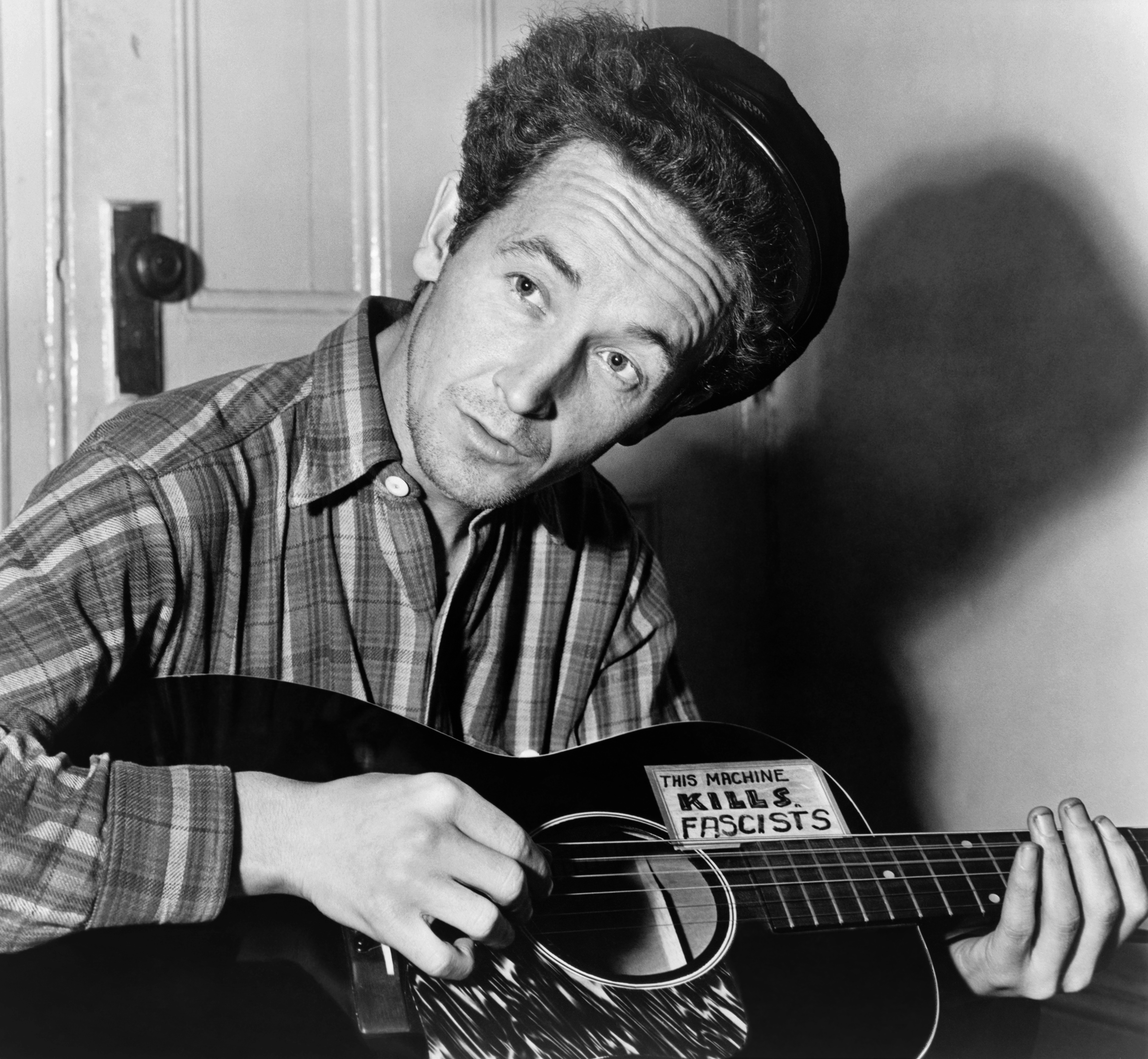
Written in 1940, this anthem celebrated shared ownership of America’s land and opportunity. Guthrie’s lyrics turned patriotism into inclusion, emphasizing equality. It remains a symbol of unity across political and cultural divides.
“Blowin’ in the Wind” by Bob Dylan
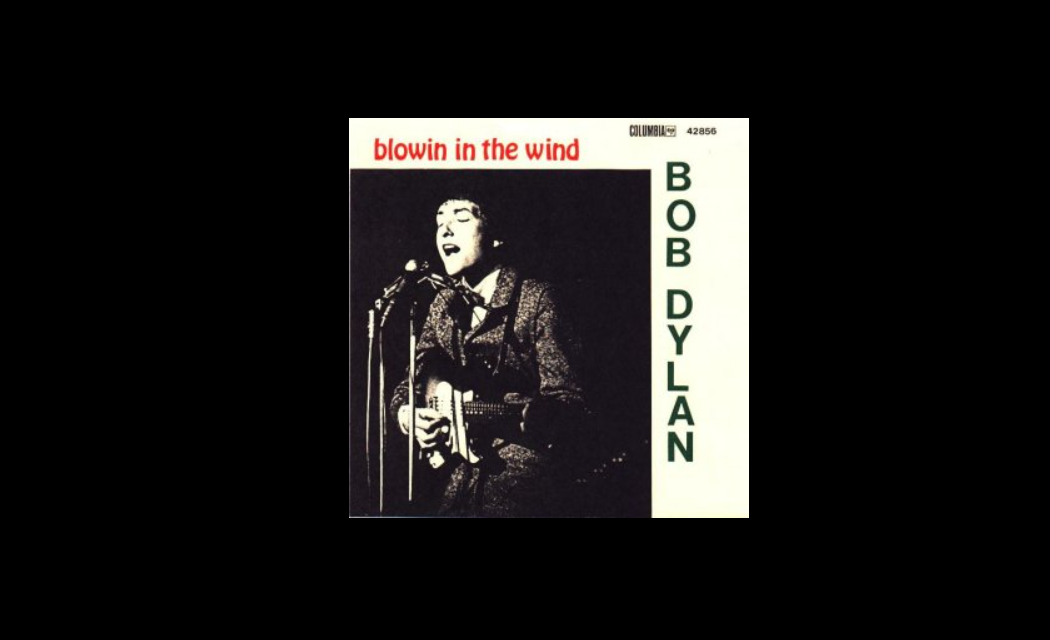
Dylan’s poetic questions captured the civil rights movement’s conscience. Simple yet profound, it asked America to face its contradictions. The song became a peaceful rallying cry for justice and humanity.
“We Shall Overcome”
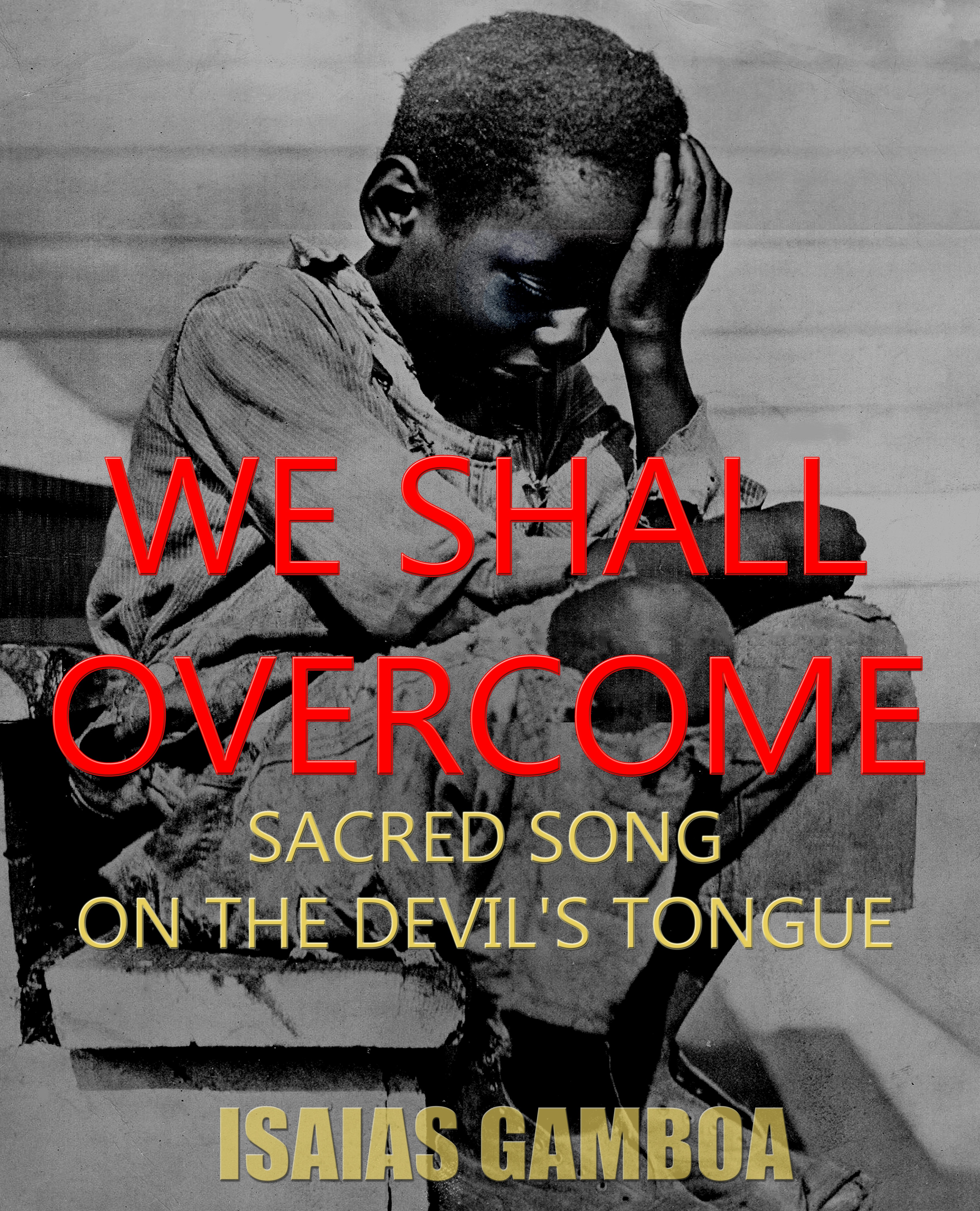
A spiritual turned anthem, “We Shall Overcome” defined the civil rights era. Sung in churches, marches, and protests, it inspired courage in the face of oppression. Its message still resonates today.
“Take Me Home, Country Roads” by John Denver
This gentle ode to West Virginia speaks to every American’s longing for home. With its soft melody and nostalgic imagery, it embodies rural pride and belonging.
“The Times They Are A-Changin’” by Bob Dylan
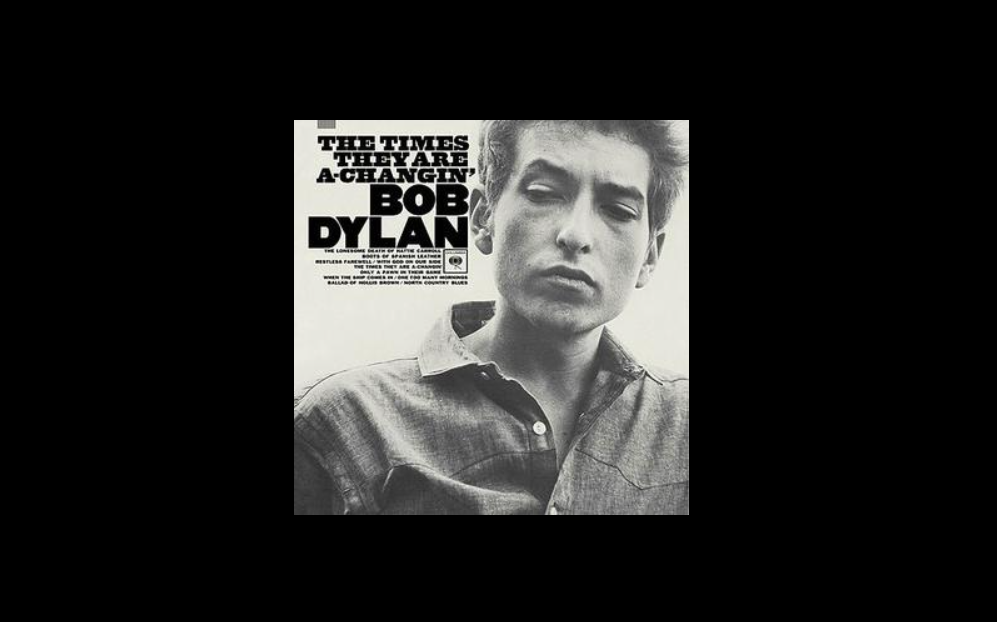
This anthem announced a cultural revolution. Dylan’s words captured the shifting values of the 1960s, urging a generation to embrace change. It remains a timeless call for progress.
“Oh! Susanna” by Stephen Foster
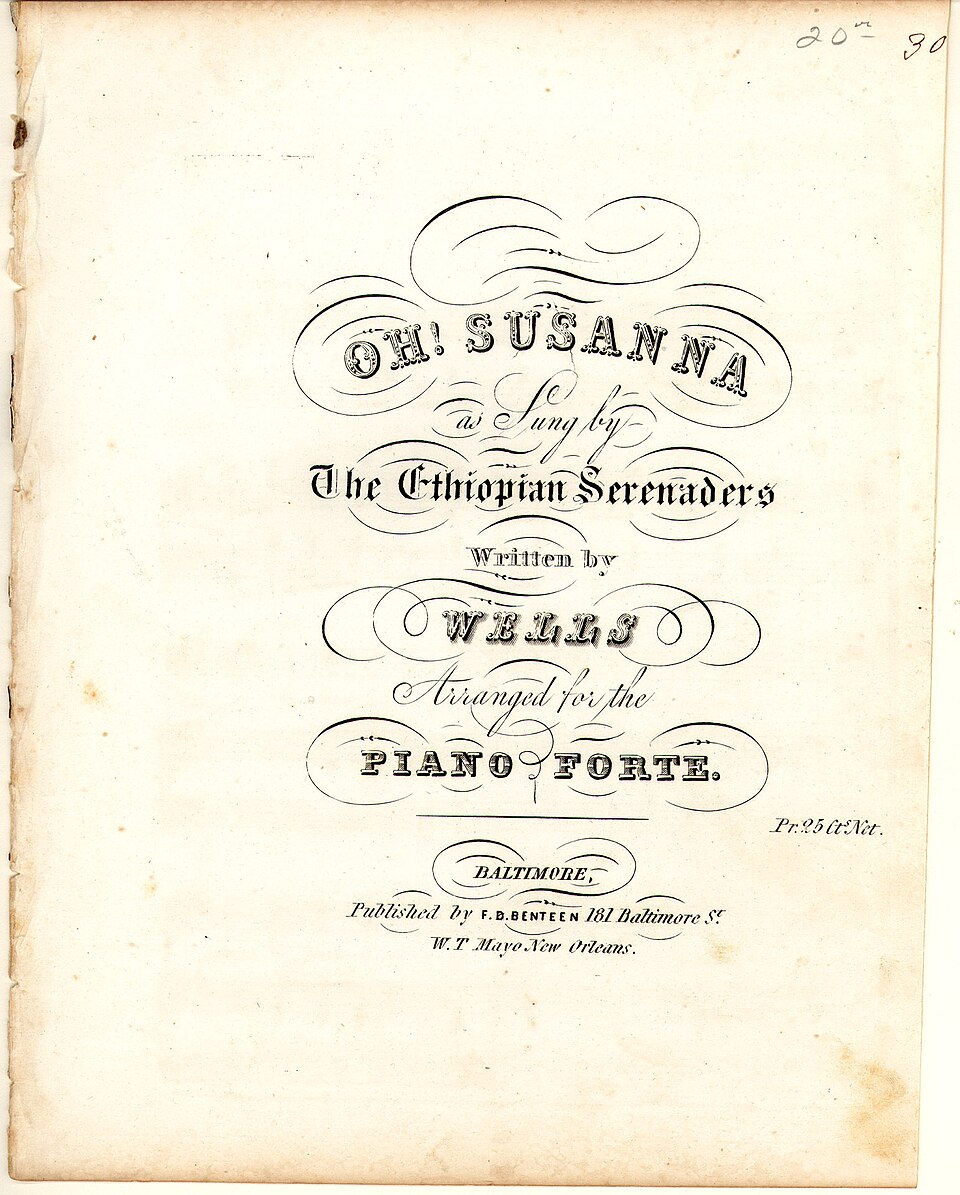
One of the earliest American folk hits, this 1848 tune became a standard in homes and camps across the country. Its cheerful tone and banjo rhythm captured early American optimism.
“The House of the Rising Sun”
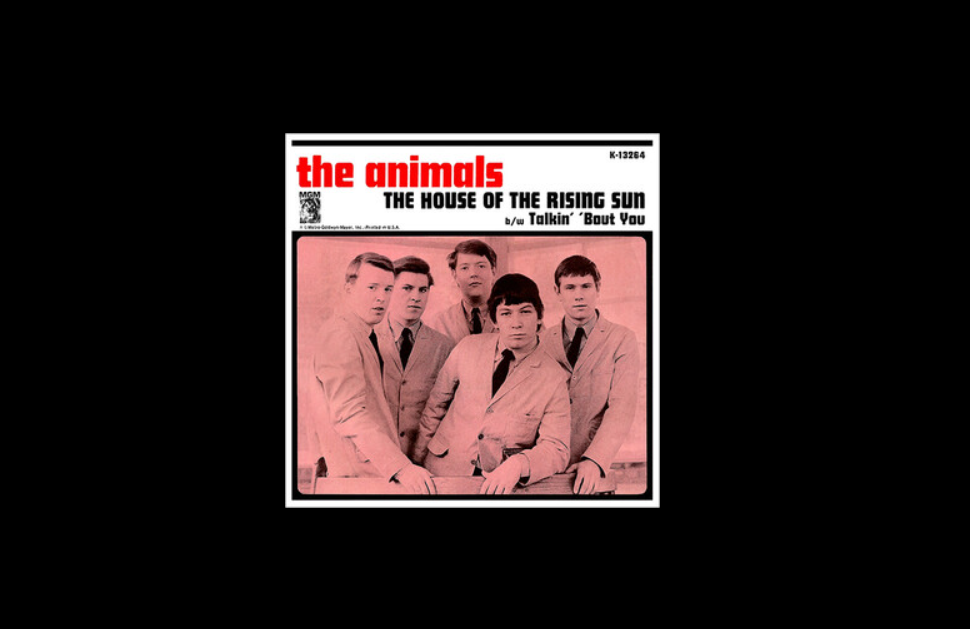
A haunting folk ballad with roots in the South, it tells of sin, sorrow, and redemption. The song’s enduring power lies in its raw emotional truth and timeless melody.
“Shenandoah”
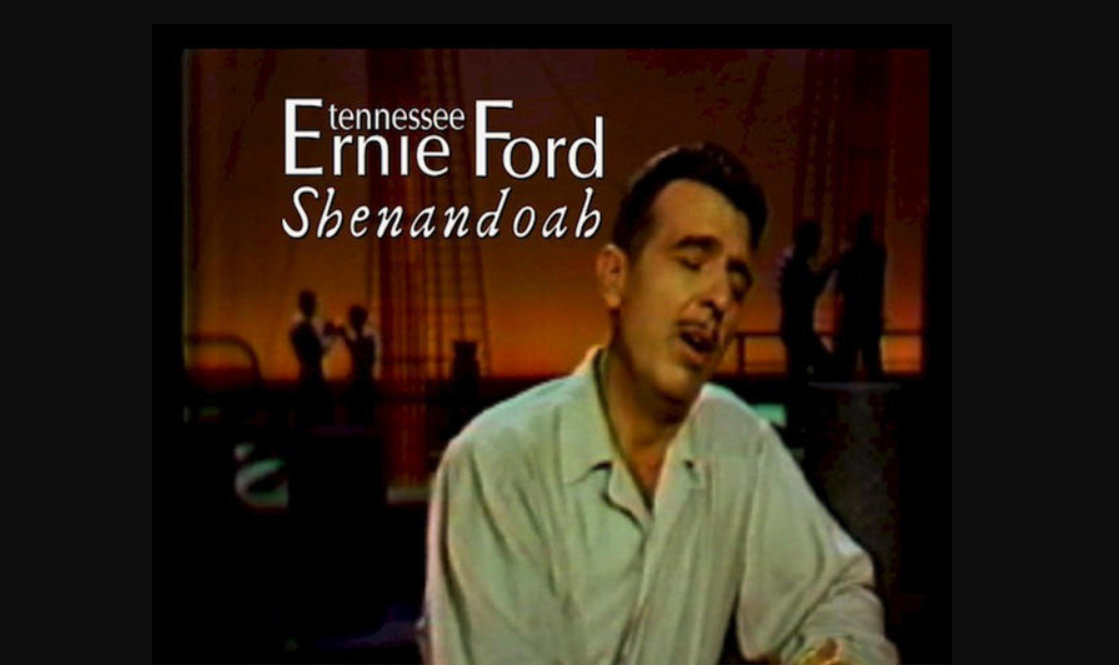
A 19th-century river ballad, “Shenandoah” captures the vastness and romance of early America. Its slow, mournful tone mirrors the journey of pioneers and sailors across an untamed land.
“John Henry”
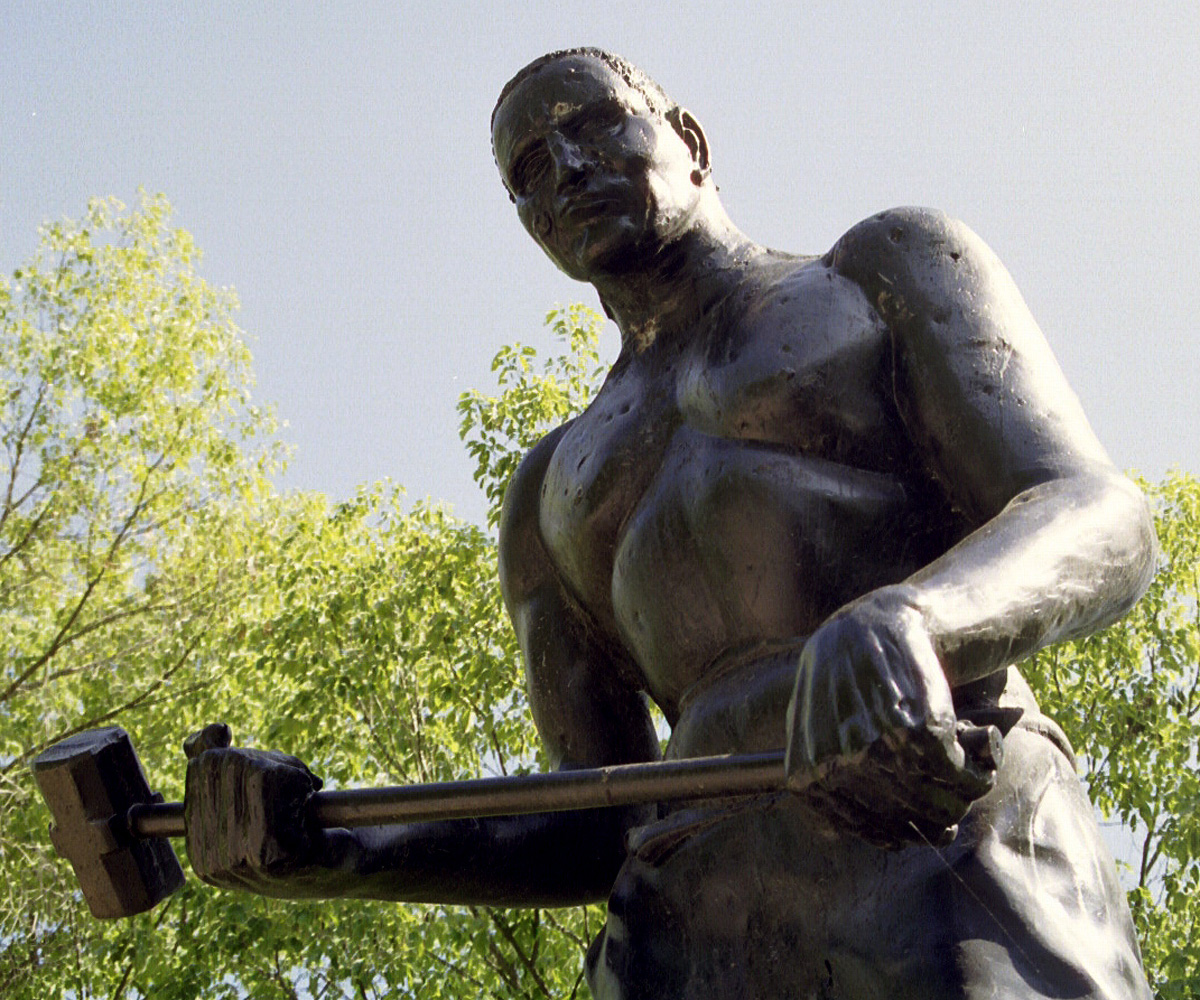
The story of a steel-driving man symbolizes human strength and sacrifice during America’s industrial rise. This ballad immortalized the struggle between man and machine.
“If I Had a Hammer” by Pete Seeger
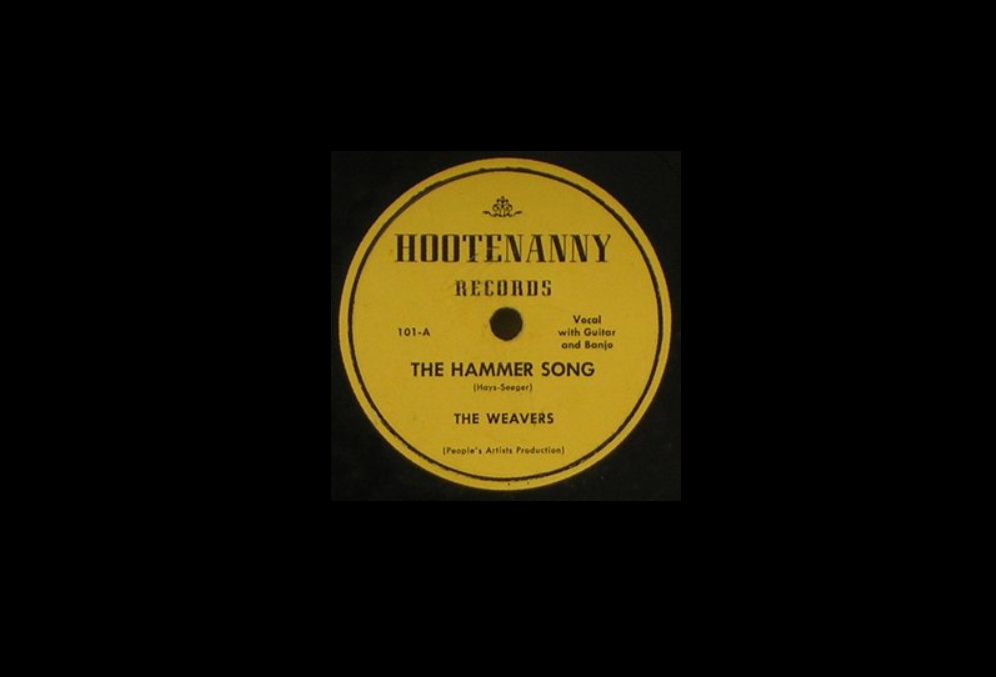
A call for justice and equality, this song became a cornerstone of activism in the 1960s. Seeger’s powerful lyrics and melody stirred hearts at rallies and classrooms alike.
“Where Have All the Flowers Gone?”
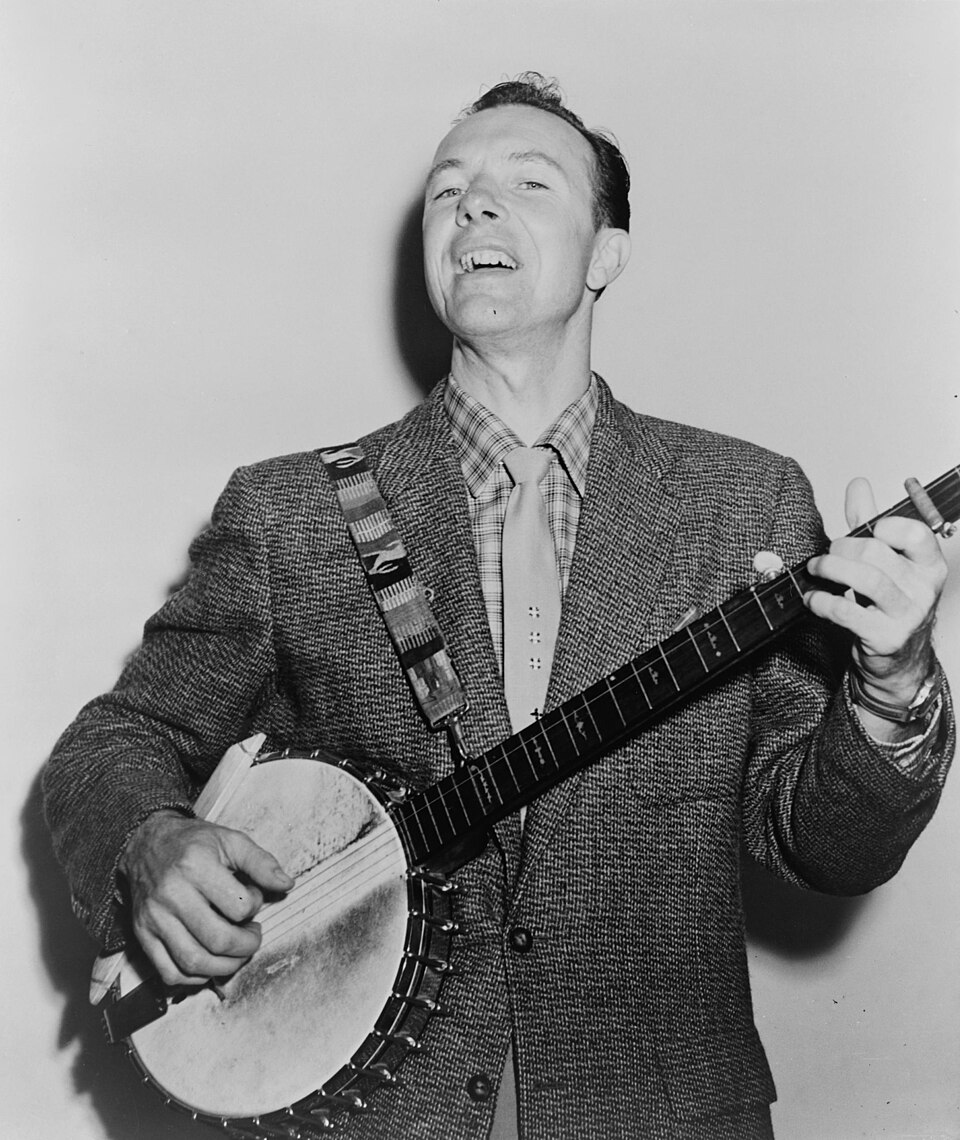
Another of Seeger’s masterpieces, this song mourns the human cost of war. Its cyclical structure reminds listeners of history’s repeating lessons.
“The City of New Orleans” by Steve Goodman
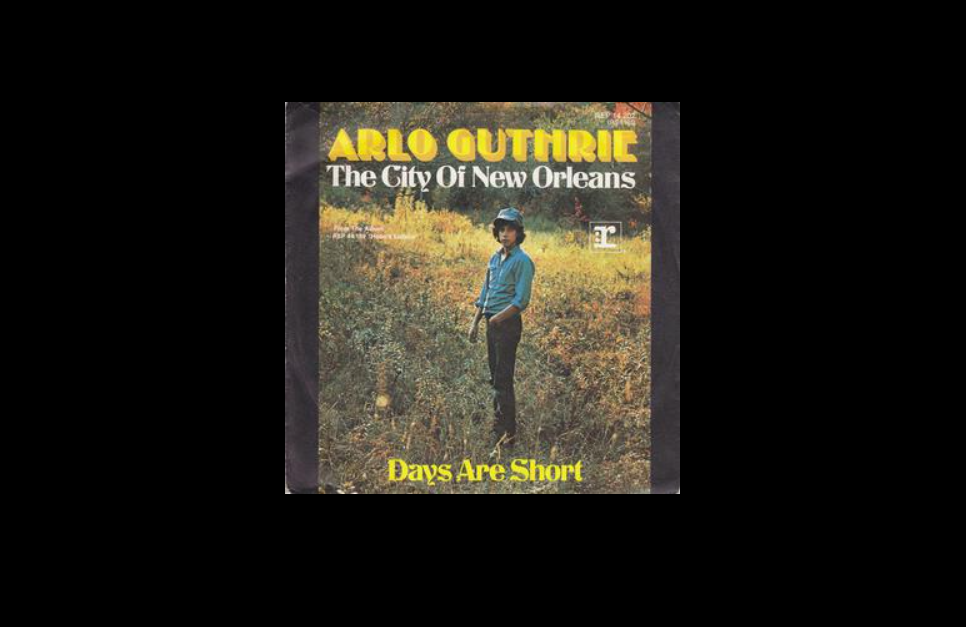
This 1970s folk classic captures the fading romance of American railroads. With bittersweet lyrics and a warm melody, it honors working-class America’s disappearing heritage.