In the midst of hectic schedules, work demands, school obligations, and extracurricular commitments, family rituals anchor kids emotionally and provide structure. Predictable moments—shared meals, bedtime routines, weekly activities—offer comfort and a sense of belonging. When lives speed up, these rituals serve as touchpoints kids can rely on, bolstering stability and trust. Here are twelve meaningful family rituals that cultivate security and connection, even in the busiest seasons.
Daily “High‑Low” Dinnertime Share
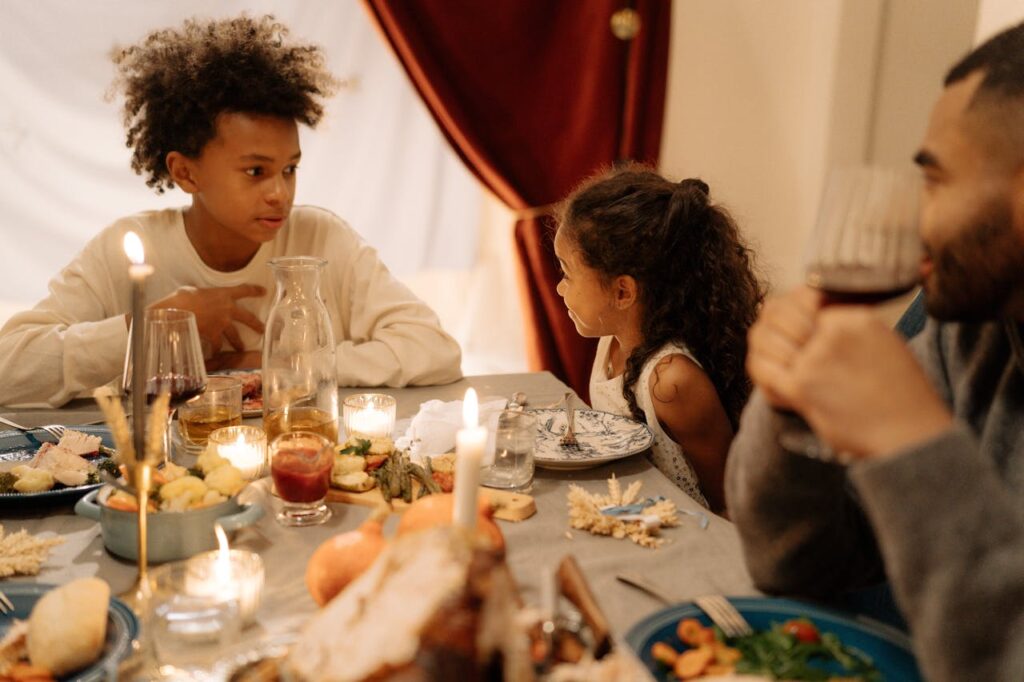
After dinner, everyone shares their day’s highlight and a low point, creating consistent one-on-one time. This ritual invites emotional openness, helping kids articulate feelings and teaching empathy. Over time, it becomes a safe space where kids learn it’s okay to talk about struggles as well as joys. The predictable rhythm lets them know their voice matters, and parents gain insight into daily experiences that might otherwise go unnoticed.
Weekly Family Game or Movie Night

Choosing a set night each week to play board games or watch a favorite movie gives life a comfortable rhythm. Even when schedules shift, this slot signals sacred family time and encourages compromise in planning. Kids look forward to the tradition, feel prioritized, and build teamwork skills through cooperative play or friendly competition. Over successive weeks, the ritual becomes both joyful and bonding as stories, inside jokes, and shared strategies develop.
Morning Check‑In with a Hug or Note

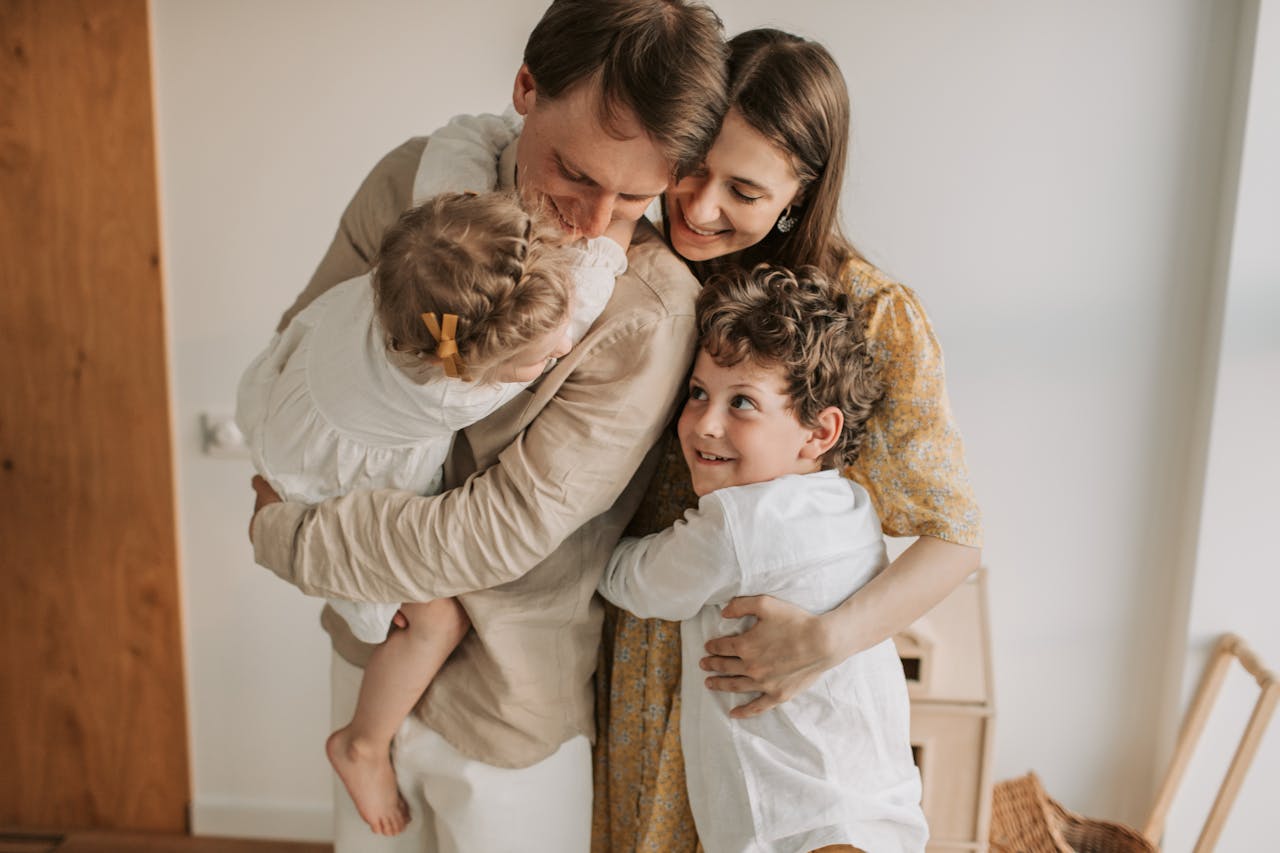
A quick morning hug, kiss, or hidden sticky note reminds children they’re cared for before the day begins, and this tiny ritual makes a world of difference in their worlds. This small gesture sends a message that even amid rushing, love is the priority. It builds confidence and emotional resilience as kids enter class or activity settings knowing there’s an anchor at home. Parents often find these tiny rituals help reduce separation anxiety and make transitions smoother.
Sunday Planning & Gratitude Activities
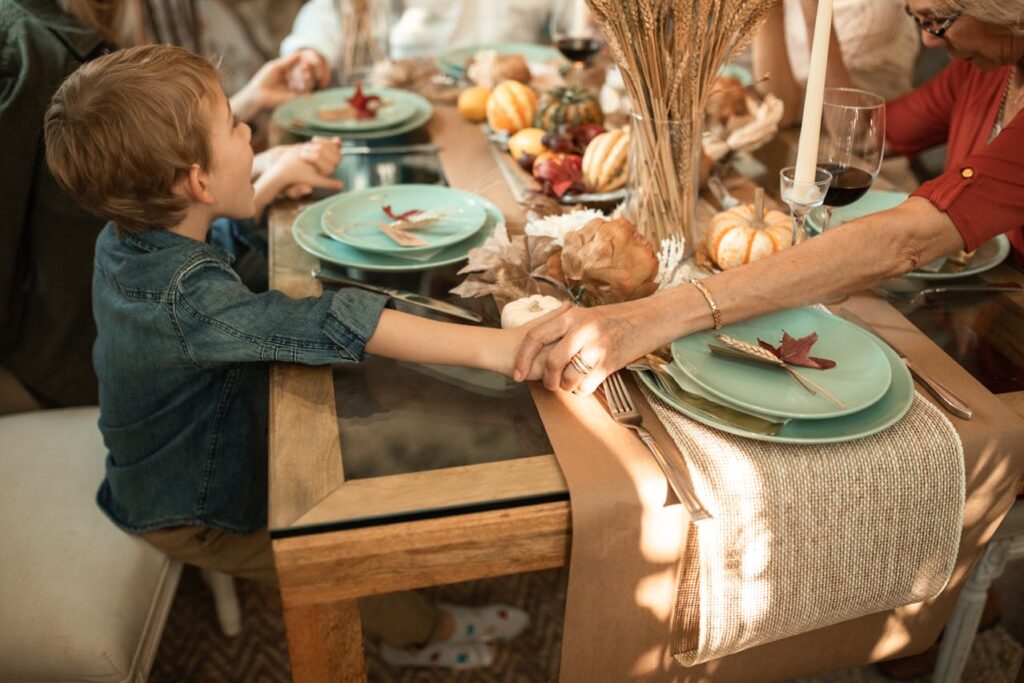
Every Sunday, families sit together to review calendars and upcoming activities, discuss expectations, and drop slips of gratitude or hopes into a jar. Kids feel involved in upcoming plans and can express appreciation or set personal intentions. The ritual blends anticipation and reflection, anchoring the week with emotional clarity. Later in the week—or at month’s end—the jar becomes a memory bank to revisit encouraging notes or affirm successes. This can help kids set realistic goals and successfully accomplish them.
Bedtime Story & Reflection Time
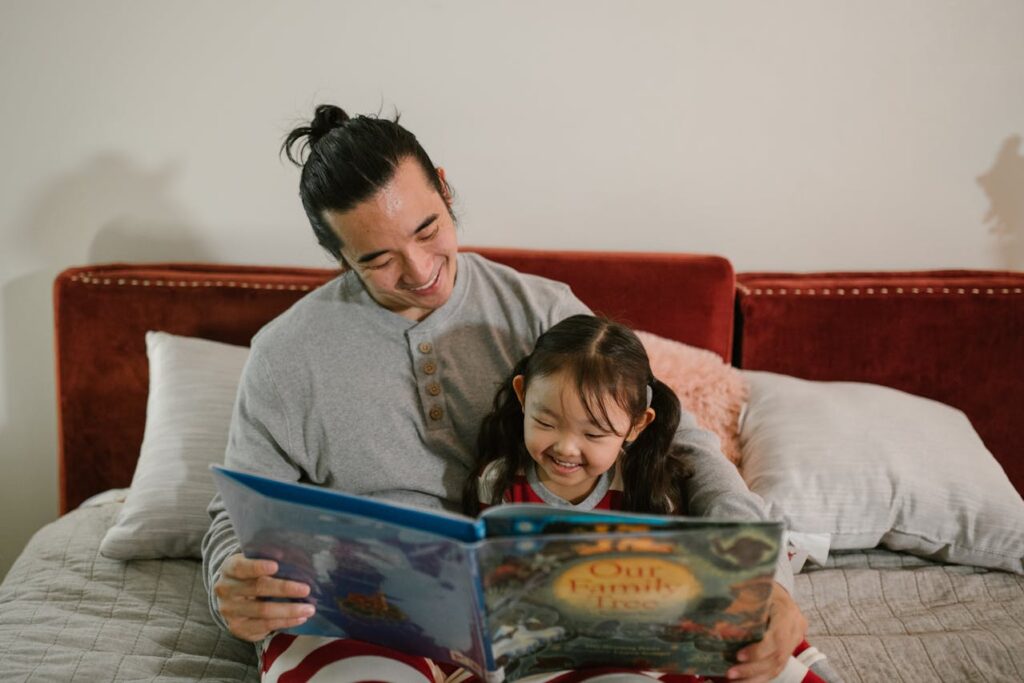
Reading a few pages or telling a story before sleep gives a calm transition from stimulation to rest. Reflection questions—“What did you learn today?” or “How are you feeling?”—help kids process emotions and lessons gently. These quiet moments reassure children they can talk about worries and hold on to hope before drifting off. The ritual strengthens connection, habits of reflection, and emotional literacy—without screens or distractions. Kids learn to sit with their emotions gently and acknowledge them – an essential quality to inculcate for adult life.
Seasonal Craft or Cooking Projects

Engaging together in themed crafts or seasonal recipes—like baking festive treats or making winter decorations—builds anticipation and creativity. The ritual ties family culture to cycles of the year, giving children milestones to look forward to. As kids participate in measuring, mixing, or designing, they gain new skills alongside shared laughter and collaboration. Months later, they connect familiar smells or colors to warm memories of time spent creating together.
“Tech‑Free” Meals or Evenings
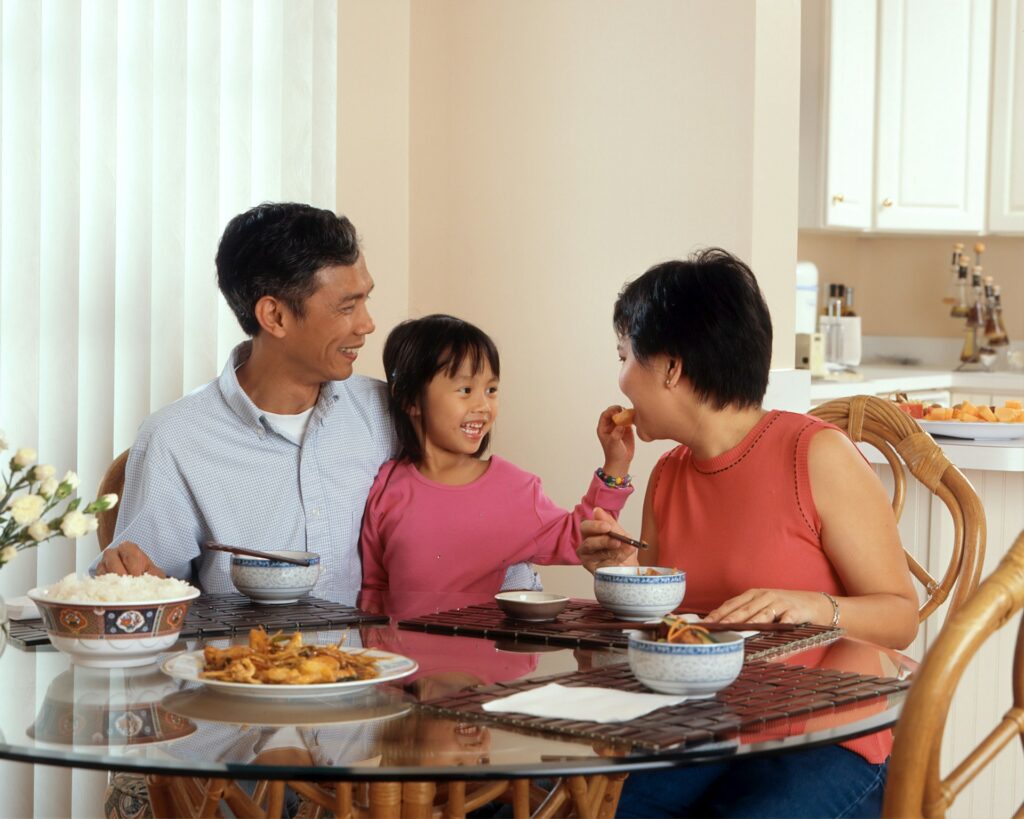
Setting specific meals or evenings entirely free of screens encourages conversation and presence. The ritual models mindful engagement and underscores that relationships matter more than distraction. Children learn to listen, express ideas, and enjoy undivided attention—even if for just half an hour or one evening. It also reminds everyone that digital detox can feel refreshing and emotionally recharging as a shared practice. Time away from digital devices and information overload is crucial for the holistic development of a child.
Farewell or Return Ritual at Transit Times

Whether dropping off at school, camp, or after games, a special wave, gesture, or phrase marks goodbyes and welcomes. Kids feel emotionally cued that transitions are expected and that they’re seen during departures and returns. Over time, the ritual reduces anxiety around separations and reinforces that reunions are anticipated. It becomes a comforting cue: parents and kids alike recognize that support and attention await before and after outings.
Weekly “Walk & Talk” Tradition

A walk together in the neighborhood or nearby park once weekly invites relaxed dialogue away from house pressures. Movement lowers tension and opens space for casual sharing—kids contribute stories, ideas, or feelings during the stroll. This rhythm also reinforces that undistracted parent‑child time remains a priority, even when indoor routines feel rushed. Fresh air, shared footsteps, and open conversation create a sense of security in motion.
Seasonal Family Storytelling Night

Once a season, families gather to share stories—childhood memories, family myths, or cultural tales—around a bonfire, living room, or dinner table. Children learn about family history and feel connected to past generations. The ritual embeds a sense of identity and belonging, grounding kids in a larger narrative. It often becomes a highlight kids look forward to, weaving laughter, lessons, and lineage into memorable evenings. It fosters a sense of community and strengthens family bonding.
Monthly Mini‑Adventure or Outing

Setting aside one day each month for a small outing—like visiting a park, museum, or nearby nature spot—creates something positive to anticipate. Even short excursions add variety and shared experience outside everyday routines. Planning roles can rotate: kids choose destinations or snacks, so they feel agency in family time. The resulting memories—whether of muddy boots, popsicles, or silly photos—reinforce that exploration and togetherness matter.
Weekly “Appreciation Circle” Before Bed
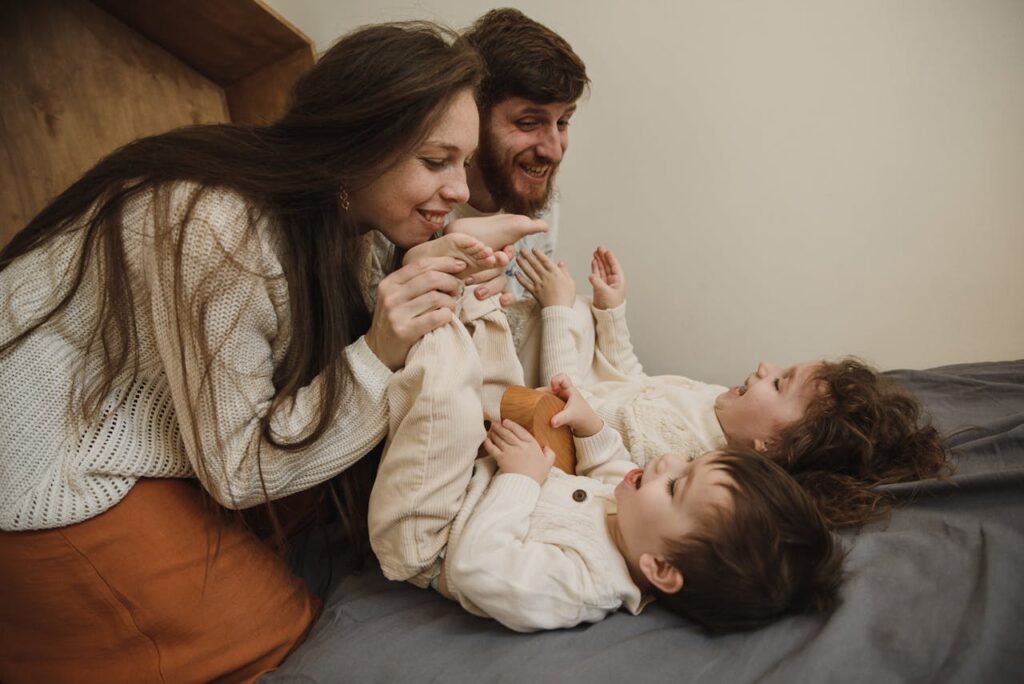
At bedtime a chosen night, everyone names one thing they appreciate about another person in the family. This ritual fosters kindness, gratitude, and affectionate communication. Kids learn the value of noticing small acts of love or effort in others, strengthening emotional bonds. Celebrating kindness and noticing goodness regularly helps children feel appreciated and seen at home. In addition to this, children learn kindness and humility at a young age, and also to recognize the contribution of other human beings in their lives.
These twelve rituals, woven into even the busiest schedules, help children experience consistency, emotional safety, and presence. In times of chaos or change, these simple traditions function as family anchors—reassuring kids that they belong, they matter, and moments together are treasured. Establishing and nurturing them deepens connection, reinforces values, and builds a foundation of trust and love that children carry forwards in life.