The Vietnam War was not only a political and military conflict but also a spiritual and moral one. Many faith leaders in the United States and beyond wrestled with the morality of the war, and some chose to speak out in ways that challenged both their congregations and the wider culture. Their voices, whether condemning the war, supporting it, or questioning government policy, reveal how deeply divided the era was. These leaders took controversial stands that still resonate in how religion intersects with political action today.
Martin Luther King Jr.
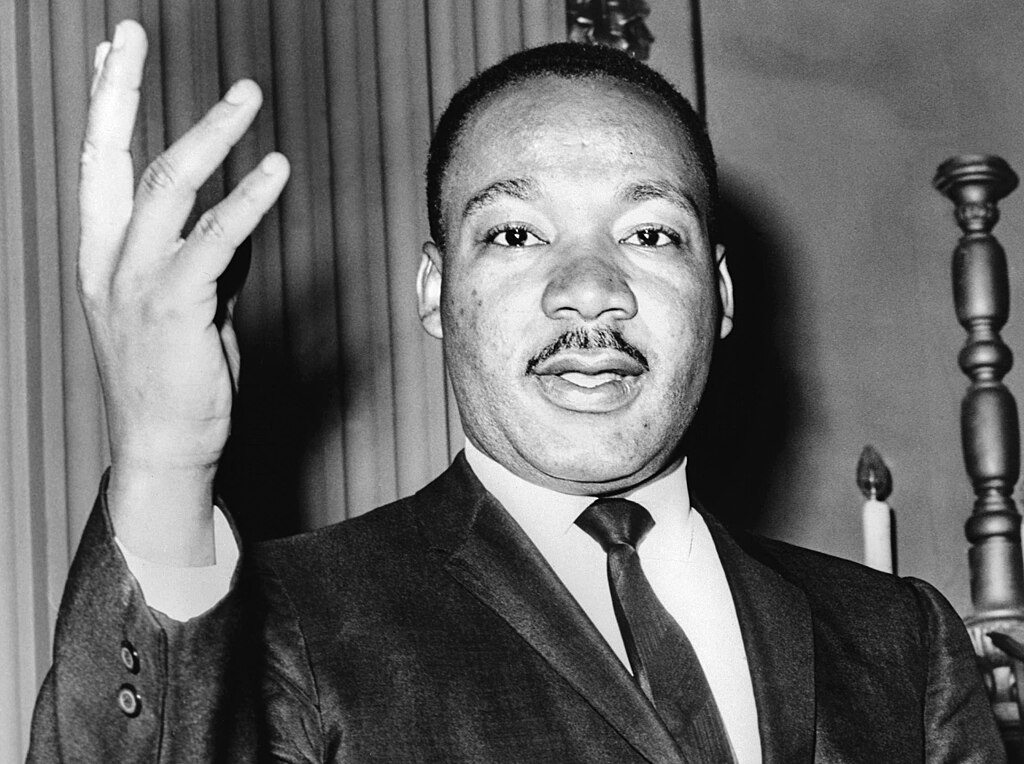
In 1967, Martin Luther King Jr. delivered his famous “Beyond Vietnam” speech at Riverside Church in New York, where he denounced the war as unjust and immoral. He argued that America was spending far too much on war while neglecting the needs of the poor at home. Many supporters warned him against mixing the civil rights struggle with opposition to the war, but King believed the two were inseparable. His stance cost him political allies and drew harsh criticism from newspapers and government officials. Yet his message became one of the most powerful faith-based condemnations of the conflict.
Dorothy Day
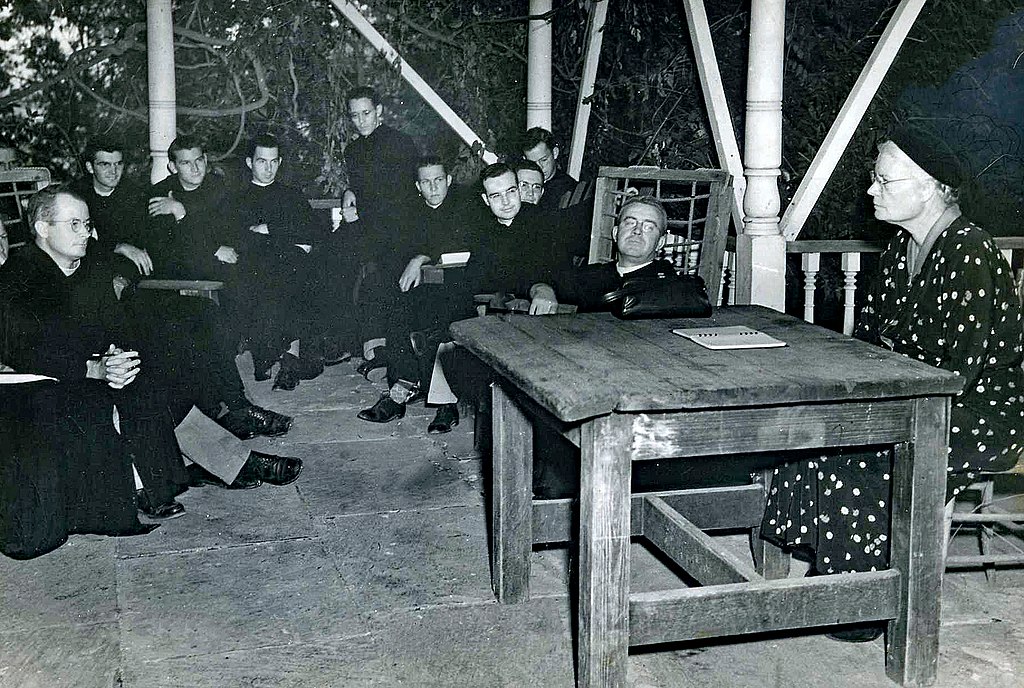
Dorothy Day, co-founder of the Catholic Worker Movement, was a passionate advocate for peace and justice who openly opposed the Vietnam War. While not a bishop or priest, she was one of the most influential Catholic voices of her time. Day denounced U.S. involvement as immoral and contrary to Christian teaching, urging Catholics to resist the war effort through nonviolent protest and acts of solidarity with the poor. Her radical pacifism was deeply controversial, especially in a time when many Catholics supported the war. Yet her unwavering commitment to peace helped inspire Catholic activists and later generations of faith-based movements.
Billy Graham
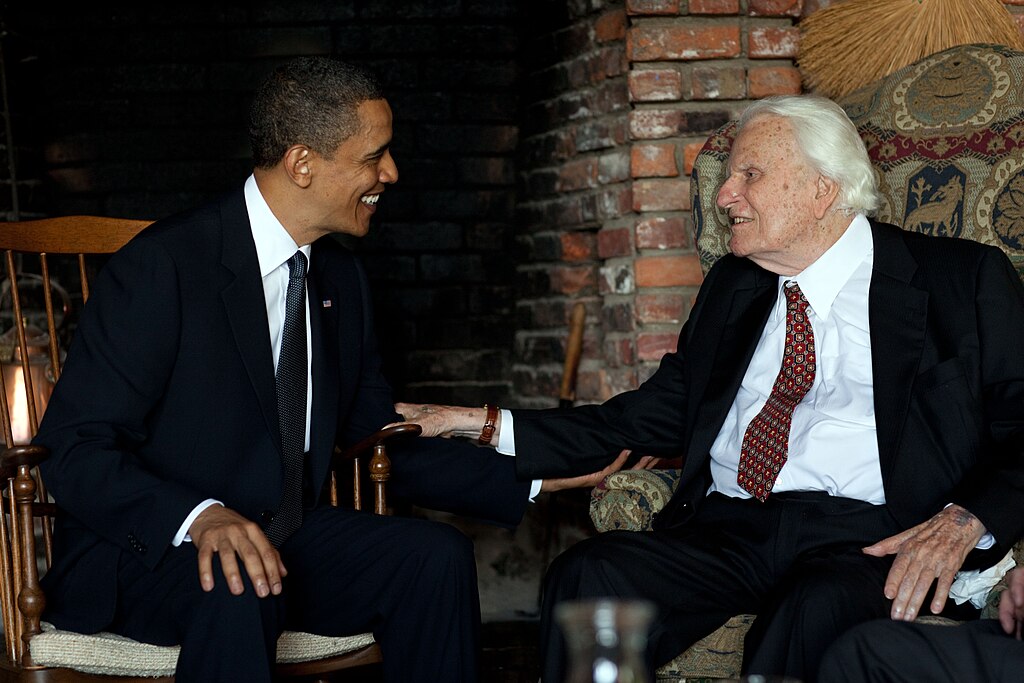
The evangelical preacher Billy Graham was one of the most prominent Christian leaders of the twentieth century, and during the Vietnam War, he largely supported U.S. involvement. Graham believed in the importance of stopping the spread of communism, which he saw as a threat to religious freedom. He often prayed with presidents and encouraged Americans to support their leaders, even when public opinion began to shift against the war. His alignment with U.S. foreign policy drew criticism from more liberal Christians and antiwar activists. To many, his stance symbolized the division within American churches over how to interpret patriotism and faith in a time of conflict.
Daniel Berrigan
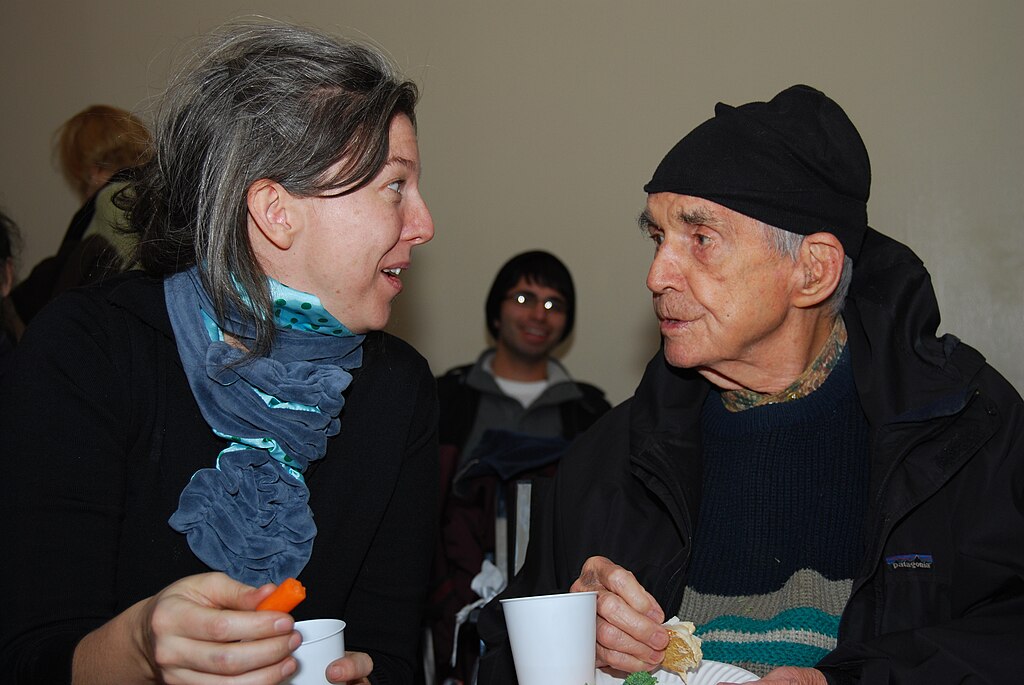
Catholic priest Daniel Berrigan was one of the most outspoken religious activists against the Vietnam War. Along with his brother Philip, he participated in protests that included burning draft files with homemade napalm in what became known as the Catonsville Nine action. Berrigan was arrested, tried, and sentenced to prison, but his radical faith-driven resistance inspired many young Catholics and Christians. For him, the war represented the ultimate betrayal of Christian values, and he was willing to risk imprisonment to make his point. His actions remain some of the most dramatic examples of faith-based civil disobedience in American history.
Thich Nhat Hanh
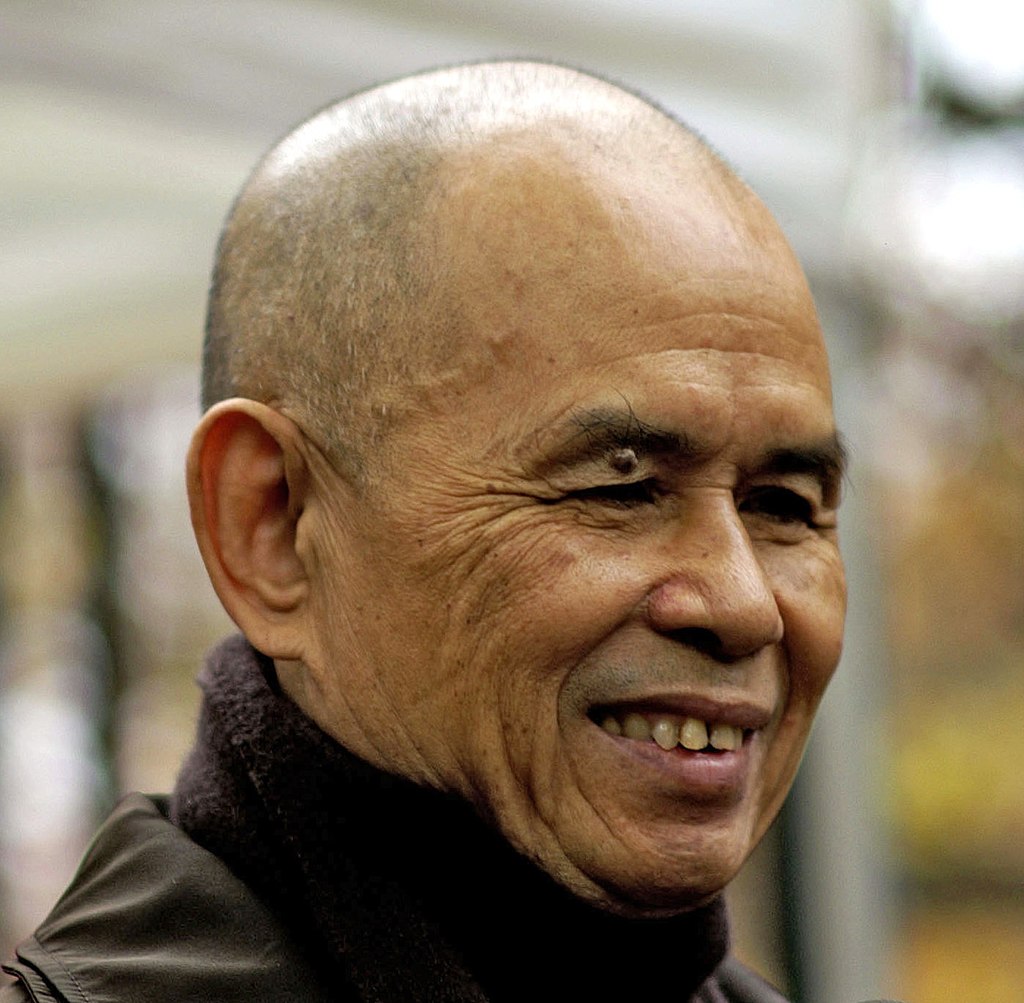
Vietnamese Buddhist monk Thich Nhat Hanh emerged as one of the most respected religious voices calling for peace during the war. From his perspective inside Vietnam, he witnessed the suffering of his people and called on the world to help stop the conflict. He met with American religious leaders, including Martin Luther King Jr., who nominated him for the Nobel Peace Prize. Thich Nhat Hanh’s advocacy for nonviolence was rooted in Buddhist teachings of compassion and mindfulness. His work inspired both Western and Asian audiences to see the war as not only a political tragedy but also a moral and spiritual one.
Archbishop Fulton J. Sheen
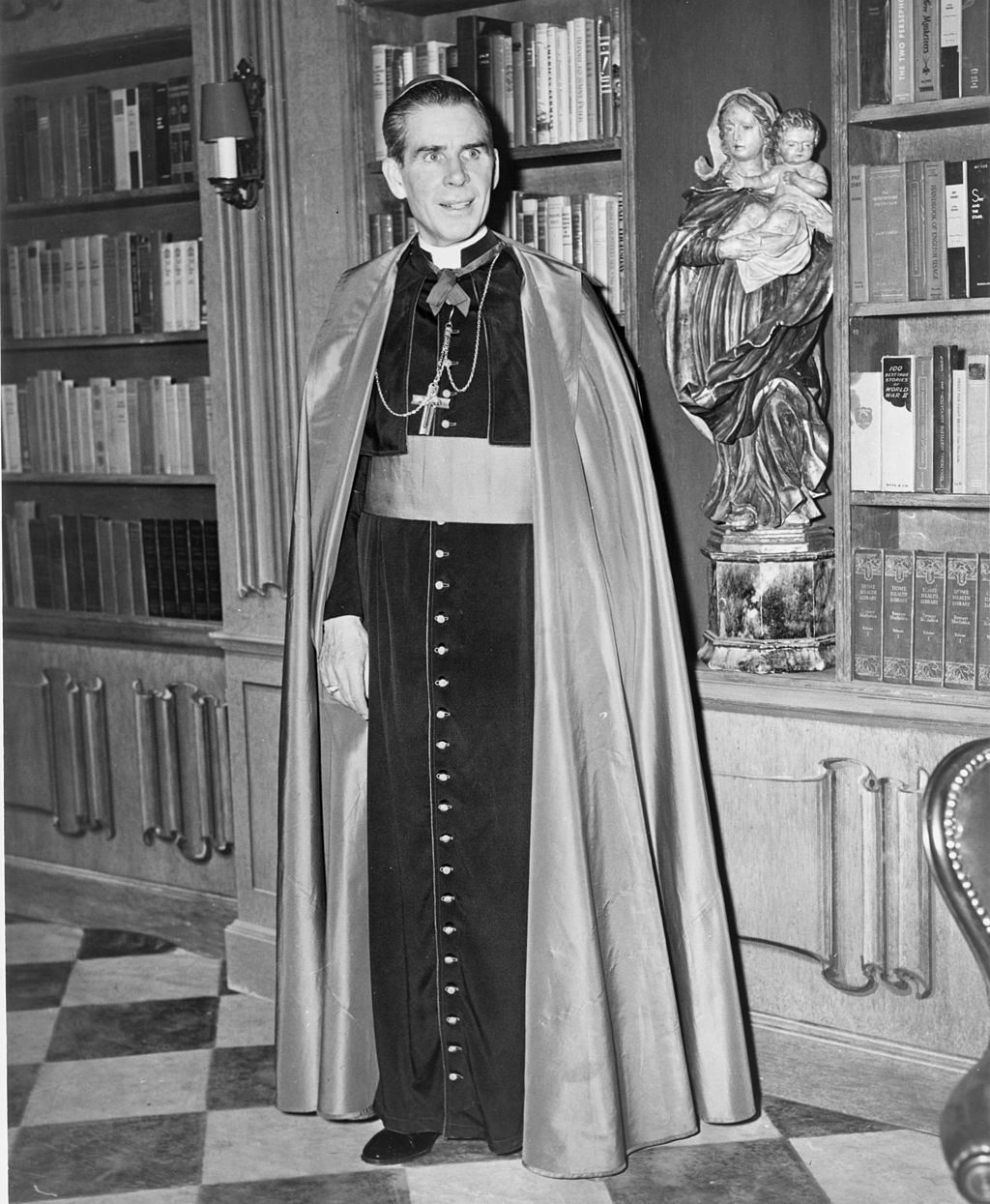
Archbishop Fulton J. Sheen, known for his popular television broadcasts on Catholic faith, spoke against the Vietnam War in ways that surprised many of his admirers. He criticized the escalation of American involvement and warned that the conflict was not justifiable from a Christian perspective. Sheen argued that the war undermined moral values and risked alienating people worldwide from the message of Christianity. His opposition came at a time when many Catholic leaders were still cautious about challenging U.S. policy, making his stance controversial. Sheen’s voice added to the growing Catholic dissent against the war.
Rabbi Abraham Joshua Heschel
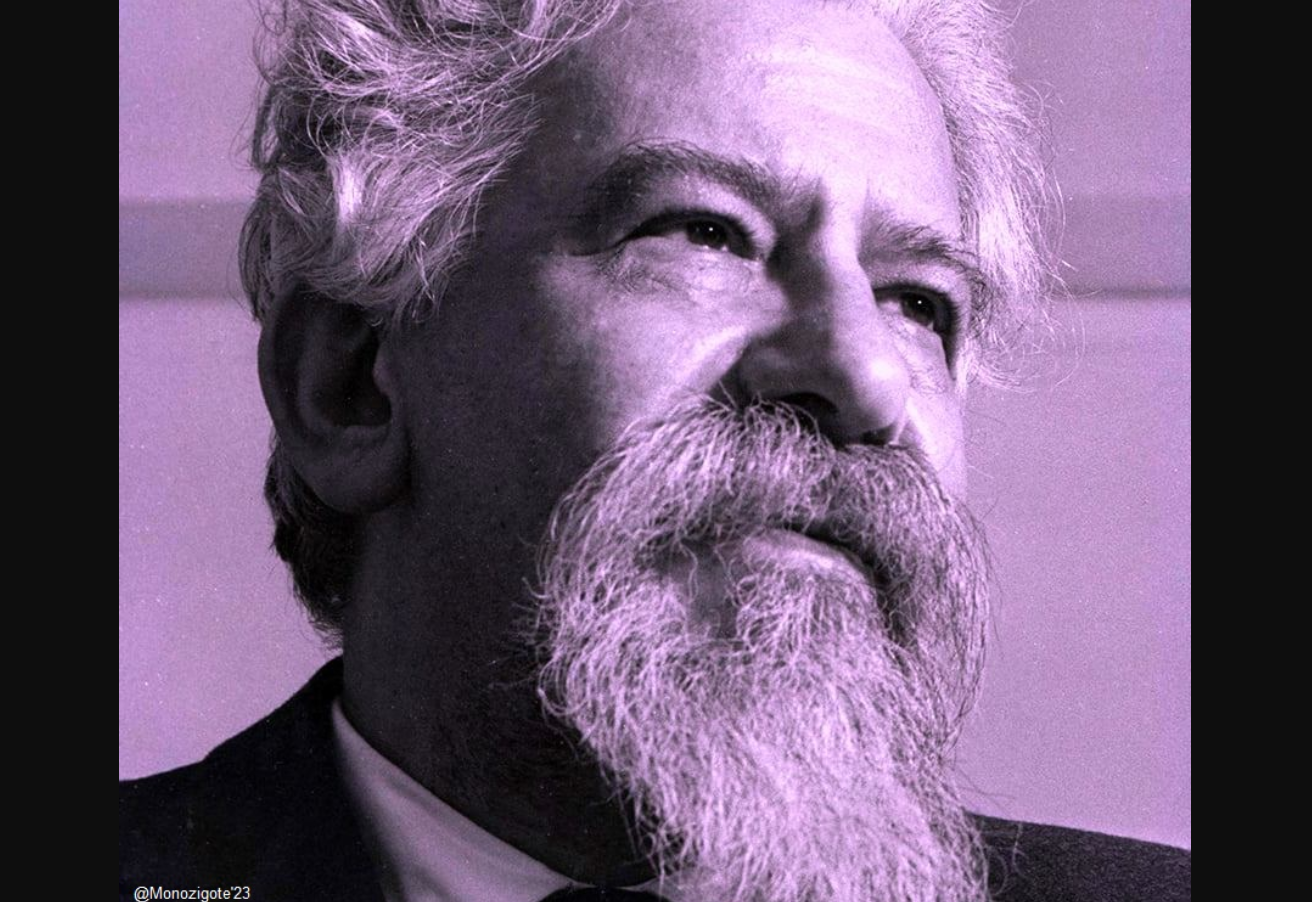
Rabbi Abraham Joshua Heschel, a leading Jewish theologian and philosopher, was deeply engaged in civil rights and peace activism. He believed that faith demanded action in the face of injustice, and he applied that conviction to Vietnam. Heschel marched, spoke at rallies, and wrote essays that condemned the war as a betrayal of moral values. He argued that Jews, Christians, and people of all faiths had a responsibility to oppose needless suffering and violence. His activism put him alongside Christian leaders like Martin Luther King Jr., demonstrating the interfaith dimension of antiwar resistance.
Rev. William Sloane Coffin
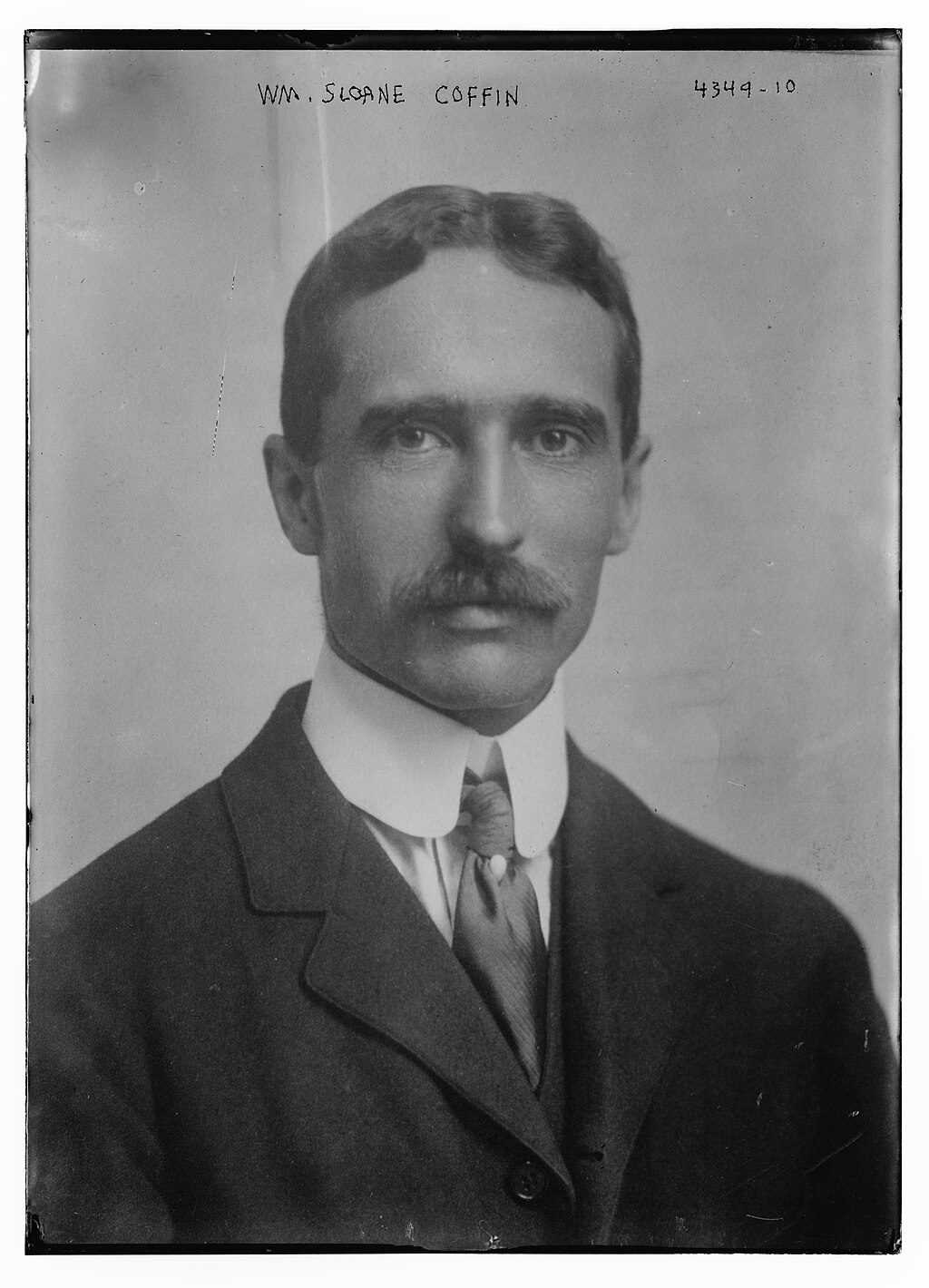
The chaplain of Yale University, William Sloane Coffin, became one of the most visible Protestant voices against the Vietnam War. He was arrested for encouraging draft resistance and frequently spoke out against what he saw as an immoral conflict. Coffin believed that Christian faith demanded standing with the oppressed and challenging systems of violence, even if it meant breaking the law. His outspoken leadership made him a polarizing figure among students and alumni, with some applauding his courage and others condemning him as unpatriotic. Coffin’s activism helped inspire a generation of young religiously motivated protesters.
Cardinal Richard Cushing
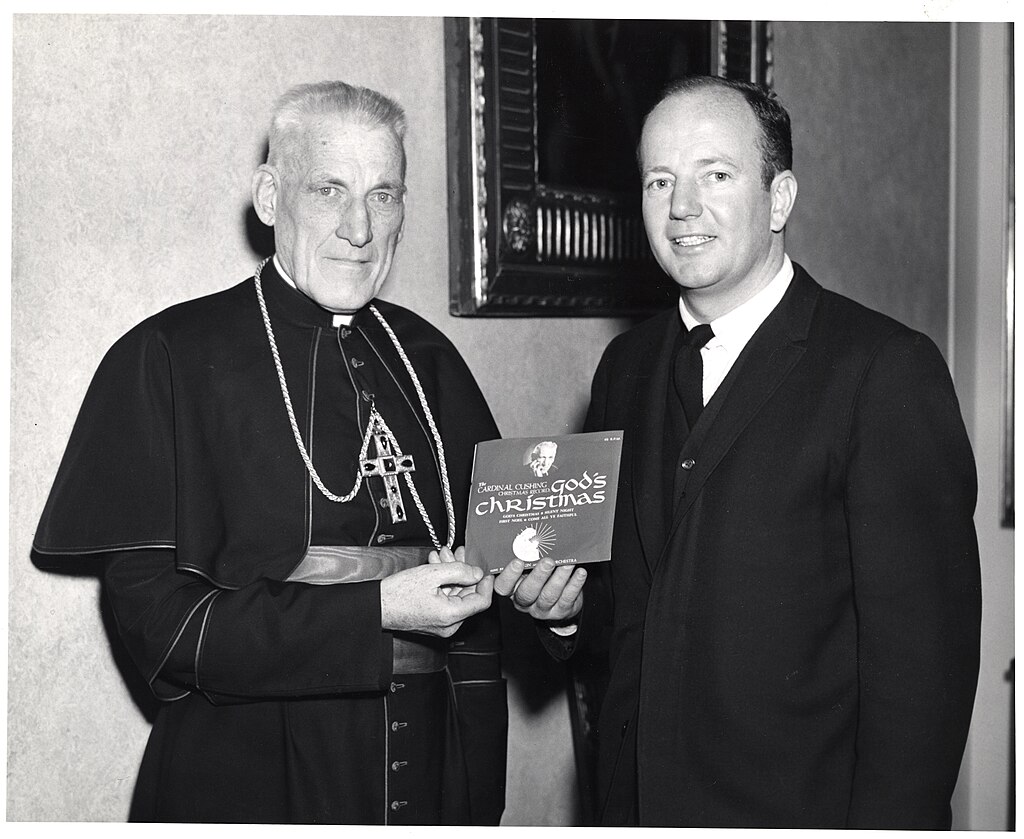
Cardinal Richard Cushing of Boston initially supported the war effort but later shifted his position as the conflict dragged on and casualties mounted. His evolving stance reflected the moral struggles of many Americans who wanted to support their country but began questioning the justice of the war. When he began calling for peace negotiations and criticizing continued escalation, his words carried weight among Catholics nationwide. This shift demonstrated how religious leaders could influence public opinion simply by acknowledging moral doubts. His journey from support to opposition made him a controversial figure among both hawks and doves.
Rev. Fred Shuttlesworth
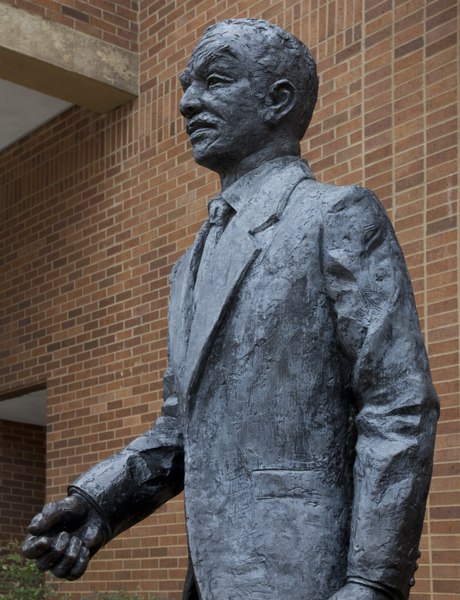
Rev. Fred Shuttlesworth, a civil rights leader known for his courage in Birmingham, Alabama, also spoke critically of the Vietnam War. He saw the war as diverting attention and resources away from the struggle for racial equality at home. For Shuttlesworth, the government’s willingness to spend billions overseas while Black Americans were denied basic rights was a moral contradiction. His stance put him in line with Martin Luther King Jr. and others who linked civil rights and antiwar activism. Critics accused him of weakening the civil rights movement by broadening its focus, but he believed the issues were inseparable.
Pope Paul VI
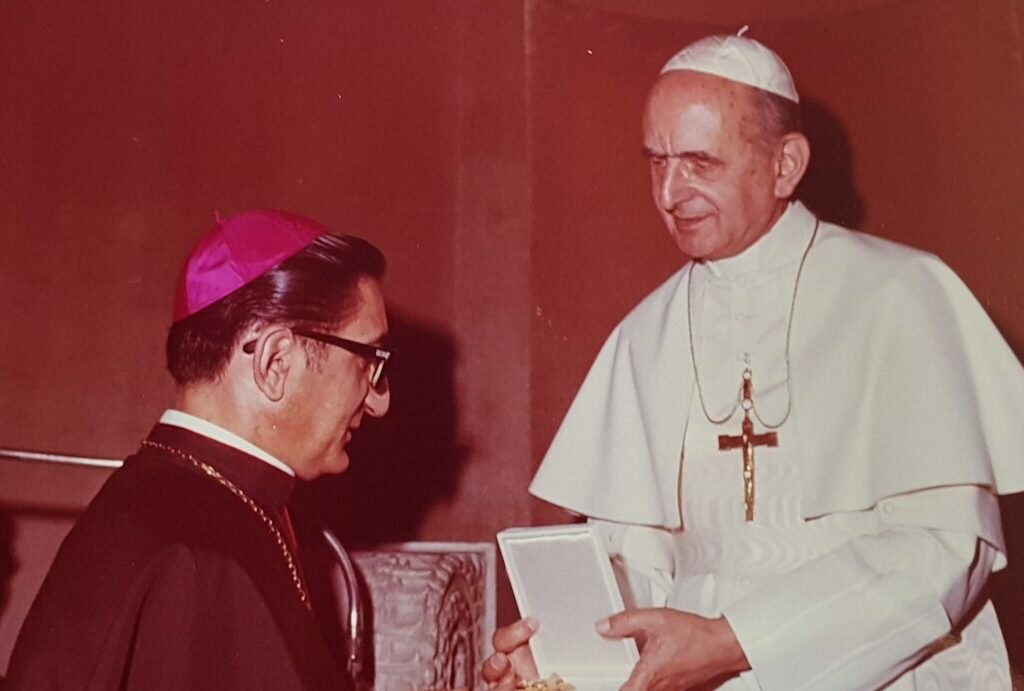
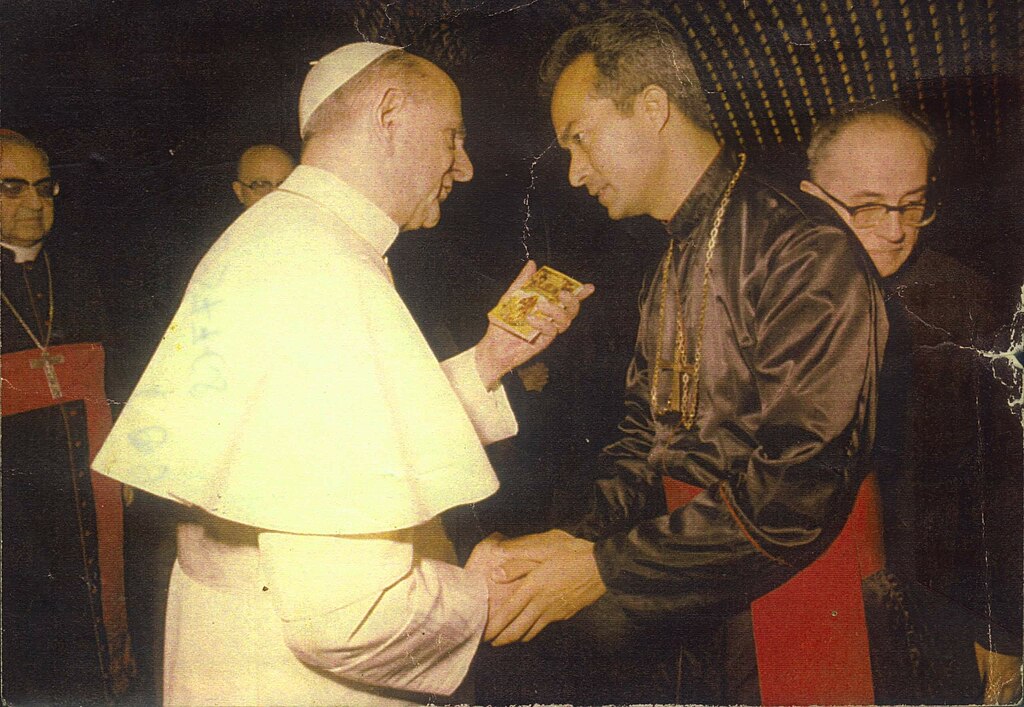
Pope Paul VI made global headlines when he addressed the United Nations in 1965, pleading, “No more war, war never again.” Although he did not directly condemn the United States, his consistent calls for peace were seen as criticism of the Vietnam conflict. His efforts to encourage negotiation and diplomacy reflected the Catholic Church’s growing engagement in global affairs after the Second Vatican Council. Many Catholics in the United States were unsettled by his position, as it challenged patriotic narratives of supporting the war. His moral authority, however, gave weight to those within the Church who opposed the conflict.
Rev. Jesse Jackson
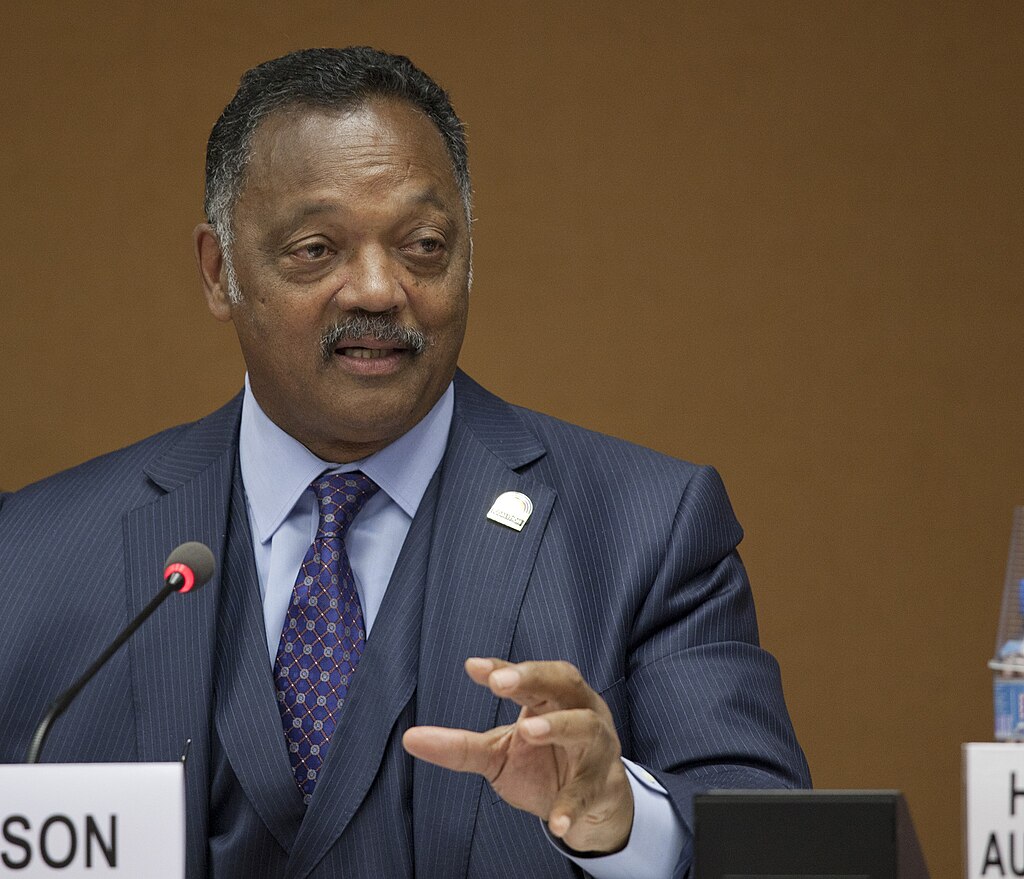
As a rising civil rights leader in the late 1960s, Jesse Jackson also spoke out against the Vietnam War. He argued that the conflict drained resources from the fight against poverty and racial injustice at home. Jackson linked the struggles of African Americans with those of Vietnamese peasants, framing both as victims of oppression. His willingness to tie civil rights to antiwar activism made him a controversial figure, as not all activists agreed with expanding the movement’s focus. Yet Jackson’s voice added to the growing chorus of religious leaders who saw the war as incompatible with their vision of justice and equality.
The Vietnam War forced Americans of faith to confront uncomfortable questions about violence, justice, and patriotism. The leaders who spoke out, whether in support or opposition, risked criticism and division within their communities. Their stands reveal how deeply the conflict shaped American religious life and how moral conviction can push leaders to take risks that history will long remember.