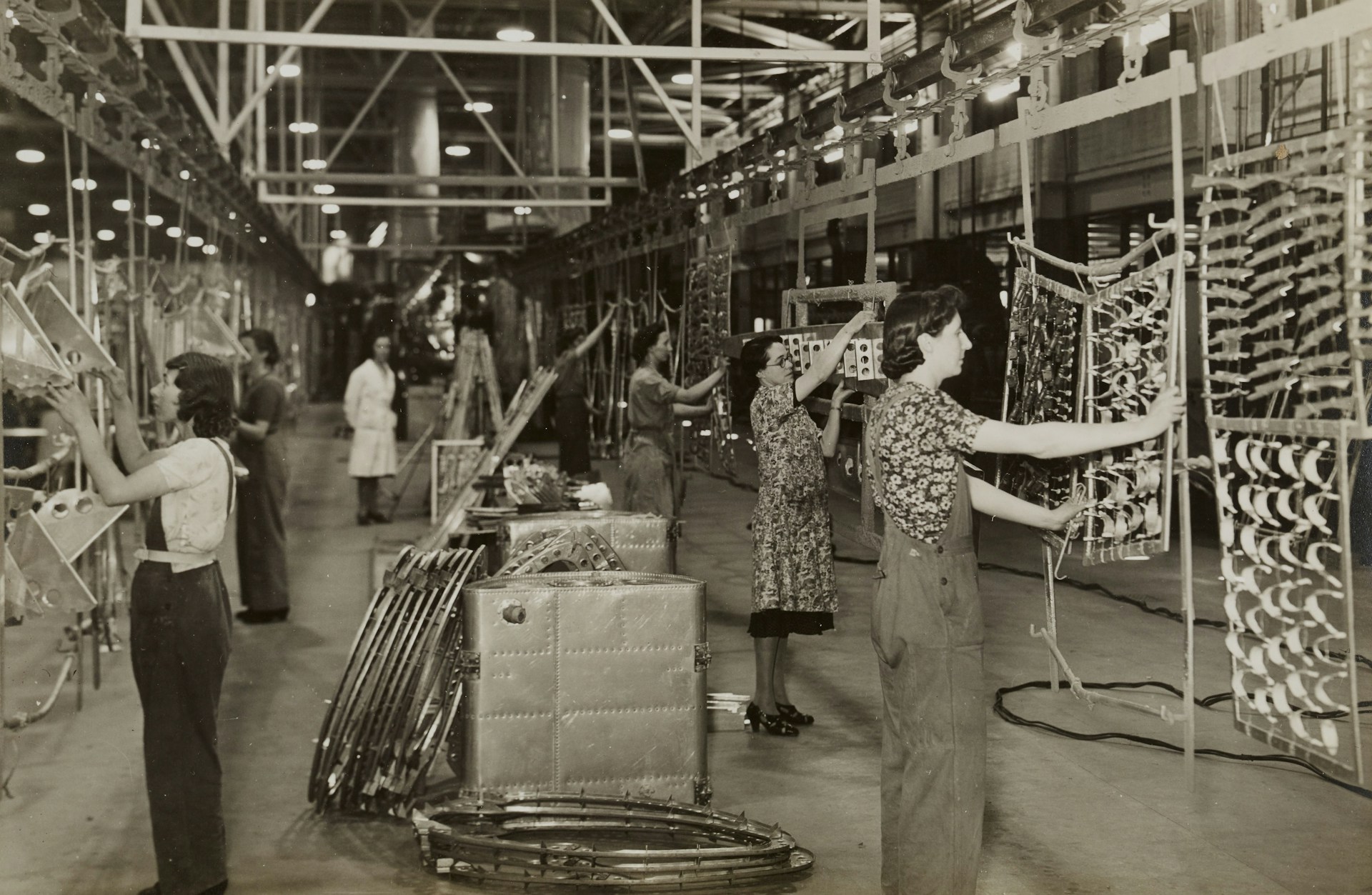
Many of the protections workers rely on today were not always guaranteed. In earlier eras, employees had little control over hours, safety, or workplace treatment. Over time, movements, court decisions, and new laws reshaped the labor landscape and strengthened worker protections. These changes transformed jobs into safer and fairer environments for millions of people. This list highlights twelve everyday rights that workers now take for granted but were once unavailable, restricted, or actively discouraged across the country.
1. The right to a minimum wage
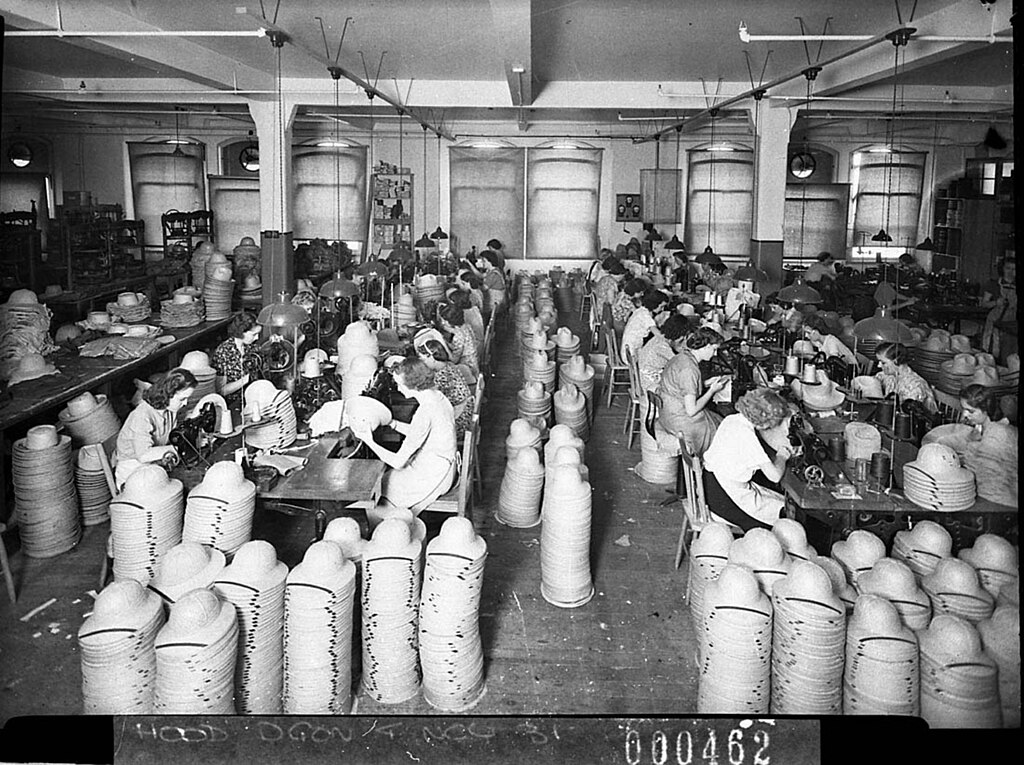
The idea of a minimum wage once faced strong opposition from employers who preferred unregulated pay. Early workers often earned far below livable amounts, leaving families struggling to survive. Over time, public pressure and legislative debates led to the creation of federal wage standards. The change helped protect workers from exploitation and created more stable income levels. Today, earning a guaranteed baseline income is considered normal, yet it took significant effort and advocacy to reach that point.
2. The right to overtime pay
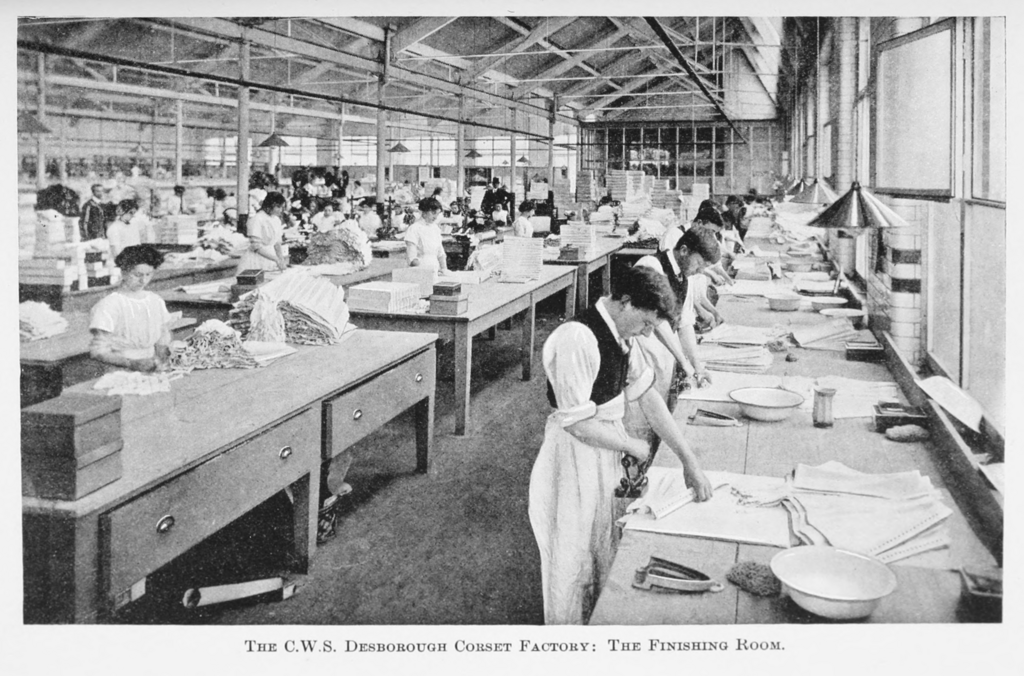
Before labor reforms, many workers faced exhausting shifts with no additional compensation for extra hours. Factories, mines, and farms regularly demanded long days without rest. Over time, new laws introduced overtime pay to ensure workers received fair compensation for extended labor. This right helped protect families from burnout and encouraged employers to use time more responsibly. Now overtime pay is a common expectation, although it represents a major victory from a long struggle for fair treatment.
3. The right to safe working conditions
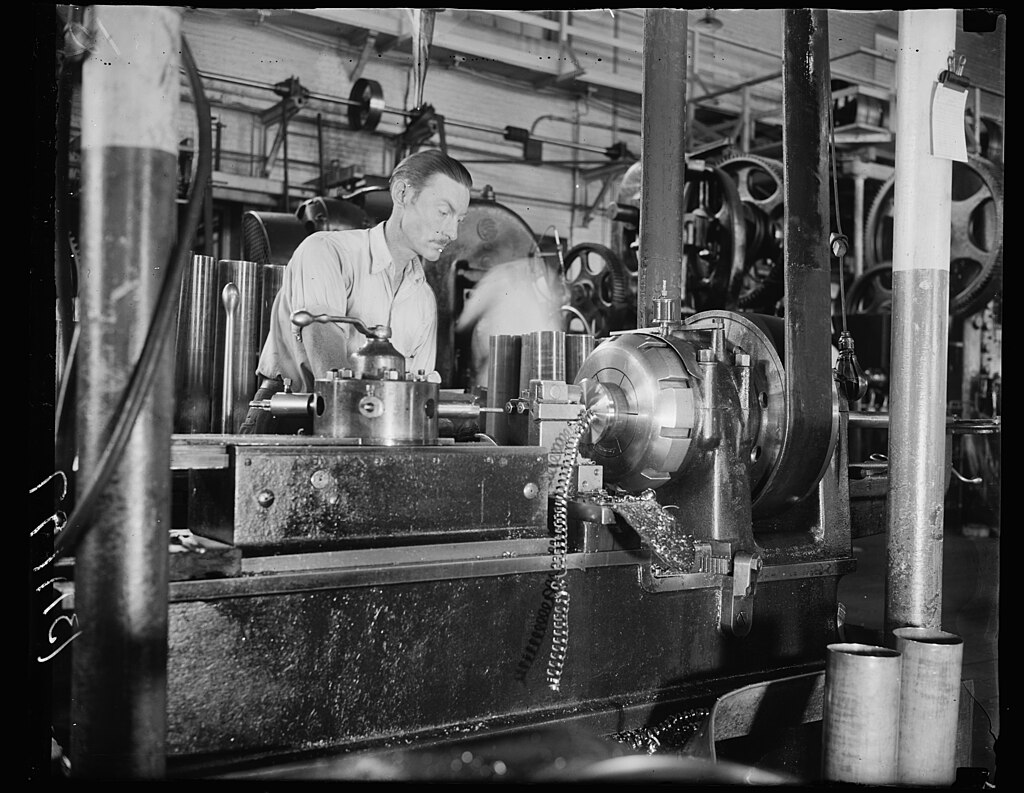
Early workplaces lacked proper ventilation, safety rules, and protective equipment. Accidents were common because employers were not required to provide safe environments. Over time, investigations and advocacy efforts led to stronger regulations that emphasized worker health. New safety standards transformed dangerous industries and reduced risks across the board. Today, employees expect basic protections on the job, yet these safeguards emerged only after countless workers demanded change and highlighted the importance of workplace safety.
4. The right to join a union
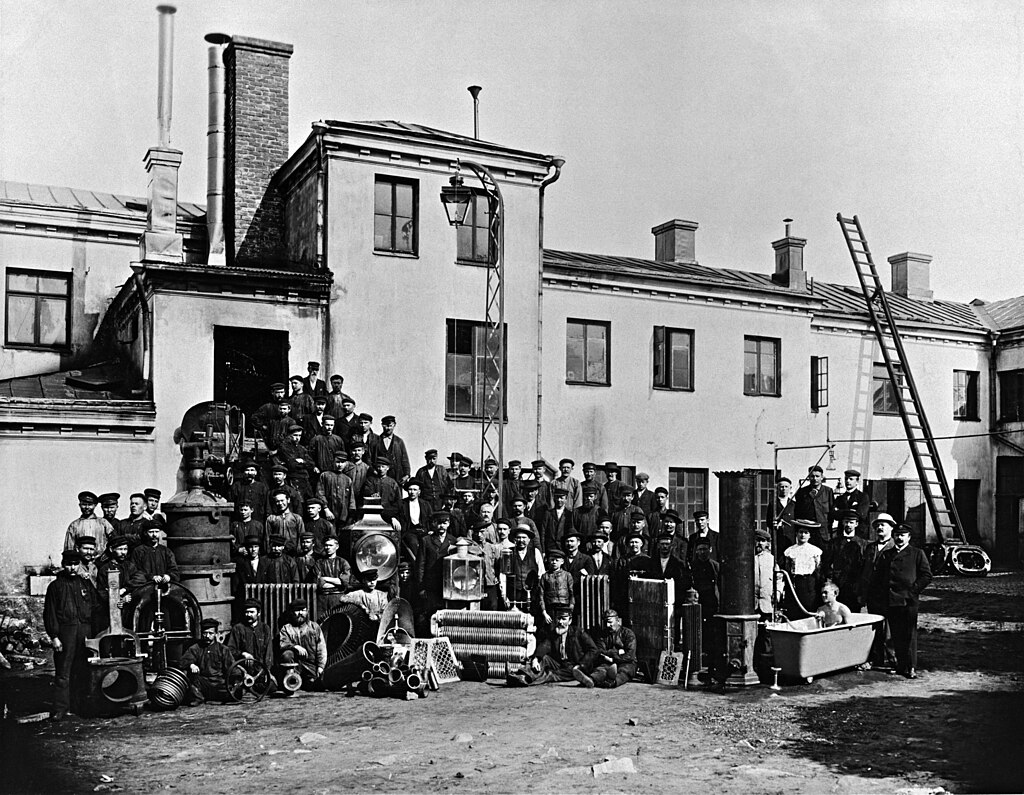
Workers who attempted to form unions once faced firing, intimidation, or even arrest. Employers viewed collective organization as a threat to business control. Over time, national laws recognized the right of workers to gather, negotiate, and advocate for better conditions. This change created a path toward fairer pay, safer environments, and balanced negotiations. Today union membership is a recognized choice, although it required years of conflict, persistence, and public support to gain legal protection.
5. The right to lunch breaks
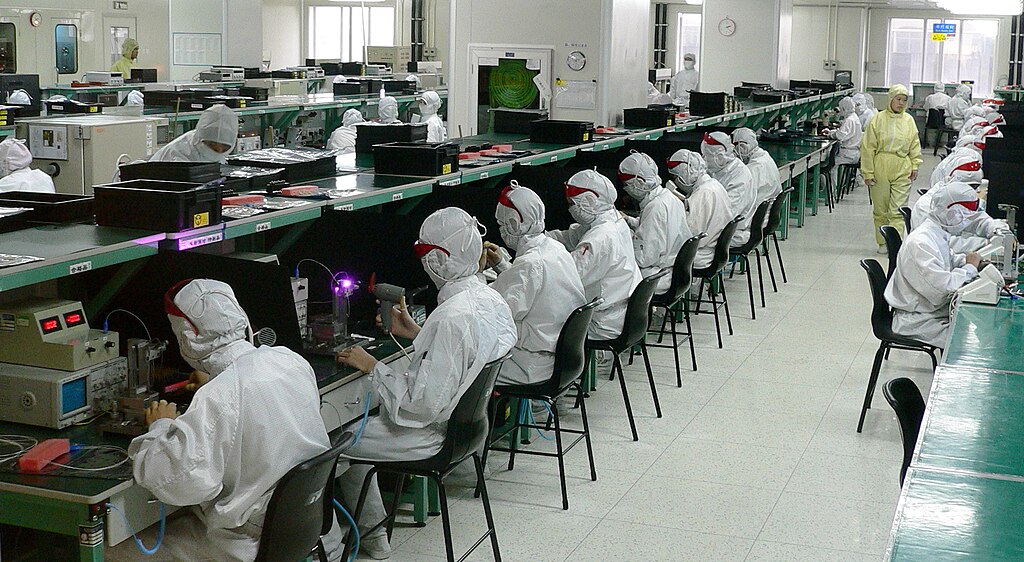
Long ago, workers often labored through entire days with little or no time for meals. Factories and farms frequently pushed nonstop production, ignoring basic human needs. Over time, reformers highlighted the harmful effects of such practices, leading to new rules that required employers to provide reasonable breaks. These protections improved health, morale, and productivity. Today, meal breaks are a normal part of the workday, yet they represent a significant step in recognizing the dignity and well being of employees.
6. The right to a two day weekend
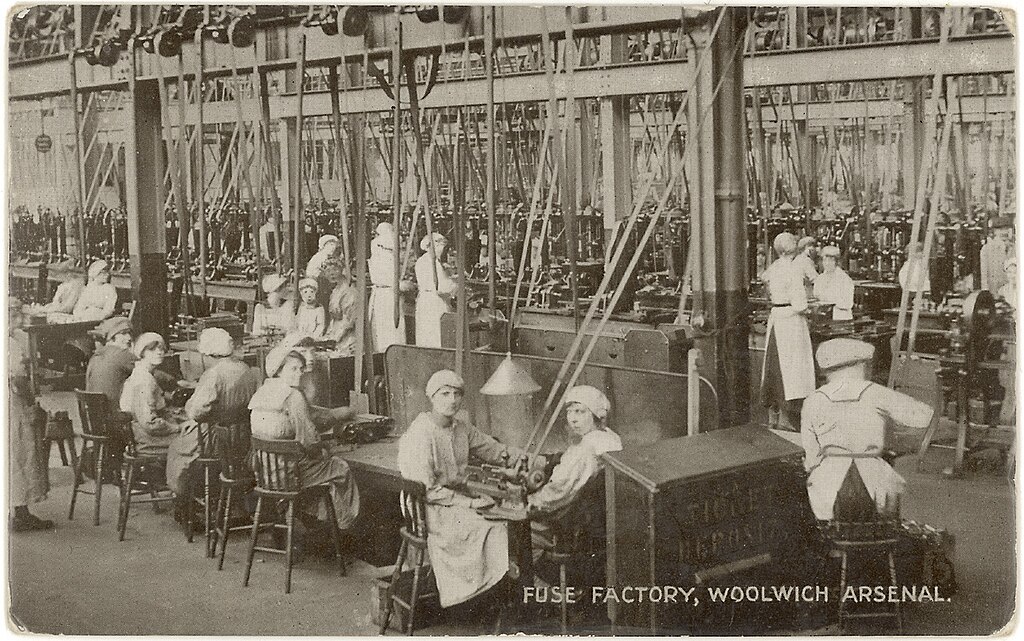
Early workers often labored six or seven days a week without regular rest. This relentless schedule left families with little time together and offered no opportunity for recovery. Reformers pushed for a balanced week that protected both personal and professional life. Over time, employers began adopting the two day weekend, and laws supported more reasonable schedules. Now weekends feel ordinary and essential, yet this shift marked a major achievement in improving quality of life for American workers.
7. The right to protection from child labor
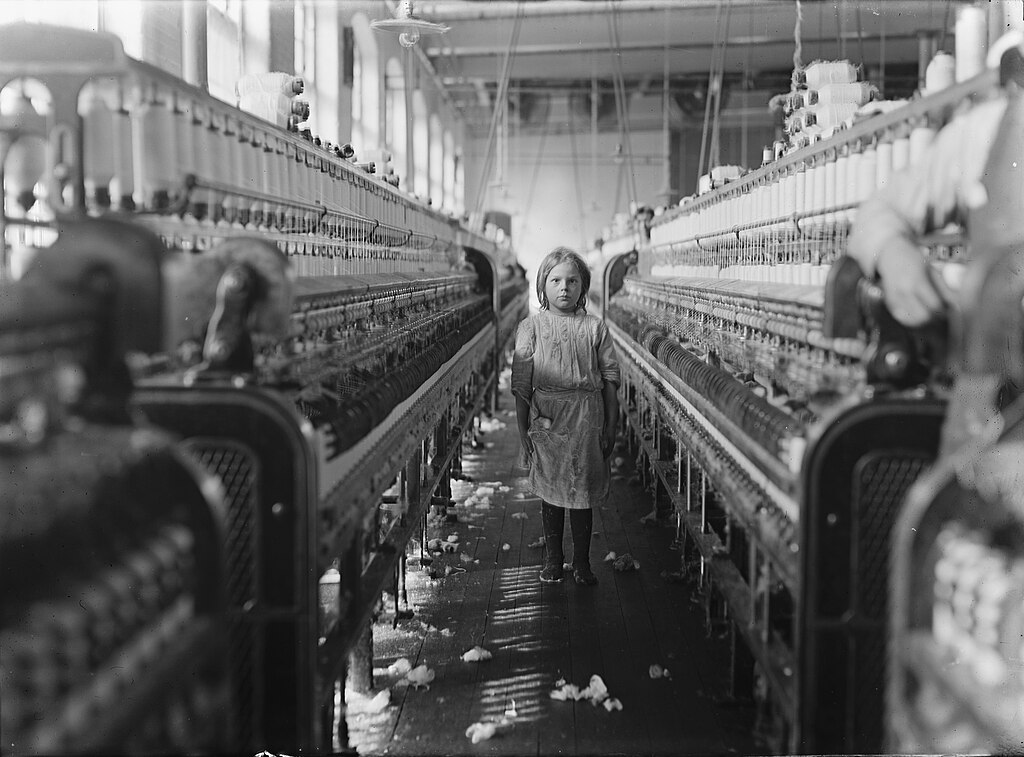
Children once worked long hours in mines, factories, and farms, performing tasks that were unsafe and far beyond their abilities. Families relied on this income, and employers took advantage of the situation. Over time, new laws restricted underage employment and emphasized education. This change allowed children to pursue learning and safer development. Today child labor protections feel unquestionable, yet they represent a hard fought victory for fairness, safety, and the future well being of young people.
8. The right to equal opportunity employment
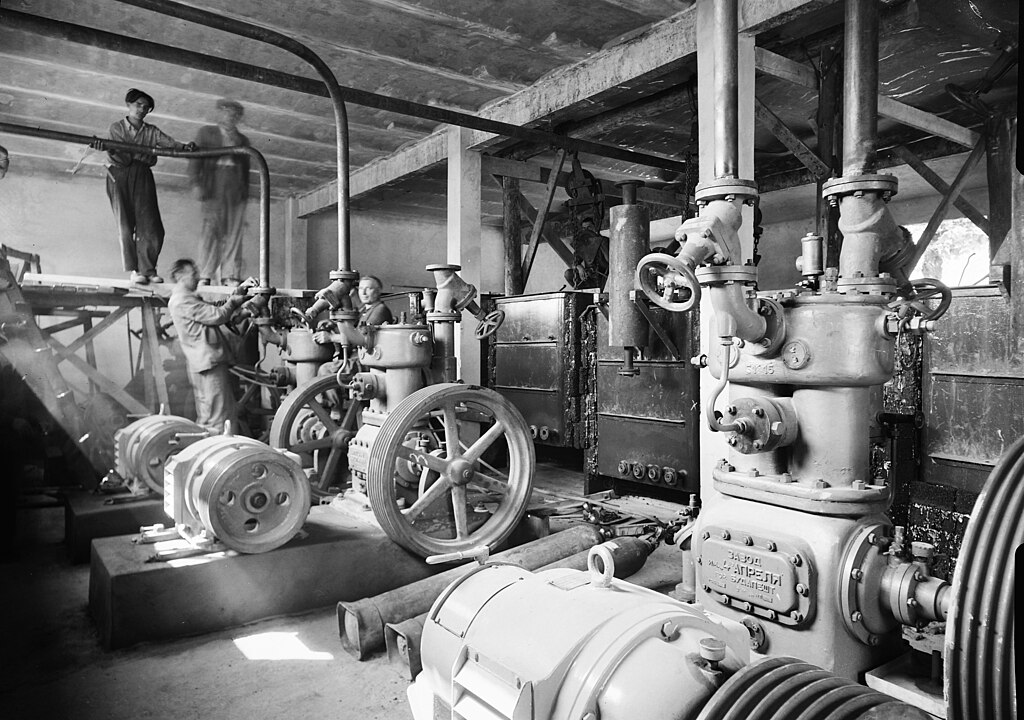
There was a time when workers could be denied jobs based on characteristics unrelated to their abilities. Over time, new laws established protections that emphasized fairness and condemned discriminatory practices. These reforms helped ensure that hiring decisions reflected qualifications rather than personal bias. Today equal opportunity standards guide workplaces across the country, supporting diversity and inclusion. This right reflects decades of advocacy and legal progress aimed at creating a more just labor environment.
9. The right to family medical leave
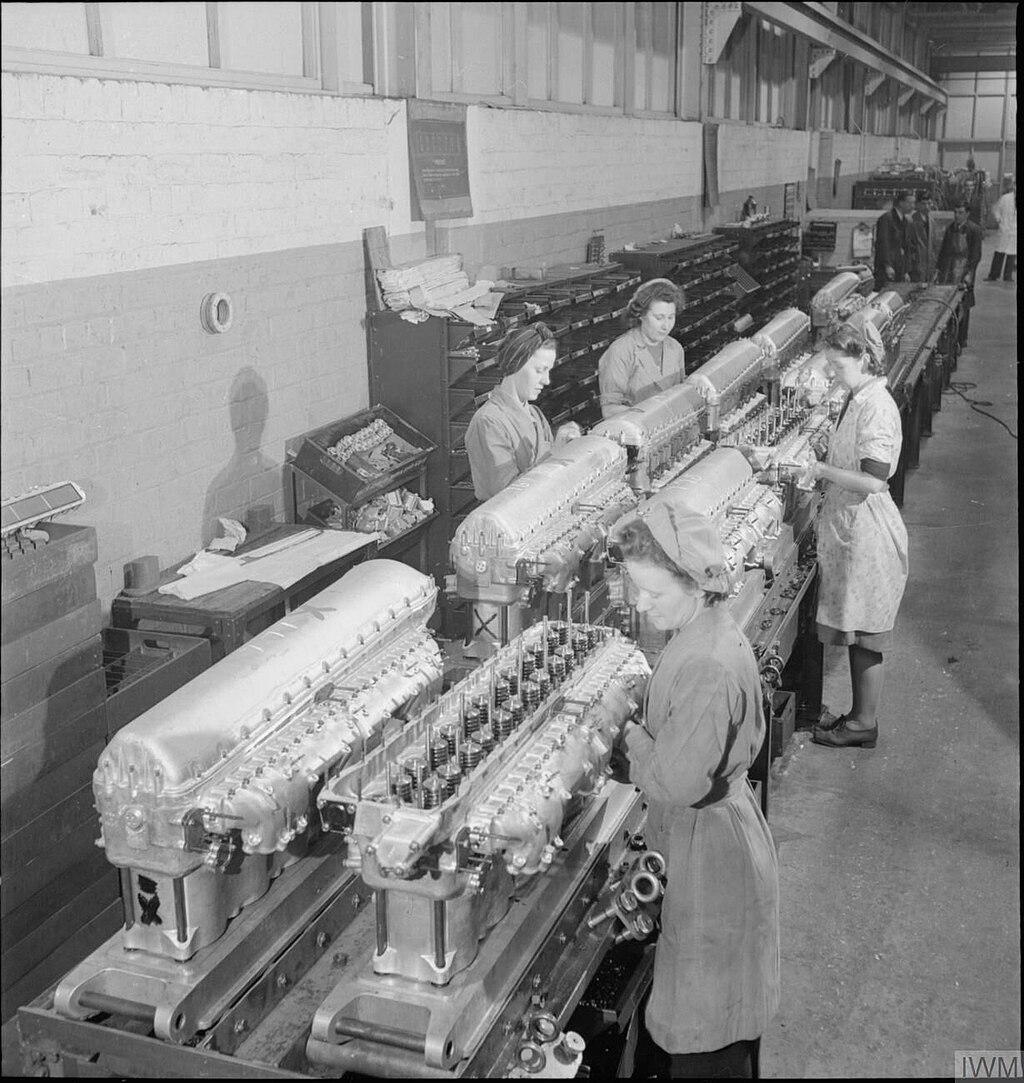
Workers once feared losing their jobs if they became ill or needed time to care for loved ones. Employers had no obligation to protect positions during absences. Over time, new policies recognized the need for flexibility and human compassion. Family medical leave allowed workers to take time away without risking employment. This shift supported families during important or difficult moments. Today these protections are considered essential, reflecting the nation’s growing recognition of health and family priorities.
10. The right to workplace privacy
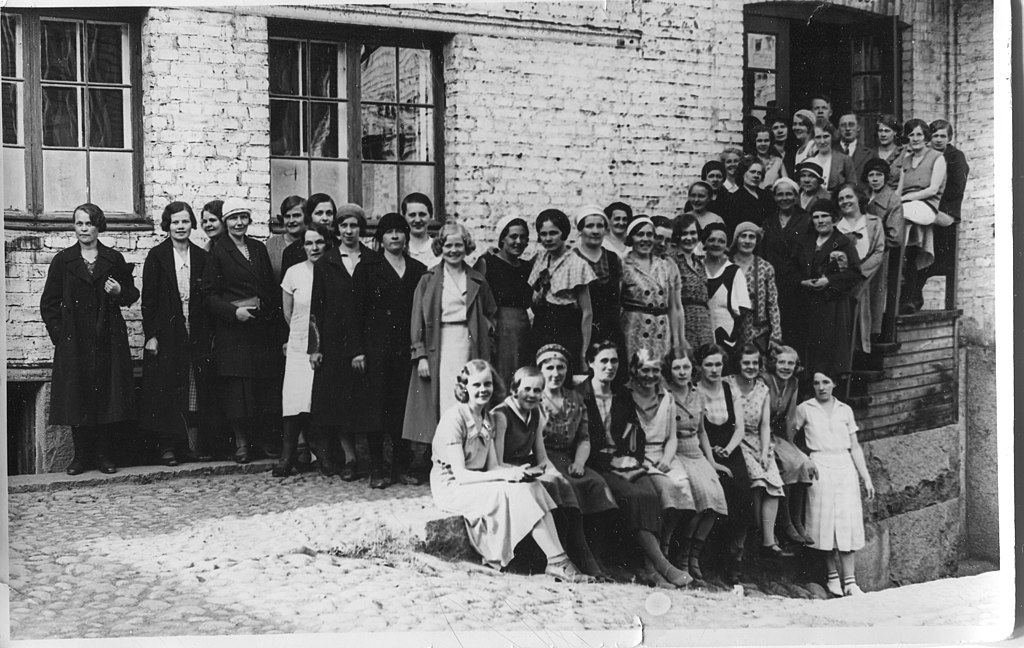
Earlier workplaces often allowed broad surveillance and limited boundaries between personal and professional life. Employers monitored workers in ways that would be considered intrusive today. Over time, new standards balanced company oversight with employee rights. Privacy rules protect personal information and outline acceptable monitoring practices. These changes help build trust and fairness within modern workplaces. Although expectations continue to evolve, the right to privacy now forms a crucial part of a respectful employment environment.
11. The right to complaint protections
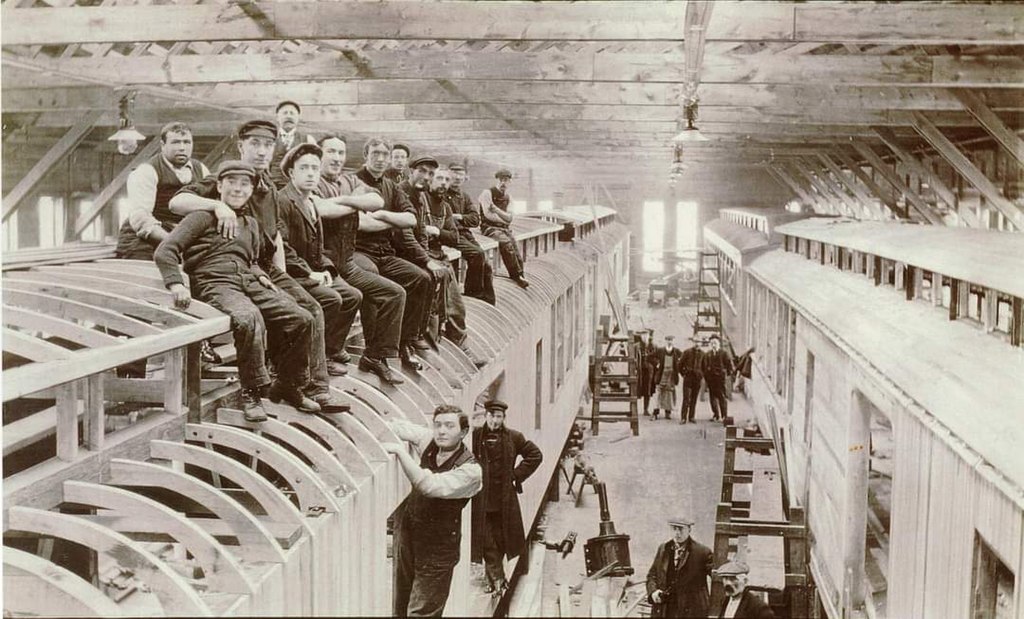
Workers who reported unsafe conditions or unfair treatment were once punished or dismissed without recourse. Fear of retaliation kept many silent. Over time, new laws introduced protections that encouraged reporting and safeguarded employees who spoke up. This shift improved accountability and strengthened workplace standards. Today whistleblower protections support transparency and fairness. They ensure that raising concerns is seen as an act of responsibility rather than a risk, fostering safer and more ethical environments.
12. The right to paid rest periods for certain roles
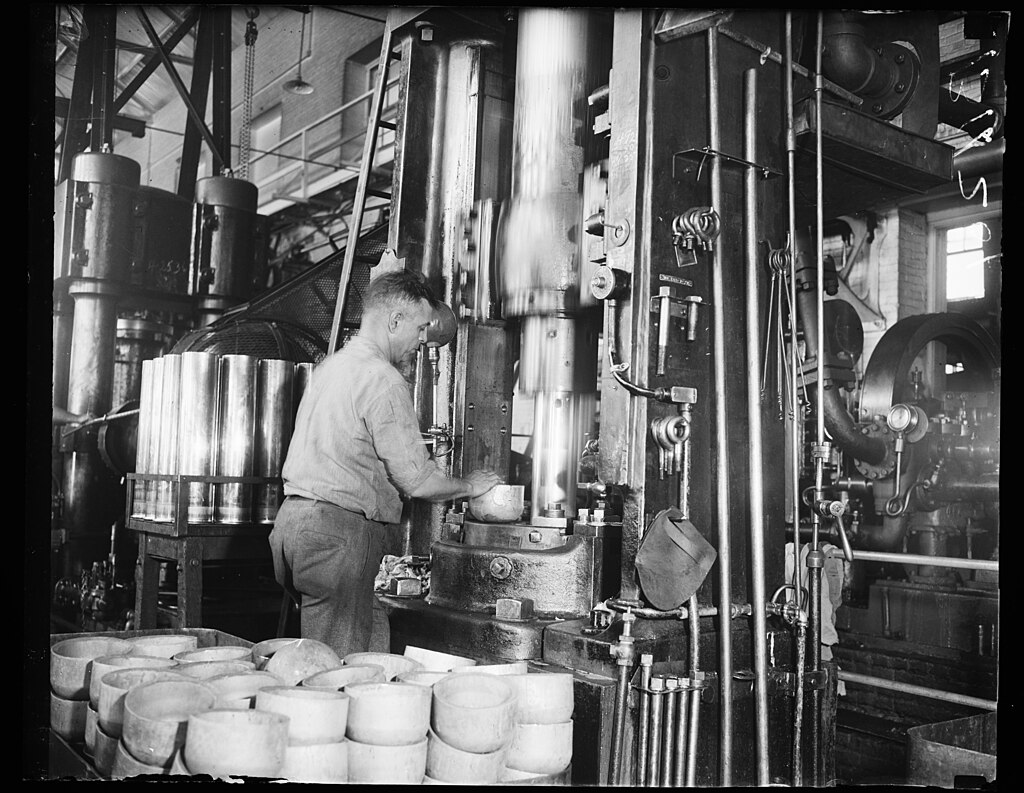
Many workers once spent entire shifts on their feet without any opportunity to rest. Physical strain caused long term health issues, and employers rarely considered the impact. Over time, regulations required rest periods for roles involving significant physical effort or continuous service. These rules recognized the connection between well being and productivity. Today rest periods are viewed as basic professional courtesy, yet they emerged from years of advocacy that emphasized human needs in the workplace.
These rights transformed American workplaces into safer, fairer, and more balanced environments. Each reform represents the efforts of workers who demanded dignity, protection, and better treatment. While these rights may seem ordinary today, they were built through decades of struggle and collective action. Understanding their history highlights how far labor protections have come and how important it is to continue supporting fairness and respect in every workplace across the nation.