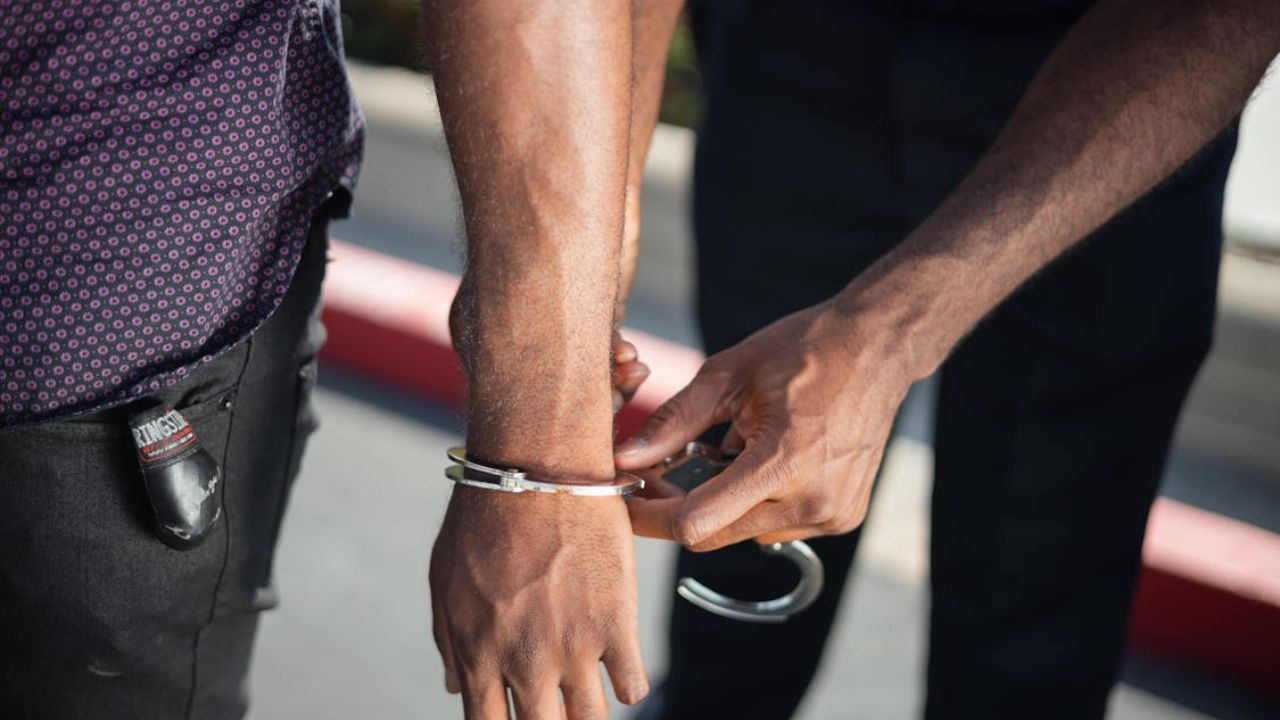
It’s easy to forget how much daily life has changed. Things we barely think about now, what we wear, who we love, what we read, even how we spend a Sunday, could once bring fines, jail time, or public humiliation. This gallery takes a stroll through ordinary modern behaviors that would have made the authorities very interested in you not that long ago.
1. Wearing Clothes Associated With Another Gender

Today, personal style is mostly seen as exactly that: personal. But for generations, cities across the U.S. enforced vague “masquerade” or anti-cross-dressing laws that let police arrest people simply for wearing clothing judged inappropriate for their sex.
Those rules were often used to harass women in trousers, performers, and especially LGBTQ+ people. In some places, police even applied unofficial standards about how many items of “male” or “female” clothing someone had to wear.
What now reads like ordinary self-expression could once mean jail, a fine, or being publicly shamed. Fashion wasn’t just fashion, it could be treated like a crime scene.
2. Marrying Someone of a Different Race

Interracial marriage is an ordinary fact of life now, but for a shocking stretch of American history, it was illegal in many states. So-called anti-miscegenation laws criminalized relationships and marriages across racial lines, and authorities sometimes prosecuted couples simply for trying to live openly.
These laws weren’t fringe oddities; they were deeply embedded in the legal system. Couples could be arrested, exiled from their home states, or have their marriages declared void.
It took the 1967 Supreme Court decision in Loving v. Virginia to strike down those bans nationwide. Before that, falling in love with the “wrong” person could make you a lawbreaker.
3. Buying Birth Control

Picking up contraception at a pharmacy now feels routine for millions of people. But in the 19th and early 20th centuries, strict obscenity laws in the U.S., especially the Comstock laws, treated contraceptives and even information about them as immoral and illegal.
That meant selling, mailing, advertising, or sometimes even discussing birth control could lead to arrest or prosecution. Doctors, activists, and ordinary women all risked legal trouble for trying to control their own reproductive lives.
The idea that family planning products could be contraband sounds bizarre today. Yet for a long time, a purchase we barely blink at now was treated like trafficking in vice.
4. Reading Material Deemed Obscene

These days, people read spicy novels, controversial memoirs, and all sorts of material on their phones without much fuss. In earlier eras, though, books, magazines, and pamphlets considered obscene could be seized, banned, and used as evidence in criminal cases.
Authorities often cast a very wide net. Literature, art, sex education materials, and even serious novels could be labeled dangerous to public morality depending on the time and place.
That meant owning, selling, or distributing the wrong reading material might bring a police visit instead of a book club debate. What now feels like private taste was once tangled up with censorship and criminal law.
5. Working on a Sunday

The seven-day workweek is normal now, and lots of people shop, serve brunch, answer emails, or pick up shifts on Sundays. But for centuries, “blue laws” restricted what people could buy, sell, or do on Sundays in the name of religious observance and public order.
In some places, opening a business, performing certain labor, or even engaging in recreation could lead to fines or arrest. Enforcement varied, but the message was clear: the state had opinions about how your Sunday should look.
Many blue laws faded or were narrowed over time, though a few traces still survive. Still, the idea that punching a clock on Sunday could land you in trouble is very real history.
6. Living With Your Partner Before Marriage

Cohabitation is now so common that it barely registers as scandalous in most places. In the past, however, unmarried couples living together could be prosecuted under fornication, adultery, or cohabitation laws, depending on local statutes and how determined officials were to make an example of them.
These laws were about more than romance; they were tools for enforcing a narrow moral order. Neighbors, landlords, or family members could trigger scrutiny just by reporting what looked like an improper household.
So yes, the very modern arrangement of splitting rent with your partner and arguing over whose turn it is to buy groceries could once carry genuine legal risk.
7. Having a Same-Sex Relationship

For many people today, being in a same-sex relationship is simply part of everyday life. But for most of modern history, laws against sodomy and other morality offenses gave police broad power to arrest, surveil, and intimidate LGBTQ+ people for consensual relationships.
These laws were often enforced unevenly but brutally. Raids, public exposure, jail time, and ruined livelihoods were common features of queer life in many places.
The legal landscape changed slowly and painfully, and not that long ago. What now looks like a normal date night, shared apartment, or anniversary post could once have been treated as criminal evidence.
8. Using Marijuana Recreationally

Cannabis is legal for recreational use in a growing number of places, and dispensaries can feel as polished as upscale boutiques. But in earlier periods, and still in many jurisdictions, possessing even a small amount could result in arrest, jail, and a criminal record that followed people for years.
The crackdown intensified in the 20th century, when drug laws became more punitive and enforcement hit some communities much harder than others. Something as minor as a joint in a pocket could trigger a life-altering encounter with police.
That sharp contrast is what feels so jarring now. In one era it’s a purchase with a receipt; in another, it’s grounds for handcuffs.
9. Gambling Casually for Fun

Today, people join fantasy leagues, play poker apps, place sports bets, or spend a weekend in Las Vegas without much cultural shock. In many earlier periods, though, gambling laws were strict enough that a card game, wager, or betting operation could quickly become a police matter.
The exact rules depended on where you were, but authorities often targeted public gaming, unlicensed betting, and informal gambling houses. Even low-stakes play could be framed as vice, disorder, or corruption.
That makes modern casual betting feel like a dramatic shift in attitude. What’s now marketed as entertainment was once a shortcut to a raid, confiscated cash, and a court appearance.
10. Going Shirtless at the Beach

A shirtless day at the beach seems almost too ordinary to mention, unless you’re thinking historically. In the early 20th century, men could be cited or arrested in some places for appearing topless in public, because bathing-suit rules were tightly policed and standards of decency were very specific.
Beach inspectors in some cities literally measured swimwear and checked whether too much skin was showing. Public leisure came with a dress code, and violating it could mean fines, removal from the beach, or arrest.
That history is a good reminder that “normal” bodies in public are surprisingly political. Even something as simple as catching some sun has had a legal backstory.
11. Protesting in the Street
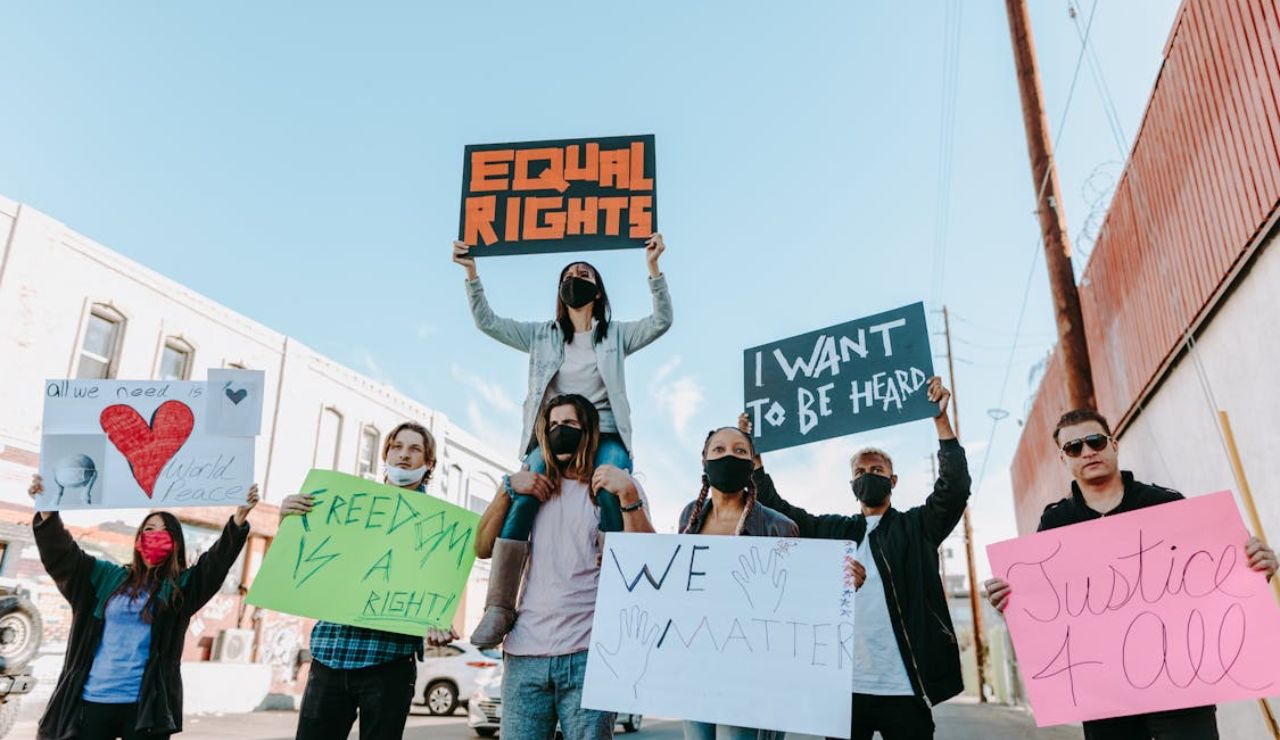
Public protest is now understood as a core democratic act, even if it still draws conflict. But in many periods, gathering in the street, criticizing the government, or demanding labor and civil rights could get people arrested under broad laws covering unlawful assembly, disorderly conduct, or sedition.
Workers, suffragists, civil rights activists, and antiwar demonstrators all faced this reality. Authorities often treated public dissent not as civic participation but as a threat to order.
That’s why old photographs of marches can feel so charged. The people holding signs were not just making statements; they were often risking jail for doing something many now see as a basic freedom.
12. Keeping the Wrong Hairstyle

Hair seems like one of the most personal choices a person can make, but history says otherwise. Across different times and places, governments and institutions have policed hairstyles as signs of morality, class, race, religion, or rebellion, sometimes using actual criminal penalties to enforce conformity.
Long hair on men, short hair on women, natural Black hairstyles, and culturally specific grooming choices have all been targeted in different legal and social regimes. Sometimes the punishment came through direct arrest; other times it was enforced through schools, workplaces, or police harassment.
So while a haircut now may feel like pure self-expression, it has often been treated as a public statement authorities thought they had the right to regulate.