
Early America was governed by rules that might seem bizarre or extreme by modern standards. Many of these laws reflected the values, fears, and social norms of the time, but today they often sound shocking, humorous, or even unfair. From strange restrictions on daily behavior to unexpected punishments, these forgotten laws reveal how society once tried to control everything from morality to public safety. Here are twelve everyday laws that would surprise anyone living in the 21st century.
1. The Kissing Ban That Could Cost You a Fine
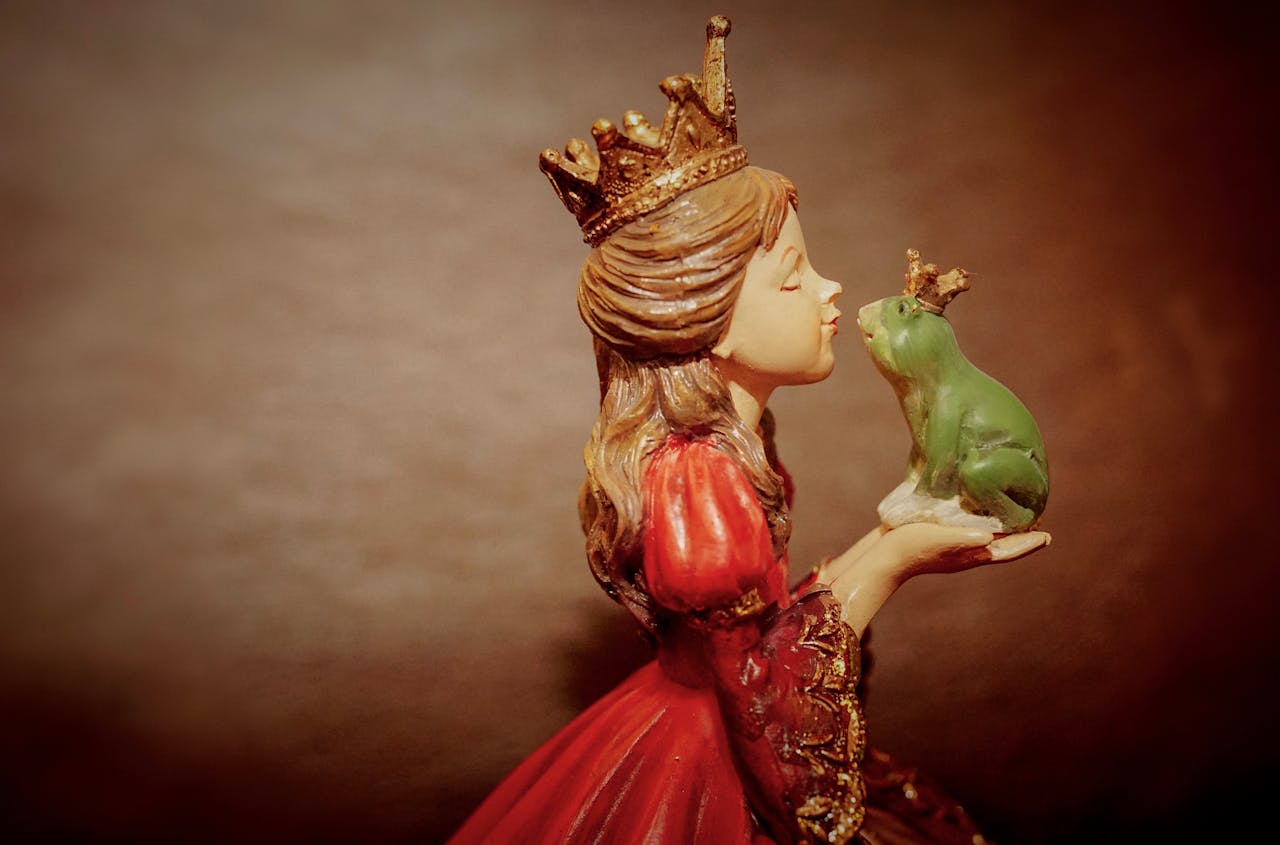
In some colonial towns, public displays of affection were strictly regulated. Kissing on Sundays could result in fines or public reprimand. These laws aimed to preserve religious decorum, reflecting the Puritan belief that Sundays were solely for worship and spiritual reflection. Though it seems absurd today, violations were considered a moral offense. Such regulations highlight how deeply religion and community standards once governed even the most personal interactions in early America.
2. Forced Church Attendance or Face Punishment
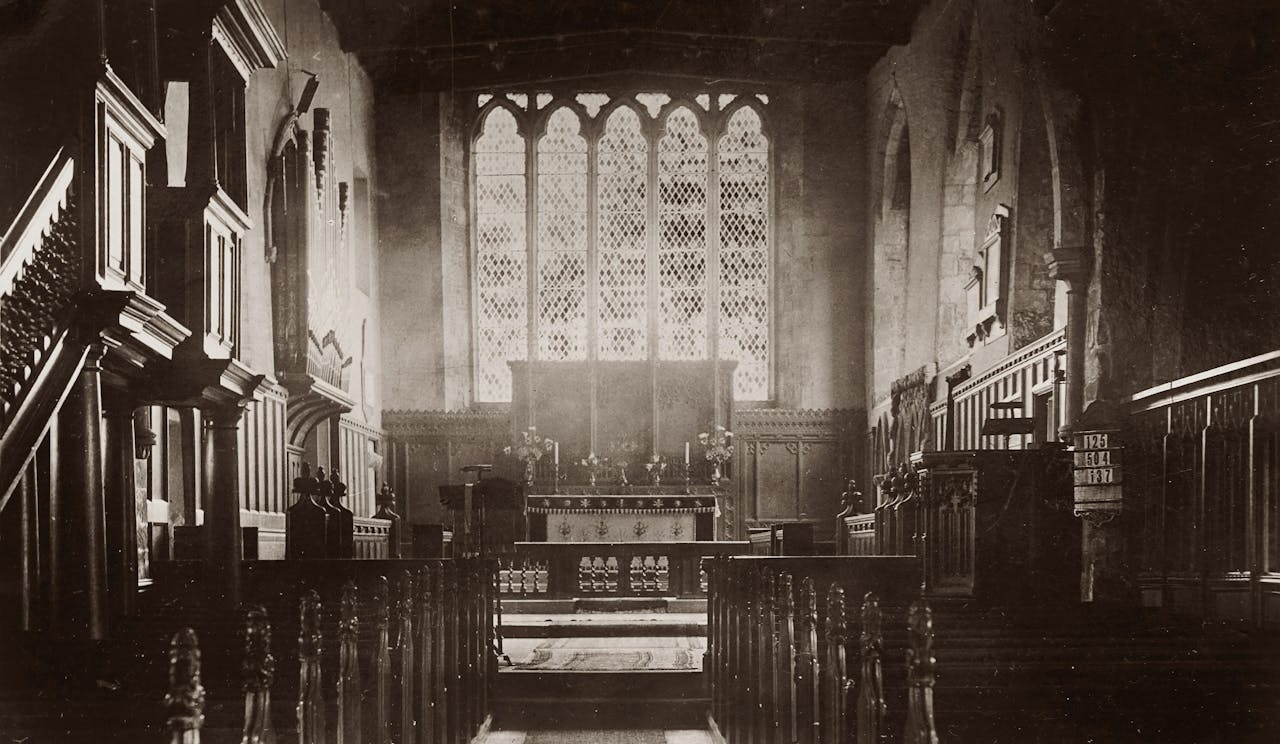
In many early New England communities, citizens were required to attend church services regularly. Failure to do so could result in fines, public shaming, or even imprisonment. These laws reinforced religious conformity and social cohesion, ensuring that moral instruction remained central in everyday life. The legal enforcement of spirituality may seem shocking now, but it underscores how intertwined religion and governance were in shaping early American communities and expectations.
3. Public Drunkenness Could Land You in Stocks
Public intoxication was illegal in many early American towns, and offenders faced fines, whipping, or time in stocks. Authorities sought to maintain public order and moral behavior, believing drunkenness led to crime and disorder. Taverns were common gathering places, but even there, drunken behavior could bring legal consequences. These laws demonstrate how early society attempted to legislate morality and public conduct in ways that feel extreme compared to modern approaches.
4. Masks Were Forbidden in Public

Some colonial towns forbade wearing masks or disguises in public, even during celebrations, unless approved for special events. Authorities feared masks could conceal criminal activity or disrupt social order. While today masks are worn for fun or health reasons, back then violating this law could result in fines. The regulation shows the early emphasis on transparency and accountability in social interactions, prioritizing safety and moral behavior over personal freedom.
5. Children Had to Obey Strict Curfews
Many early American towns imposed curfews on children, requiring them to be indoors by a specific hour. Violations could result in punishment for the child or their parents. These laws aimed to protect youth, prevent crime, and ensure that families adhered to societal norms. Today, curfews might exist in certain cities, but the strict legal enforcement of daily schedules in small towns reflects the high level of control local authorities exercised over family life and behavior.
6. Swearing in Public Could Get You Fined
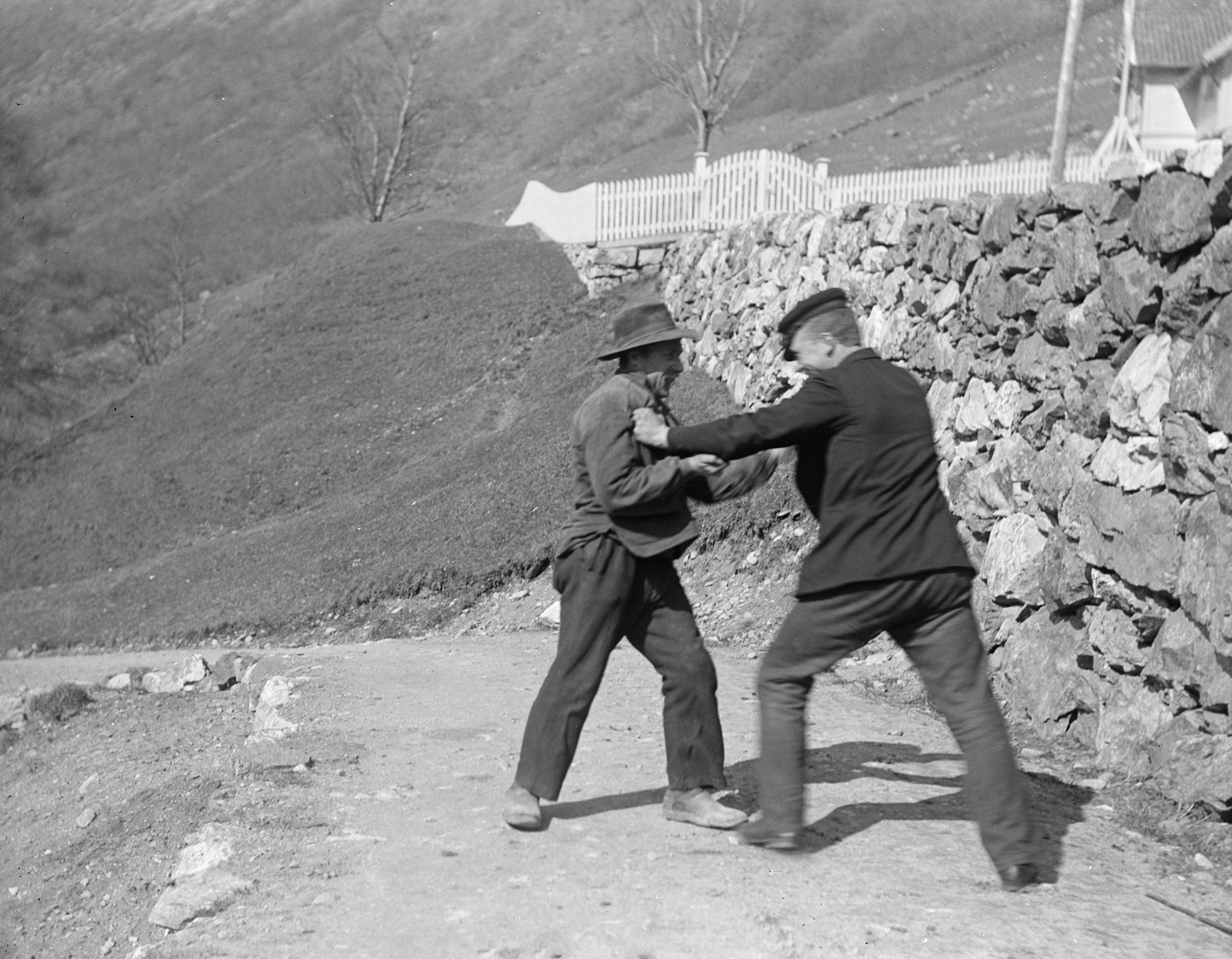
Profanity in public was often illegal, with fines or public humiliation as penalties. Authorities believed that swearing undermined moral character and could corrupt younger generations. Signs and public notices warned citizens about the consequences, making the law highly visible. While modern society generally tolerates language in public spaces, this law highlights the moral expectations and emphasis on decorum in early American communities.
7. Spitting on the Street Was a Crime

Early American towns often regulated sanitation strictly. Spitting on sidewalks or streets could result in fines, reflecting public health concerns and a desire for clean urban spaces. These laws aimed to prevent disease and maintain hygiene in growing towns. While seemingly trivial today, they show that civic responsibility and personal conduct were legally enforced long before modern public health systems existed.
8. Alcohol Sales to Native Americans Were Banned

Several early laws prohibited selling or giving alcohol to Native Americans, often under threat of fines or imprisonment. These rules were intended to prevent social conflicts and protect trade relations, but they also reflect the paternalistic and discriminatory attitudes of the time. The law highlights how early American legislation intertwined commerce, race, and morality in ways that seem shocking and unjust by today’s standards.
9. Gambling in Public Was Strictly Prohibited

Public gambling was illegal in many towns, with authorities fearing moral decay and social disorder. Penalties included fines, confiscation of property, or public shaming. Despite widespread interest in card games and lotteries, the law sought to regulate both behavior and public morality. Today gambling is largely legal and regulated differently, showing how societal values and perceptions of vice have evolved over time.
10. Everyone Had to Help Fight Fires
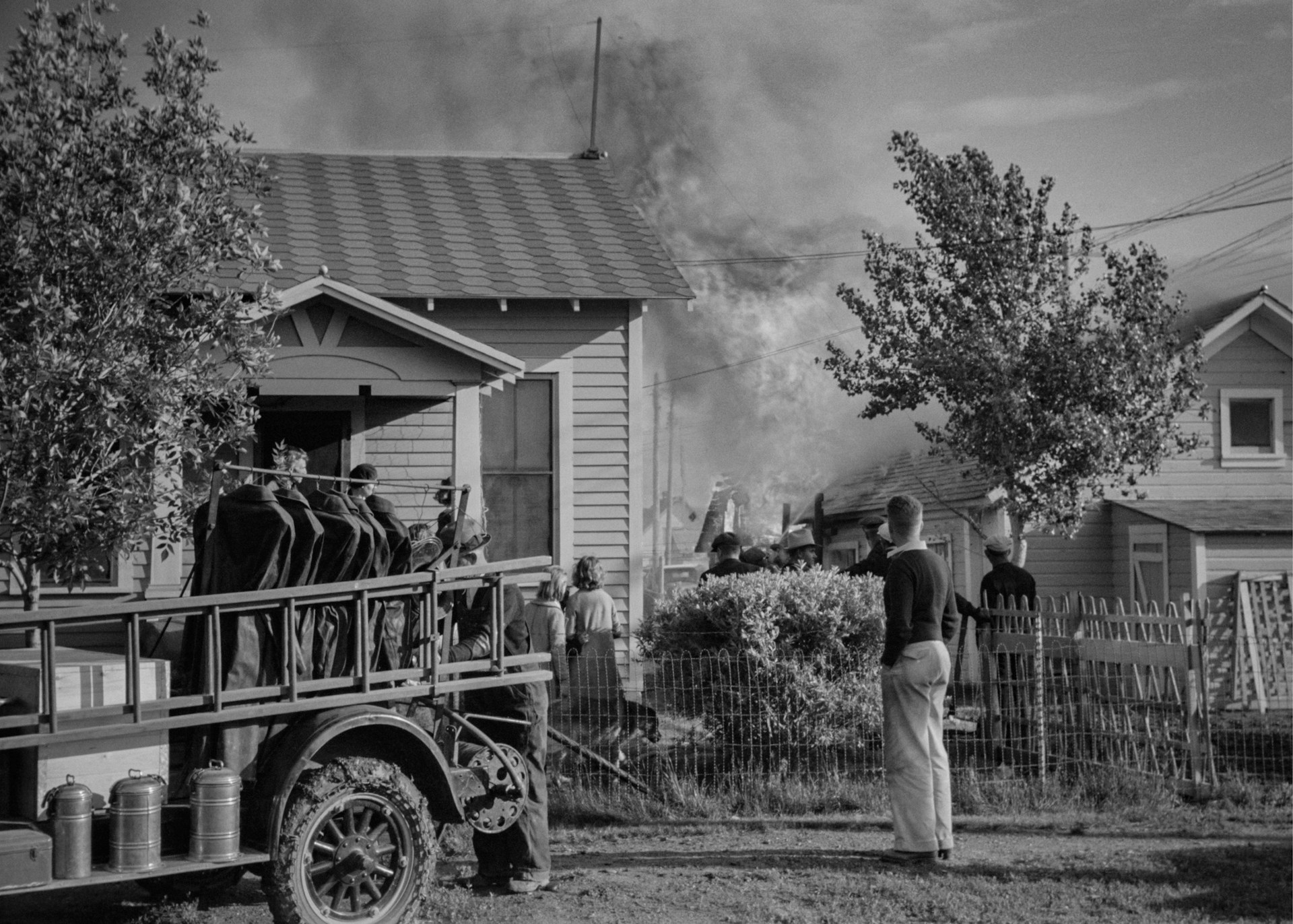
Many towns required residents to participate in firefighting efforts. Failure to comply could result in fines or legal penalties. These laws arose because early communities had no professional fire departments, relying on citizens to protect shared property. The obligation reflects the communal responsibilities expected of citizens, a sharp contrast to modern professionalized emergency services where participation is voluntary and specialized.
11. Wearing Bright Colors Could Get You in Trouble

In certain Puritan communities, wearing bright or extravagant clothing was forbidden, as it was considered a sign of vanity or moral corruption. Violators could be fined or publicly shamed. These laws enforced modesty and simplicity, reflecting societal priorities over personal expression. Today fashion is largely unrestricted, making these laws sound peculiar, yet they illustrate the level of control early authorities sought over daily life and appearance.
12. Selling Goods on Sundays Was Illegal

Many towns prohibited commercial activity on Sundays, with merchants risking fines for violating the law. The intent was to maintain a day of rest and worship, reinforcing religious observance. Even essential trades were often restricted, showing the emphasis on spirituality over convenience or commerce. While modern society separates business and religious practice, this law underscores how religion shaped daily routines, commerce, and social expectations in early America.
These early American laws may seem strange or even laughable today, but they offer insight into the values, priorities, and concerns of the time. They remind us that what is considered normal or acceptable changes dramatically over centuries, and society’s rules are always a reflection of the culture that creates them.