The 1990s were a transitional decade between analog traditions and the digital revolution. Life was full of quirks and habits that felt normal at the time but now seem outdated or even bizarre. From technology use to fashion choices, many routines from that era would leave today’s generation wide-eyed. These twelve everyday habits from the 90s show just how much life has changed.
Rewinding VHS Tapes Before Returning Them

Renting movies from Blockbuster or the local video store was a weekend ritual, and one rule was clear: tapes had to be rewound. Stores often charged a fee if you returned a VHS without rewinding it. Today’s streaming services make the concept of rewinding completely obsolete. The simple act of waiting for a tape to rewind would shock younger viewers used to instant play.
Using Payphones to Call Home
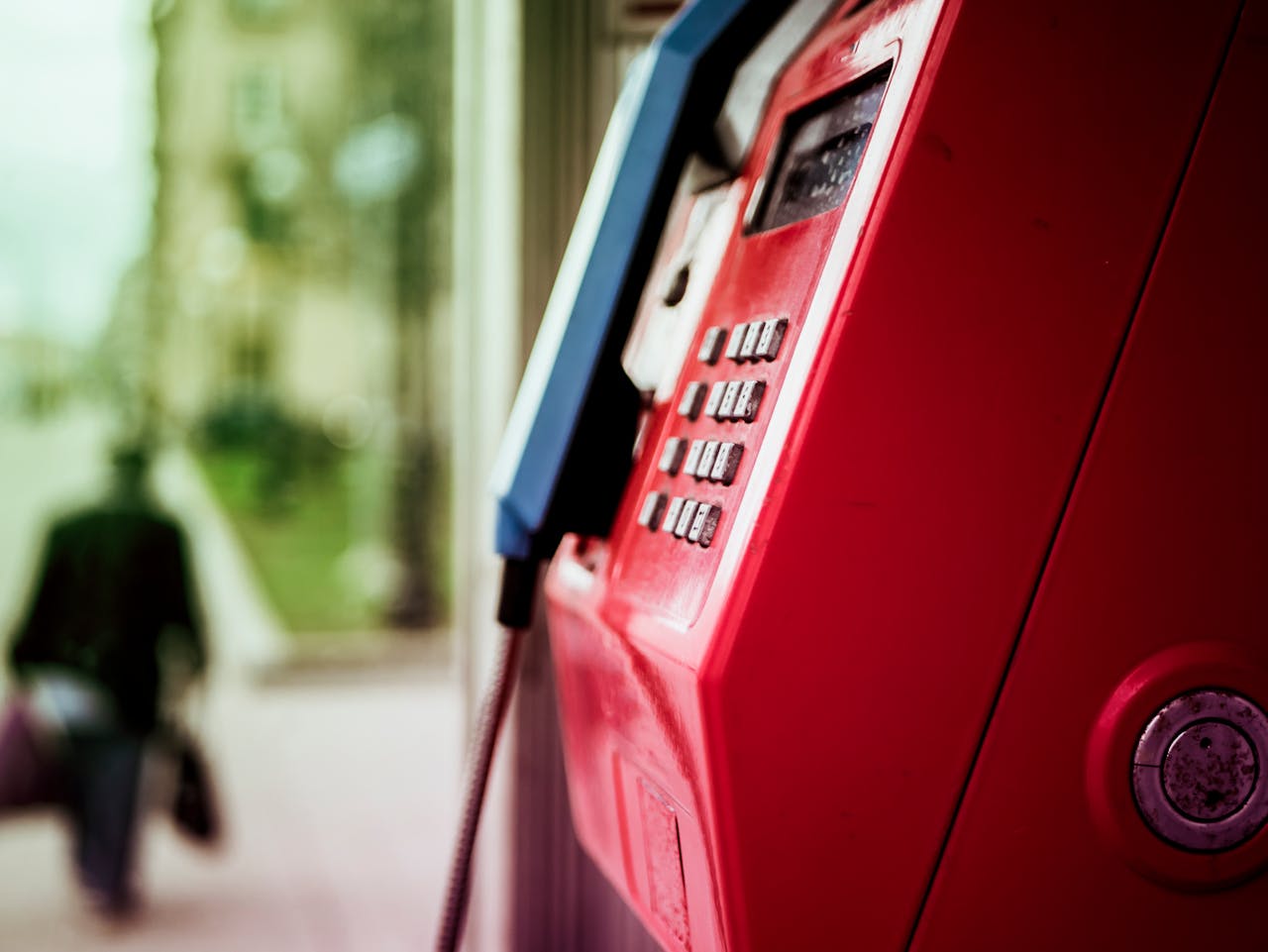
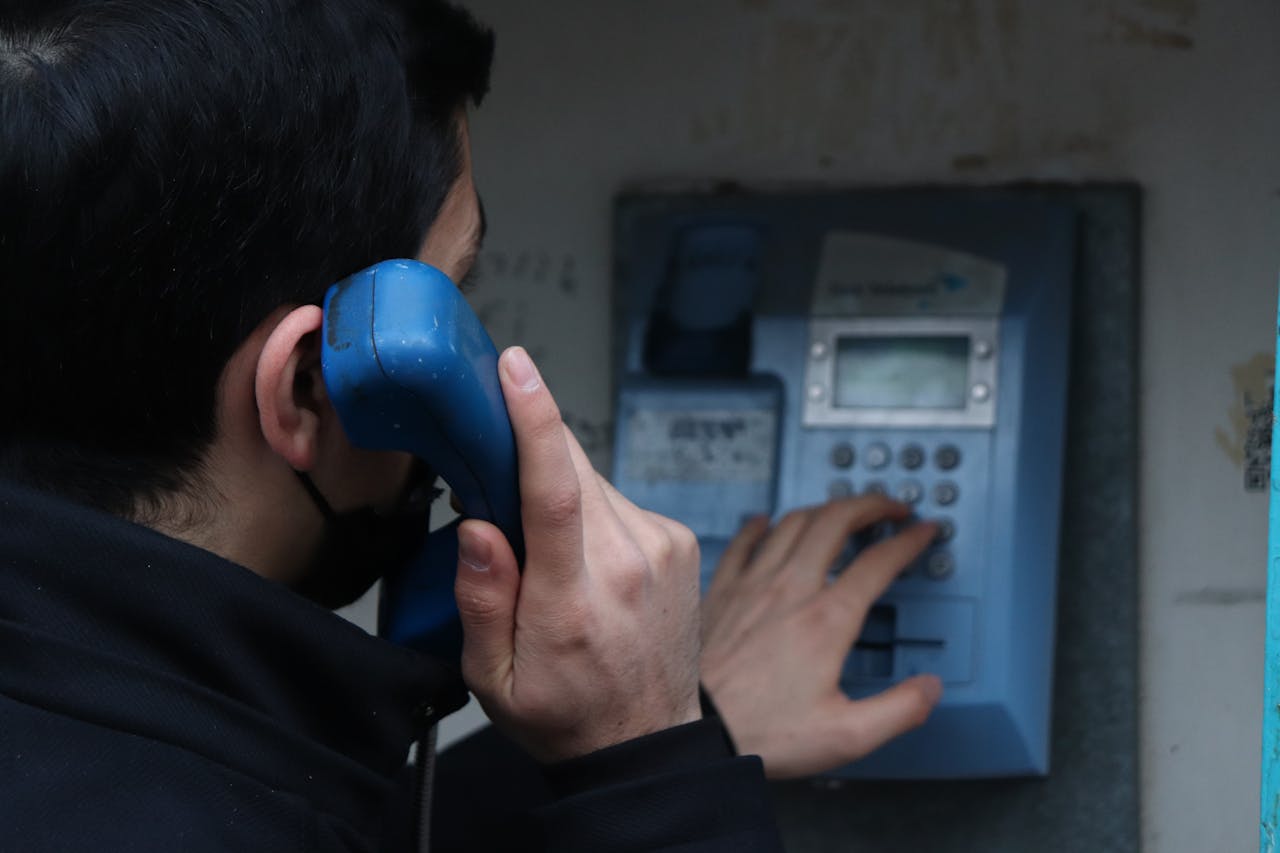
Before cell phones were common, kids and teens relied on payphones to call their parents for a ride. Coins or calling cards were essential, and long-distance charges were a constant worry. Today, with mobile phones in nearly everyone’s pocket, payphones have all but disappeared. The inconvenience of finding change and waiting in line for a phone seems unimaginable now.
Burning CDs for Music Collections

In the 90s, creating a custom playlist meant hours spent burning songs onto blank CDs. Friends often exchanged burned discs, complete with hand-drawn covers. Today’s streaming platforms allow instant playlist creation with millions of songs available at once. The slow, manual process of curating music would feel foreign to anyone raised in the digital age.
Carrying Beepers and Pagers
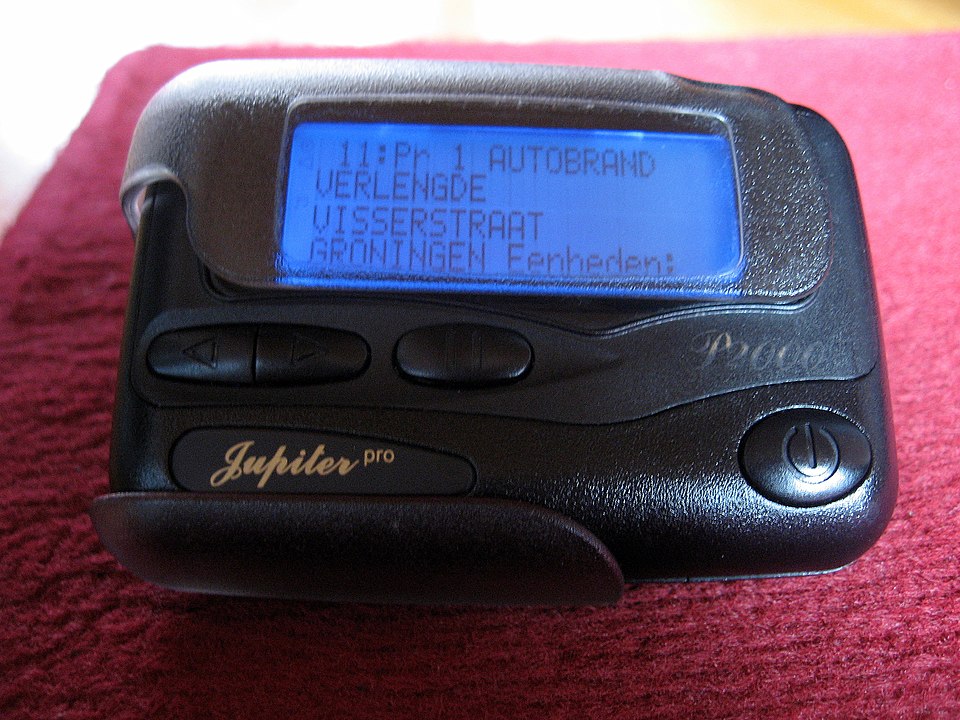
Before text messages became widespread, beepers and pagers were popular for staying in touch. People received numeric codes or short messages, often prompting them to find a phone and call back. Today’s smartphones make such devices completely unnecessary. Carrying a separate gadget just to receive a message would surprise anyone used to modern convenience.
Developing Film for Photos
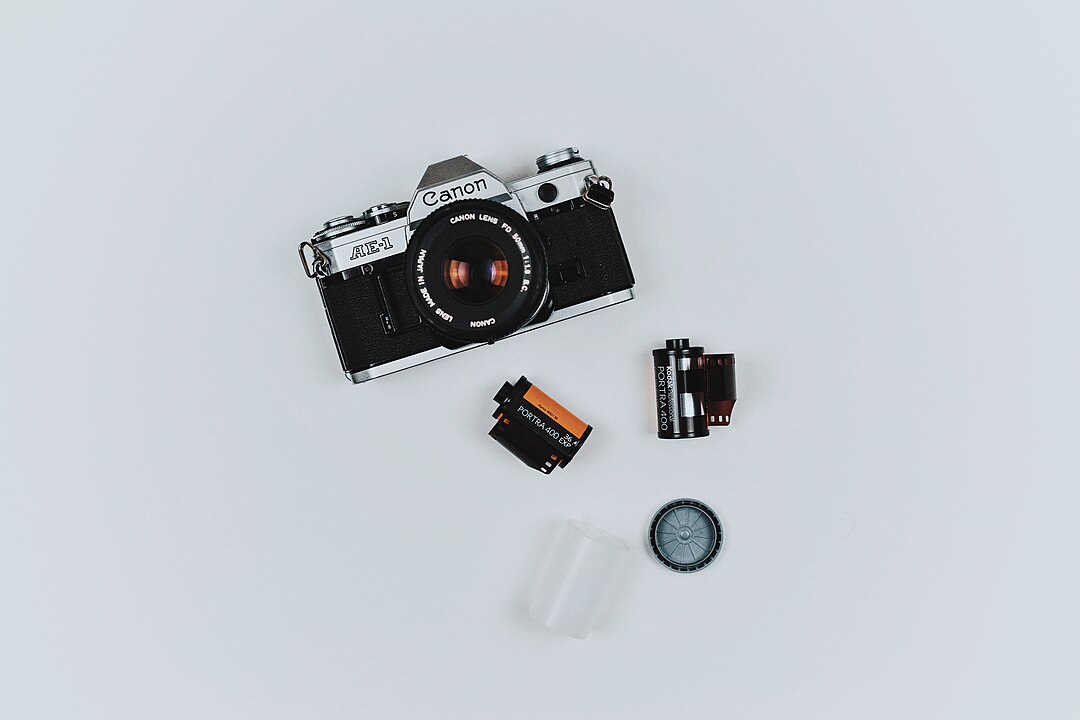
Taking pictures in the 90s meant using film cameras, dropping rolls off at a photo lab, and waiting days for them to be developed. The suspense of not knowing how the photos turned out was part of the experience. Today, instant digital previews and editing tools make photography immediate and precise. The patience required for film would shock anyone accustomed to instant gratification.
Dial-Up Internet Connections
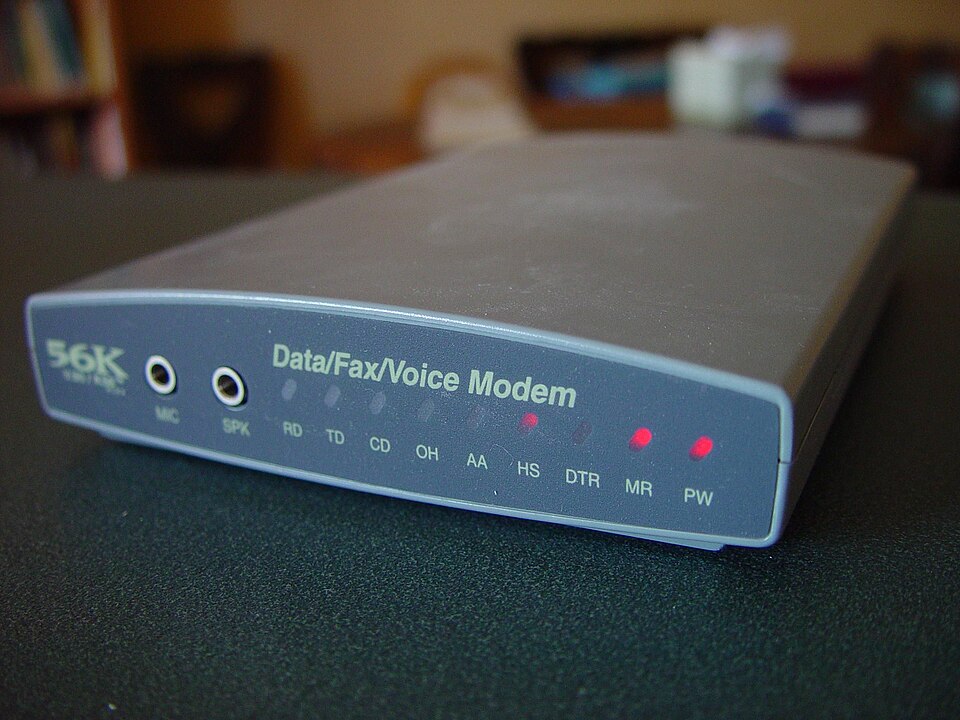
Connecting to the internet in the 90s involved dial-up modems that tied up the home phone line. The screeching sounds and long waits were part of daily life online. Today’s high-speed Wi-Fi makes such delays unimaginable. The idea of waiting minutes just to check an email would frustrate modern users.
Printing Out MapQuest Directions
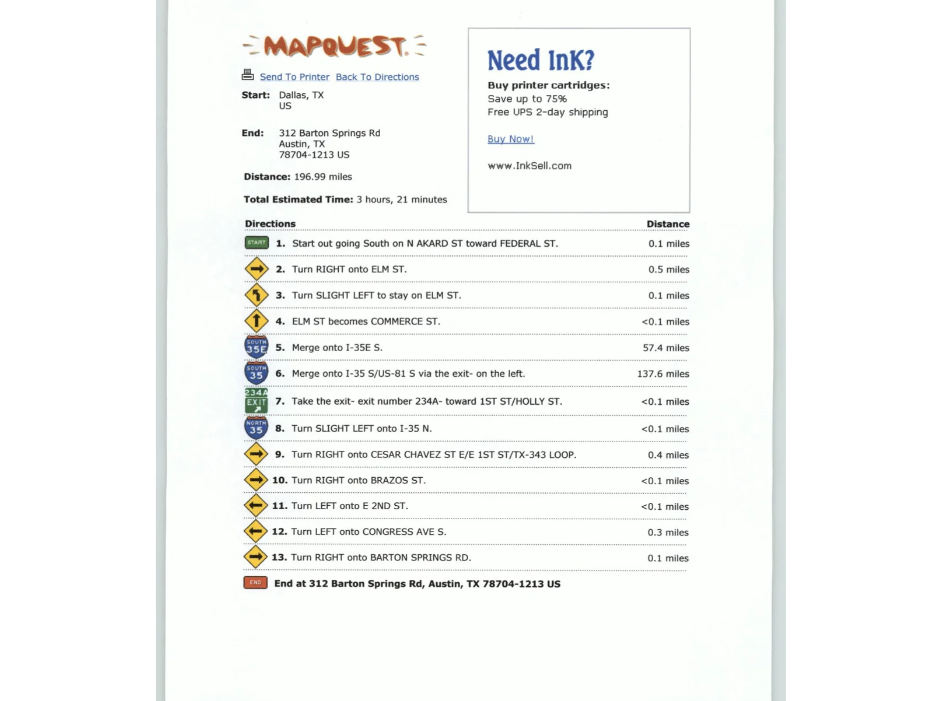
Before GPS and smartphones, travelers printed directions from MapQuest to navigate to new places. Pages of turn-by-turn instructions were kept in the car, and a wrong turn often meant confusion. Today’s real-time navigation apps adjust instantly to traffic or mistakes. The reliance on printed maps would astonish anyone who expects instant rerouting.
Chatting on Landline Phones for Hours
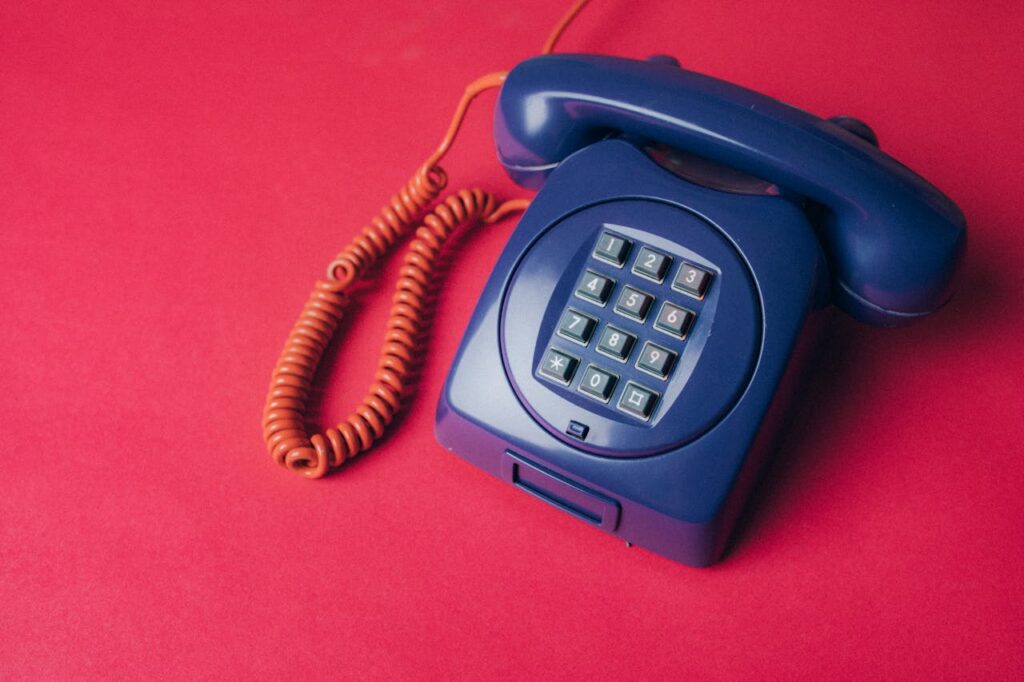
Teenagers in the 90s often spent hours talking on the family landline phone, sometimes tying up the only line in the house. Call waiting and long-distance charges were constant concerns. Today, mobile phones and messaging apps allow private, uninterrupted communication. The idea of waiting your turn to use the house phone would shock modern kids.
Recording Songs from the Radio
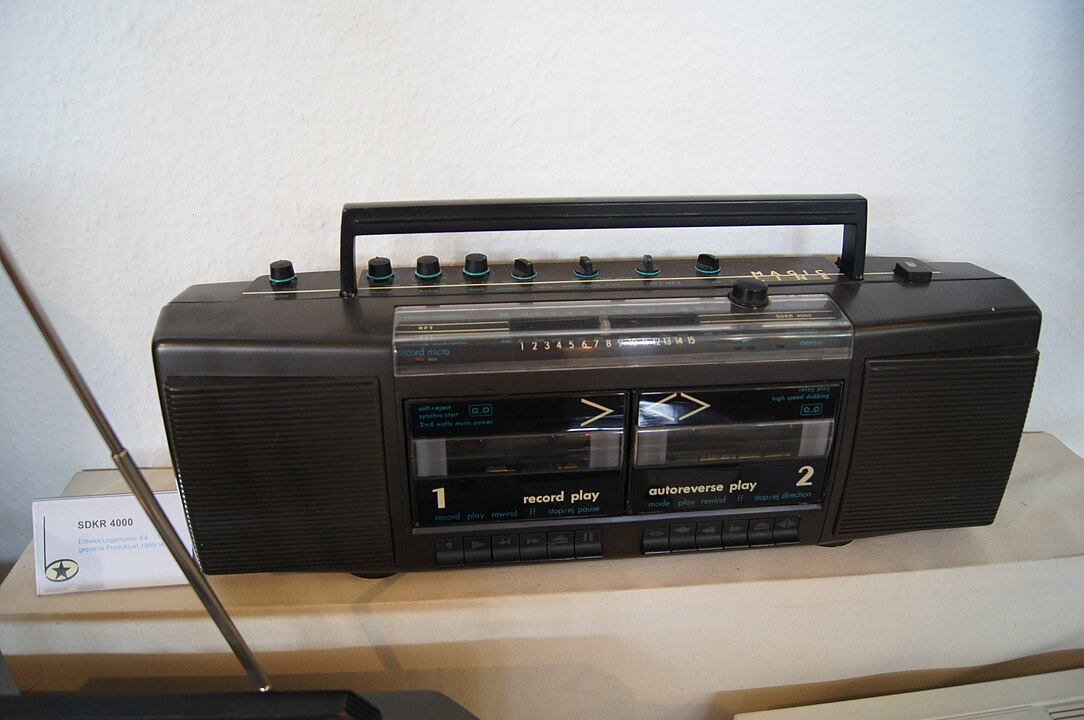
Creating a mixtape often meant sitting by the radio for hours, waiting to press “record” at just the right moment. Commercial interruptions and DJs talking over the intro were constant frustrations. Today, music is instantly available on-demand without the wait. The patience required to capture a single song from the airwaves feels almost unimaginable.
Smoking in Restaurants and Planes

In the 90s, smoking was still allowed in many public places, including restaurants and even airplane cabins. Non-smokers often had to endure smoky environments while dining or traveling. Today, smoking bans protect air quality in most public spaces. The idea of lighting up in a restaurant or on a plane would shock modern audiences.
Owning Encyclopedias for Research

Every family home seemed to have a set of encyclopedias, which were used for school projects and general knowledge. Researching meant flipping through heavy books rather than typing a question into a search engine. Today’s access to online information has made printed encyclopedias almost obsolete. The effort once required for simple facts would surprise younger generations.
Wearing Fanny Packs Everywhere
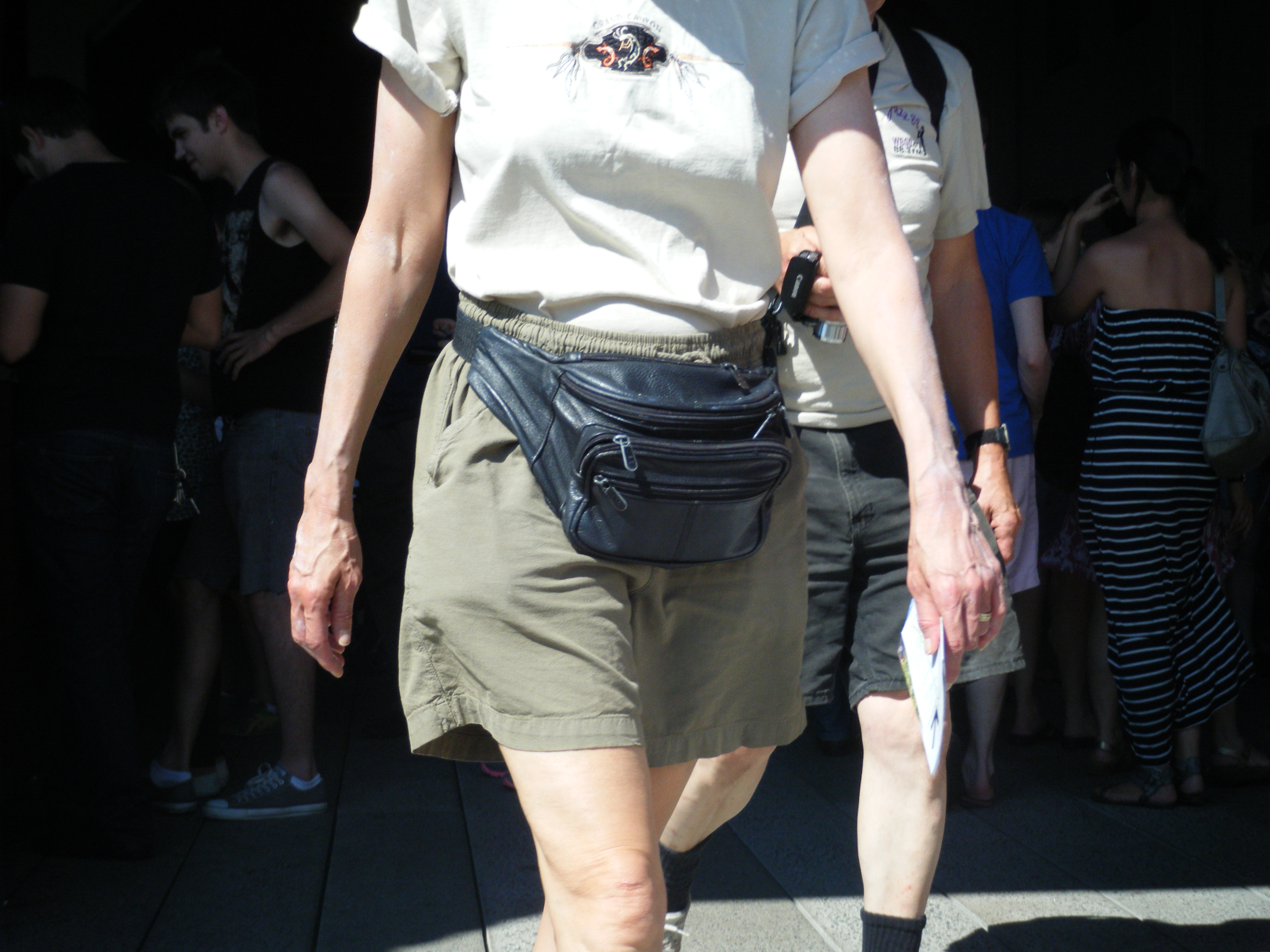
Fashion in the 90s included brightly colored fanny packs worn around the waist for convenience. Though they have made a comeback as retro accessories, at the time they were a staple for vacations and everyday use. Today’s sleek backpacks and crossbody bags have replaced them for most people. The bold, flashy styles of 90s fanny packs would draw laughs from modern fashionistas.