
The 1960s was a defining decade of freedom, change, and rebellion. Yet many habits that once seemed ordinary would now raise eyebrows or even break laws. From smoking on airplanes to lax parenting styles, daily life in the ’60s reflected a world less concerned with safety, equality, and social awareness than we are today. Looking back offers a fascinating glimpse into how much cultural norms have evolved.
Smoking Indoors Without a Second Thought

In the 1960s, smoking was practically a social ritual. People lit cigarettes in offices, restaurants, airplanes, and even hospitals. Television shows glamorized it, and cigarette ads featured doctors promoting brands. Today, strict smoking bans protect public health, and secondhand smoke is recognized as dangerous. What was once a symbol of sophistication is now a marker of poor health awareness.
Driving Without Seatbelts

Most cars in the 1960s didn’t have seatbelts, and those that did rarely saw them used. Children rode unrestrained in the back seats, sometimes even standing or playing during drives. The casual approach to car safety was shocking by modern standards. Today’s laws require seatbelts for everyone, and the difference in survival rates after accidents speaks volumes about this cultural shift.
Gender Roles Defining Everyday Life

The 1960s home ran on traditional gender expectations: men earned the income, women managed the household. Advertisements reinforced the image of the “perfect housewife.” Today’s homes often share responsibilities equally, and the workforce is far more inclusive. This evolution reflects not only equality but also freedom of choice and identity.
Drinking and Driving as Normal Behavior

Having a cocktail before getting behind the wheel was common in the 1960s. The term “one for the road” symbolized casual acceptance of drunk driving. Over the decades, awareness campaigns, stricter laws, and breathalyzer enforcement changed this habit dramatically. Today, even minimal drinking before driving is heavily stigmatized and punishable by law.
Children Left Unsupervised

Parents in the 1960s often gave children complete freedom to roam neighborhoods, ride bikes miles away, or play unsupervised for hours. It was a time of independence, but also of risk. Modern parents are far more safety-conscious, using technology and structured play to monitor their children’s well-being. The shift reflects changing perceptions of safety and responsibility.
Smoking and Drinking During Pregnancy

Expectant mothers in the 1960s often continued to smoke and drink, unaware of the potential harm to their babies. Medical research was limited, and public health warnings were virtually nonexistent. Today, both habits are firmly discouraged, with widespread awareness of their risks. This shift demonstrates how science and medicine have advanced public understanding.
Workplace Smoking and Drinking Culture

Office life in the 1960s was a haze of cigarette smoke and midday martinis. Business deals were struck over cocktails, and smoking breaks were as common as coffee breaks. Today, workplaces prioritize health and professionalism, replacing ashtrays with wellness programs and gym memberships. It’s a testament to how much the definition of productivity has changed.
Minimal Environmental Awareness

In the 1960s, few people thought about pollution or sustainability. Littering was normal, and recycling programs didn’t exist. Factories and cars filled the air with smoke, unchecked by modern environmental laws. Today, green living is mainstream, and environmental responsibility is part of daily life. Society’s relationship with the planet has transformed from exploitation to preservation.
Casual Racism and Sexism

Language, jokes, and behaviors that were once considered “harmless” in the 1960s are now viewed as discriminatory. Social awareness around race, gender, and identity has grown immensely. What was once accepted as everyday humor is now seen as harmful and exclusionary. The change reflects society’s growing respect for inclusivity and equality.
Physical Punishment as Discipline

Corporal punishment was not only common but expected. Parents spanked children, and teachers used paddles as discipline. Today, most schools prohibit physical punishment, and parenting approaches focus on positive reinforcement and communication. This change highlights an increased understanding of child psychology and emotional development.
Lack of Safety for Children in Cars
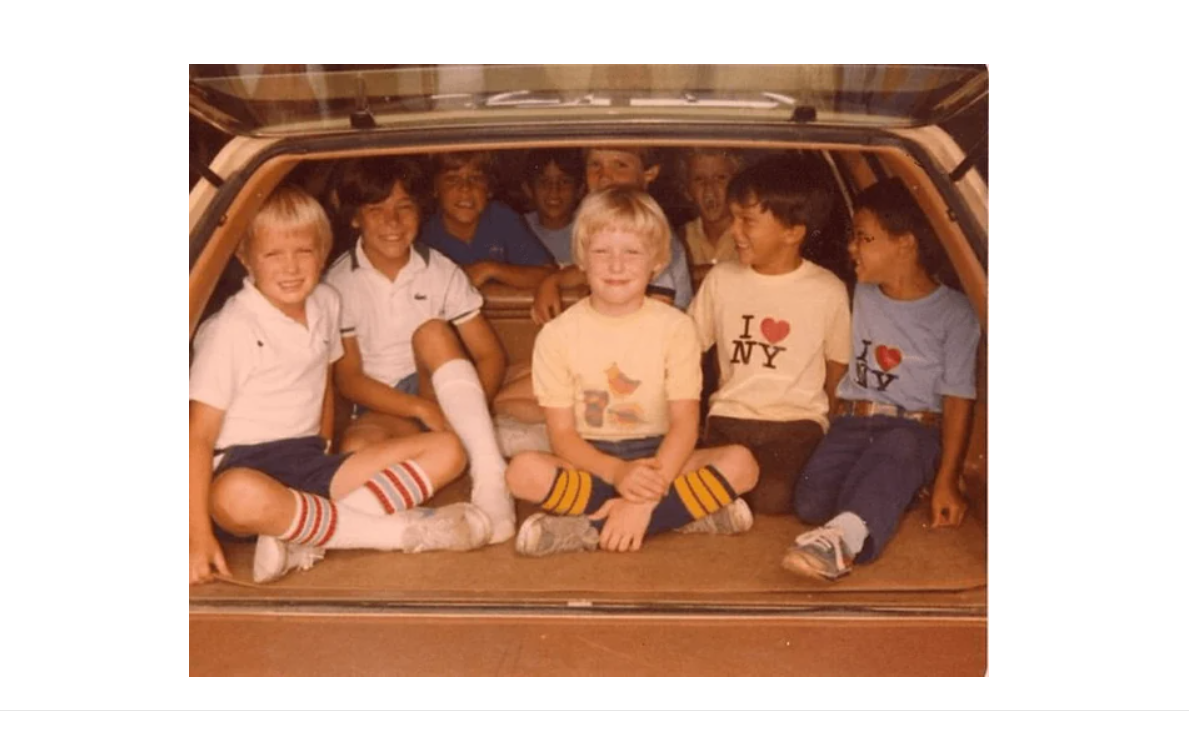
Car safety seats were almost nonexistent in the 1960s. Infants and toddlers rode on laps or in the front seat. Today’s mandatory car seat laws have saved countless lives, making early childhood travel far safer. The evolution of safety standards shows how technology and regulation work hand in hand.
Public Catcalling and Objectification

Men whistling or calling out to women in public was seen as flattery. It was a cultural norm that many women endured daily. Modern standards recognize this behavior as harassment, and public awareness campaigns encourage respect and consent. This reflects the broader transformation of gender dynamics in society.
The 1960s may have been a time of liberation, but many of its daily habits would no longer fit in a modern world that values safety, equality, and mindfulness. Progress may not be perfect, but it has certainly reshaped the everyday norms of human behavior.