
A century ago, American society operated under a very different moral compass, shaped by rigid social norms, religious expectations, and community scrutiny. Behaviors that today seem ordinary could once spark gossip, judgment, or even legal trouble. These expectations reflected a culture focused heavily on propriety and reputation. Looking back at these once-scandalous acts reveals how dramatically American culture has evolved, and how shifting generational values continue to reshape ideas of normal behavior.
Wearing Casual Clothing in Public

In the early 1900s, clothing choices were strongly tied to social respectability, and casual attire was considered inappropriate outside the home. Women wearing pants or men appearing without a jacket and tie could attract harsh criticism. Clothing was seen as a reflection of moral character, especially in urban communities. The rise of sportswear in the 1920s began to challenge these norms, slowly normalizing everyday comfort. Today, public fashion embraces individuality far beyond what early Americans could have imagined.
Public Displays of Affection

Affection between couples was expected to remain private and discreet, especially for unmarried pairs. Even something as simple as holding hands or a brief kiss could be met with disapproval. Social etiquette manuals of the era warned against public romance for fear it suggested impropriety. These norms were deeply tied to concerns about reputation and family honor. As younger generations modernized dating culture, public affection became far more accepted.
Women Speaking Loudly in Public

Women were expected to maintain quiet, modest behavior in public spaces, reflecting traditional views of femininity. Speaking too loudly or expressing strong opinions could be interpreted as improper or unrefined. This cultural pressure aimed to reinforce male authority and social order. The rise of women’s suffrage and activism challenged these expectations. Today, vocal confidence is celebrated across genders.
Dancing Styles Deemed Too Bold

Dance styles such as the Charleston or the Foxtrot shocked older Americans when they first appeared. Movements considered “loose” or energetic were said to undermine moral values. Churches and community leaders often condemned these dances as dangerous temptations. Yet they quickly became symbols of youthful rebellion during the Jazz Age. What was once scandalous is now part of America’s cultural nostalgia.
Women Driving Cars Alone

As automobiles became more common, women driving without a male escort sparked concern and criticism. Many believed it challenged traditional gender roles and threatened established social order. Some communities even discouraged women from taking driving lessons. Over time, women’s mobility became a marker of independence and modern identity. Today, women drivers are an unquestioned part of everyday life.
Talking Openly About Money

Discussing personal finances was once considered impolite, even within families. Money was tied to status, and open conversations were viewed as bragging or shameful. Social etiquette emphasized modesty and privacy around wealth. This expectation shifted as consumer culture grew and financial literacy became more important. Today, money conversations are increasingly normalized and encouraged.
Eating on the Street
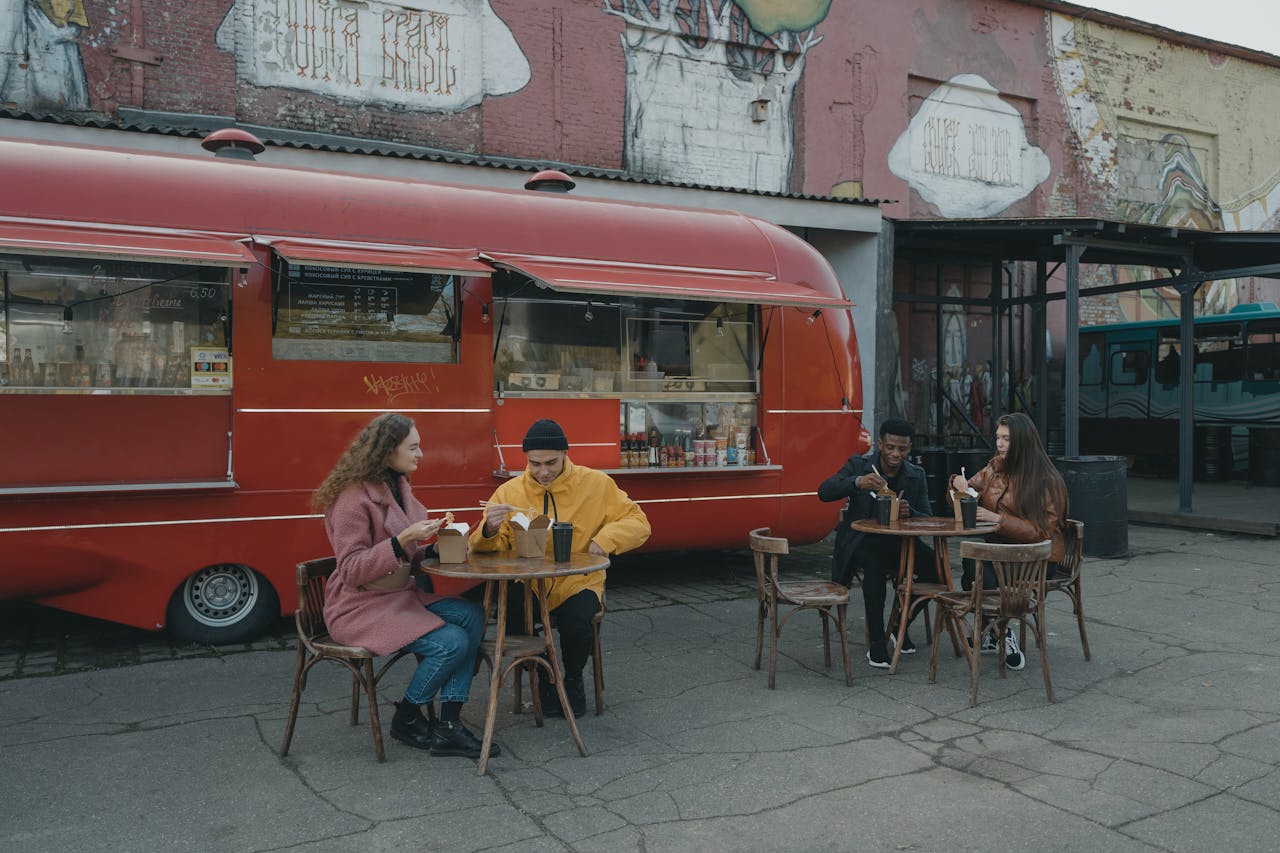
Snacking while walking was frowned upon, especially for women, as it was considered sloppy or undignified. Proper meals were expected to be eaten at home or in formal dining settings. Urbanization and fast-food culture later transformed these expectations. Convenience slowly replaced formality. Eating on the go is now a practical part of American life.
Wearing Makeup in Daylight

Heavy makeup was once associated with stage performers or women of “questionable reputation.” Wearing it during the day could draw judgment or gossip. Beauty standards shifted dramatically in the 1920s with the rise of film and cosmetics marketing. Makeup soon became a sign of modern womanhood rather than impropriety. Today, personal grooming is entirely self-defined.
Women Smoking Cigarettes

Public smoking by women was considered scandalous, immoral, and unfeminine. Tobacco companies eventually launched campaigns to normalize it, tying smoking to independence during the 1920s. Early social resistance shows how tightly behavior was policed by community standards. Over time, perceptions shifted again as health concerns emerged. While once shocking, it is now primarily discouraged for health rather than moral reasons.
Couples Attending Movies Alone
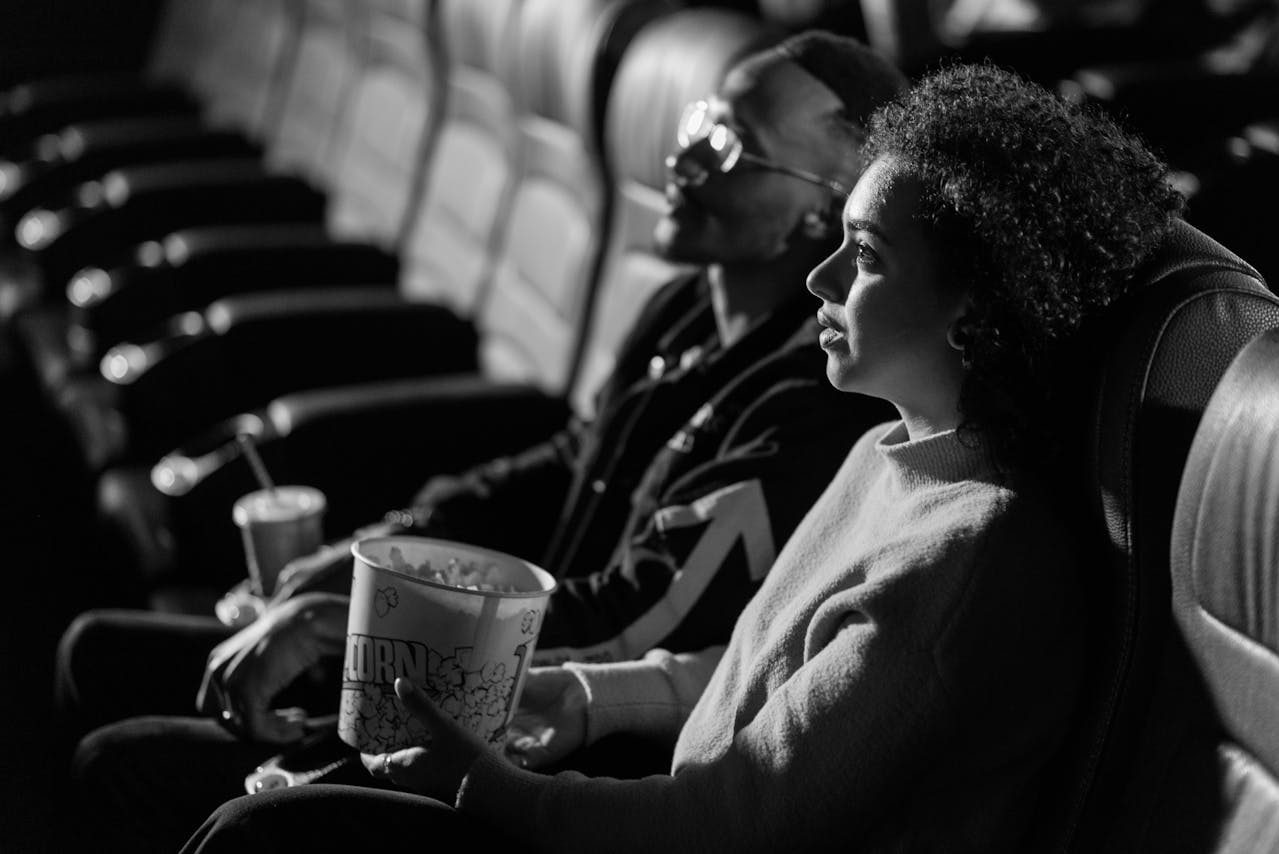
Cinema was a new technology, and early theaters were dimly lit, prompting concerns about inappropriate behavior. Some parents worried that dating couples might be led astray by unsupervised outings. Community groups warned against the moral dangers of film. As movies became mainstream entertainment, public attitudes softened. The cinema is now a standard part of American dating culture.
Men Cooking in the Home

Cooking was widely considered women’s work, and men entering the kitchen could be mocked. Traditional gender roles defined domestic responsibilities strictly. Over the century, men’s involvement in household tasks expanded significantly. Modern cooking shows and culinary professions helped shift perceptions. Today, home cooking is embraced across genders.
Women Exercising in Public

Women engaging in physical activity outside the home was initially viewed as unladylike. Concerns focused on appearance, modesty, and perceived fragility. As physical wellness movements grew, more women publicly participated in sports and exercise. These shifts redefined expectations around health and gender. Today, public exercise is a universal norm.