
Many Americans assume everyday habits are harmless until they learn the law says otherwise. Across the country, certain behaviors that once seemed normal are quietly restricted or banned depending on where you live. These rules were often created for safety, sanitation, or public order, but to outsiders they can feel unusual or even humorous. What feels like a harmless action in one town could mean a fine in another. These surprising bans show how local culture, historical quirks, and community priorities can shape the smallest details of American life.
Pumping Your Own Gas At A Gas Station

Most Americans find it routine to pump their own fuel, but a couple of states banned this practice and require attendants to do it instead. The rule started as a safety precaution to reduce fires and spills, and the policy stuck. Drivers in these regions pull up to the pump and wait, often surprised when someone else handles the task. The ban feels strange to travelers who expect self service everywhere. Over time residents become used to it, but newcomers often double check if what feels like normal behavior is actually allowed.
Collecting Rainwater Without State Permission
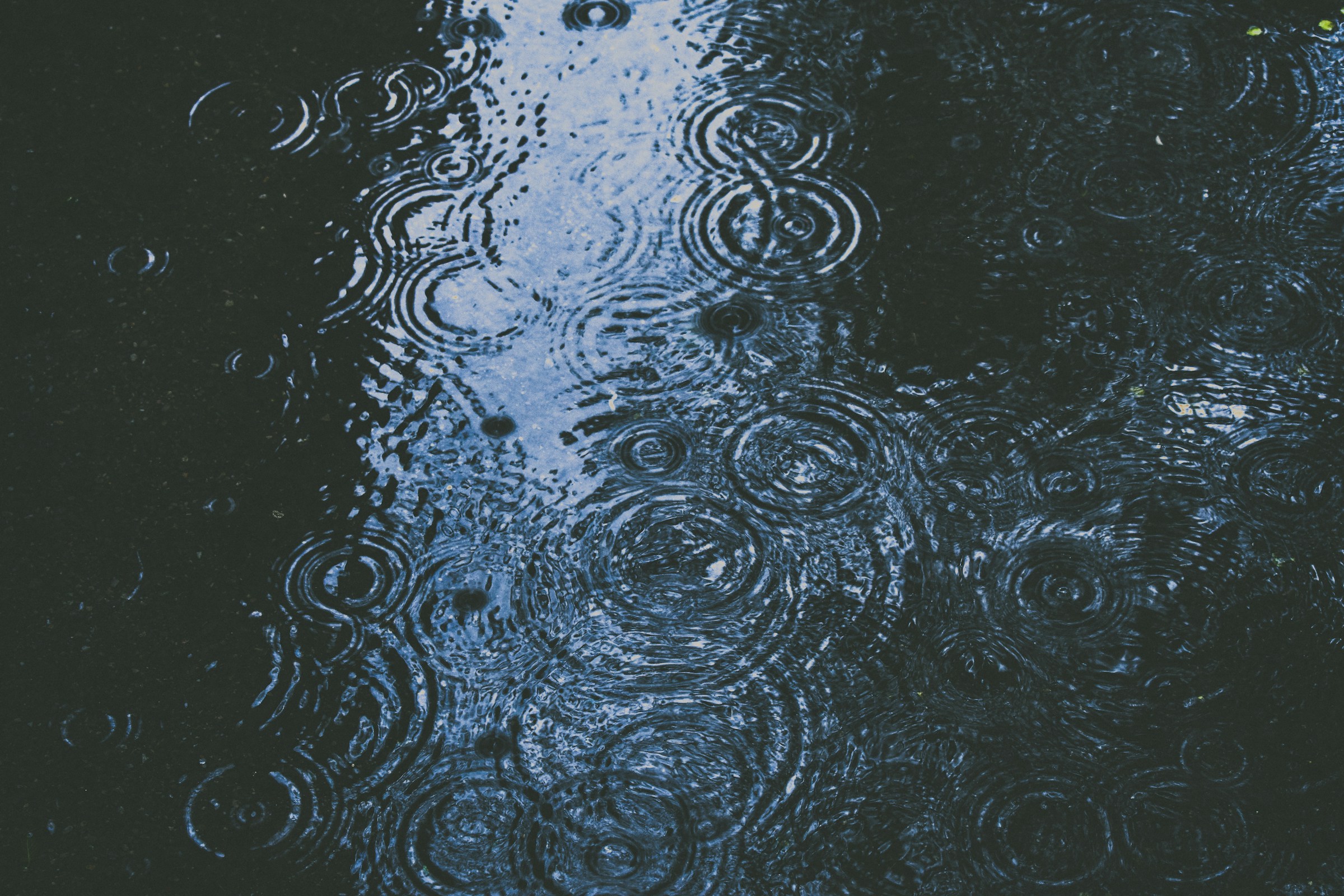
Saving rain in barrels or buckets seems harmless, but in some states this practice is regulated because rainwater is considered part of the public water system. Residents once caught setting up rain barrels without approval faced fines. The idea of needing permission to collect water falling from the sky feels odd to many people, especially those who garden or try to conserve water. These rules emerged from concerns about water rights and supply management, showing how resource protection can lead to unexpected limits on everyday household habits.
Feeding Pigeons In Certain Public Areas

Throwing breadcrumbs to birds is something many Americans grew up doing, yet some cities have outlawed feeding pigeons due to sanitation issues and overpopulation. What feels like kindness can create large flocks, dirty sidewalks, and damaged buildings. Families visiting parks may be surprised to learn that a simple act of feeding birds can lead to fines. It reveals how cities sometimes turn ordinary traditions into regulated behavior when wildlife grows beyond what communities can manage comfortably.
Releasing Balloons Outdoors
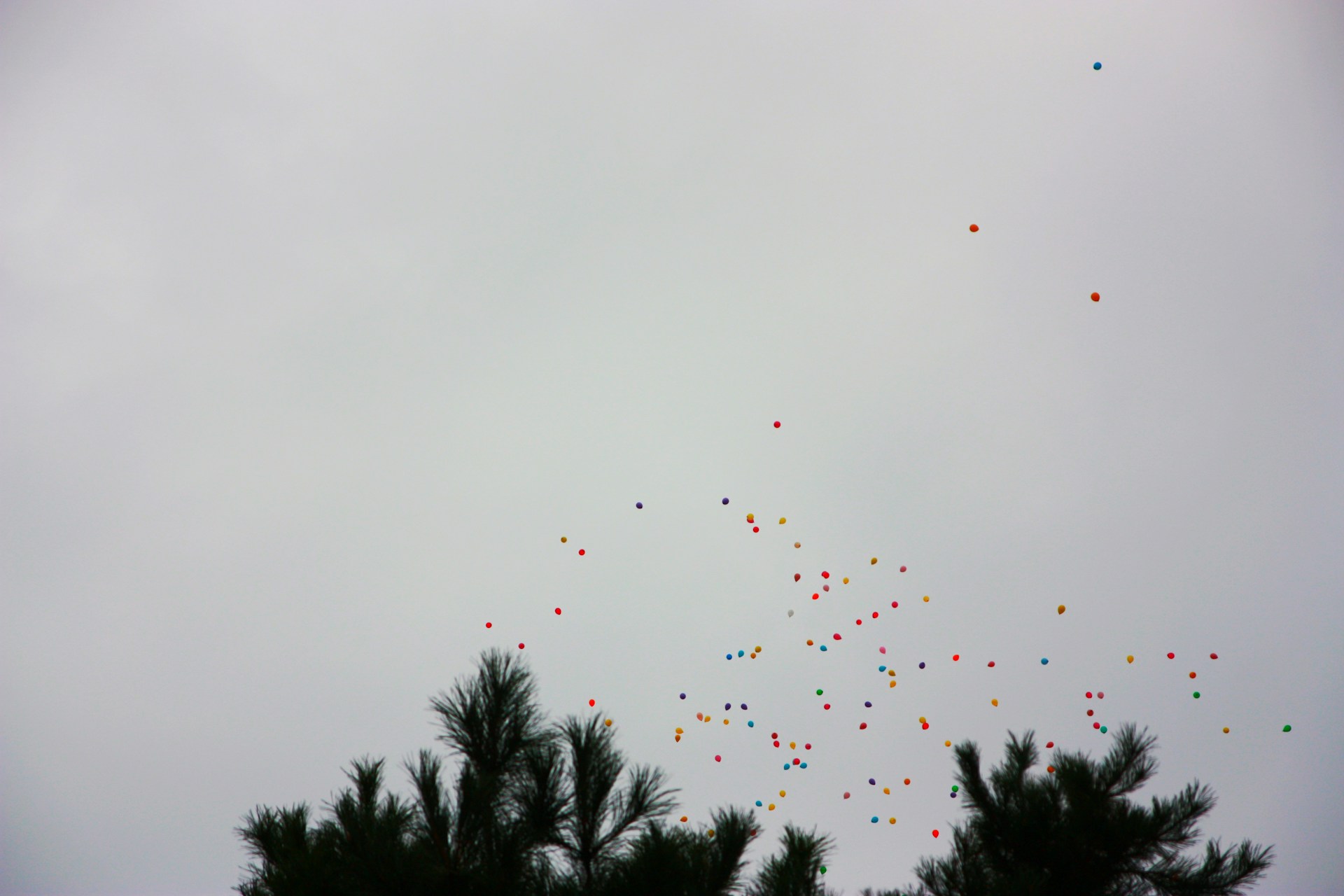
Releasing balloons into the air once symbolized celebrations, remembrances, or public events. However, several states have banned the practice because balloons fall into natural habitats and harm wildlife. Residents who once released balloons at birthdays or memorials may now face penalties for an action that feels emotional and harmless. The rule reflects growing environmental awareness and changes how people celebrate. What was once a moment of nostalgia has become a regulated act, showing how traditions evolve as communities rethink their impact.
Selling Homemade Baked Goods Without Certification

Baking cookies, cakes, or pies for neighbors seems like a simple way to earn money, yet food safety laws in some areas require permits and inspections for selling homemade treats. This transforms a familiar pastime into a regulated business. Parents who once sold cupcakes at school events may now need certifications or commercial kitchens. These restrictions aim to protect consumers, but they also surprise anyone who assumes small scale baking comes with no legal strings attached. Something warm and friendly can suddenly feel like official paperwork.
Using Shopping Carts Outside Store Property
Many shoppers push carts to parking lots or nearby sidewalks without thinking, but some communities prohibit removing carts from designated areas. Laws exist to reduce abandoned carts, theft, and clutter on public streets. A habit as simple as rolling a cart farther than allowed can lead to fines. Most people never consider this rule until confronted by signs or employees retrieving carts. It turns an ordinary shopping habit into something customers must monitor more closely when crossing invisible boundaries they never realized were under legal oversight.
Using Fireworks Without Residency Permits
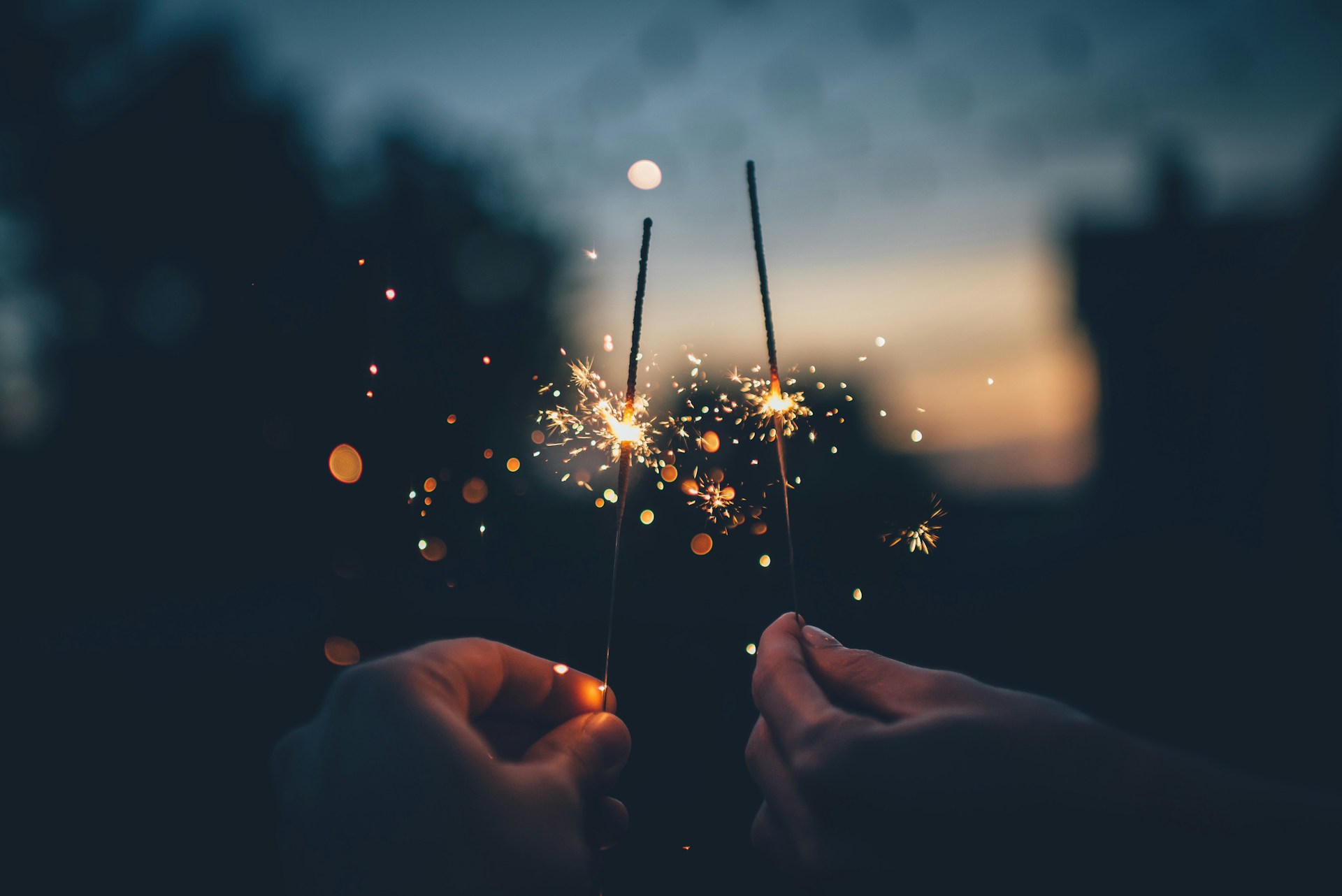
Fireworks once felt like a carefree part of American celebrations, especially around the Fourth of July. Certain states, however, restrict their purchase and use to local residents with permits, making spontaneous firework fun illegal for visitors. These rules emerged after accidents, fires, and safety concerns led lawmakers to tighten access. Families traveling during holidays may discover that buying or lighting fireworks requires documentation. What once felt festive becomes controlled, reshaping holiday traditions with restrictions few people expect until they encounter them firsthand.
Sleeping Overnight On Park Benches

Public benches once offered resting spots for anyone, but cities facing safety and homelessness debates introduced rules that prohibit sleeping on them overnight. What seems like a peaceful nap can result in fines or police encounters. These bans aim to maintain order, yet they raise questions about where people can rest when tired. Travelers and residents alike must be mindful of local regulations. Something as natural as lying down outdoors becomes regulated, showing how public spaces are contested areas shaped by shifting policies and priorities.
Going Barefoot In Public Without A Permit

Walking barefoot at the beach feels normal, but some towns extended this rule to public areas and required permits for anyone without shoes. Officials cited sanitation and safety concerns as motivations. Visitors who enjoy barefoot walks may learn that their casual choice is illegal. It transforms a relaxed habit into a decision that carries legal implications. The idea of needing permission to have bare feet highlights how individual comfort can intersect with municipal rules that seem surprising until someone challenges them.
Using Metal Detectors On Public Lands Without Permits
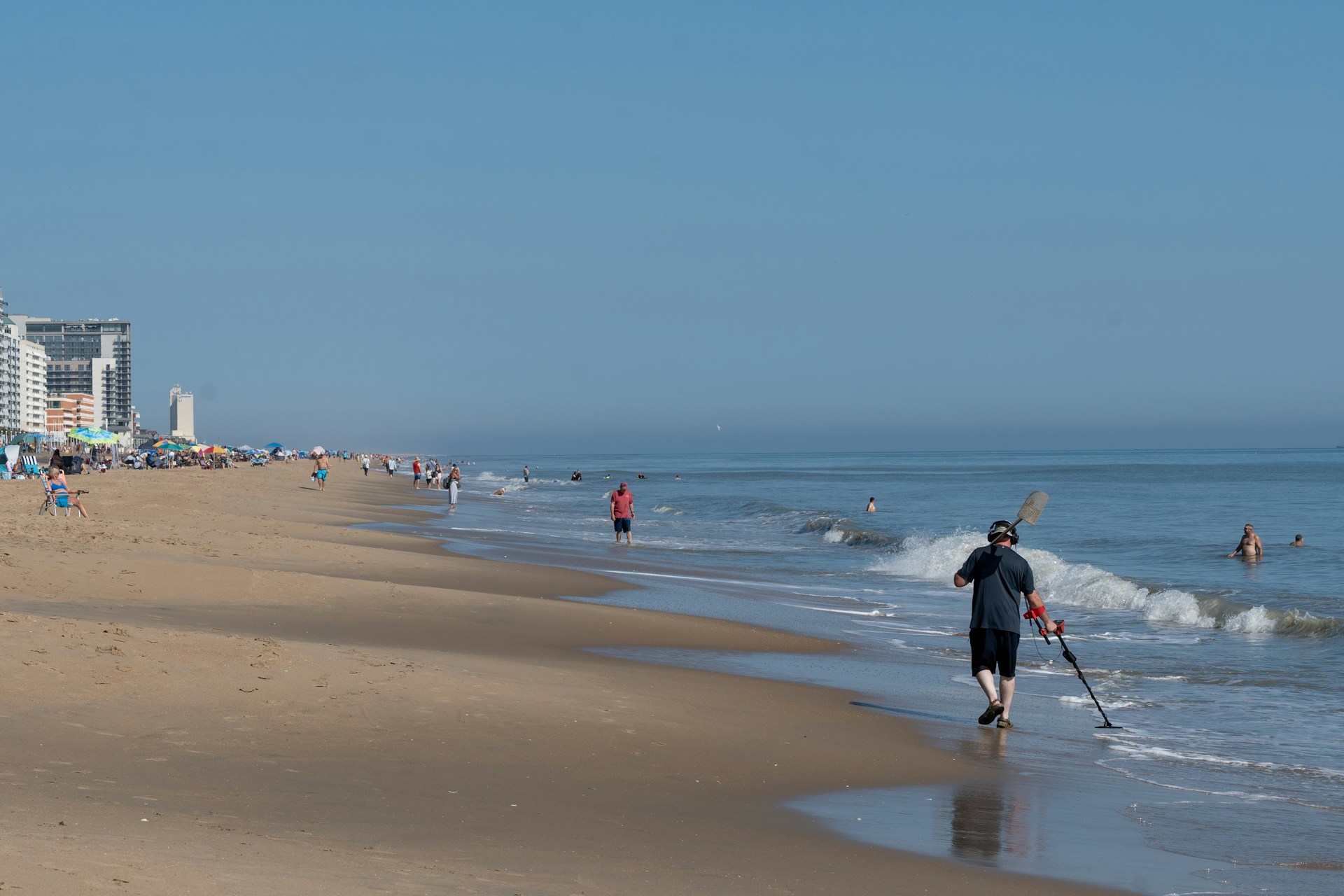
Metal detecting offers treasure hunters and hobbyists a chance to discover old coins or artifacts, but some states require permits before anyone digs or scans public lands. The restriction protects historical sites and prevents damage to ecosystems. Hobbyists unfamiliar with the rule may face fines even if they only search casually. What appears to be an innocent pastime is treated as a regulated activity, reminding people that curiosity sometimes crosses into legal territory. Even harmless exploration can be subject to oversight when history and land preservation come into play.
Riding Scooters Or Skateboards On Sidewalks

Scooters and skateboards are popular among kids and commuters, yet some states limit or ban their use on sidewalks to prevent accidents. Riders may assume they are staying safe by staying out of the street, but local laws disagree. These bans emerged from pedestrian complaints and injury reports. A fun ride to the store can suddenly be illegal, turning an ordinary activity into a regulated one. Riders must learn where wheels are welcome before pushing off, proving that even simple movement can become a legal maze.
Public Dancing Without A Permit

Dancing in public seems harmless, yet some states required permits for organized or spontaneous dancing due to old morality rules or safety fears about crowds. People once risked fines for dancing at community gatherings without approval. This restriction feels foreign now, but it reflects a time when public expression was monitored closely. Today the idea seems excessive, yet it remains a reminder that fun, noise, and movement can be regulated. Rules meant to control celebrations now feel out of place, highlighting how culture evolves over time.
Everyday habits can carry surprising legal boundaries depending on where Americans live. Small actions like pumping gas or feeding birds sometimes come with rules rooted in history, safety concerns, or changing attitudes. These bans reveal how personal routines are shaped by laws most people never consider. They also show that normal is not universal. What one community welcomes, another restricts. Understanding these differences offers insight into how cultural values and public priorities evolve quietly, one habit at a time.