Many everyday American customs that shaped communities for decades have gradually faded from daily life. Baby Boomers, who grew up in a time of strong neighborhood ties and face-to-face interactions, often feel these traditions offered deeper connection and stability. Modern life, with its digital focus, fast-paced schedules, and changing social norms, has shifted how people interact. Yet many older Americans still long for the simple, neighborly customs that once defined the country. These lost practices reveal how much culture can change in just a generation.
Stopping By Without Calling
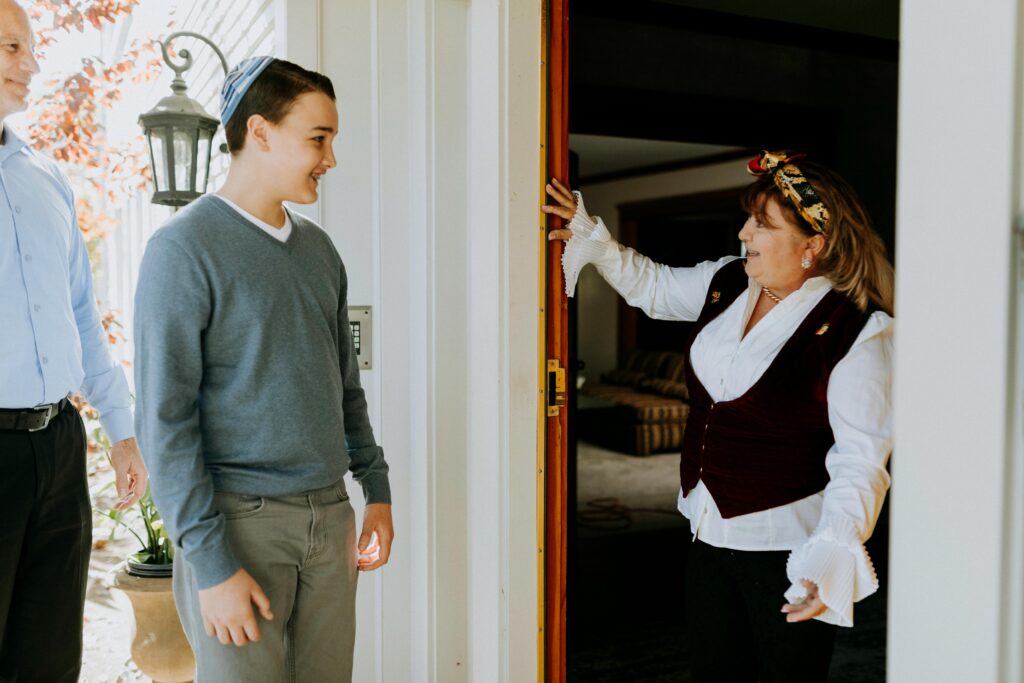
There was a time when neighbors felt welcome to stop by unannounced, often for coffee or a quick chat. This informal style of communication built stronger, more casual relationships. Today’s culture prioritizes scheduling and privacy, making spontaneous visits feel intrusive to many. Digital communication has replaced the need for face-to-face interaction, sometimes at the cost of emotional closeness. Boomers miss the openness and hospitality that came with unexpected visits.
Handwritten Letters and Cards

Boomers grew up writing letters, thank-you notes, and holiday cards by hand, a practice that felt personal and sincere. These gestures expressed care in a way digital messages rarely match. While texting is faster, it lacks the emotional depth of a handwritten note. The decline of letter writing symbolizes a broader shift away from patience and intentionality. Many older Americans wish younger generations could experience the joy of receiving a thoughtful letter in the mail.
Sitting on the Front Porch

Front porches once served as social hubs where families relaxed, greeted passersby, and exchanged stories. They created a sense of openness and neighborly trust. As modern home designs favor back patios and private outdoor spaces, the front porch has lost its social role. Many communities now feel more isolated as spontaneous interactions decline. Boomers miss the unstructured social moments that occurred naturally while sitting outside.
Community Potluck Dinners
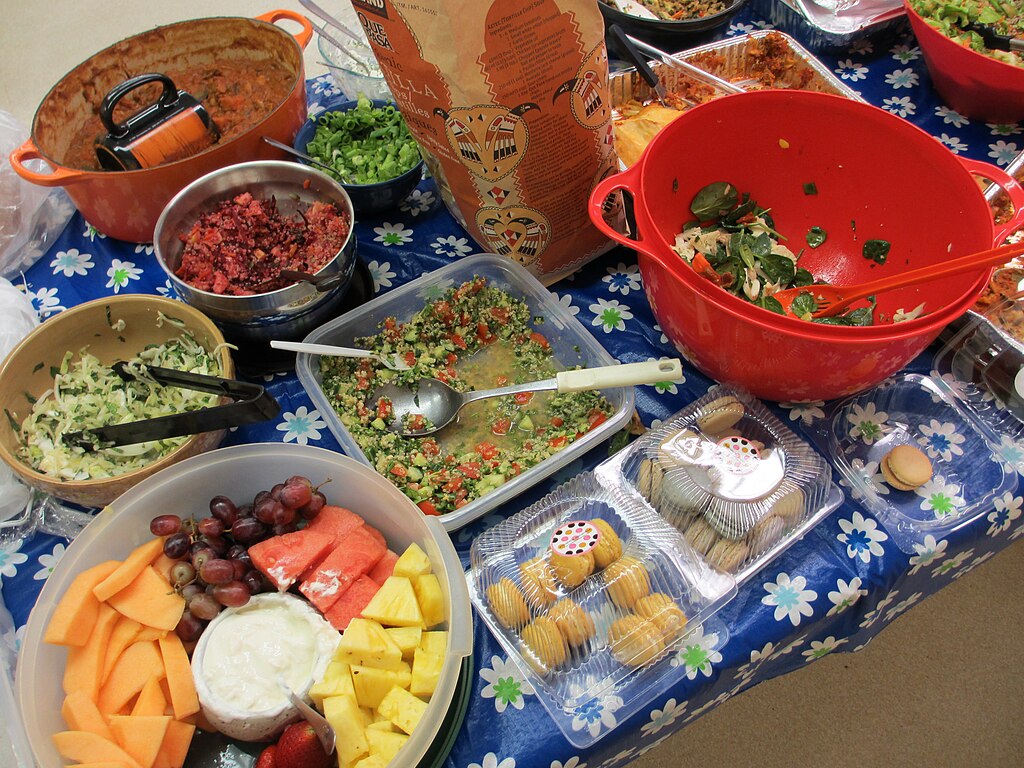
Potlucks brought neighbors together to share homemade dishes and build a sense of belonging. These gatherings were inexpensive, inclusive, and deeply rooted in community spirit. Today’s busy schedules and declining neighborhood cohesion have made potlucks less common. Store-bought meals and catering have replaced homemade contributions in many settings. Boomers cherish memories of dishes made with care and shared with love.
Respectful Phone Etiquette

Phone calls once followed clear etiquette: answering politely, leaving thoughtful messages, and avoiding disruptions during dinner. Today’s culture treats phone use casually, with constant texting and multitasking. Boomers often find it frustrating when calls go unanswered or when conversations lack focus. They remember when phone interactions felt intentional and respectful. The shift reflects broader changes in communication norms across generations.
Holding the Door for Strangers
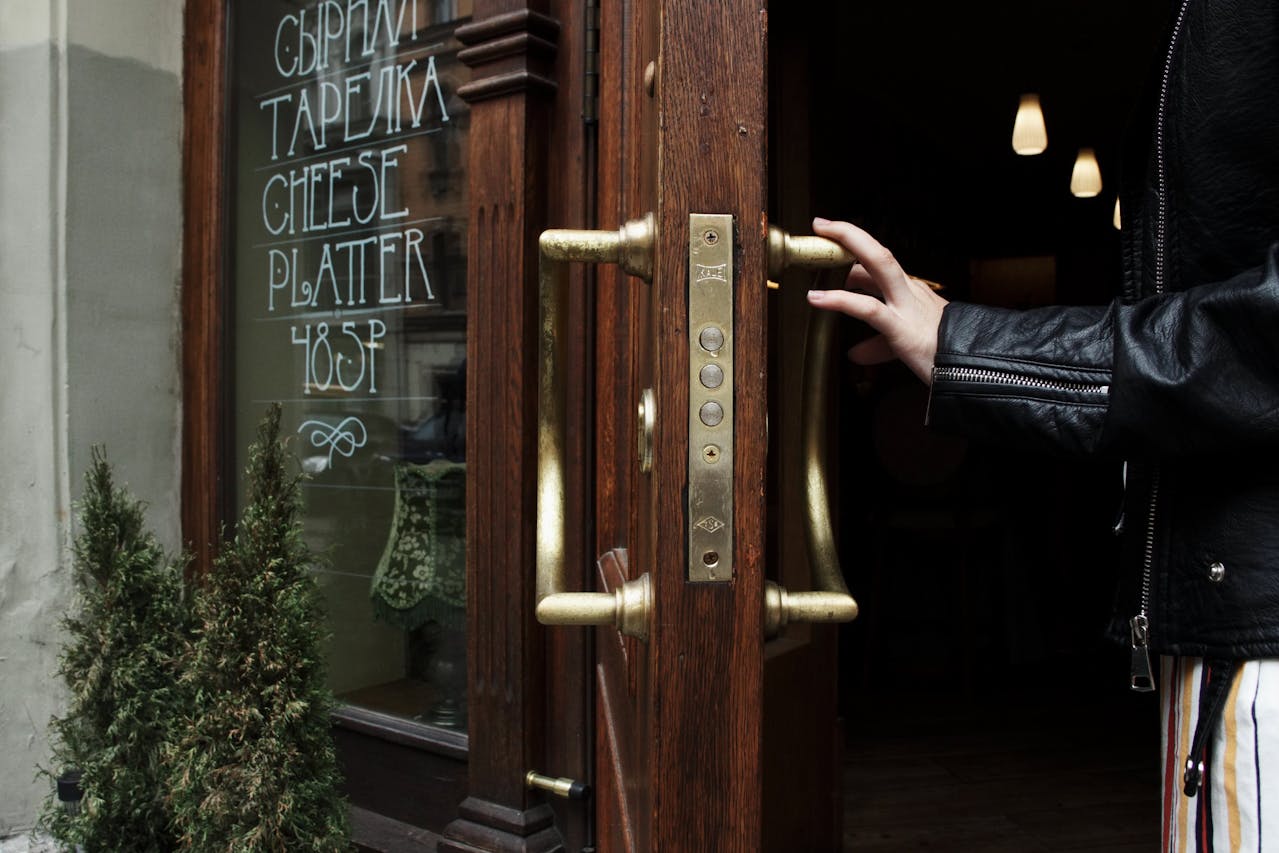
Simple gestures of courtesy, like holding doors, were once seen as everyday kindnesses. While many people still do it, the practice is less consistent in fast-paced environments. Boomers associate these small actions with respect and community-minded behavior. As society becomes more individualistic, older generations worry these courtesies may fade further. They believe such gestures help maintain social warmth.
Family Dinners Without Screens
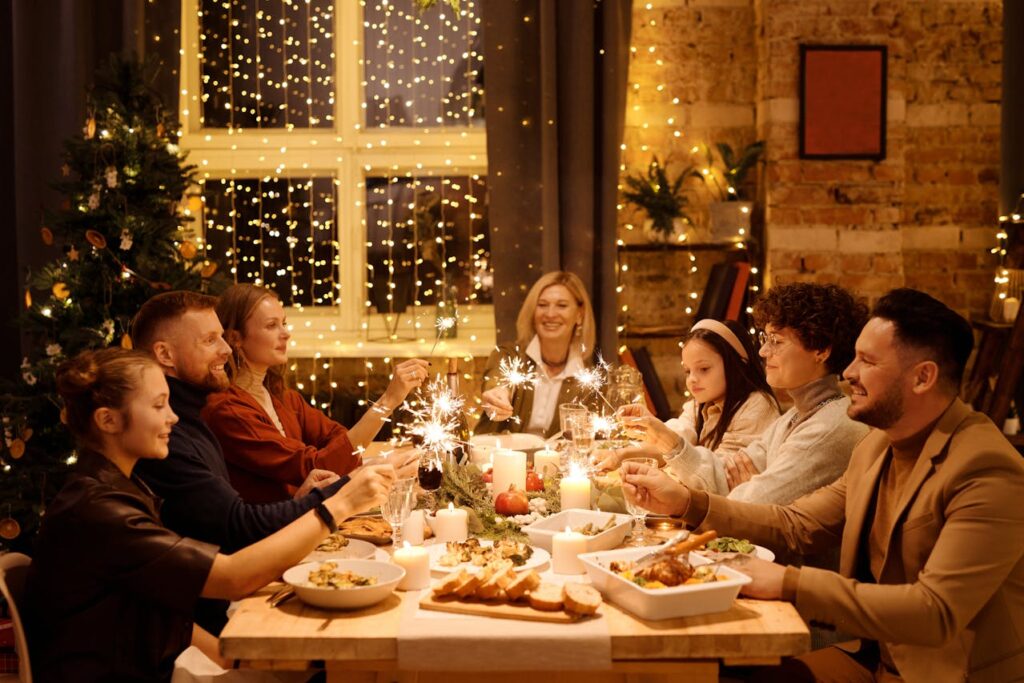
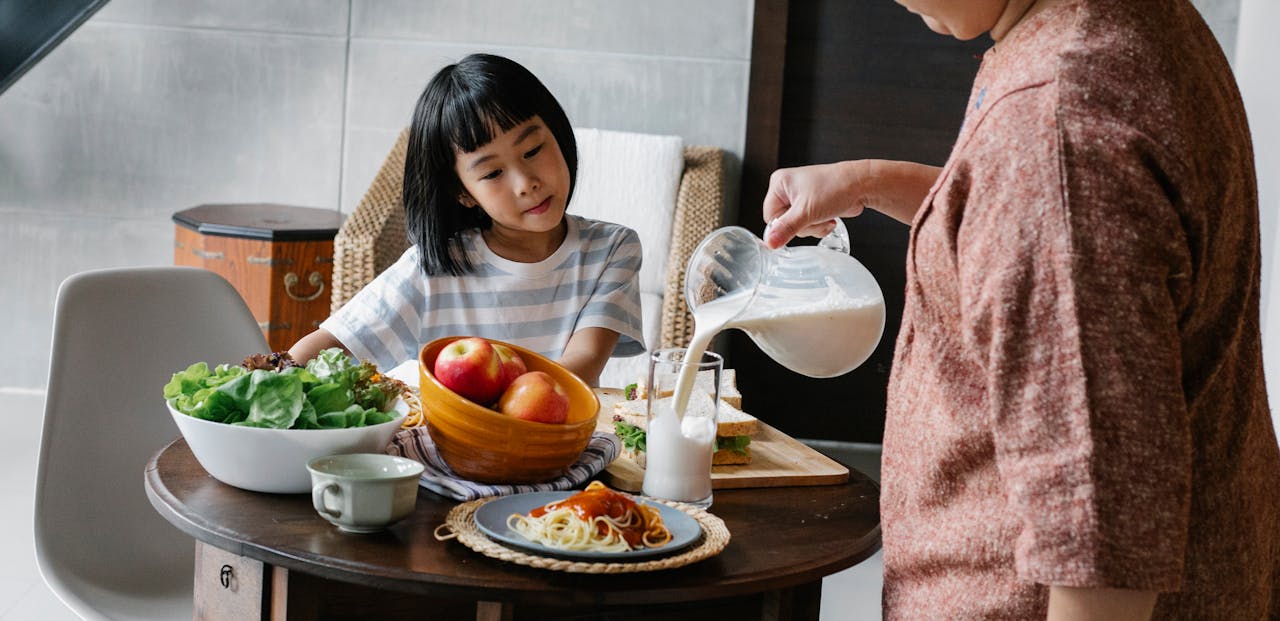
Family dinners were once protected moments, free from television or phone interruptions. These meals encouraged conversation, bonding, and the passing down of family stories. Today, screens often accompany meals or shift schedules prevent families from eating together. Boomers feel this change has impacted communication across generations. They miss the ritual of gathering around the table each night.
Teaching Kids Respectful Manners
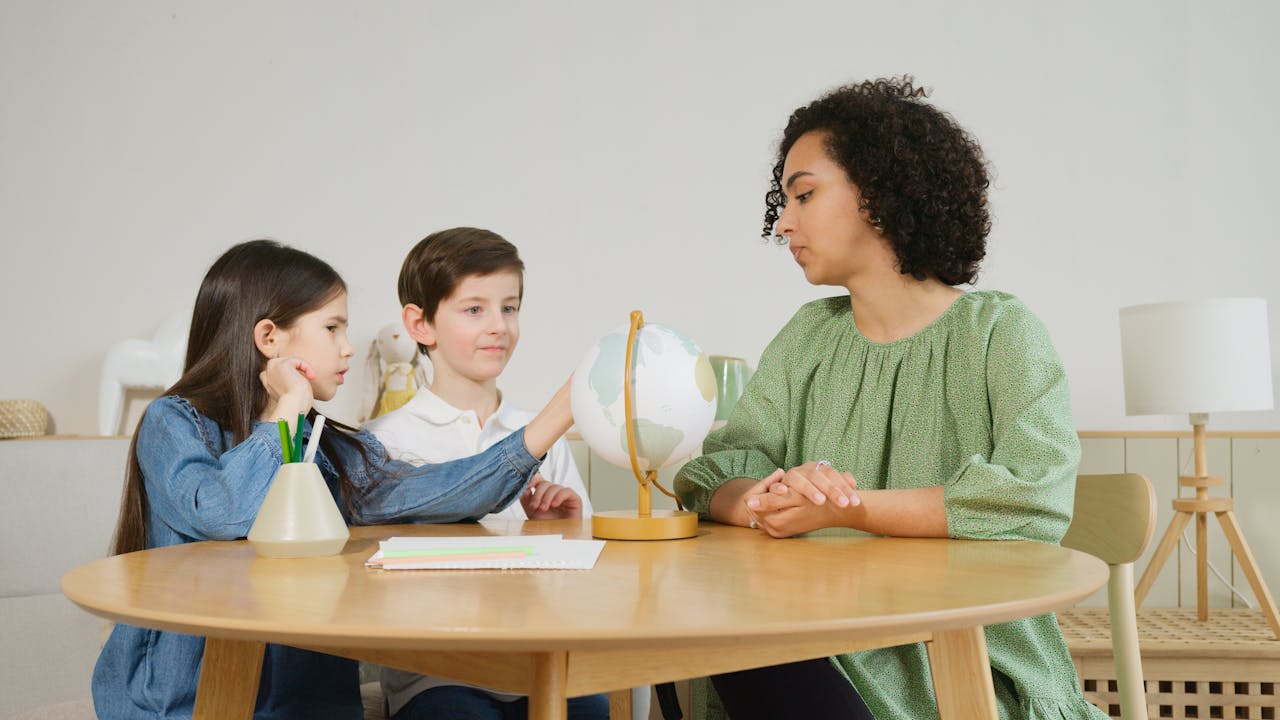
Boomers remember a time when children regularly said “yes ma’am,” “no sir,” and “thank you” as part of daily etiquette. These expressions were seen as symbols of respect rather than formality. Modern parenting emphasizes independence and comfort over structured manners. While many children are polite, the traditional expressions have become less common. Boomers miss the consistency of these respectful interactions.
Reading Newspapers Together

Families and individuals once spent quiet mornings reading newspapers, discussing headlines, and sharing opinions. This routine created informed households and meaningful conversations. Digital news consumption is faster but often more fragmented. Boomers miss the shared ritual of paging through print together. It symbolized a thoughtful approach to staying engaged with the world.
Thanking Service Workers Often

Boomers recall a time when thanking mail carriers, delivery workers, and other service providers was routine. These gestures strengthened community relationships. Today, fast-paced interactions and automated services reduce opportunities for personal gratitude. Boomers feel appreciation is expressed less frequently. The change reflects shifting social priorities.
Seasonal Decorating of Entire Neighborhoods

During holidays, entire streets once participated in decorating, creating festive environments that brought communities together. Today, fewer households decorate extensively due to time, cost, or lack of interest. Boomers remember the excitement and unity such displays brought. The decline marks a shift toward more individualized living. Community-wide traditions now depend heavily on organized events rather than spontaneous participation.
Stopping to Chat in Public

Casual conversations while shopping or running errands once brightened daily life. These interactions made communities feel friendlier and more connected. Modern culture often prioritizes efficiency and privacy, leading to fewer spontaneous chats. Boomers miss the warmth and familiarity these moments provided. The decline reflects changing attitudes toward public socializing.