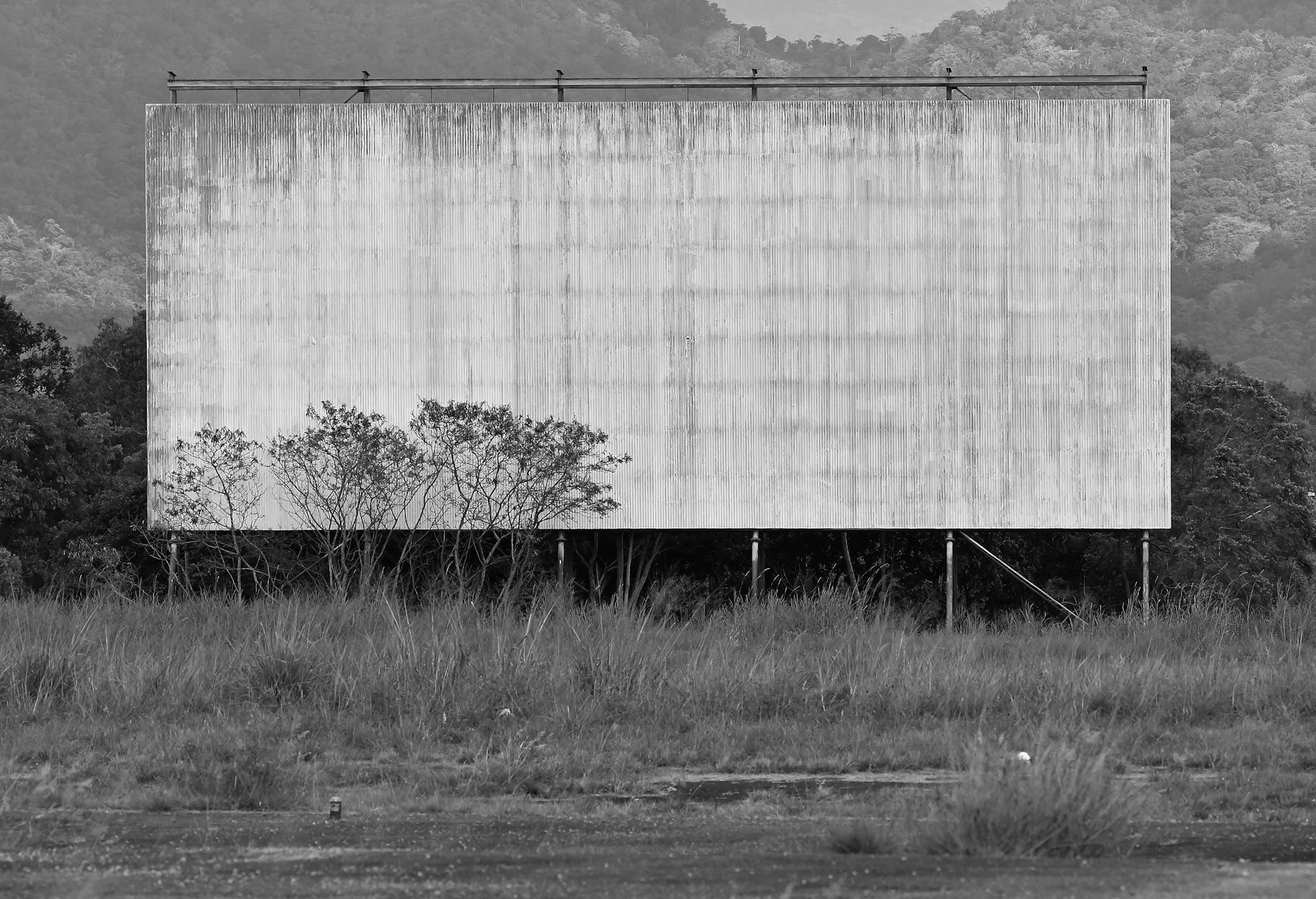
The 1950s shaped daily American life with routines that felt simple steady and full of small rituals families still talk about today. Many of these staples vanished as technology convenience and modern habits replaced the slower patterns of mid century living. For older generations these memories bring warmth while younger families often find them charming or completely unimaginable. The items below defined kitchens neighborhoods weekends and chores across the country. Exploring these lost pieces of everyday life shows just how much the American home has changed in only a few generations.
1. Milk Delivered In Glass Bottles At The Door
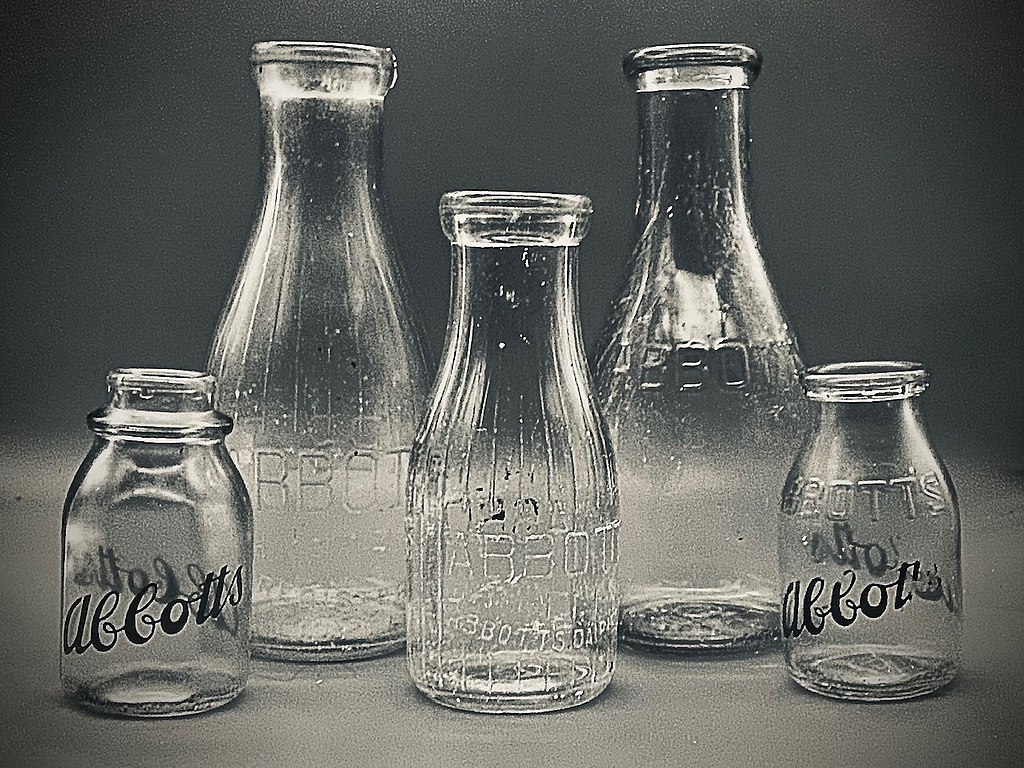
Milk delivery was a familiar sight across the 1950s with clinking glass bottles arriving on porches each morning. Families relied on the milkman the way people now rely on grocery apps. The bottles were rinsed returned and reused which gave households a tidy sustainable routine. Kids often raced to the door to grab the cold bottles before breakfast. The service faded as supermarkets expanded and refrigerators grew. Many older Americans still remember the comforting sound of bottles arriving at dawn and the sense of connection it brought to daily life.
2. Home Visits From The Fuller Brush Salesman
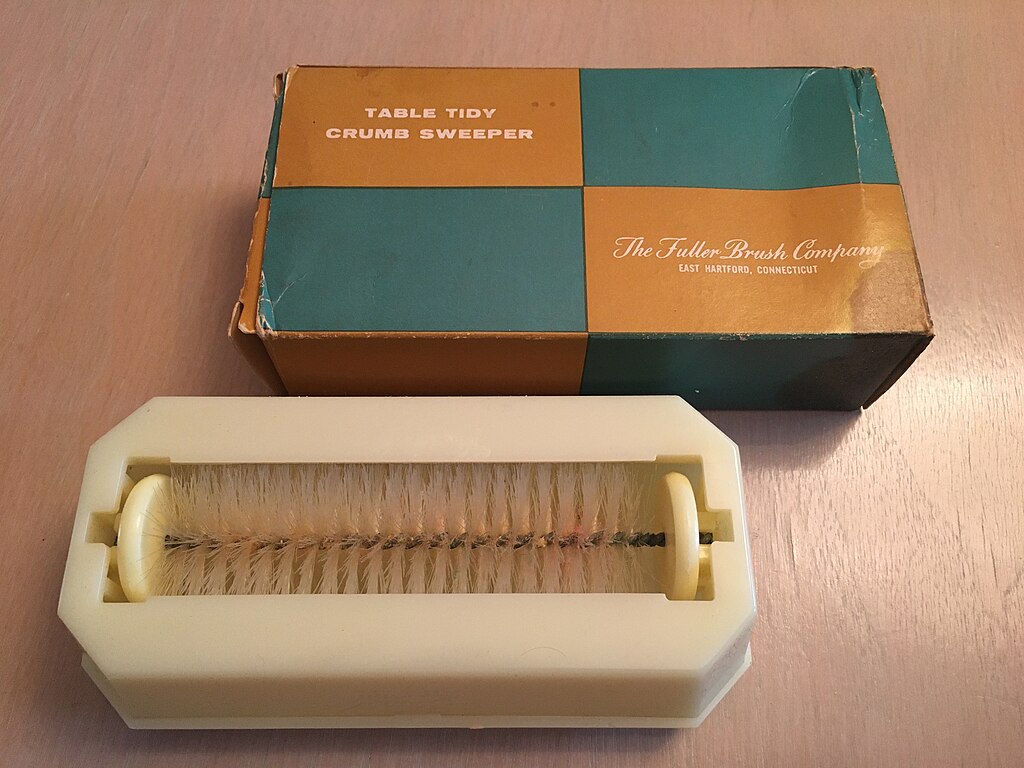
The Fuller Brush salesman became an iconic part of mid century neighborhoods offering everything from brooms to polishes right at the doorstep. Families enjoyed browsing products without leaving home long before online shopping existed. These visits brought friendly conversation and a personalized shopping experience that felt neighborly and warm. Moms often relied on these tools for cleaning routines which made the salesman a trusted figure. As retail stores expanded the tradition faded but the memory of those visits still captures the charm of 1950s homemaking.
3. TV Dinners
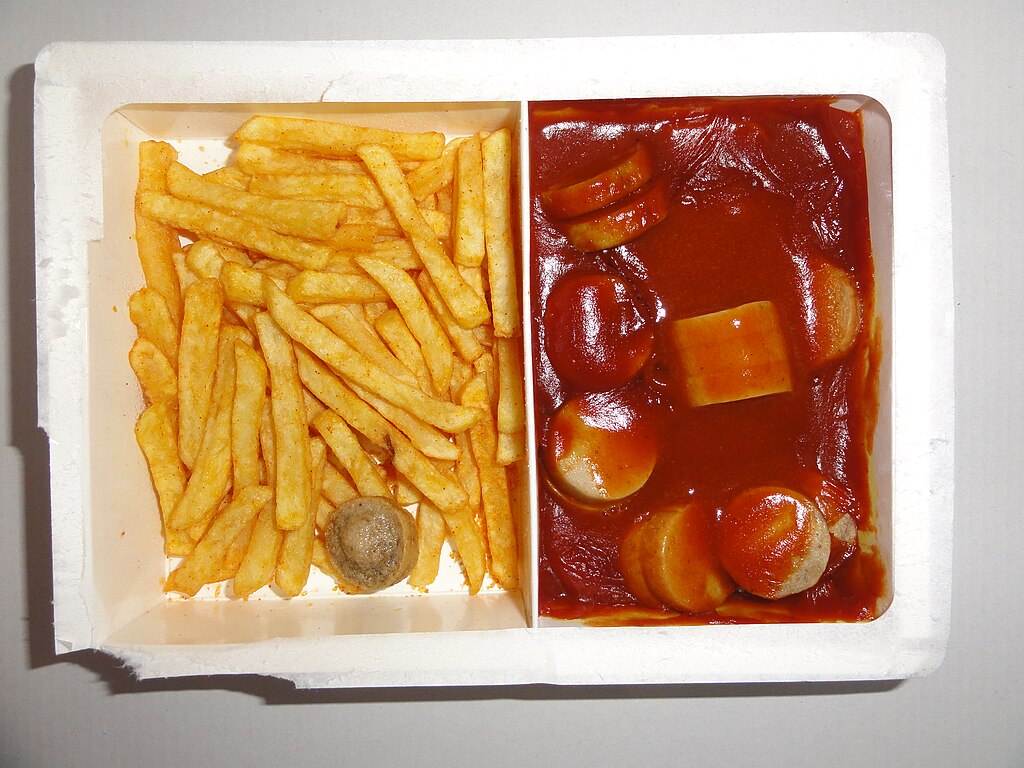
TV dinners arrived in the 1950s and quickly became a novelty for families excited by frozen meals packaged in shiny metal trays. Kids loved the divided compartments while parents appreciated the convenience during busy evenings. The trays heated directly in the oven and paired perfectly with black and white shows on living room sets. These meals symbolized the future of easy dining. Although frozen meals still exist the metal tray format and its mid century excitement belong firmly to that era. It remains a nostalgic icon of early convenience culture.
4. Soda Fountains Inside Drugstores
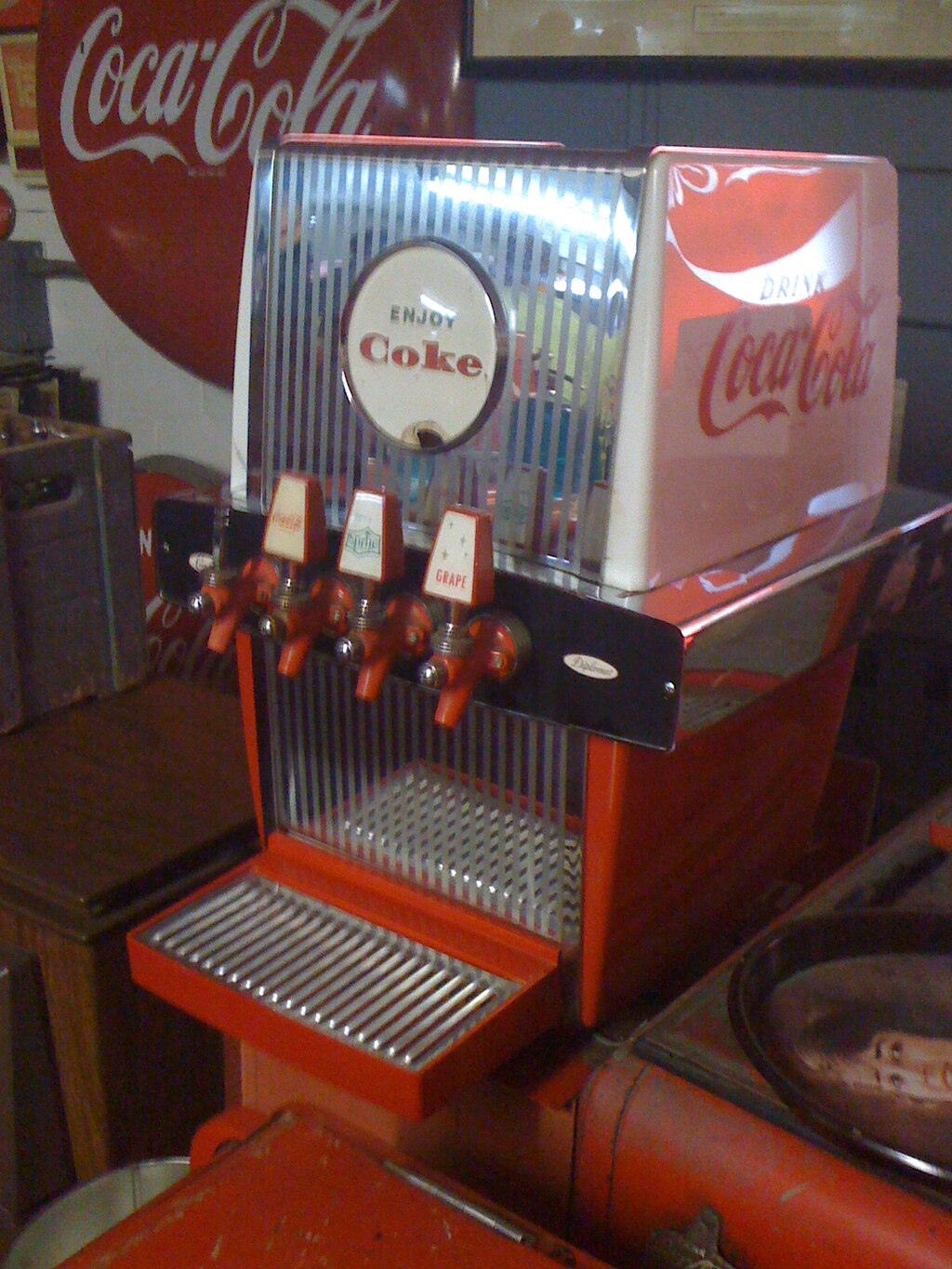
Soda fountains served as friendly social hubs inside drugstores where families stopped for root beer floats sandwiches and simple afternoon treats. Teens gathered there after school while parents enjoyed a relaxed break during errands. These counters offered community connection along with classic American snacks. The warm atmosphere and cheerful service made soda fountains a beloved part of daily routines. As modern pharmacies grew more clinical the fountains faded away. Many older Americans still smile remembering those sparkling stools and fizzy drinks.
5. Weekly Church Cookbooks On Every Kitchen Counter
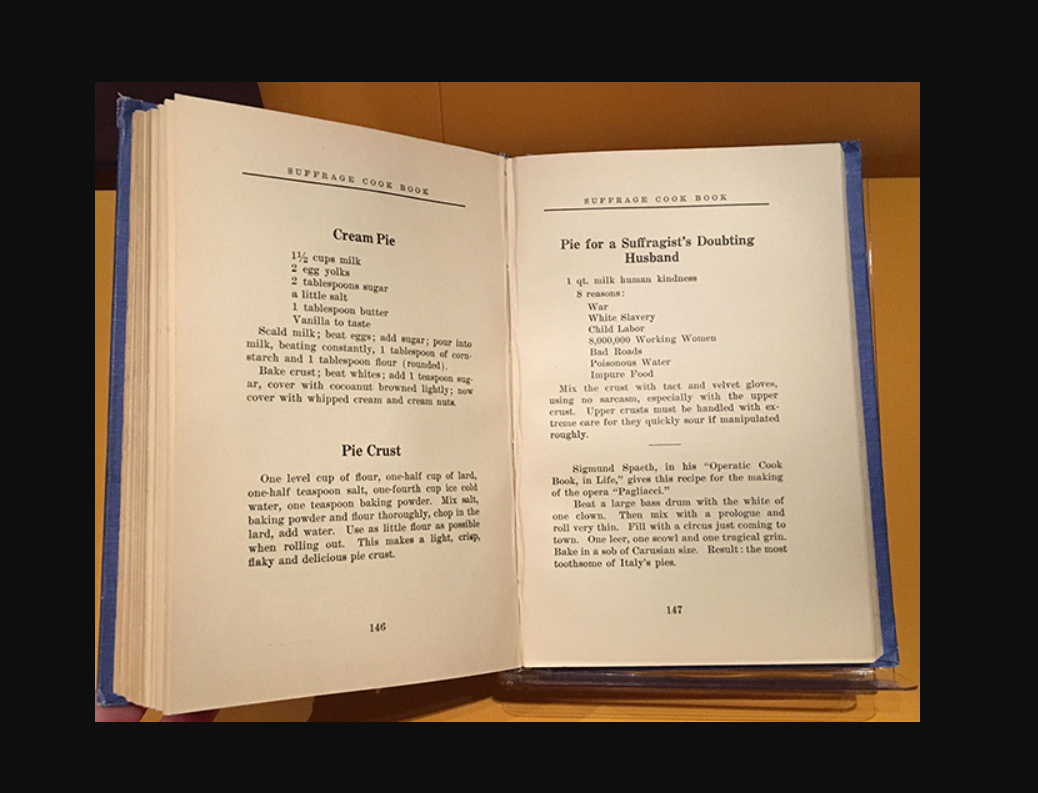
Church cookbooks filled countless kitchens in the 1950s offering handwritten family recipes collected from neighbors and friends. These community made books represented local traditions and brought households together around familiar flavors. Moms relied on them for everyday dinners potlucks and holiday gatherings. The books felt personal because each recipe listed the contributing family which created a sense of connection. Digital recipes replaced this tradition but the warm homemade feel of those cookbooks still holds a special place in American memory.
6. Clothes Dried On Backyard Clotheslines Daily
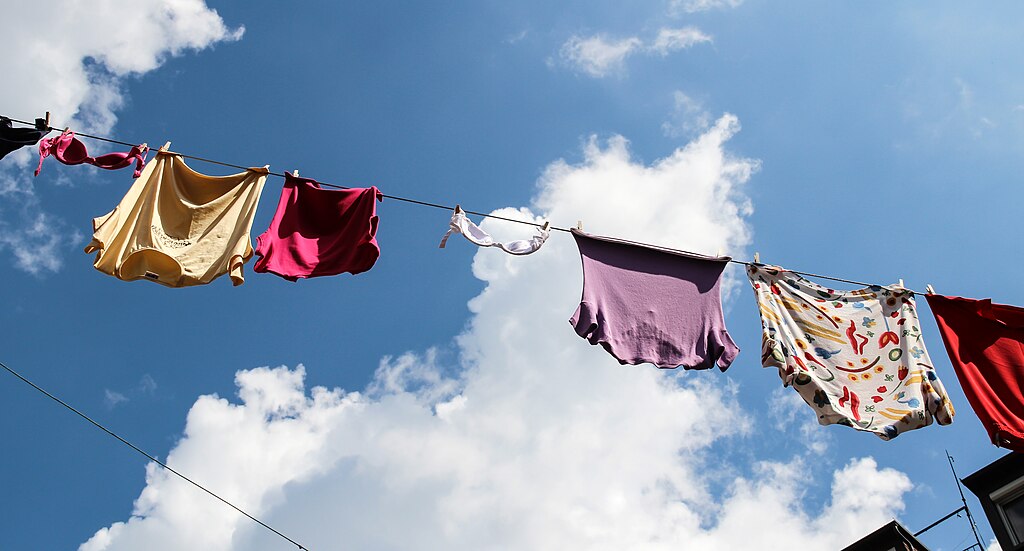
Backyard clotheslines filled American neighborhoods with flapping shirts and fresh linen scents carried by the breeze. Families considered line drying a normal daily chore and kids often helped hang towels in the sun. The routine offered quiet outdoor moments and saved energy long before modern machines took over. Households enjoyed the crisp sun dried feel that dryers cannot fully replicate. As suburban homes modernized clotheslines disappeared from many yards. Yet the simple rhythm of line drying remains one of the most nostalgic memories of 1950s home life.
7. Rotary Clothes Wringer Washing Machines
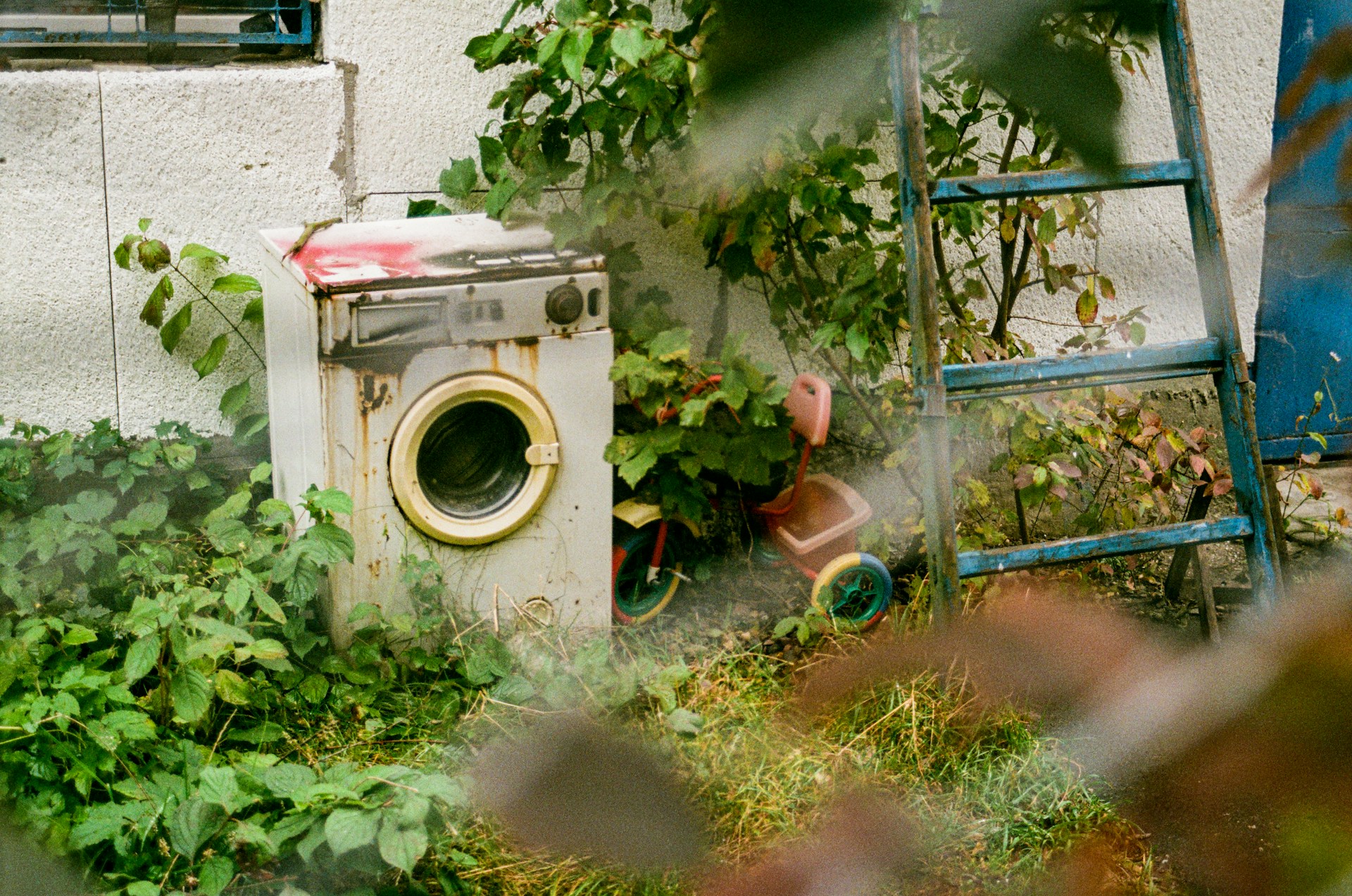
Rotary wringer washers were common appliances that required hands on effort as laundry passed through two rollers to squeeze out water. Families viewed these machines as major improvements over hand washing even though the process demanded focus and care. Many moms taught kids how to guide clothing safely through the wringer which became a memorable part of weekly chores. Automatic washers eventually replaced these devices entirely. For those who remember them these machines symbolize a mix of hard work and progress in mid century households.
8. Soap Flakes For Cleaning Everything
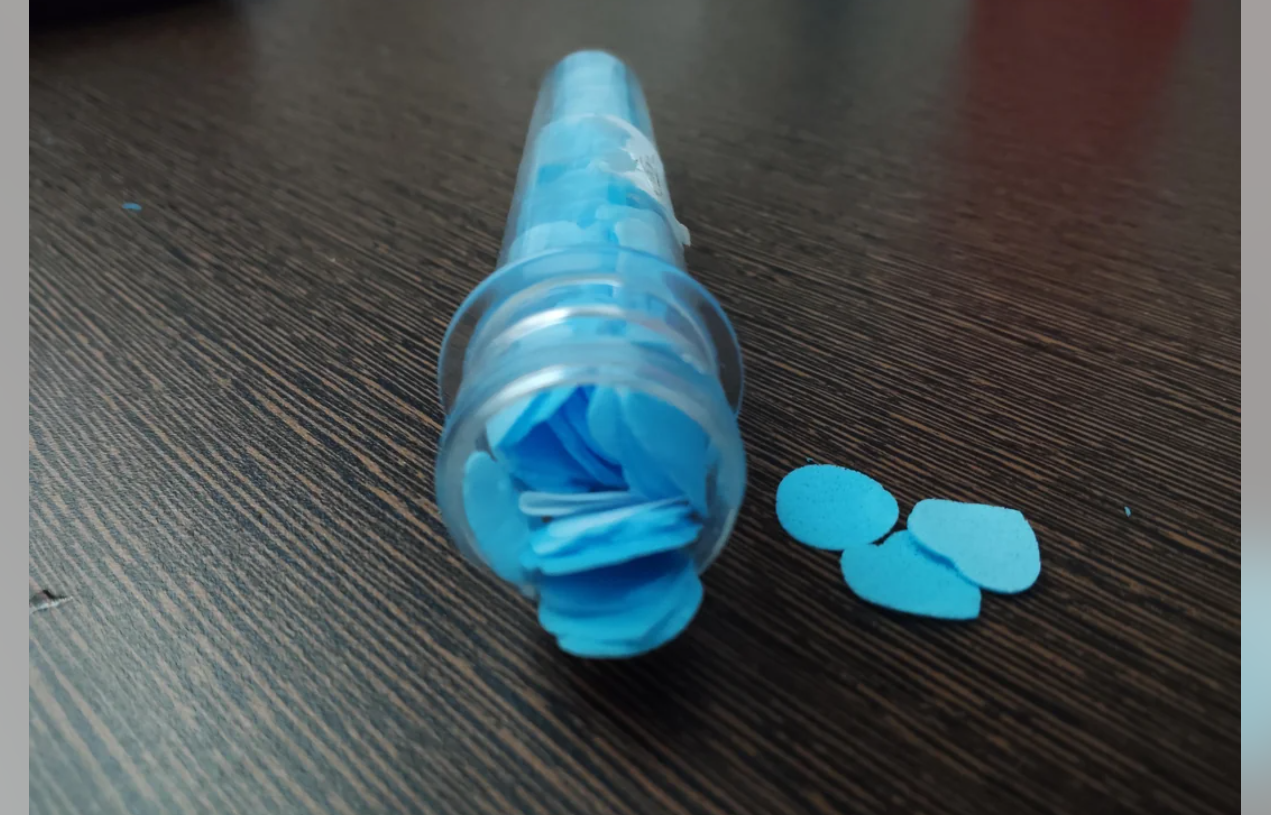
Powdered soap flakes were an all purpose cleaning staple found in nearly every 1950s home. Families used them for laundry floors dishes and many small household jobs. The flakes dissolved slowly creating a gentle cleaner that felt different from today’s liquids and sprays. Moms appreciated the single product simplicity which kept cabinets uncluttered. As cleaners became more specialized these versatile flakes disappeared. Their soft soapy scent and practical charm remain tied closely to mid century homemaking.
9. Iceboxes Used Alongside Early Refrigerators
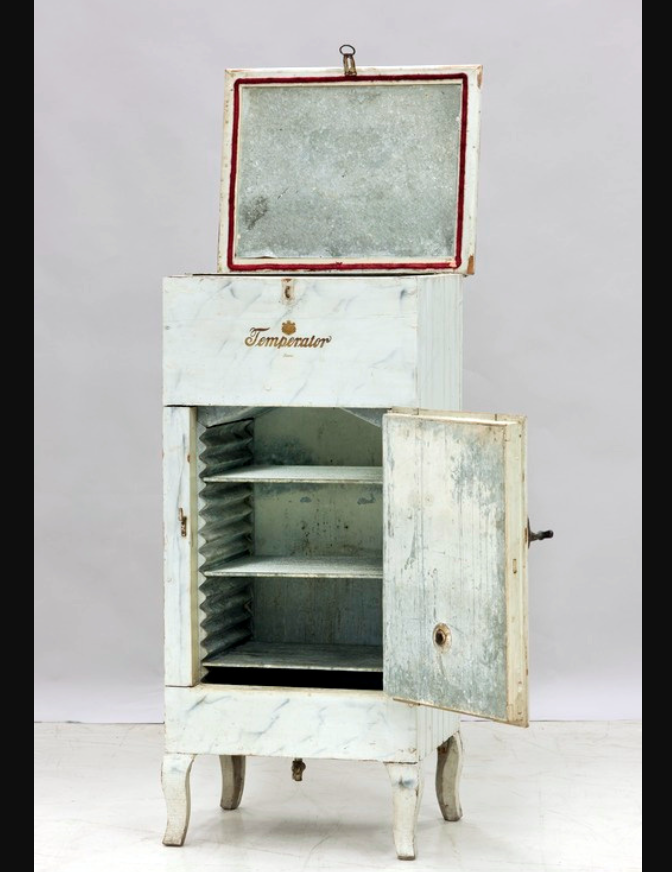
Many families in the early 1950s still relied on iceboxes that used large blocks of ice to keep food cool even as electric refrigerators became more available. Delivery drivers brought fresh ice regularly which made the system part of weekly routines. Some homes used both appliances during the transition period as refrigerators slowly became affordable. This mix of old and new technology reflects how American households gradually modernized. Today the idea of storing ice blocks inside a kitchen cabinet feels distant yet memorable for older generations.
10. Atomic Age Aluminum Christmas Trees
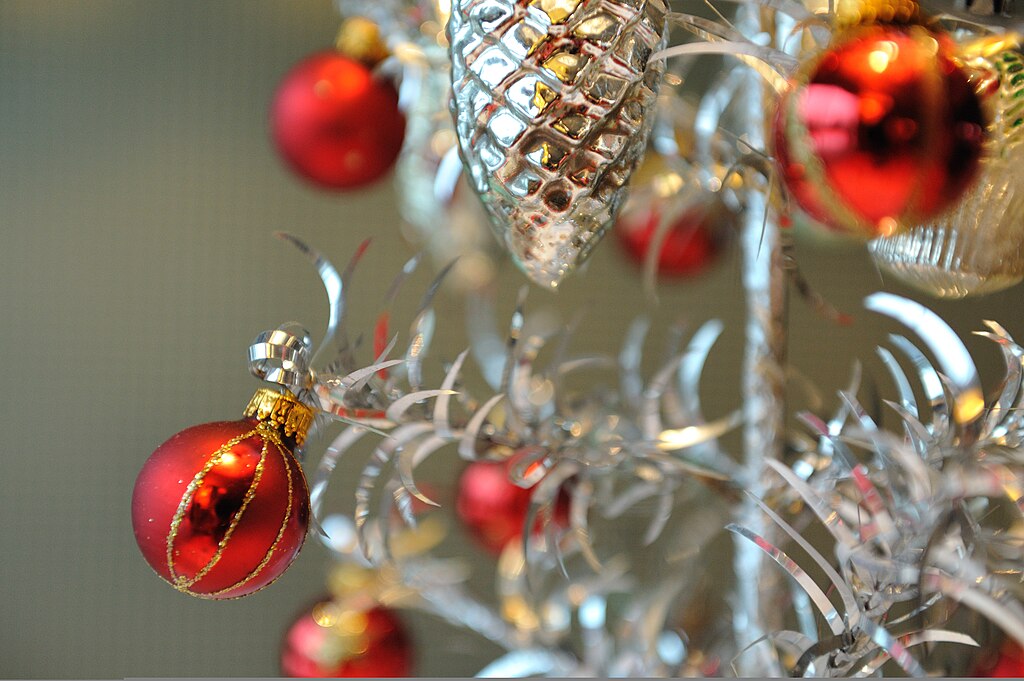
Aluminum Christmas trees became a futuristic holiday trend in the late 1950s sparkling under rotating color wheels that cast shifting lights. These shiny trees matched the atomic age fascination with space age style and modern design. Families proudly placed them in living rooms as bold holiday statements. Their metallic branches offered a unique look that stood apart from natural greenery. Although they fell out of style the trees remain treasured collectibles today. They perfectly capture the optimism and imagination of the era.
11. Door To Door Knife Sharpeners
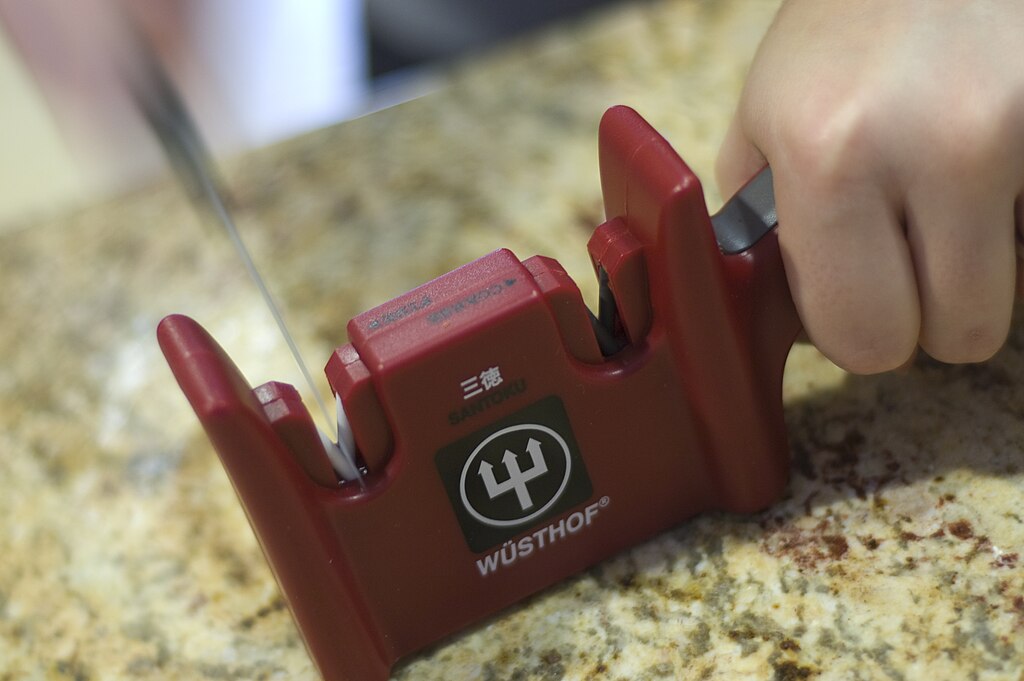
Knife sharpeners traveling door to door were common in the 1950s bringing a simple service directly to American households. Families depended on them to keep kitchen tools in good shape long before modern gadgets made sharpening easy at home. Kids often watched with fascination as sparks danced during the sharpening process. These visits became part of neighborhood life and offered convenience in a world without disposable tools. As store bought knives improved the tradition faded leaving behind warm memories of hands on skill and craftsmanship.
12. Drive In Movie Nights As A Weekly Family Event
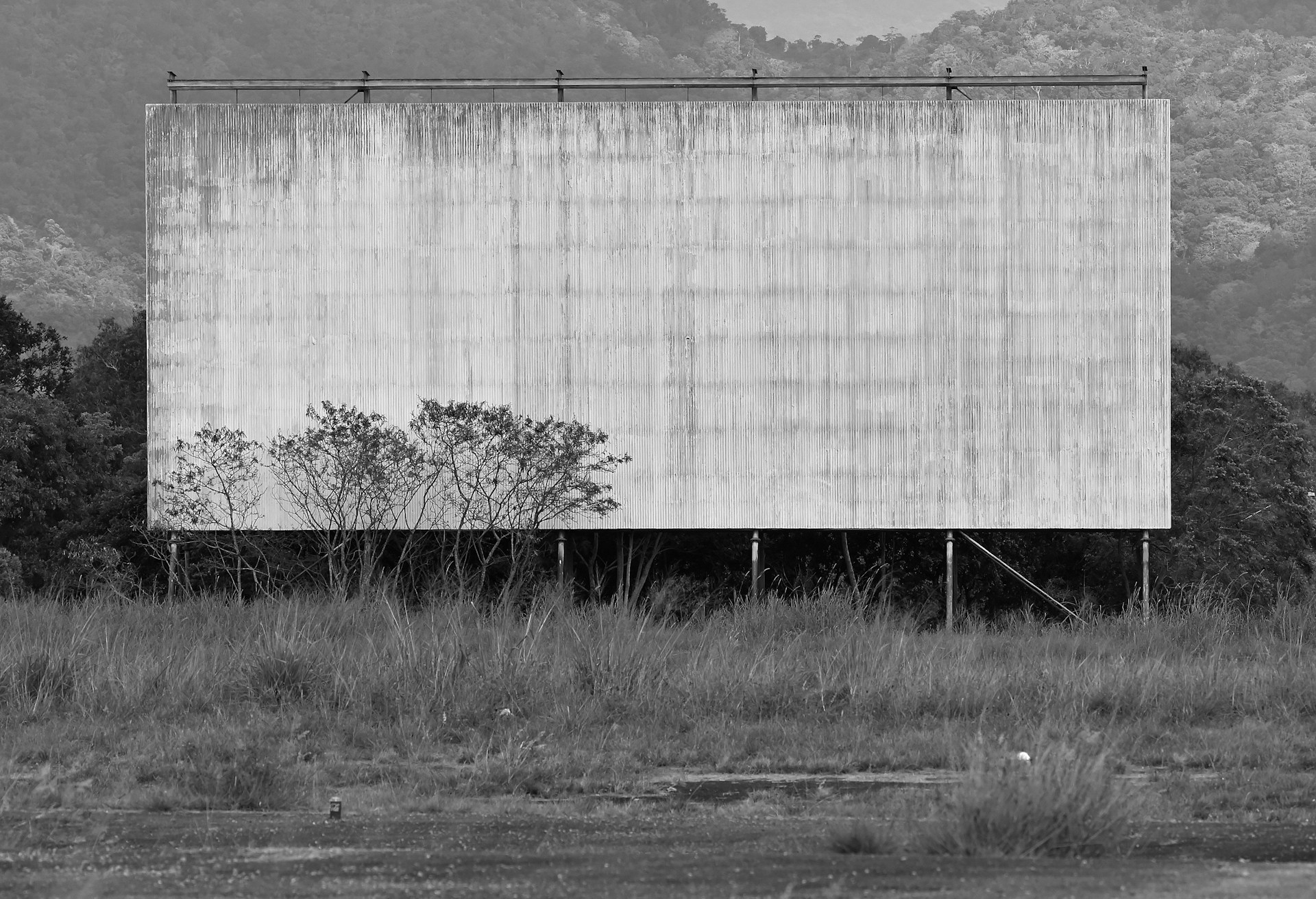
Drive in theaters flourished during the 1950s offering families inexpensive entertainment beneath the open sky. Parents packed snacks kids wore pajamas and everyone piled into the car for double feature nights. The excitement of big screens fresh air and shared community spaces made drive ins a beloved weekly outing. Modern entertainment replaced much of this charm though a few theaters still operate. Those who grew up in that era remember these evenings as some of the most magical moments of family life.
The everyday staples of the 1950s reveal how much American families valued routine community and simple pleasures. These items and habits defined an era filled with warmth and steady rhythms that shaped generations. While they may never return in full these memories continue to offer comfort and nostalgia reminding families of the timeless joys found in ordinary days.