
Homeowners today have more access to DIY knowledge than ever, but scams have also evolved alongside it. Many scammers target people who want to save money or improve their homes quickly. Recognizing the red flags can prevent costly mistakes and protect families from long-term damage. These are some of the most common pitfalls homeowners should stay aware of.
Door-to-Door Repair Scams
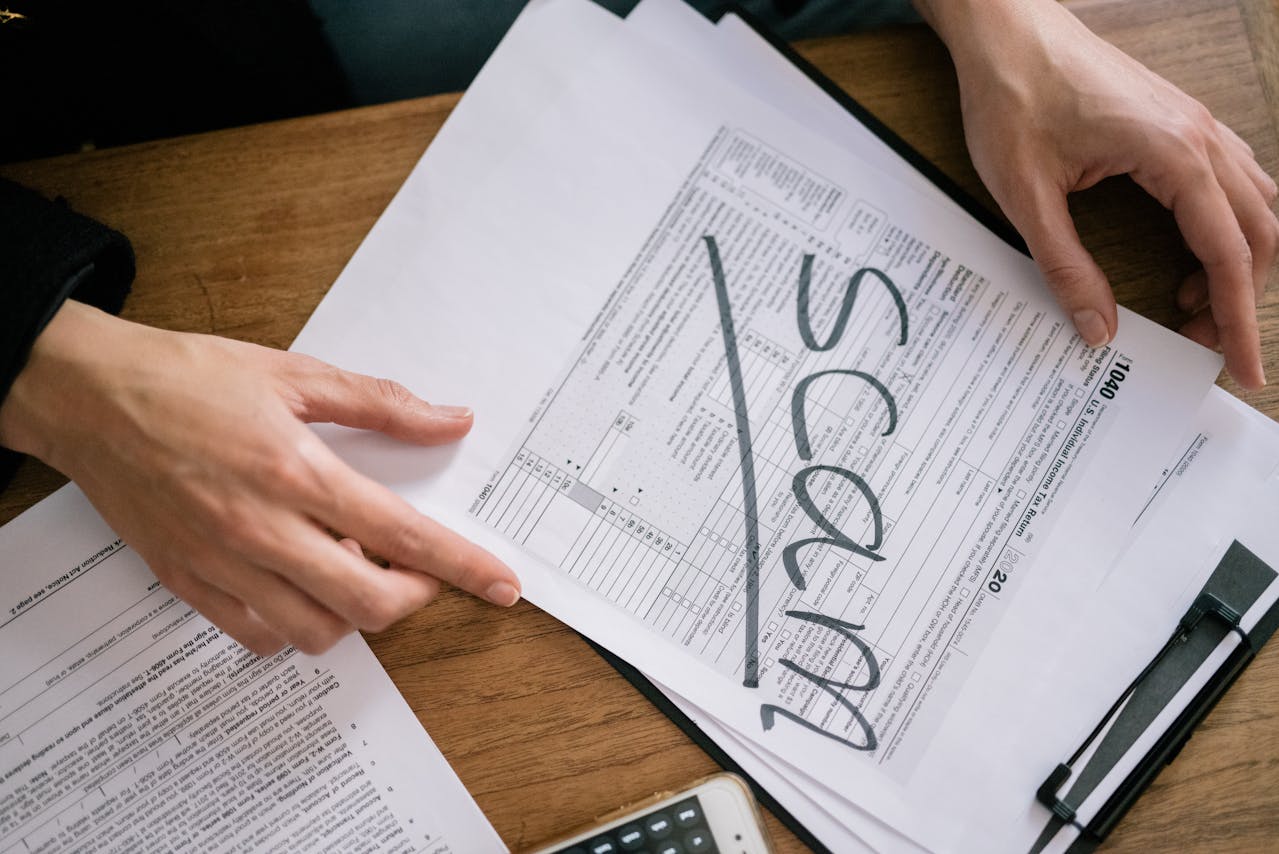
Scammers often appear unannounced, claiming to spot issues with your roof or driveway. They pressure homeowners into quick decisions and demand upfront payment. Many disappear after taking the money or doing poor work. Being cautious with unsolicited offers prevents major losses.
Fake Licensing and Credentials
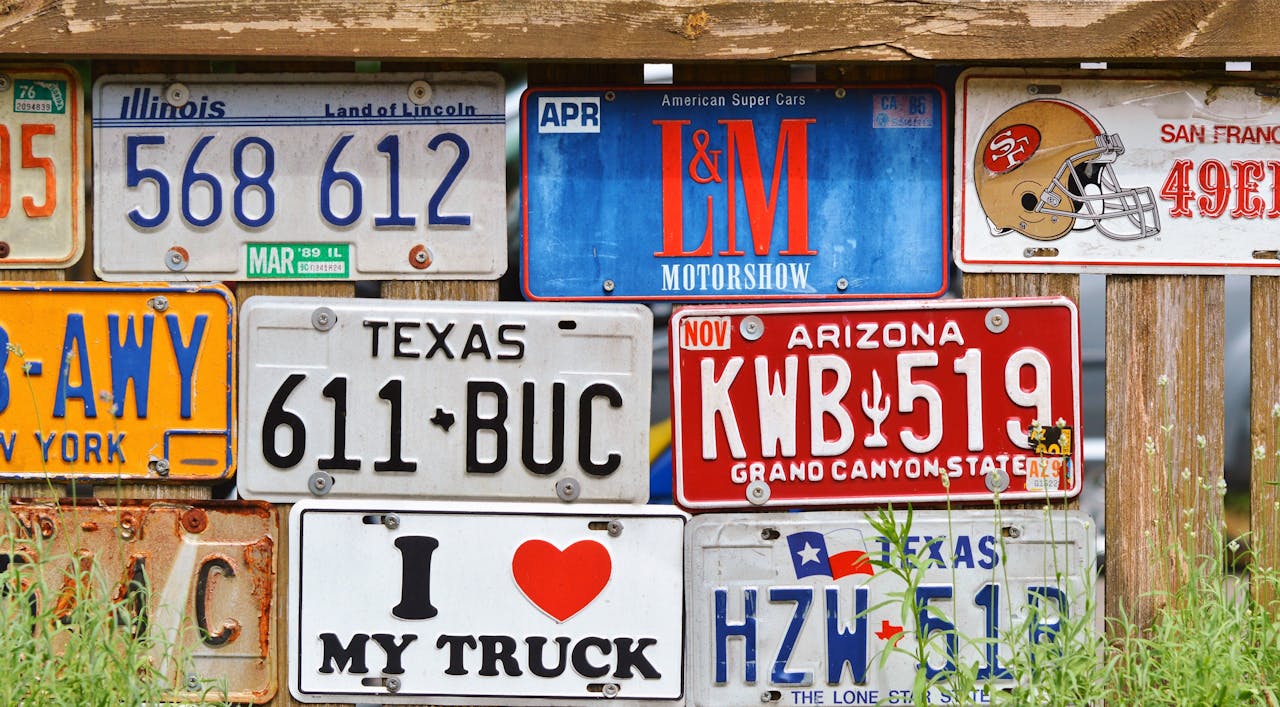
Some contractors present forged documents to appear legitimate. Homeowners may overlook verification in the rush to start a project. Without real credentials, the work is often unsafe or illegal. Always verifying documentation protects your home and finances.
Overpriced Materials Markups

Dishonest contractors may inflate material prices far above retail. Homeowners unaware of true costs end up paying double or triple. This scam hides within legitimate-looking invoices. Learning basic price ranges helps prevent this issue.
Low-Bid Followed by Price Increases

Some companies attract customers with extremely low initial quotes. Once work begins, they claim unexpected problems and raise the price dramatically. Homeowners feel trapped because the project is already underway. Getting multiple bids helps avoid this trap.
Unfinished Renovations
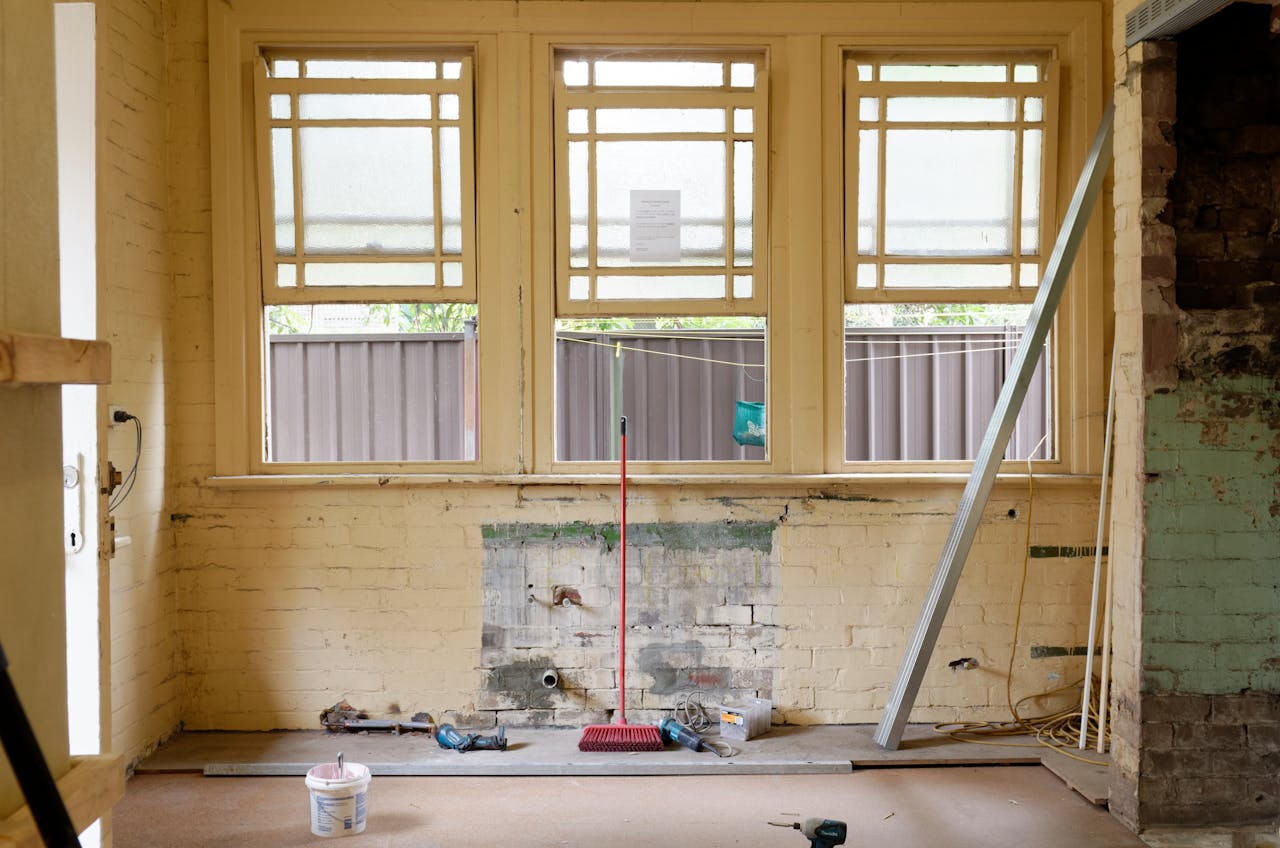
Scammers take deposits but fail to complete projects. They may leave halfway through or deliver poor-quality work that requires costly repairs. This leaves homeowners stressed and financially drained. Clear contracts and staged payments help prevent this.
Fake Emergency Repairs
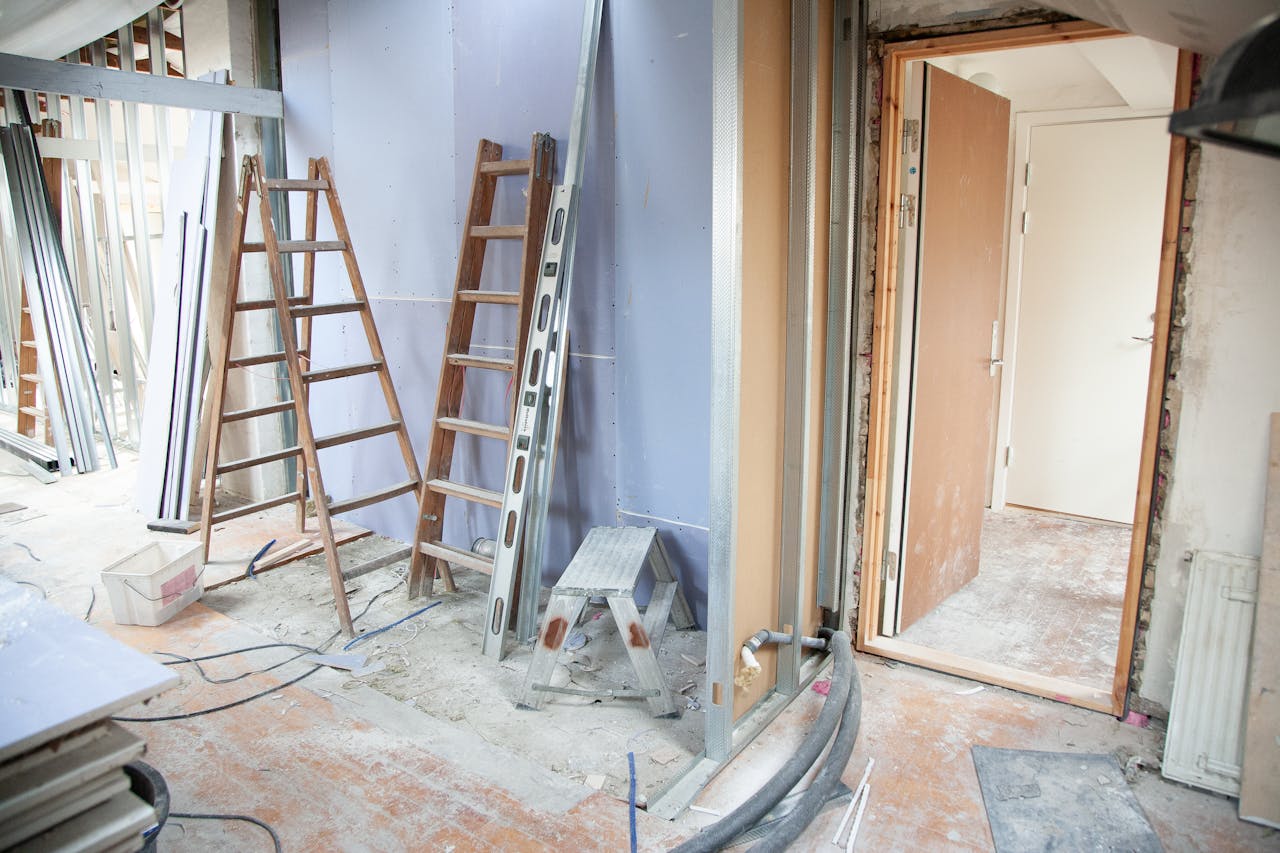
Scammers create urgency by claiming appliances or structural elements are unsafe. They pressure homeowners into quick fixes without evidence. These “emergencies” often result in unnecessary expenses. Getting a second opinion prevents panic-based decisions.
Storm-Chaser Contractors
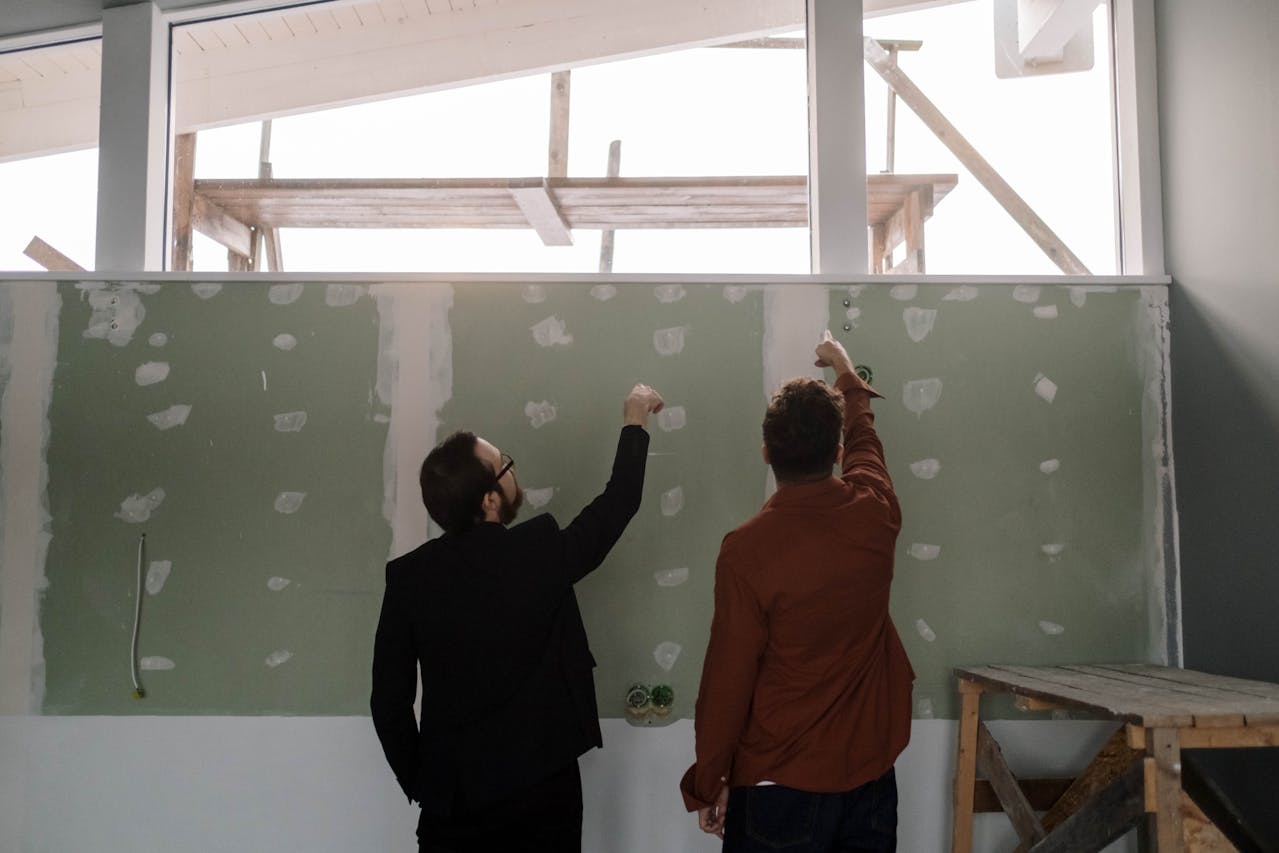
After storms, some contractors travel city to city to exploit vulnerable homeowners. They offer fast repairs but use cheap materials and vanish afterward. Their work often fails within months. Local, reviewed professionals are always safer.
Phony Mold Testing
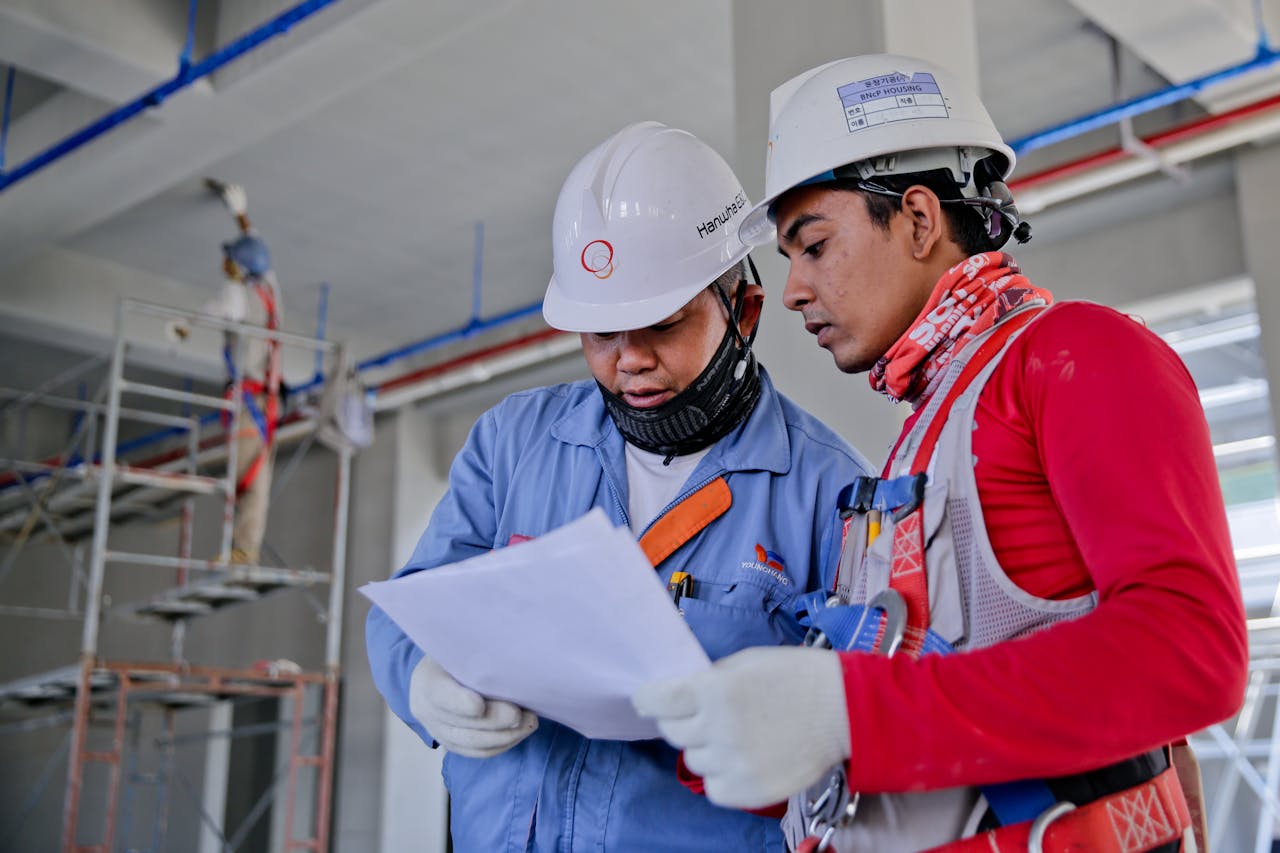
Some companies claim to offer mold inspections but exaggerate results to sell expensive remediation services. Homeowners feel fear-driven into unnecessary treatments. Legitimate inspections include lab testing and clear reporting. Awareness prevents falling for scare tactics.
Online Tool and Supply Scams

Websites offering heavily discounted tools often never ship products. Homeowners lose money without receiving materials needed for projects. These scams target DIY enthusiasts seeking deals. Trusted retailers are the safer option.
Hidden Fees in Contracts

Dishonest contractors bury fees in fine print, such as disposal costs or equipment charges. Homeowners are surprised by the final bill. Reading and clarifying every detail prevents misunderstandings. Transparency is essential in any home project.
Improper Permit Handling
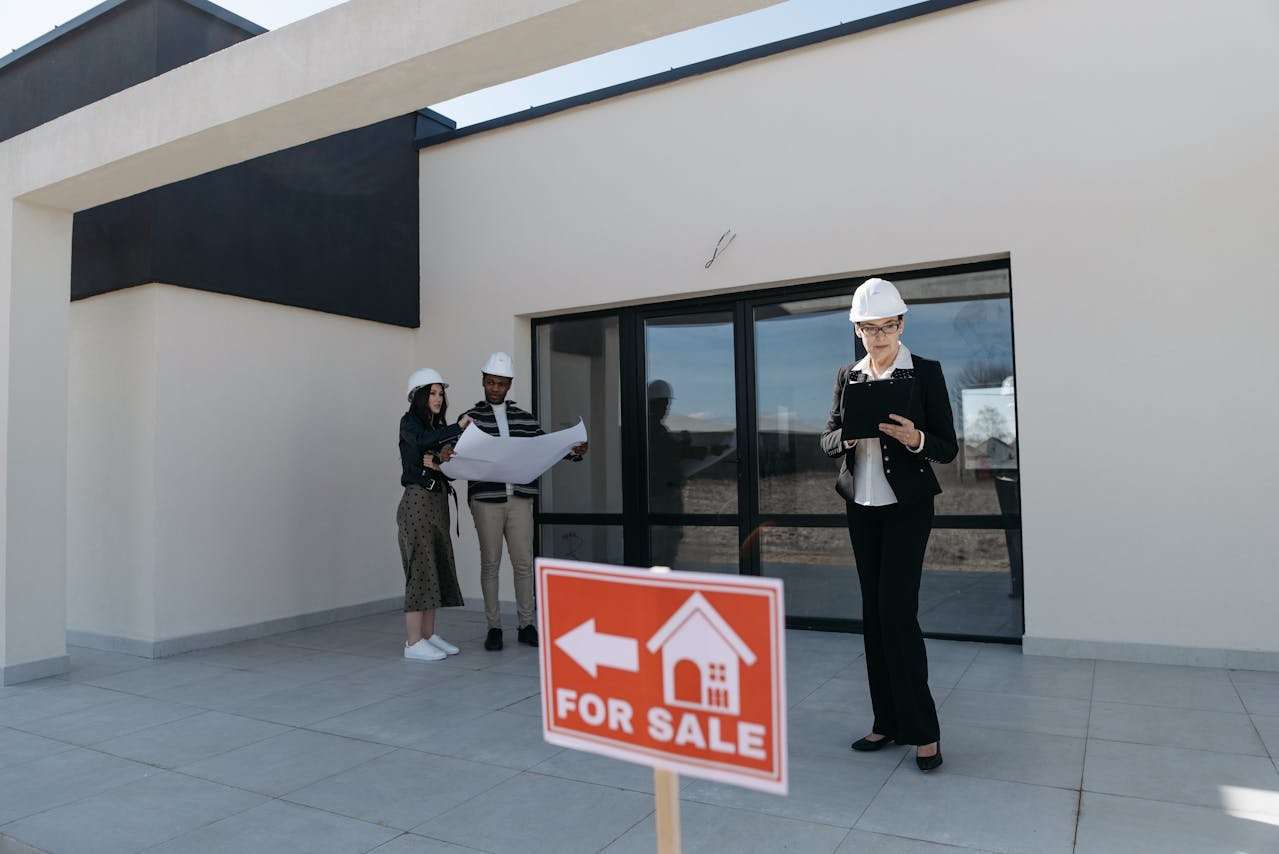
Some contractors skip required permits to save time and money. This puts homeowners at risk of fines or unsafe work. It can cause problems when selling the home later. Ensuring proper permits protects long-term value.
Too-Good-to-Be-True DIY Kits

Some DIY kits promise professional results with minimal effort but deliver cheap materials and unclear instructions. Homeowners end up wasting time and money. These kits often rely on convincing marketing rather than quality. Doing research helps avoid disappointment.