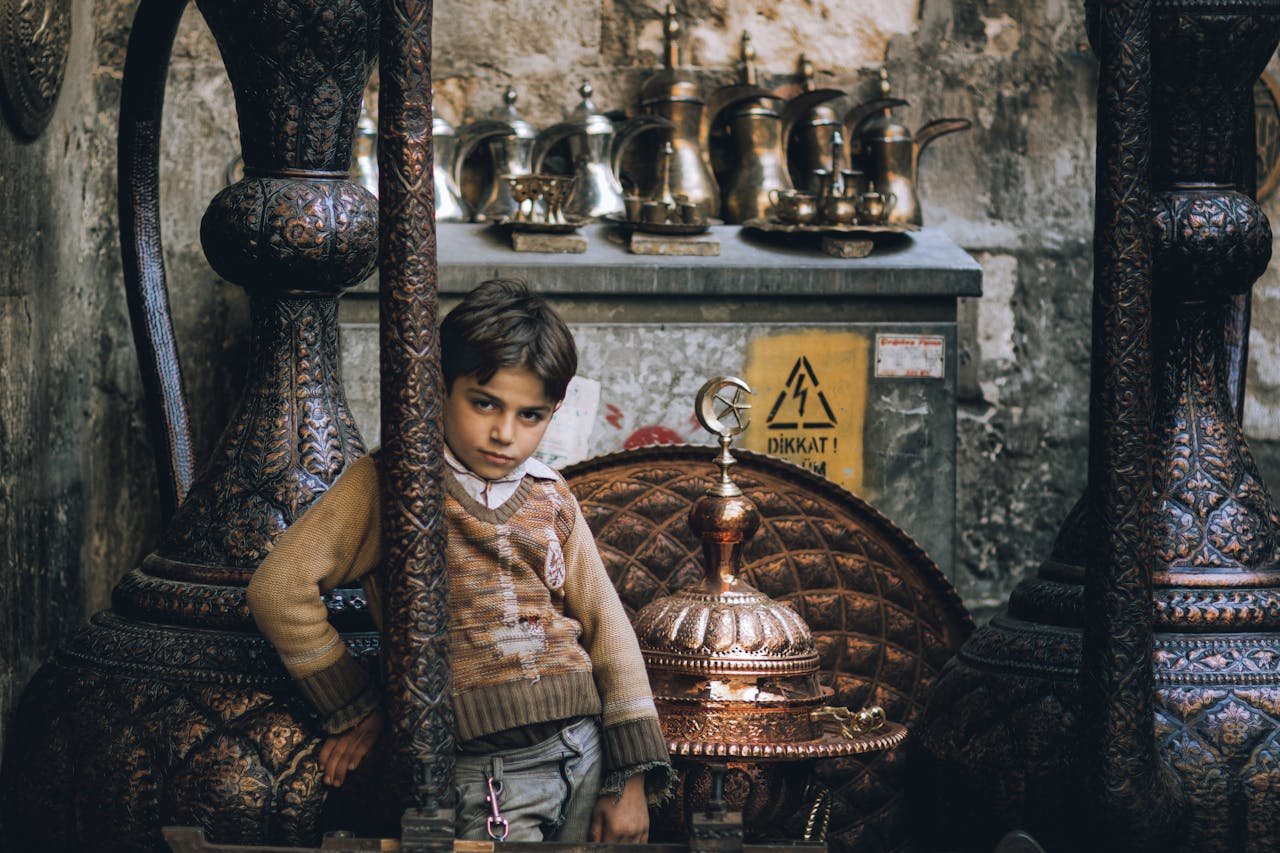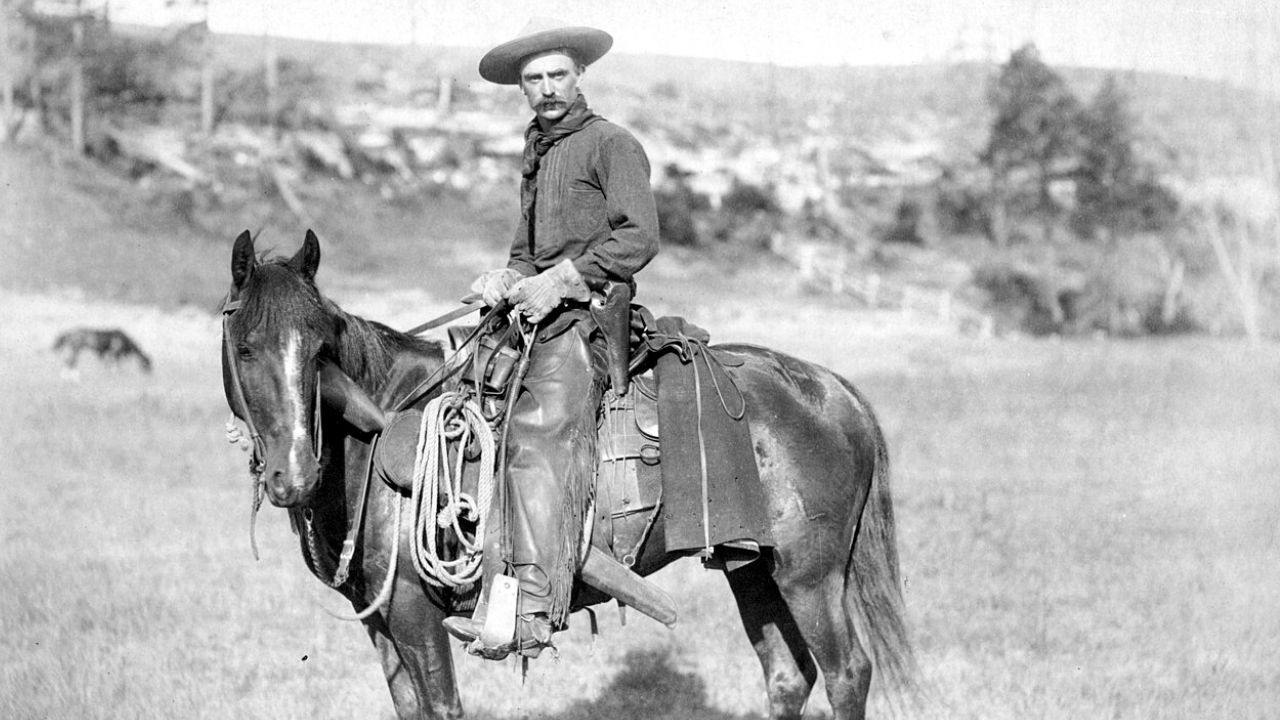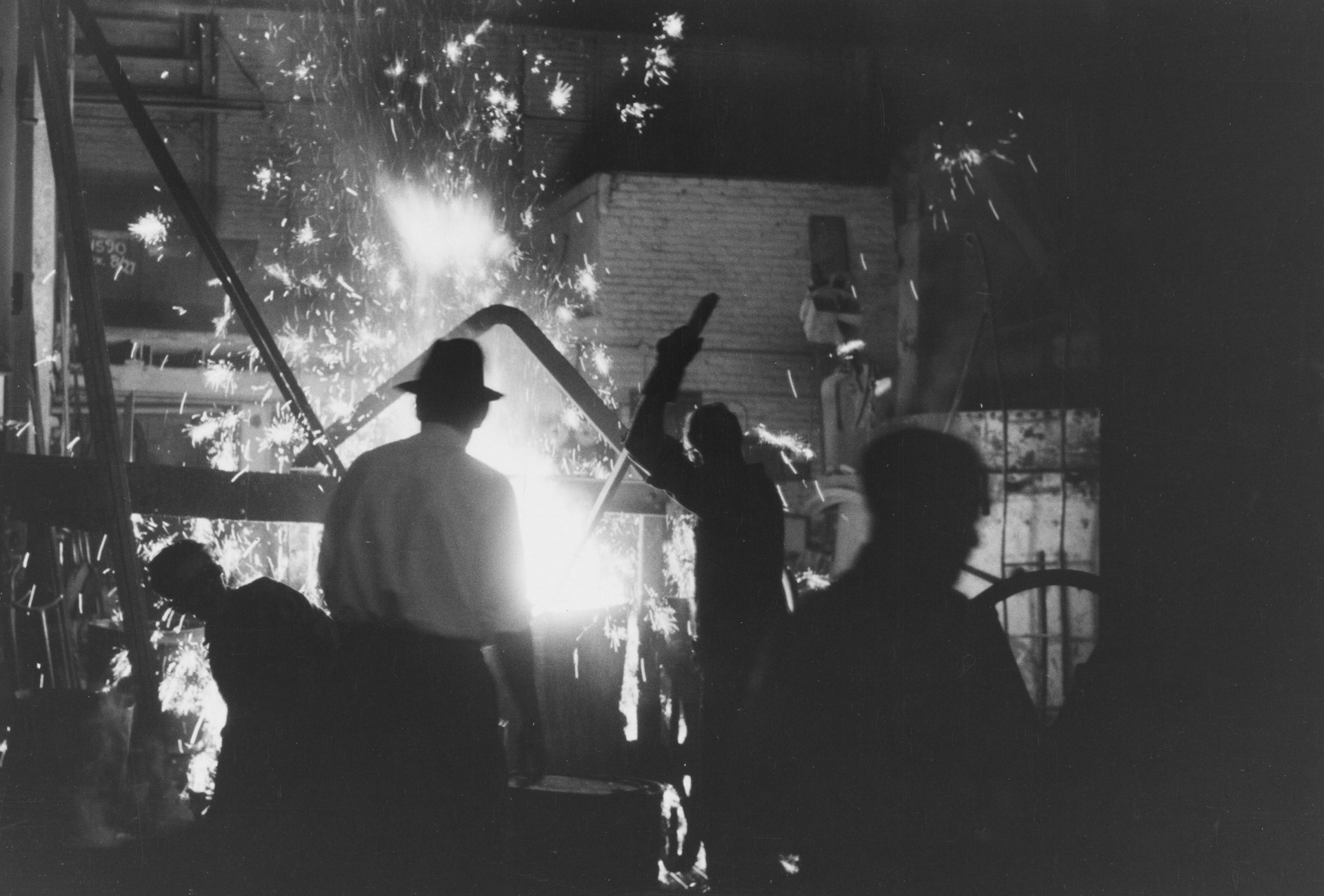
Traveling back to 1920s America would feel less like stepping into a glamorous past and more like entering a world that operates on unfamiliar assumptions. Daily life moved according to rules that felt normal at the time but would challenge modern expectations almost immediately. Ideas about health, family roles, safety, and social behavior were shaped by limited information and rapidly changing technology. Many practices were widely accepted simply because alternatives had not yet emerged. Experiencing this era firsthand would be disorienting not because people were careless, but because values and priorities were arranged differently. These cultural shocks reveal how deeply modern life is shaped by progress, regulation, and evolving social awareness.
1. Smoking Was Common in Everyday Spaces
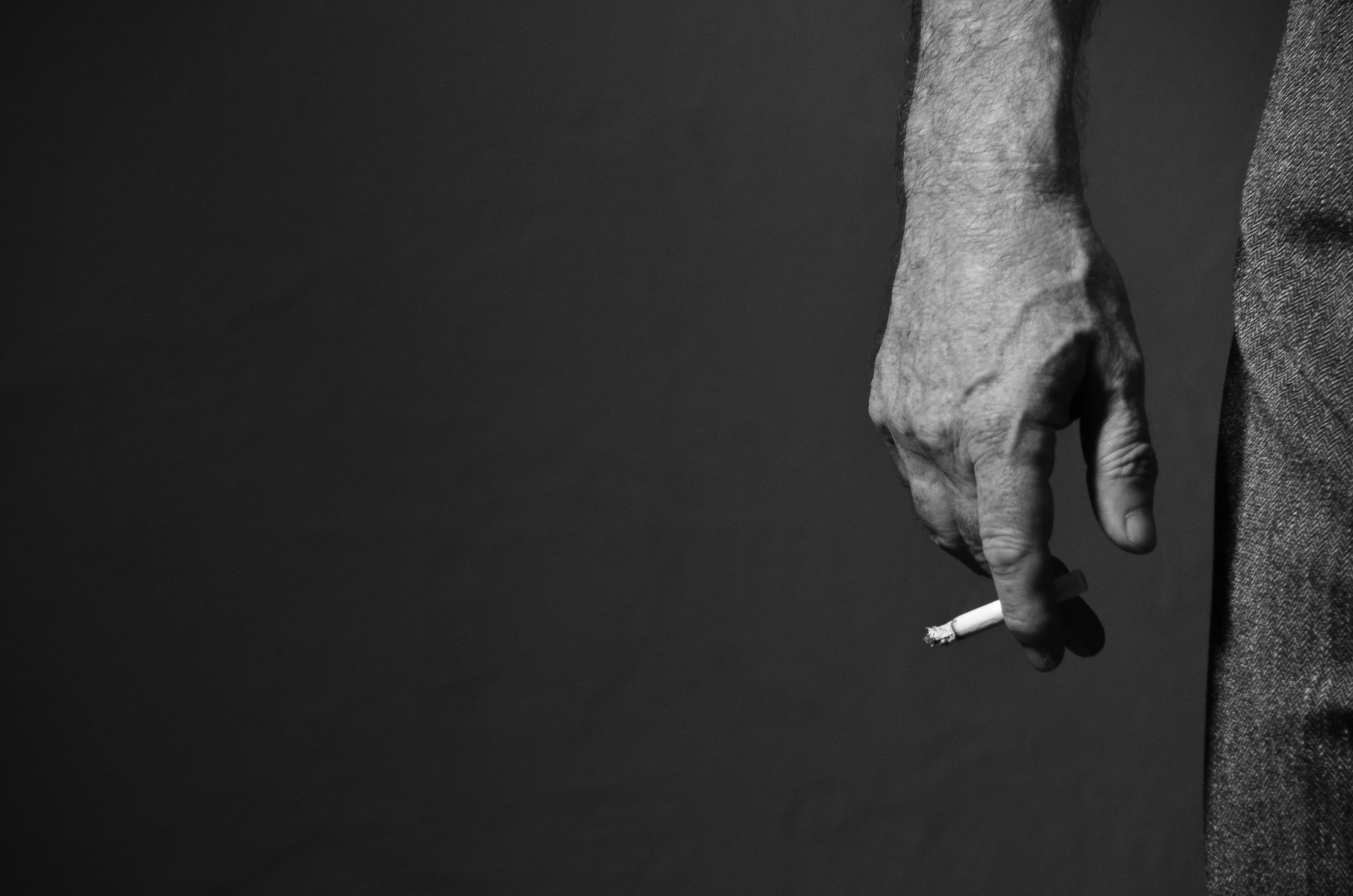
In the 1920s, smoking was woven into nearly every part of daily life, including homes, workplaces, restaurants, and social gatherings. Cigarettes were associated with sophistication and relaxation rather than danger, and adults smoked freely around children without concern. There were no warning labels, public health campaigns, or designated smoking areas. The idea that smoke could harm others had not yet entered mainstream thinking. For a modern visitor, the constant presence of smoke would feel overwhelming and alarming, highlighting how dramatically medical knowledge has reshaped social norms.
2. Children Were Given Far More Independence
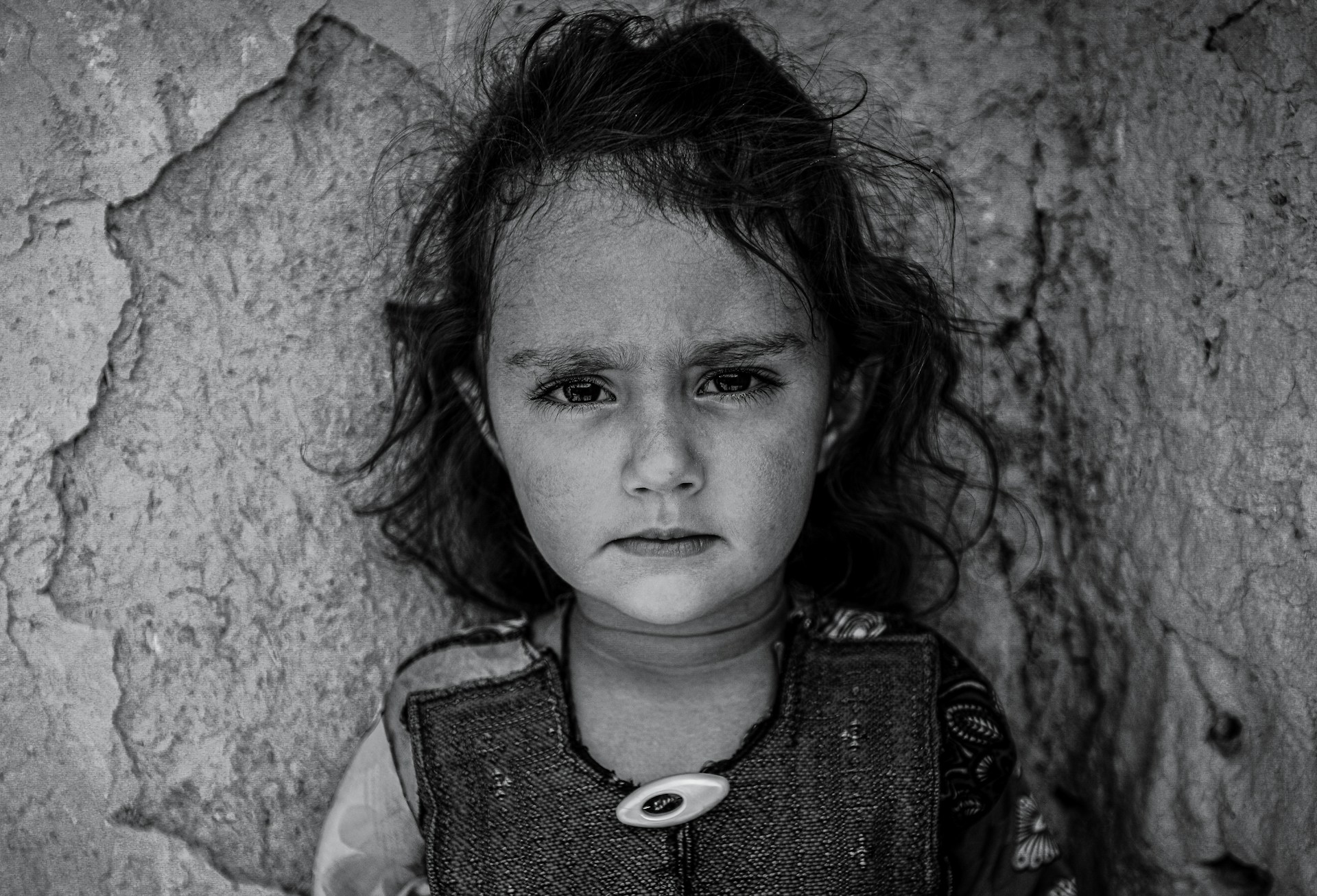
Children in the 1920s often moved through the world with a level of independence that would feel shocking today. Young kids ran errands alone, navigated busy streets, and spent long hours outside without adult supervision. Parents trusted community familiarity and expected children to learn responsibility through experience rather than protection. Accidents were considered part of growing up. For modern families used to structured schedules and oversight, this hands off approach would feel risky and unsettling, revealing how ideas about childhood safety have evolved.
3. Medical Advice Was Limited and Sometimes Dangerous
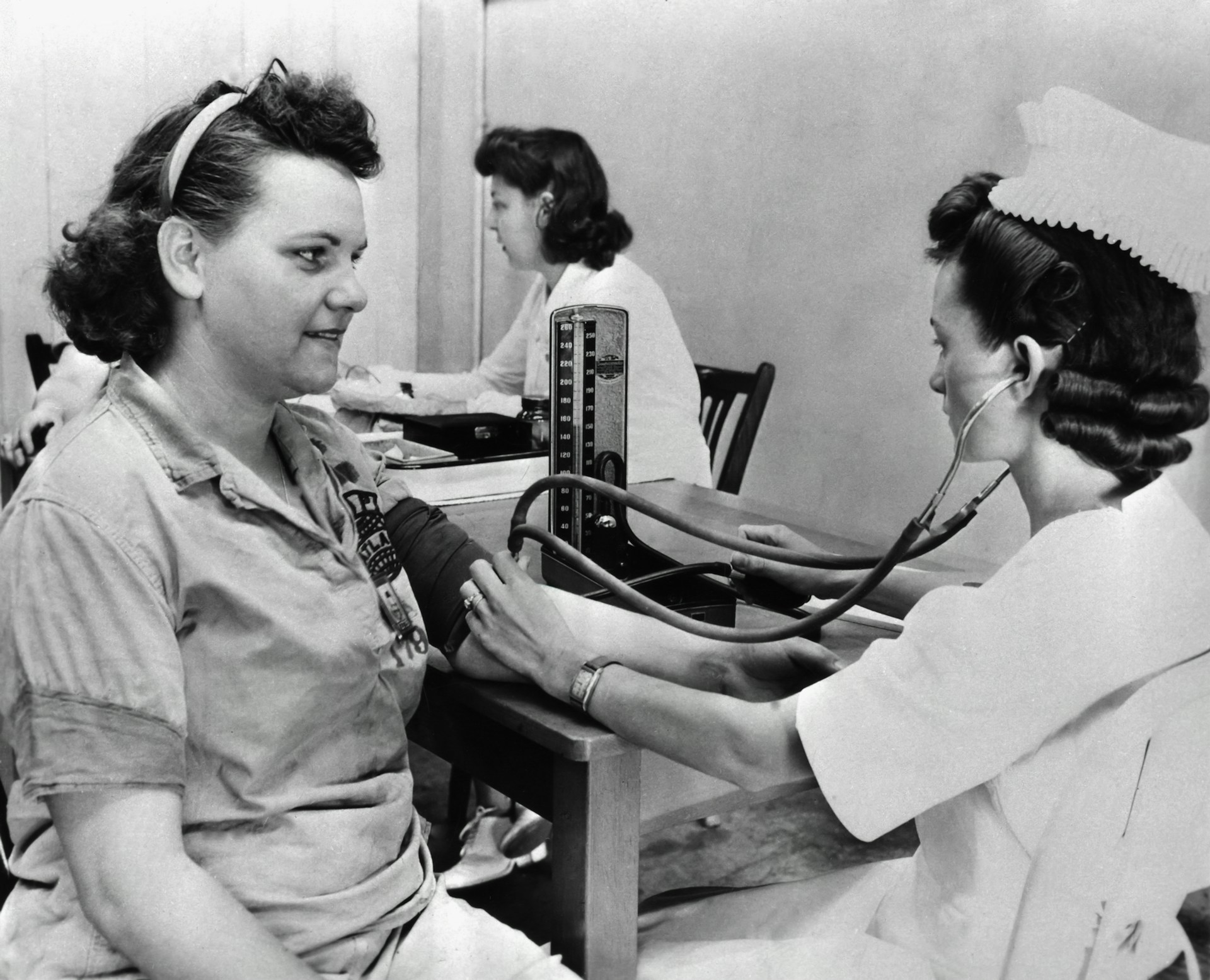
Healthcare in the 1920s operated with far less regulation and scientific certainty. Many treatments were based on incomplete understanding or tradition rather than evidence. Families followed advice that today would seem reckless, from untested remedies to practices later proven harmful. Doctors were respected, but medicine lacked the safeguards now taken for granted. Experiencing illness in this era would feel frightening due to the uncertainty and lack of reliable care, underscoring how modern expectations depend on decades of medical advancement.
4. Hygiene Standards Were Still Developing
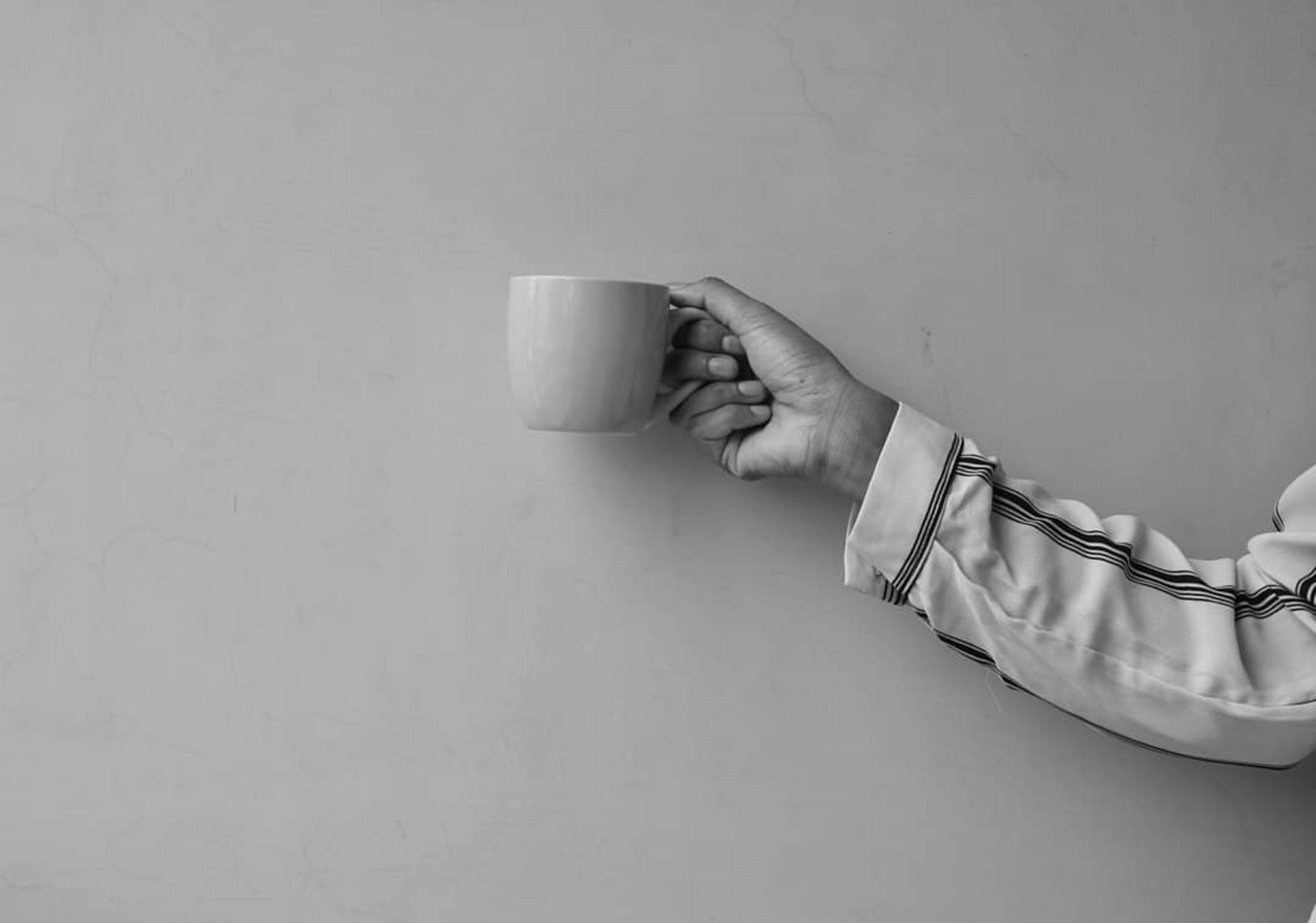
Although germ theory was gaining acceptance, everyday hygiene practices lagged behind modern standards. Shared drinking cups, limited handwashing facilities, and minimal food safety regulations were common. Families did not view these practices as risky because awareness of disease transmission was still emerging. Public health infrastructure was inconsistent, especially outside major cities. For a modern traveler, these conditions would feel uncomfortable and unsafe, emphasizing how deeply sanitation now influences daily comfort and trust.
5. Women’s Social Roles Were Narrowly Defined
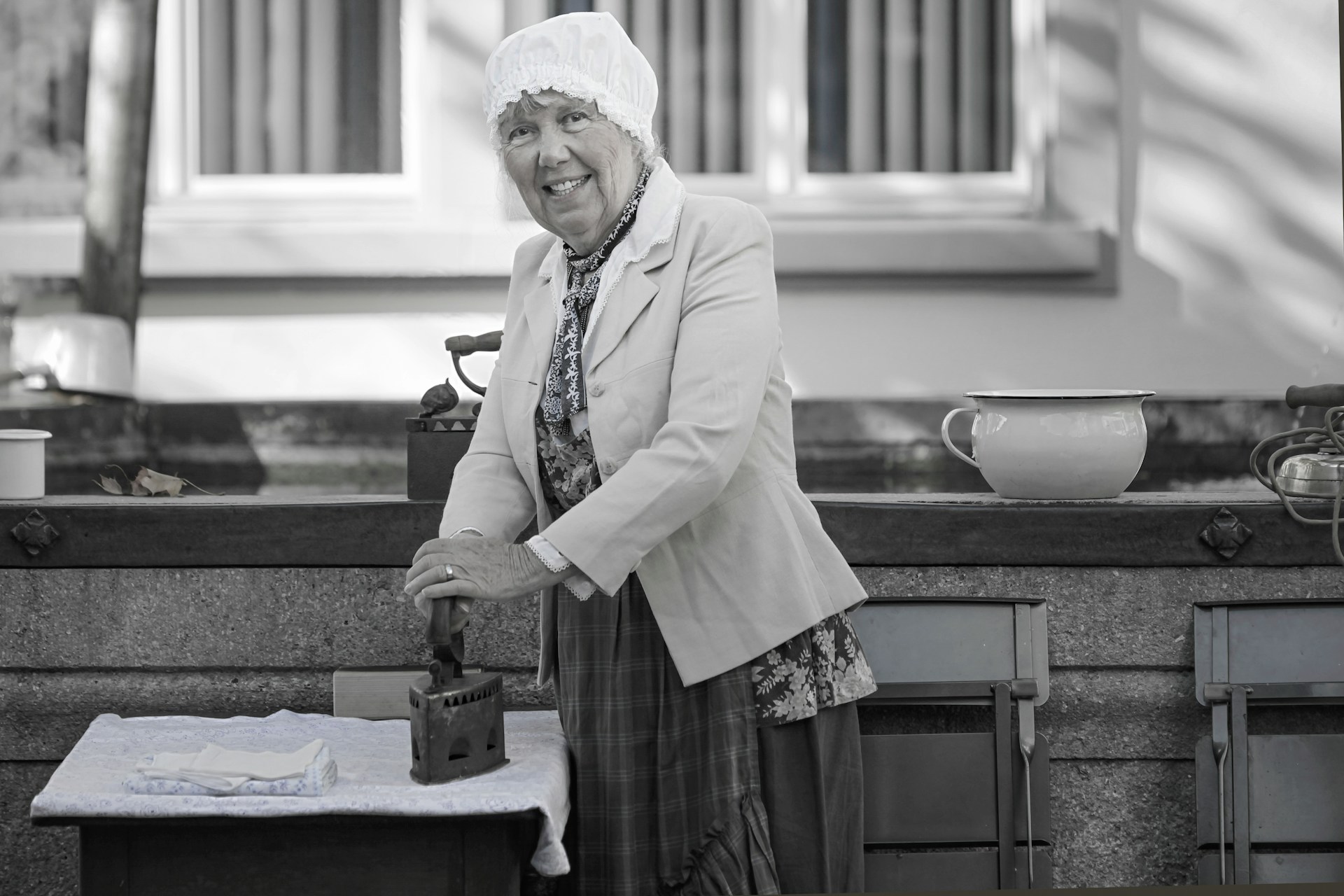
Despite progress such as the right to vote, women in the 1920s still faced strict expectations around behavior and responsibility. Many were expected to prioritize marriage, motherhood, and domestic duties over personal ambition. Career opportunities were limited and often temporary. Social independence existed within boundaries that were closely monitored. Experiencing these restrictions firsthand would feel constraining to modern sensibilities, revealing how recently broader gender equality has emerged.
6. Alcohol Was Publicly Illegal but Privately Common
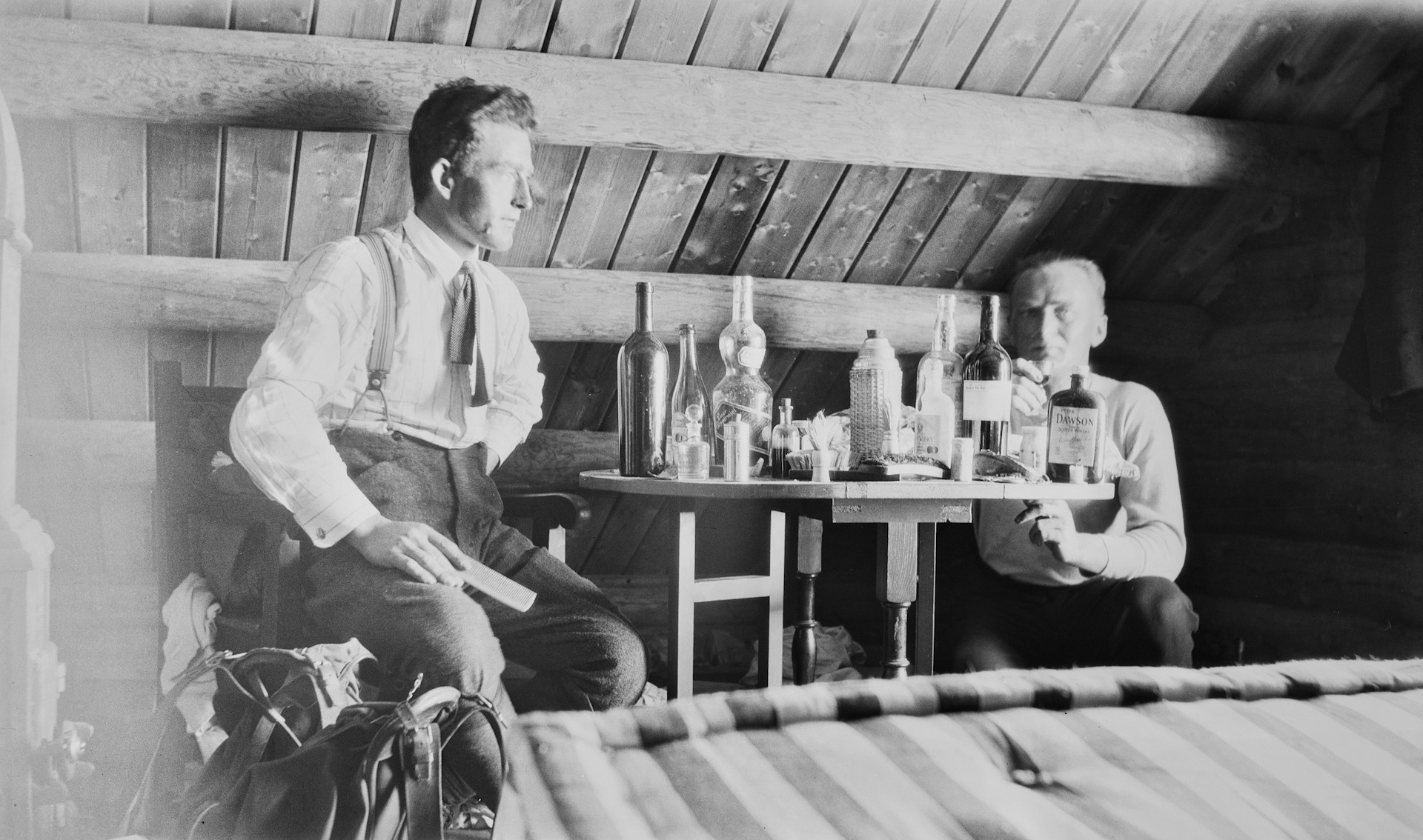
Prohibition officially banned alcohol, yet drinking remained widespread through speakeasies and private gatherings. This contradiction created a culture where illegal behavior was normalized and even celebrated. Families navigated conflicting messages about morality and law. The open secrecy of Prohibition would feel strange to modern visitors accustomed to regulated access rather than outright bans. It highlights how legislation can shape behavior in unexpected ways.
7. Racism Was Openly Enforced by Law
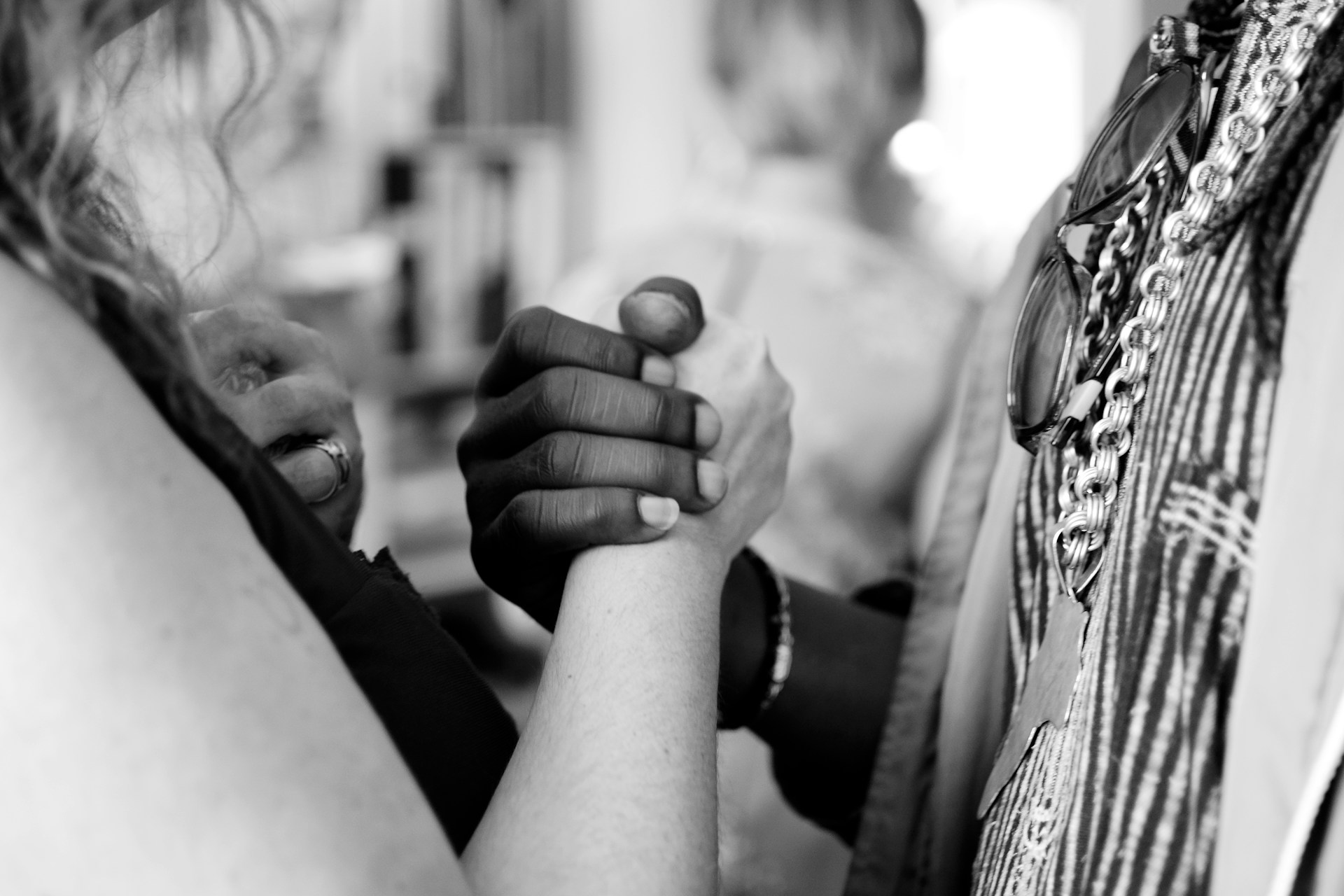
Racial segregation and discrimination were legally enforced in much of the country. Public spaces, housing, and opportunities were restricted based on race without apology. This reality shaped daily life in ways that would be deeply disturbing to witness. The absence of legal protection and social accountability would shock modern travelers, revealing how much civil rights progress has reshaped expectations of fairness and dignity.
8. Work Life Offered Little Protection
Workers in the 1920s had few labor protections. Long hours, unsafe conditions, and minimal benefits were common. Job security depended largely on economic conditions rather than regulation. Families accepted hardship as normal. For modern Americans accustomed to labor laws and workplace rights, this environment would feel harsh and exhausting, highlighting how labor standards now underpin daily stability.
9. Information Traveled Slowly
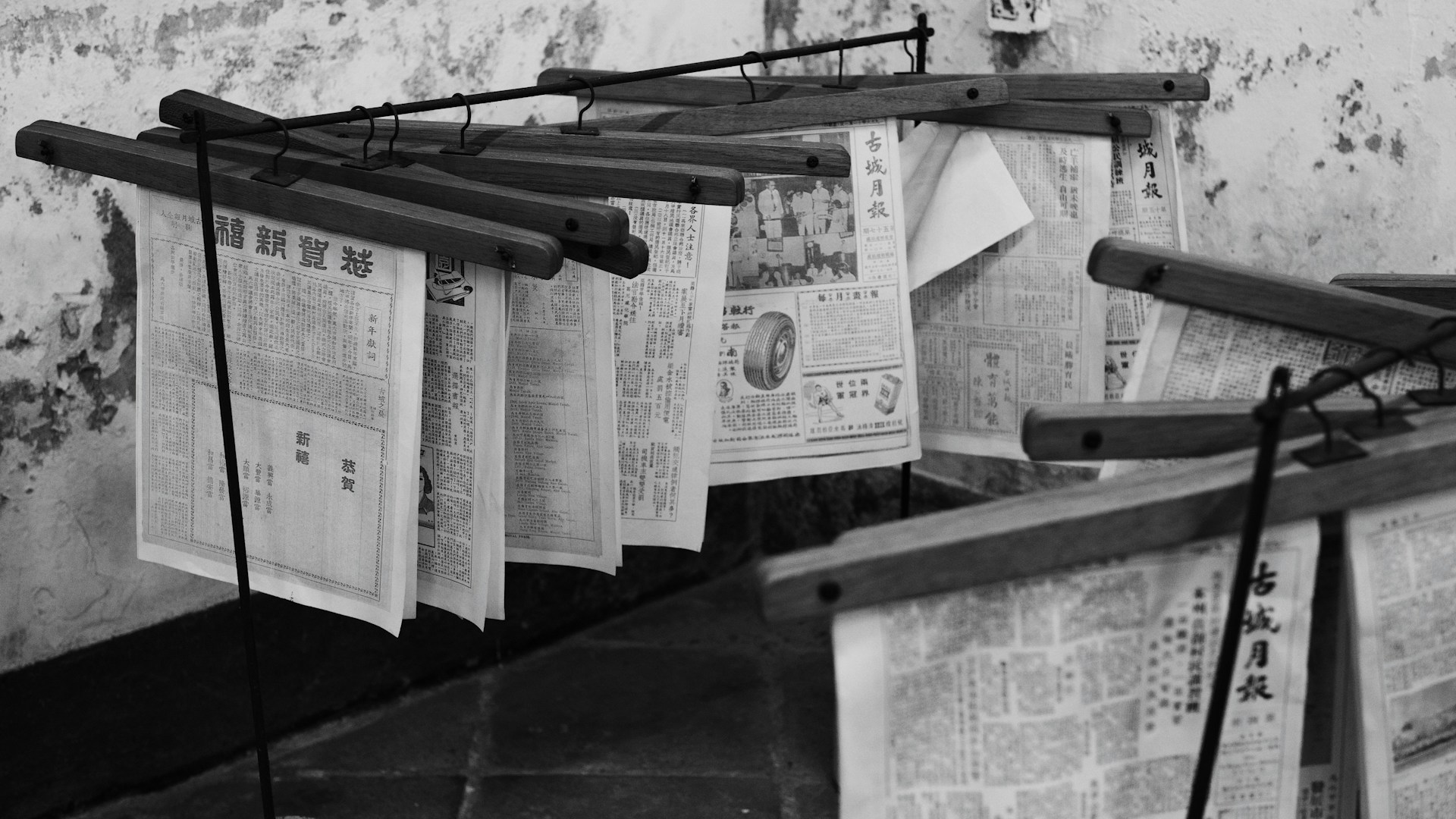
News in the 1920s spread through newspapers, radio, and word of mouth, often filtered by limited perspectives. Information traveled slowly and was sometimes incomplete or biased. Families relied on local sources and trusted authority figures. For modern travelers used to instant updates and diverse viewpoints, this slower flow would feel isolating and restrictive, showing how information access shapes awareness.
10. Household Products Contained Hazardous Substances
Many items used daily in 1920s American homes contained substances that modern families would immediately recognize as hazardous. Cleaning products, cosmetics, medicines, and even children’s items were often made with chemicals that had not yet been studied for long term effects. Families assumed that products sold openly were safe, since regulation and consumer protection were minimal. Warning labels were rare, and trust in manufacturers was the norm.
11. Entertainment Was Often Controversial
Entertainment in the 1920s frequently blended excitement with real physical or moral risk, creating experiences that modern audiences would find alarming. Live stunt performances, loosely regulated attractions, and sensational spectacles were popular forms of amusement. Safety measures were minimal, and audiences accepted danger as part of the thrill. Families often attended these events together without questioning potential harm. For a modern visitor, the casual acceptance of risk in entertainment would feel deeply uncomfortable, revealing how dramatically expectations around safety, liability, and responsibility have changed.
12. Risk Was Accepted as Normal
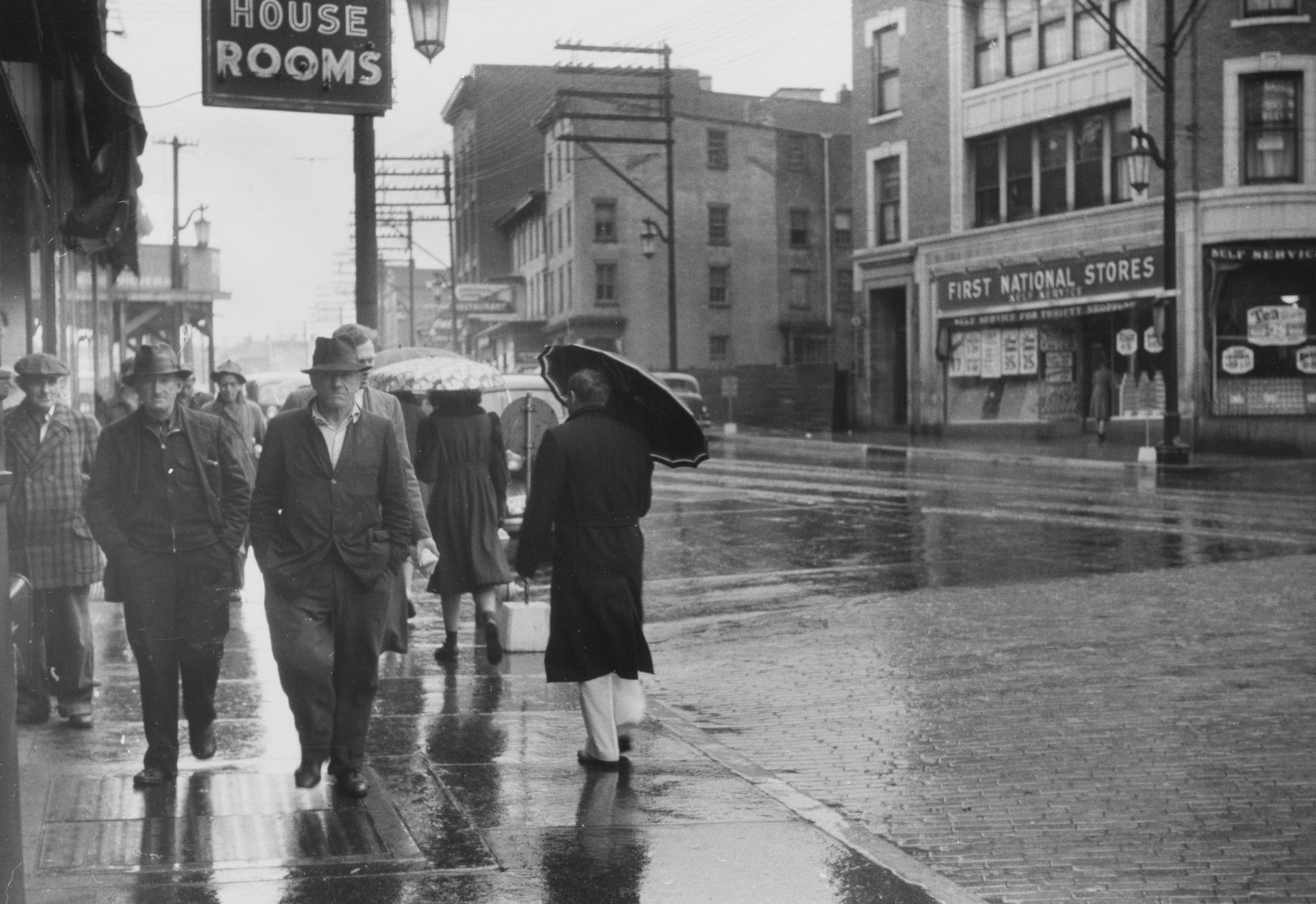
Looking across all these shocks, one truth stands out. Life in the 1920s involved a level of accepted risk that modern families would find alarming. People relied on resilience rather than prevention, adapting quickly to uncertainty. These cultural shocks are not a reflection of ignorance, but of an era still discovering its limits. Time traveling to this period would feel disorienting because modern comfort, safety, and awareness have quietly reshaped what feels acceptable. The contrast shows how profoundly progress has redefined everyday life.