American families are quietly rethinking where they vacation as priorities shift toward comfort, safety, pacing, and value. In 2026, travel planning reflects realism shaped by recent experiences rather than tradition or social pressure. Families research more carefully, thinking about crowd levels, daily logistics, and how destinations actually function with children. Some places once considered automatic choices now require more thought. This change is not about fear or avoidance. It is about alignment. Vacation decisions increasingly focus on ease, flexibility, and experiences that support family connection rather than exhaustion.
France
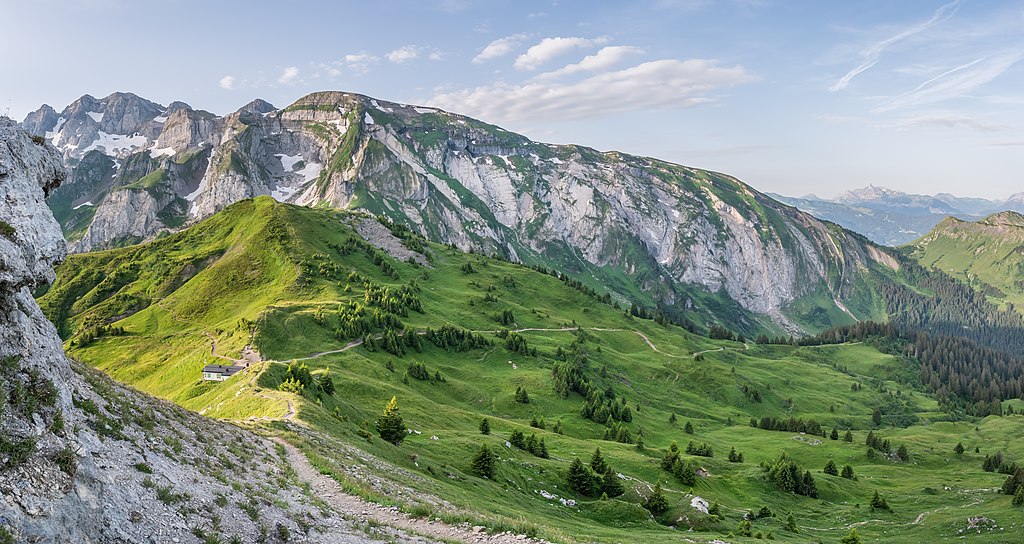
France continues to attract American families for its history, food, and culture, yet many are rethinking how it fits family travel. Popular cities feel extremely crowded during peak seasons, making movement with children stressful. Long lines, packed transit, and higher accommodation costs add pressure. Families weigh cultural richness against daily fatigue. Some delay visits or focus on smaller towns and countryside regions. France remains appealing, but families now approach it with selective planning and timing to protect comfort and enjoyment.
Italy

Italy’s charm, walkable cities, and family friendly food keep it popular, but many families reconsider pacing. Historic centers often involve long walks, stairs, and heavy crowds. Parents think carefully about children’s energy levels and heat exposure. While the experience remains meaningful, logistics can feel demanding. Families increasingly choose slower itineraries or smaller destinations. Italy is not avoided, but reimagined as a place for fewer locations, longer stays, and more rest built into travel days.
United Kingdom
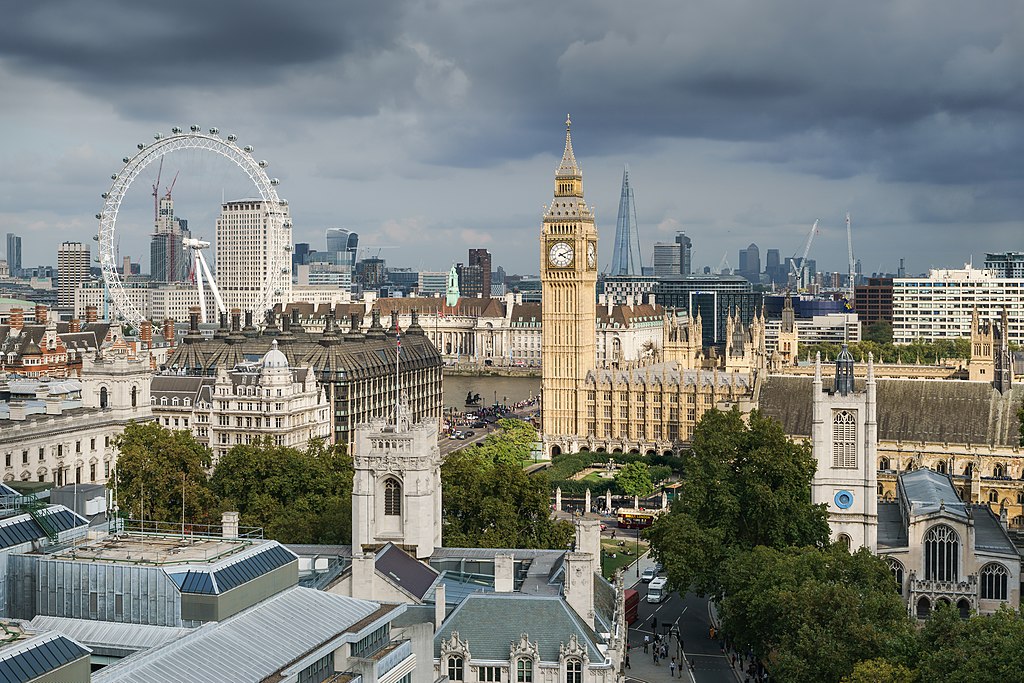
The United Kingdom feels familiar to American families due to language and shared cultural references, yet rising costs drive reconsideration. Lodging, dining, and transportation expenses accumulate quickly, especially in major cities. Families compare value against destinations offering similar experiences at lower cost. While ease of communication remains appealing, budgeting affects length of stay and city choices. Many families shorten trips or limit destinations. The UK remains accessible, but financial realism reshapes expectations.
Japan
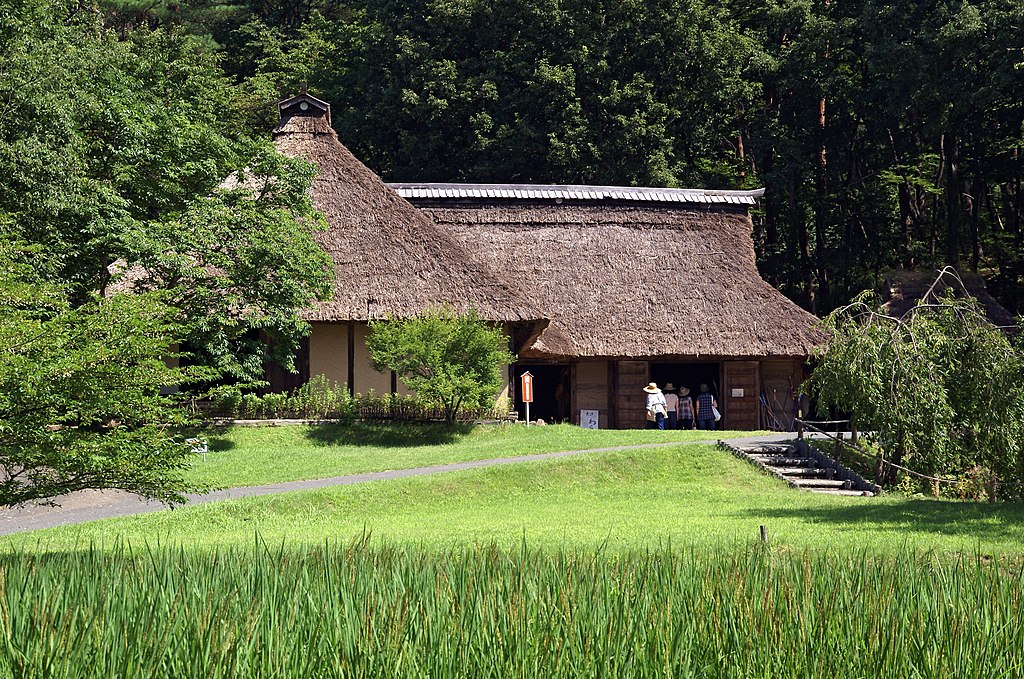
Japan attracts American families for safety, cleanliness, and unique culture, but some rethink readiness. Long flights, time zone changes, and busy urban environments require stamina. Parents consider children’s ability to handle sensory intensity and structured social norms. While infrastructure supports travelers well, the experience can feel demanding. Many families postpone trips until children are older. Japan remains admired, but timing and energy levels strongly influence planning decisions.
Mexico
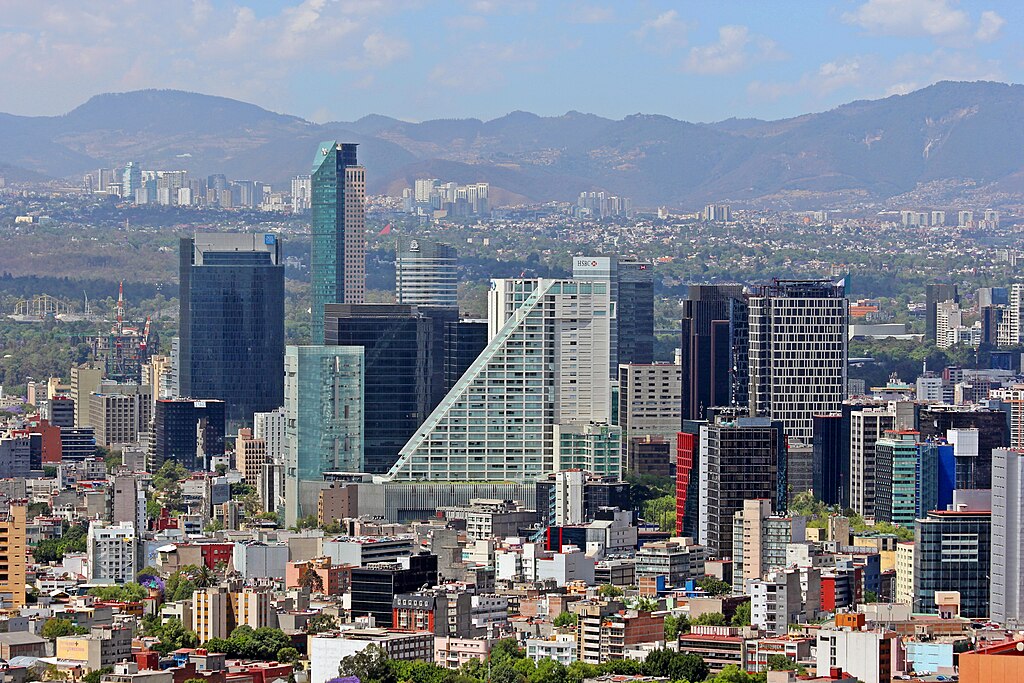
Mexico remains one of the most accessible destinations for American families, yet planning has become more selective. Families increasingly research specific regions rather than assuming uniform experience. Concerns around crowding, infrastructure, and comfort vary widely by location. Proximity and cultural familiarity remain strengths, but families favor quieter destinations over heavily marketed resorts. Mexico continues to appeal, but thoughtful destination choice now plays a larger role in family travel decisions.
Thailand

Thailand continues to attract American families for its affordability and cultural richness, but many now rethink timing and logistics. Long flight durations, jet lag, and intense heat can be challenging for children. Parents consider how well younger travelers adapt to climate and pace. While destinations offer welcoming hospitality, the distance adds complexity. Families increasingly postpone trips until children are older or simplify itineraries. Thailand remains admired, but thoughtful planning and realistic expectations now shape how families approach visiting.
Spain

Spain appeals to American families for its relaxed lifestyle, food culture, and walkable cities, yet crowd levels prompt reconsideration. Popular destinations can feel busy and noisy during peak seasons. Families assess how easily they can move with children and strollers. Some explore quieter regions or smaller towns to maintain comfort. Spain remains welcoming and family friendly, but families now prioritize balance between lively atmosphere and manageable daily routines.
Canada
Canada feels familiar and safe to American families, but some rethink travel plans due to weather extremes and rising costs. Seasonal timing becomes critical for comfort and outdoor activities. While proximity reduces travel stress, accommodations and experiences can be expensive in peak months. Families adjust itineraries to align with climate and budget. Canada remains attractive, yet careful planning increasingly determines when and where families choose to visit.
Germany
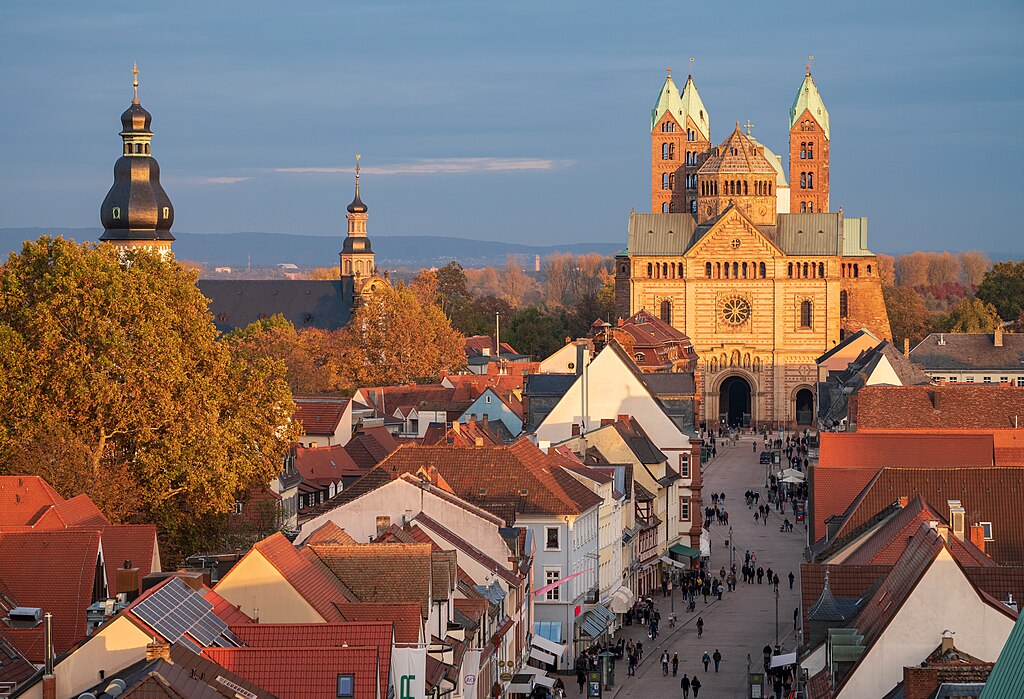
Germany’s organization, cultural depth, and transportation systems appeal to families, yet structured pacing influences reconsideration. Busy cities and transit heavy itineraries can feel demanding with children. Parents assess how well kids adapt to schedules and walking distances. Some families focus on specific regions rather than covering multiple cities. Germany remains respected and reliable, but families plan more intentionally around rhythm, rest, and manageable daily structure.
Australia

Australia attracts American families for its lifestyle appeal, safety, and outdoor culture, but distance and cost reshape decisions. Long flights challenge younger travelers, and expenses add up quickly. Families often postpone visits or limit trip scope. Australia remains aspirational, but practicality guides timing. Parents weigh desire against feasibility, choosing to wait until travel feels less taxing and more enjoyable for everyone involved.
Greece

Greece continues to attract families with its history, islands, and scenery, yet heat and seasonal crowds influence planning. Parents consider comfort during summer months and the logistics of island travel. Families increasingly choose shoulder seasons or quieter locations. Greece remains desirable, but spontaneous travel gives way to careful preparation. Comfort, pacing, and accessibility now play larger roles in how families design Greek vacations.
Iceland
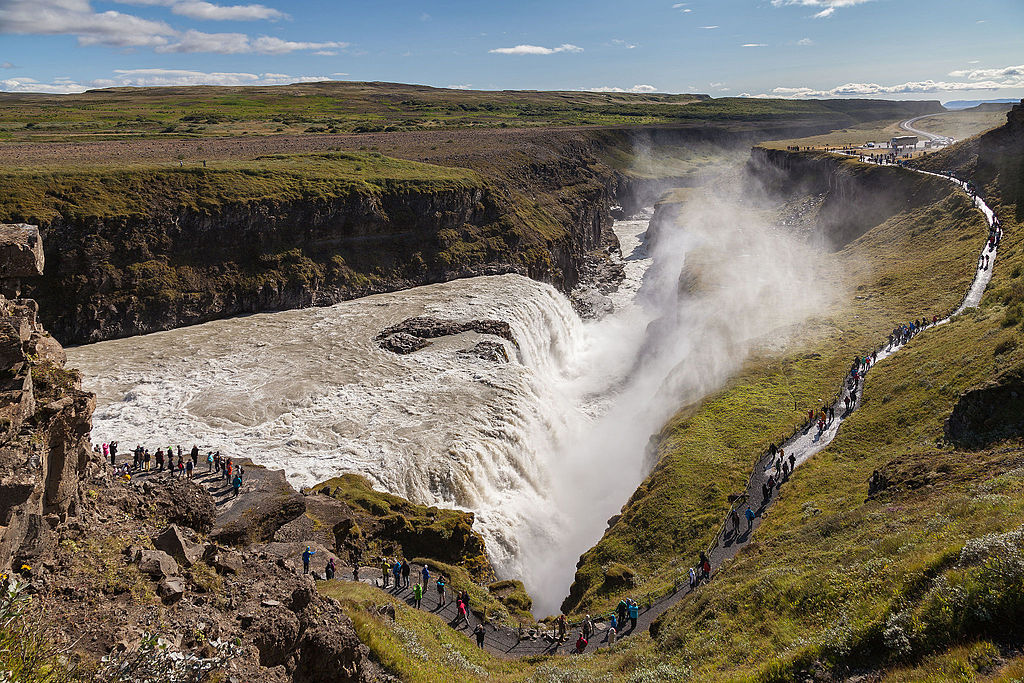
Iceland fascinates American families with dramatic landscapes and a reputation for safety, but cost and unpredictable weather prompt reconsideration. Outdoor focused itineraries demand energy and preparation. Parents assess readiness for variable conditions and extended driving. Many families plan Iceland as a future trip when children are older. The destination remains compelling, yet timing and budget strongly influence when families feel ready to visit. American families are not stepping back from travel. They are refining it. Rethinking destinations reflects a shift toward comfort, pacing, and value over tradition. These choices show how family travel evolves with experience and awareness. Vacations increasingly aim to strengthen connection rather than create exhaustion. Planning now aligns more closely with real family needs, making travel feel supportive instead of overwhelming.