
English has absorbed many words from Native American languages, each carrying the culture, environment, and history of the people who first used them. These terms describe animals, foods, tools, and places, revealing how Indigenous knowledge shaped communication in North America and beyond. From wildlife and waterways to staple crops and cultural traditions, these words endure, bridging centuries of interaction. Here are 12 examples, their origins, and the stories they still carry into everyday speech today.
1. Raccoon

From the Powhatan word “aroughcun,” meaning “animal that scratches with its hands,” raccoon perfectly describes this nocturnal forager’s dexterous front paws. Indigenous peoples observed the raccoon’s clever behavior long before European arrival, and the English adopted the name unchanged. Known for adaptability and intelligence, raccoons appear in Native legends as both tricksters and survivors. The word preserves a vivid, behavior-based description rooted in close study of wildlife and the land they inhabit across the continent.
2. Chipmunk

“Chipmunk” comes from the Ojibwe word “ajidamoo,” meaning “one who descends trees headfirst.” The term reflects this small rodent’s agile movements as it gathers and stores food. Early settlers borrowed the name, adapting its sound to English spelling. Chipmunks were important indicators of seasonal change for many Indigenous communities, signaling when to harvest certain foods. The word’s survival shows how specific, detailed observations of the natural world became part of the broader English vocabulary over centuries.
3. Bayou

Borrowed from the Choctaw word “bayuk,” meaning “small stream,” bayou refers to slow-moving waterways common in the southern United States. French settlers adopted the term from Native use, and it entered English through Louisiana’s blended cultures. For Indigenous peoples, these waters were vital for travel, fishing, and settlement. Today, “bayou” still evokes the unique ecosystems and heritage of the region, preserving an Indigenous description that reflects both geography and the human connection to flowing water.
4. Powwow

From the Narragansett “pau wau,” originally meaning a healer or spiritual leader, “powwow” came to describe gatherings for council and ceremony. English speakers broadened it to mean any meeting, but within Native communities, powwows remain vibrant cultural celebrations. They feature music, dance, storytelling, and honor traditions that have persisted despite centuries of change. The word holds both historical and living significance, symbolizing community, resilience, and the continuation of shared cultural expression in modern life today.
5. Quinoa

“Quinoa” comes from the Quechua word “kinwa,” describing the ancient grain cultivated in the Andes for over 5,000 years. Grown for its resilience and high nutrition, quinoa was a staple for Indigenous peoples in harsh climates. Spanish colonizers adopted the name, which entered English much later as the crop gained global popularity. Today, quinoa’s value as a “superfood” is celebrated worldwide, but its name and cultivation techniques remain tied to the deep agricultural heritage of its Native origins.
6. Moose
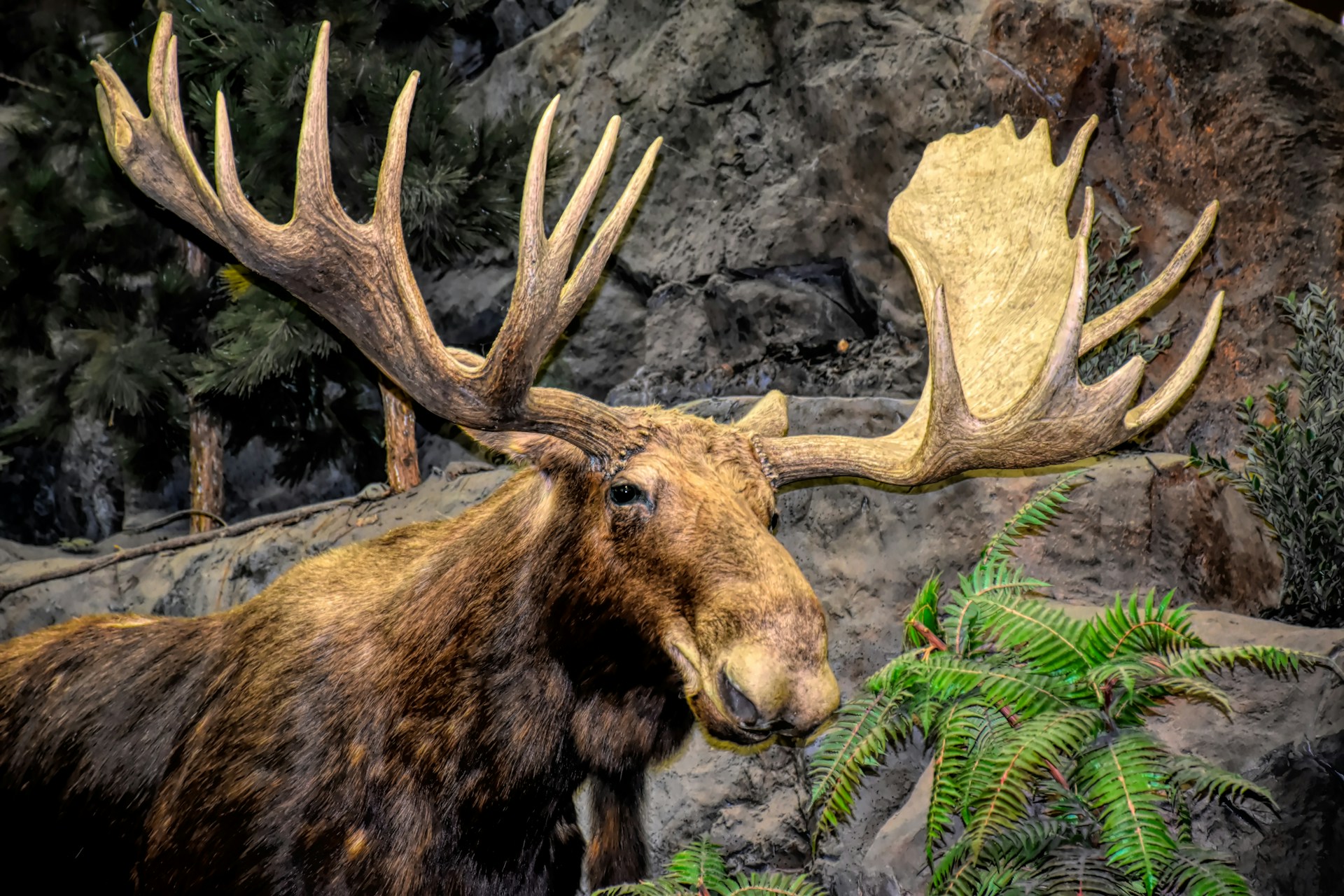
From the Eastern Abenaki word “moz,” meaning “twig eater,” moose describes both the animal’s diet and its solitary presence in northern forests. Moose have long been important to Indigenous peoples for food, clothing, and tools, with each part of the animal used respectfully. Early settlers borrowed the name directly, keeping its straightforward meaning. Today, the moose remains a powerful symbol of wilderness and survival, with its name reflecting centuries of coexistence and observation in natural habitats.
7. Canoe

Derived from the Carib word “kanawa,” canoe originally referred to small, lightweight boats made from hollowed logs or bark. These vessels were essential for transportation, fishing, and trade among Indigenous peoples. European explorers adopted both the design and the word, spreading them worldwide. Canoes remain iconic symbols of exploration and connection to nature. The term’s endurance in English reflects respect for Native innovation in crafting tools perfectly adapted to their environments and practical needs for daily life.
8. Skunk

The word “skunk” comes from the Algonquian “seganku,” meaning “one who squirts,” vividly describing the animal’s defensive spray. Skunks were well known to Indigenous peoples, valued for their role in controlling pests despite their pungent reputation. The English borrowed the term unchanged, and it has remained part of the language for centuries. This colorful name reflects a straightforward, behavior-based approach to naming wildlife, preserving Indigenous insight into the characteristics and ecological roles of native animals.
9. Hickory

From the Algonquian “pohickory,” referring to a drink made by pounding hickory nuts into water, the name shifted over time to describe the tree itself. Hickory wood became prized for its durability and flavor when used for smoking meats. The word’s journey from a specific food preparation term to a botanical name reflects how Native practices influenced English. It captures the link between environment, sustenance, and language, where everyday resources shaped both survival and shared vocabulary.
10. Chocolate

“Chocolate” comes from the Nahuatl word “xocolatl,” meaning “bitter water,” referring to a traditional drink made from cacao beans. Indigenous peoples of Mesoamerica prepared it with spices and maize, valuing cacao for both nutrition and ceremonial use. Spanish colonizers brought the term and product to Europe, where it evolved into the sweet treat known today. The name preserves its original cultural and culinary context, linking modern indulgence to the deep heritage of Native innovation and flavor.
11. Opossum
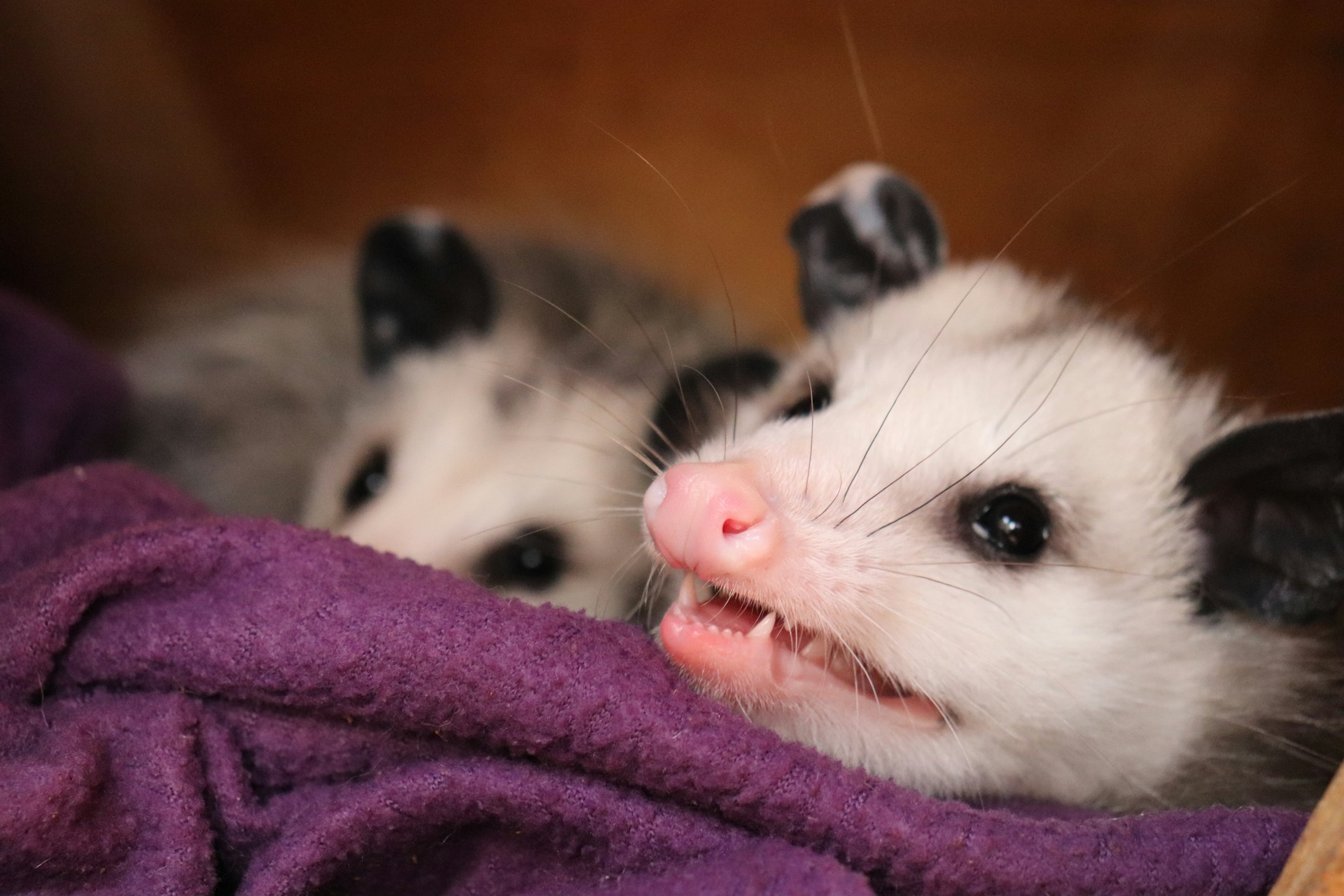
From the Powhatan “aposoum,” meaning “white animal,” opossum refers to the nocturnal marsupial native to North America. Known for its prehensile tail and habit of feigning death when threatened, it adapted well to diverse habitats. Indigenous peoples hunted it for food and used its fur for clothing. Early settlers adopted the name, keeping its clear descriptive roots. The opossum’s name continues to reflect the straightforward precision of Native naming traditions tied to observation of animal traits.
12. Tomahawk

“Tomahawk” comes from the Algonquian “tamahakan,” meaning “cutting tool.” Originally crafted from stone, bone, or later metal, tomahawks served as versatile tools for hunting, chopping, and warfare. They also carried ceremonial importance, symbolizing both conflict and peace in diplomacy. The English adopted the term in the 17th century, and it has endured in common usage. The name captures both practicality and cultural meaning, reflecting Native craftsmanship and the multiple roles such tools played in daily life.
These words reveal how Native American languages have enriched English, preserving connections to land, wildlife, food, and culture. Each term carries centuries of meaning, shaped by Indigenous perspectives and knowledge. By recognizing and respecting these linguistic roots, we honor the peoples who first named the animals, plants, tools, and traditions that still shape life today. These borrowed words are more than labels, they are living links between languages, histories, and the shared landscapes of North America.