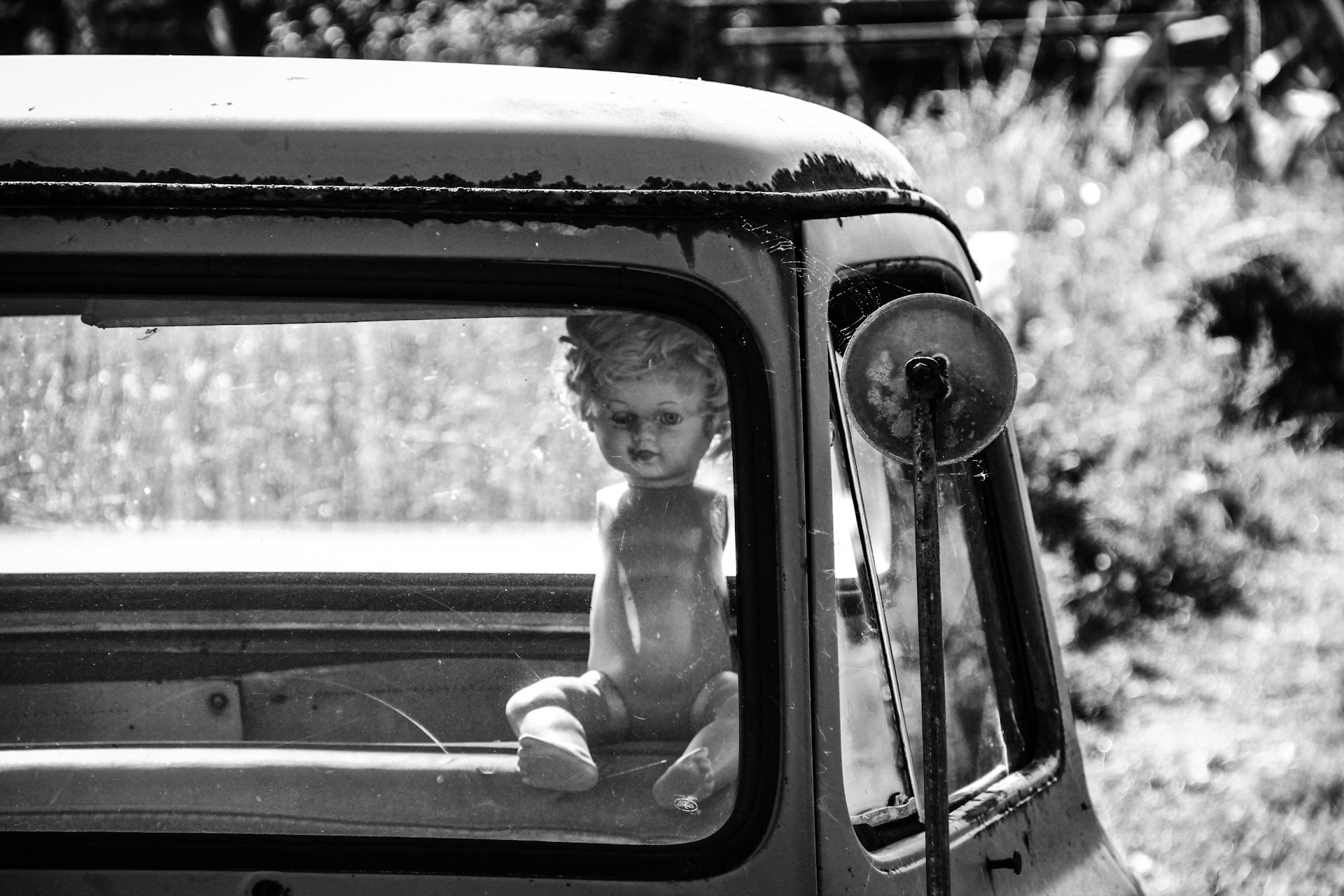
Life in the Wild West was rugged, unpredictable, and often defined by scarcity. Families had to survive long stretches without easy access to stores or new goods, which meant learning to be resourceful with what they already owned. Waste was not an option, and nearly everything found a second or third purpose. This culture of reusing and repurposing shaped everyday life in surprising ways, turning ordinary objects into tools for survival. These clever habits not only helped families endure tough times but also showed how creativity and necessity went hand in hand.
Cloth Scraps Became Quilts
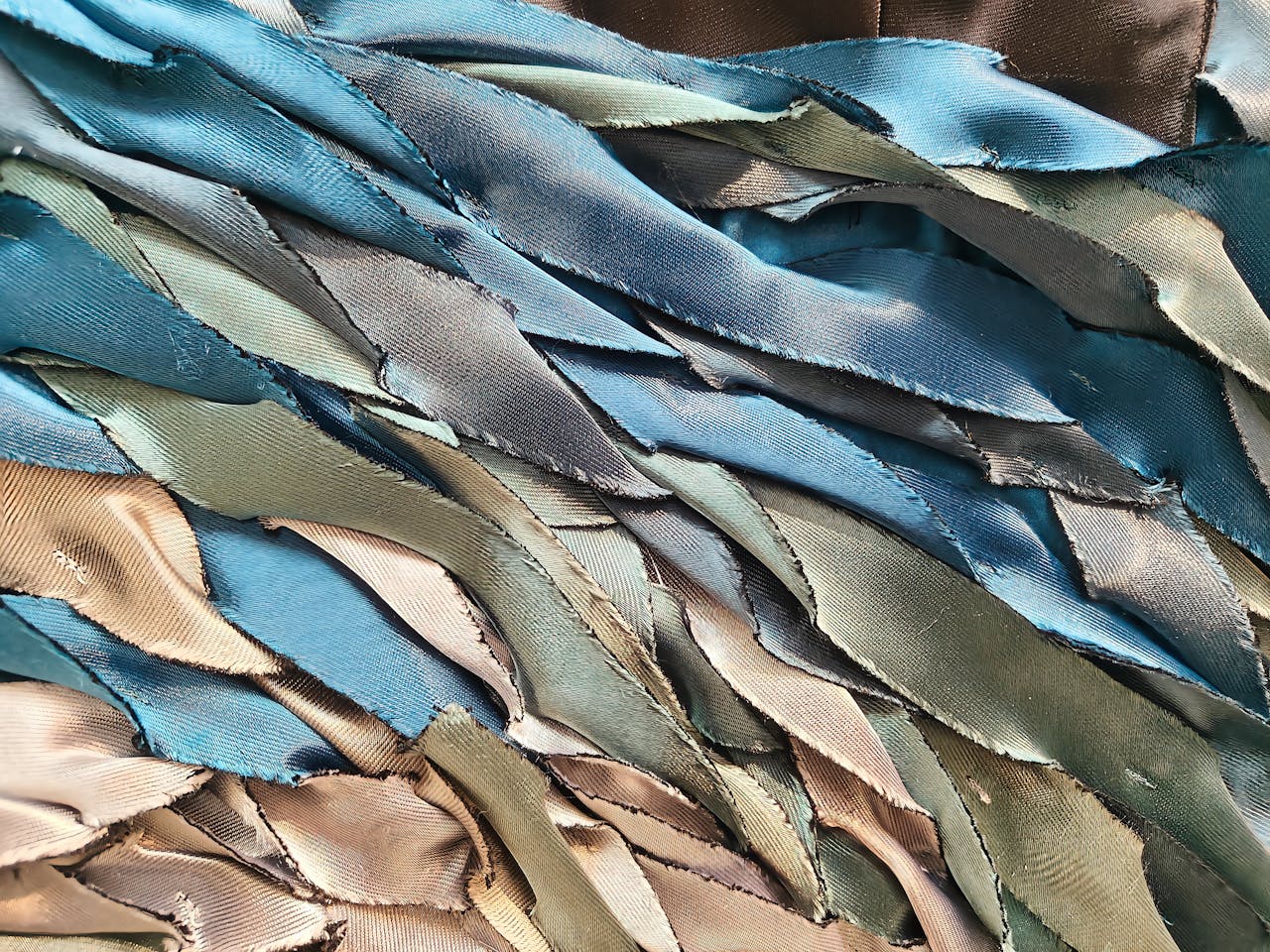
When clothing wore out, families never threw the fabric away. Instead, every last piece of cloth was saved in a trunk or basket until there were enough scraps to sew into quilts. These patchwork blankets were not just practical for warmth during freezing winters, but also became works of art and family heirlooms. Each piece of fabric told a story, often coming from an old dress, a child’s shirt, or a father’s work trousers. In this way, quilts held memories of loved ones while serving a daily purpose, blending necessity with sentiment in a way that modern mass-produced items rarely do.
Barrels Transformed into Furniture
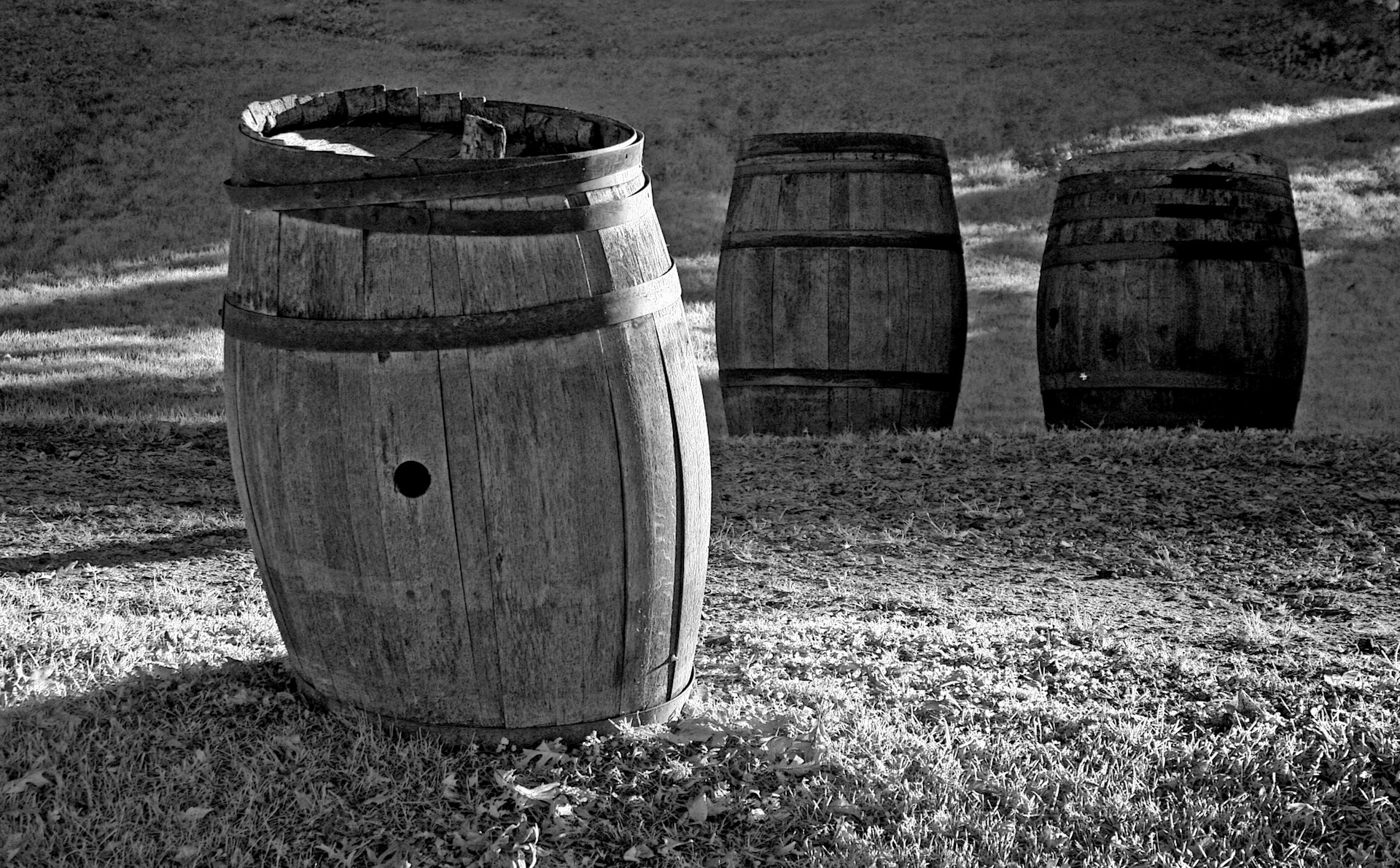
Wood was precious in the West, and families rarely wasted it. Empty barrels that once held goods like flour, whiskey, or nails were often transformed into stools, chairs, or even small tables. Cutting them down and adding makeshift legs or padding turned something meant for shipping into a functional piece of home furniture. Barrels were also used for storage in barns or kitchens, proving their durability long after their original purpose was finished. This habit reflects how frontier life required ingenuity, turning ordinary shipping containers into daily household essentials.
Glass Jars Used for Storage
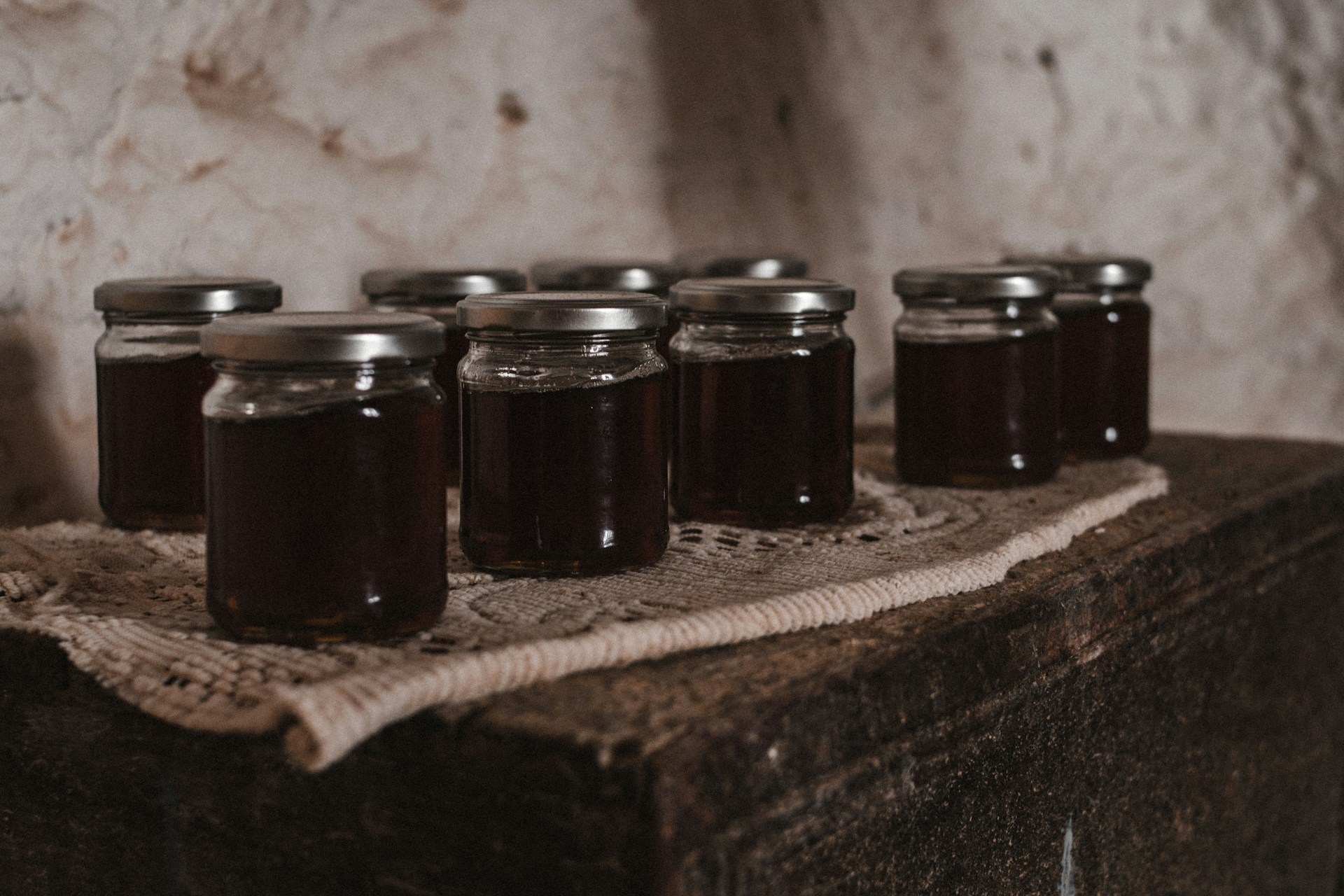
Glass jars were considered treasures because they could be reused endlessly. When products like preserves or medicines were finished, families would clean the jars and use them again to store food, dried herbs, seeds, or small tools. With no easy access to plastic or mass packaging, jars were essential for keeping supplies fresh and organized. Some families even passed jars down through generations, treating them as valuable household staples. A single sturdy jar could see years of service, proving just how vital reusing was to frontier households.
Animal Bones Turned into Tools

In the Wild West, even animal remains had practical uses. Bones from cattle, bison, or other livestock were cleaned and carved into buttons, needles, or simple tools. Larger bones sometimes served as handles for knives or kitchen implements. This practice showed how nothing went to waste, even after animals were used for meat, hide, or fat. Families often relied on these homemade tools in everyday life, since purchasing manufactured items could be costly or impossible on the frontier. It was a remarkable example of how necessity drove people to find value in what others might discard.
Old Wagons Became Buildings
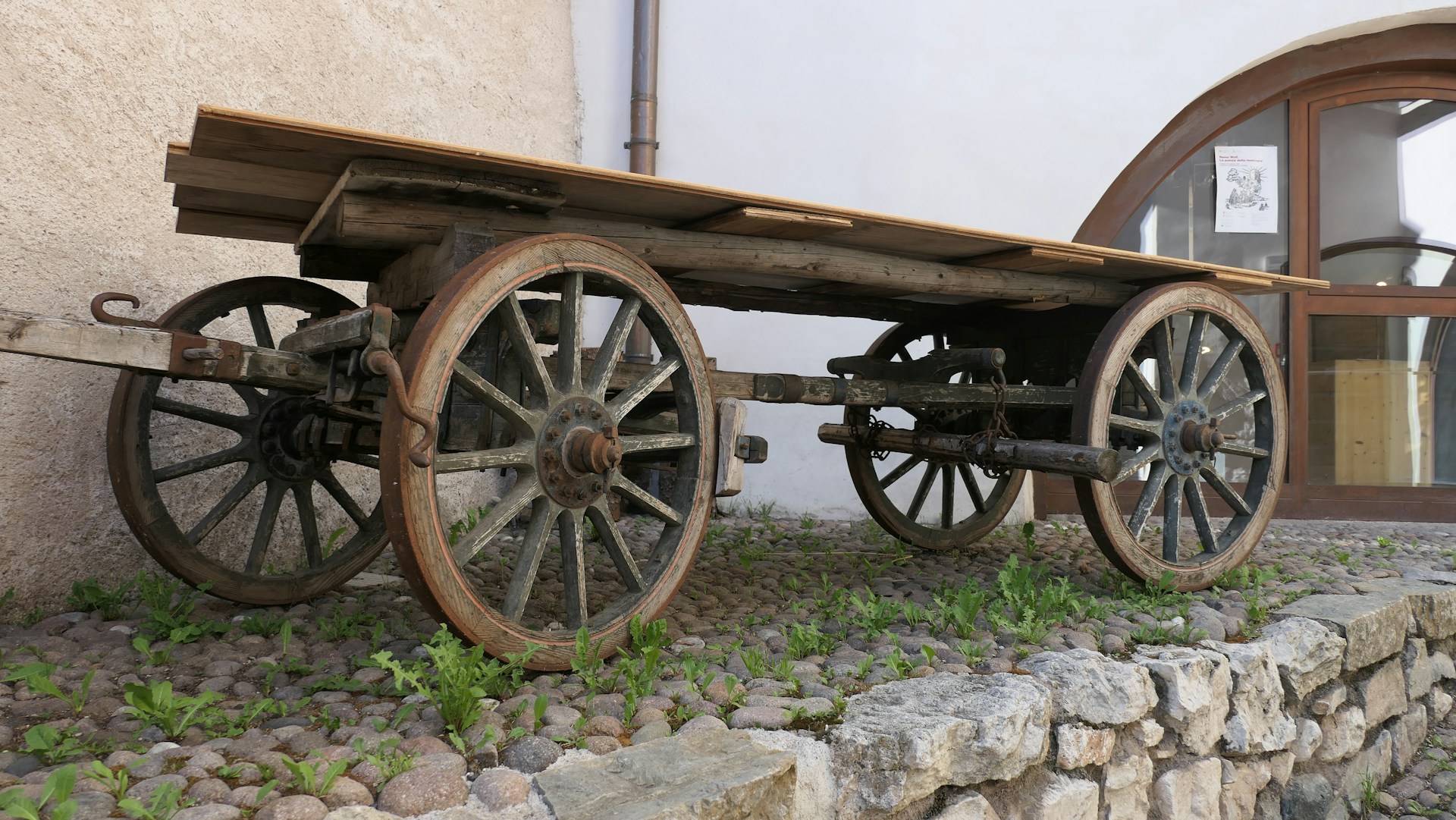
Wagons were the lifeline of travel and transport, but once they wore out, they rarely ended up abandoned. Families often stripped the wood and metal to reuse in barns, sheds, or fences. In some cases, entire wagon beds were converted into makeshift shelters or storage areas. The iron parts could be melted down or repurposed by a blacksmith into tools or fasteners. Wagons represented too much valuable material to waste, so they were given second lives as homes, structures, and equipment that helped families endure the hardships of frontier living.
Clothing Passed Through Generations
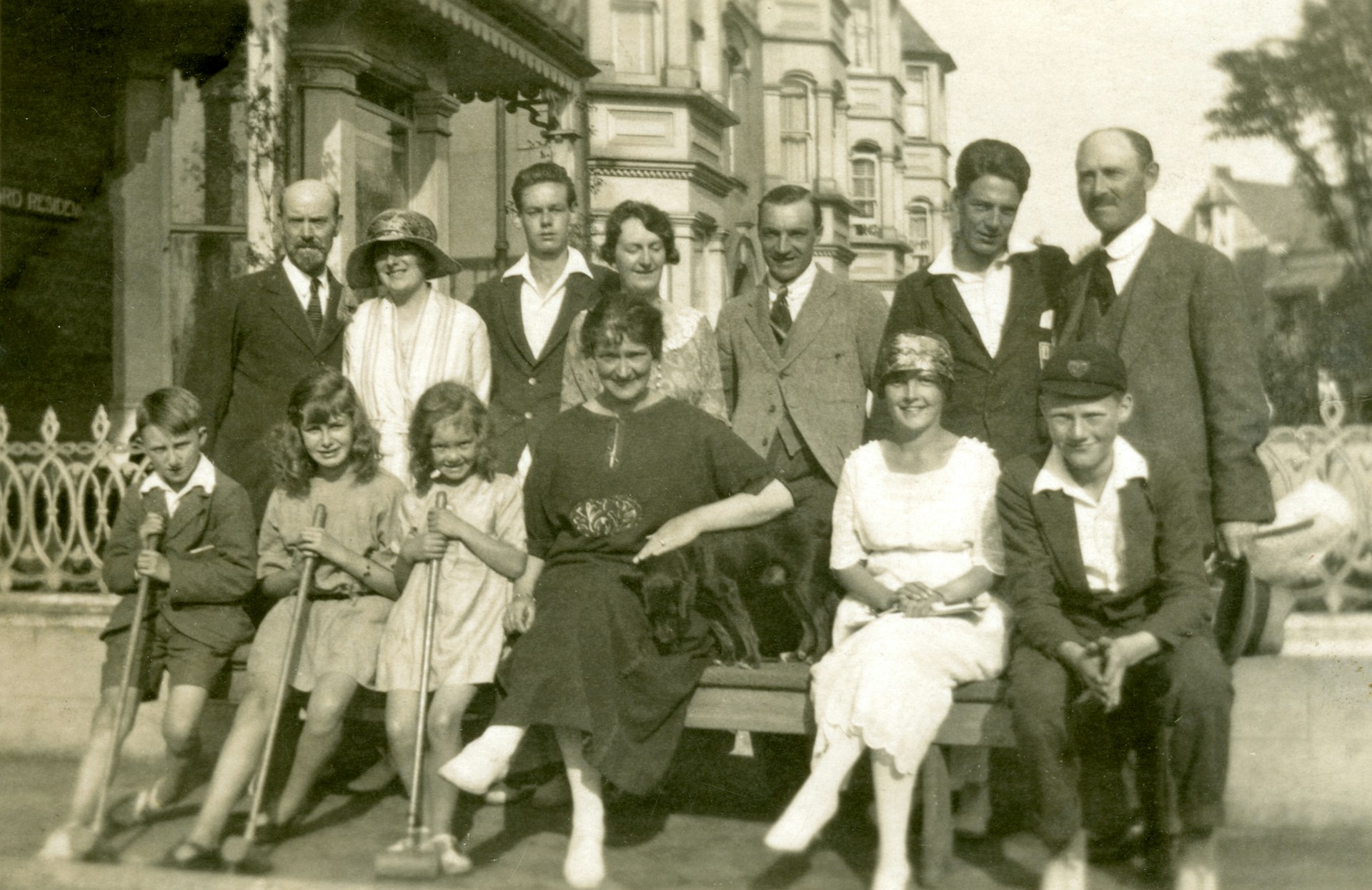
In a world where every stitch mattered, clothing was patched, mended, and passed down to younger siblings or neighbors. Dresses, coats, and work shirts were carefully repaired to last as long as possible, and once they were too worn for daily wear, they often became work clothes or were cut down for children. Buttons and zippers were removed before final disposal and reused on other garments. The life cycle of clothing in the Wild West was long and layered, ensuring nothing went to waste and each garment provided value until the very end.
Soap Scraps Made Into New Bars
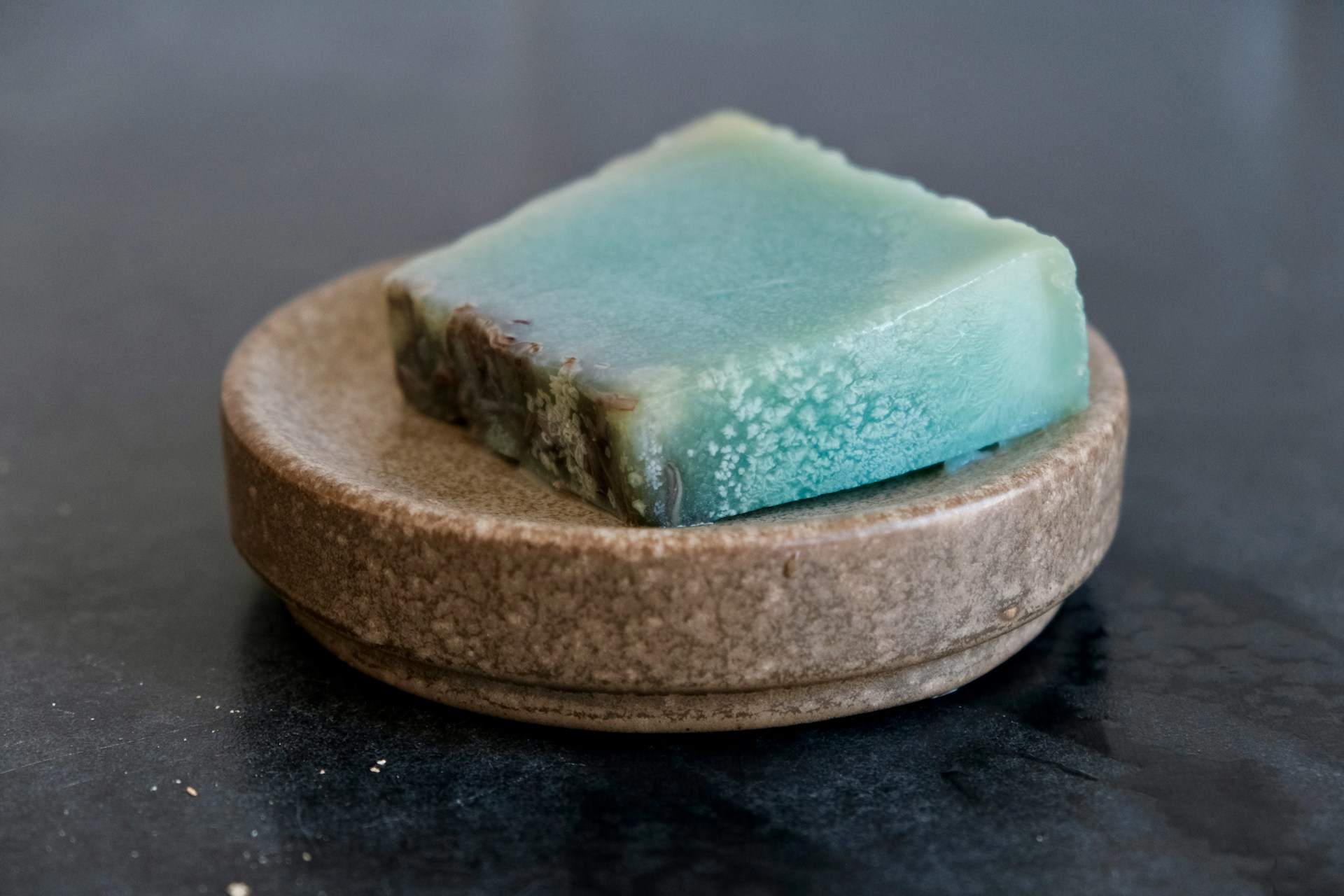
Soap was not a cheap commodity, and families made sure to stretch every bit of it. Small leftover pieces of soap were melted down together and reformed into new bars. This method prevented waste and provided a steady supply for cleaning and washing, which were critical to maintaining hygiene in tough frontier conditions. The practice also reflected the larger mindset of making the most of small resources, since even a handful of scraps could provide another week or two of cleanliness. It was practical, simple, and essential for daily living.
Metal Bits Forged Into Tools
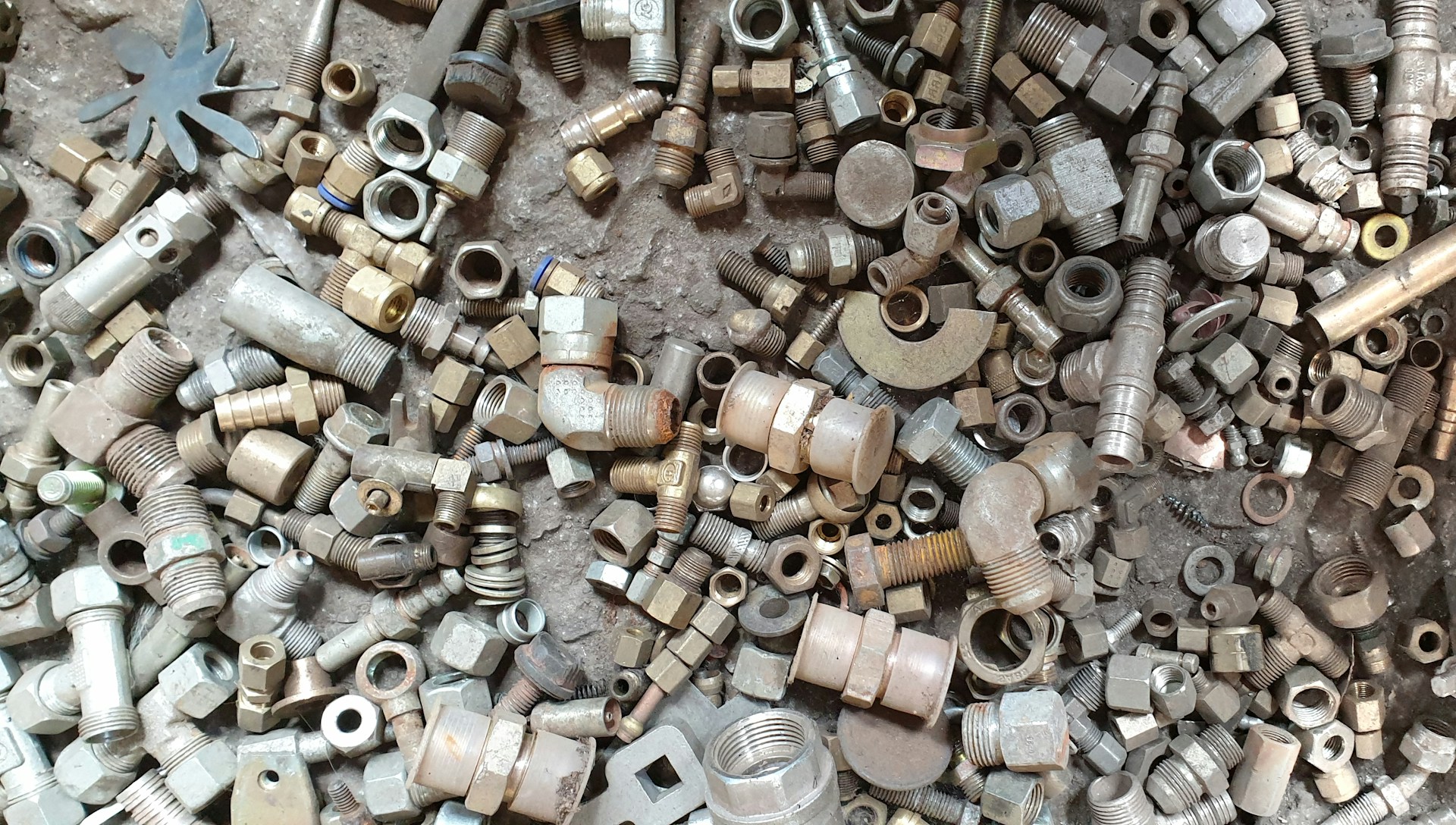
Scraps of iron or metal were never thrown away, since blacksmiths could transform them into nails, horseshoes, hinges, or small farming tools. Even broken pots or pans were repurposed for other uses, with pieces sometimes shaped into patchwork repairs for other metal items. Families understood that metal was valuable, and every piece, no matter how small, had the potential to serve a future purpose. In communities far from large towns, this practice kept essential items in circulation and saved people from long, costly trips to buy replacements.
Food Scraps Fed Livestock
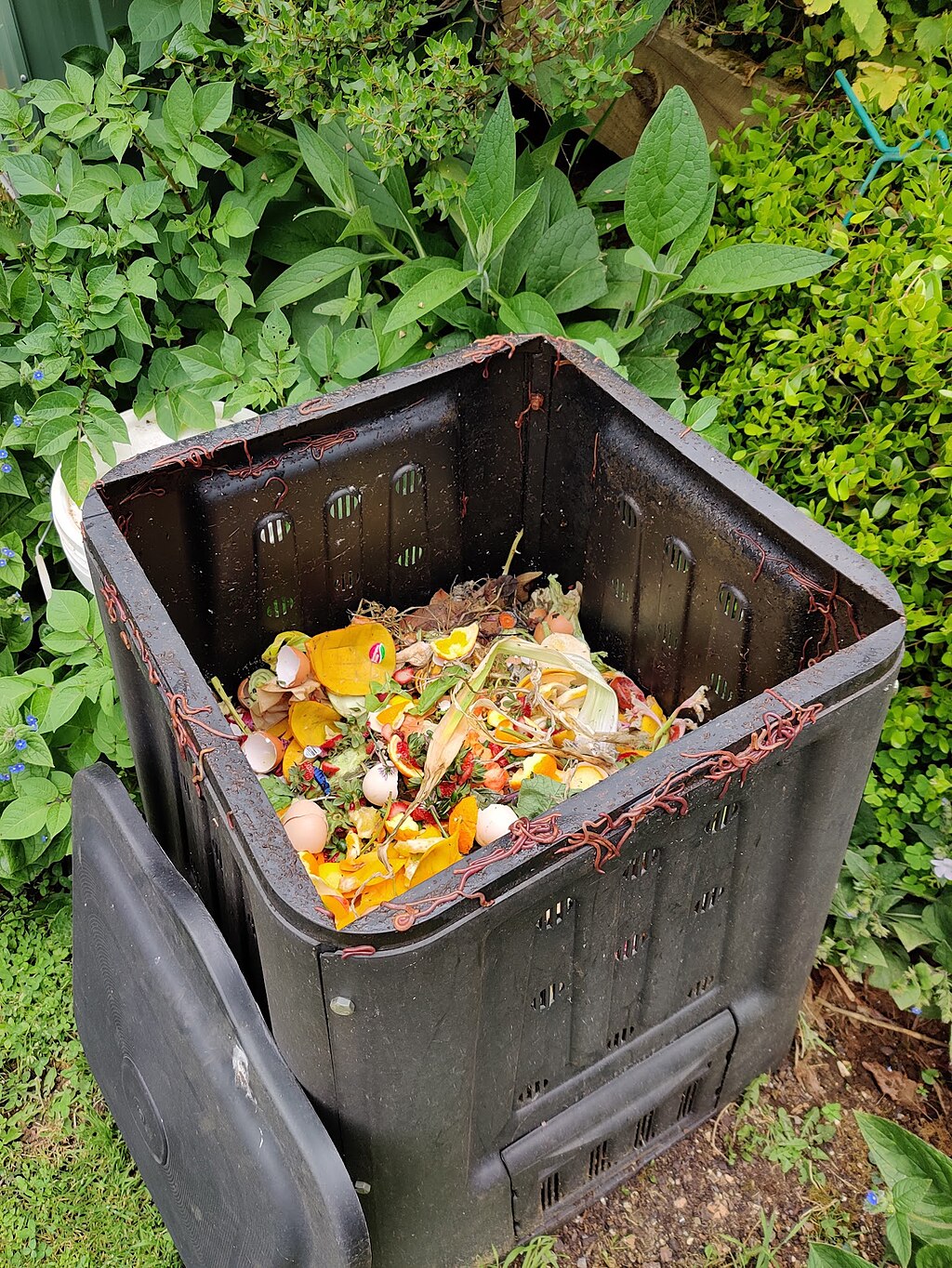
Kitchen waste never went to the trash because it could be fed to pigs, chickens, or other farm animals. Vegetable peels, stale bread, and leftover scraps provided nourishment for animals that in turn supported families with eggs, meat, and milk. Nothing edible went unused, and this habit helped keep households more sustainable during times when every resource mattered. Feeding livestock with scraps reduced costs and made farm operations more efficient, proving that careful reuse of food was as much about survival as it was about being practical.
Rainwater Collected in Barrels
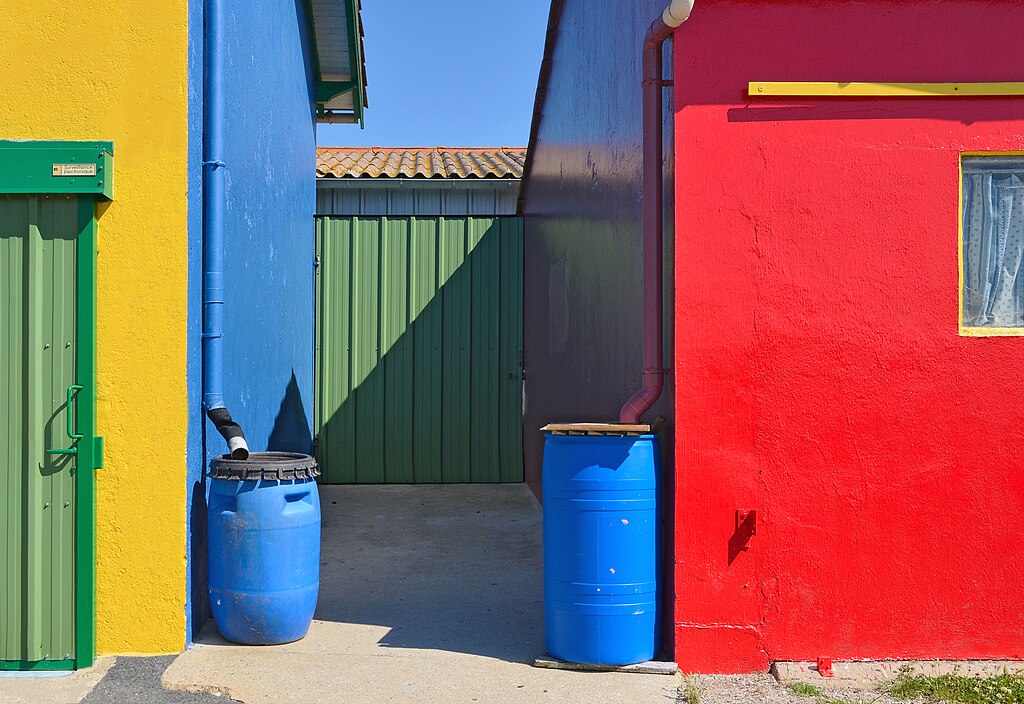
Water could be scarce in many Western settlements, so families often placed barrels under roofs to collect rainwater. This water was used for washing clothes, cleaning, or watering animals and gardens. The system of capturing every drop meant that even nature’s most basic gift was reused in multiple ways. It was especially critical in dry areas, where access to fresh water was limited. These simple rain collection methods highlight how families adapted their environment to ensure no resource was wasted, no matter how small or ordinary it might seem.
Paper Repurposed for Notes and Kindling
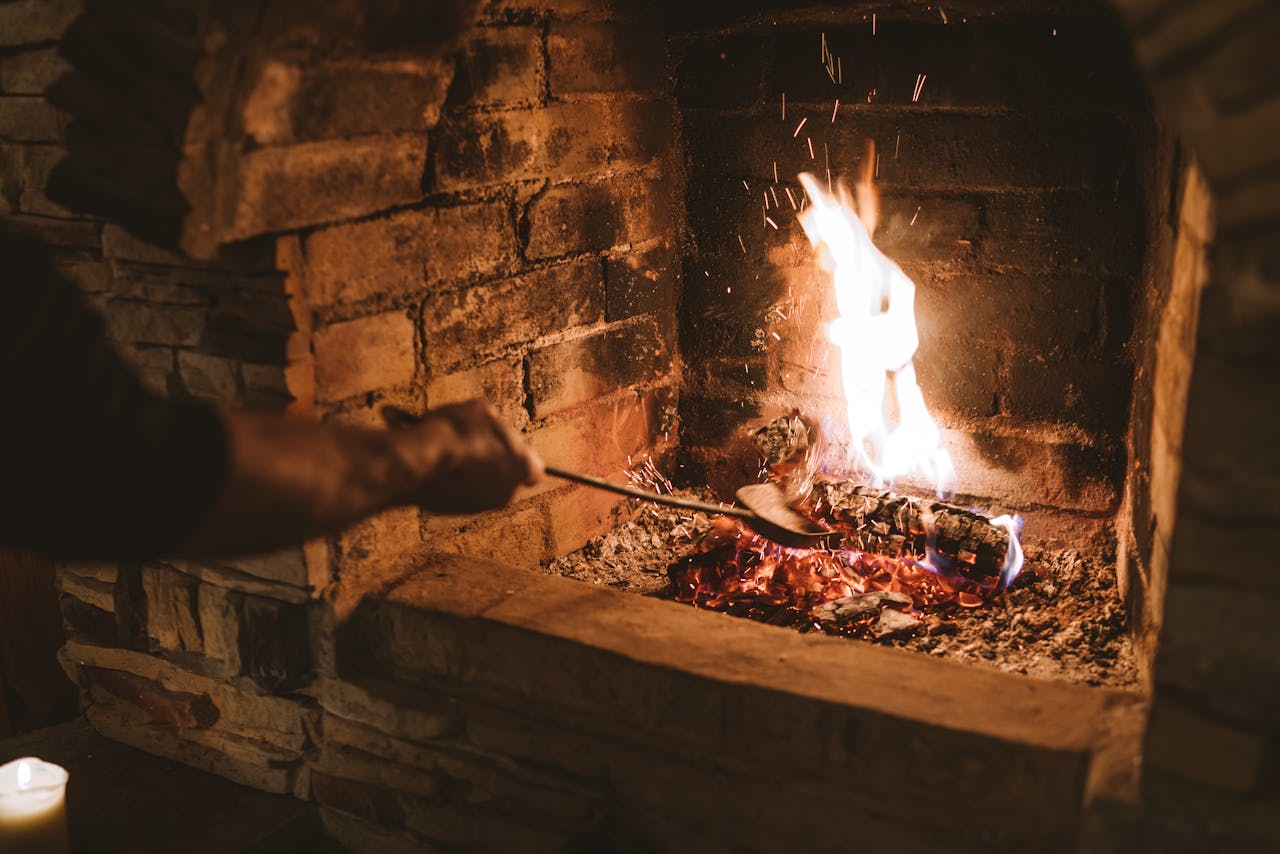
Paper was not cheap or abundant, so families reused every scrap until it was gone. Old letters, newspapers, and packaging materials were often cut into small sheets for writing notes or used by children for practice. When paper became too worn to write on, it was used as kindling to start fires. This practical reuse gave paper multiple lives and saved families from spending money on new supplies. Even something as simple as paper reflected the larger culture of thrift and creativity that defined daily life in the Wild West.
Survival in the Wild West required more than grit; it demanded imagination and efficiency. Families found countless ways to reuse what they had, ensuring every object lived several lives before it was gone for good. These habits remind us that being resourceful was not just a skill, but a necessity for enduring hardship. In today’s world of convenience and disposability, the clever ways families reused everything on the frontier stand as lessons in resilience, creativity, and sustainability.