
As everyday prices continue to climb across groceries, utilities, healthcare, and basic services, many American households are adjusting quietly rather than dramatically. Instead of extreme budgeting or lifestyle sacrifice, people are refining daily routines that reduce waste, smooth expenses, and prevent financial stress from building. These habits work because they blend into normal life without creating exhaustion or guilt. Over time, the savings compound while routines feel natural rather than restrictive. What looks small in isolation becomes powerful through repetition, discipline, and awareness practiced at home.
Cooking Once and Designing Multiple Meals From It

Many households now approach cooking as a flexible system rather than a single meal event. One main dish becomes the foundation for several meals across the week with simple changes in seasoning or format. A pot of beans may become tacos one night and soup the next, while roasted vegetables move easily between bowls and sandwiches. This reduces grocery spending, limits energy use, and cuts down on impulse takeout orders. The routine succeeds because it values adaptability over rigid meal plans. Food feels reused, not repeated. That mindset keeps costs low without boredom.
Running Energy Use on Predictable Daily Patterns
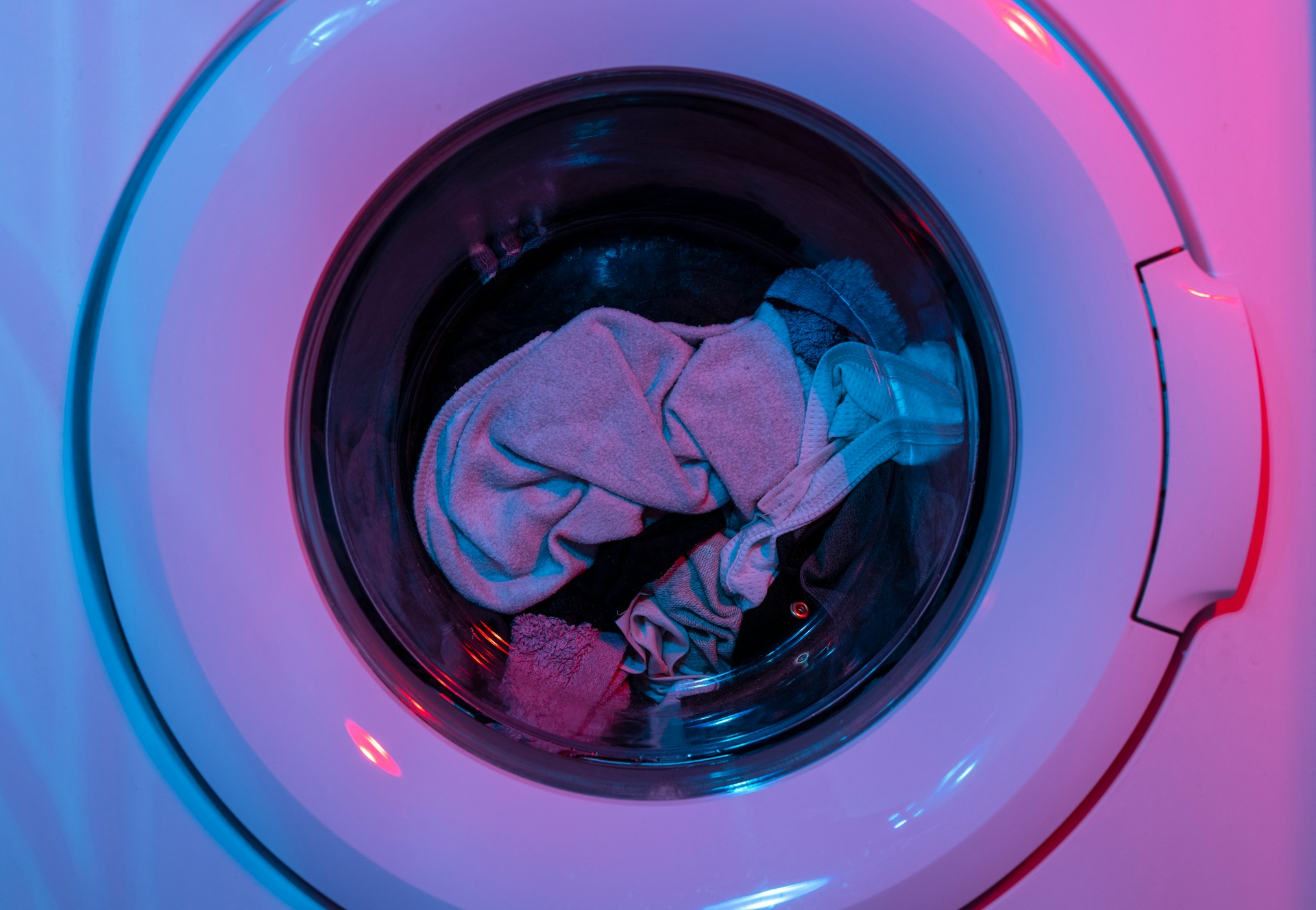
Americans are increasingly treating electricity and water use like a schedule instead of an afterthought. Laundry, dishwashers, and heating adjustments now follow consistent timing rather than random usage. This habit reduces waste by avoiding peak usage and unnecessary cycles while keeping comfort levels steady. Over weeks and months, utility bills stabilize without noticeable lifestyle change. The routine works because it removes decision fatigue and replaces it with predictable behavior. Homes become quieter, more efficient systems. Savings arrive gradually but reliably.
Setting Weekly No-Spend Days at Home

Rather than tracking every dollar obsessively, many households now commit to one or two days each week where no money is spent. These days interrupt automatic purchasing habits and encourage use of what is already available. Meals come from existing food, entertainment stays at home, and errands are postponed. The practice resets spending awareness without creating deprivation. Over time, it reduces impulse buying and increases satisfaction with existing resources. The routine builds control without stress. Spending becomes intentional rather than reactive.
Rotating Subscriptions Instead of Stacking Them

Americans are learning to treat subscriptions as temporary tools instead of permanent fixtures. Streaming services, fitness platforms, and software are activated for a month or two, then paused while another takes their place. This approach preserves access without paying for everything at once. It also encourages focused use rather than passive consumption. The routine works because modern platforms allow easy cancellation without penalties. Entertainment stays fresh while costs stay controlled. Choice remains with the household, not recurring charges.
Using Freezers as Budget Stabilizers

Freezer space is now treated as a financial buffer rather than simple storage. Families freeze leftovers, discounted groceries, cooked meals, and bread to avoid waste and reduce shopping frequency. This allows bulk buying without spoilage and provides backup meals during busy weeks. The habit smooths food spending and protects against sudden price increases. It also reduces stress during tight periods. The freezer becomes a quiet planning tool. Small habits here prevent larger expenses later.
Applying a Delayed Purchase Rule for Non Essentials

Many households now pause twenty four to forty eight hours before purchasing non essential items. This delay breaks emotional spending cycles and allows practical evaluation. Often the desire fades, saving money without effort. When purchases do happen, they feel deliberate and justified. The routine works because it respects impulse rather than suppressing it. Decision making improves through distance. Over time, spending aligns more closely with actual needs. The pause becomes a protective habit.
Repairing Small Household Items Instead of Replacing Them

Americans are rediscovering basic repair habits that extend the life of everyday items. Sewing loose seams, replacing small appliance parts, or tightening furniture prevents unnecessary replacements. This saves money and shifts perspective from disposable to maintainable. The routine builds confidence and reduces dependence on constant buying. Over time, households experience fewer surprise expenses. Items last longer and feel more valuable. Repair becomes a quiet form of financial resilience practiced at home.
Bundling Errands to Reduce Transportation Costs
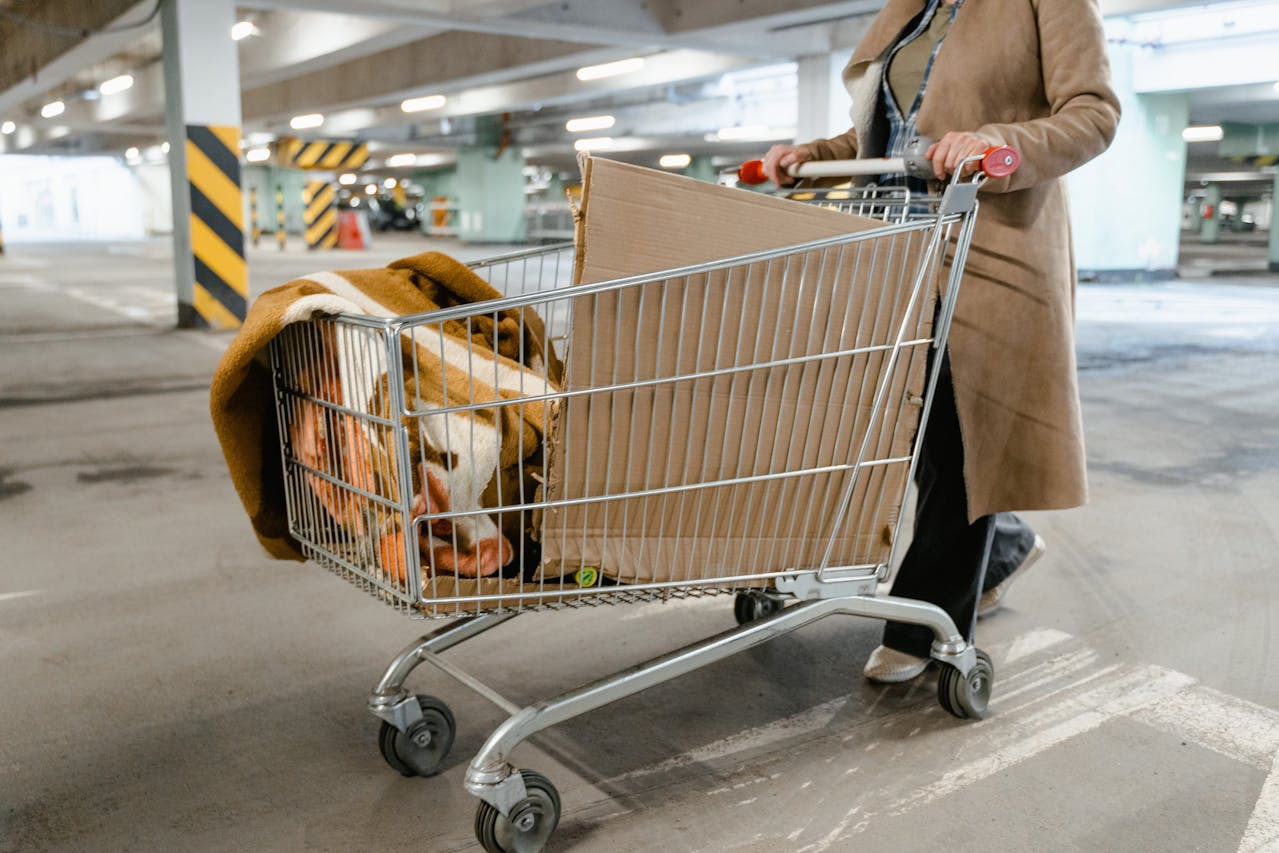
Households increasingly plan errands intentionally to limit fuel use and unnecessary trips. Multiple stops are grouped into single routes, and weekly planning replaces spontaneous driving. This reduces gasoline spending while saving time and mental energy. The routine also encourages walking when possible and coordinating tasks with existing schedules. Over months, transportation costs drop without sacrificing convenience. The habit brings calmer routines and fewer rushed outings. Efficiency replaces fragmentation.
Using Libraries as Everyday Resource Centers

Libraries now function as multi purpose financial resources rather than occasional book stops. Americans borrow ebooks, audiobooks, movies, and educational tools at no cost. Many libraries also offer classes, workshops, and digital subscriptions. This replaces multiple paid services quietly and effectively. The routine expands access without expanding budgets. Entertainment and learning remain abundant. The library becomes an underrated ally in cost control.
Reviewing Spending Weekly Instead of Monthly
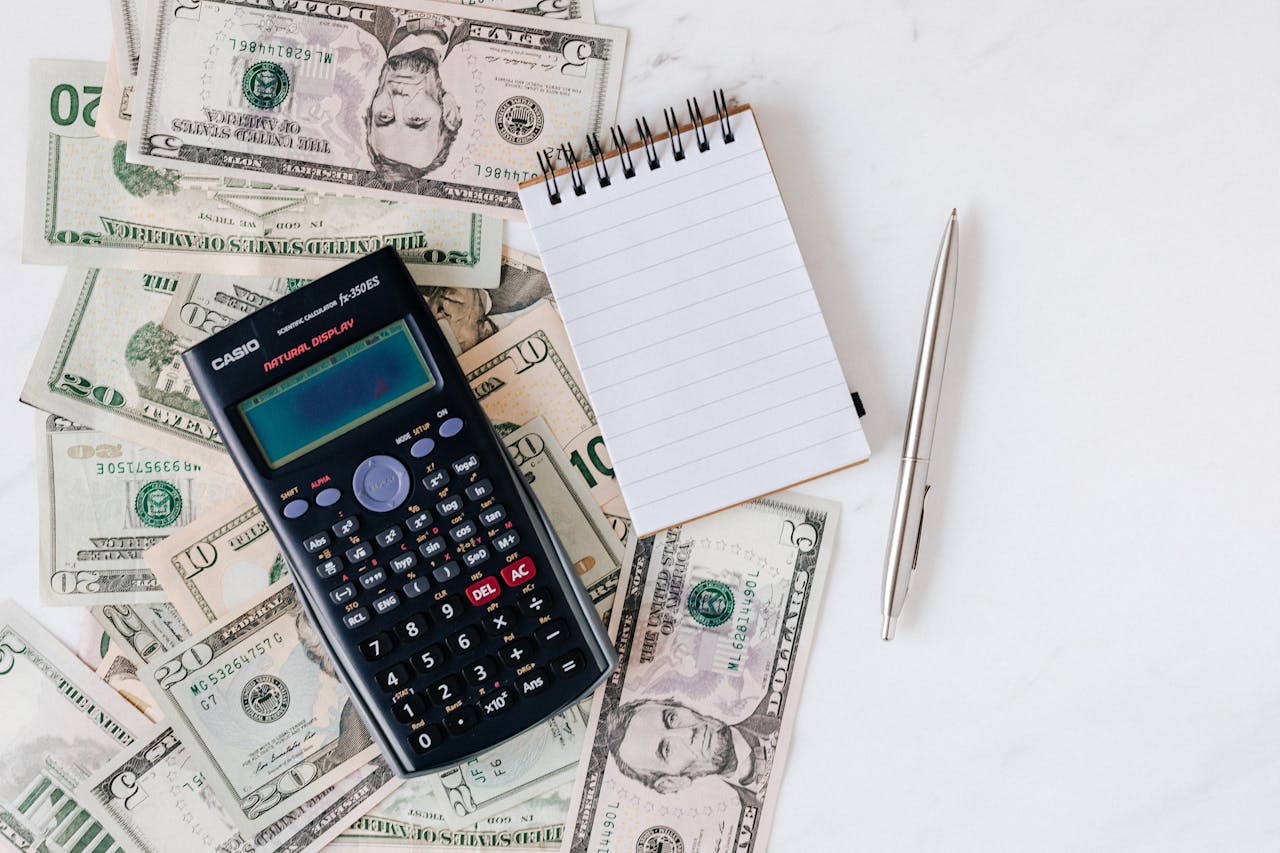
Weekly spending reviews help households identify small issues before they grow into major problems. Instead of reacting at the end of the month, families adjust habits in real time. This reduces anxiety because numbers feel manageable and visible. Small corrections prevent financial drift. The routine works because it prioritizes awareness over restriction. Spending becomes something observed, not feared. Control increases through regular attention.
Choosing Selective Convenience While Cooking at Home

Rather than avoiding convenience foods entirely, households now choose specific items that save time without inflating costs. Frozen vegetables, pre cut ingredients, or ready staples reduce burnout and prevent expensive takeout decisions. This balance respects real life limitations while maintaining budget discipline. The routine prevents exhaustion driven spending. Cooking remains sustainable. Smart convenience replaces costly convenience.
Normalizing Secondhand Purchases for Daily Needs
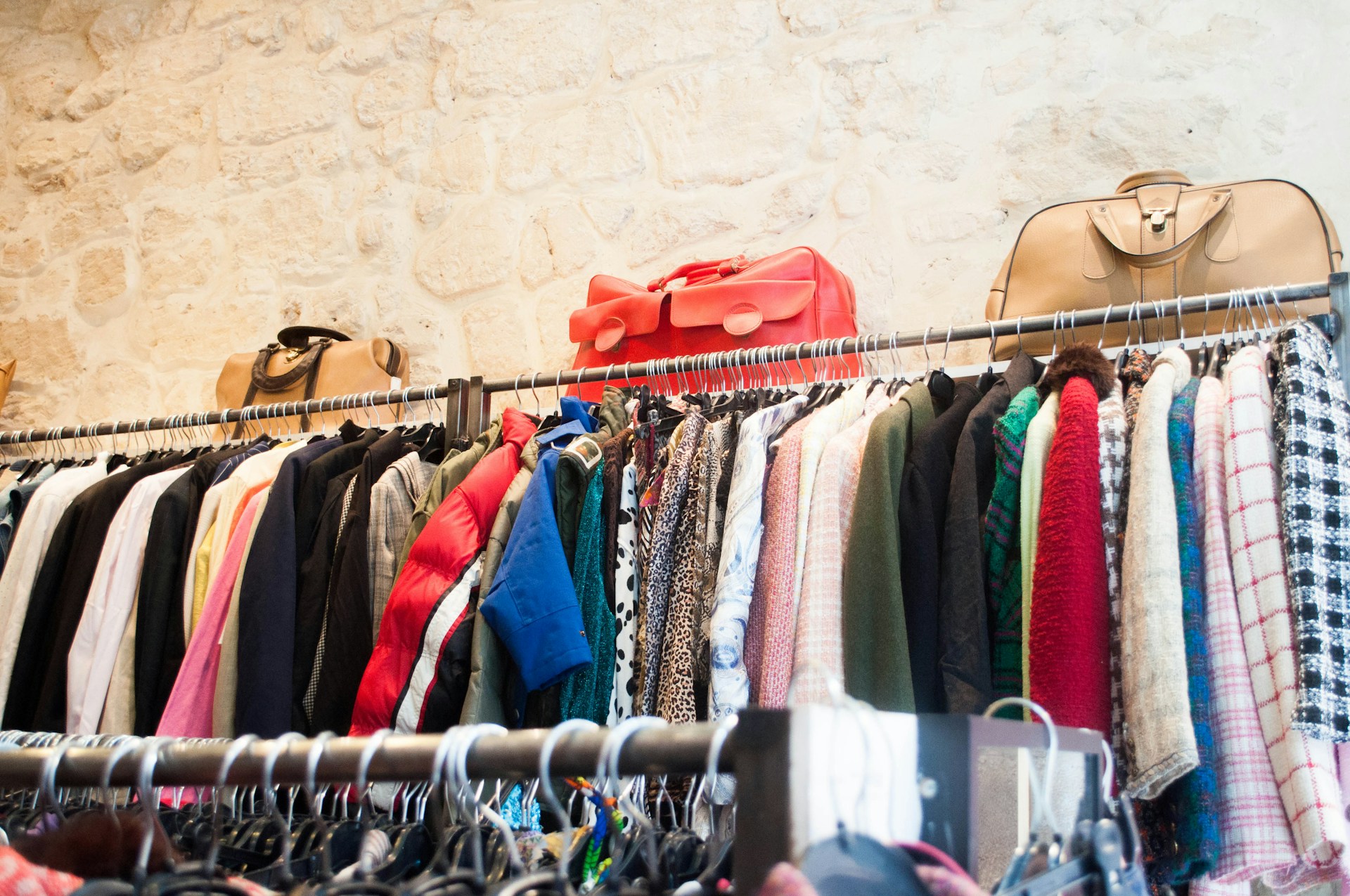
Secondhand buying has become routine rather than exceptional for clothing, furniture, and household goods. Resale platforms and thrift stores offer quality at significantly lower prices. This reduces spending while extending product lifecycles. The routine also removes stigma and reframes value. Items are judged by usefulness, not newness. Over time, savings compound quietly. Secondhand becomes practical and intentional.
Rising costs have not pushed most Americans toward drastic change but toward smarter daily systems. These routines succeed because they respect human behavior, time limits, and emotional energy. Each habit reduces pressure without demanding perfection. Together they create financial stability through consistency rather than sacrifice. Homes become more intentional, predictable, and resilient. The quiet strength of these routines lies in repetition. Small decisions practiced daily shape long term security.