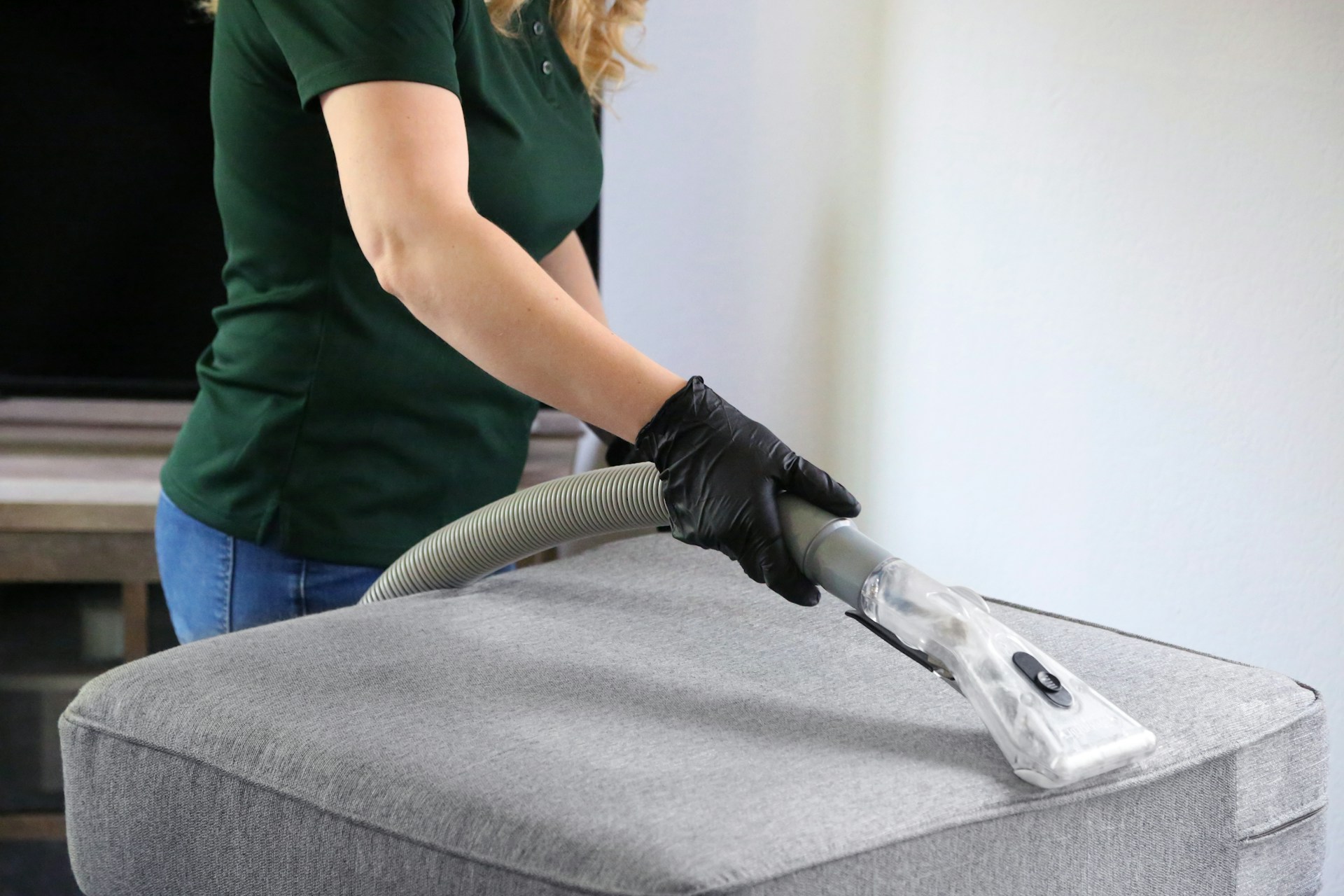
Many American homes today struggle with clutter not because families lack time but because they lack systems that make order automatic. Highly organized moms have turned everyday routines into powerful habits that prevent chaos and free up mental space. Instead of waiting for messes to grow, they tackle organization in small doses that never feel overwhelming. These habits transform cleaning from a weekend burden into a daily rhythm that keeps homes running smoothly. The secret is consistency, not complexity, and these behaviors prove that a tidy home does not require endless effort, only thoughtful routines.
1. Tidy As You Transition Between Tasks
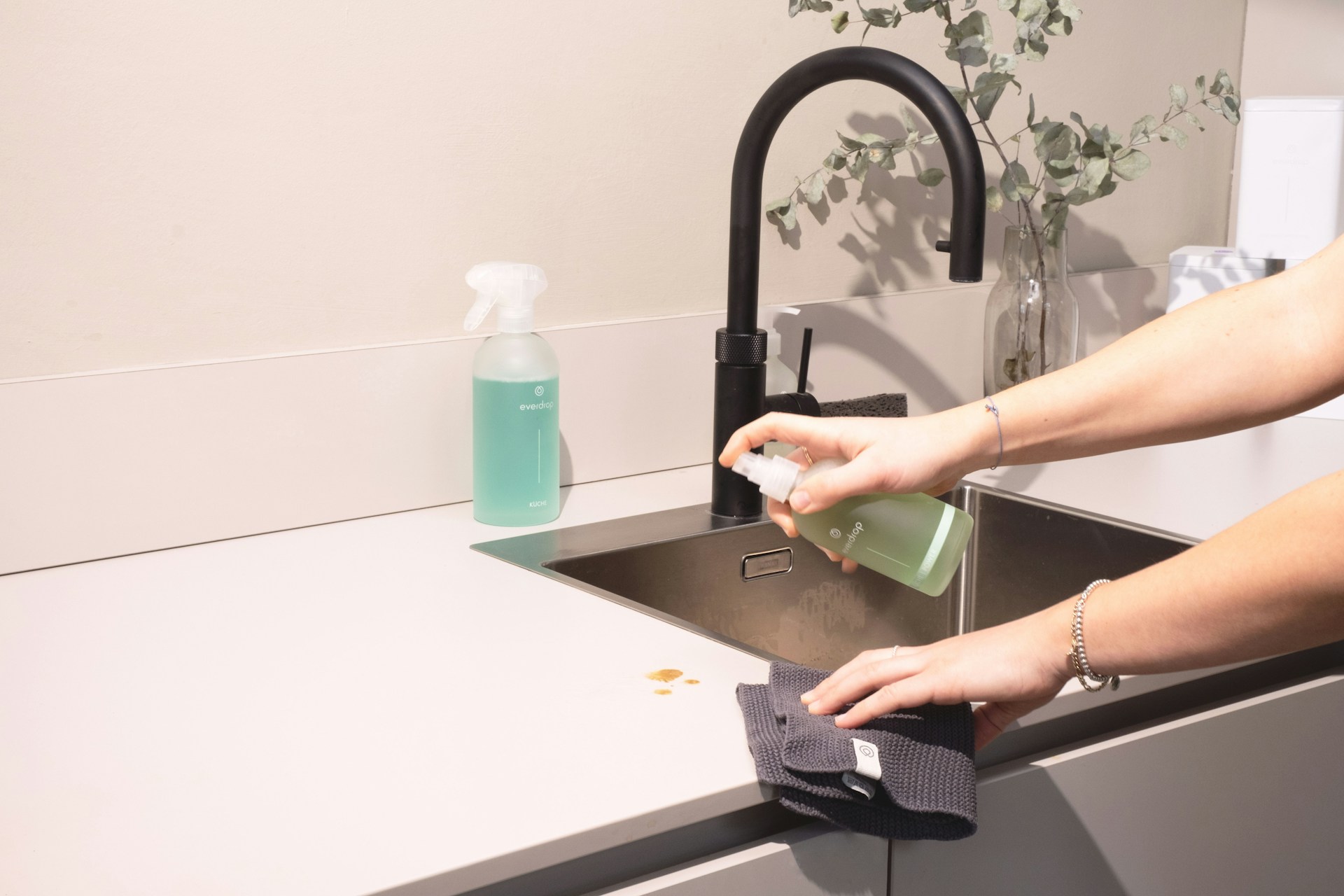
Rather than waiting until the end of the day for a major cleanup, organized moms reset spaces as they move from one activity to the next. A few seconds spent putting items back prevents build up that becomes overwhelming later. This habit keeps rooms visually calm and reduces the stress that comes from clutter piling up. It turns cleaning into a natural part of daily rhythm rather than a special event. Families notice that messes never fully form, and the house feels manageable without dramatic cleaning sessions that drain time and energy on weekends.
2. Keep Donation Boxes Open All Year Not Seasonally

Instead of decluttering once every few months, organized moms keep donation boxes ready at all times. As items become outdated, outgrown, or unused, they are dropped in immediately. This eliminates the guilt of keeping things that no longer serve a purpose and prevents clutter from building up in closets and drawers. Donation becomes a regular part of life, not an exhausting annual task. The habit teaches kids to let go gracefully and ensures homes evolve with family needs. It turns decluttering into a fluid process instead of a stressful event.
3. Assign Every Item A Designated Home

Clutter thrives when objects have no clear place to belong. Organized moms avoid this by assigning a specific home for every item, from toys to paperwork. This reduces decision fatigue and stops items from drifting around the house. Family members know exactly where things go, which speeds up cleanup and eliminates arguments. The habit also reduces duplicate purchases because items are searchable. When belongings have a purpose and a location, the house operates like a system, not a storage container. It creates predictability and keeps visual clutter to a minimum.
4. Use A Five Minute Nightly Reset Routine
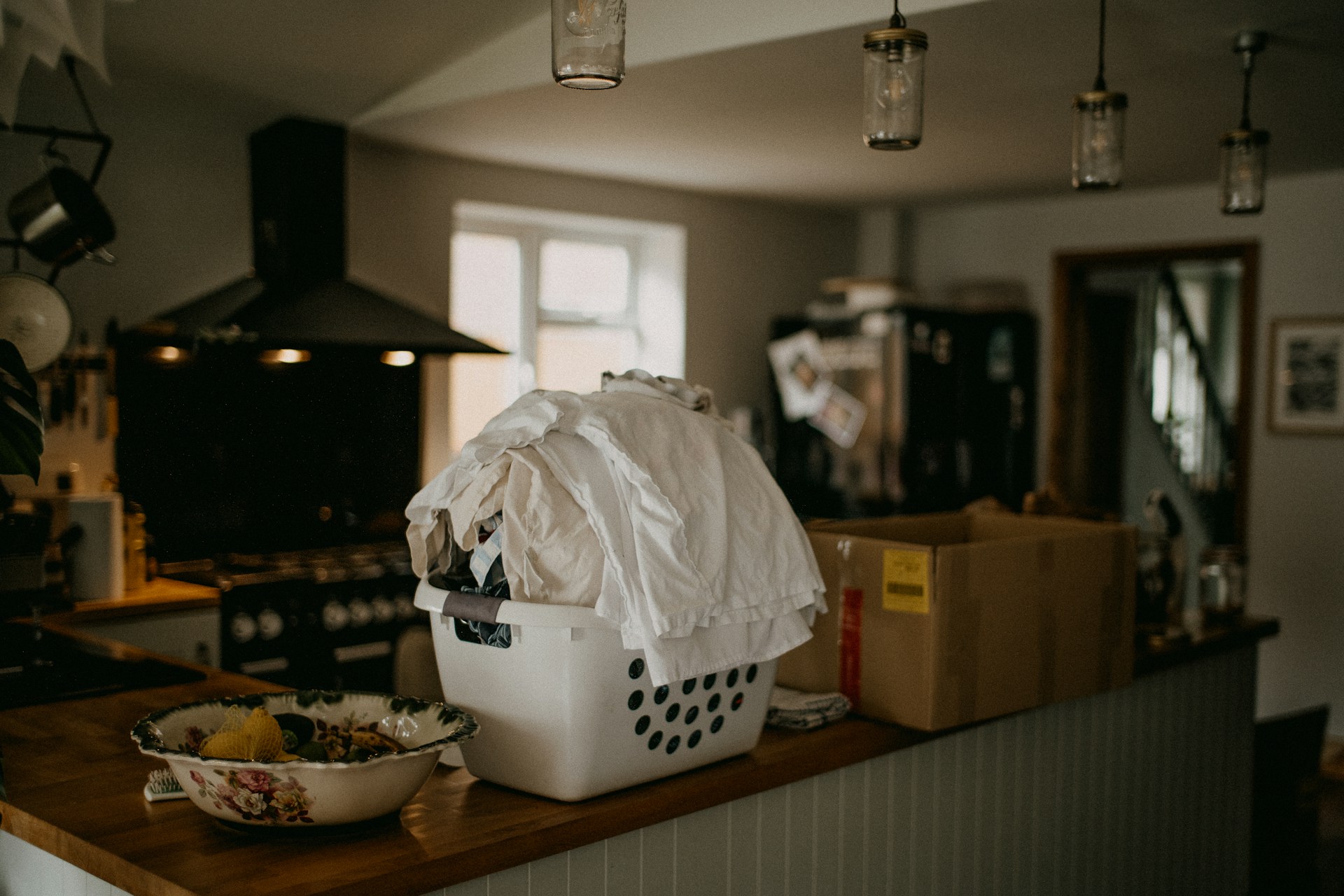
Instead of ending the day with unfinished chores, organized moms spend five minutes tidying visible areas before bed. This quick reset prevents mornings from starting with mess and frustration. Counters get cleared, toys are returned to bins, and surfaces become ready for a fresh start. The routine feels manageable because it is short, yet it makes a huge impact on mood and productivity. Families wake up calm rather than overwhelmed. The habit proves that consistency beats intensity and small actions can reshape the energy of an entire home.
5. Do Laundry Daily Instead Of Weekly Piles
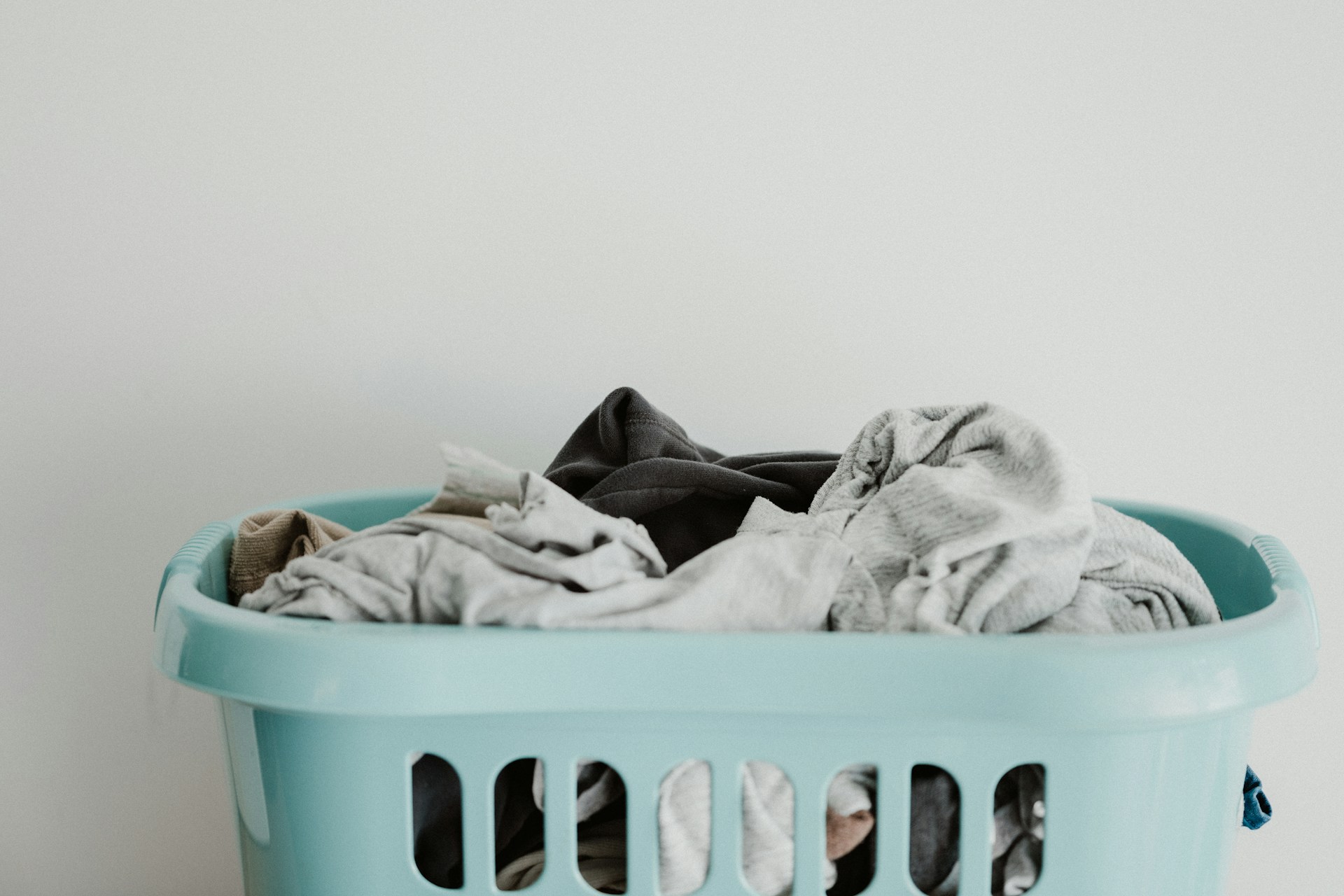
Organized moms avoid laundry mountains by washing smaller loads every day. This rhythm prevents clothing from piling up, reduces stress, and keeps closets manageable. Daily laundry becomes a quick task rather than a marathon chore that consumes hours. It also prevents baskets from overflowing, eliminating visual chaos. Families enjoy clean clothes without panic, and mornings run more smoothly because outfits are always ready. By spreading laundry throughout the week, the chore blends into daily life and no longer feels like an exhausting obligation waiting for attention.
6. Toss Expired Items During Grocery Unloading
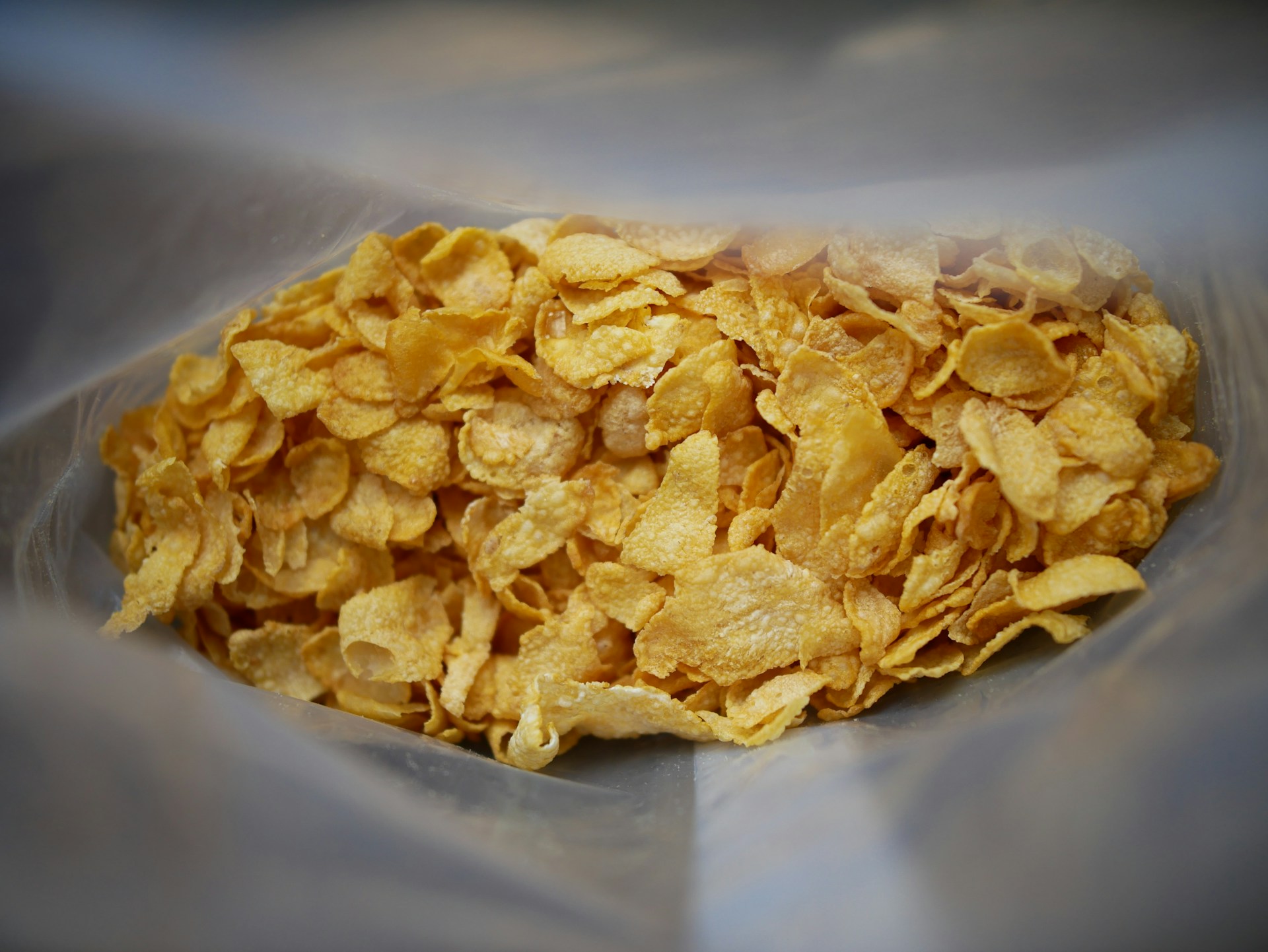
Rather than waiting for cabinets and refrigerators to overflow, organized moms remove expired or stale items as soon as groceries arrive. This habit ensures pantries remain clear, reduces waste, and prevents unpleasant surprises during meal prep. It also creates room for new purchases and stops duplicate buying. Cleaning happens automatically, not during frantic moments. Kids learn to check dates and understand responsible consumption. The practice supports healthier eating habits and keeps storage spaces functional. The kitchen becomes easier to navigate and more efficient without hidden clutter.
7. Fold Clothes Immediately After Drying
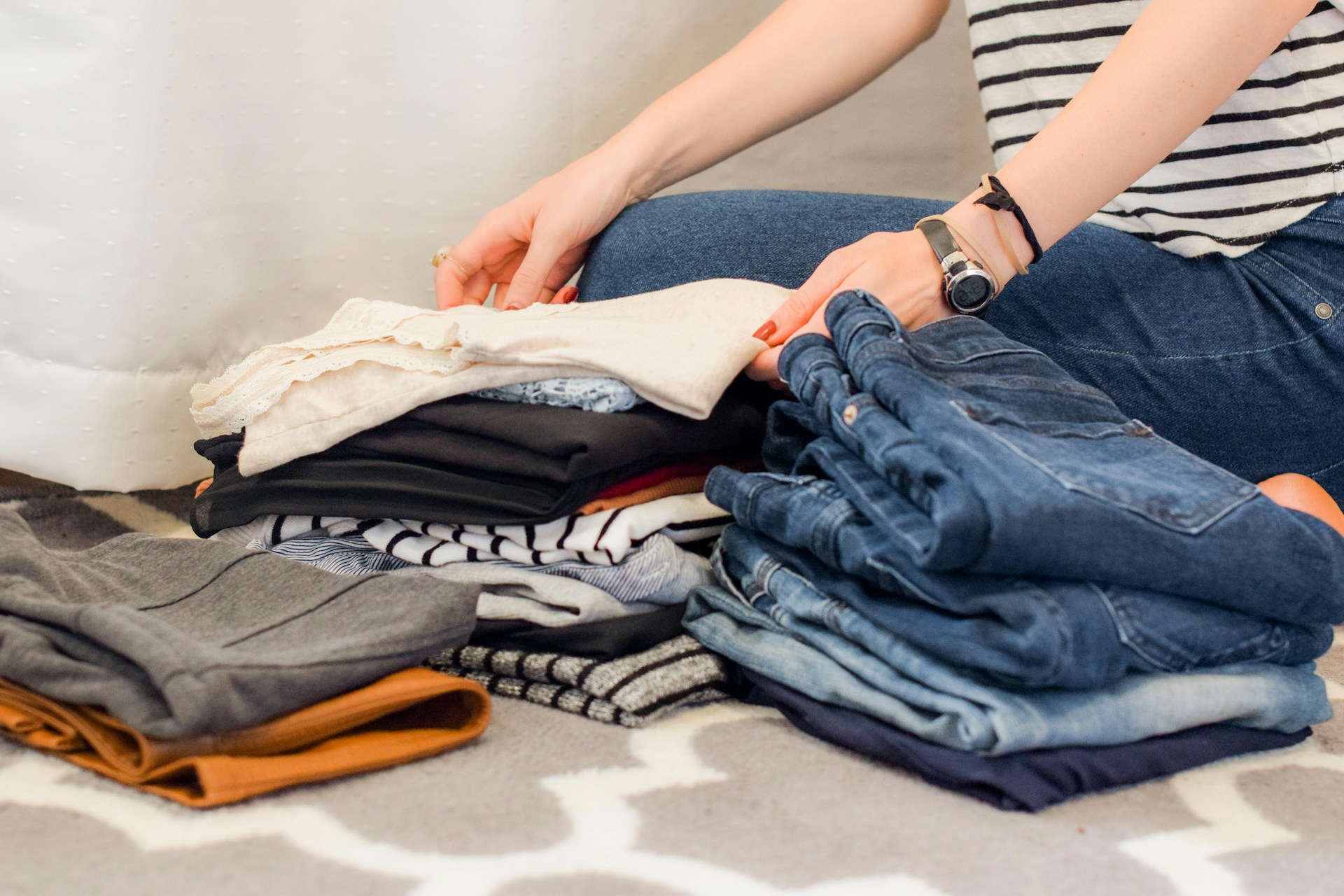
Clothing piles become daunting when left untouched, so organized moms fold clothes right after they dry. This habit prevents wrinkles, eliminates the temptation to ignore laundry, and maintains order in closets. The task feels quick and satisfying when done in the moment rather than postponed. The simple discipline ensures clothes get worn instead of forgotten and reduces clutter on chairs, floors, and beds. It creates a sense of completion that encourages other tidy habits. The house feels more peaceful when clothing does not migrate throughout common areas.
8. Rotate Toys And Books So Kids Do Not Create Constant Mess
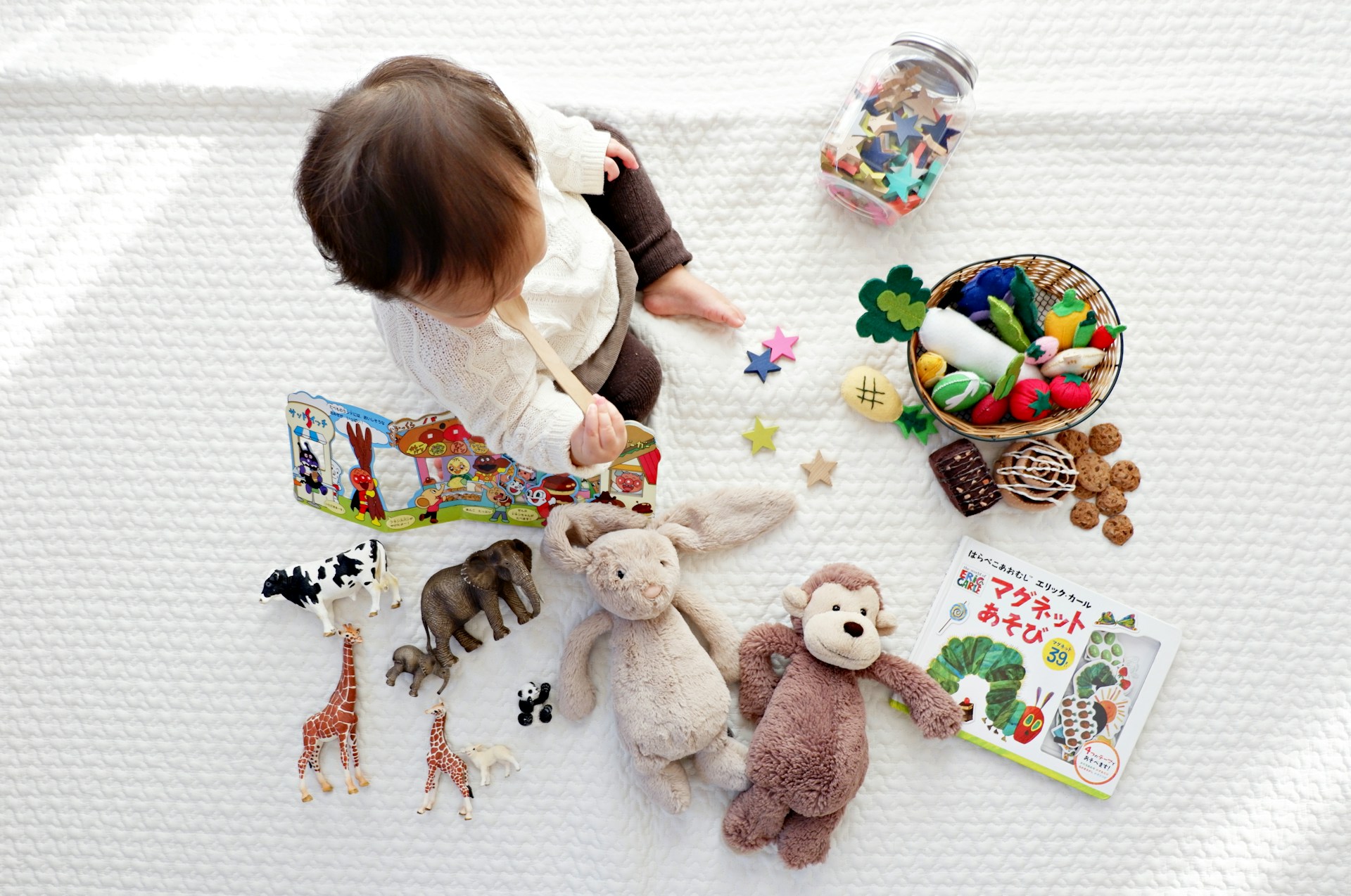
Organized moms limit visual clutter by storing some toys and books out of sight and rotating them periodically. This strategy reduces the number of items kids access at once, preventing overwhelming messes. It also renews excitement when items reappear, making old toys feel fresh. Children focus better with fewer distractions, and parents spend less time cleaning. The habit creates structure and teaches kids responsibility. It transforms the home from a chaotic play zone into a calm environment without denying childhood joy or creativity.
9. Keep A One In One Out Rule For New Purchases

This habit prevents clutter before it forms. When something new enters the house, an old item leaves. Organized moms use this rule for toys, clothes, décor, and kitchen gadgets. It encourages thoughtful purchasing and stops impulse buys from piling up. Family members become intentional about what they own, and the home stays manageable. The rule protects storage space and reinforces the idea that possessions should serve a purpose. It transforms consumer habits into mindful choices and keeps clutter from becoming a recurring problem.
10. Store Rarely Used Items Out Of Sight To Reduce Visual Noise

Homes feel cluttered when surfaces are filled with objects that are seldom used. Organized moms remove rarely used items from daily view, storing them in closets, bins, or high shelves. This makes living spaces feel larger, calmer, and easier to clean. Visual simplicity reduces stress and focuses attention on what matters. The habit does not eliminate belongings but reorganizes them so homes feel welcoming instead of overwhelming. It supports mental clarity and teaches families to prioritize function over accumulation.
11. Keep Digital Spaces Organized To Reduce Mental Clutter

Digital mess is just as exhausting as physical clutter. Organized moms treat phones and computers like rooms that need maintenance. They delete unused apps, manage emails, organize photos, and create systems for documents. This prevents digital overwhelm and improves focus. When screens are not chaotic, families feel calmer and less distracted. Organized digital habits reinforce intentional living and help parents avoid wasted time spent searching for information. The mind rests easier when both the home and the digital world feel under control.
12. Plan Meals Around Pantry Items To Prevent Food Waste

Instead of buying ingredients impulsively, organized moms start meal planning by checking what they already own. This reduces spending, prevents expired food, and encourages creativity in the kitchen. The habit transforms pantries from storage spaces into planning tools. Families learn to appreciate what they have and avoid unnecessary purchases. It creates sustainable routines and aligns food management with financial responsibility. The kitchen becomes efficient and purposeful, proving that order is not just about cleanliness but about thoughtful choices that minimize waste.
These habits reveal that organization is not about perfection but about systems that support peace and predictability. Highly organized moms do not clean constantly; they create routines that eliminate chaos before it begins. Their strategies make homes easier to manage, reduce decision fatigue, and free up time for the moments that matter. By adopting these small but powerful habits, any family can transform their living space from overwhelming to orderly and create an environment that nurtures clarity and calm.