There was a time when department stores were more than just shopping destinations. They were social landmarks where families spent entire afternoons, service felt personal, and magic seemed to live behind every counter. From in-store tea rooms to complimentary gift wrapping, these stores offered touches of luxury that have mostly faded with time. Let’s take a nostalgic stroll through some of the best perks that made department store visits unforgettable.
Elegant Tea Rooms
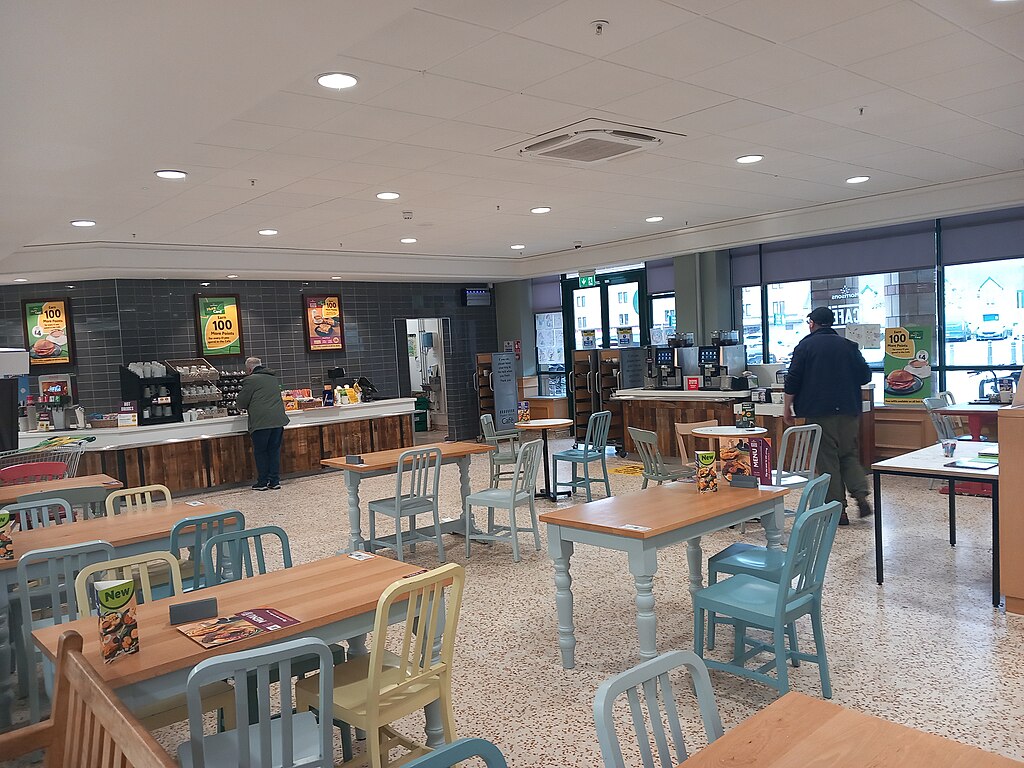
In the mid-20th century, department store tea rooms were the height of sophistication. Shoppers could pause between purchases to enjoy proper meals with silverware, fresh pastries, and white tablecloths. These tea rooms were not just restaurants but social hubs where friends gathered, mothers introduced daughters to etiquette, and the excitement of the day’s shopping continued over warm cups of tea. Today, most of these spaces have been replaced by fast-food chains or empty floor space, making the charm of leisurely dining in a store a wistful memory.
Personalized Tailoring Services
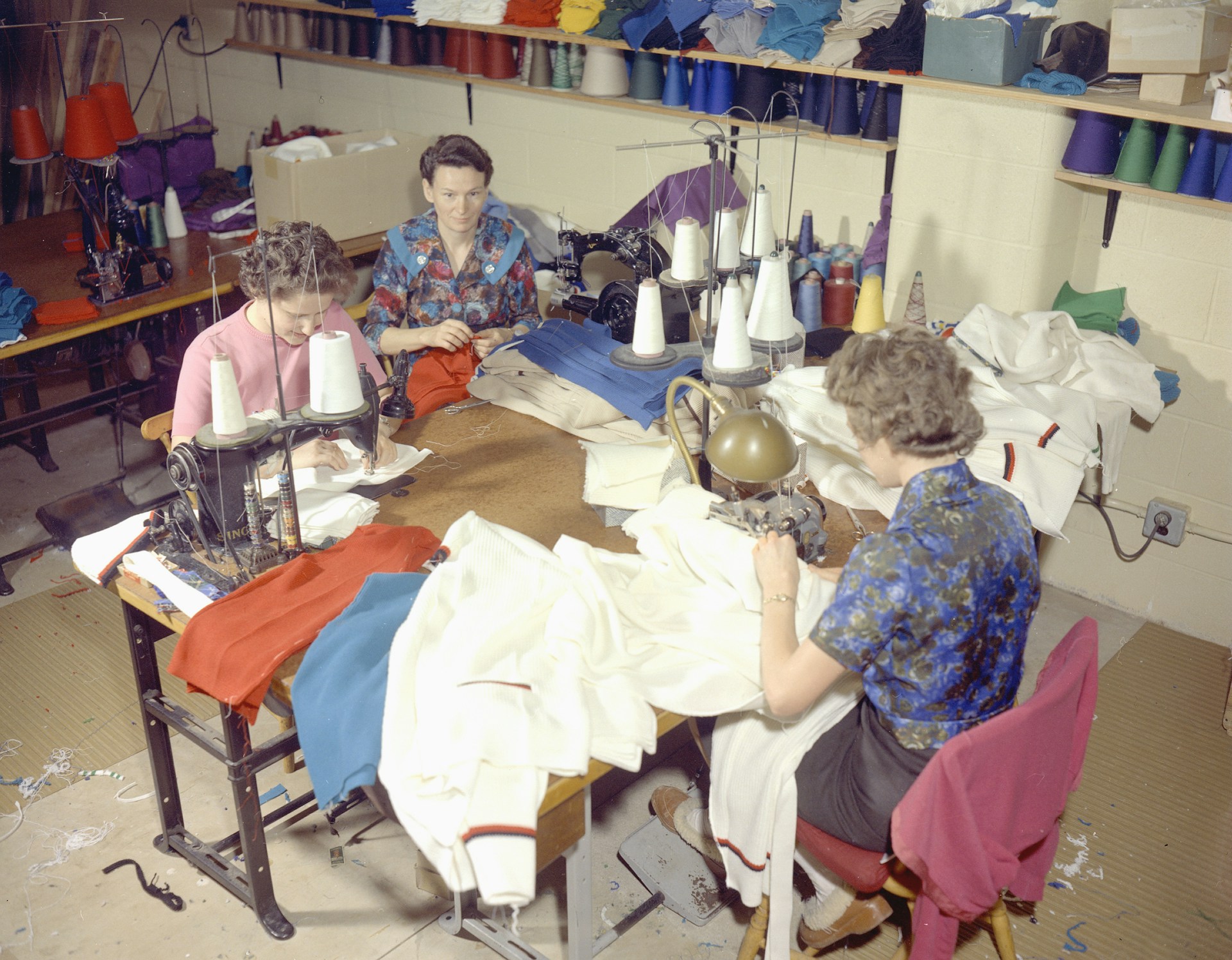
Buying clothes in a department store once meant having them tailored to perfection. Skilled seamstresses and tailors stood by to hem trousers, fit jackets, or alter evening gowns on-site, ensuring that every piece looked custom-made. Customers developed relationships with these tailors who often remembered exact sizes and style preferences. The modern era of off-the-rack clothing and online shopping has made this kind of personalized attention rare, leaving behind a time when fit and finish truly mattered.
Gift Wrapping Counters
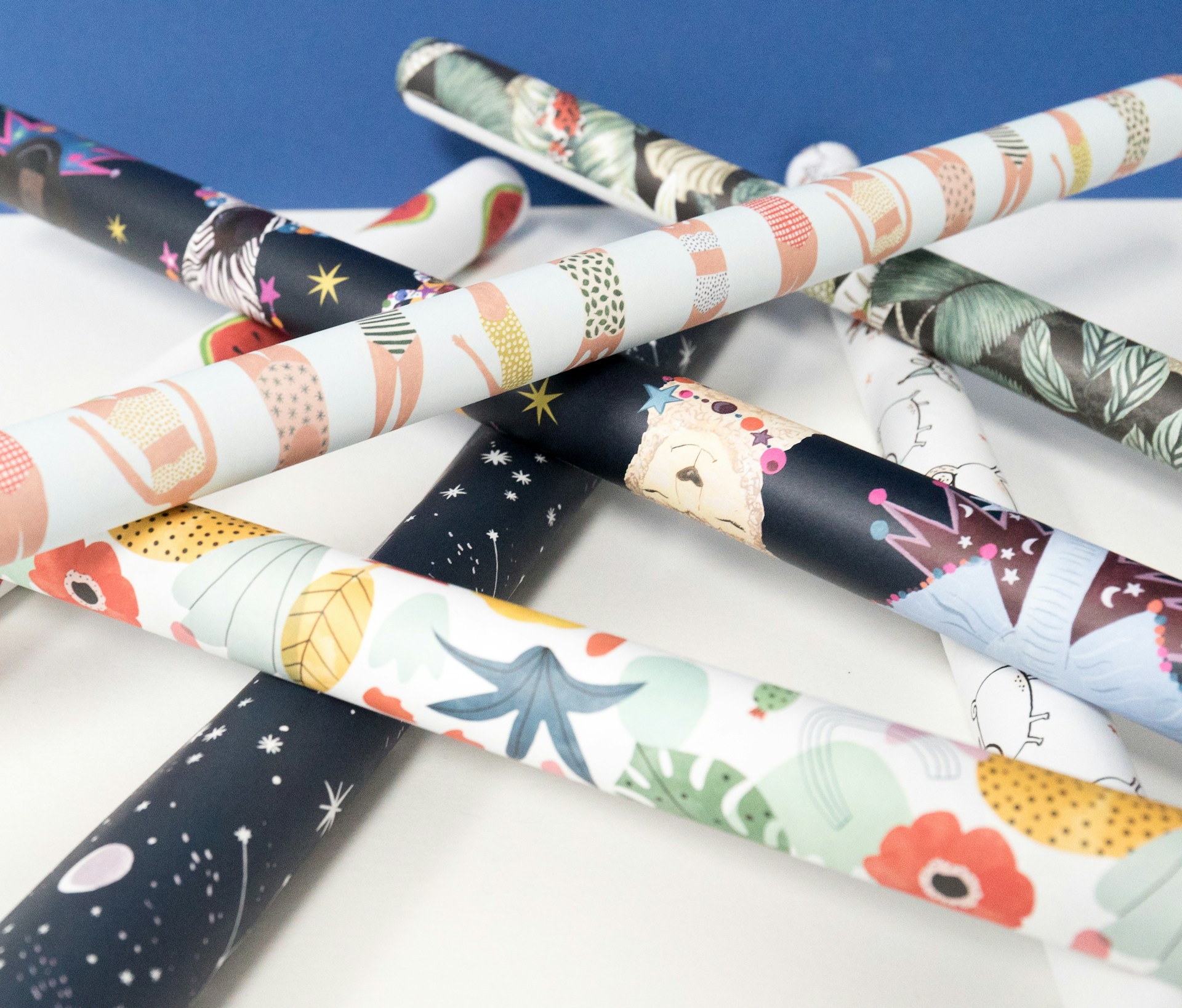
During the golden age of department stores, gift wrapping was an art form. Shoppers could hand over their purchases and receive beautifully wrapped boxes adorned with ribbons, embossed paper, and elegant tags. Around holidays, the counters sparkled with festive décor and friendly staff who added a touch of seasonal cheer to every package. It made gifting feel thoughtful and special. Today’s online retail world may offer automated wrapping options, but it lacks the personal touch and delight that once came with watching your purchase transformed into a perfect present.
Live Pianists and Lounge Music

Many upscale department stores employed live pianists to fill the air with soft melodies as shoppers browsed. The music created an atmosphere of refinement and calm, turning an ordinary shopping trip into a sensory experience. Sometimes, the pianist even took requests, delighting children and adults alike. Now, the hum of escalators and background playlists has replaced the gentle sound of piano keys, but those who remember the tunes still associate them with the golden glow of the past.
Santa’s In-Store Wonderland
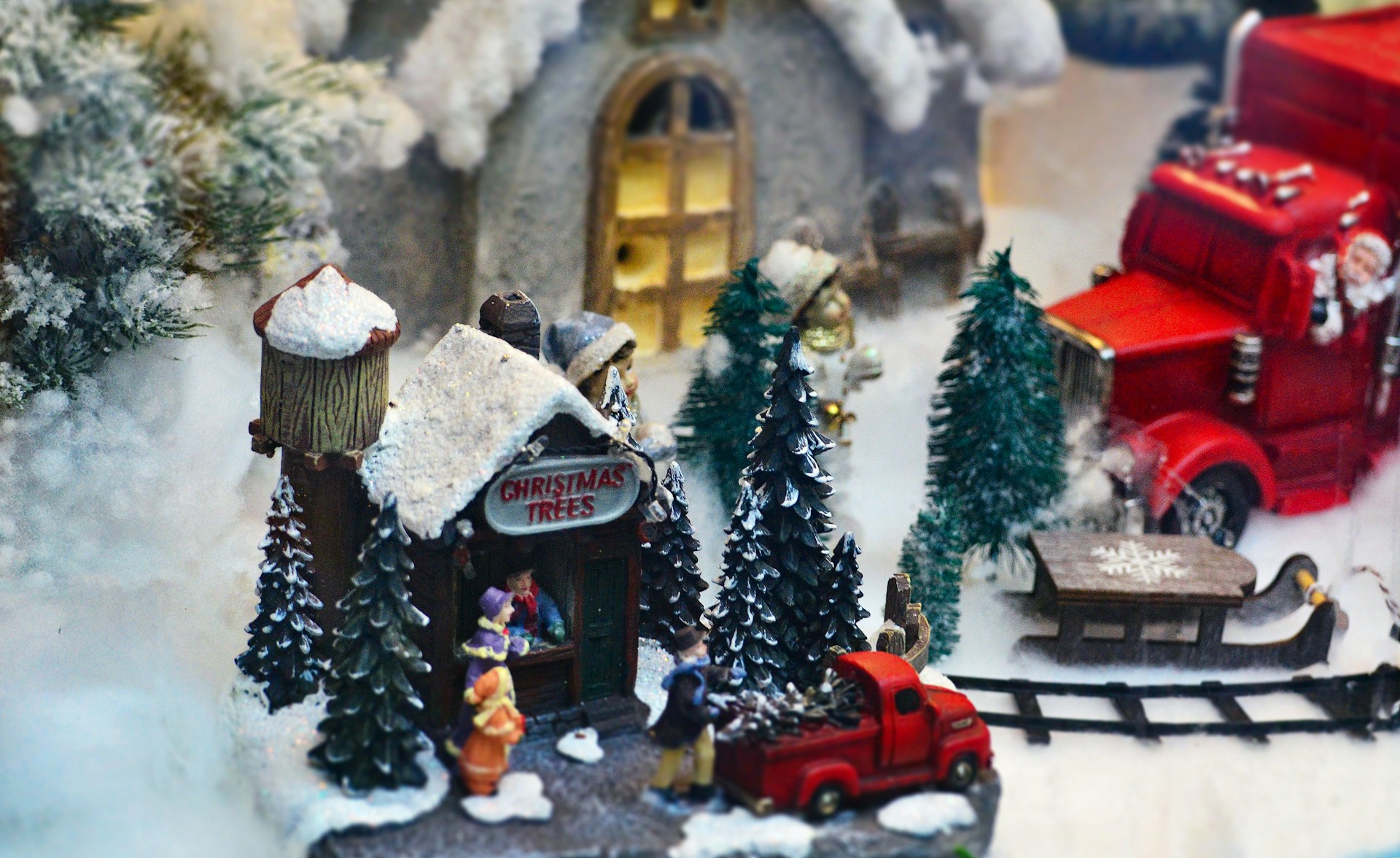
Long before mall Santas became common, department stores built elaborate winter wonderlands during the holidays. These setups were full-blown experiences with real snow machines, train rides, animatronic reindeer, and photographers ready to capture every child’s smile. Families dressed in their Sunday best for the annual visit. The tradition still lives on in small ways, but nothing compares to the immersive magic those stores once created in the middle of bustling cities.
Generous Return Policies
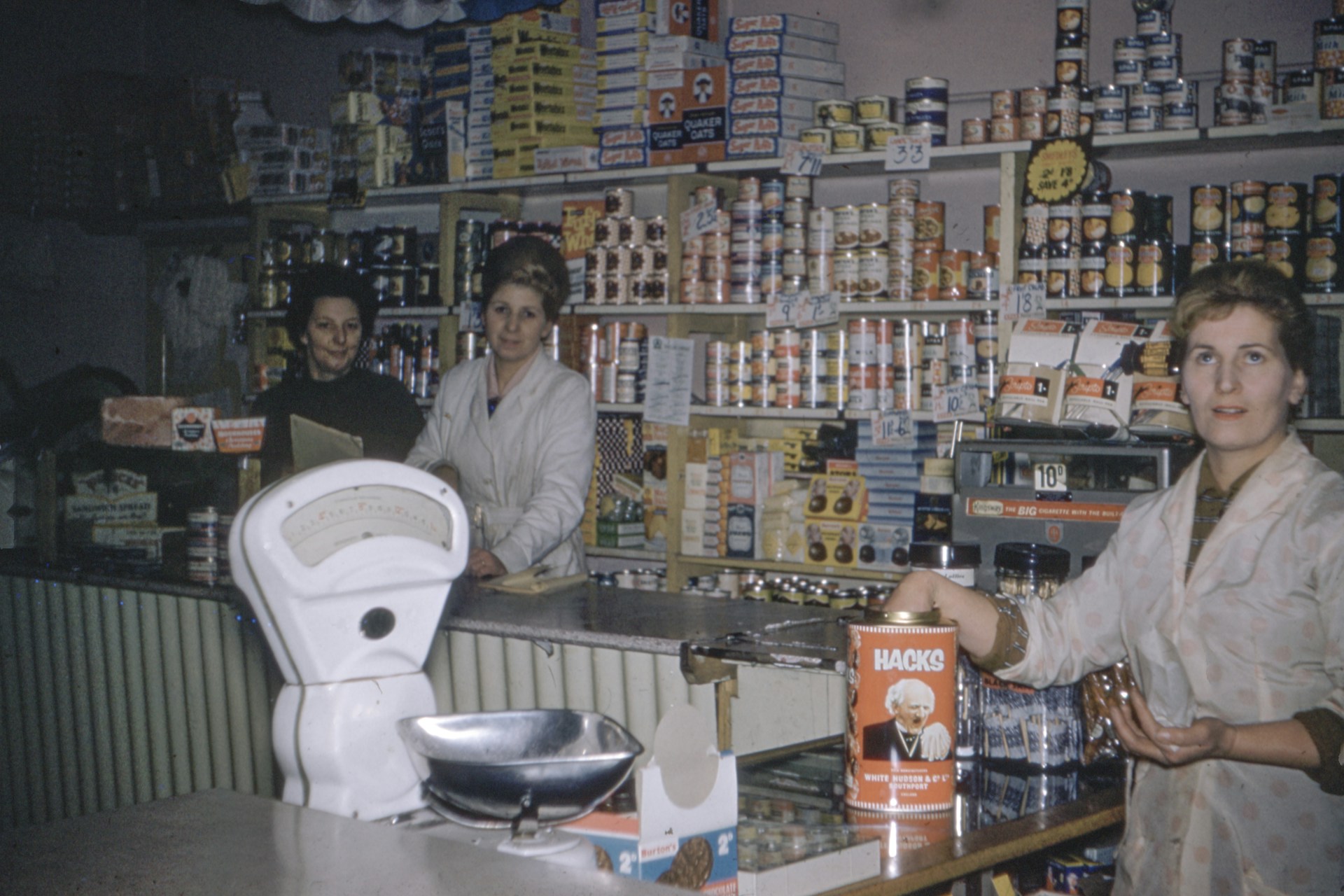
Shoppers once trusted department stores completely, partly because of their remarkably generous return policies. Returns were accepted without lengthy forms or suspicion, and employees handled the process with grace. Many stores believed in the honor system, trusting loyal customers to be fair. This created a bond of goodwill that built lifelong loyalty. Today, stricter corporate rules and online receipts have replaced that mutual trust, reminding us how much kindness and personal service used to define the shopping experience.
In-Store Fashion Shows
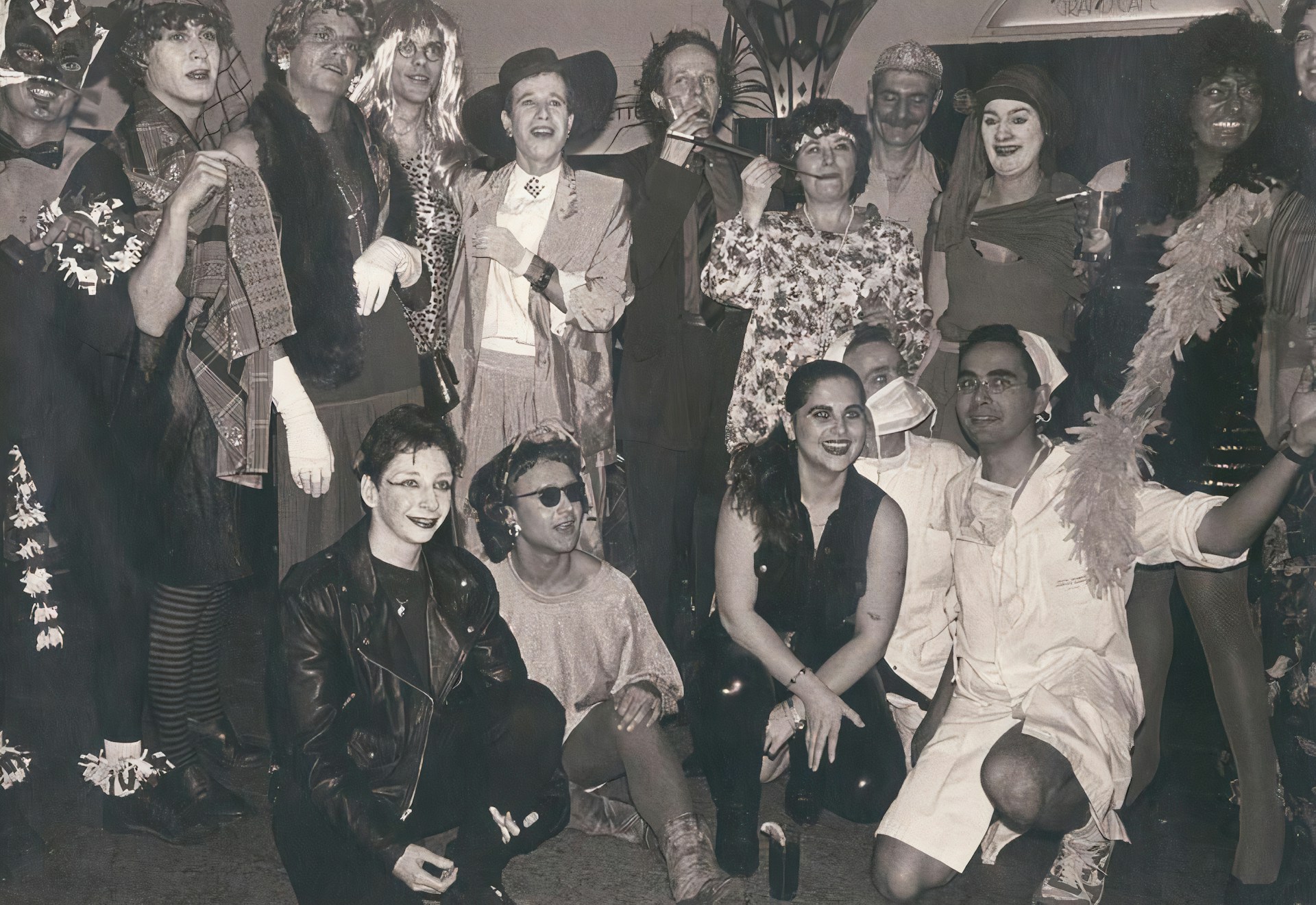
Department stores in the 1950s and 60s often hosted live fashion shows to showcase their latest collections. Models would strut across aisles or appear on small stages while shoppers watched from chairs or café tables. These shows made fashion feel accessible and exciting, letting customers see how clothing looked in motion before making a purchase. The events added glamour and community spirit to what might otherwise have been a routine day of shopping. Today, such experiences exist mostly in memory and archival photos.
Credit Accounts with No Interest
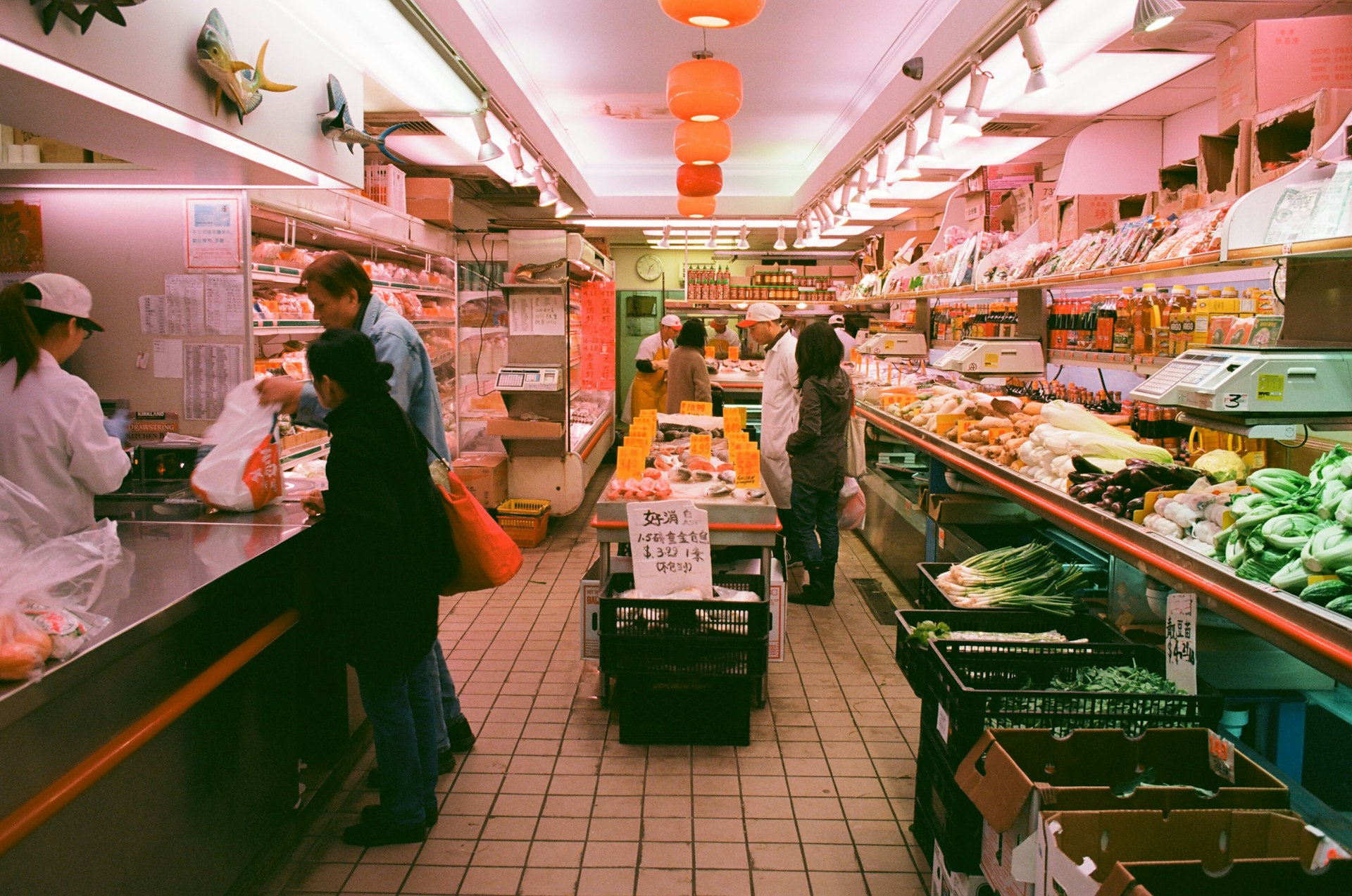
Before credit cards became common, many stores offered their own charge accounts, allowing regular customers to buy now and pay later, interest free. Clerks often recognized shoppers by name, and billing was handled through simple handwritten records. These accounts were based on trust and relationships rather than algorithms and credit scores. While modern systems are more efficient, they lack the personal connection and sense of partnership that once existed between stores and their loyal patrons.
Complimentary Delivery Services
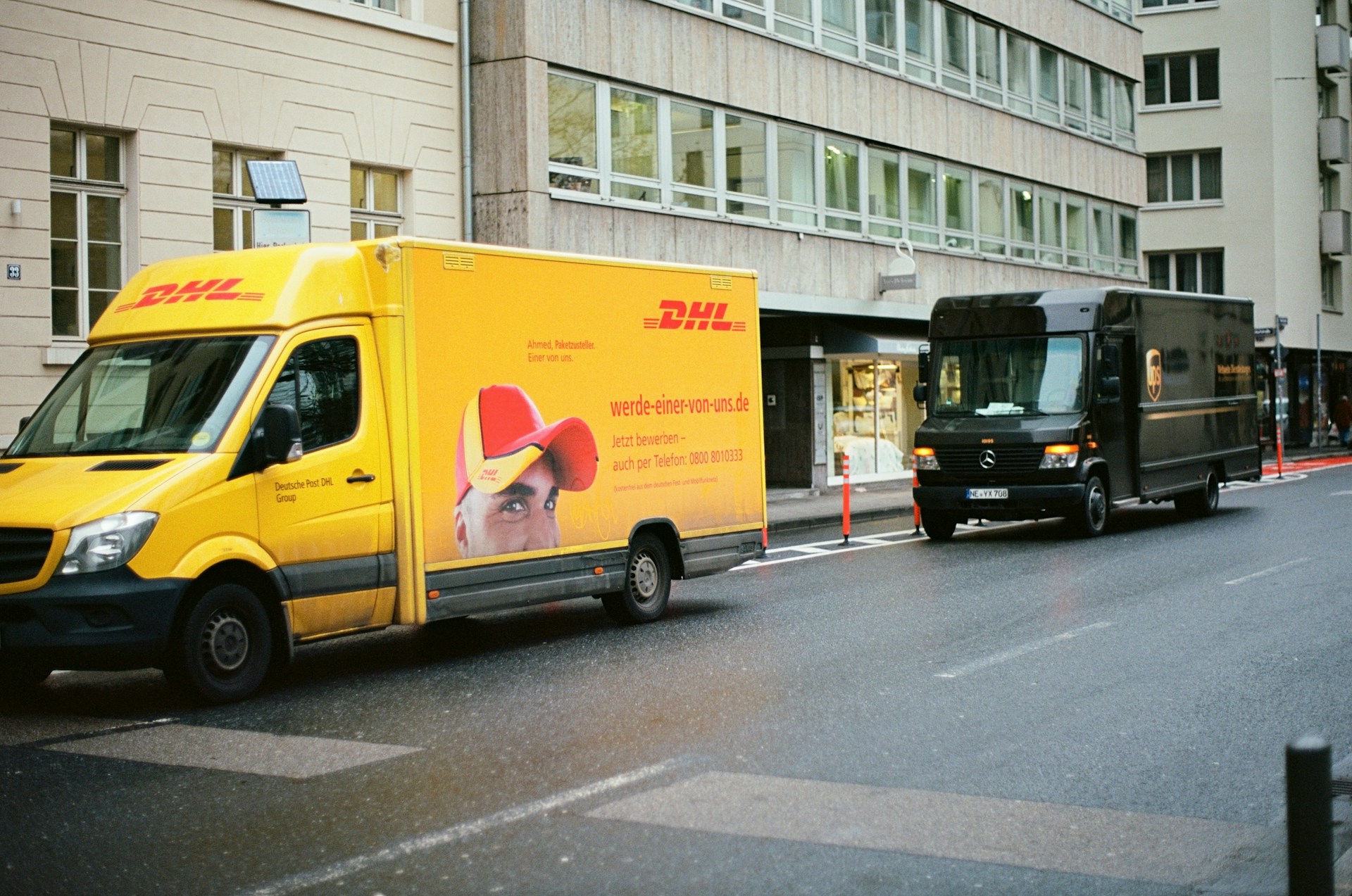
Buying a large appliance or furniture piece once came with a little bonus: free delivery right to your doorstep. Store delivery teams often wore uniforms, carefully unpacked items, and ensured everything was set up perfectly before leaving. For customers, it was a symbol of care that extended beyond the purchase. Today, delivery usually comes with extra fees and outsourced services, making the old-fashioned courtesy of free, friendly delivery something many people fondly remember.
Children’s Play Areas
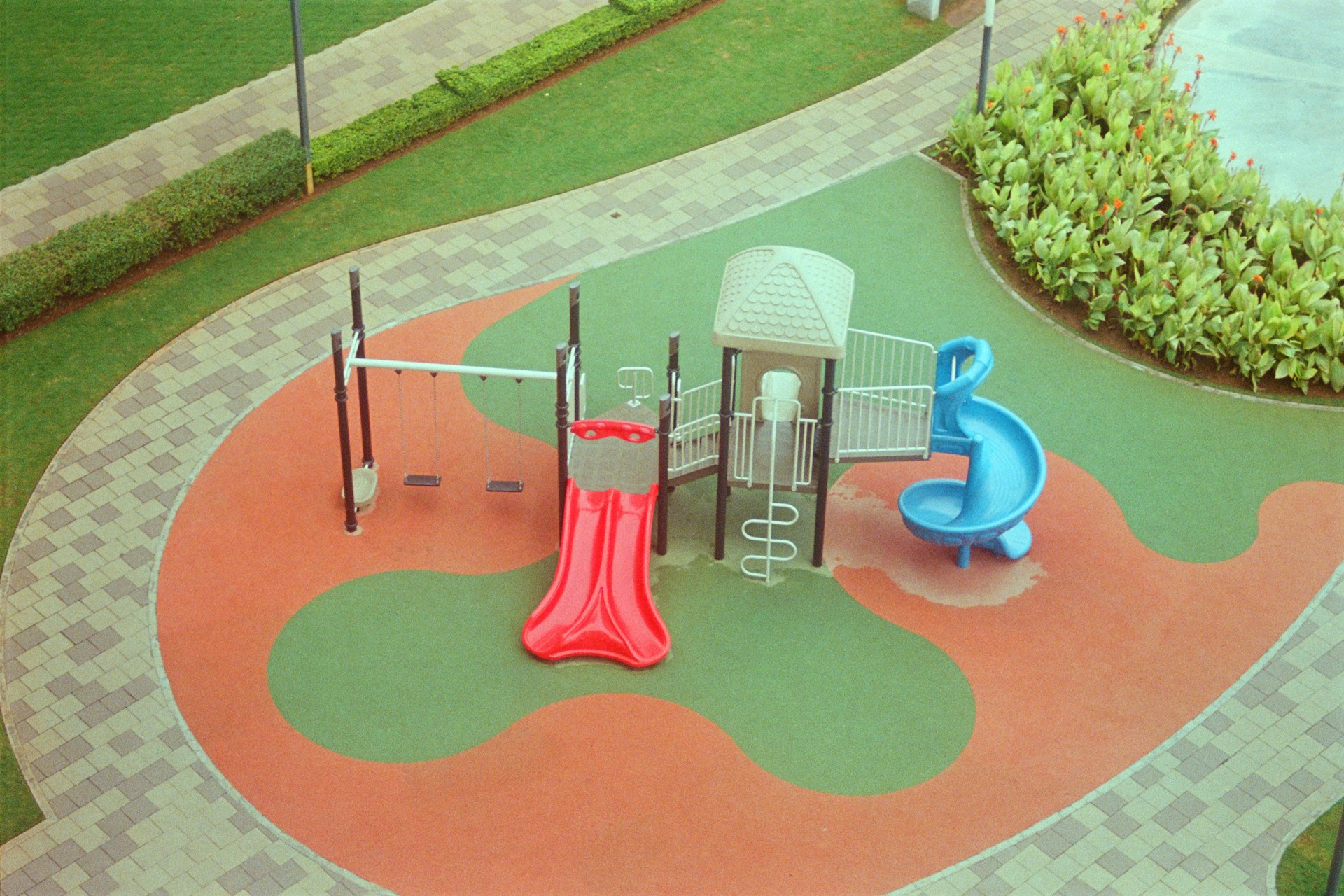
Shopping used to be a family event, and stores often included supervised play areas to keep kids entertained. These brightly decorated spaces featured toys, coloring tables, and sometimes even puppet shows. Parents could shop peacefully while children played under watchful attendants. The setup created a welcoming environment for families and turned department stores into community centers. Today, with safety regulations and space constraints, those playful corners are mostly gone, leaving behind fond memories of simpler times.
Elevator Attendants
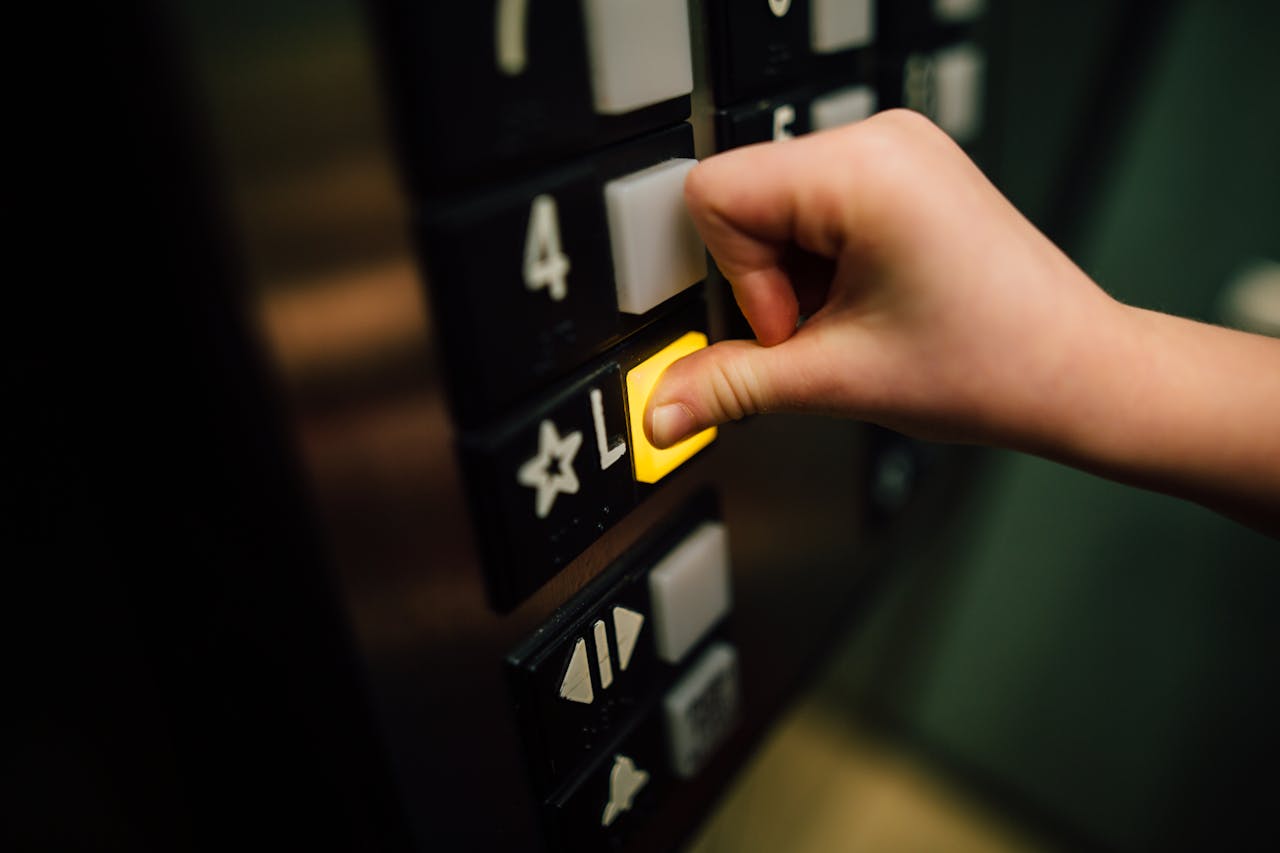
Elegant department stores once had uniformed elevator attendants who did far more than push buttons. They greeted customers, announced floors, and offered polite conversation. Some even provided recommendations about departments or sales. The ride between floors was brief but memorable, often brightened by the warmth and professionalism of the attendant. With automated elevators and escalators, that touch of human charm disappeared, marking another quiet end to the personal service era.
Catalog Shopping Desks
cottonbro studio/Pexels
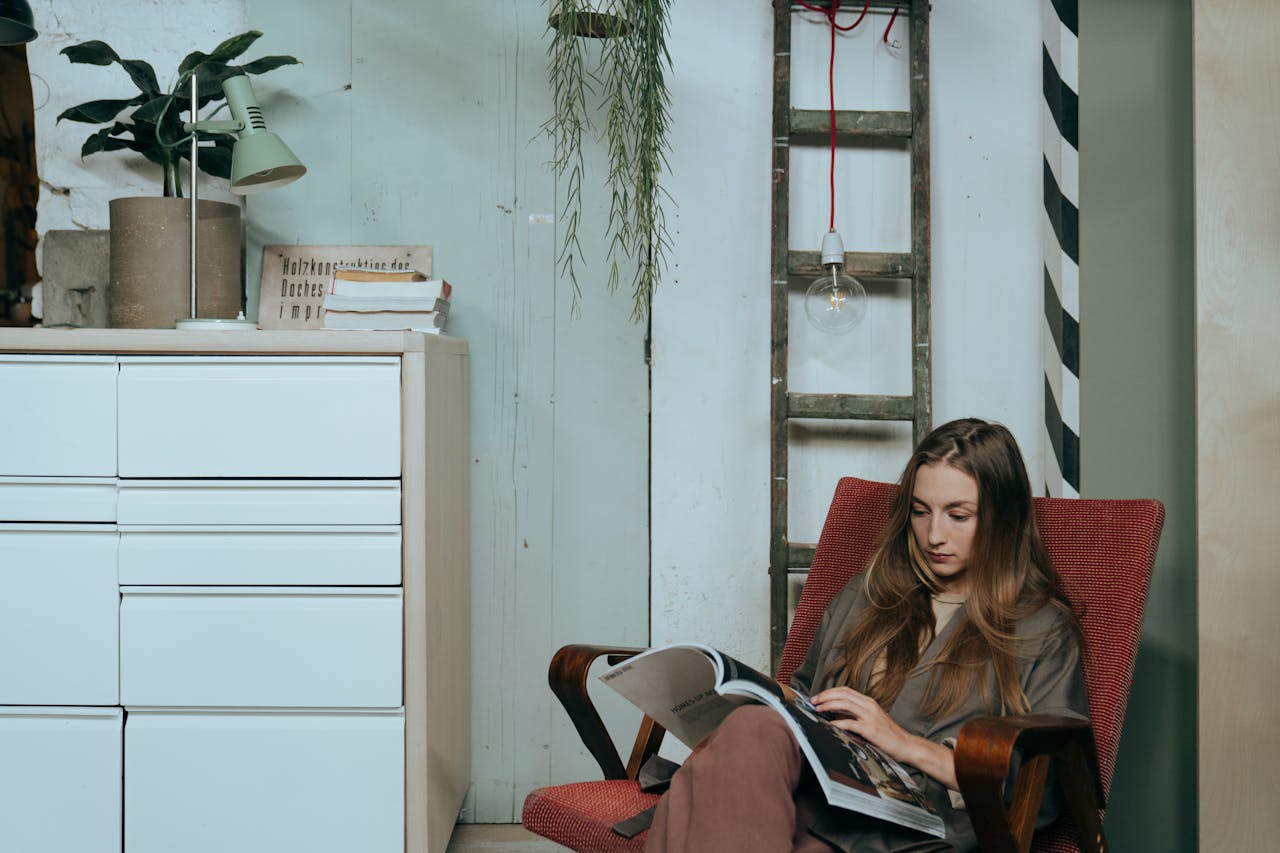
Before online shopping, catalog desks were the bridge between home and store. Customers could browse the thick seasonal catalogs, place orders, and have their items shipped to the store or home. These desks helped customers access a wider range of products while keeping the service personal. With the rise of e-commerce, catalog desks faded away, but they laid the foundation for today’s digital shopping culture and personalized service standards.
Department stores once defined the American shopping experience, offering service, charm, and community that no app or algorithm can replicate. Their disappearance reflects a shift in how we value time, connection, and craftsmanship. For those who remember, these stores were more than places to shop: they were places to belong.