
As the pace of modern life accelerates, many Americans long for habits that once brought calm, connection, and community. These old-school practices defined daily routines for generations, offering dependable rhythms and heartfelt interactions. While technology has improved convenience, it has also replaced traditions that once grounded families. These charming habits continue to inspire nostalgia and renewed appreciation.
Sunday Family Visits
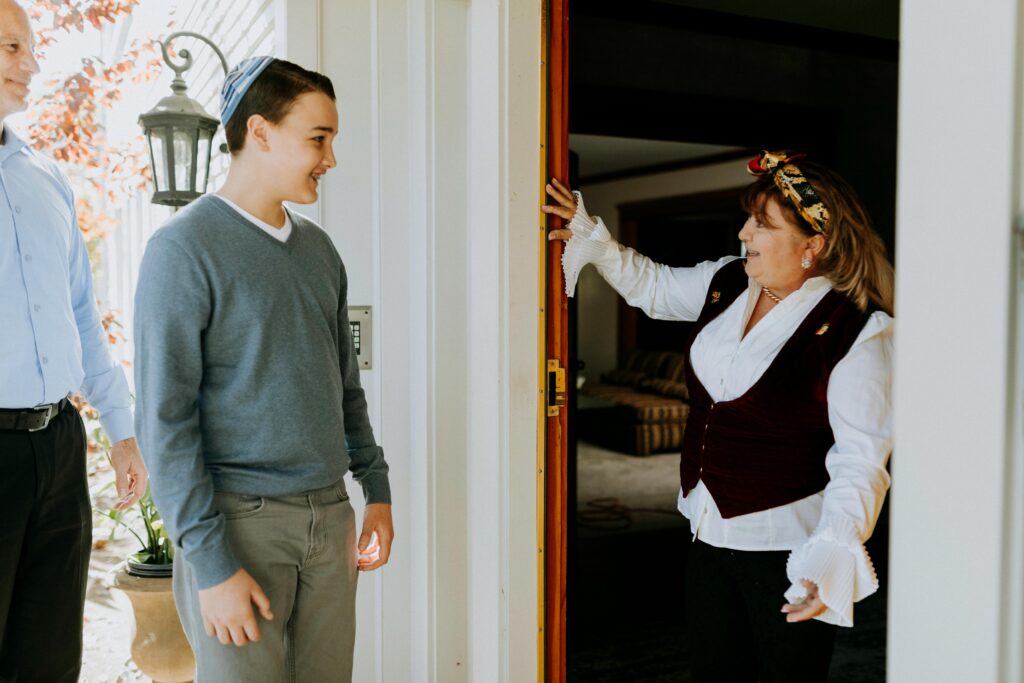
Sunday visits once brought extended families together every week. Relatives shared meals, stories, and simple joys that strengthened generational bonds. Modern work schedules and long commutes made such gatherings increasingly rare. Many now miss the stability these visits brought to family life.
Handwritten Recipe Cards

Handwritten recipe cards preserved heritage, flavor, and memory through handwritten notes. They often carried stains, doodles, or personal comments that connected cooks across generations. Digital recipes lack the emotional history these cards provide. Families increasingly value them as priceless keepsakes.
Sewing and Mending
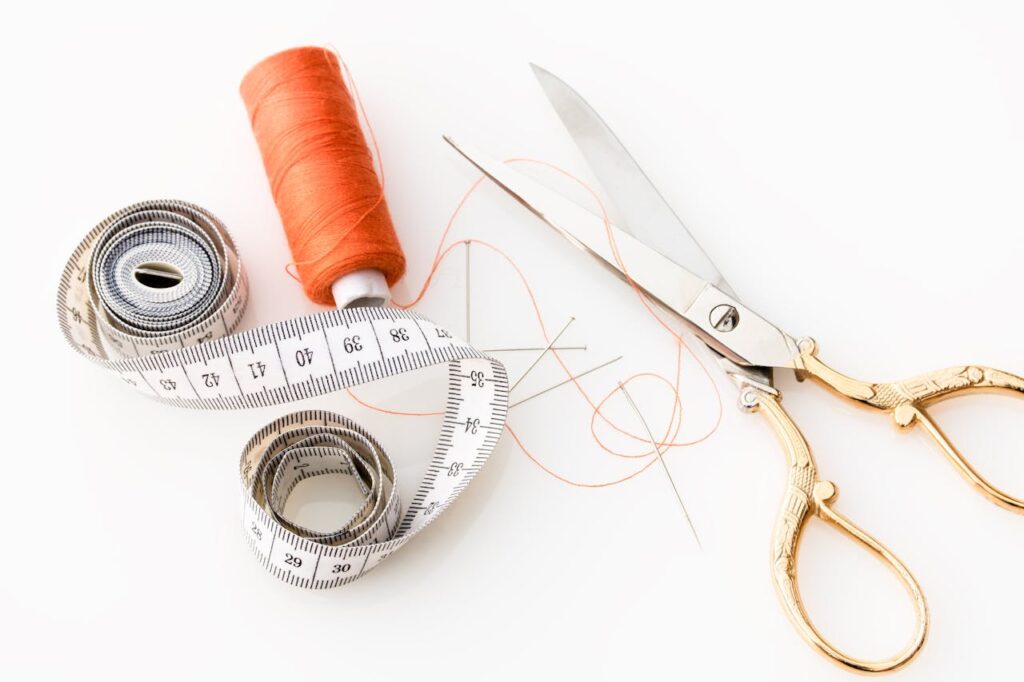
Americans once repaired clothing instead of quickly replacing worn items. Sewing skills were common and part of household routines. Fast fashion reduced the need for home repairs, making the skill less common. Many now appreciate the sustainability and craftsmanship mending once offered.
Writing Thank-You Notes

Thank-you notes expressed gratitude in a tangible, thoughtful way. The act required time, reflection, and intention. Digital messages, though faster, often feel impersonal or rushed. Reviving handwritten notes could restore sincerity to expressions of thanks.
Unplugged Evenings
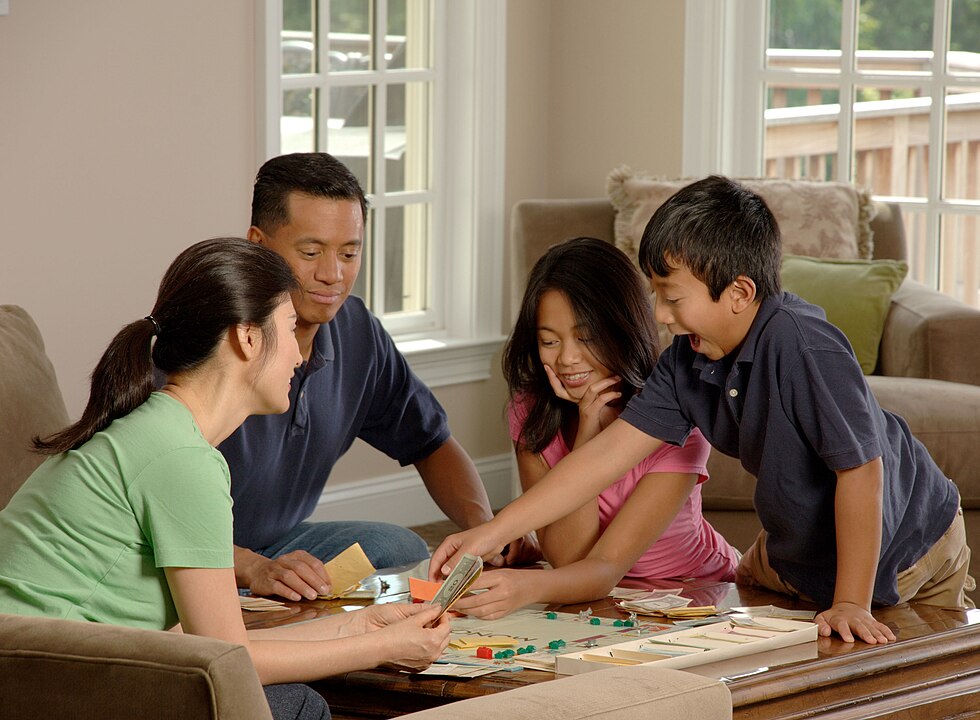
Families once spent evenings reading, playing games, or talking instead of scrolling through screens. These unplugged moments fostered creativity and genuine connection. Modern digital habits make such evenings difficult to maintain. Yet many recognize the mental clarity they once provided.
Talking to Neighbors

Neighborhood friendships grew naturally through daily chats on porches or sidewalks. These interactions created trust and strengthened community networks. Today, people often remain indoors or connect online rather than locally. Americans increasingly miss the warmth of casual neighborly conversation.
Cooking from Scratch

Cooking from scratch was once the norm, passing down techniques and family traditions. It created shared moments in the kitchen and healthier eating habits. Convenience foods have reduced the frequency of such meals. Many now seek to revive home cooking for its emotional and nutritional benefits.
Sending Postcards
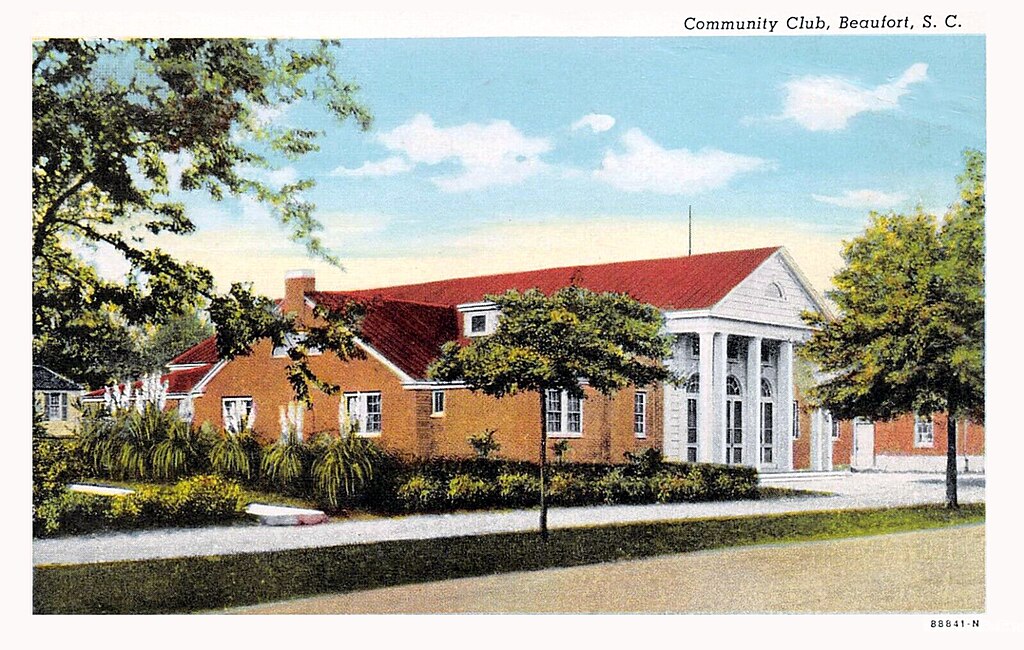
Postcards brought joy to mailboxes and connected travelers to loved ones back home. Each card carried a snapshot of a place and a brief, heartfelt message. Digital photos and instant messaging replaced their role. Still, postcards evoke charm and excitement that digital communication lacks.
Window Shopping

Window shopping offered a leisurely way to explore goods and enjoy an afternoon walk. Families often turned it into a relaxing weekend ritual. Online shopping has shifted browsing into a digital experience. Many miss the simple pleasure of strolling through local stores.
Family Game Nights
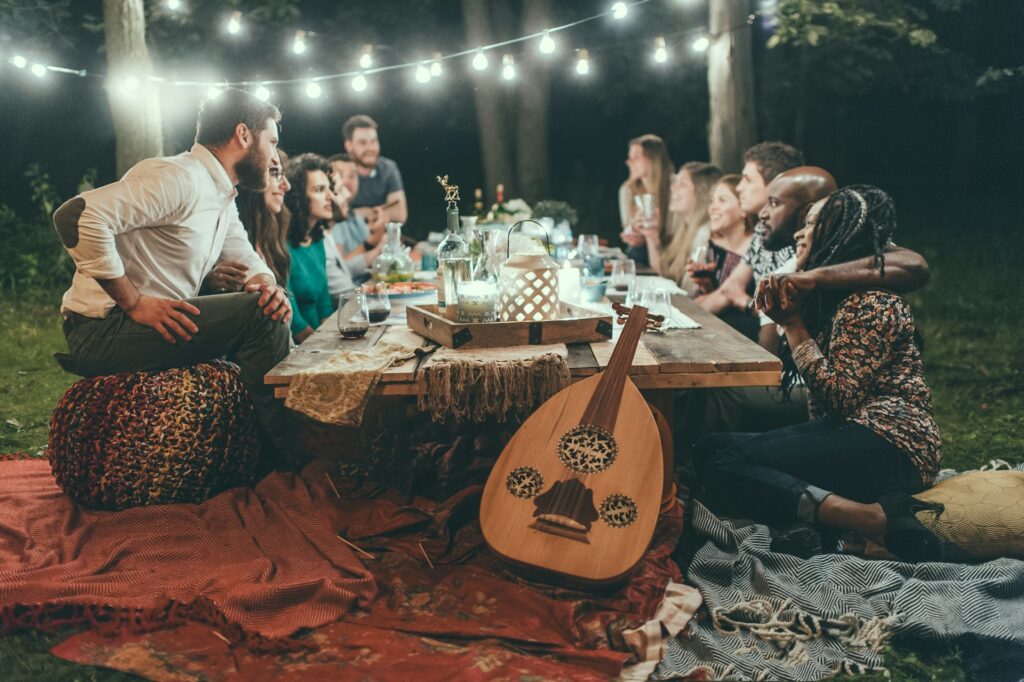
Game nights once brought laughter and competition into living rooms. They strengthened bonds through shared focus and playful challenges. Today, screens often replace these interactive experiences. Reviving game nights offers a timeless way to reconnect.
Writing in Journals

Journaling provided an outlet for reflection, creativity, and emotional clarity. It encouraged deeper thought compared to quick digital typing. Many people abandoned journaling as schedules became busier. Yet its mental health benefits remain widely recognized.
Polite Small Talk

Casual small talk once made public spaces friendlier and more connected. Short conversations eased interactions between strangers. Today, many avoid interaction due to digital distractions or social anxieties. Americans increasingly miss the kindness these exchanges once brought.