

Financial pressures and changing economic realities are inspiring younger generations to adopt practical money habits from the Boomer era. While Gen Z is known for digital fluency and modern spending patterns, many are rediscovering the value of old-fashioned financial discipline. Rising costs, student debt, and concerns about long-term stability have pushed young adults to reconsider how they manage money. As a result, Boomer habits once considered outdated are gaining new relevance.
Using Cash to Control Spending

Gen Z is increasingly turning to cash as a way to stay mindful of daily purchases. Physical money creates a stronger emotional connection, making overspending less tempting. Many young people use the envelope method to budget specific categories. This shift reflects a broader desire for financial awareness and discipline in an increasingly digital world.
Cooking at Home More Often
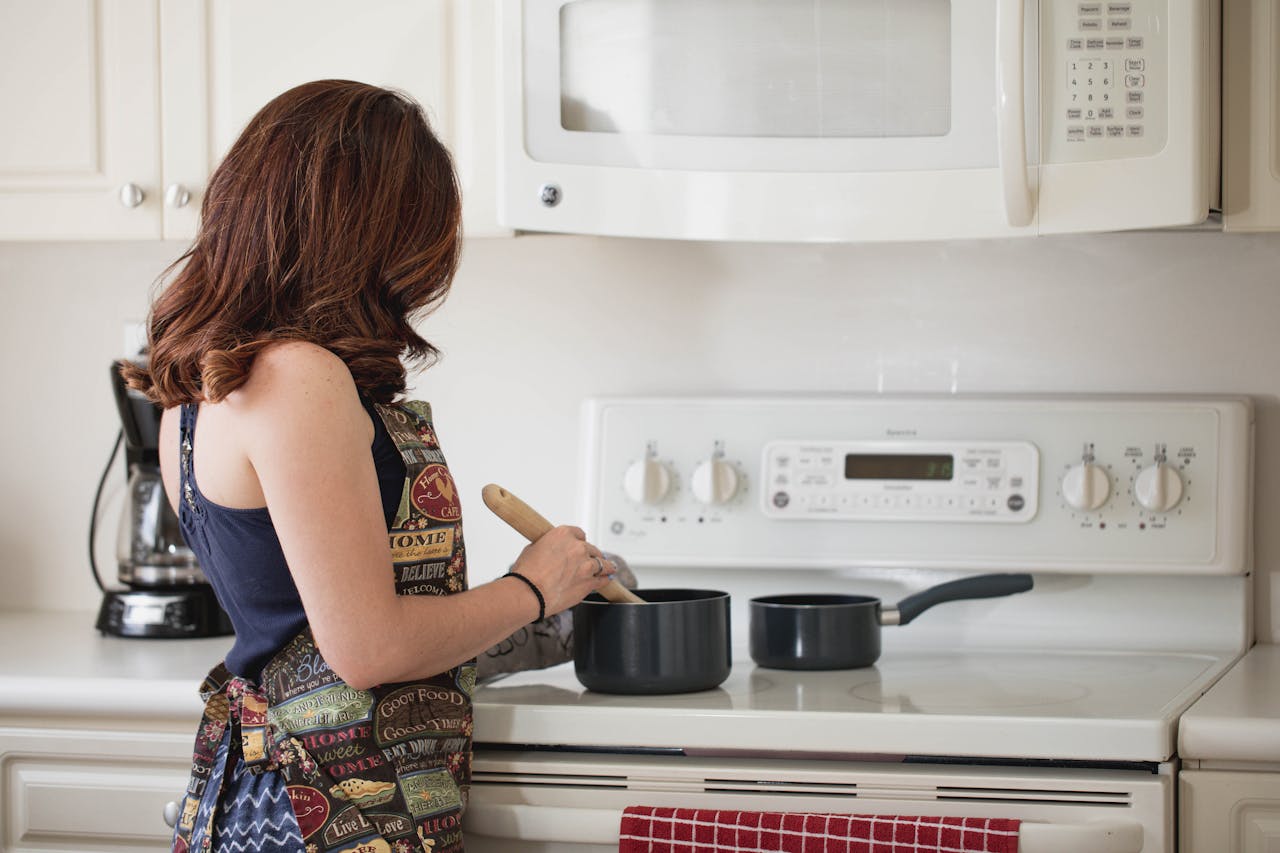
Younger adults are adopting the Boomer practice of preparing most meals at home. This habit is driven partly by rising restaurant prices and a desire for healthier eating. Cooking allows Gen Z to stretch their budgets further. The trend also aligns with the popular movement toward homemade, simple-living lifestyles.
Repairing Instead of Replacing
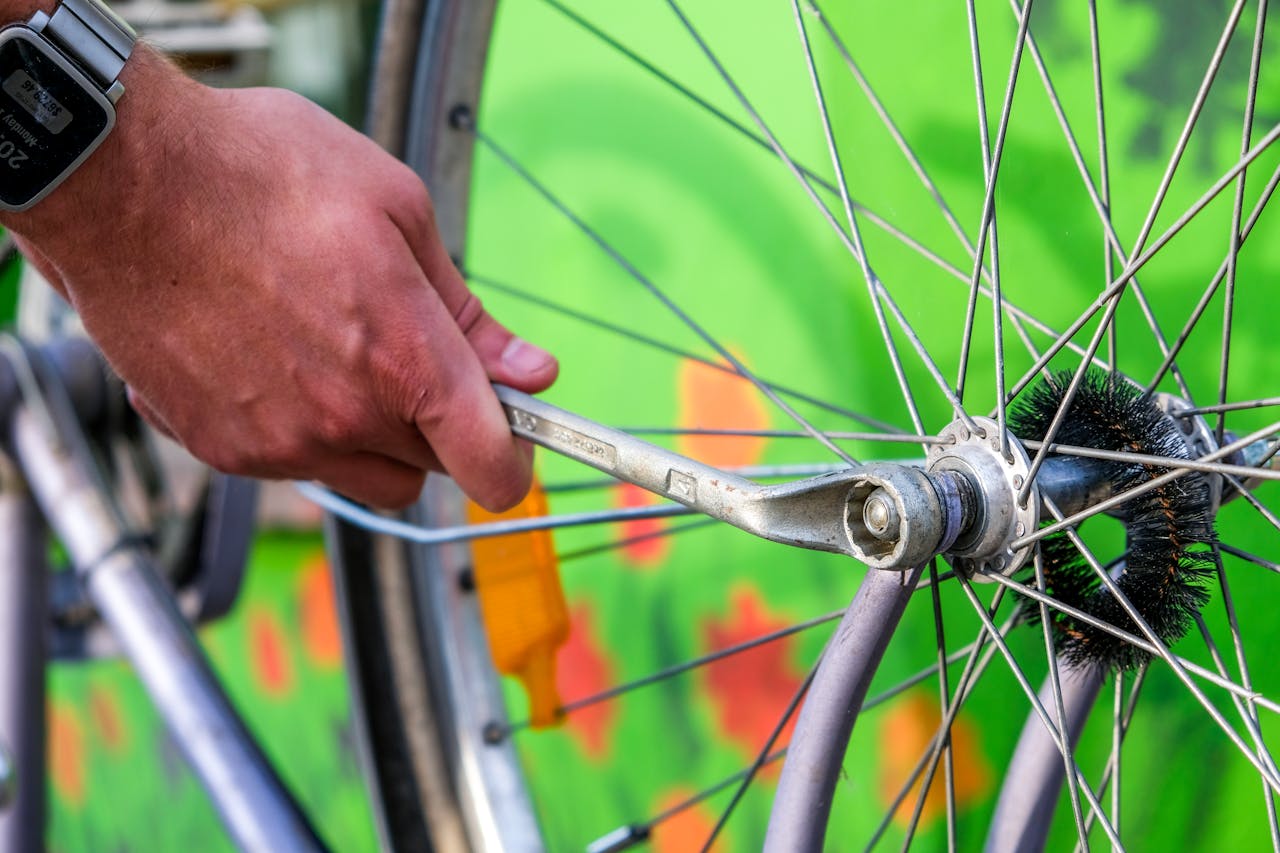
Rather than immediately buying new items, many young Americans are learning to repair clothes, electronics, and furniture. This Boomer-inspired habit supports sustainability and reduces unnecessary spending. Online tutorials have made DIY fixes more accessible. As a result, repair culture is growing across younger households.
Avoiding High-Interest Debt

Gen Z is increasingly cautious about credit card debt, a mindset long embraced by many Boomers. Younger adults understand the long-term consequences of compounding interest. Many prefer debit cards or low-limit credit cards to avoid accumulating large balances. This shift shows a stronger emphasis on long-term financial health.
Buying Secondhand

Thrift shopping and secondhand markets have exploded in popularity among young adults. Boomers grew up in an era where buying used items was normal, and Gen Z is returning to this mindset. The appeal lies in saving money and finding unique, high-quality items. Sustainability concerns also play a major role in this trend.
Building Emergency Funds

Many young Americans prioritize saving for emergencies, a practice Boomers often relied on for financial stability. The uncertainties of modern life have encouraged Gen Z to create buffers for unexpected expenses. This habit reflects growing awareness of long-term financial planning. Even small emergency funds can provide a sense of security.
Living with Roommates Longer

In line with older generations who shared housing to cut costs, many young adults are delaying solo living. This choice reduces rent and utility expenses while allowing more money for savings or debt repayment. The habit reflects economic realities and the desire for financial breathing room. Social benefits also make shared living arrangements appealing.
Using Coupons and Discounts

Boomers were known for their love of coupons, and Gen Z is embracing digital couponing with enthusiasm. Apps and websites make it easy to find discounts on groceries, travel, and entertainment. This habit helps stretch tight budgets without sacrificing lifestyle. Digital tools have modernized an old-fashioned money-saving technique.
Driving Cars Longer

Younger adults are keeping older cars instead of replacing them frequently. Rising auto prices and maintenance costs encourage longer vehicle lifespans. This habit mirrors Boomer attitudes about maximizing the value of major purchases. Many Gen Z drivers prioritize regular upkeep to avoid costly replacements.
Avoiding Unnecessary Subscriptions
Gen Z is becoming more selective about digital subscriptions, adopting an older mindset of paying only for essentials. Many conduct regular audits of entertainment, cloud storage, and fitness subscriptions. This approach helps avoid silent budget drains. The trend highlights a growing focus on financial intentionality.
Negotiating Bills and Rates

Boomers have long practiced negotiating for better rates on insurance, utilities, and major purchases. Gen Z is now embracing this habit to combat rising living costs. With online resources and scripts, younger adults feel more confident negotiating. This skill helps reduce recurring expenses and improve long-term budgets.
Buying in Bulk

Bulk shopping, once a staple for Boomer families, is returning among younger generations. Gen Z recognizes the cost savings of buying pantry staples and household items in larger quantities. This approach reduces frequent store trips and lowers per-unit costs. It also supports a more organized and planned lifestyle.