For years, many younger generations dismissed their parents’ and grandparents’ home habits as quaint or outdated. Yet in an age of sustainability, minimalism, and constant digital clutter, those same old-fashioned routines suddenly feel surprisingly wise. The Baby Boomer approach to home management was grounded in self-reliance, care for possessions, and a sense of preparedness that now aligns with modern practicality. Here are twelve Boomer home habits making a smart comeback today.
Keeping a Well-Stocked Toolbox
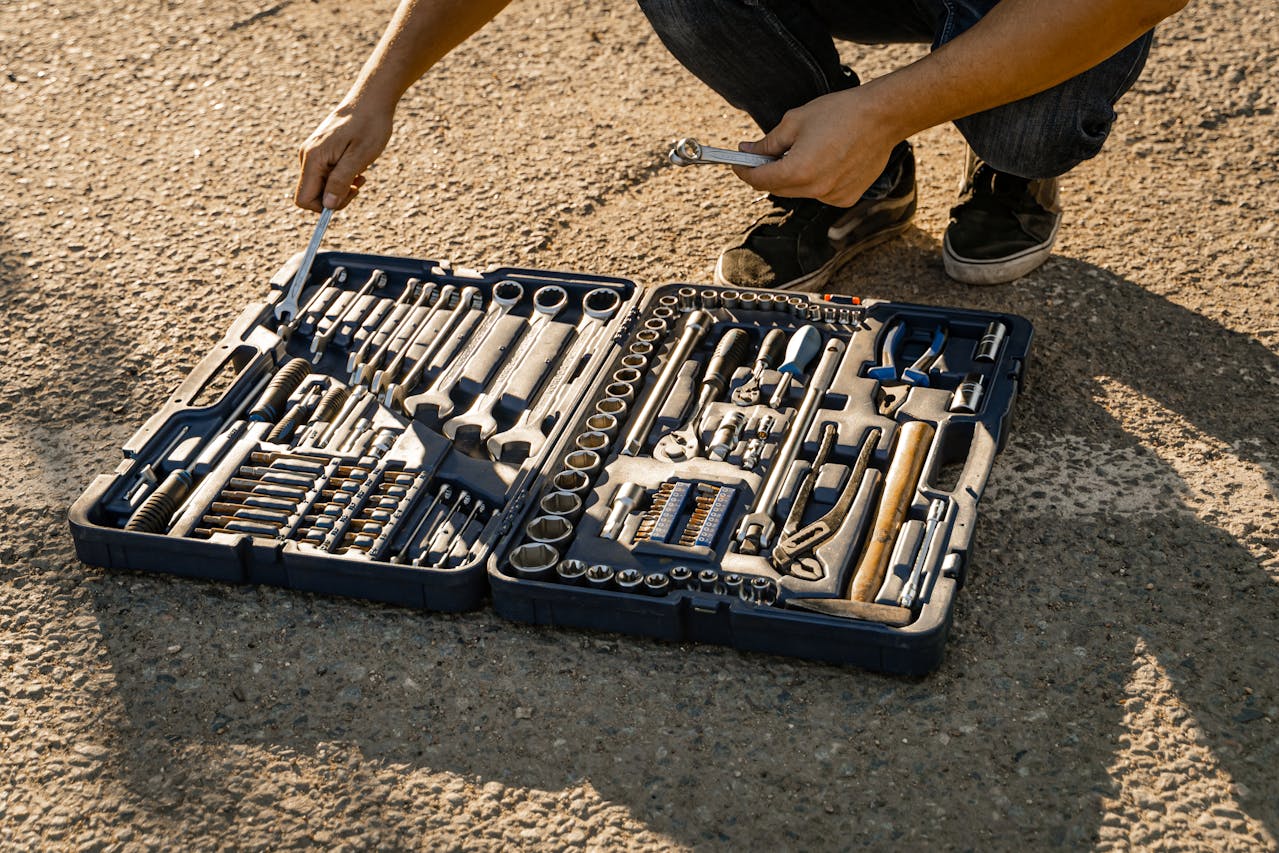
Boomers rarely called in a repair person for every small issue. They kept screwdrivers, wrenches, and nails ready, fixing loose hinges or leaky taps themselves. This mindset wasn’t just about saving money; it built confidence and self-sufficiency. In a world of supply delays and service fees, knowing how to make quick repairs remains an invaluable skill.
Cooking from Scratch
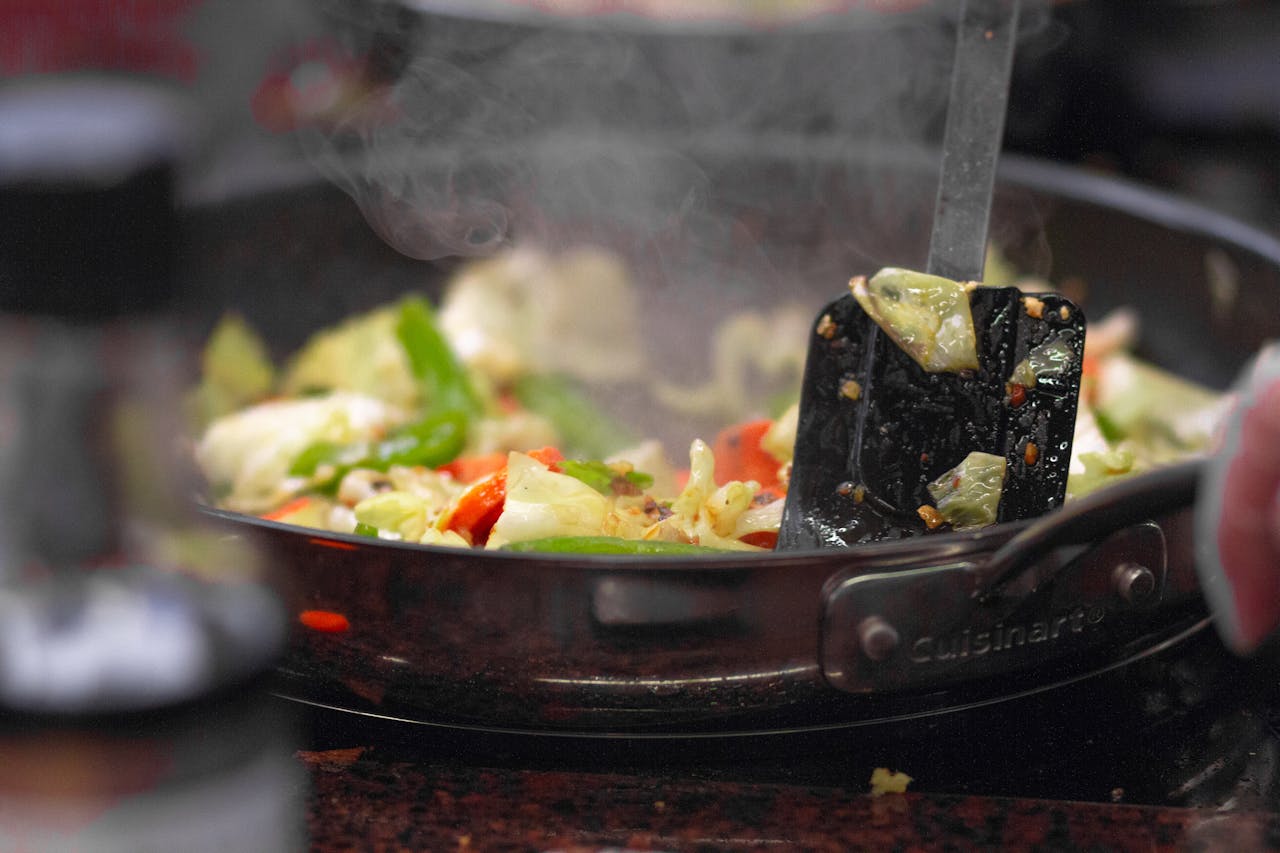
The Boomer generation often cooked meals from whole ingredients rather than relying on pre-made or processed foods. Today’s focus on health, transparency, and local sourcing has brought this tradition back. Cooking from scratch saves money, reduces packaging waste, and strengthens the bond between family and food. Beyond practicality, it brings mindfulness to the dinner table, something fast food rarely offers.
Hanging Laundry Outdoors
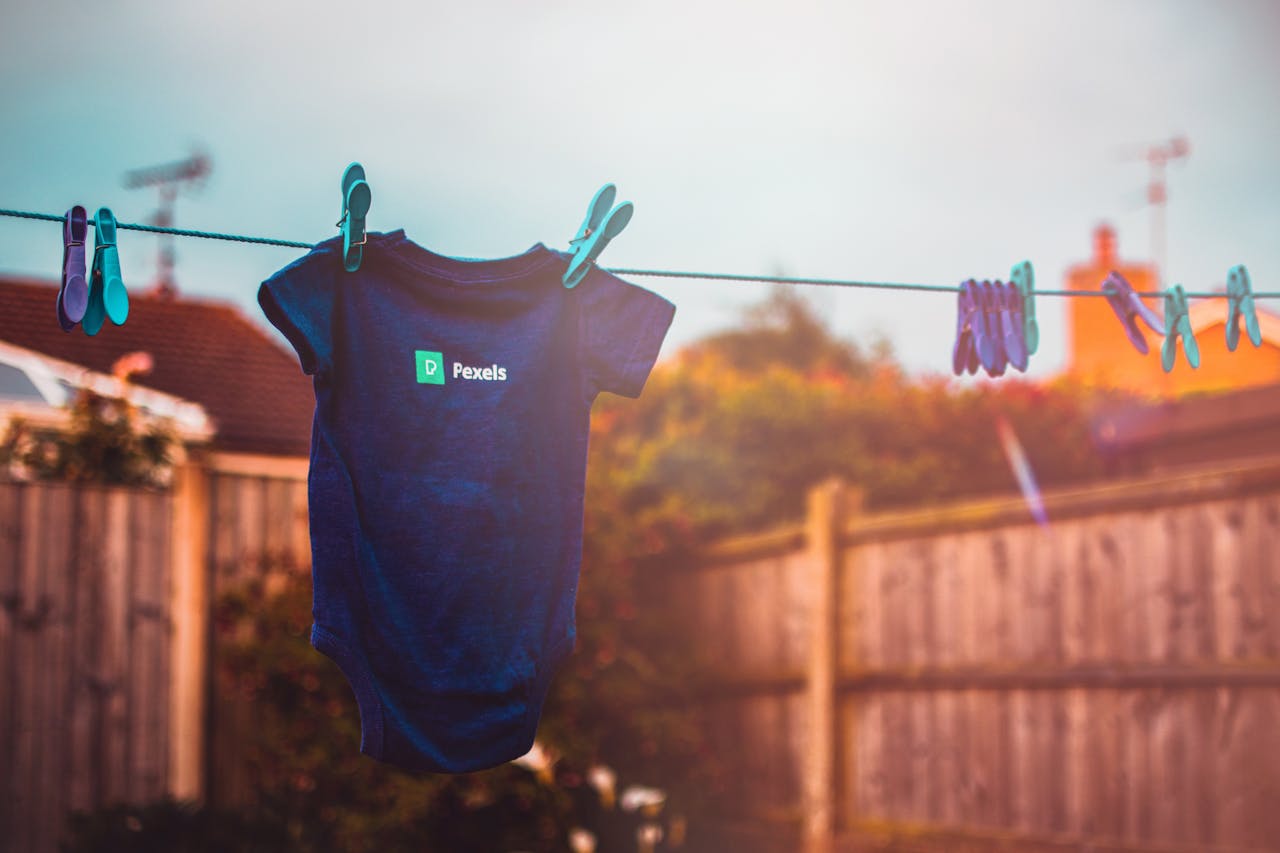
Before dryers dominated, laundry lines fluttered across neighborhoods. Boomers embraced air-drying clothes to save electricity and preserve fabrics. Now, as people aim to reduce carbon footprints, line drying is regaining popularity. The crisp scent of sun-dried linens and the lower energy bills are timeless benefits.
Saving Glass Jars and Containers

To Boomers, a jam jar was never just trash, it was tomorrow’s storage container. Repurposing jars for leftovers, buttons, or screws reflected a frugal and eco-friendly instinct. Today’s sustainability advocates echo this same wisdom, promoting reuse over single-use plastics. It’s an elegant reminder that zero-waste living isn’t new, our parents simply called it “being thrifty.”
Keeping a Real First-Aid Kit
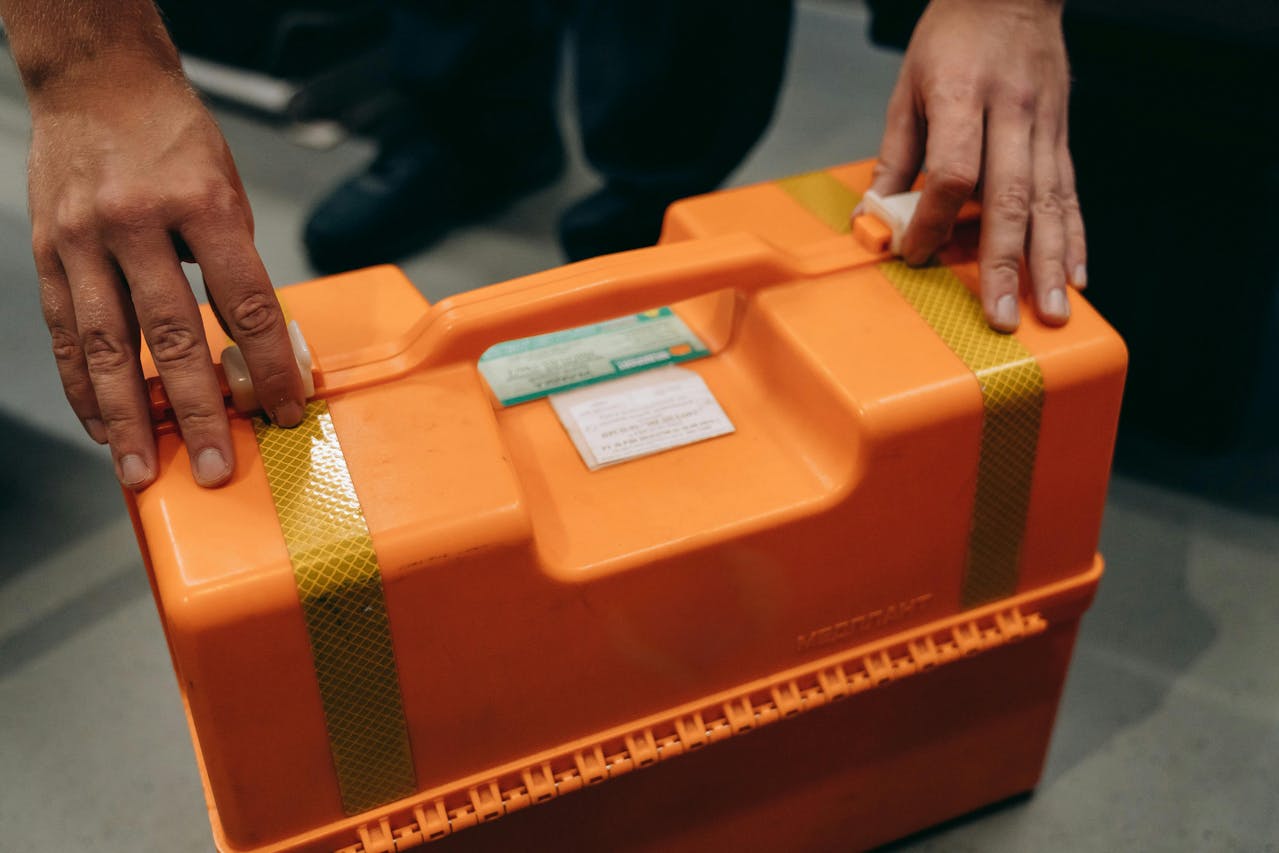
Boomers were rarely caught off-guard by minor scrapes or burns. They kept organized first-aid kits, often with labeled compartments and fresh supplies. With the increasing frequency of household accidents and natural disruptions, having one at hand is common sense again. Preparedness never truly goes out of style; it just gets rediscovered.
Using Cash Envelopes for Budgeting

Before online banking, many Boomers managed money with cash envelopes for groceries, entertainment, and bills. This tangible budgeting method prevented overspending by making expenses visible. In an era of tap-and-go transactions, people are returning to this hands-on approach to curb impulse buying. It’s simple, disciplined, and remarkably effective.
Keeping a “Junk Drawer” that Actually Works

Every Boomer kitchen had a drawer of odds and ends, spare batteries, scissors, twine, or tape. But it wasn’t chaos; it was a mini-toolkit of life’s daily needs. Today, organized “utility drawers” are a design trend again, emphasizing efficiency in small spaces. The key is keeping it stocked with purpose, not clutter.
Using Quality Furniture that Lasts Decades
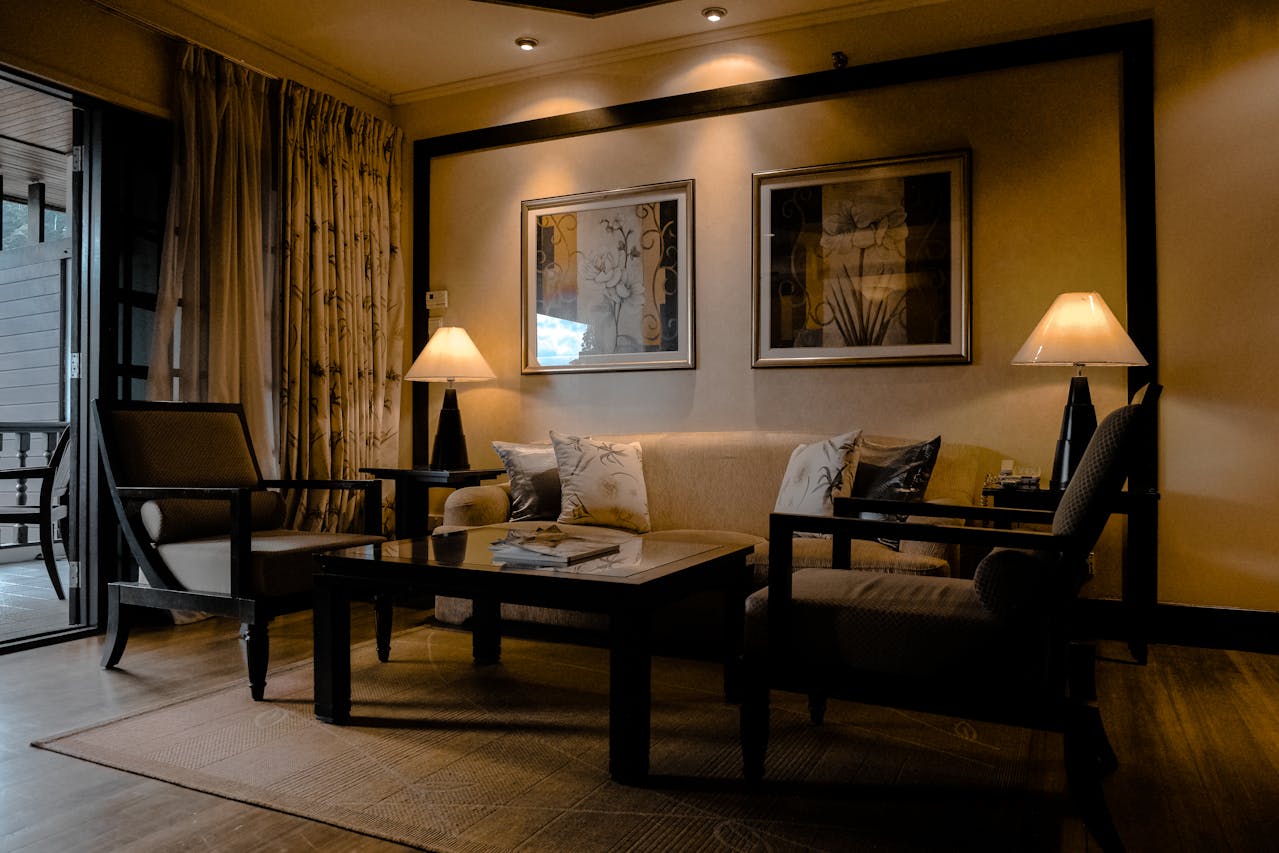
Boomers invested in durable furniture, often made of hardwood or crafted locally. Rather than chasing trends, they focused on longevity and repairability. In today’s throwaway culture, long-lasting furniture is both sustainable and economically smart. A well-made table or chair carries history, and reduces landfill waste.
Hosting Family Dinners
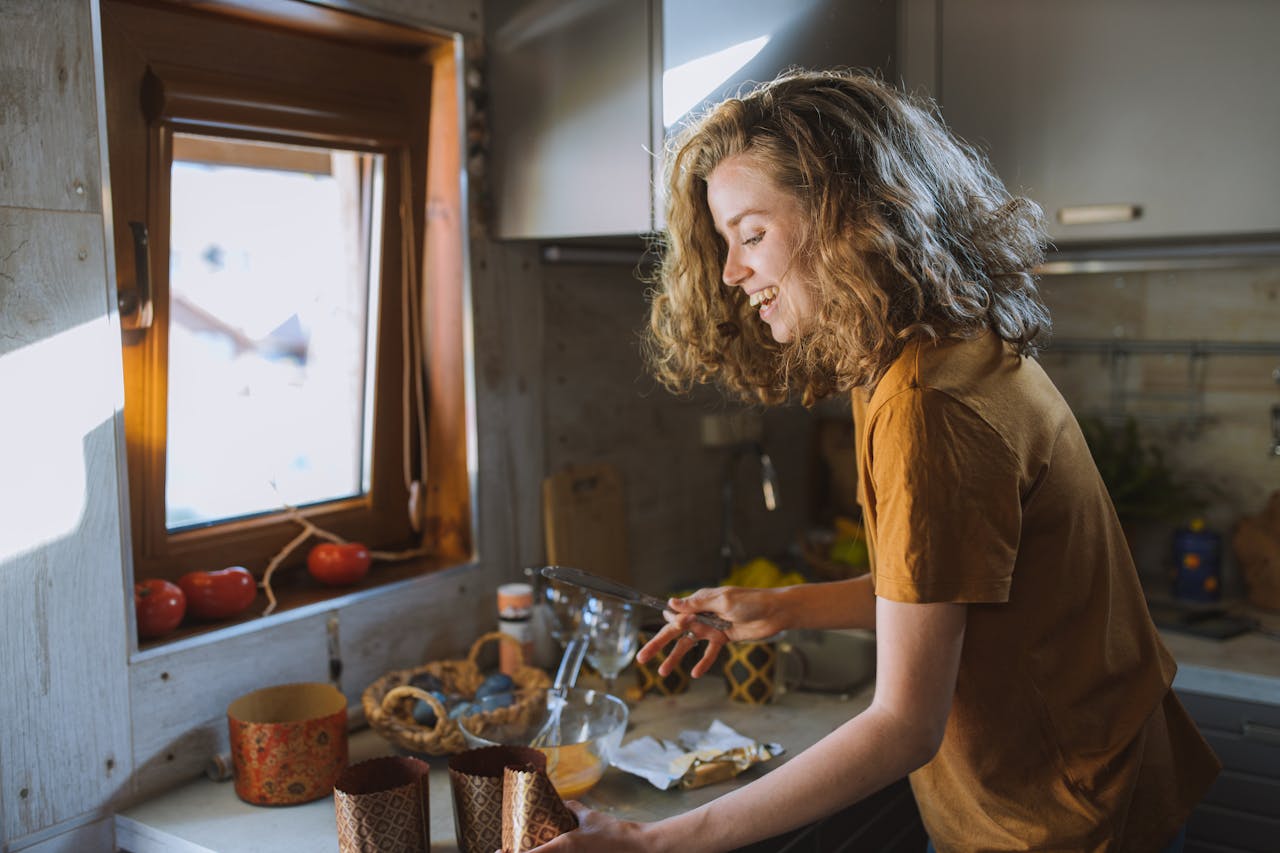
Regular sit-down dinners were once the anchor of the Boomer household. With modern families juggling work, screens, and schedules, this ritual is being revived as a way to reconnect. Shared meals foster better nutrition, emotional bonds, and open communication. The simple act of eating together is once again recognized as the heart of a healthy home.
Maintaining Paper Records

Boomers meticulously kept tax files, receipts, and warranty papers, habits once mocked as obsessive. But with rising cyber threats and disappearing cloud data, organized paper records are practical again. Physical backups provide security and peace of mind. A small filing cabinet now feels like a smart piece of home infrastructure.
Growing Herbs or Vegetables
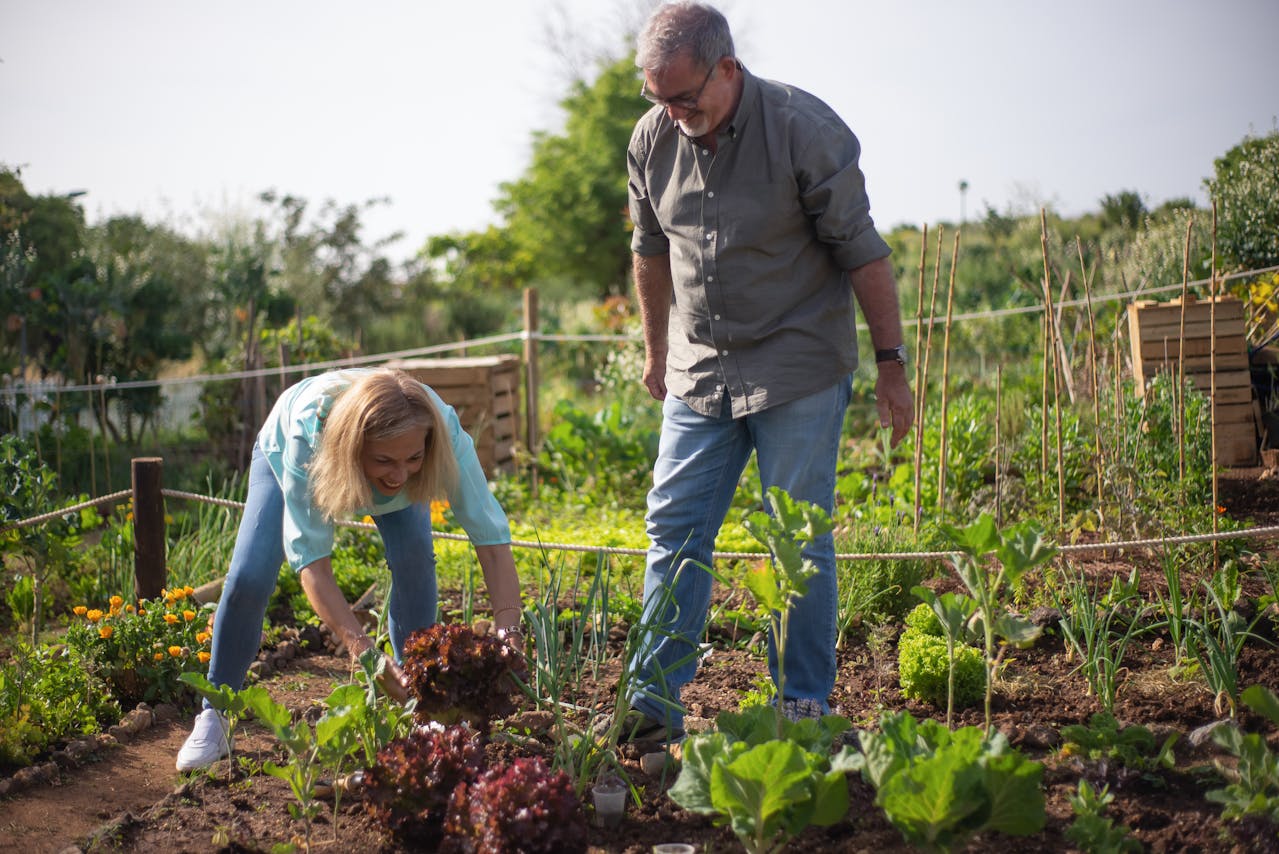
The backyard garden was a Boomer staple. It provided fresh produce, reduced grocery bills, and encouraged outdoor time. As urban gardening spreads through balconies and rooftops, the satisfaction of homegrown herbs has returned. It’s more than nostalgia, it’s self-reliance and sustainability wrapped together.
Keeping a Well-Stocked Pantry
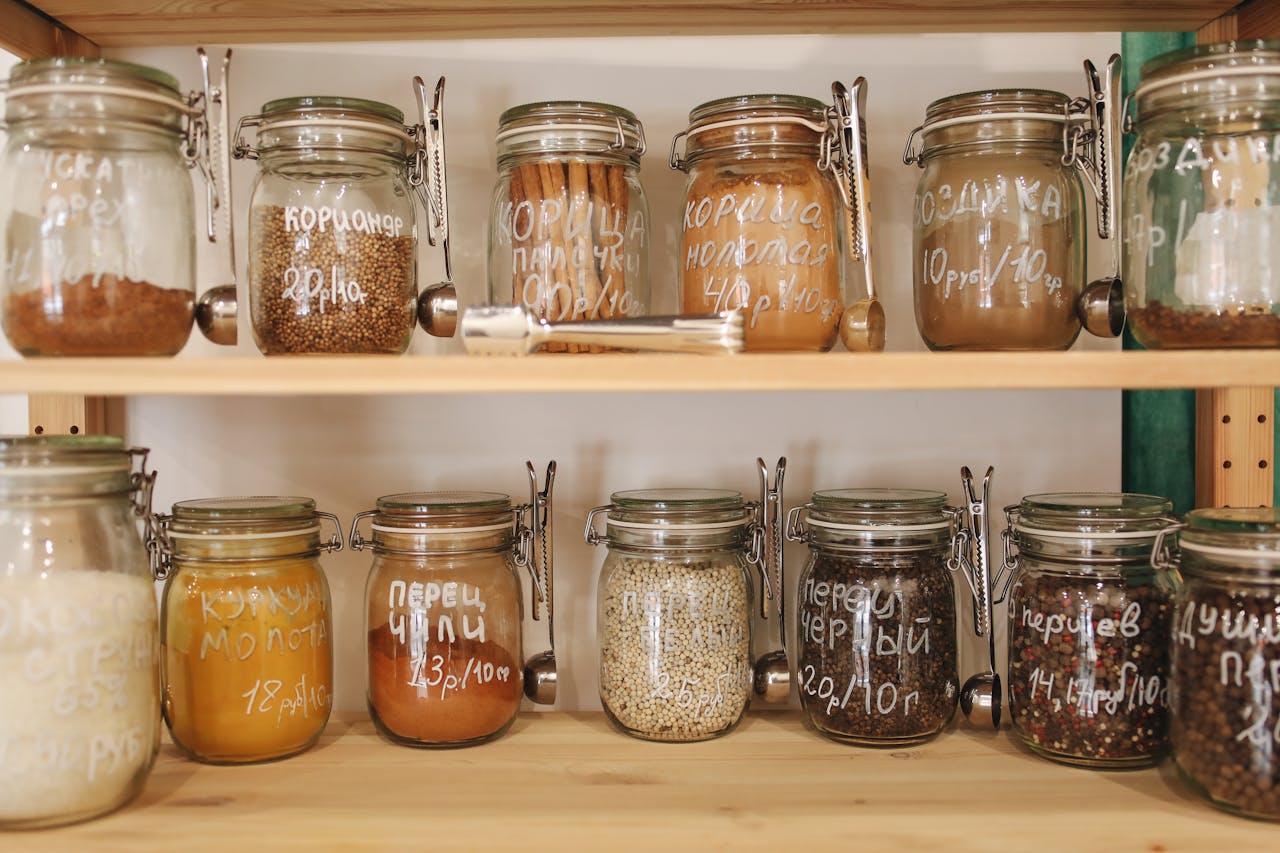
Boomers kept pantries ready for emergencies, long winters, or surprise guests. With recent supply chain issues and rising prices, maintaining a food buffer now seems wise again. A stocked pantry is an investment in security and calm. It turns a house into a place of readiness, not dependence.
Boomer home wisdom proves that practicality and foresight never really fade, they just wait for rediscovery. Their habits, rooted in care and caution, align perfectly with modern values of minimalism, resilience, and environmental respect.