Some places on earth were once so stunning that photos alone could not capture their magic. Yet beauty does not survive admiration when admiration becomes overconsumption. In recent years, crowds, chemicals, and careless tourism have pushed several of the world’s most breathtaking destinations to the brink of collapse. Coral has turned white, waters have turned cloudy, ancient pathways have eroded, and wildlife has retreated. These destinations are reminders that paradise is fragile. Once damaged, it may never return. The world did not lose these places all at once. It lost them one careless visit at a time.
1. Maya Bay, Thailand: Lost Coral Paradise
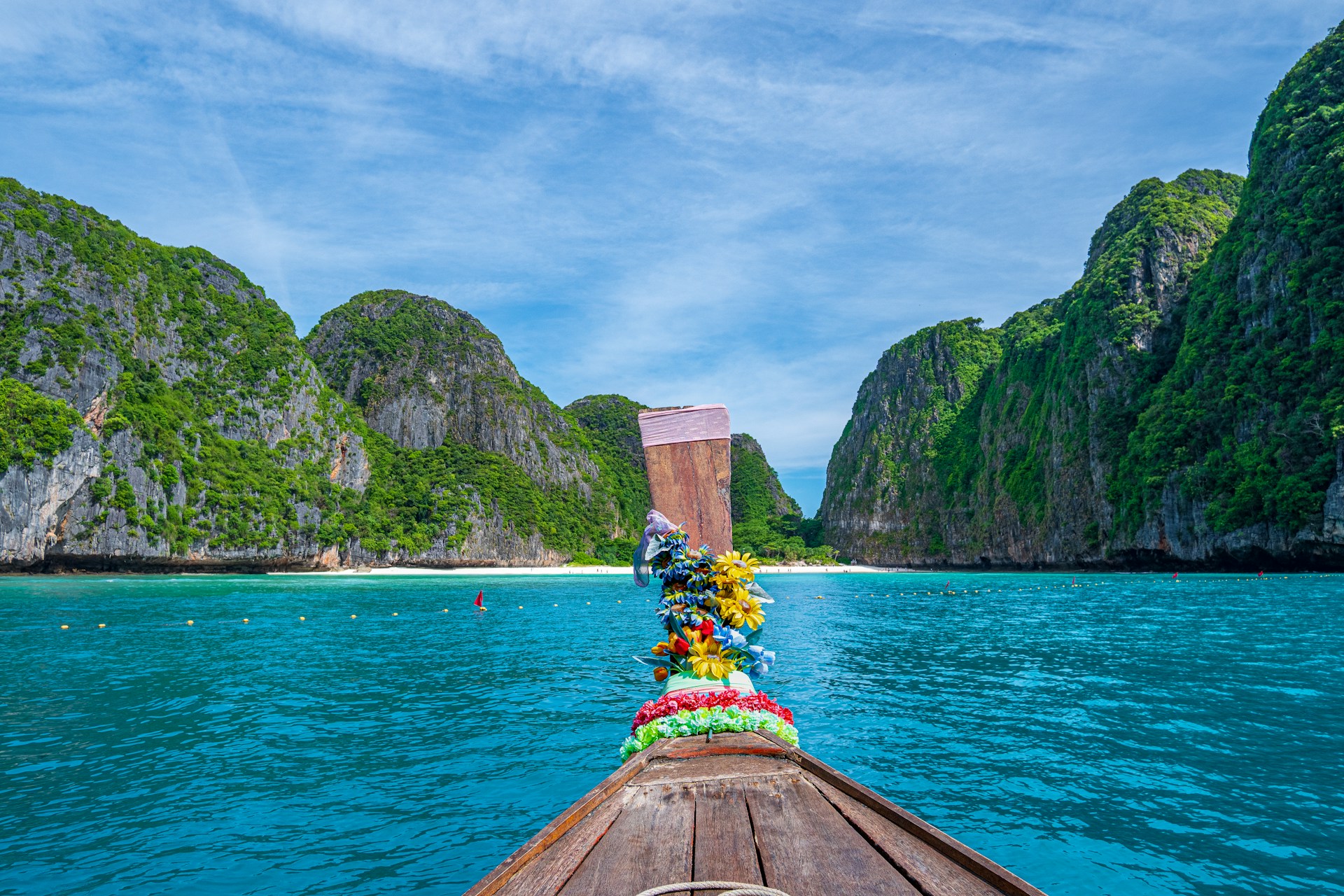
Maya Bay became globally famous after its appearance in a Hollywood film, but fame came with a price. Millions of tourists flocked to the shoreline, stepping on coral, polluting the sands, and overwhelming a delicate ecosystem. Boats leaked fuel into the water, while sunscreen washed chemicals onto reefs already struggling to survive. Authorities repeatedly closed the bay to stop the damage, but much of its marine life remains scarred. Maya Bay is no longer the untouched paradise it once was. Its decline proves how attention can destroy the beauty people seek to witness.
2. Venice, Italy: Sinking Under Travelers
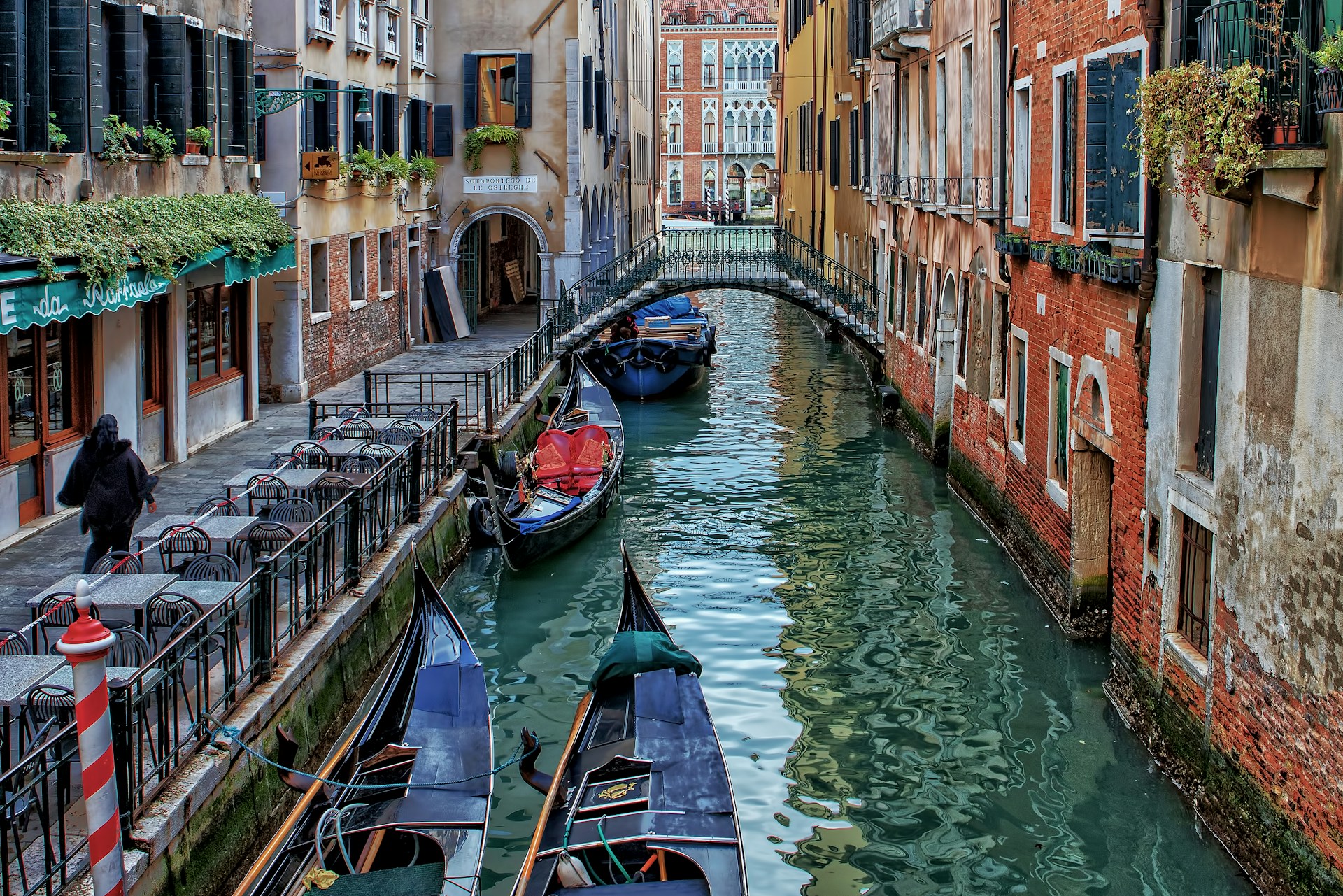
Venice was never built for modern tourism. Cruise ships, foot traffic, and rising waters have turned its canals into battlegrounds of erosion and pollution. The city’s charm attracts millions yearly, but that affection has accelerated its decay. Locals struggle to remain, buildings strain against moisture, and fragile foundations suffer. What was once a floating dream now sinks under admiration. Venice shows that some cultural jewels disappear not because they are forgotten, but because they are loved too recklessly.
3. Great Barrier Reef, Australia: Bleached Wonder
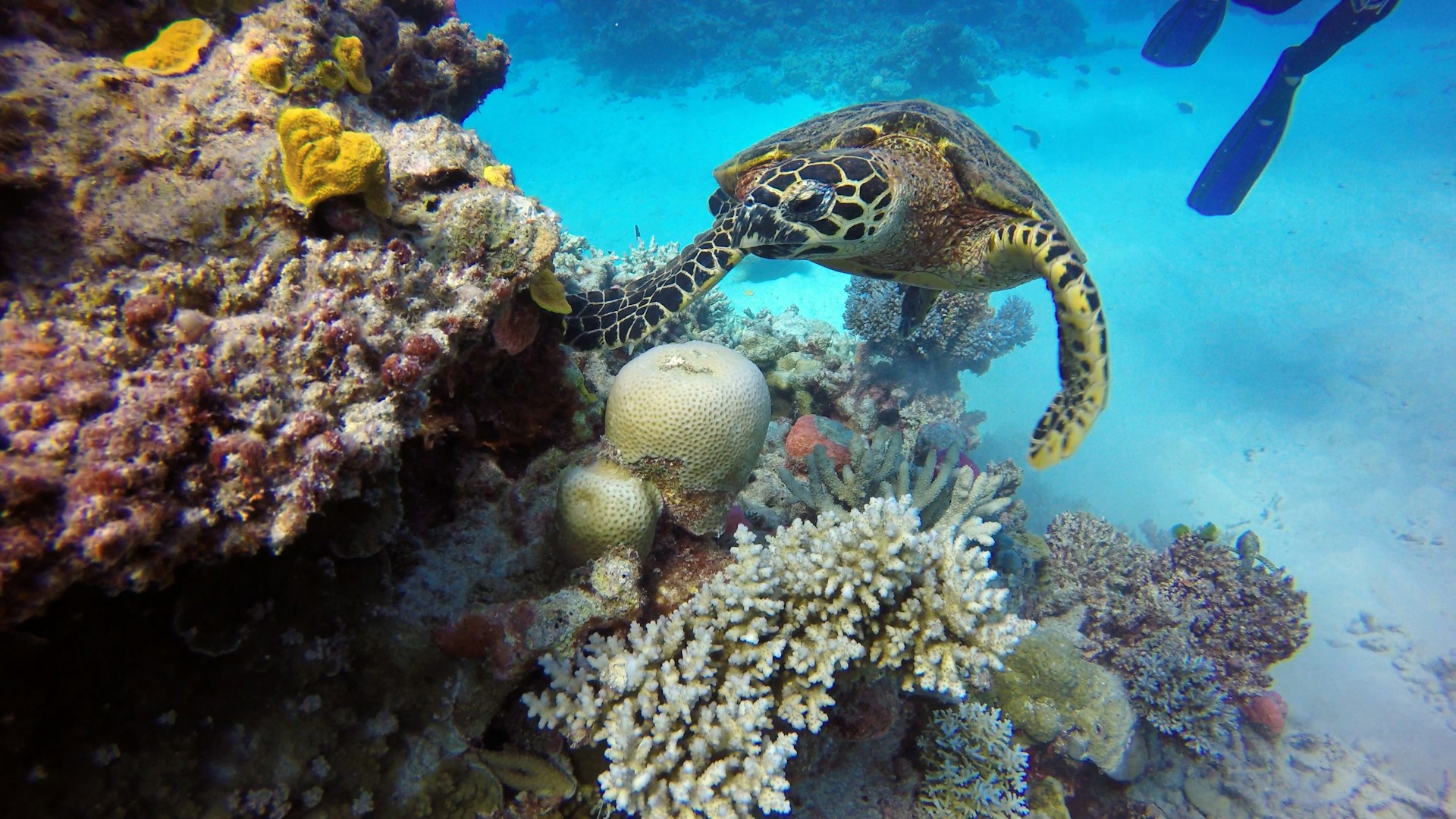
The world’s largest coral reef was once a kaleidoscope of life. Today, large portions lie pale and lifeless, damaged by climate change, acidic waters, and crowds who once marveled at its colors. Its decline happened quietly at first, then suddenly. Coral cannot recover at the pace humans harm it. Snorkelers, pollution, and warming oceans have turned a living wonder into a cautionary tale. The reef now represents loss measured not in miles, but in memories. Its colors may never fully return.
4. Mount Everest Base Camp, Nepal: Trash Covered Triumph
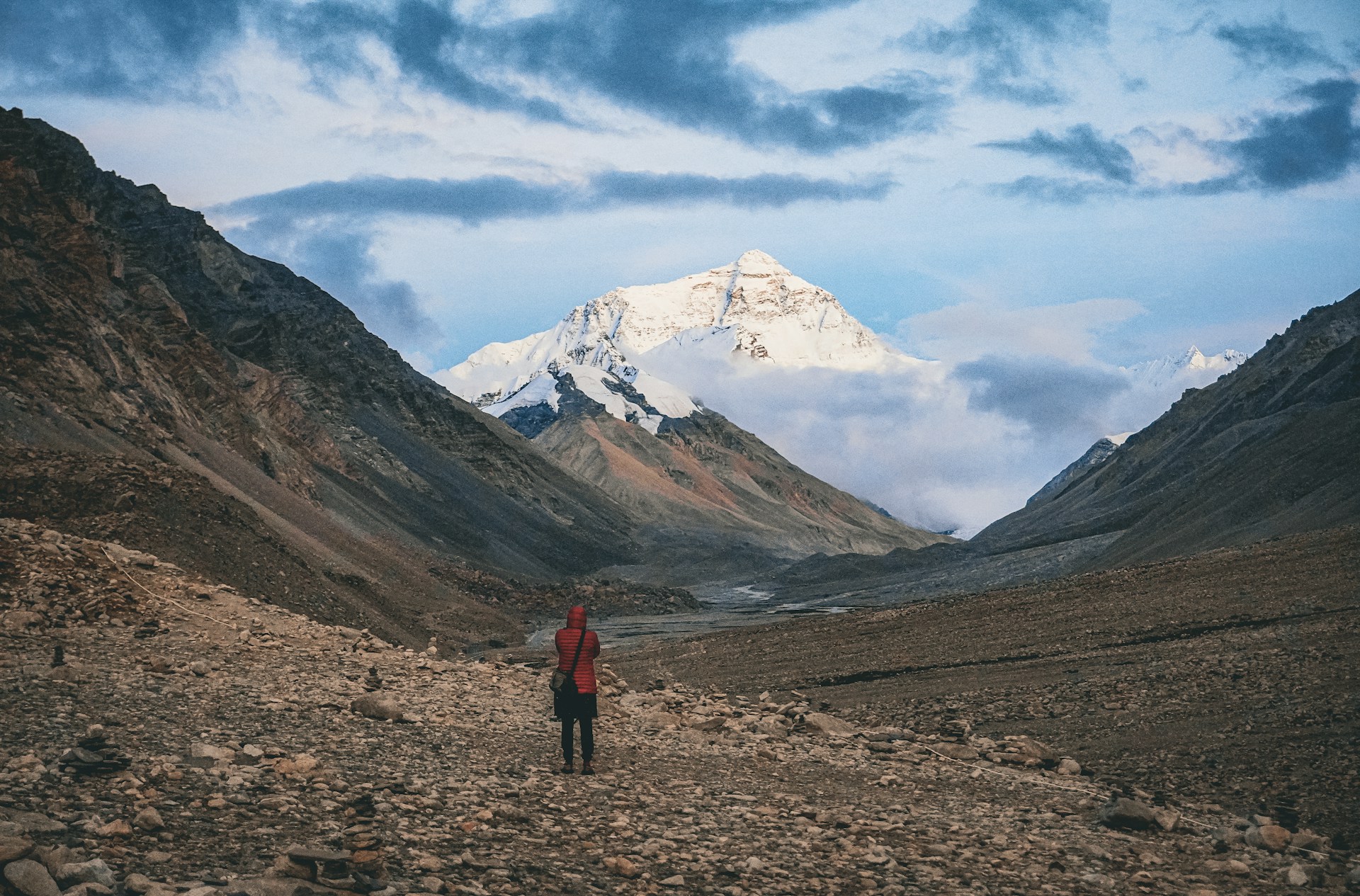
Everest once symbolized challenge and awe. Now, its lower slopes resemble abandoned storage yards filled with plastic bottles, tents, and discarded equipment. Human waste collects faster than porters can remove it. Climbers who chase personal milestones have unintentionally scarred a sacred mountain. The journey remains inspiring, but the landscape tells another story. Everest’s base camp demonstrates how adventure can turn into destruction when responsibility is left behind.
5. Boracay Island, Philippines: Beauty On Pause
Boracay was a postcard turned real. Its beaches glowed and its waters shimmered until tourism outpaced infrastructure. Resorts pumped sewage into the sea, and the island’s natural filters could not cope. Pollution replaced clarity, forcing the government to shut Boracay down for rehabilitation. Although reopened, the island has never regained the untouched elegance visitors once adored. Boracay is proof that paradise cannot expand at the speed of profit.
6. Galápagos Islands, Ecuador: Nature Overwhelmed
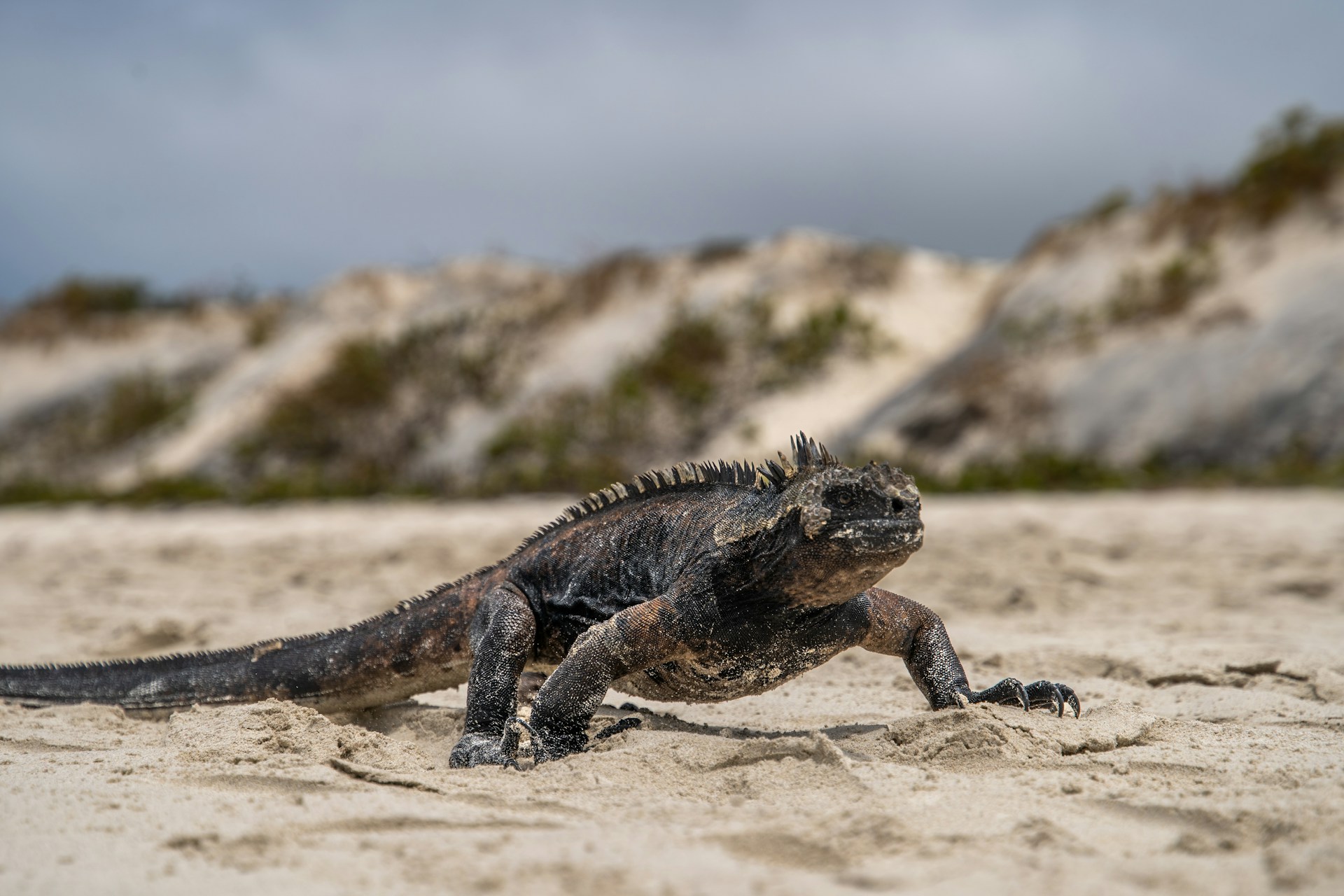
The Galápagos represents evolution’s birthplace, yet tourists have brought change no ecosystem could predict. Invasive species, foot traffic, and waste threaten creatures that existed undisturbed for millennia. Boats and guided tours strain fragile habitats, and conservation laws struggle to keep pace. The islands remain iconic, but they no longer carry the untouched stillness Darwin observed. Human footprints have reshaped a sanctuary that once defined wonder itself.
7. Dead Sea, Israel And Jordan: Shrinking Miracle
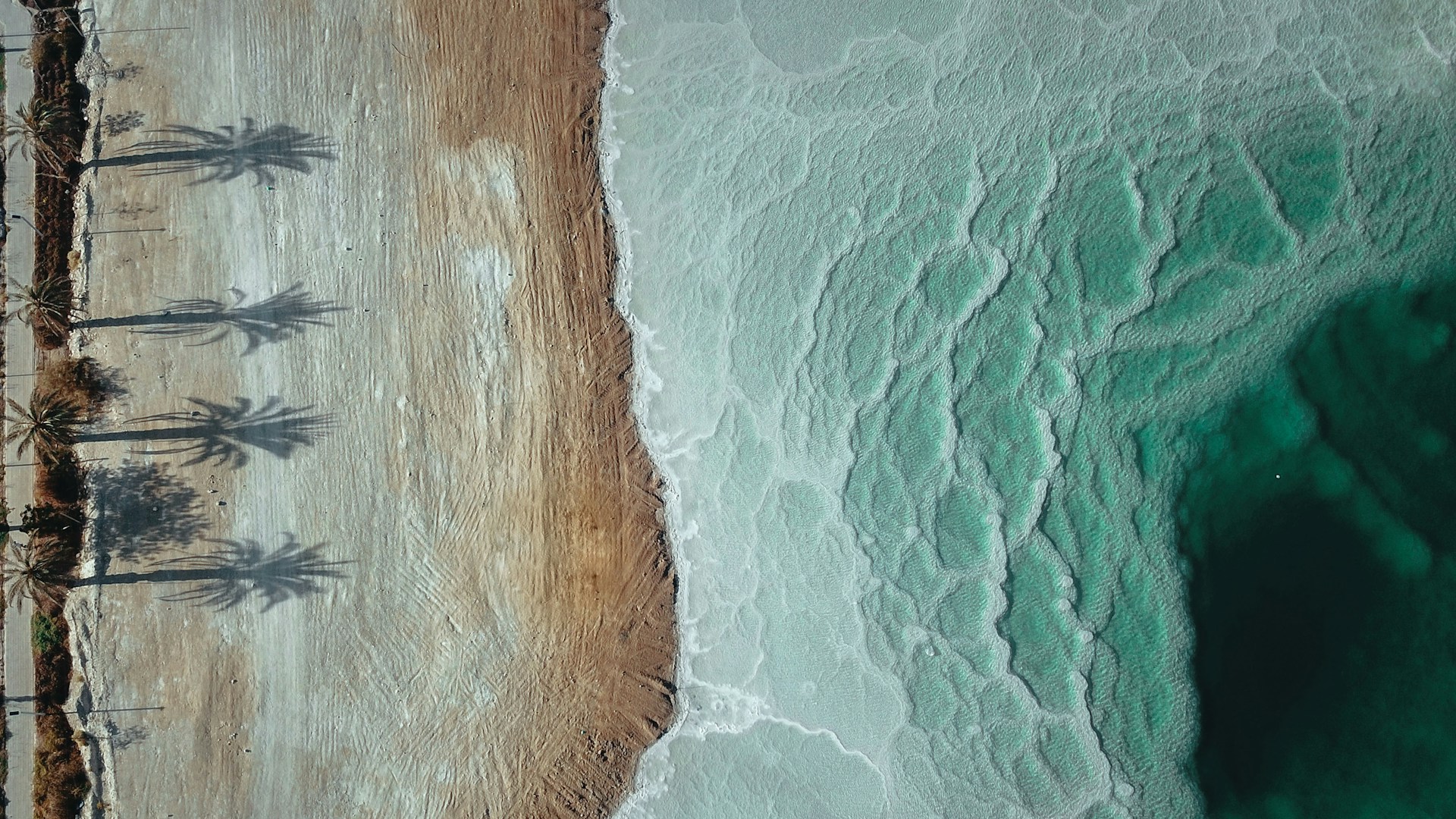
The Dead Sea was once a floating marvel, a body of water where visitors experienced buoyancy unlike anywhere else. Mineral extraction, diverted water sources, and tourism have caused it to shrink rapidly, leaving cracked flats where waves once shimmered. Sinkholes swallow old shorelines, and its legendary waters continue retreating. The miracle did not vanish suddenly. It slipped away quietly, one industrial decision at a time.
8. Santorini, Greece: Postcard Overload
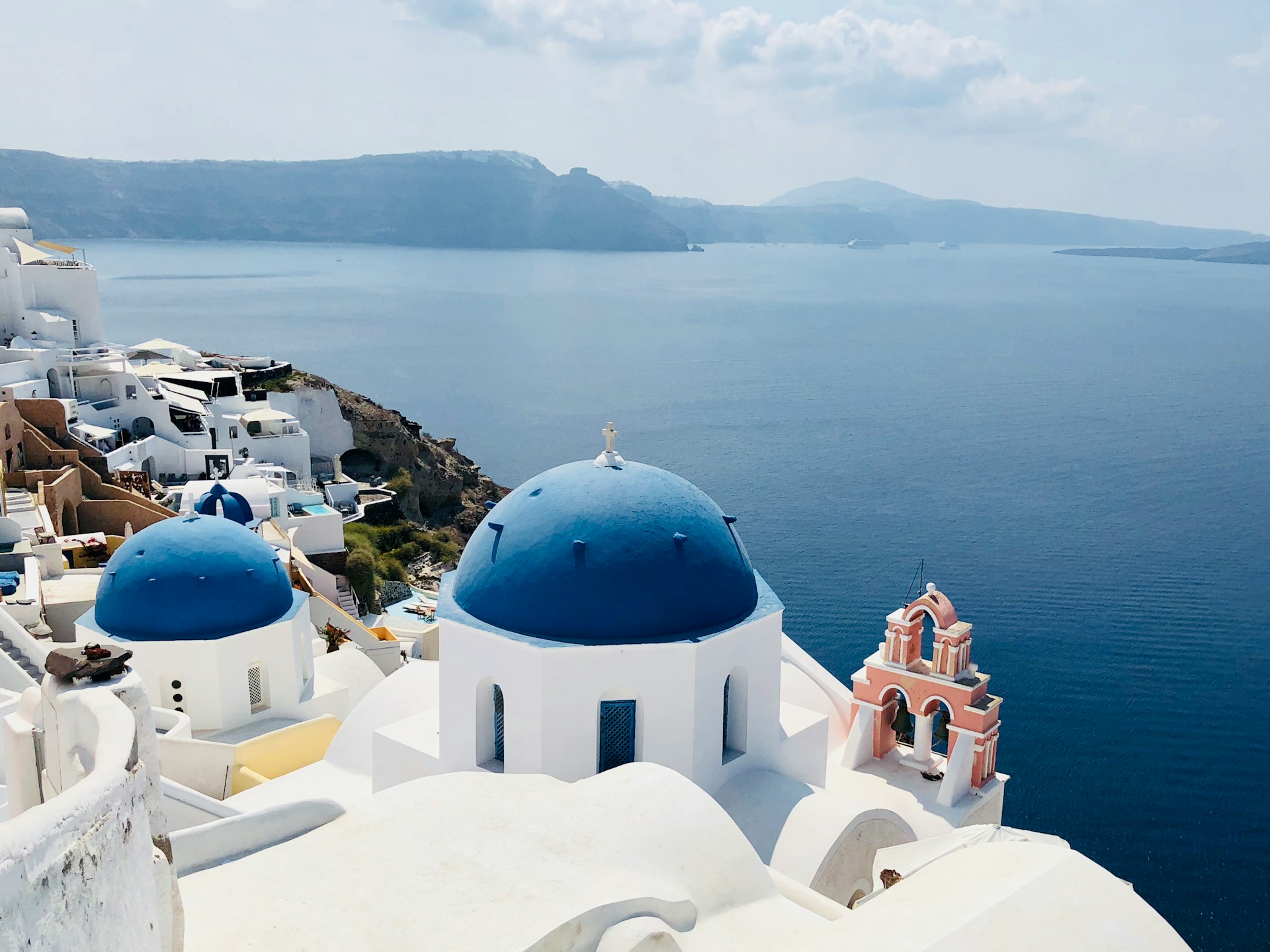
Santorini’s white walls and blue domes draw millions, but the island cannot sustain their footsteps. Streets designed for donkeys now bear crowds that clog alleys and strain resources. Infrastructure creaks under pressure, while pollution and heat threaten the landscape that built an industry on beauty. Santorini was never meant to be consumed endlessly. Today, travelers visit not a place, but a memory fading under the weight of cameras.
9. Tulum, Mexico: Jungle Turned Marketplace
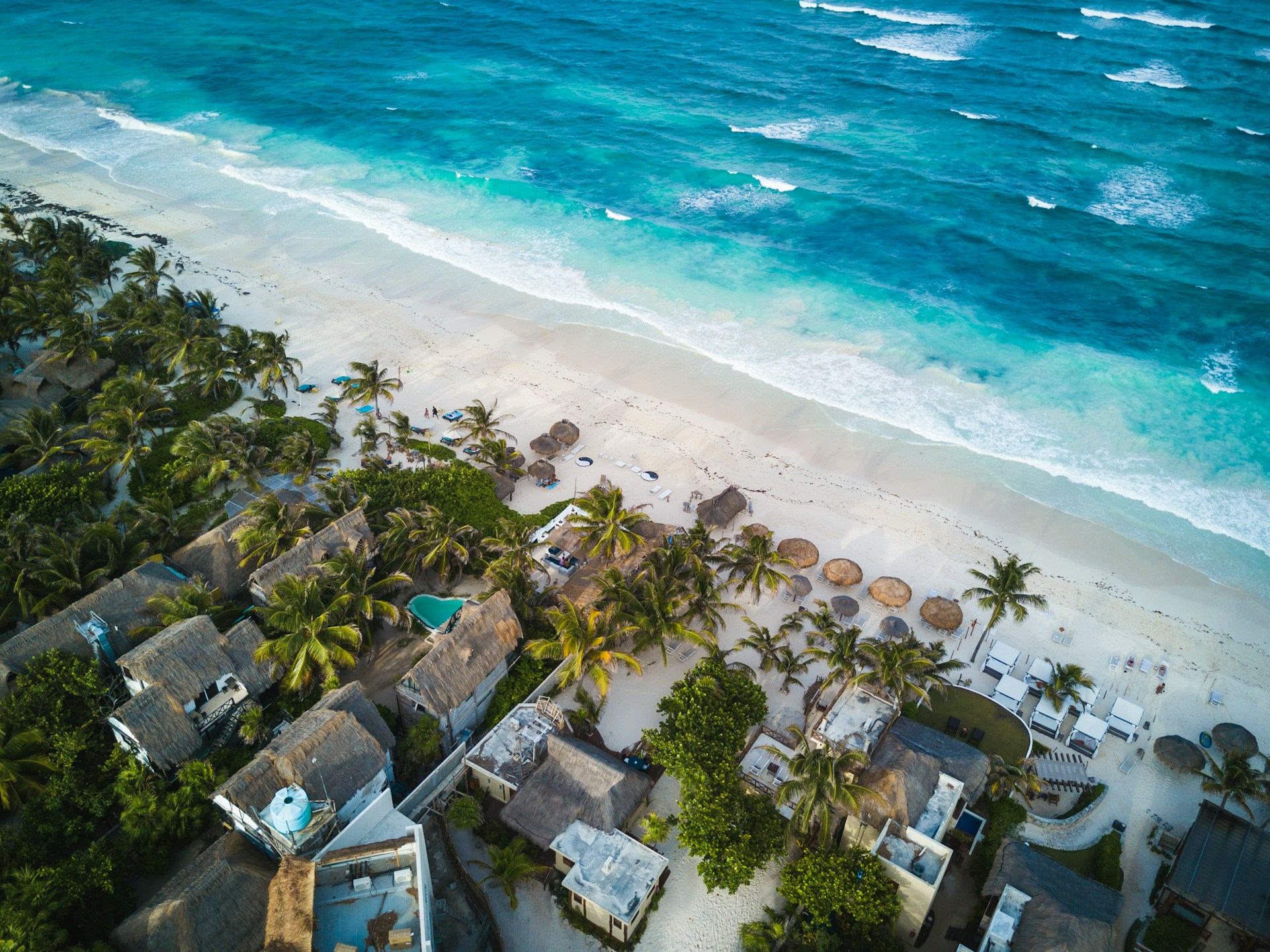
Tulum was once a quiet coastal escape hidden in lush greenery. As fame spread, hotels replaced trees, nightlife replaced silence, and pollution seeped into cenotes. The town became a brand instead of a sanctuary. What drew people to Tulum no longer exists. The jungle has thinned, beaches have narrowed, and the atmosphere that made it magical has dissolved into noise. Tulum became a destination undone by its own popularity.
10. Komodo Island, Indonesia: Dragons In Retreat
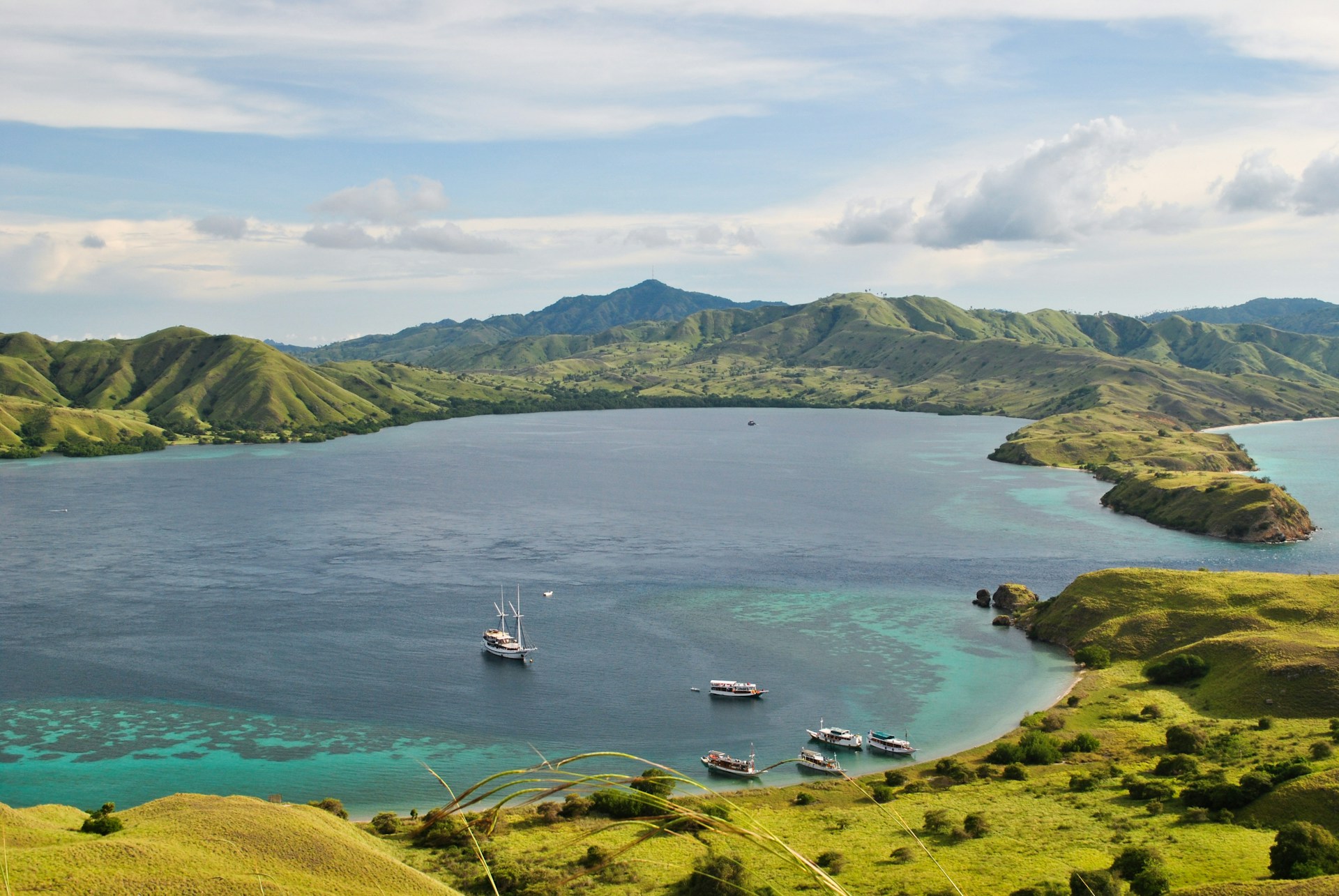
Komodo Island gained fame for its native dragons, yet tourism disrupted the ecosystem that protected them. Visitors ignored limits, wandered into breeding zones, and damaged vegetation essential to the animals’ survival. The pressures nearly led to permanent closure. Komodo’s magic depended on distance, and once the gap between humans and wildlife closed, harmony vanished. The dragons remain, but the world that once belonged to them does not.
11. Hanauma Bay, Hawaii: Damaged By Sunscreen
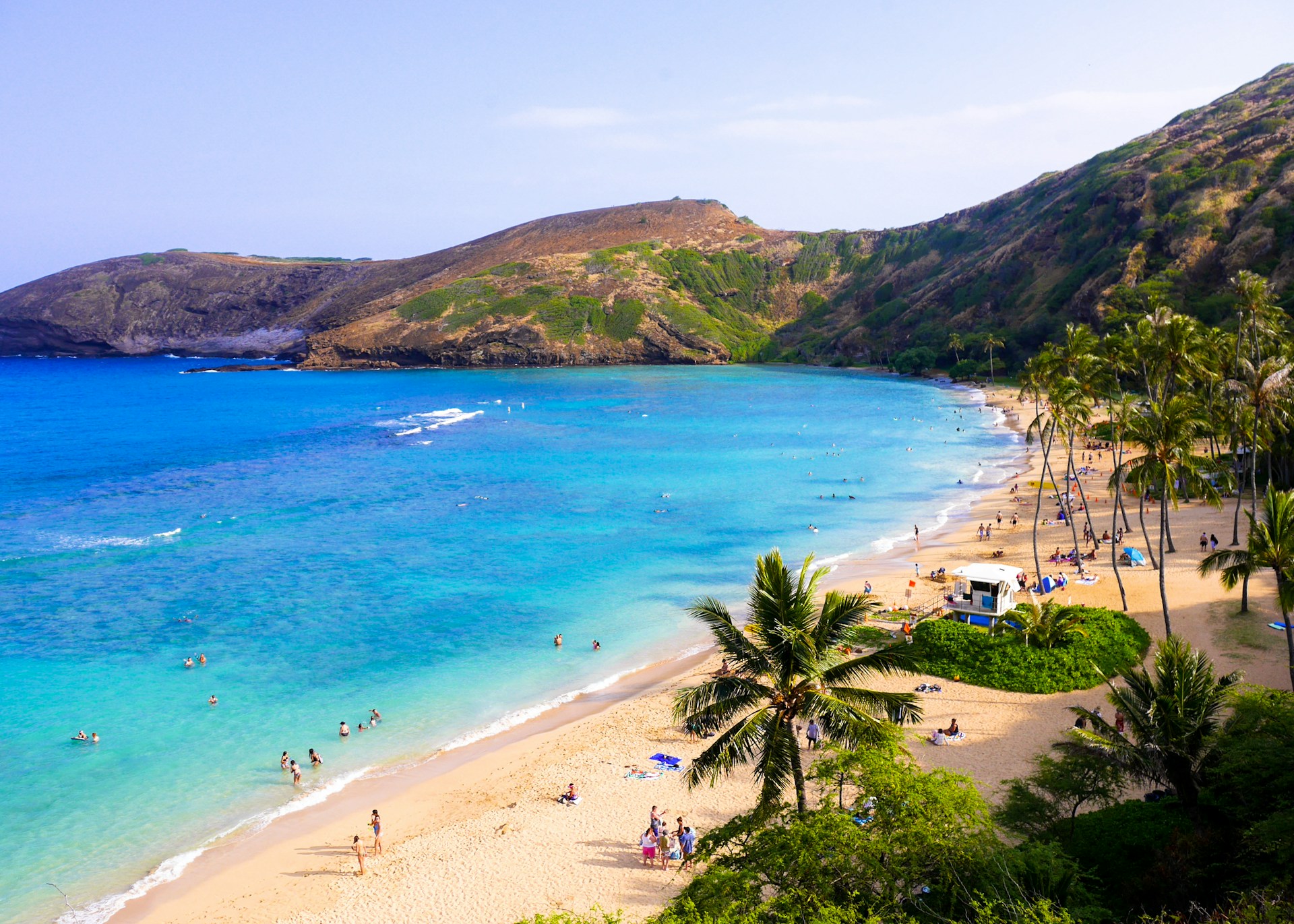
Hanauma Bay’s coral gardens were once dazzling. Over millions of swimmers introduced chemicals into the water, sunscreens weakened coral, and fish fled the fading reefs. The bay now limits visitors, trying to undo decades of neglect. What was once an underwater paradise has become a living reminder that sightseeing can become sabotage. The sea remembers what tourists forget.
12. Cinque Terre, Italy: Paths That Could Not Last
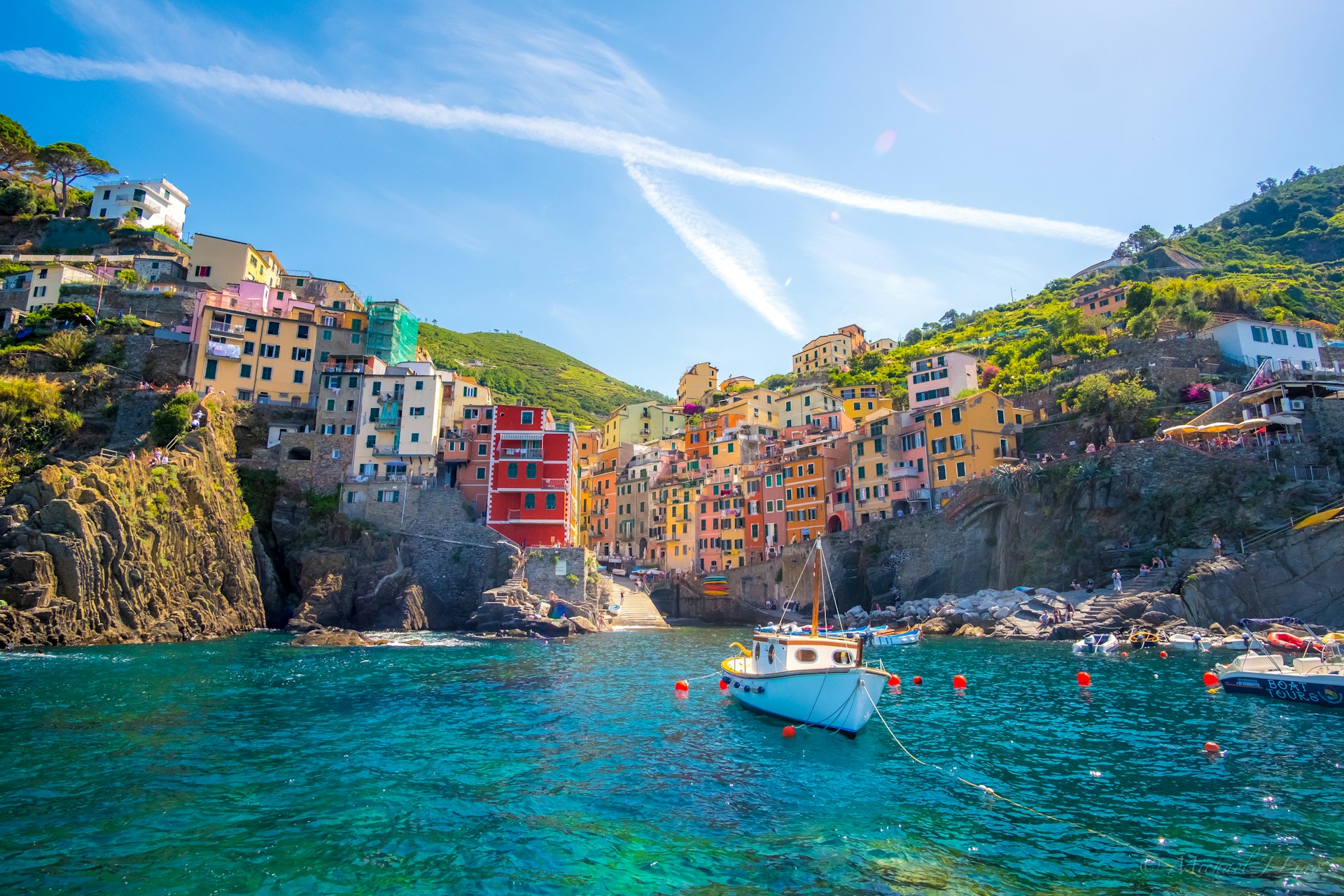
Cinque Terre’s coastal trails were carved for locals, not millions of wandering feet. Overuse eroded walkways, crushed vegetation, and transformed peaceful hikes into chaotic queues. Local authorities now restrict visitors, yet the original charm cannot fully return. Cinque Terre illustrates that beauty designed for living cannot survive when turned into spectacle. The trails remain, but the innocence of exploration is gone.
These destinations did not disappear from maps. They disappeared from possibility. Their beauty became so sought after that it broke under admiration. Each stands as a warning that travel without responsibility destroys what it celebrates. The world is not losing wonders because time takes them. It is losing them because people refuse to pause.