The Appalachian region stretches across mountains, forests, and valleys where time moves slowly and traditions run deep. While most visitors flock to well known cities, countless hidden towns preserve music, food, and folklore that shaped the mountain spirit. These places do not chase attention, yet they offer scenery, culture, and quiet that feel impossible to find elsewhere. Each town carries its own voice, from old general stores to mist covered trails. These overlooked destinations prove that the Appalachian story is not confined to postcards. It is alive in places most travelers never discover.
1. Floyd, Virginia: Bluegrass Heartbeat
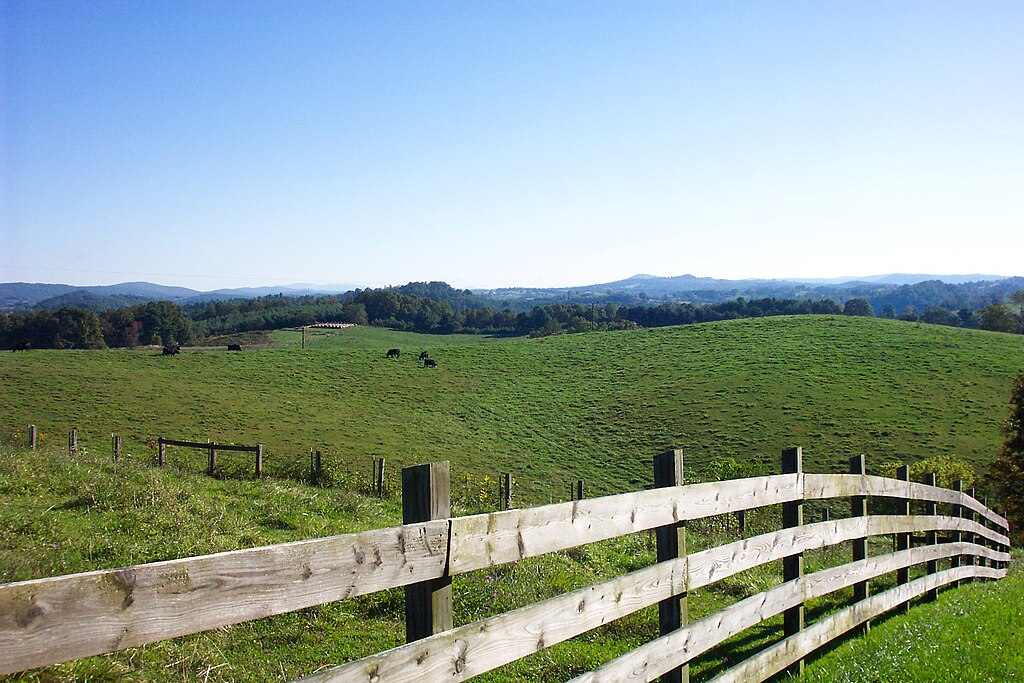
Floyd feels like music wrapped in mountains. Its Friday night jams, artisan shops, and rural charm welcome visitors into a place where community still gathers face to face. Bluegrass flows from porches, and craftsmen keep handmade traditions alive. The town balances an old fashioned pace with creativity, turning a quiet stop into a cultural hub. Travelers stumble upon Floyd expecting stillness and instead find rhythm, stories, and a sense of belonging that feels earned rather than advertised. Floyd is not hidden. It is simply undiscovered.
2. Hinton, West Virginia: Riverside Time Capsule
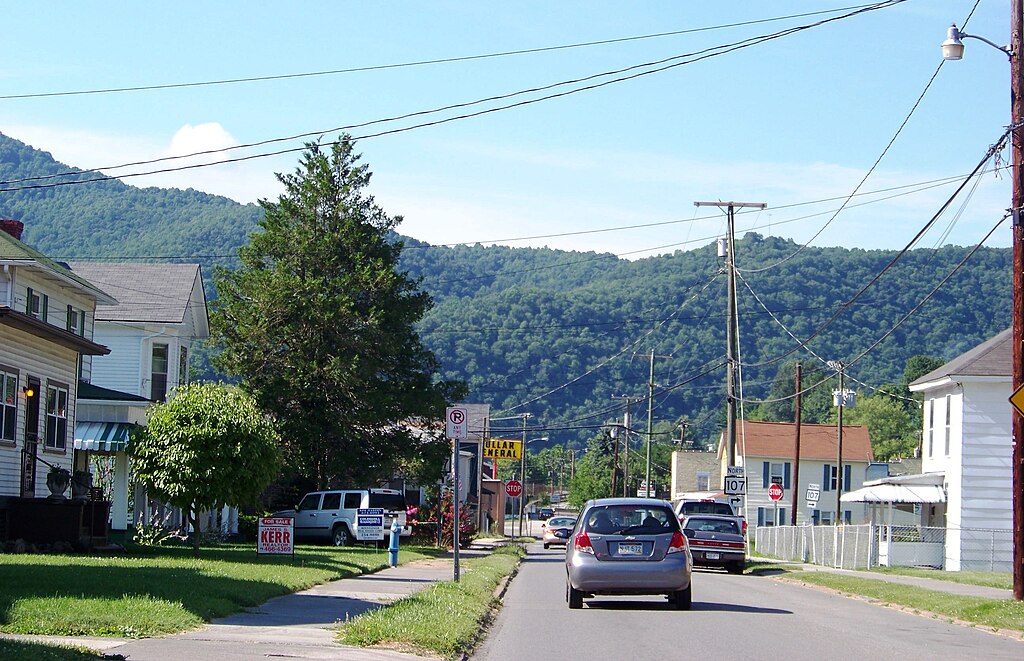
Hinton sits beside the New River like a postcard left untouched. Its railroad history, vintage storefronts, and calm waters evoke a gentler period. Trains still echo across the valley, and the river bends around town as if guarding its stories. Travelers rarely plan to stop here, yet those who do find a pace that reminds them how simple life once was. Hinton remains a rare place where modern noise never took over, allowing the mountains and water to speak for themselves.
3. Bryson City, North Carolina: Quiet Trail Gateway
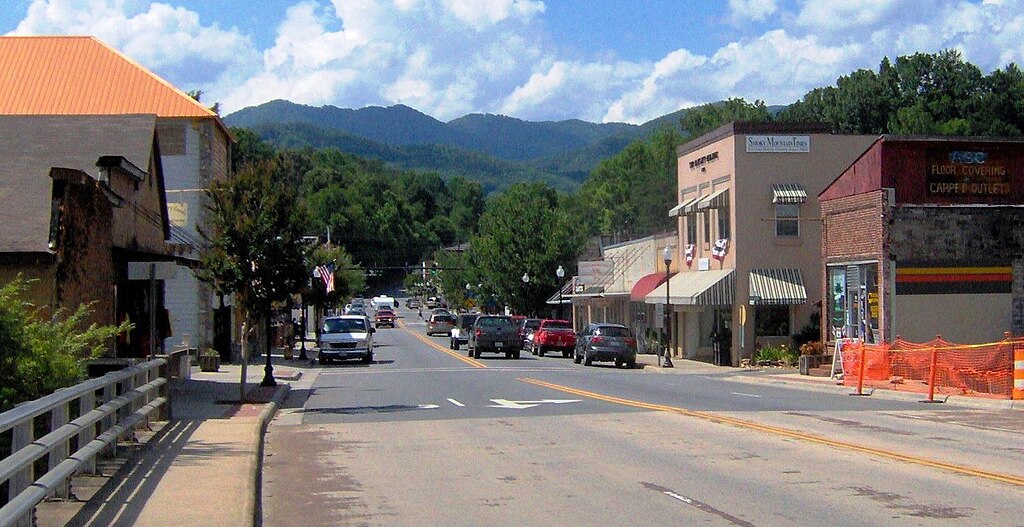
Bryson City offers mountain stillness without crowds. It connects hikers to the Great Smoky Mountains while keeping its own identity intact. Wooden bridges, rivers, and trails surround a town waiting to be explored at walking speed. Unlike busy tourist hubs, Bryson City feels personal. Travelers can sit by the water, explore hidden paths, or simply breathe air that smells like pine and rain. The town proves adventure does not need spectacle. It needs space.
4. Berkeley Springs, West Virginia: Historic Mineral Haven
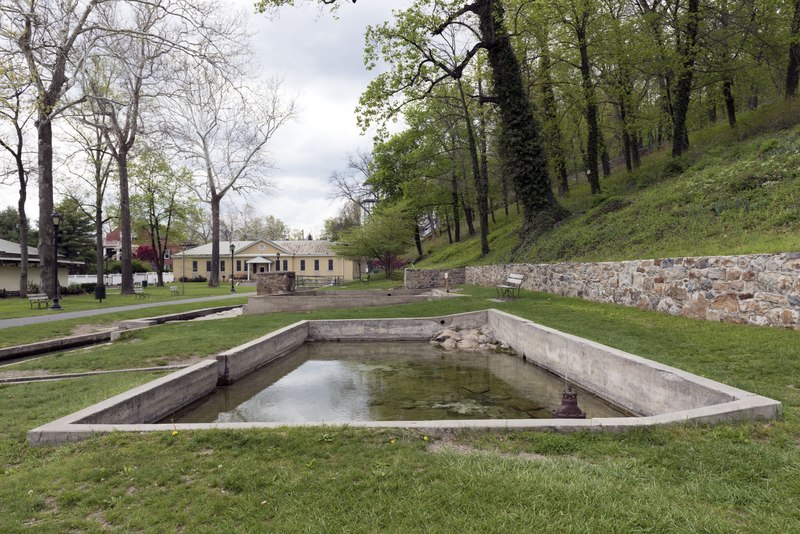
Berkeley Springs blends healing traditions with Appalachian hospitality. Its mineral springs attracted visitors centuries ago, including George Washington. Today, the town maintains that restful charm through spas, art shops, and quiet strolls. The springs remain the centerpiece, offering a connection to a past where relaxation mattered as much as survival. Berkeley Springs shows that history can be felt, not just learned. The town offers calm without silence and beauty without performance.
5. Elizabethton, Tennessee: Frontier Echoes
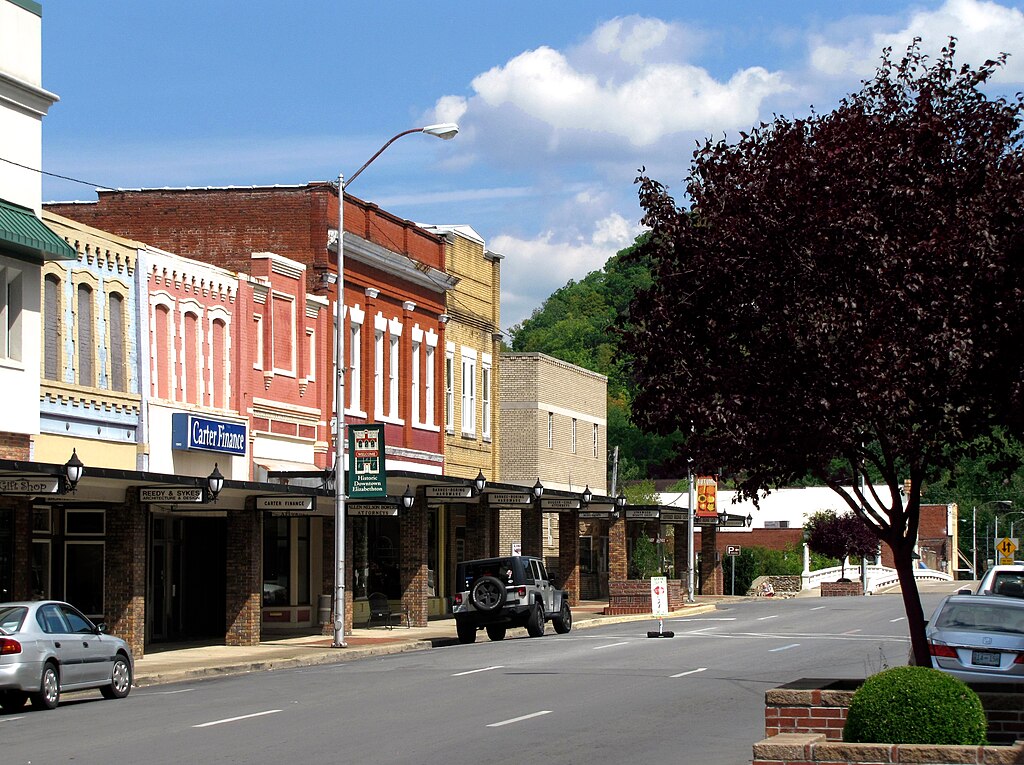
Elizabethton keeps its frontier heritage visible in every corner. Its covered bridge, historic district, and local gatherings feel untouched by time. The town sits along the Doe River, where nature and history intertwine. Travelers find the past without costumes or reenactments. Elizabethton tells its story through buildings and landscapes that survived change and neglect. It proves that authenticity does not need decoration. It needs memory.
6. Lewisburg, West Virginia: Artistic Mountain Haven
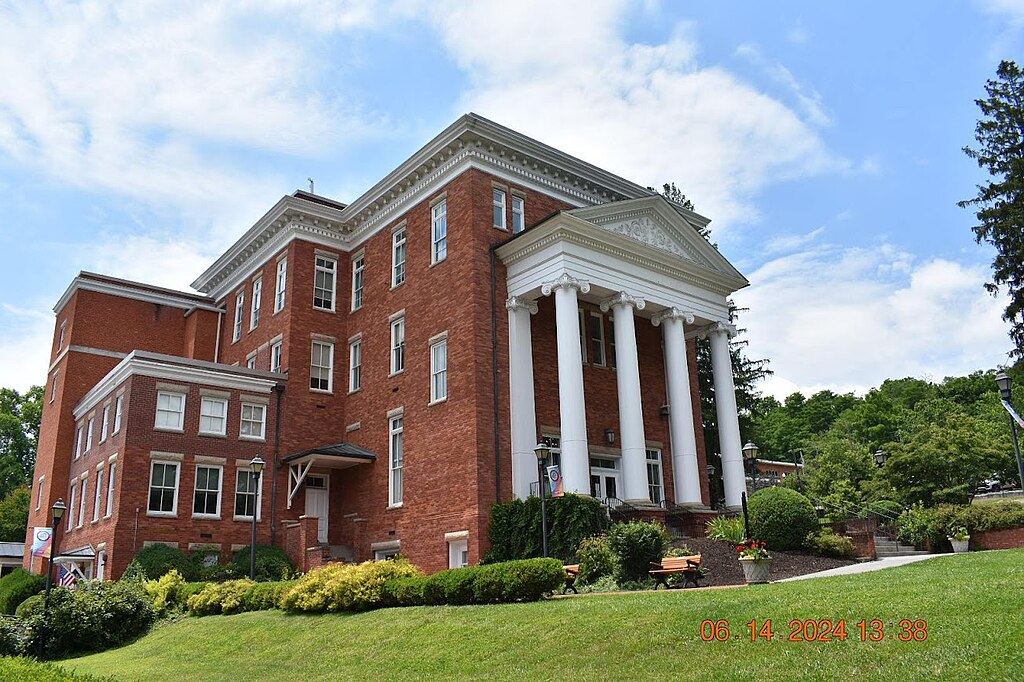
Lewisburg surprises visitors with a creative streak hidden behind mountain quiet. Galleries, theaters, and independent shops give the town personality without pretension. It feels cultured yet grounded, offering refinement without rushing. Surrounded by farmland and forest, Lewisburg balances comfort and curiosity. Travelers discover a place that values expression while honoring its rural roots. The town feels like a crossroads where old traditions and new ideas shake hands.
7. Dahlonega, Georgia: Gold Rush Origins
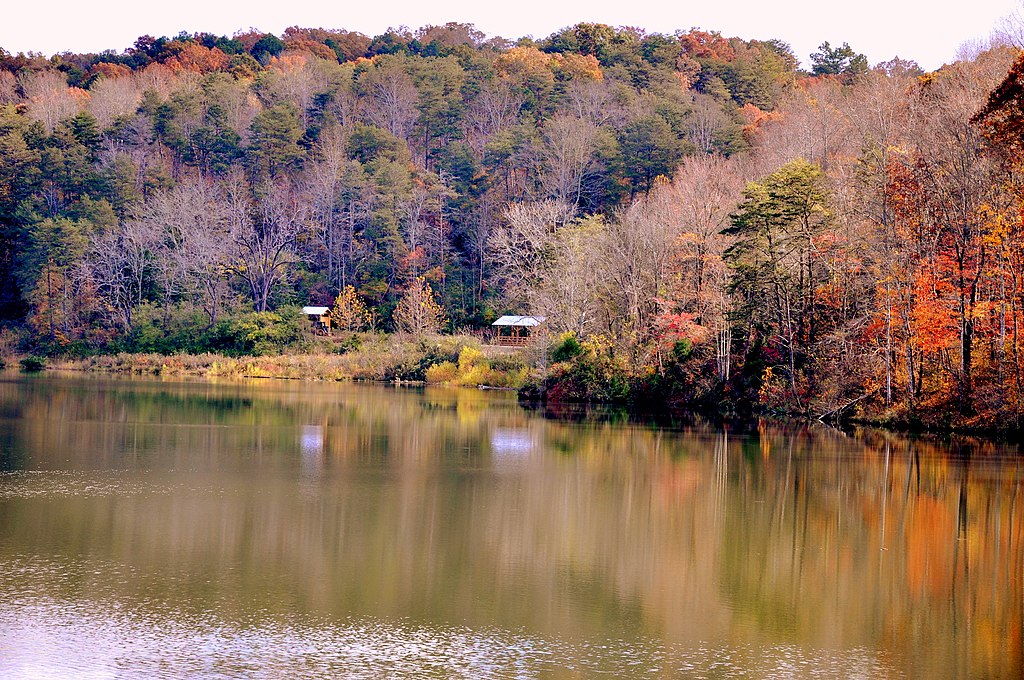
Dahlonega once lured dreamers searching for fortune. Today, it welcomes travelers with vineyards, mountain trails, and a historic square. The gold may be gone, but the energy remains. Visitors sense ambition etched into the town’s foundations. Dahlonega proves that some towns continue thriving not because of what they gained, but because of what they refused to lose. It blends history, hospitality, and scenery into a destination that feels both grounded and inviting.
8. Abingdon, Virginia: Theater Infused Refuge
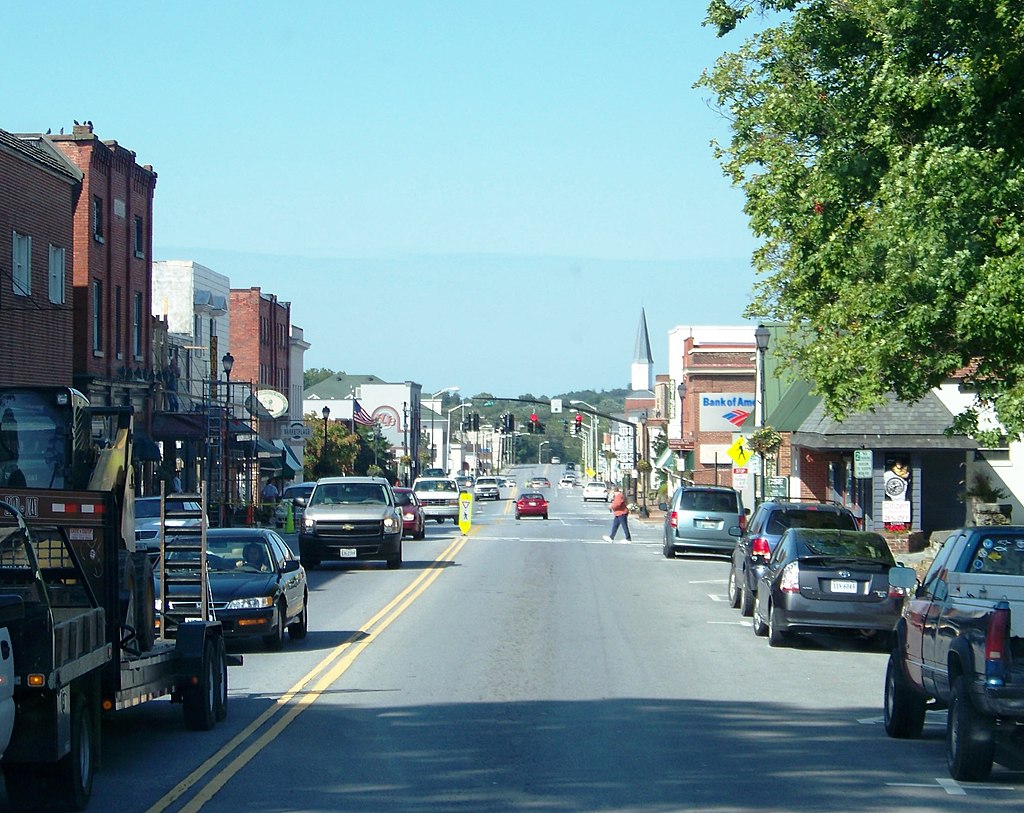
Abingdon carries Appalachian character shaped by creativity. Its famed Barter Theatre introduced culture to the mountains during the Great Depression, trading produce for tickets. That legacy still breathes through the town. Streets lined with brick and greenery lead to performances that feel intimate and heartfelt. Abingdon proves the mountains never lacked imagination. They simply needed a stage.
9. Berea, Kentucky: Craft And Folk Culture

Berea champions handmade tradition. Woodworkers, weavers, and metal artists continue skills passed down for generations. The town is home to Berea College, where students learn self sufficiency through crafts and service. Travelers find authenticity in items shaped by human hands rather than machines. Berea turns creativity into heritage and curiosity into connection. It is a reminder that culture survives when people carry it forward.
10. Jonesborough, Tennessee: Storytelling Capital
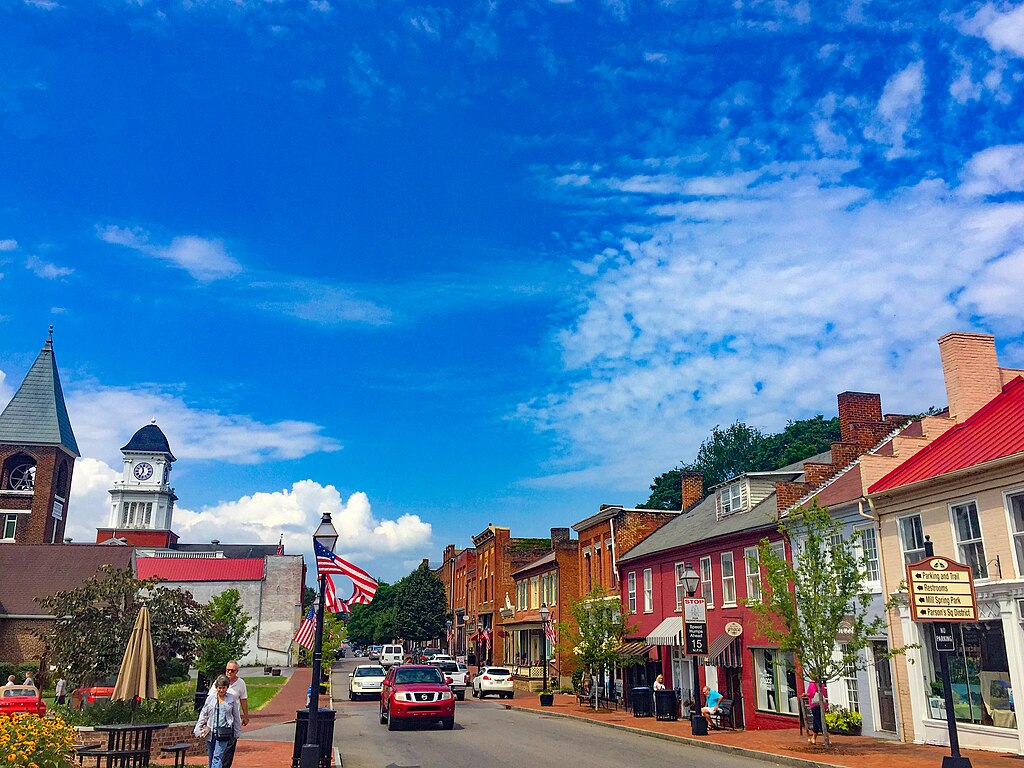
Jonesborough turns stories into architecture. Its historic streets hold tales of settlers, wanderers, and dreamers. The town hosts storytelling festivals where voices replace screens and imagination replaces noise. Travelers come expecting small town charm and leave feeling part of something older than travel itself. Jonesborough proves that entertainment once lived not in devices, but in shared listening.
11. Clayton, Georgia: Wilderness Crossroads
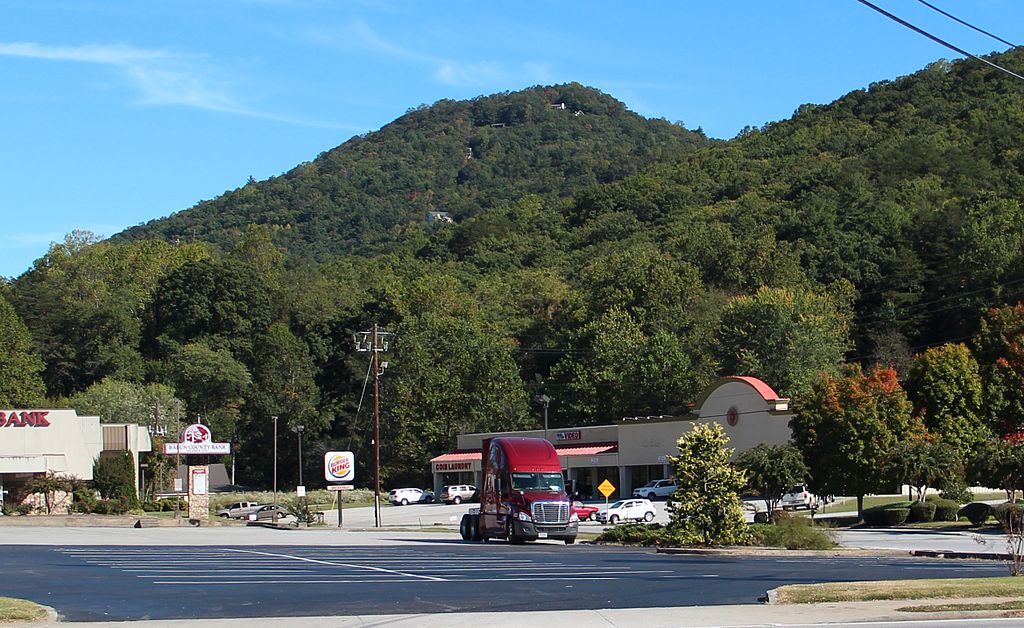
Clayton sits where mountains, waterfalls, and forests converge. It feels like a resting point for travelers exploring the southern Appalachians. The town mixes rustic comfort with outdoor access, offering quiet evenings after busy days in nature. Clayton does not chase crowds. It welcomes explorers who find it by curiosity rather than marketing. The town is proof that wilderness does not need permission to impress.
12. Elkins, West Virginia: Railroad Heritage Corner
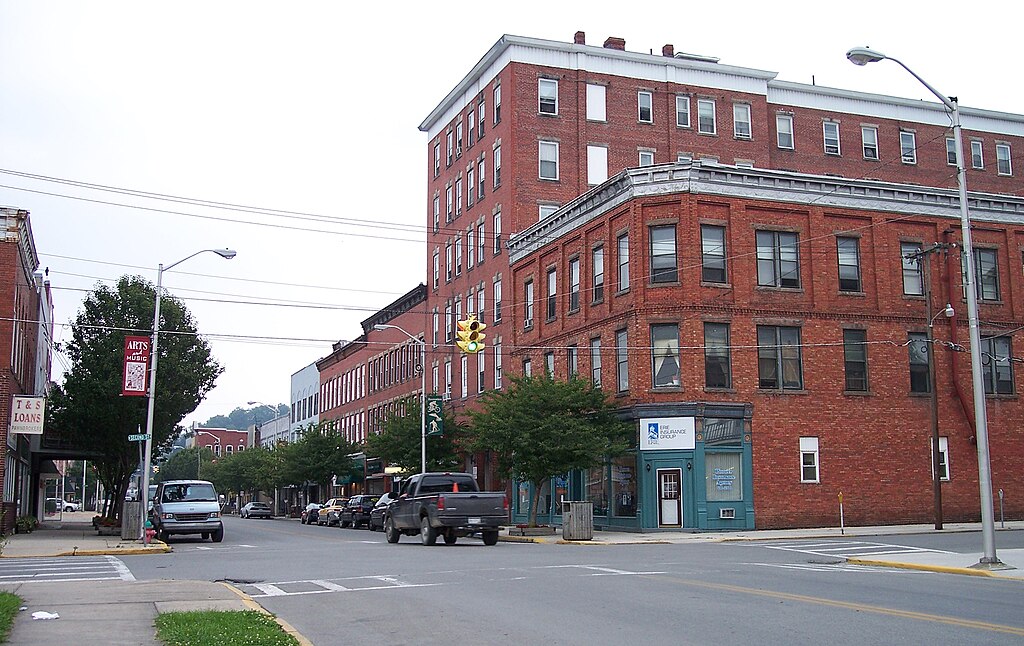
Elkins rests at the edge of mountain rail lines that once carried goods, dreams, and workers through the heart of Appalachia. Trains still define the town’s rhythm, and history sits neatly beside modern life. Elkins celebrates music, craft, and travel without spectacle. It feels lived in rather than curated. For travelers seeking authenticity, Elkins offers a quiet revelation rather than a staged encounter.
These towns prove that the Appalachian story exists far beyond the places printed on brochures. They preserve culture not by chasing recognition, but by living it. Travelers who venture off the familiar path discover a region where identity is not performed, but practiced. These towns remind visitors that beauty survives best when it is not advertised, and that the heart of Appalachia beats strongest where crowds have not yet arrived.