Across American history, Christmas has survived wars, depressions, and cultural shifts. Yet during these heavy moments, it was not governments or companies that brought hope back into homes. It was individuals who gave the holiday meaning again. They introduced stories, songs, traditions, and gestures that reminded Americans what joy feels like when life feels uncertain. Their work made Christmas more than a seasonal break. It became a tradition layered with imagination, generosity, and shared emotion. These Americans did not just entertain people. They helped the nation heal, turning celebration into comfort when hearts needed it most.
1. Clement Clarke Moore: Wrote ’Twas The Night Before Christmas
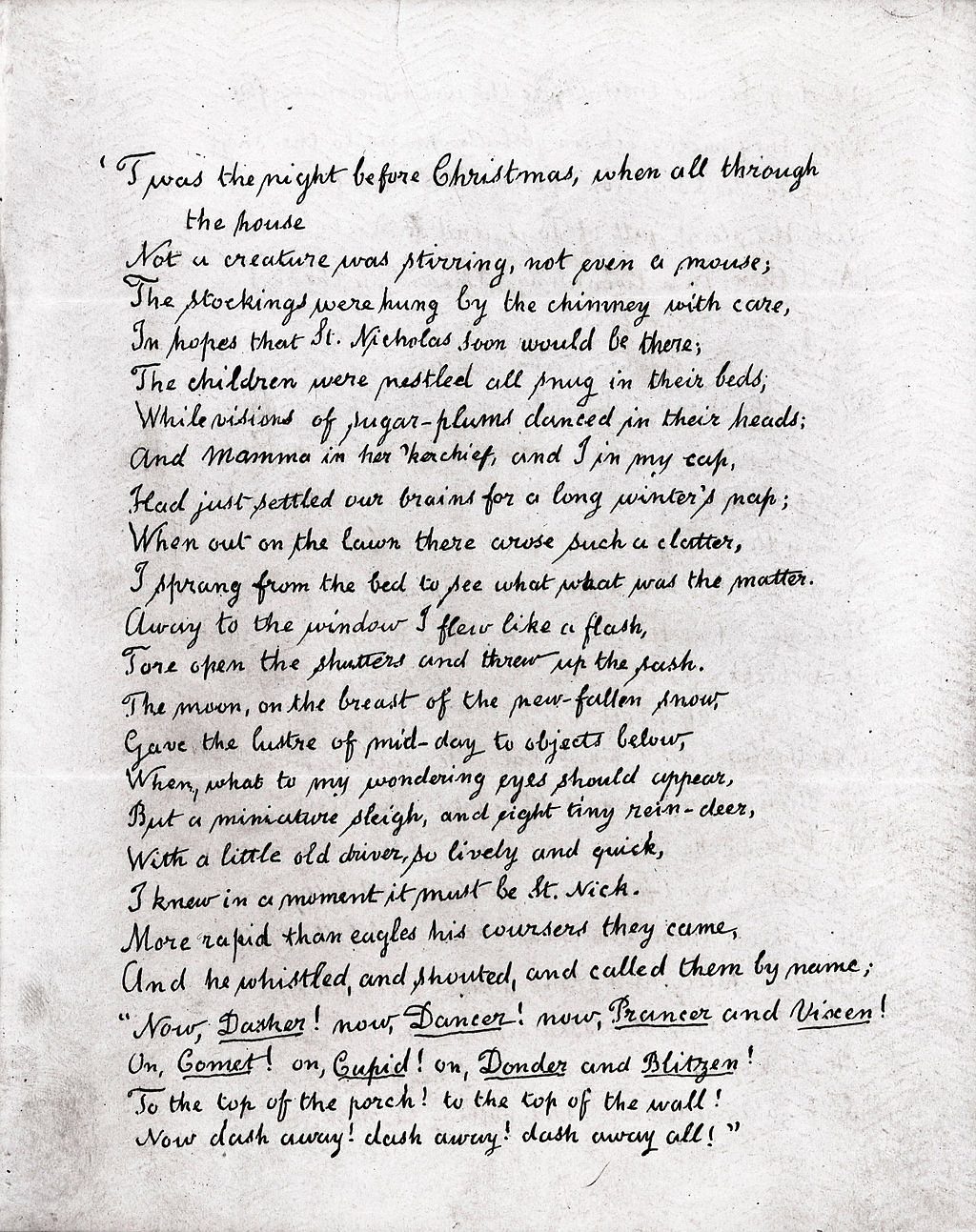
Before Moore penned this iconic poem, Santa was a vague idea with little structure. His words gave Americans a clear image of reindeer, stockings, and a cheerful visitor arriving at midnight. The poem arrived during a period when families were redefining holiday traditions, and it provided a blueprint that shaped how the country imagined Christmas. Moore’s story comforted households with predictability and wonder. It transformed a simple winter holiday into a magical childhood memory and created the blueprint for Santa that Americans still follow today.
2. Charles Schulz: Created A Charlie Brown Christmas
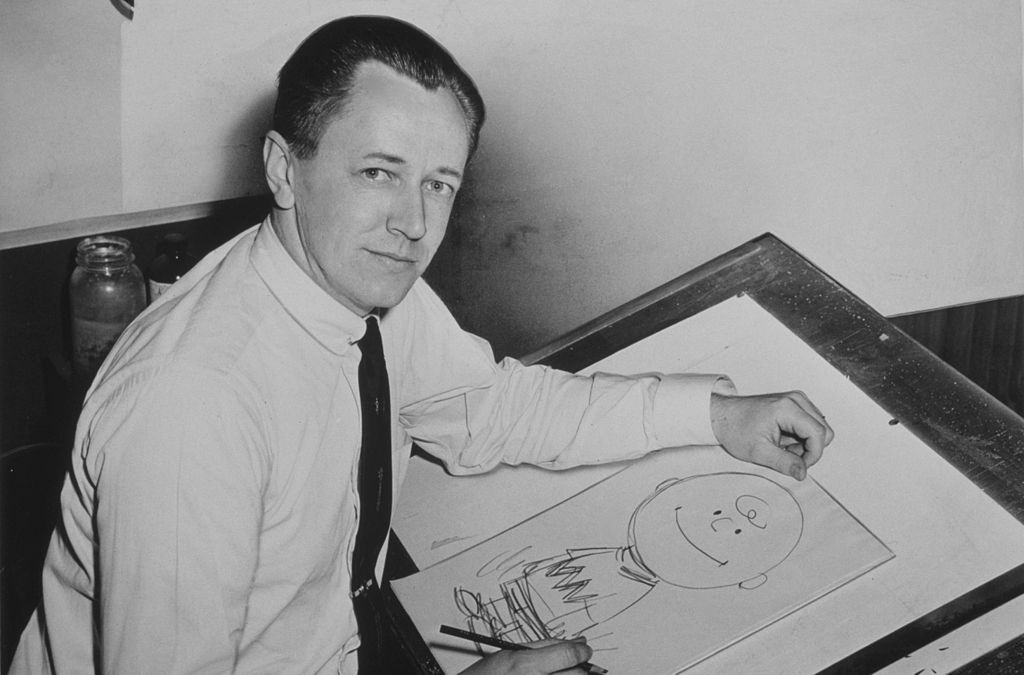
During the 1960s, commercial pressures were overwhelming the meaning of Christmas. Schulz’s animated special arrived gently and challenged the chaos. Through vulnerable characters, quiet humor, and simple truths, he reminded Americans that love, humility, and togetherness mattered more than shiny gifts. The tree that everyone mocked became a symbol of hope. Schulz helped families rediscover sincerity during a tense cultural moment. His work still plays every December because it restores something deeper than entertainment. It restores perspective.
3. Jimmy Stewart: Starred In It’s A Wonderful Life
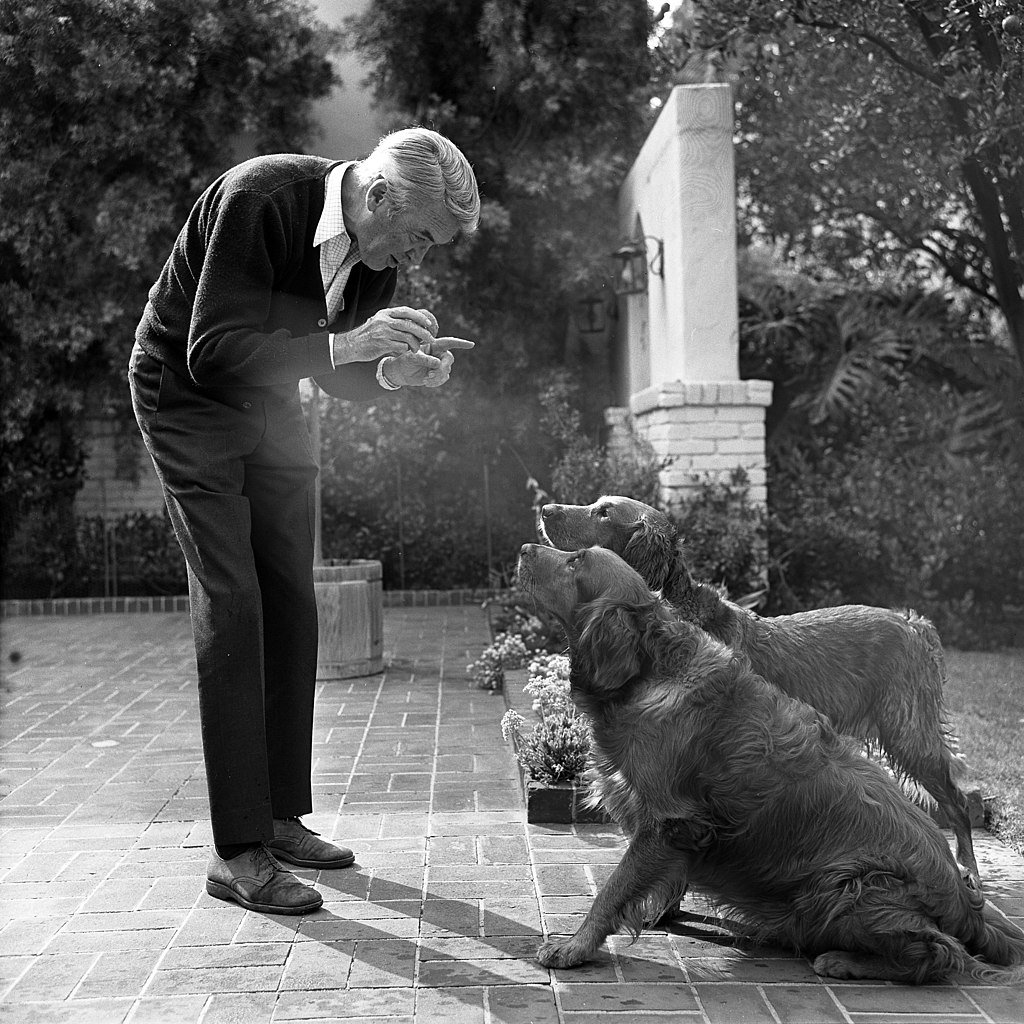
Released after Stewart returned from World War II, the film landed in a nation recovering from loss and fatigue. His portrayal of George Bailey spoke to millions who felt exhausted by responsibility and doubt. Although not an instant hit, the movie resurfaced on television years later and became a Christmas lifeline. Stewart’s character showed that ordinary people matter and that community support can rescue a weary soul. The film became emotional medicine in difficult times, proving that hope can arrive quietly and stay forever.
4. Bing Crosby: Popularized White Christmas
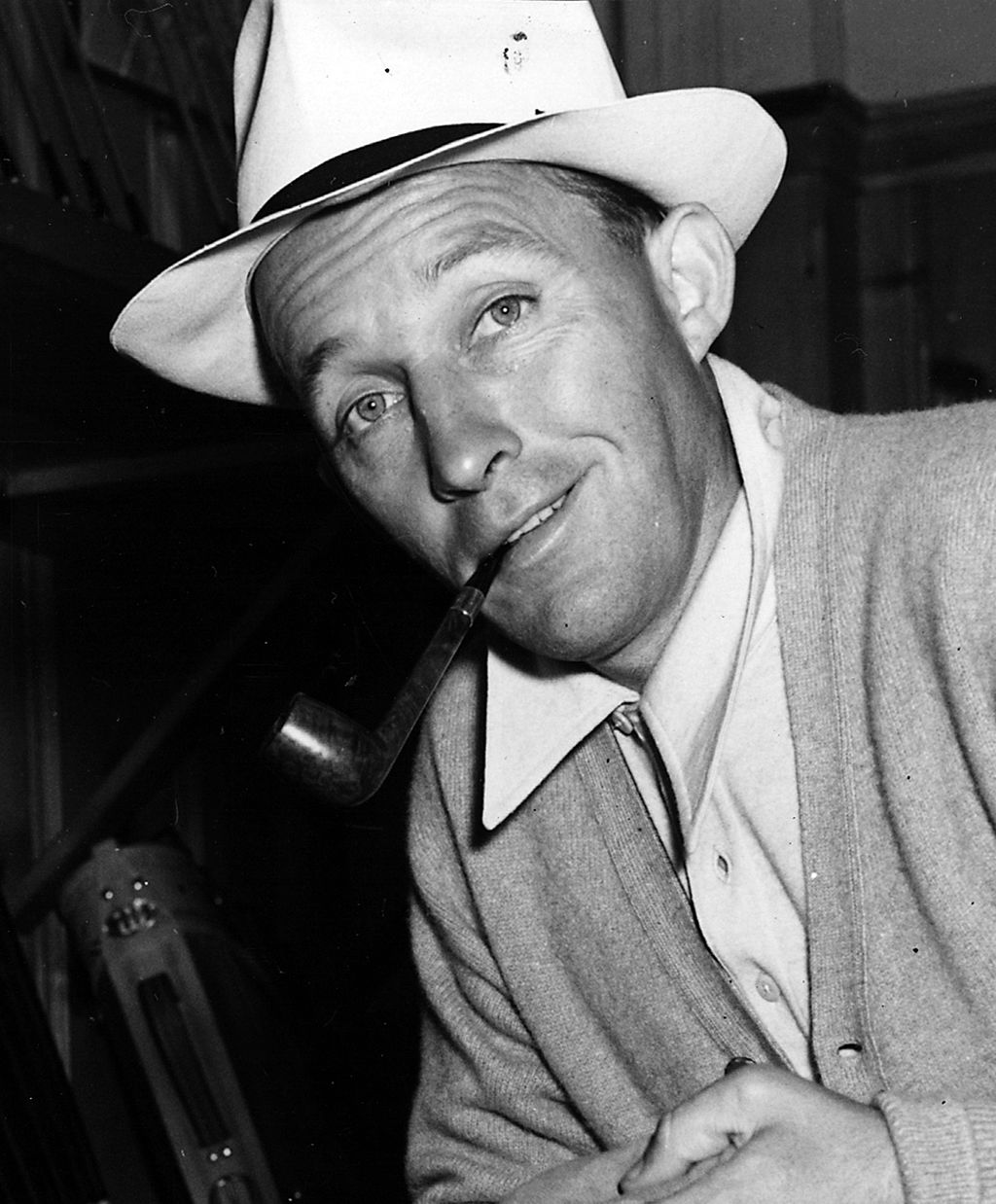
When Crosby sang about peaceful holidays, Americans were living through World War II and longing for home. His voice carried nostalgia into homes where separation and uncertainty were heavy. White Christmas became more than a song. It became a longing wrapped in melody. It allowed people to dream of family gatherings even when oceans and borders stood in the way. Crosby’s warm tone softened fear and made Christmas feel like a promise waiting for return. His music shaped the emotional soundtrack of the season.
5. Frank Capra: Directed It’s A Wonderful Life
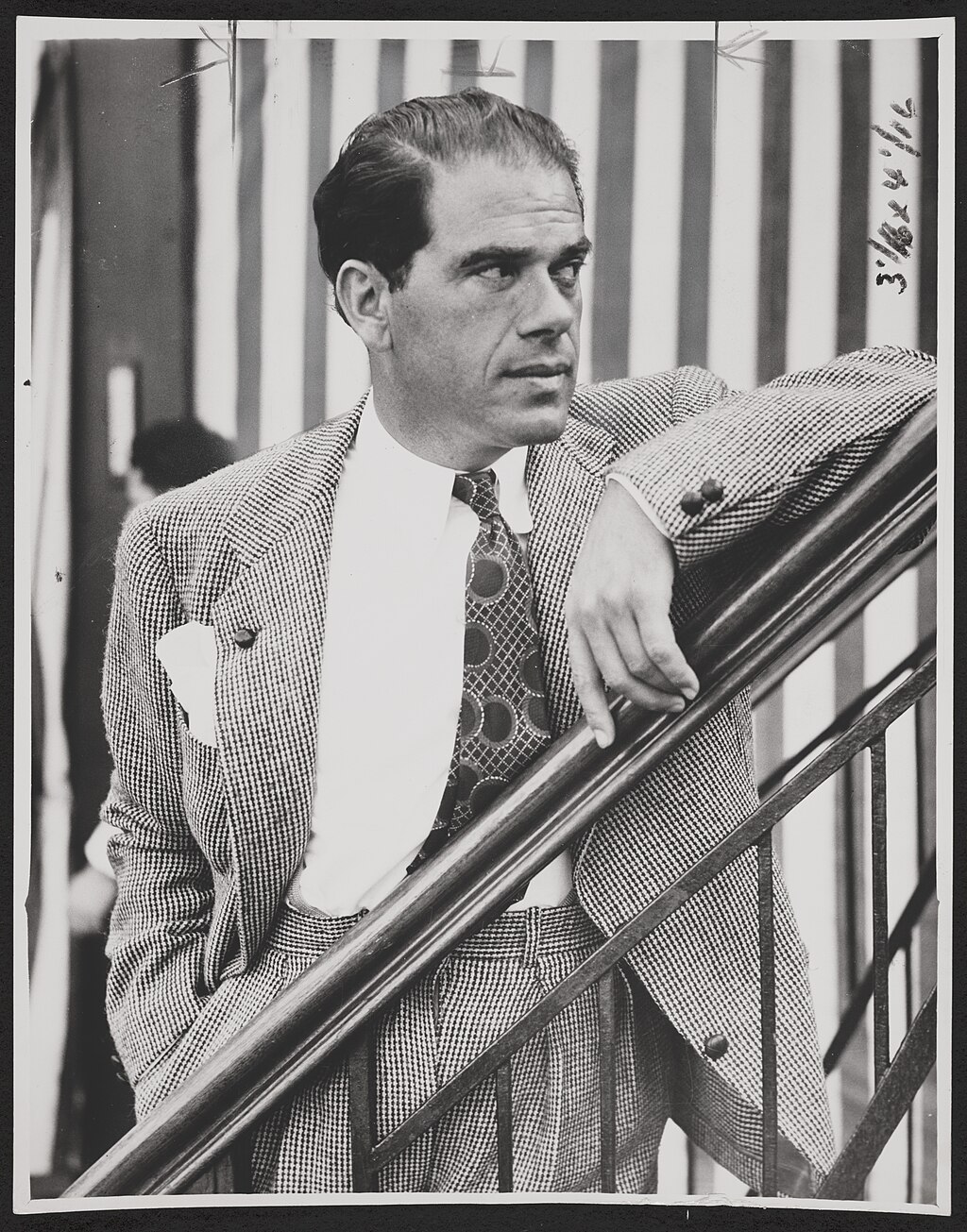
Capra saw filmmaking as service. He believed stories could restore dignity and hope when the world felt unstable. By crafting a film where community saves an overwhelmed man from despair, he reframed Christmas as a holiday about connection rather than spectacle. Capra’s approach challenged cynicism and offered comfort in an era rebuilding from war. His narrative did not decorate Christmas. It redefined it. The film still guides families searching for meaning and reminds viewers that value can exist where exhaustion once lived.
6. Dr Seuss: Created How The Grinch Stole Christmas
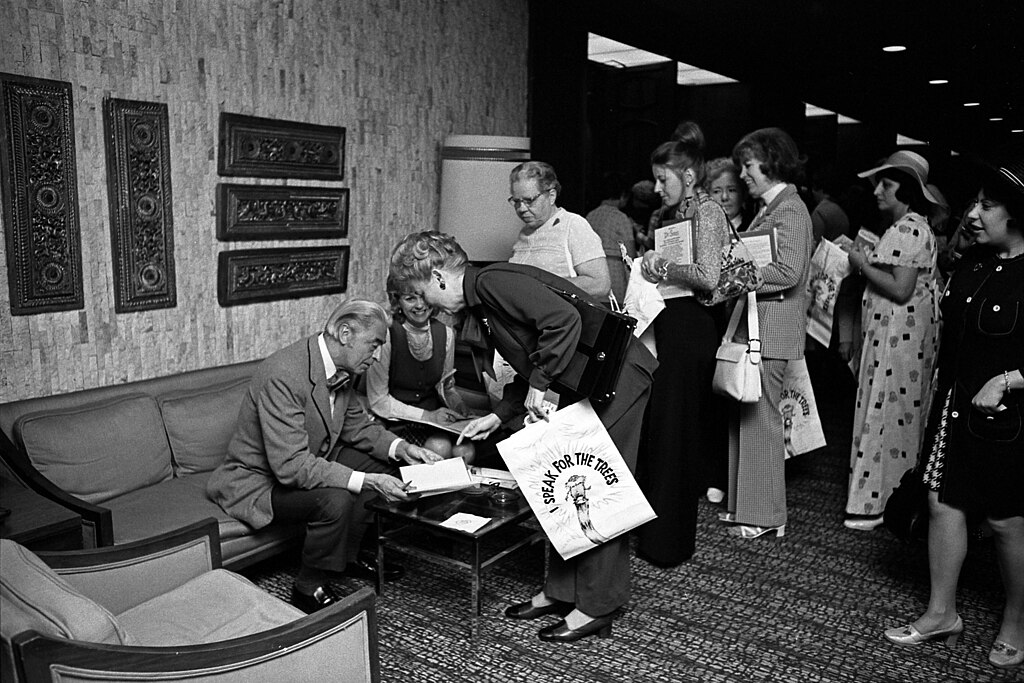
Dr Seuss entered a world tired of material expectations and offered a story that stripped Christmas down to its core. The Grinch taught children and adults that the holiday is not found in objects but in presence and kindness. His whimsical characters carried serious truths without heaviness. Seuss used rhyme to reshape values during consumer driven decades. He helped families rethink Christmas not by lecturing, but by smiling. His story did not combat greed. It dissolved it.
7. Gene Autry: Recorded Rudolph The Red Nosed Reindeer
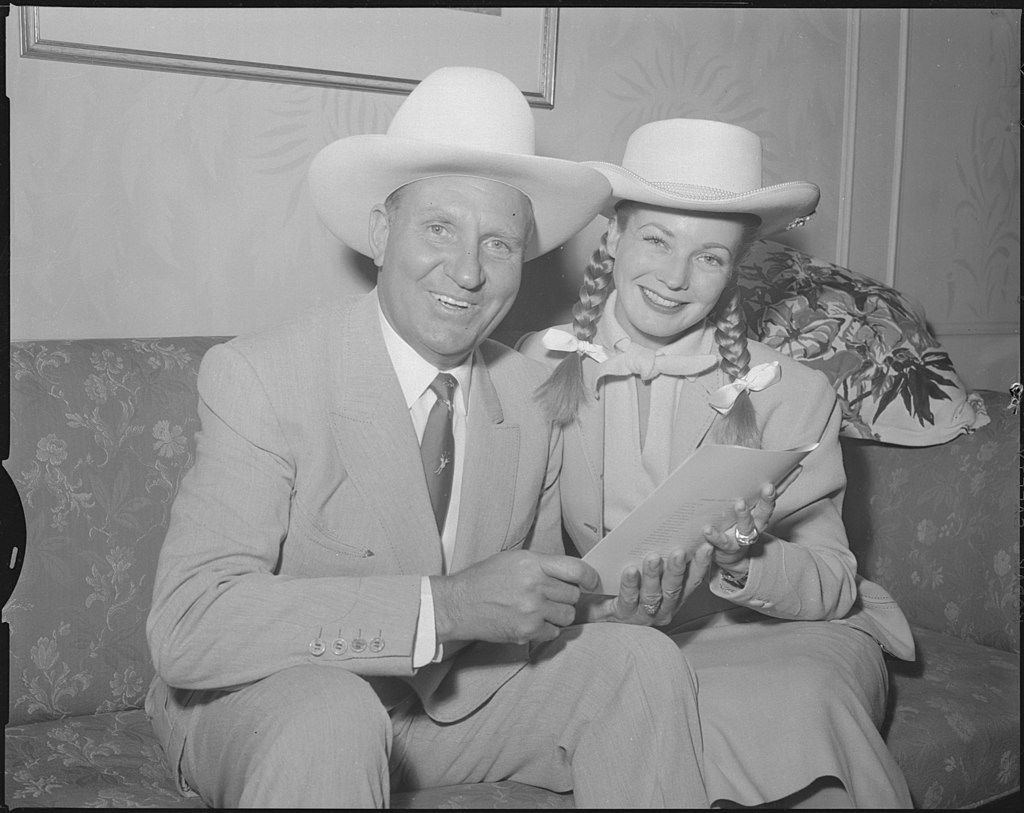
Autry’s version arrived during a time when children needed a hero who was different. Rudolph became a symbol of acceptance, and Autry’s voice turned the underdog story into a Christmas anthem. Families embraced the song because it carried hope wrapped in simplicity. Autry unintentionally created one of the most enduring holiday identities, making Christmas a place where uniqueness was not a flaw but a gift. His work supported children navigating insecurities and gave Christmas a gentler heart.
8. Norman Rockwell: Illustrated American Holiday Warmth
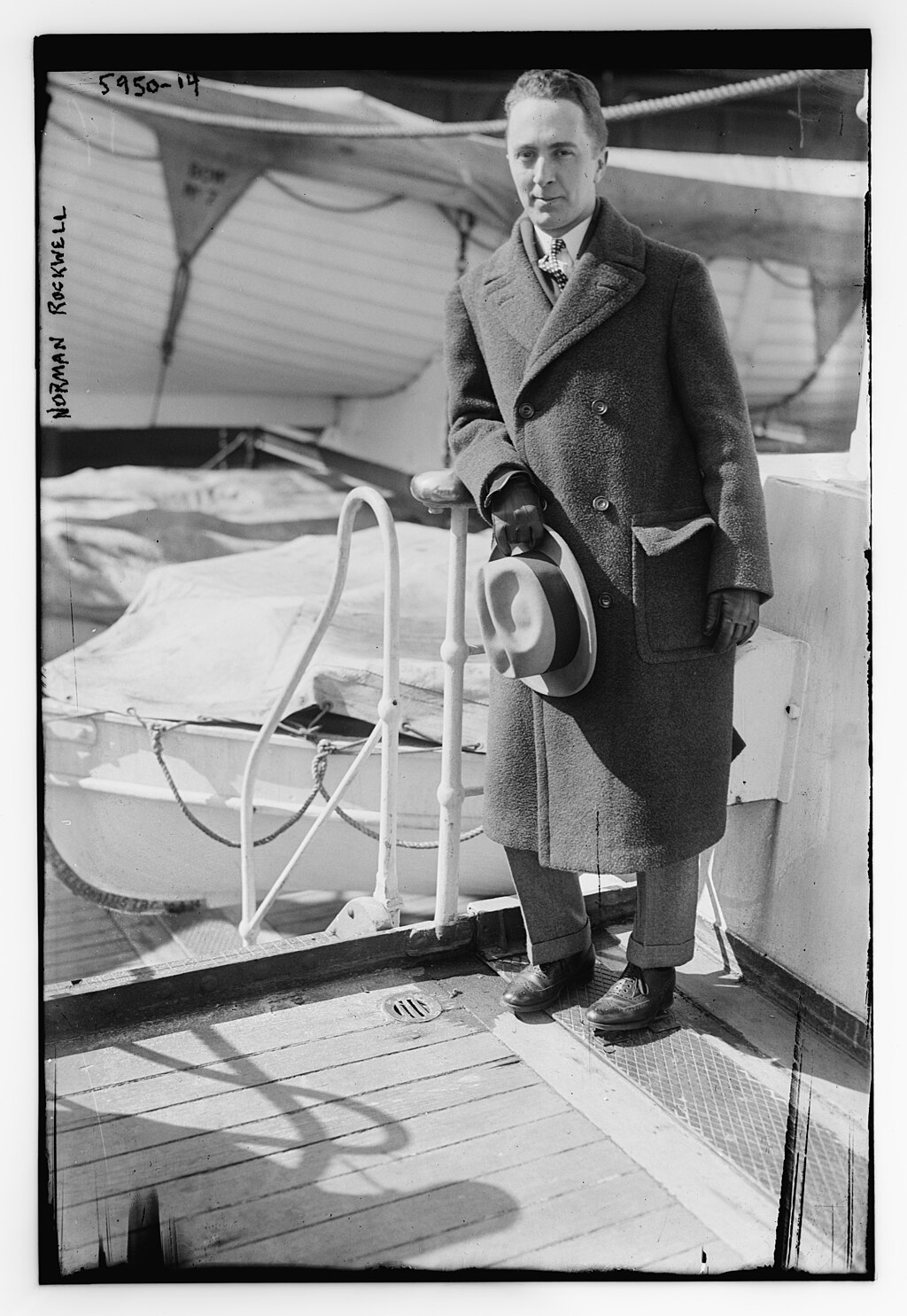
Rockwell painted Christmas not as perfection but as authenticity. His images appeared during eras marked by war, economic stress, and cultural change. Through his scenes of families at tables, children in pajamas, and quiet generosity, he preserved a version of home Americans feared losing. His paintings were visual reminders that comfort and closeness were still possible. Rockwell did not invent Christmas traditions. He defended them. His illustrations shaped how America remembers the season when memories felt endangered.
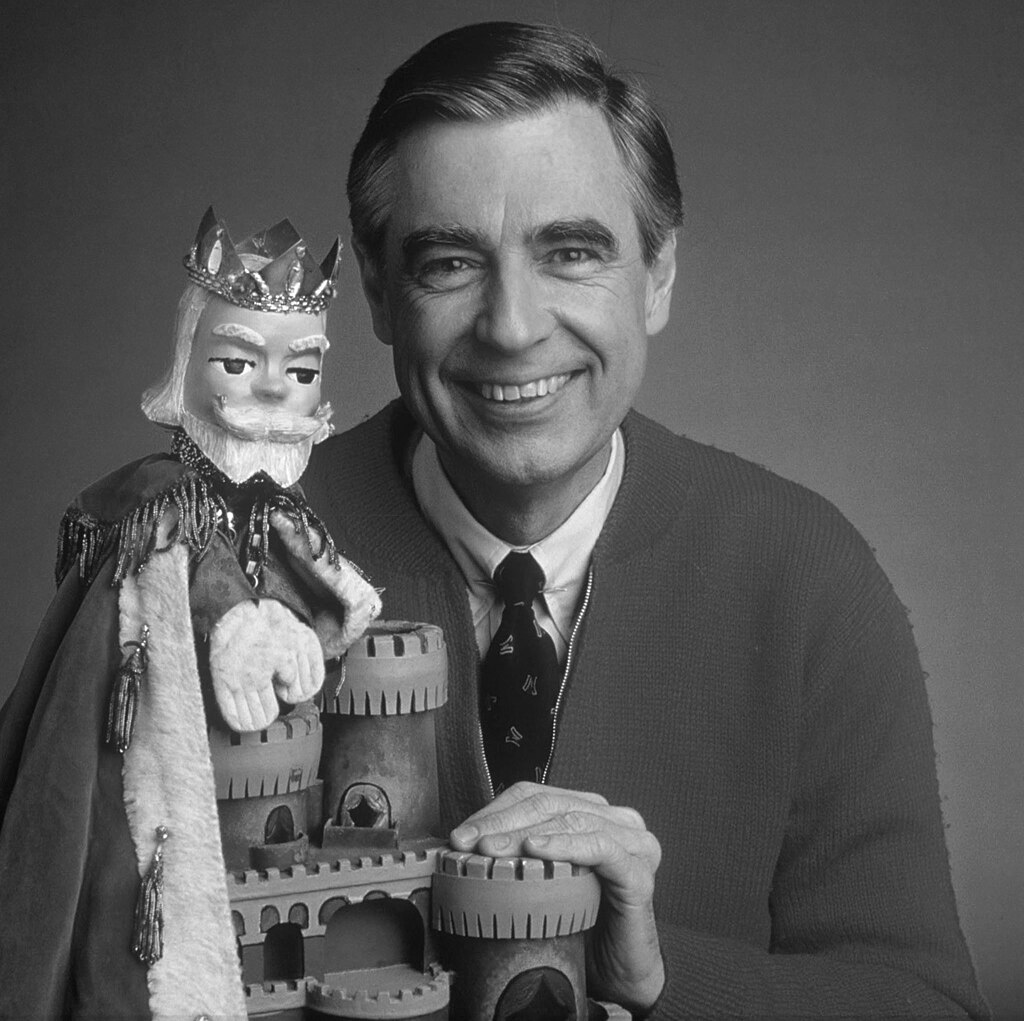
9. Fred Rogers: Taught Emotional Kindness During Christmas Specials
Rogers did not treat Christmas as spectacle. He treated it as an opportunity to talk about feelings. In a world where children faced confusion, divorce, and pressure, Rogers offered clarity. His gentle tone helped families breathe. He reminded viewers that kindness required no budget. Rogers did not add glitter to Christmas. He added understanding. His presence made difficult Decembers feel less frightening, proving that gentle voices can restore confidence when the world feels cold.
10. Franklin D Roosevelt: Sustained Christmas Morale During The Great Depression
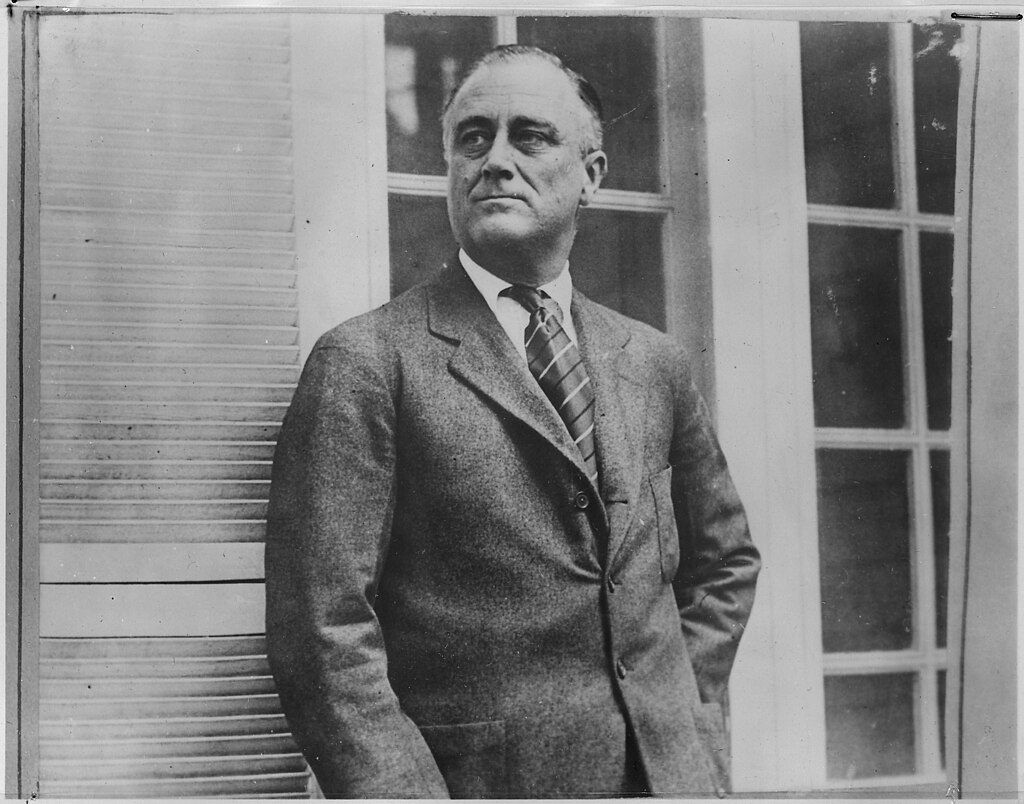
Christmas risked becoming another burden when money disappeared and families struggled. Roosevelt understood that morale was part of survival, so he encouraged celebrations that kept hope alive. Although he did not rewrite traditions, he maintained the emotional permission to celebrate despite hardship. His messages and policies helped families find moments of light in dark years. Roosevelt preserved the idea that Christmas could comfort the exhausted and unite the discouraged. His leadership allowed the holiday to remain a refuge.
11. Irving Berlin: Wrote White Christmas
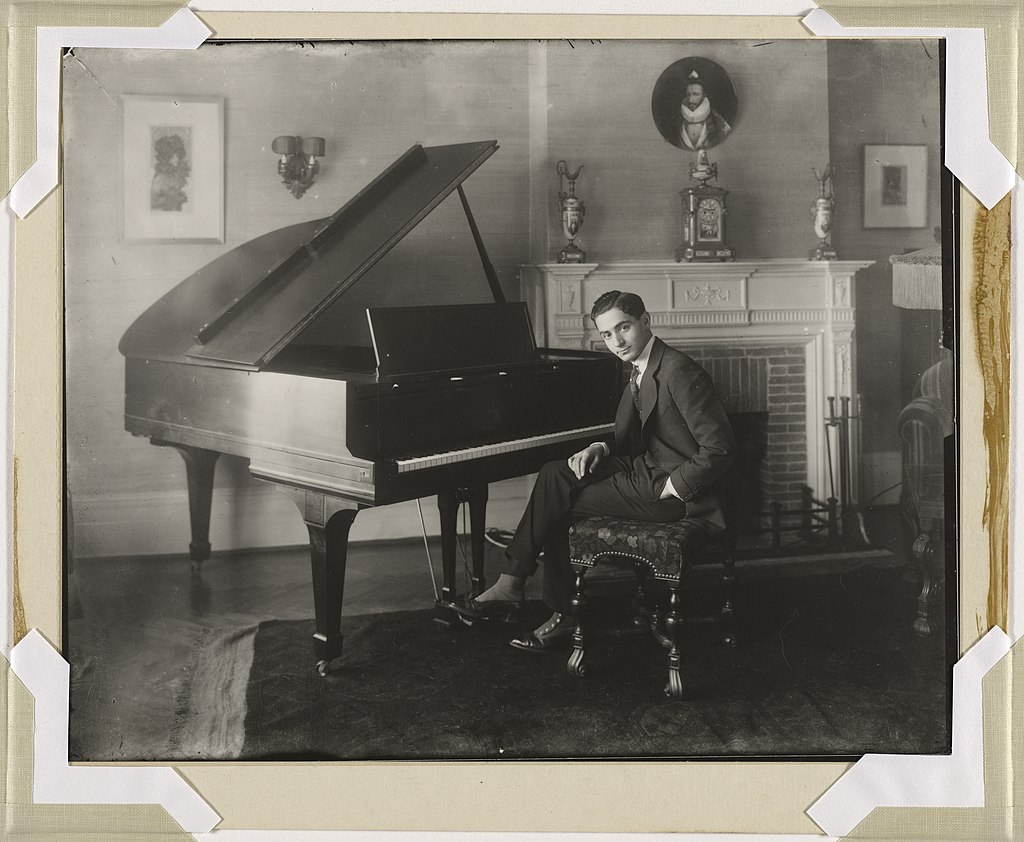
Berlin, an immigrant who understood longing and memory, wrote a song that carried emotional weight beyond melody. White Christmas became a national heartbeat during wartime. Its lyrics held sorrow, hope, and nostalgia in a way no speech could. Berlin shaped the emotional core of the holiday not by decorating it, but by anchoring it in longing. His composition gave Christmas language when the country’s heart felt speechless. The song remains timeless because the emotions it carried never left.
12. Salvation Army Leaders: Turned Red Kettles Into Christmas Charity Icons

When streets were crowded with need, the Salvation Army introduced red kettles and bells that reminded passersby that Christmas was about generosity. The charity did not create a new tradition. It taught ordinary people to participate in compassion. The kettles became symbols of responsibility that survived every economic cycle. They turned sidewalks into opportunities for giving and created a shared ritual that outlived trends. Their sound became the heartbeat of Christmas in cities where hope felt distant.
These Americans did more than entertain or inspire. They anchored the holiday in values that outlast hardship. Their stories show that Christmas survives not through decorations or gifts, but through imagination, comfort, and human care. When times felt heavy, they gave the nation something to hold on to. In doing so, they protected a season built not on perfection, but on meaning.