
Stranger Things did more than revive a decade filled with synth music and bikes. It reminded viewers of a slower, more connected way of growing up that felt surprisingly comforting. For Gen Z, the show became a window into everyday rituals that felt warm rather than outdated. Scenes of kids roaming neighborhoods, sharing snacks, and spending time together without plans stood out. These traditions offered something missing in a screen heavy world. They emphasized presence, shared moments, and emotional closeness. Gen Z embraced them not out of nostalgia, but because they made connection feel simple, human, and real again.
1. Riding Bikes Everywhere Without Planning Ahead

One of the most memorable images from the show is kids riding bikes with no destination in mind. Gen Z embraced this as freedom rather than carelessness. Riding around aimlessly became a way to spend time together without pressure. There were no messages to send and no locations to share. You simply showed up and moved. Stranger Things made this kind of movement feel social and safe. For many Gen Z teens, biking became a way to disconnect from screens while still feeling physically and emotionally connected to friends.
2. Spending Long Afternoons at the Mall

The mall scenes brought back the idea of hanging out with no real purpose. Gen Z rediscovered malls as social spaces rather than shopping destinations. Walking, people watching, eating snacks, and talking for hours felt meaningful again. Stranger Things showed malls as loud, chaotic, and communal. That atmosphere contrasted sharply with curated online spaces. Spending time at the mall allowed Gen Z to experience shared boredom and unplanned conversation, making it less about buying things and more about simply being together.
3. Playing Board Games as a Serious Social Activity

The show presented board games as intense, emotional, and deeply bonding. Gen Z embraced long game nights where focus and patience mattered. Unlike quick phone games, board games required presence and cooperation. Rules sparked debates, victories felt earned, and losses became stories. Stranger Things framed games as rituals that strengthened friendships. This made board games feel current rather than nostalgic, turning them into a way to slow down, laugh together, and build memories without digital distraction.
4. Dressing Based on Identity Instead of Trends

Characters in the show dressed according to personality rather than popularity. Gen Z connected strongly with this approach to style. Thrifted clothing, oversized fits, and mismatched pieces became intentional expressions of identity. Stranger Things showed that clothing did not need approval to feel right. This encouraged Gen Z to dress emotionally instead of algorithmically. Fashion became playful and personal again, allowing people to wear what felt authentic rather than what was expected.
5. Listening to Music One Album at a Time
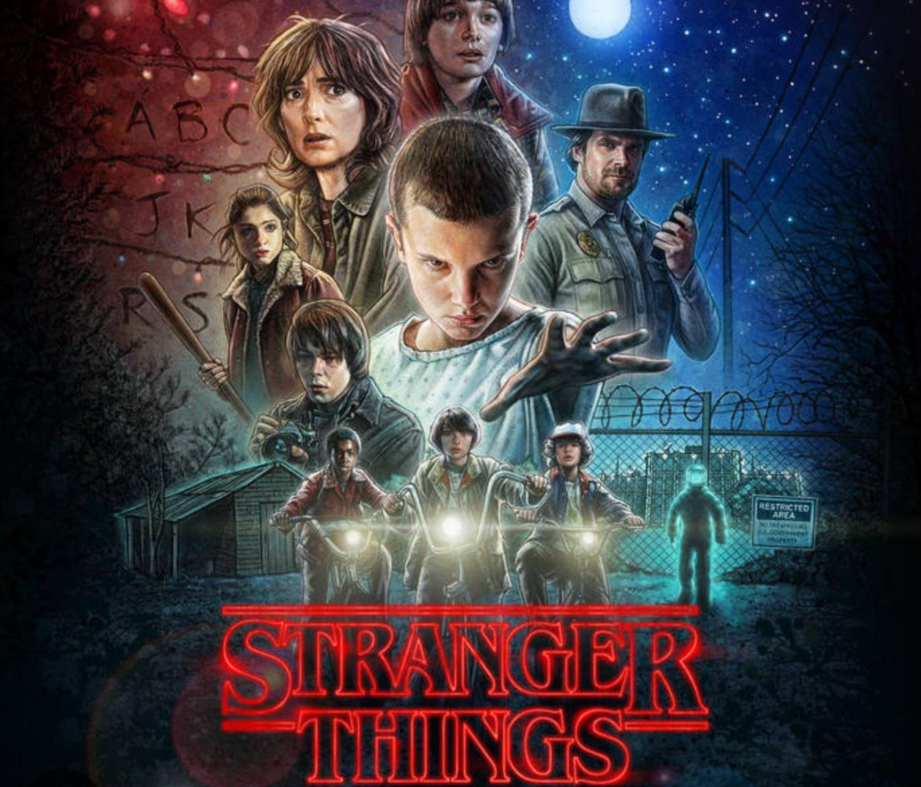
Music in the show felt deeply tied to emotion and memory. Gen Z began listening to full albums instead of skipping tracks. Sitting with an album became a ritual rather than background noise. Stranger Things treated songs as anchors connected to moments and feelings. This changed how Gen Z related to music. Albums became experiences with flow and intention, encouraging deeper connection with artists and the emotions behind their work.
6. Using Walkie Talkies for Real Conversations

Walkie talkies in the show symbolized trust and coordination. Gen Z embraced them as playful alternatives to constant phone use. Communication became more deliberate and focused. Conversations were shorter but felt more present. Stranger Things turned simple tools into moments of adventure. Using walkie talkies created novelty while encouraging attention and patience, reminding Gen Z that connection does not always need speed or constant availability.
7. Staying Outside Until the Day Naturally Ended
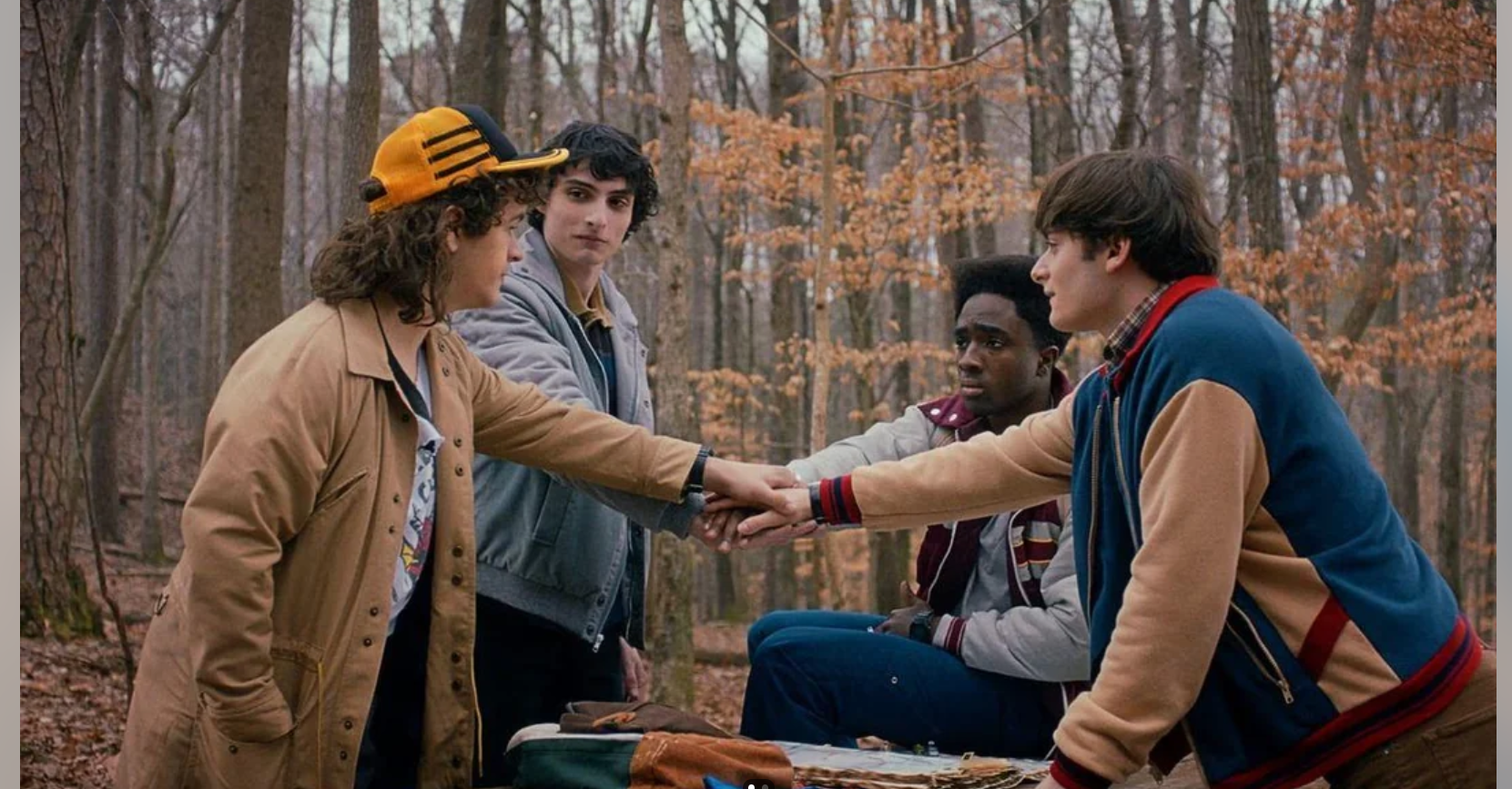
Staying outside until the day naturally ended was once an unspoken rhythm of childhood. Kids played, talked, and wandered without watching the clock, letting fading light decide when it was time to head home. Evenings stretched slowly, filled with conversation and shared silence. Many remember how hunger or darkness signaled closure. This experience taught patience and awareness of surroundings, creating a natural sense of timing that Gen Z now seeks again when stepping away from structured routines.
8. Sharing Snacks Instead of Ordering Separately
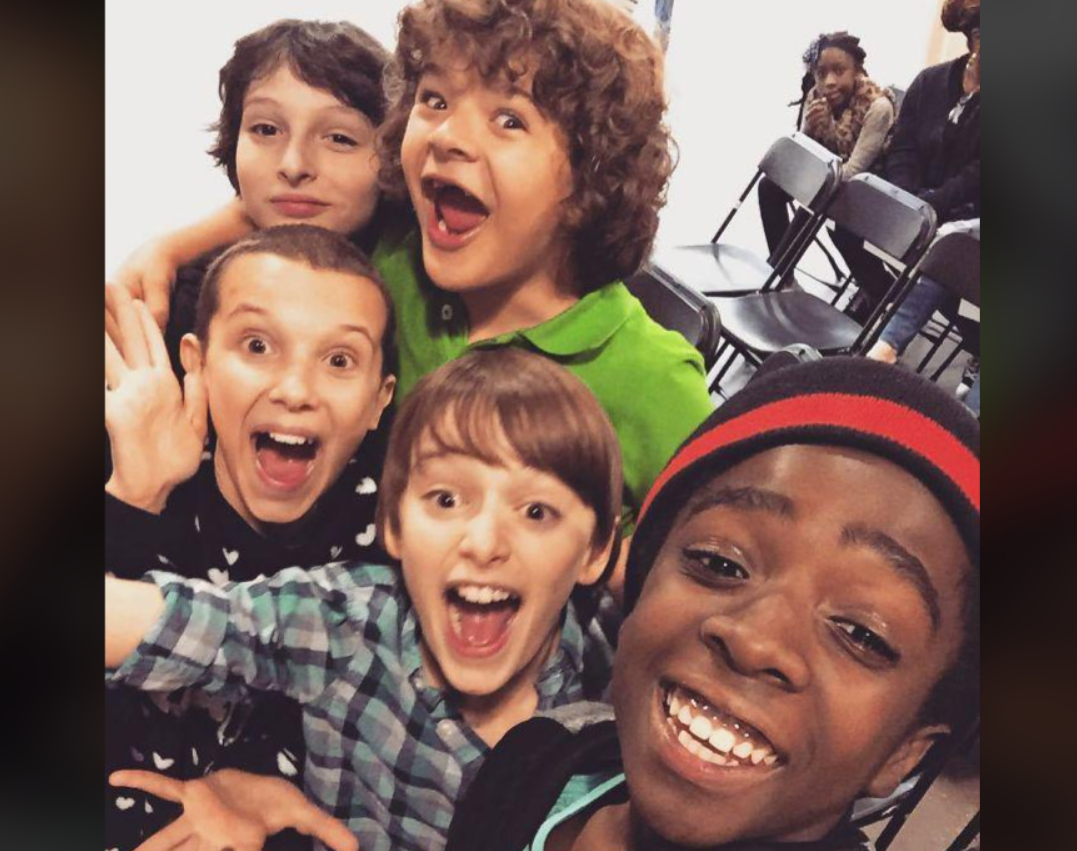
Sharing snacks instead of ordering separately creates an easy sense of closeness. Passing chips, candy, or drinks around removes formality and turns eating into a shared moment rather than a personal transaction. There is less focus on choice and more on togetherness. People talk more and linger longer when food is communal. Many say these small moments feel surprisingly meaningful, reminding them that connection often grows from simple, unplanned gestures.
9. Writing Notes to Friends

Seeing handwritten notes passed between friends in the show made written words feel personal again. Gen Z began leaving notes in backpacks, lockers, and notebooks as small but meaningful gestures. Writing by hand slowed communication and made intention visible. Tone, humor, and emotion came through in ways quick messages often miss. Stranger Things reminded viewers that words on paper carry weight because they take effort. These notes were not about efficiency. They were about care, memory, and the quiet reassurance that someone took time to write just for you.
10. Having Sleepovers Just to Talk
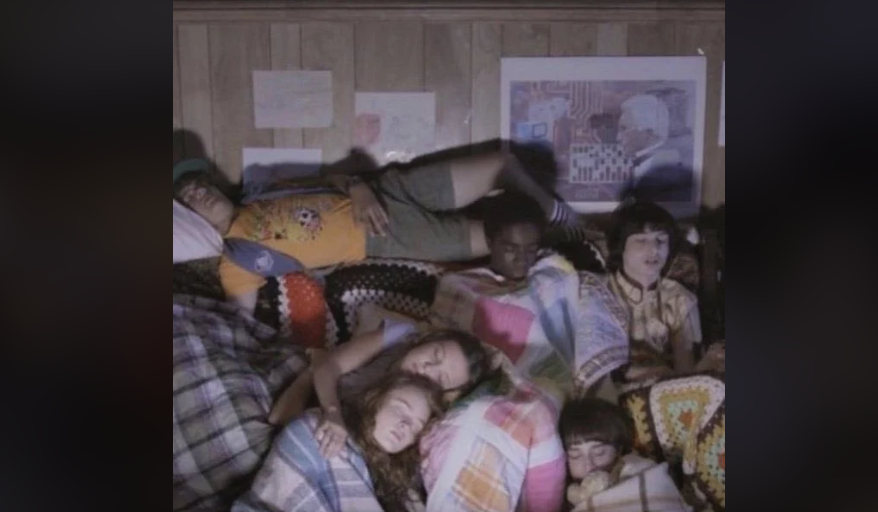
Sleepovers in the show were not about activities or entertainment. They were about staying up late and talking until sleep finally arrived. Gen Z embraced this idea as a way to connect without distractions. Conversations drifted from serious to silly, creating trust and emotional safety. There was no pressure to perform or document the moment. Stranger Things showed how closeness forms in quiet hours when people listen more than they speak. These talk heavy nights reminded Gen Z that friendship deepens through shared vulnerability, long pauses, and the simple comfort of being together.
11. Collecting Physical Media

Seeing shelves filled with tapes, records, and movie cases in the show made physical media feel meaningful again. Gen Z began collecting albums, VHS tapes, and DVDs as objects rather than files. Holding something tangible created a sense of ownership and memory that streaming could not replace. Choosing what to play felt deliberate instead of endless. Stranger Things showed how media once lived in rooms and routines, not just devices. Collecting became a way to slow consumption, revisit favorites with intention, and feel connected to stories through objects that carried weight and presence.
12. Putting Friendship Before Everything Else
At its heart, Stranger Things centered friendship above achievement or status. Gen Z embraced this value deeply. Spending time together without productivity became acceptable again. Looking across all twelve traditions, they share a common theme of presence and shared time. That is why these habits stuck. They offered Gen Z a slower and more human way to relate, showing that meaningful connection does not require constant performance or digital validation.