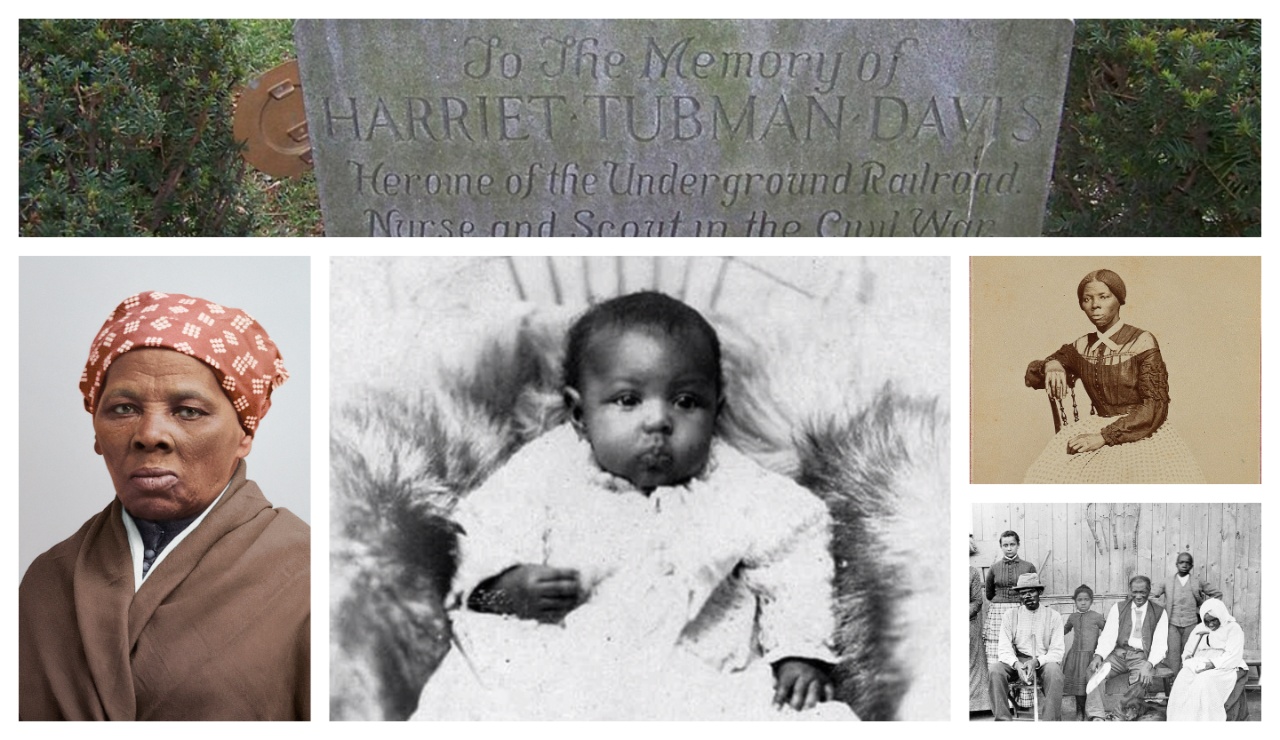
Harriet Tubman is remembered as one of the bravest women in American history, leading enslaved people to freedom and later serving as a scout, nurse, and activist. Yet the roots of her unshakable courage began in her early years. Tubman’s childhood was filled with hardship, faith, resilience, and lessons that prepared her for the risks she would later face. By looking closely at her formative years, we can see how her courage was forged long before she became a legendary figure.
Enslavement from Birth and Early Separation
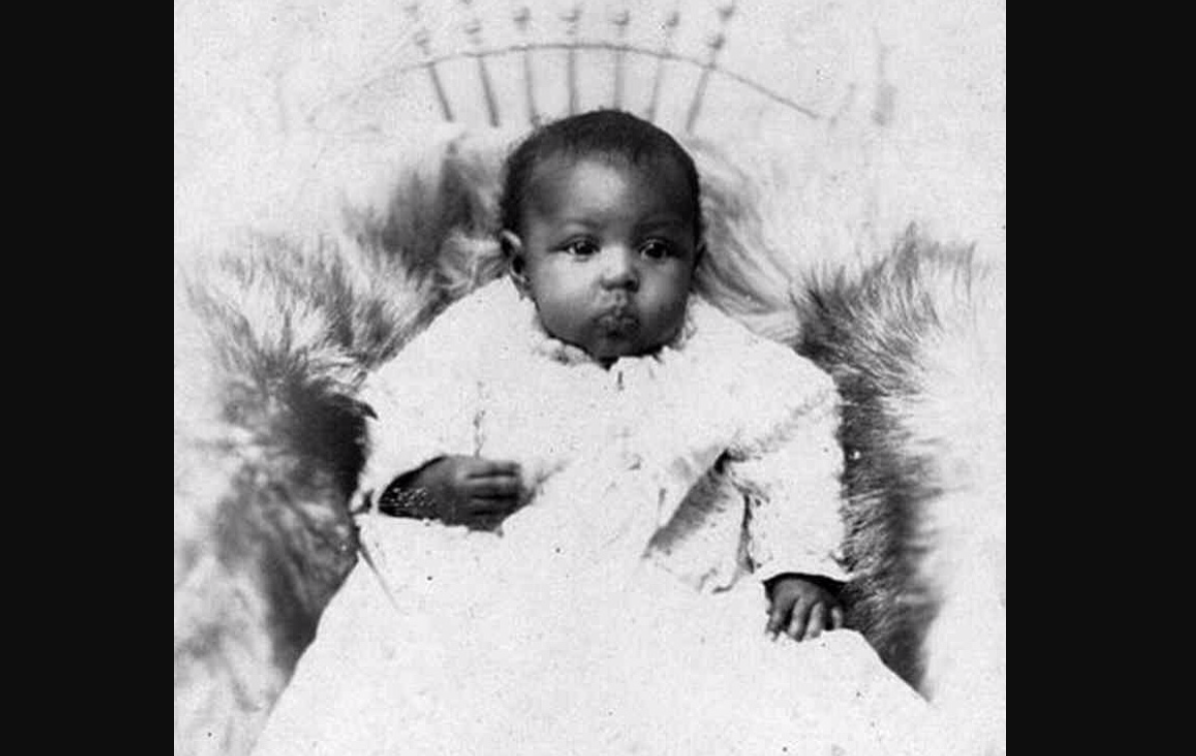
Born into slavery in Maryland around 1822, Harriet Tubman was subjected to the brutal reality of being treated as property from the very beginning. She experienced the heartbreak of family separations as siblings and relatives were sold away, often without warning. The fear of losing loved ones created an early understanding of injustice and grief. These separations also fueled a deep determination to one day resist the system that caused such pain. Even as a child, she began to dream of freedom.
Hard Physical Labor and Endurance
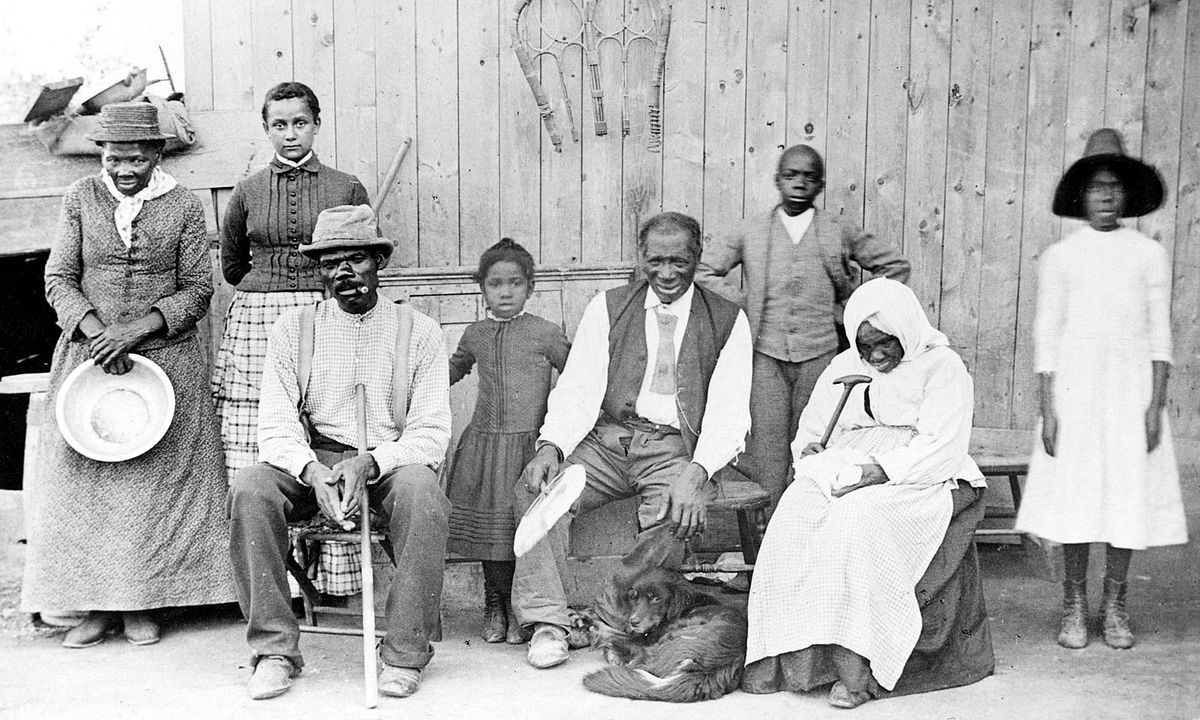
From a young age, Tubman was hired out for work as both a house servant and a field hand. By her early teens, she was performing grueling physical tasks such as plowing and hauling heavy loads. This harsh labor built not only her physical strength but also her mental resilience. While many children in similar conditions suffered terribly, Harriet endured with a toughness that would serve her in years to come. Her ability to withstand pain and exhaustion made her uniquely equipped to lead escape missions later in life.
Witnessing Cruelty and Learning Empathy
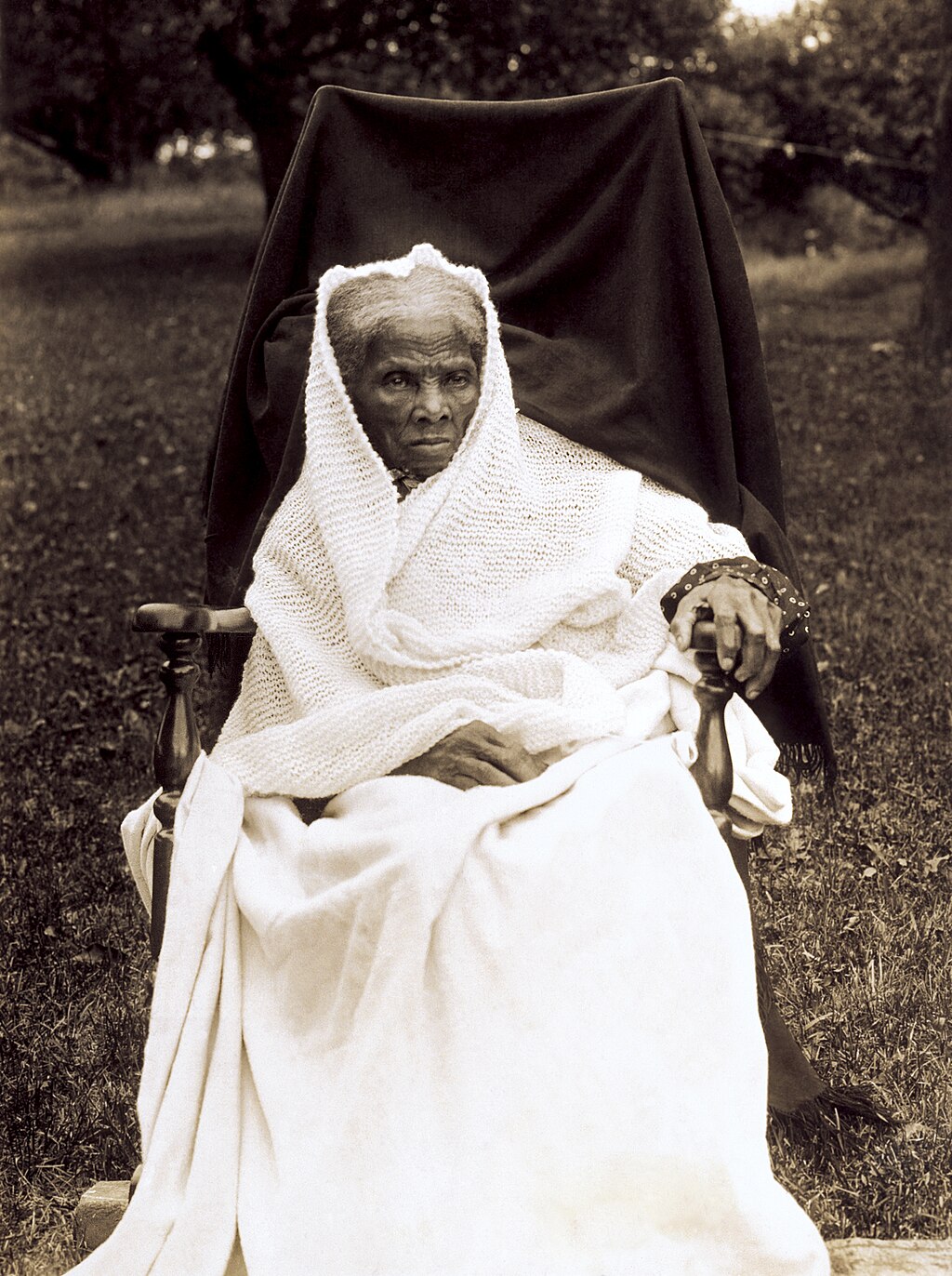
Tubman grew up surrounded by violence and cruelty. She witnessed the beatings of others and endured punishments herself. As a teenager, she famously suffered a severe head injury while intervening to protect another enslaved person. The experience left her with lifelong seizures and vivid dreams, but it also deepened her empathy. Harriet’s compassion for others became one of the defining traits of her leadership. She was willing to risk everything not only for her own freedom but for the freedom of those still in bondage.
Spiritual Faith and Inner Visions
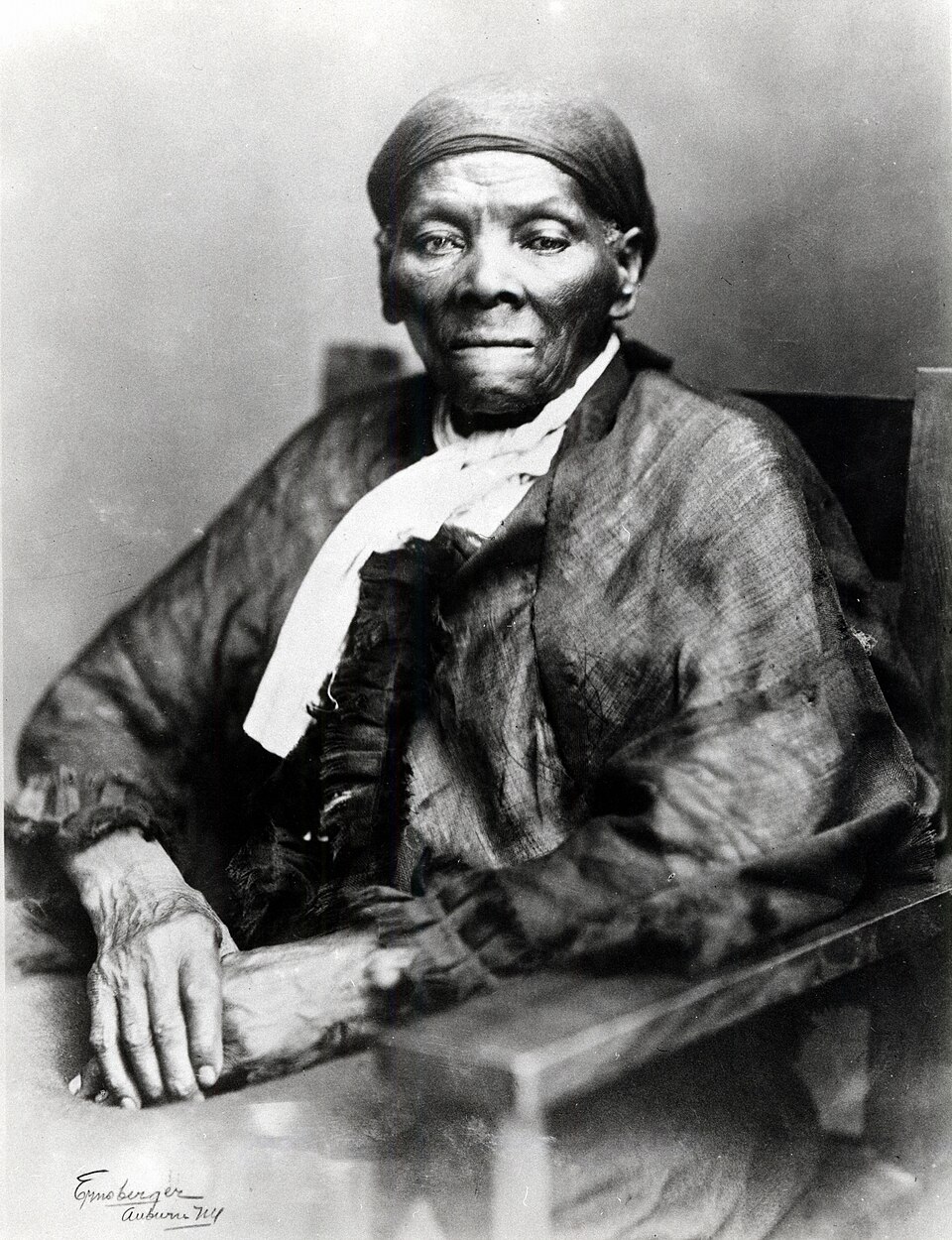
Religion and spirituality were central to Harriet’s childhood. She was taught to rely on prayer, song, and faith as a source of comfort in a world filled with suffering. After her head injury, she began experiencing visions and dreams she believed were divine guidance. These spiritual experiences gave her a profound sense of mission and courage. Convinced she was chosen to fulfill a greater purpose, Harriet carried herself with conviction that God was guiding her path toward freedom and justice.
Knowledge of the Land and Outdoors
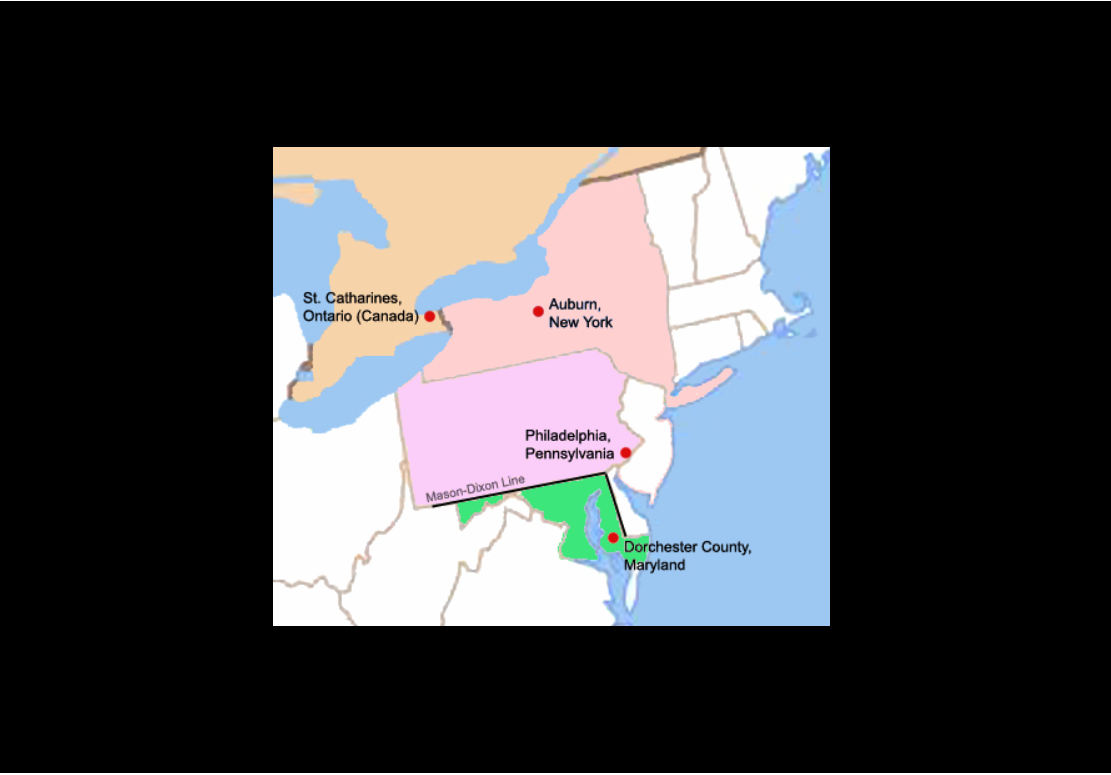
Growing up in rural Maryland, Harriet became deeply familiar with the natural world around her. She learned to navigate forests, rivers, and fields, paying attention to stars, animal calls, and natural landmarks. These skills proved essential when she later led enslaved people through dangerous terrain at night. Her childhood gave her practical survival skills that went beyond ordinary endurance. She could read nature as a map, making her an extraordinary guide.
Early Thoughts of Escape
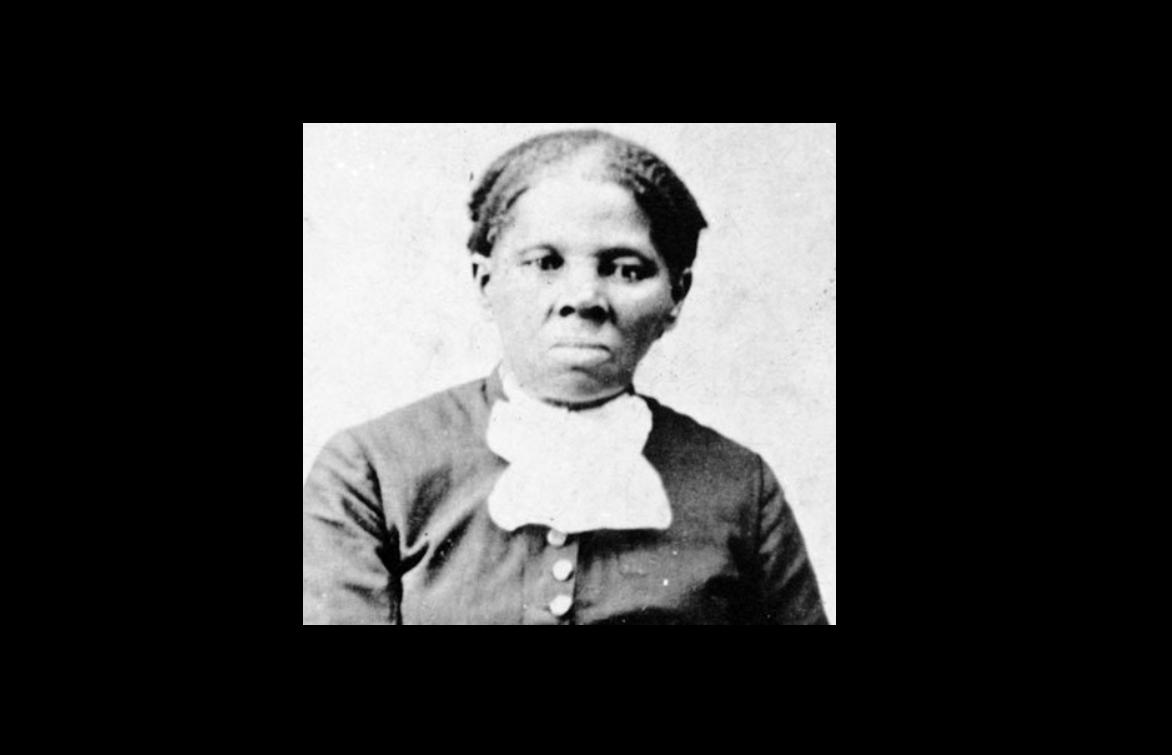
Even as a young girl, Harriet considered the possibility of escape. The constant threat of being sold further south created an urgency that shaped her mindset. She listened to stories of others who had fled and thought carefully about how she might do the same. This early focus on freedom planted the seeds of courage that would later blossom into action. By the time she made her own escape, she had already imagined the journey countless times in her mind.
Role Models of Resistance
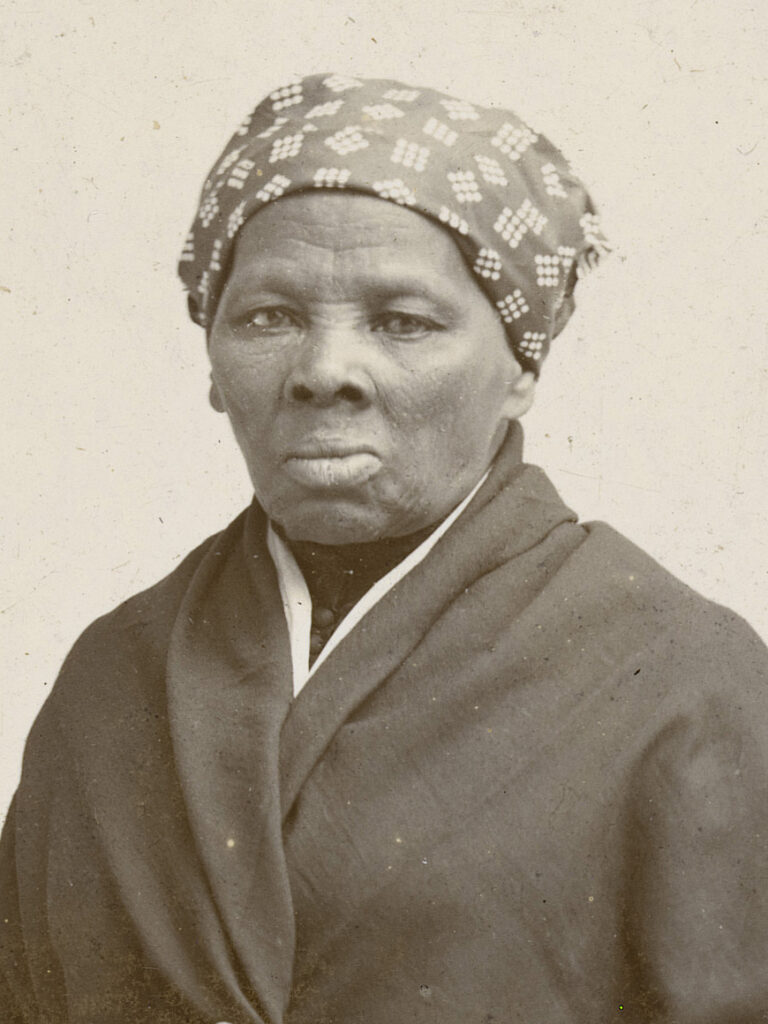
Harriet’s mother, Rit Green Ross, was a woman of fierce determination who once resisted the sale of her youngest son by confronting the enslaver directly. Such moments left a lasting impression on Harriet. Her parents and other elders taught her that resistance was possible, even within the confines of slavery. These lessons gave Harriet a model of bravery to follow. The example of her mother’s strength and determination shaped her own willingness to defy authority.
Lack of Education but Sharp Observation
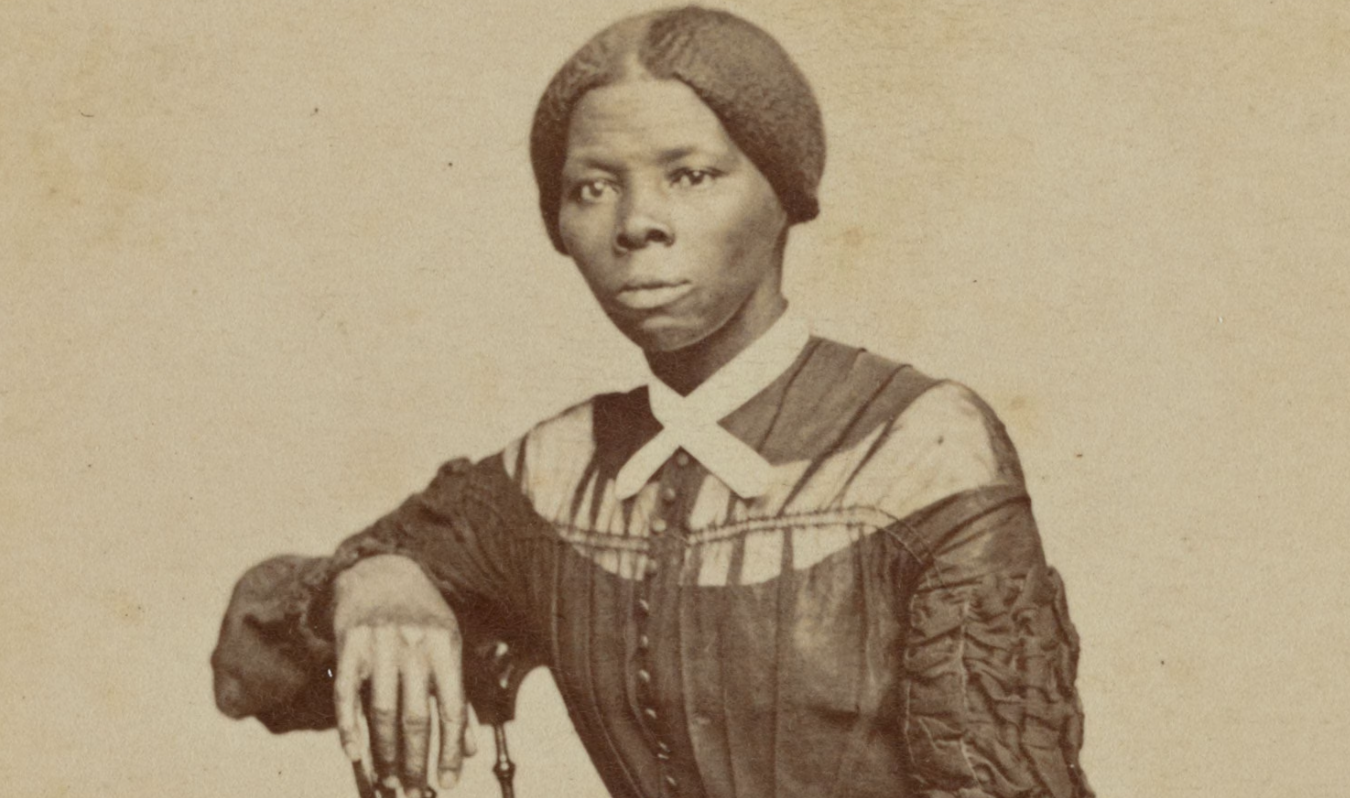
Tubman never had the opportunity to learn to read or write, but she developed sharp observational skills. She absorbed oral history, memorized songs with hidden meanings, and learned from conversations around her. Her lack of formal schooling did not hinder her ability to plan or strategize. Instead, it sharpened her reliance on memory and creativity. These qualities would later enable her to outsmart those who hunted her and the people she led.
Sense of Justice and Equality
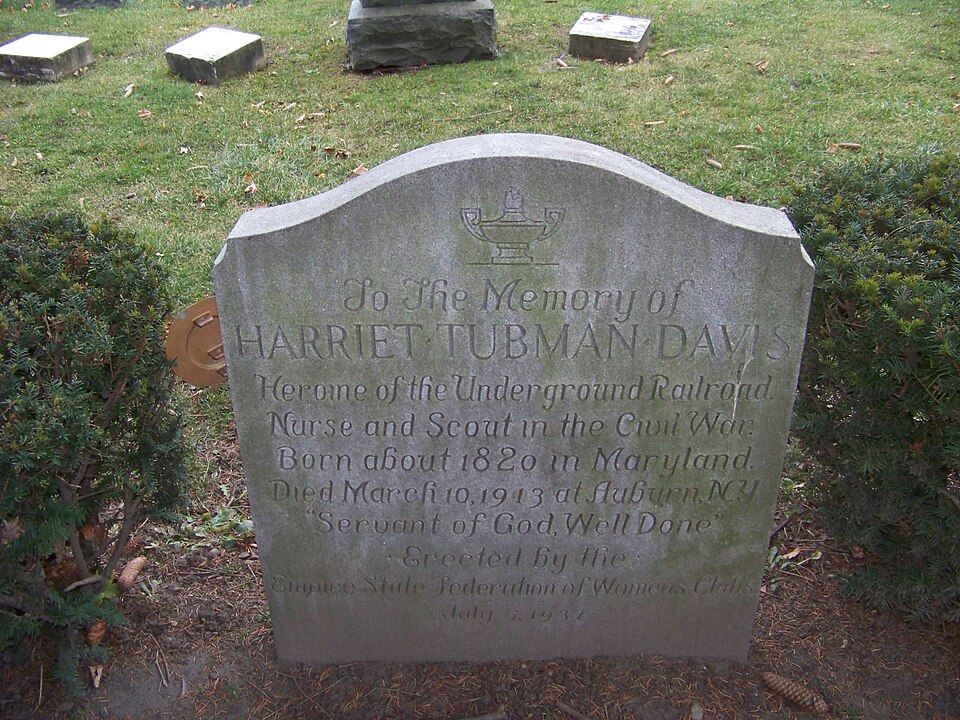
From an early age, Harriet recognized the deep injustice of slavery. She questioned why some people were treated as property while others lived in freedom. These thoughts shaped her moral outlook and convinced her that slavery was not only cruel but fundamentally wrong. Her belief in equality became unshakable, and it was this conviction that fueled her courage to resist. Her childhood sense of injustice became the foundation of her lifelong activism.
Leadership Born in Crisis
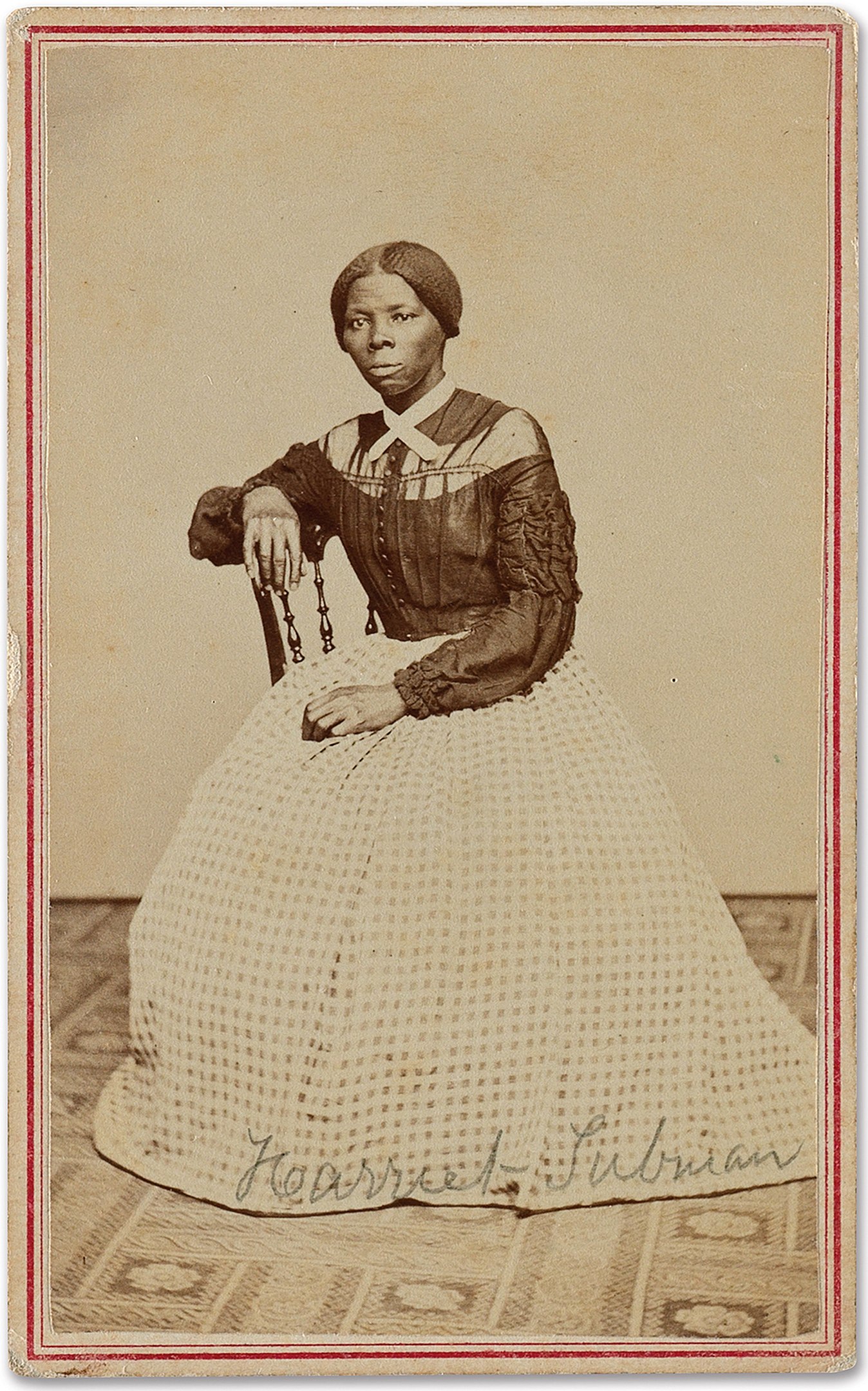
Even as a young girl, Harriet often found herself protecting siblings or making quick decisions in dangerous situations. Her natural leadership emerged in moments of crisis, when she instinctively acted to shield others. Her bravery in protecting the young man who was being beaten, despite her own injury, showed that she was willing to put herself at risk. These moments revealed the seeds of leadership that would define her adult life.
Persistence in the Face of Setbacks
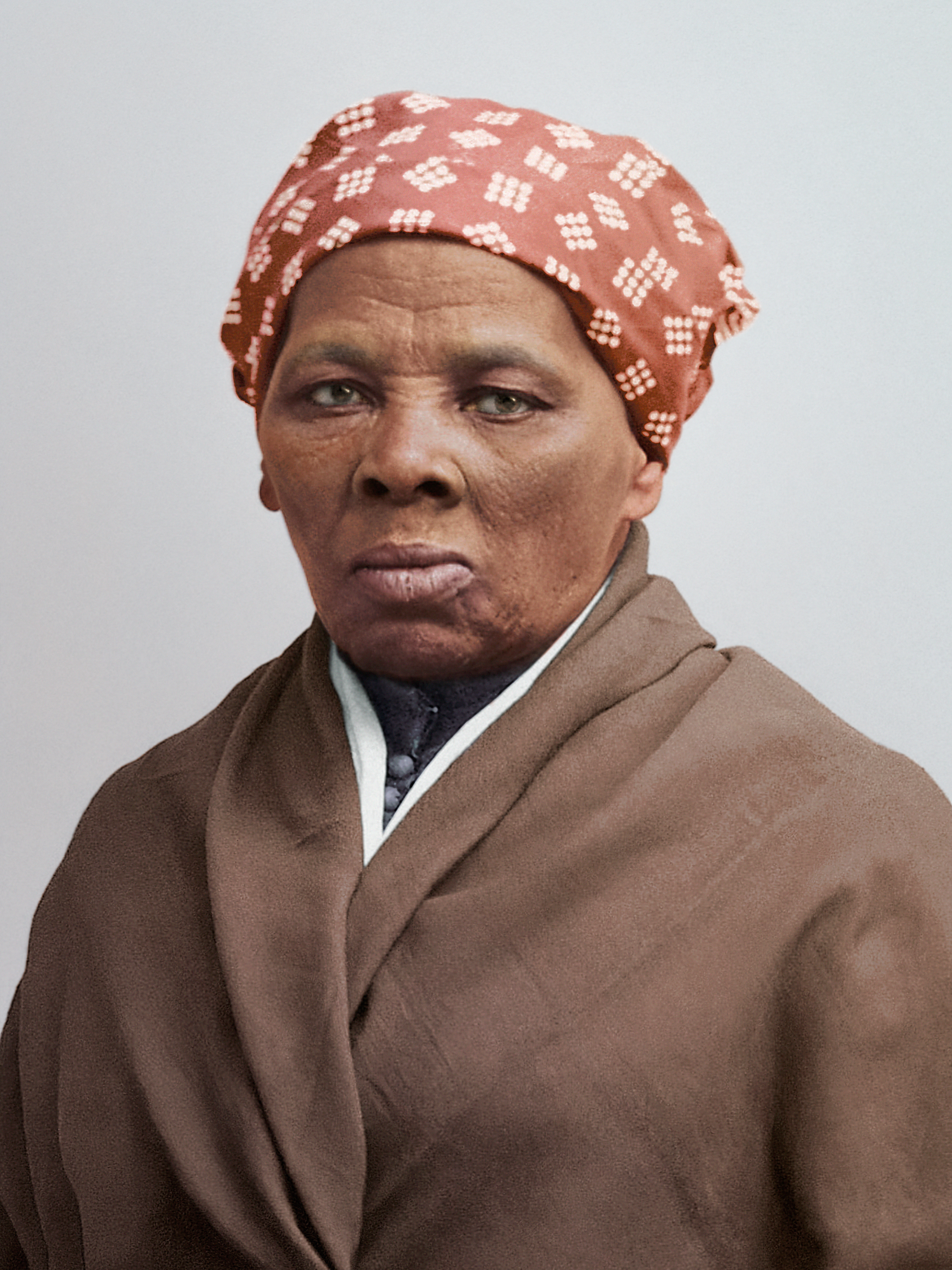
Tubman’s childhood was filled with setbacks, injuries, and heartbreaks. Yet she never gave in to despair. Her ability to continue pushing forward, even after suffering great losses, built the persistence that later allowed her to return repeatedly to rescue others. Her courage was not the absence of fear but the ability to act despite it. That lesson, forged in childhood, would define her legacy.