For many families, honoring America’s history and heritage isn’t only something done at public events and schools, it happens daily at home. Through rituals, stories, and decor, families keep alive the ideals, sacrifices, and culture that formed the nation. Here are 11 ways families can, and do, honor America’s past in their homes.
Displaying Flags and Patriotic Symbols Year-Round
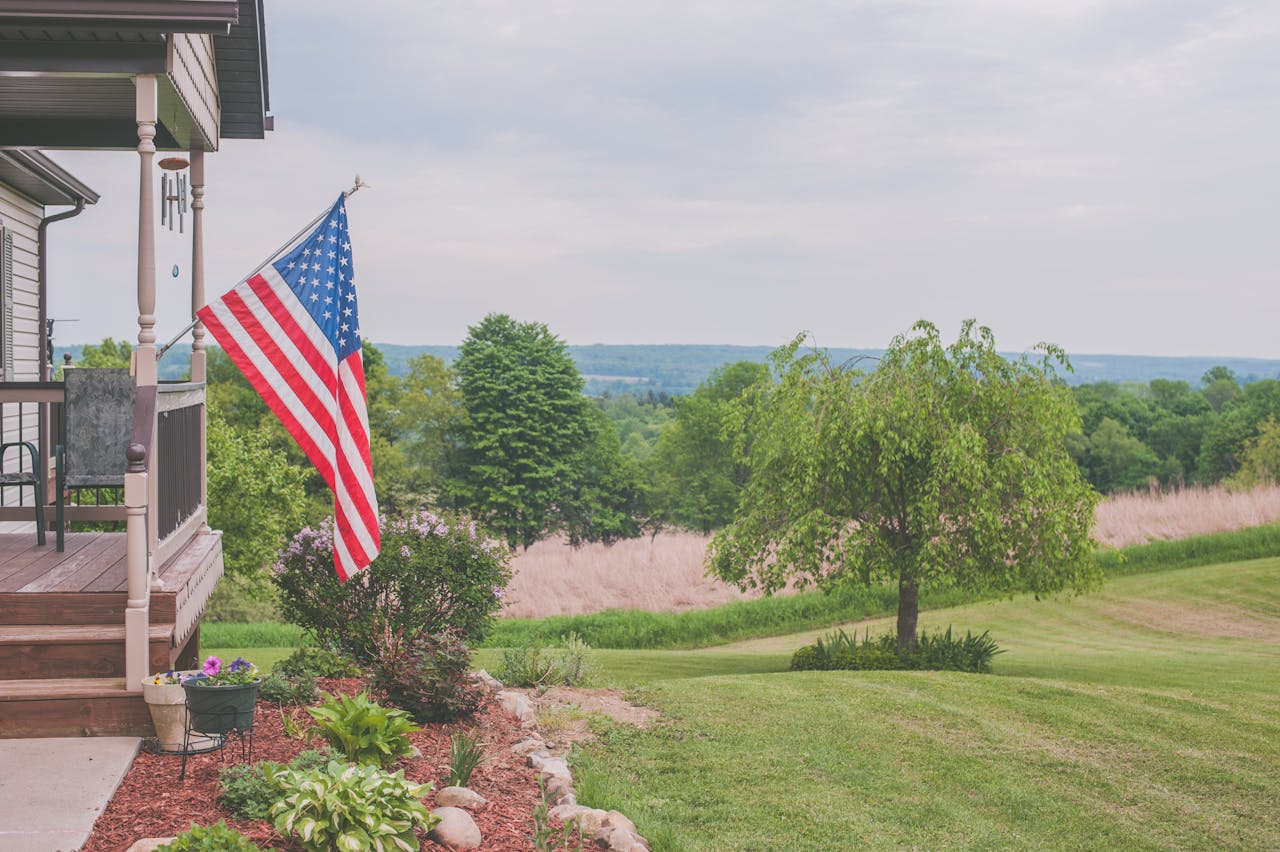
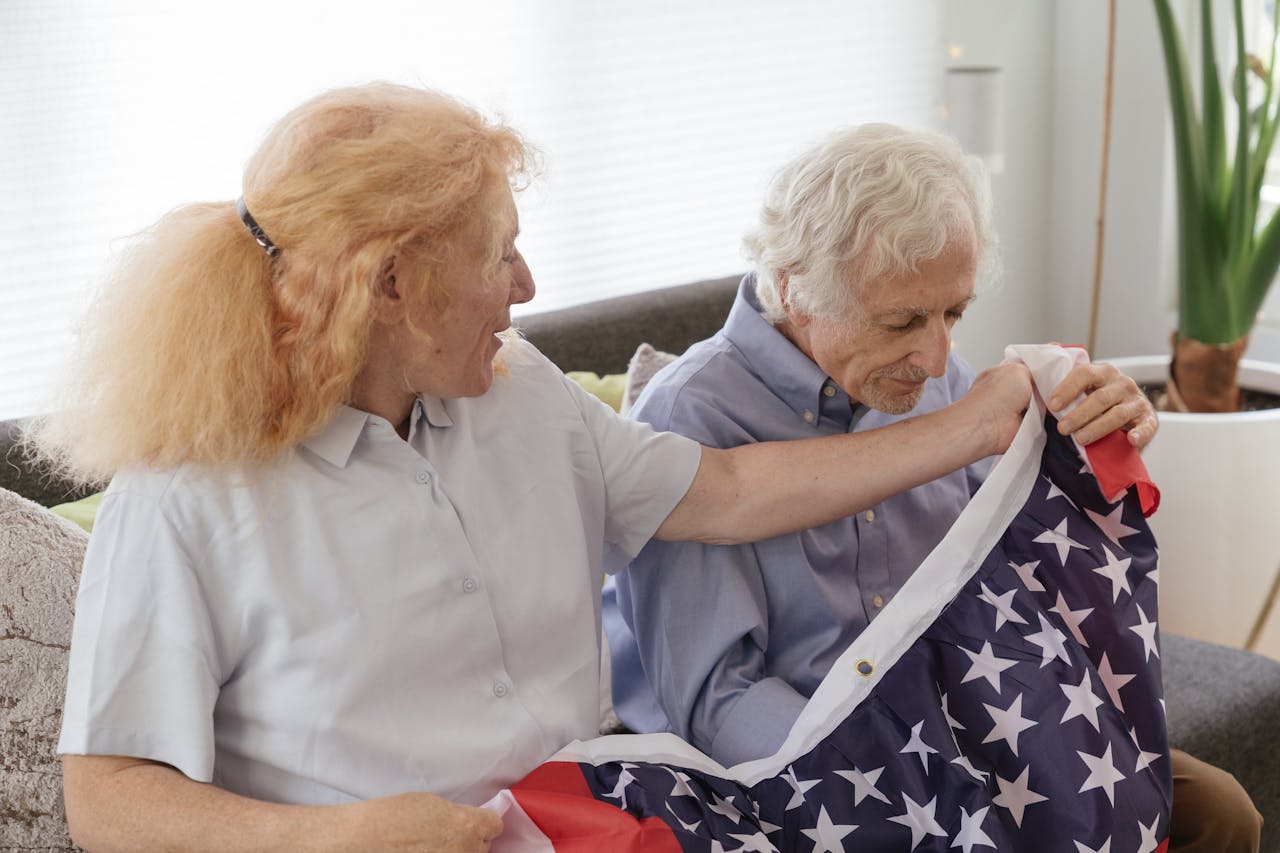
Many households keep a U.S. flag, state flag, or other patriotic symbols (eagle statuettes, historic coins, military badges) displayed at home. Some families retire or replace faded flags properly, teaching children flag etiquette, how the flag should be folded, cared for, and stored. This visible symbol can serve as a daily reminder of the nation’s ideals and history. Other decorations include bunting, patriotic art, or historic photography that features important events like the founding, wars, or civil rights moments.
Observing National Holidays with Meaningful Traditions
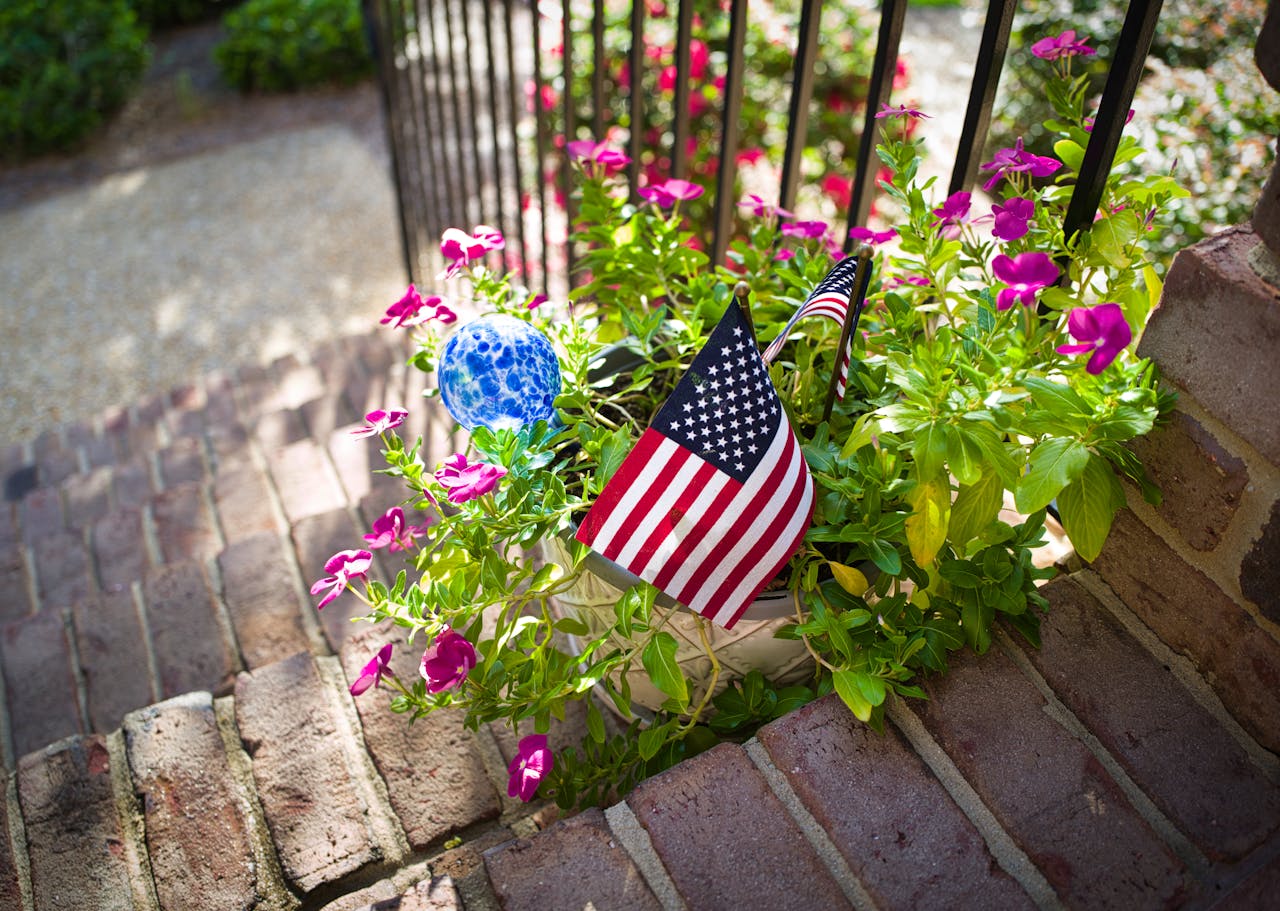
Beyond barbecues and fireworks, families often mark holidays such as Independence Day, Memorial Day, Veterans Day, and Constitution Day with rituals: reading the Declaration of Independence, holding a moment of silence, visiting memorials or war graves, or inviting veterans to dinner. Some families fly flags or recite patriotic poems. Others use holiday meals to discuss stories from America’s founding, or invite older relatives to share personal or family histories connected to past events. These observances connect past sacrifices with present freedoms.
Preserving Family Heirlooms and Artifacts
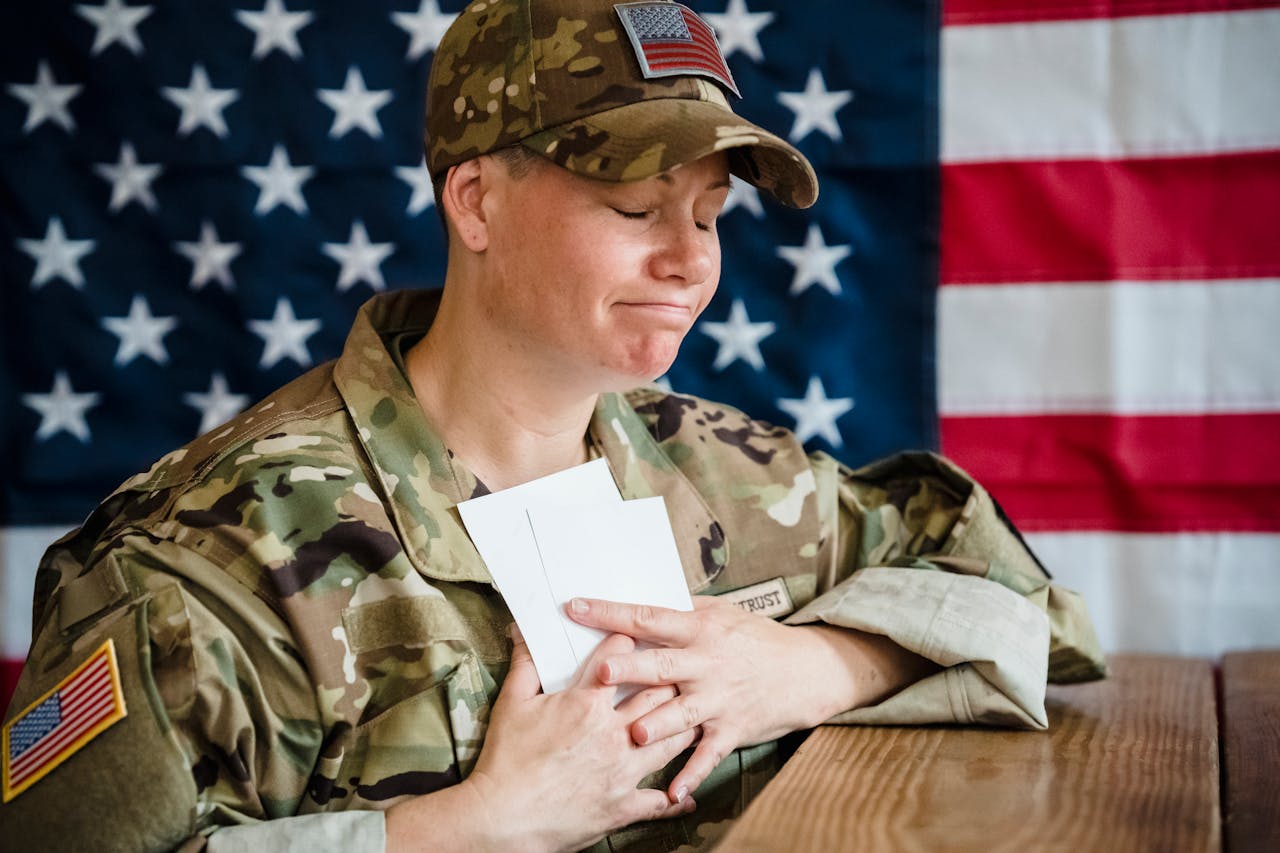
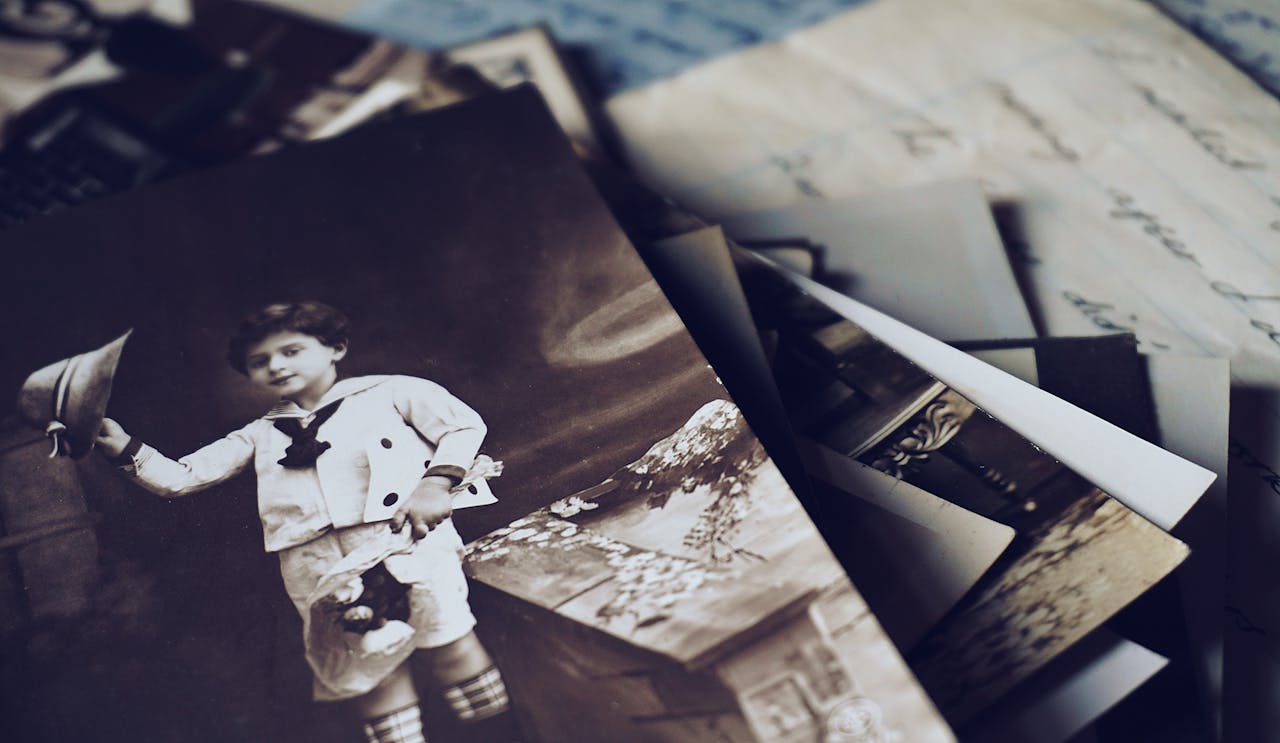
Objects passed down through generations, uniforms, medals, photographs, letters, documents, carry personal connections to America’s past. Displaying these items in a case, framing them, or maintaining a family “history box” allows younger generations to see and touch their heritage. Repairs or conservation sometimes needed to protect aging paper, fabric, and fragile materials. By preserving these items, families keep stories alive, not only of national history, but of how America’s events touched individual lives.
Sharing and Teaching History Through Storytelling
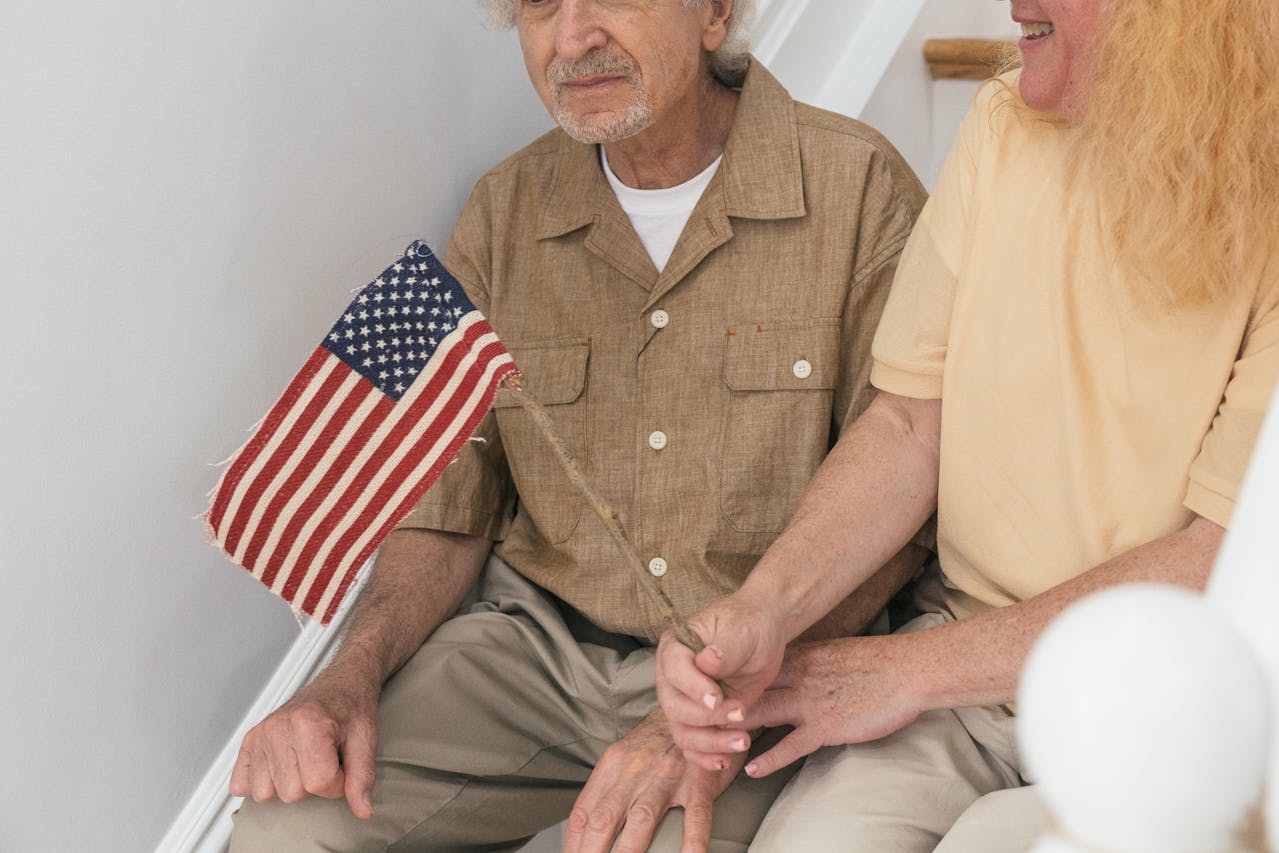
Family dinner conversations or bedtime stories provide opportunities to pass down stories of relatives who served in wars, contributed to civil rights, or helped their community. Talking with children about ancestors who immigrated, fought in wars, lived during significant eras like the Great Depression, or took part in political movements helps ground them in personal history. Using family trees, memory journals, or recording oral histories ensures these stories are preserved. These narratives help build identity and instill values like sacrifice, courage, and justice.
Reading Historical Books, Watching Films, and Visiting Museums

At home, families can read biographies, historical fiction, or primary source documents about America’s past. Watching documentaries or films about founding fathers, civil rights leaders, or conflicts brings history to life. Planning trips to local museums or historic sites and then talking about the experiences afterward reinforces learning. Even virtual tours or family movie nights around a historic topic help deepen understanding and foster appreciation for how past events shape present circumstances.
Cooking Traditional and Regional Meals
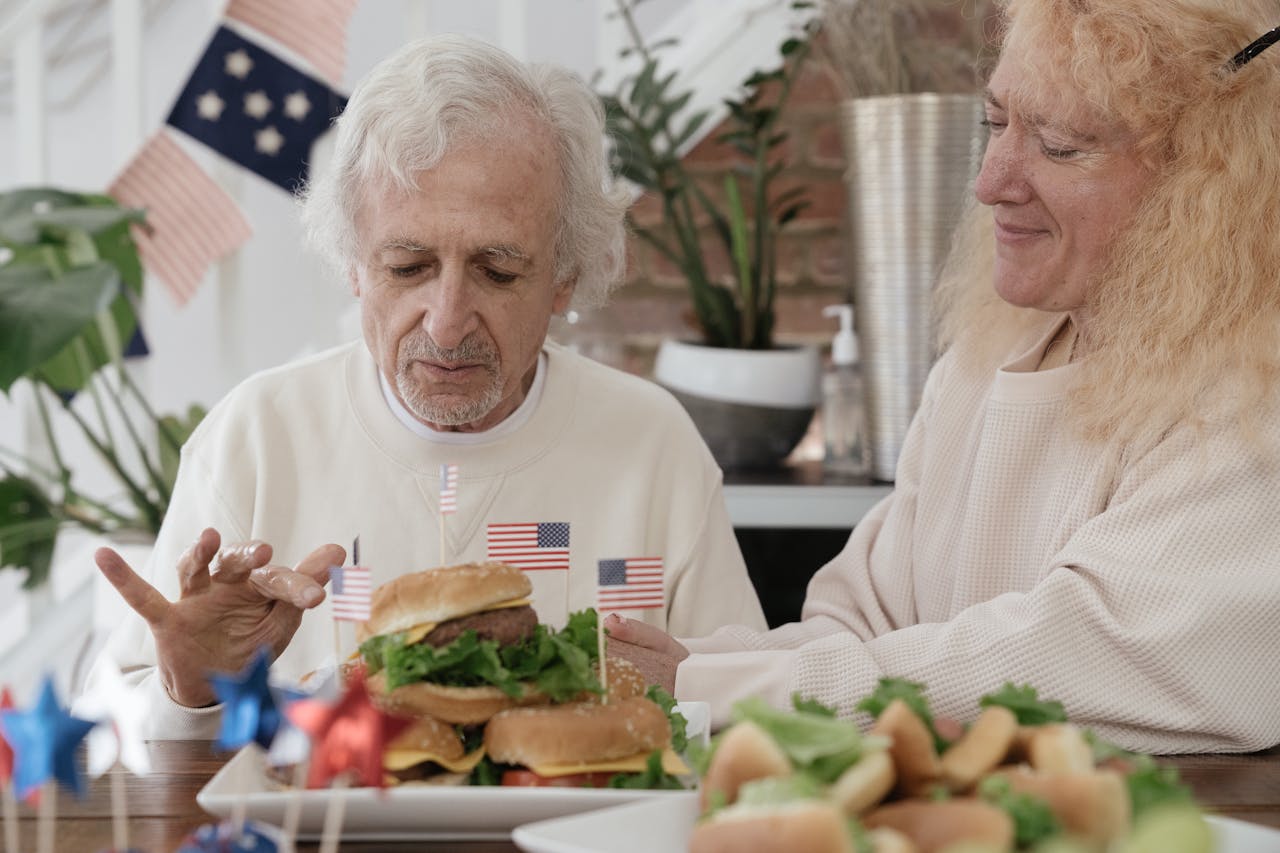
Favorite regional dishes, recipes from grandparents, or foods associated with specific American cultural moments (e.g., corn-bread, collards, apple pie) can become ways families honor their roots. Preparing meals tied to heritage, like Mexican-American, African-American Southern, immigrant family, Native influences, etc., can also connect to wider historical stories, immigration, regional identity, native cultures. Including stories about why a recipe matters or where it came from expands the meal into a teaching moment.
Music, Songs, and Patriotic Poetry at Home
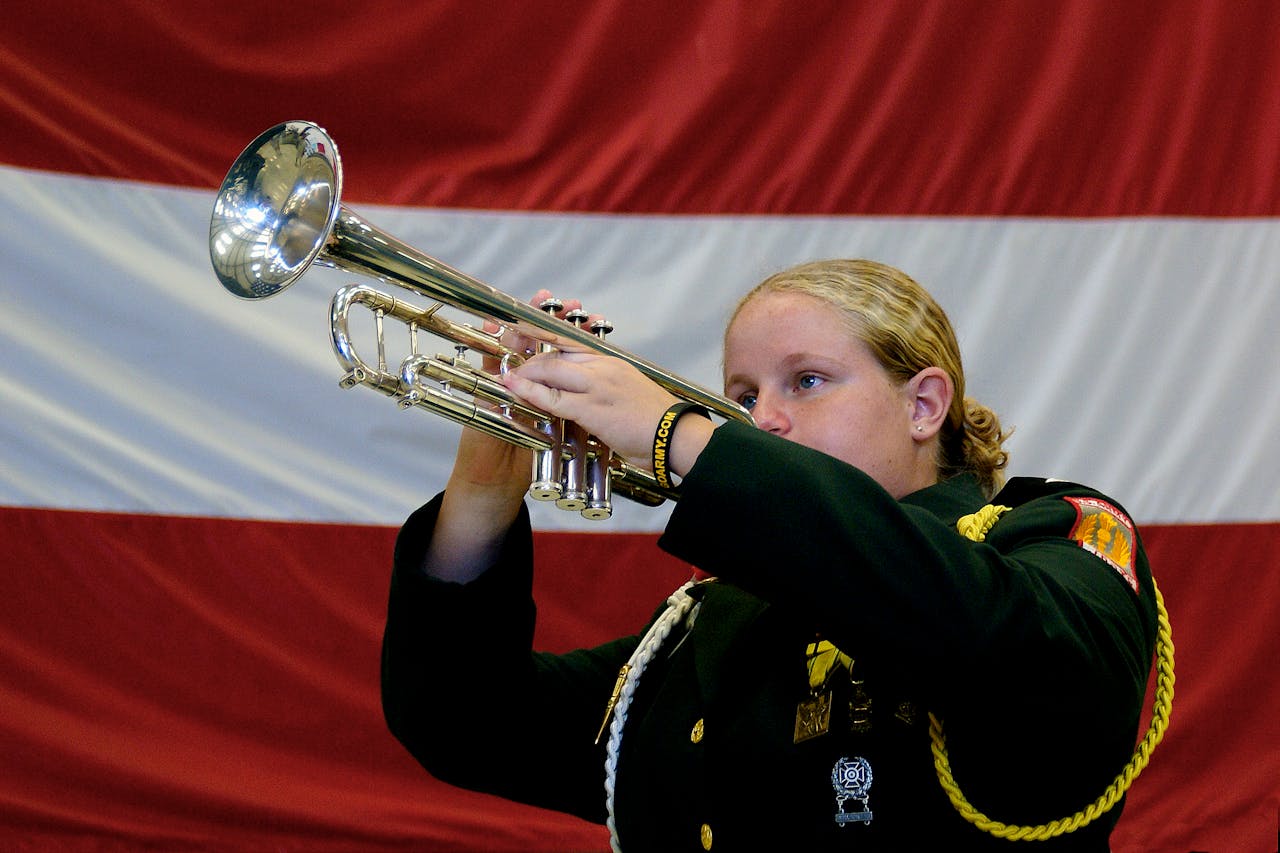
Singing the national anthem or other patriotic songs, reading classic patriotic poetry (e.g. “The Star-Spangled Banner,” “Paul Revere’s Ride,” “I Hear America Singing”), or playing music from eras significant to family history are common. Families may teach children old folk songs, union songs, spirituals, or Civil War era music. Music helps embed emotional connection to history. It’s one thing to read about battles and dates; it’s another to hear the songs their ancestors listened to.
Celebrating Immigrant Heritage and Cultural Contributions
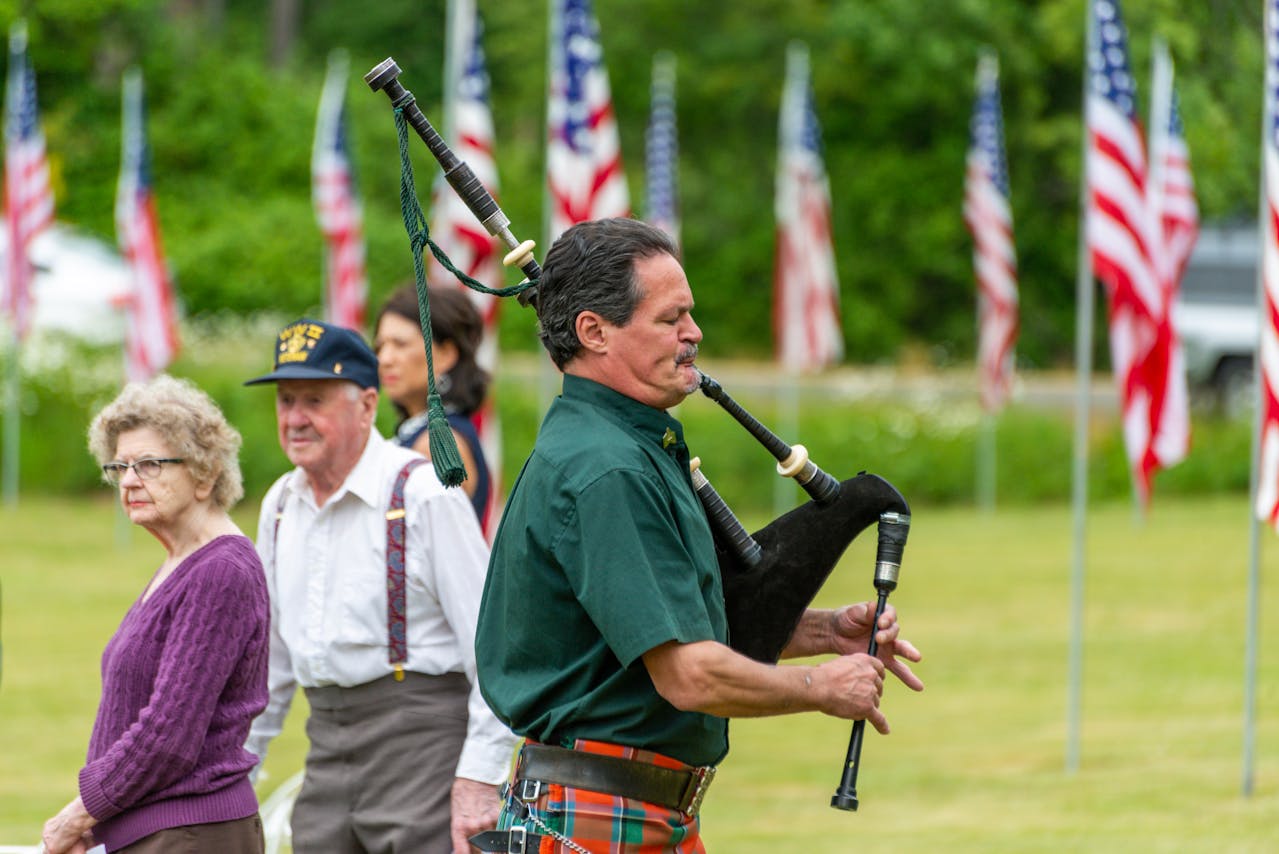
America’s past is built on many immigrant stories. Families honor regions of origin, traditions, languages, and customs brought to the U.S. by earlier generations. They may preserve traditional languages at home, observe immigrant heritage days, cook foods from ancestral homelands, maintain crafts or folk arts. These practices highlight how America’s tapestry includes many threads and teach young people to appreciate diversity and struggle.
Engaging in Community Service and Civic Duty
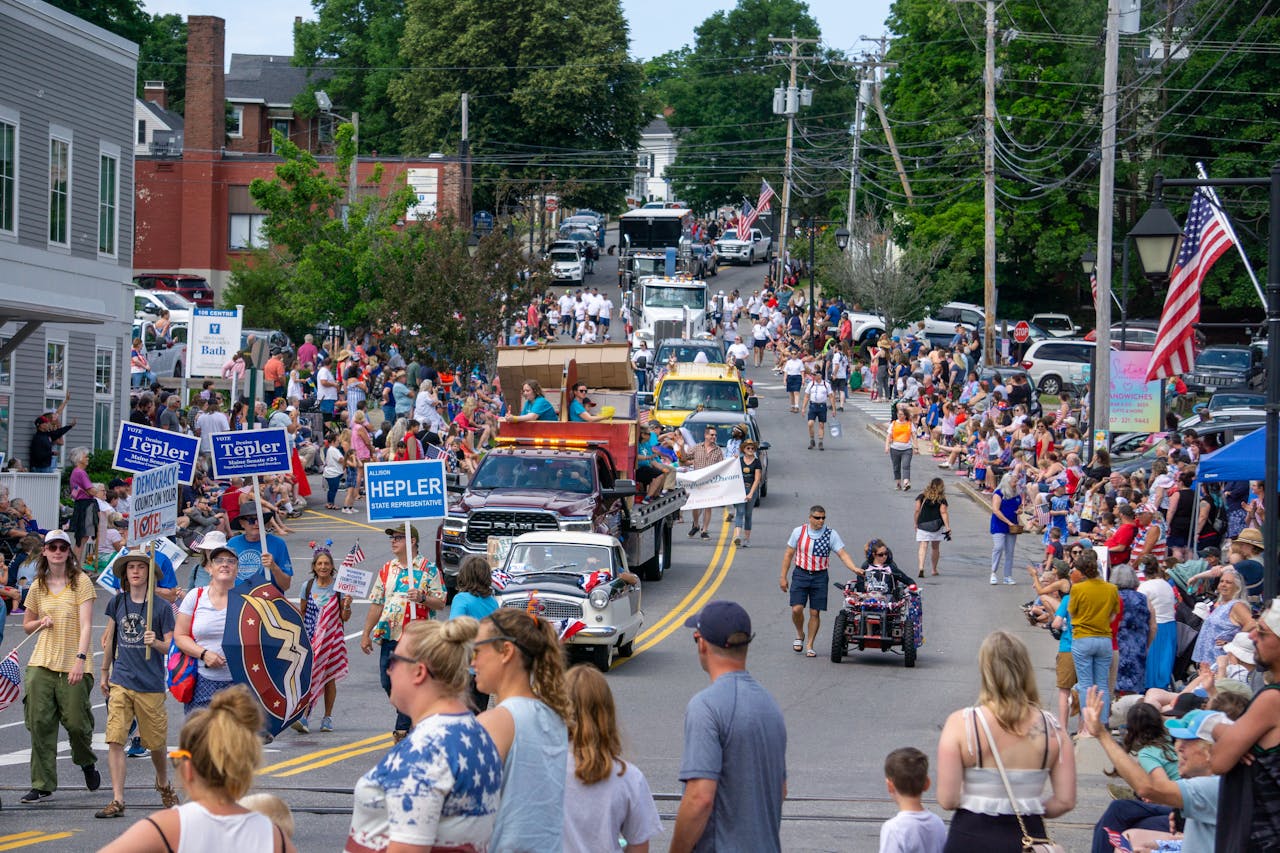
Volunteering, participating in local government, or helping preserve historic landmarks are practical ways families honor America’s past at home. For example, working with local historical societies, cleaning up war memorials, or helping with parades can connect homes with communities. Teaching children that voting, jury duty, civic engagement and upholding democratic norms are duties, not just rights, reinforces the values America was founded on.
Collecting or Displaying Historical Books and Documents

Homes may have shelves or displays of history books, first-edition documents, maps, or old newspapers. Some families build home libraries focused on presidential biographies, civil rights, wars, and early America. Others display framed documents like family members’ draft notices, immigration papers, old passports. These become visual anchors prompting questions and conversations about those lives and events.
Respecting Sacred Spaces of Memory Within the Home

Some families create memory corners or altars dedicated to veterans or ancestors. Photographs of those who served in wars, personal items like uniforms, medals, or certificates might be displayed together. Some light candles or set up special items during Memorial Day or Veterans Day. This not only honors individuals, but helps younger family members understand what sacrifice means in personal terms.