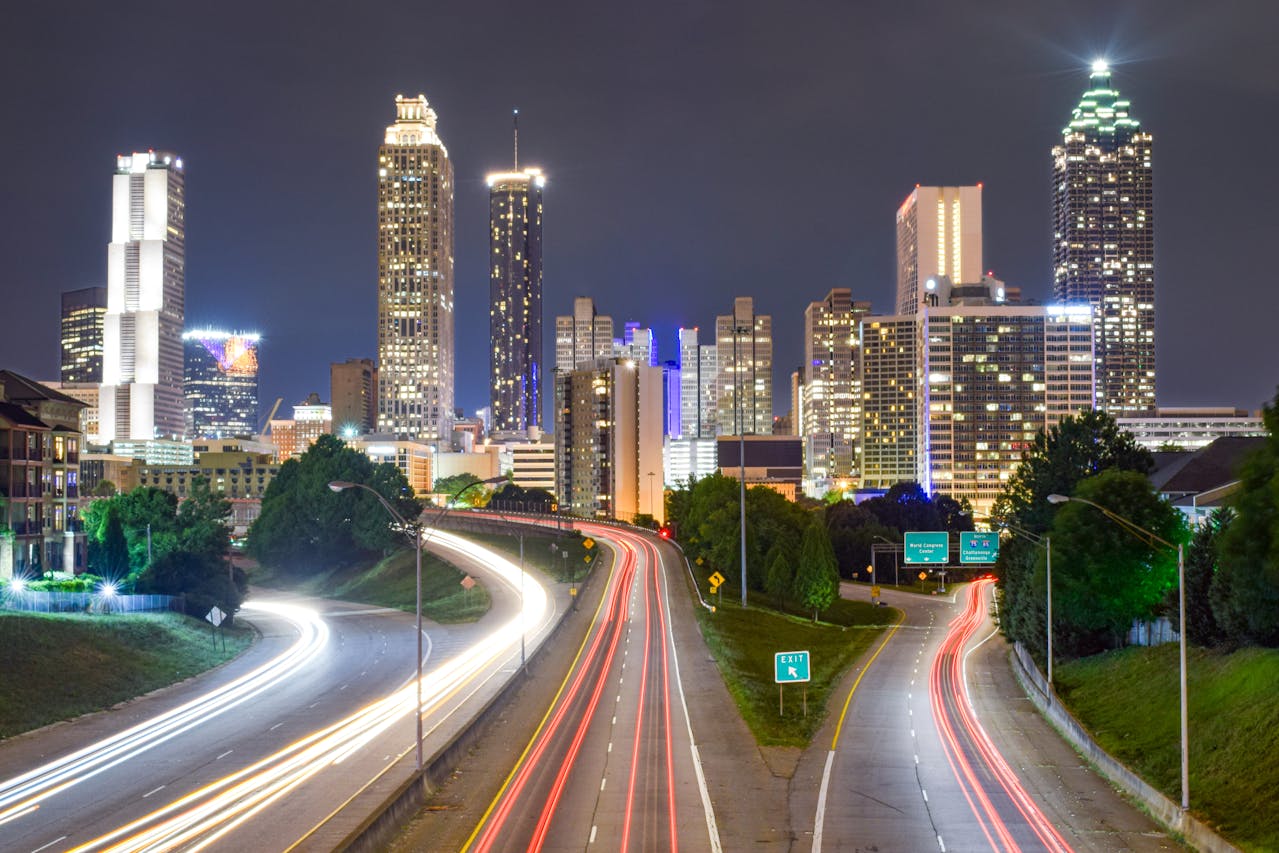
Visitors to the United States often notice more than landmarks and attractions. The nation’s infrastructure leaves strong impressions too, from sprawling highways to innovative city planning. American infrastructure reflects both ambition and practicality, shaping how people travel, live, and experience daily life. Here are eleven ways it stands out to international visitors, often surprising them with its size, efficiency, or unique character.
1. Massive Interstate Highway System
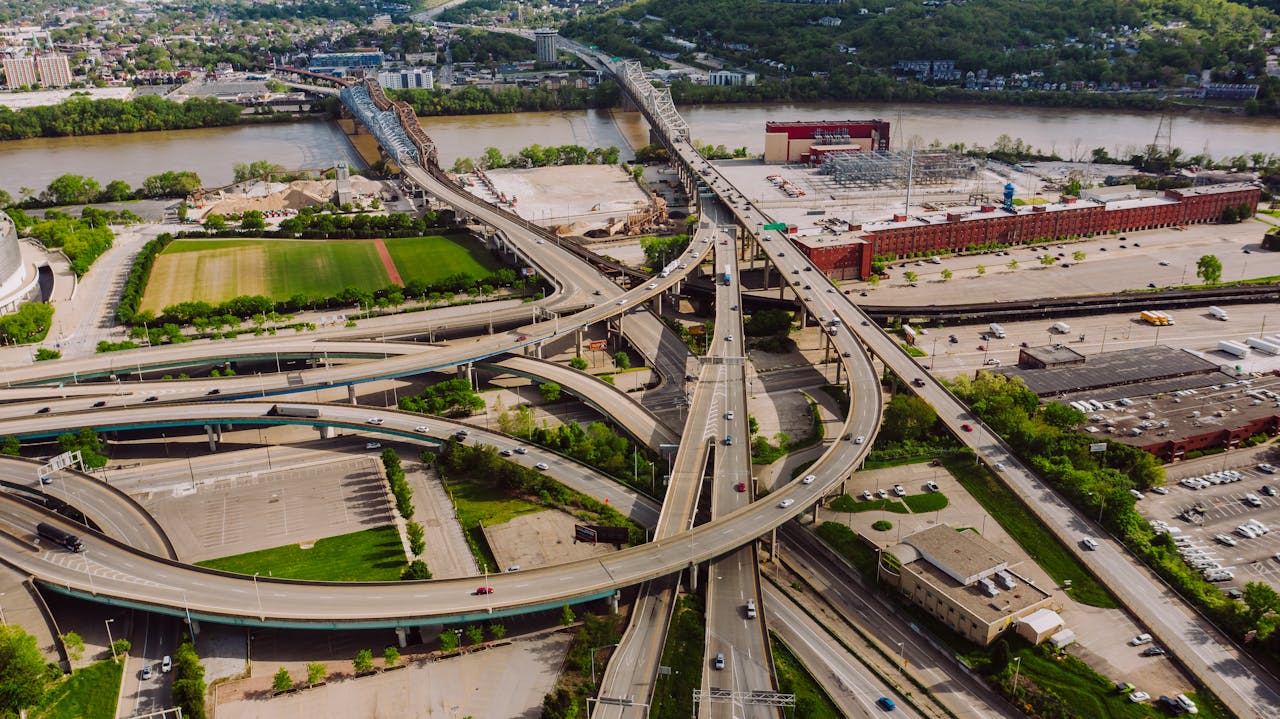
The interstate highway system stretches across the country, making road trips a quintessential American experience. Visitors are often surprised by its sheer scale and how seamlessly it connects major cities and rural areas. Rest stops, wide lanes, and easy access make driving feel efficient and straightforward. The system also symbolizes mobility and freedom, two values closely tied to American culture. Travelers quickly realize that in the U.S., the car is not just transportation but a way of life, supported by one of the world’s most extensive highway networks.
2. Iconic Bridges
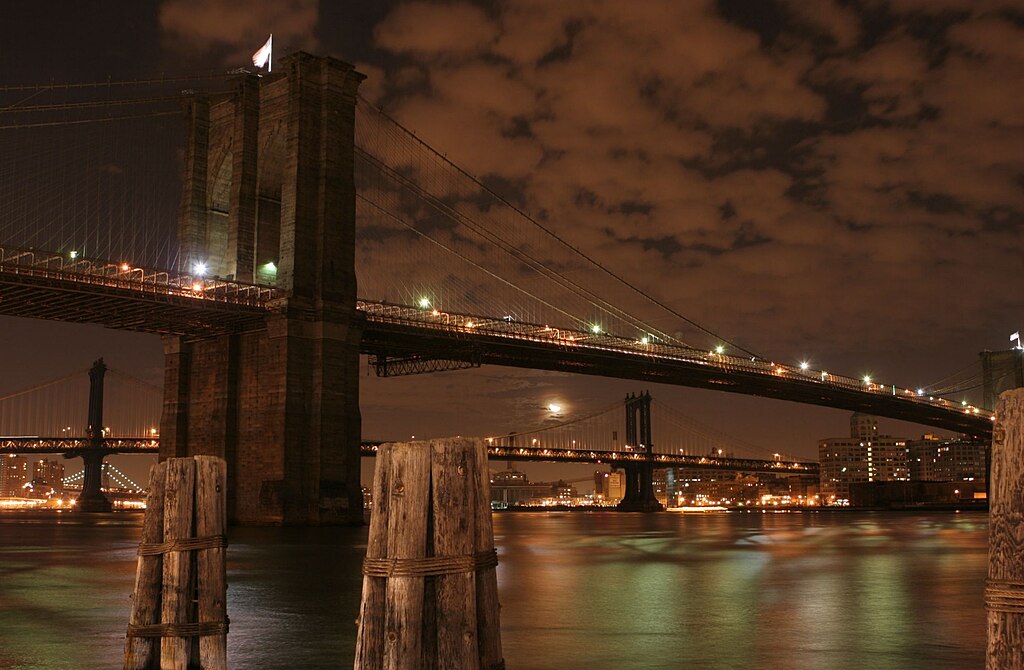
From the Golden Gate in San Francisco to New York’s Brooklyn Bridge, America’s bridges are as much landmarks as they are functional. Their scale and design often impress visitors, especially those used to smaller city spans. Many are celebrated for engineering achievements, combining strength with beauty. Driving across these bridges offers breathtaking views that often feel cinematic. For travelers, crossing an American bridge is more than a commute, it is an unforgettable experience tied to the country’s history and identity.
3. Skyscraper Skylines
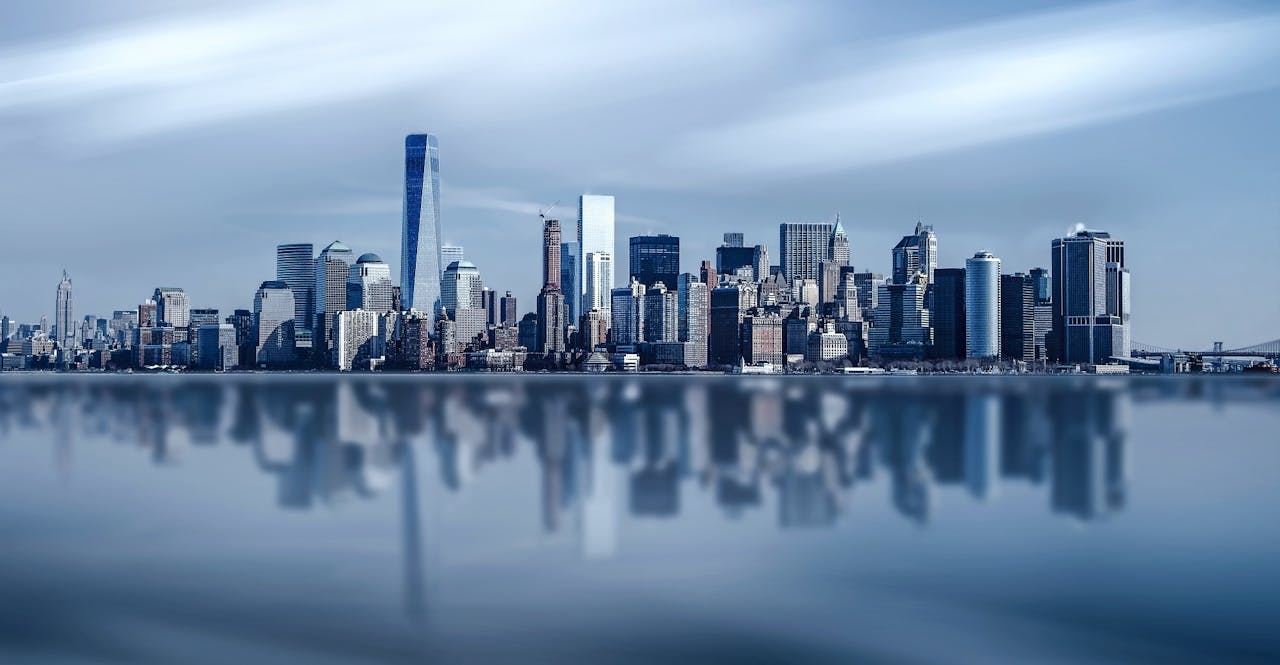
American cities are known worldwide for their skylines, defined by towering skyscrapers. For visitors, the sight of Manhattan, Chicago, or Los Angeles rising into the clouds can be awe-inspiring. Skyscrapers represent ambition and innovation, reflecting decades of architectural evolution. Many offer observation decks where families and tourists can take in panoramic views. These urban giants symbolize progress while shaping the identity of each city. To many travelers, seeing these skylines in person feels like stepping into a postcard or movie scene.
4. Airports as Mega Hubs

Airports in the U.S. are often massive, operating as both transportation centers and mini-cities. Hubs like Atlanta, Dallas-Fort Worth, and Denver surprise visitors with their size and services. From shopping and dining to art exhibits, airports are designed for both function and experience. The sheer volume of flights and destinations highlights the country’s global connectivity. For international travelers, navigating an American airport can feel like exploring a bustling city itself. These hubs showcase the scale of U.S. air travel and its vital role in connecting people worldwide.
5. Public Transit Variety
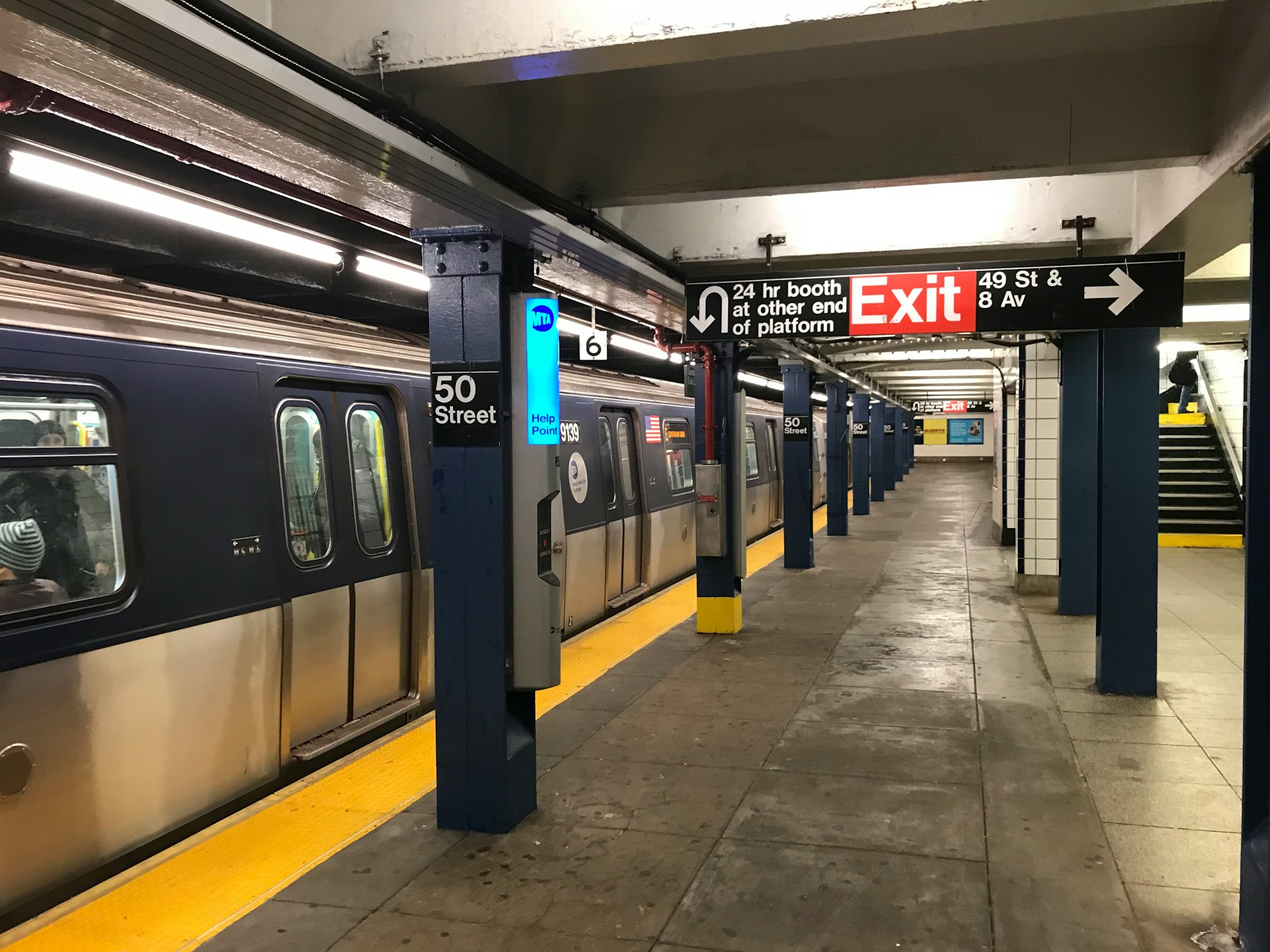
Though the U.S. is famous for cars, public transit systems in cities like New York, Boston, and Washington, D.C. impress visitors with their reach. Subways, buses, and light rail connect communities and provide affordable mobility. The variety and frequency often surprise travelers who expect less reliance on mass transit. Each system has its quirks, but they are integral to city life. Visitors quickly learn that public transit is not only practical but also an authentic way to experience the rhythm of American cities.
6. Suburban Road Networks
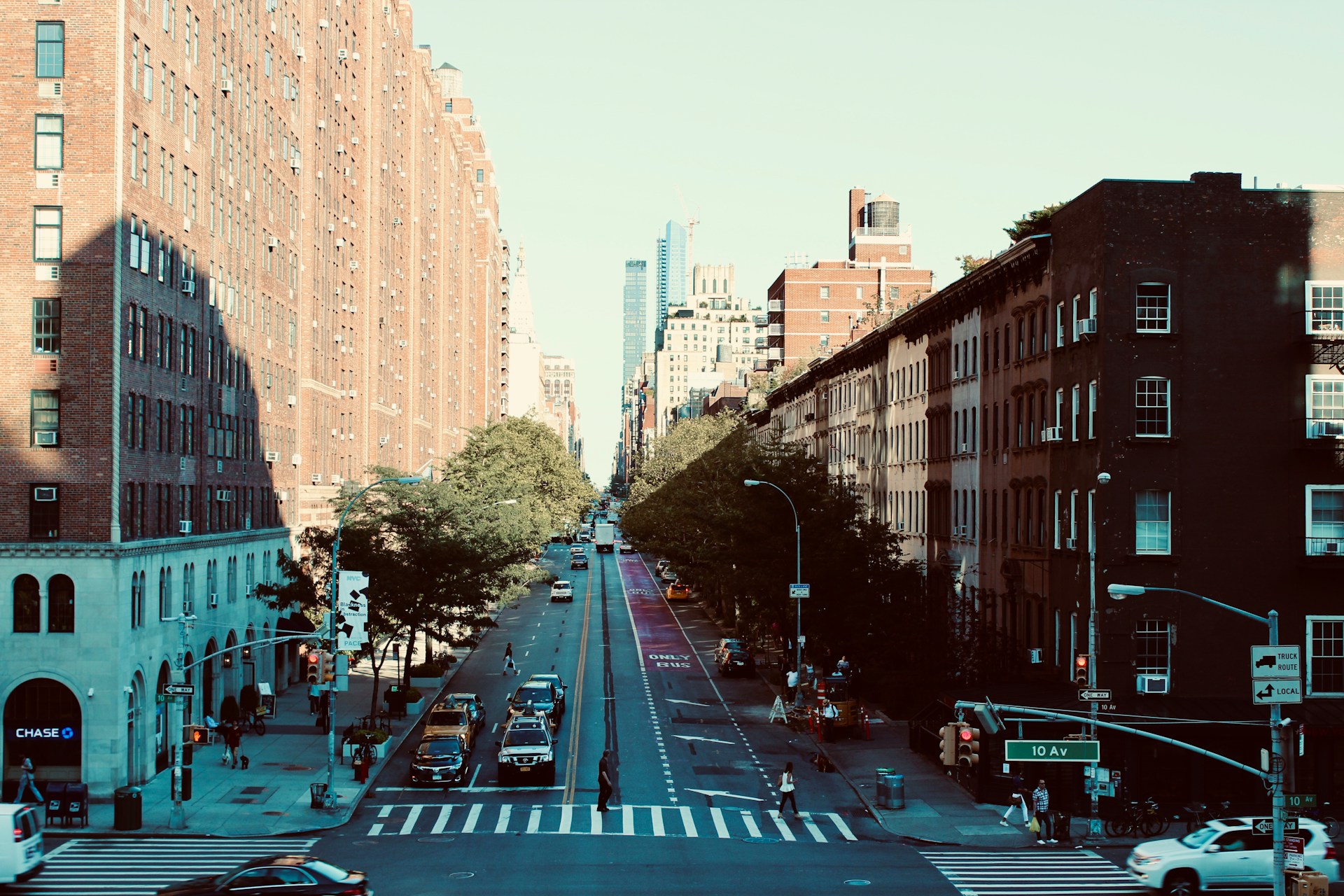
Outside of major cities, sprawling suburban neighborhoods reveal a different side of American infrastructure. Wide, well-maintained streets connect homes, schools, and shopping centers. Visitors are often struck by how planned and uniform these communities feel. Ample parking and drive-through services make daily life car-friendly. For international guests, the scale of suburban road systems highlights how infrastructure supports a culture of convenience. It reflects a lifestyle where independence and accessibility are central to everyday routines.
7. Waterway Systems
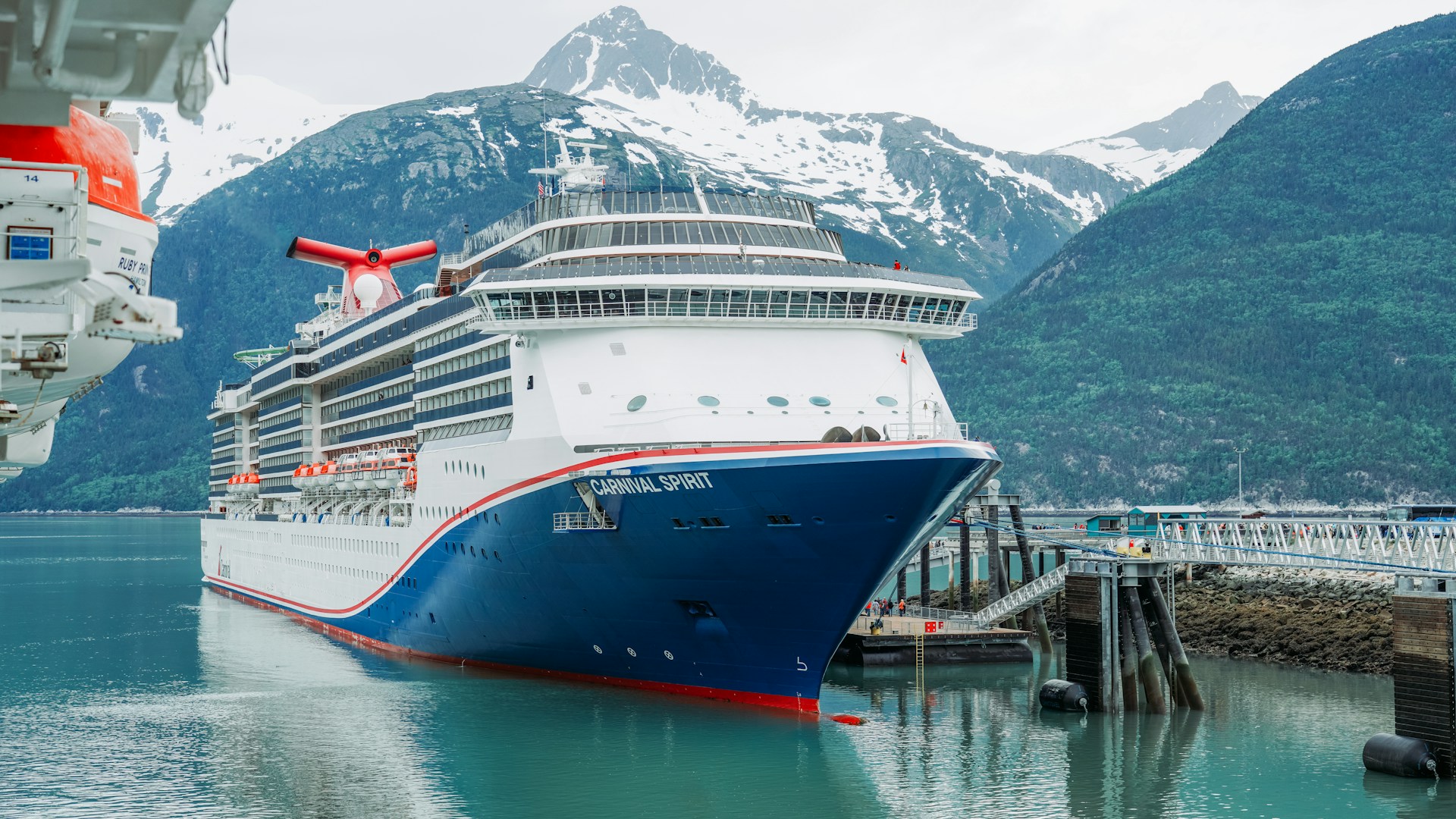
America’s rivers, canals, and ports remain vital parts of its infrastructure. Visitors exploring cities like New Orleans, Pittsburgh, or Chicago see how waterways shape commerce and recreation. Modern ports handle enormous global trade, while rivers offer leisure activities and scenic tours. The balance of industry and recreation often surprises tourists who expect waterways to serve only one purpose. Water infrastructure demonstrates the country’s ability to combine practicality with community enrichment. It is a living reminder of how natural geography continues to shape American life.
8. Utility Grids
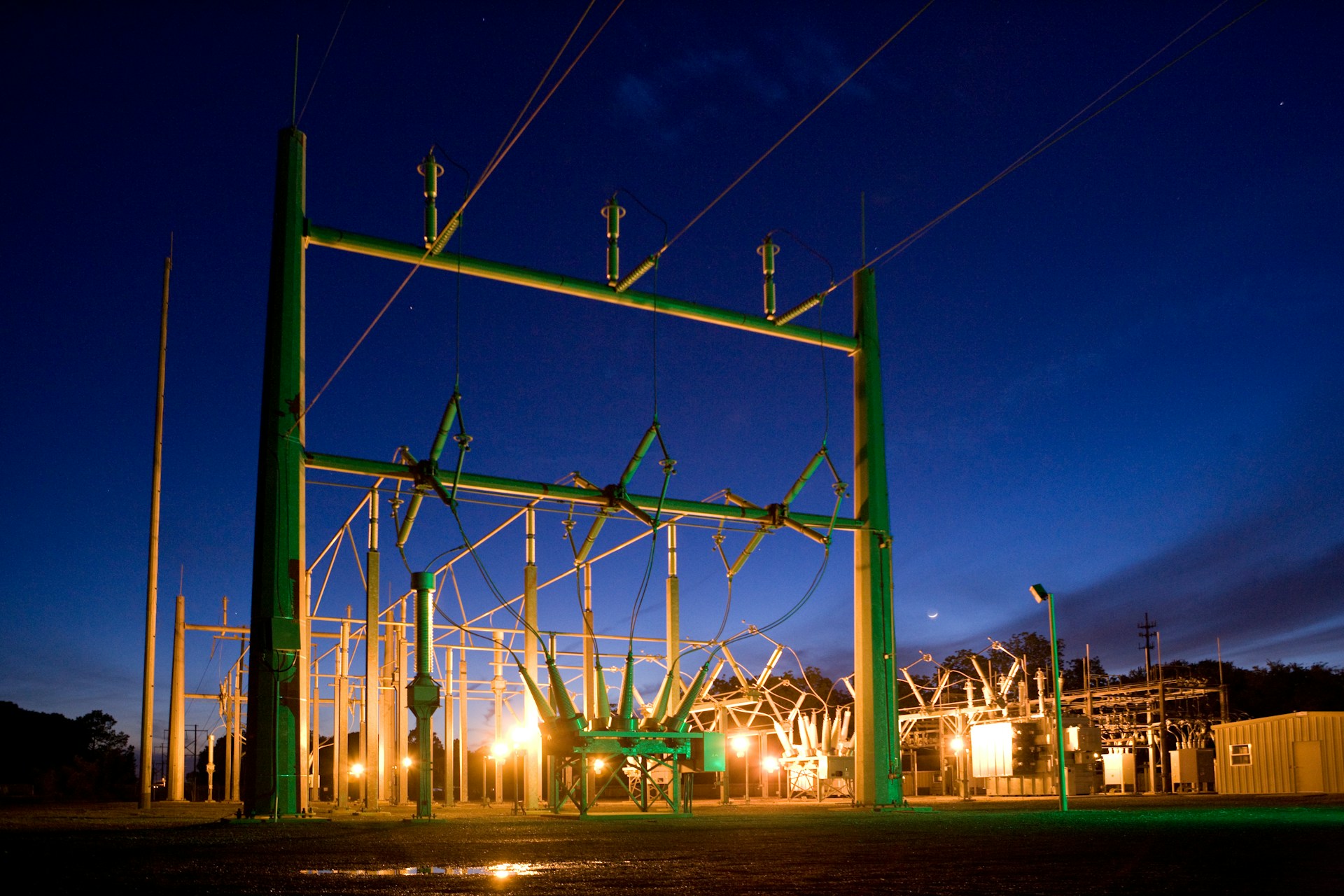
The vast electrical and water systems that power American homes often go unnoticed by locals but amaze international visitors. Seeing endless power lines stretching across open land or massive water towers in small towns feels distinctly American. The ability to provide consistent services across a country so large impresses many. These grids show how infrastructure supports both cities and rural areas equally. For visitors, it reveals the hidden backbone that keeps daily life running smoothly across such a vast nation.
9. Sports Stadiums

American stadiums are often enormous, blending engineering marvels with entertainment culture. Visitors are impressed by the size, design, and amenities of venues like AT&T Stadium in Texas or MetLife Stadium in New Jersey. These stadiums are more than places to watch games; they are community centers filled with restaurants, shops, and interactive spaces. For international guests, the scale and atmosphere highlight how deeply sports are woven into American infrastructure. Attending an event feels like stepping into a festival powered by state-of-the-art design.
10. Smart City Initiatives
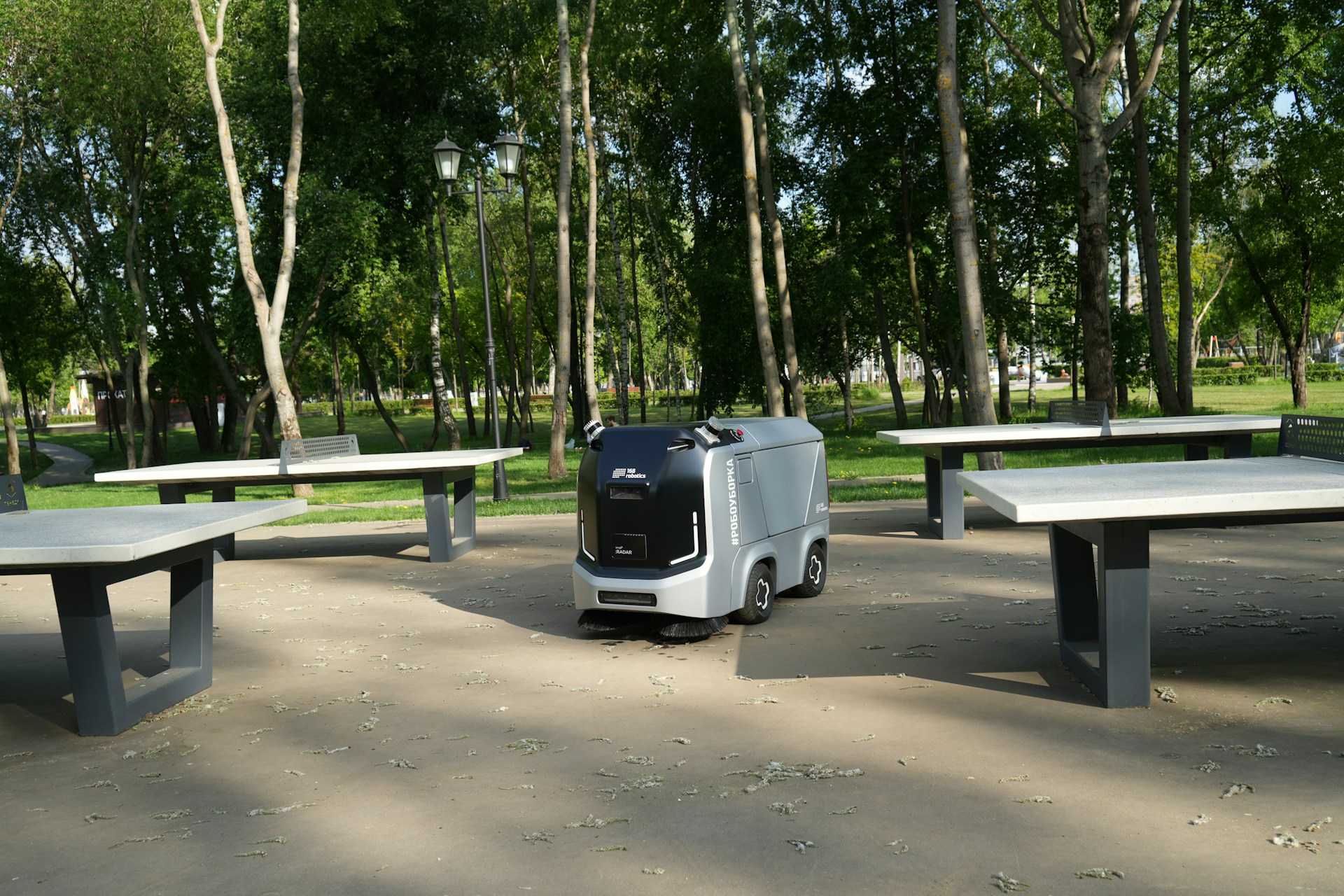
Many American cities are embracing smart technology to modernize infrastructure. Visitors may notice Wi-Fi-enabled public spaces, app-based transit systems, and eco-friendly building designs. Cities like San Diego and Seattle lead with initiatives that blend technology and sustainability. For tourists, this creates convenience while showing America’s push toward innovation. Smart city features often feel futuristic, providing glimpses into how infrastructure adapts to modern needs. It reflects a balance of tradition and progress, where the focus is on enhancing quality of life through technology.
11. National Park Roads and Facilities
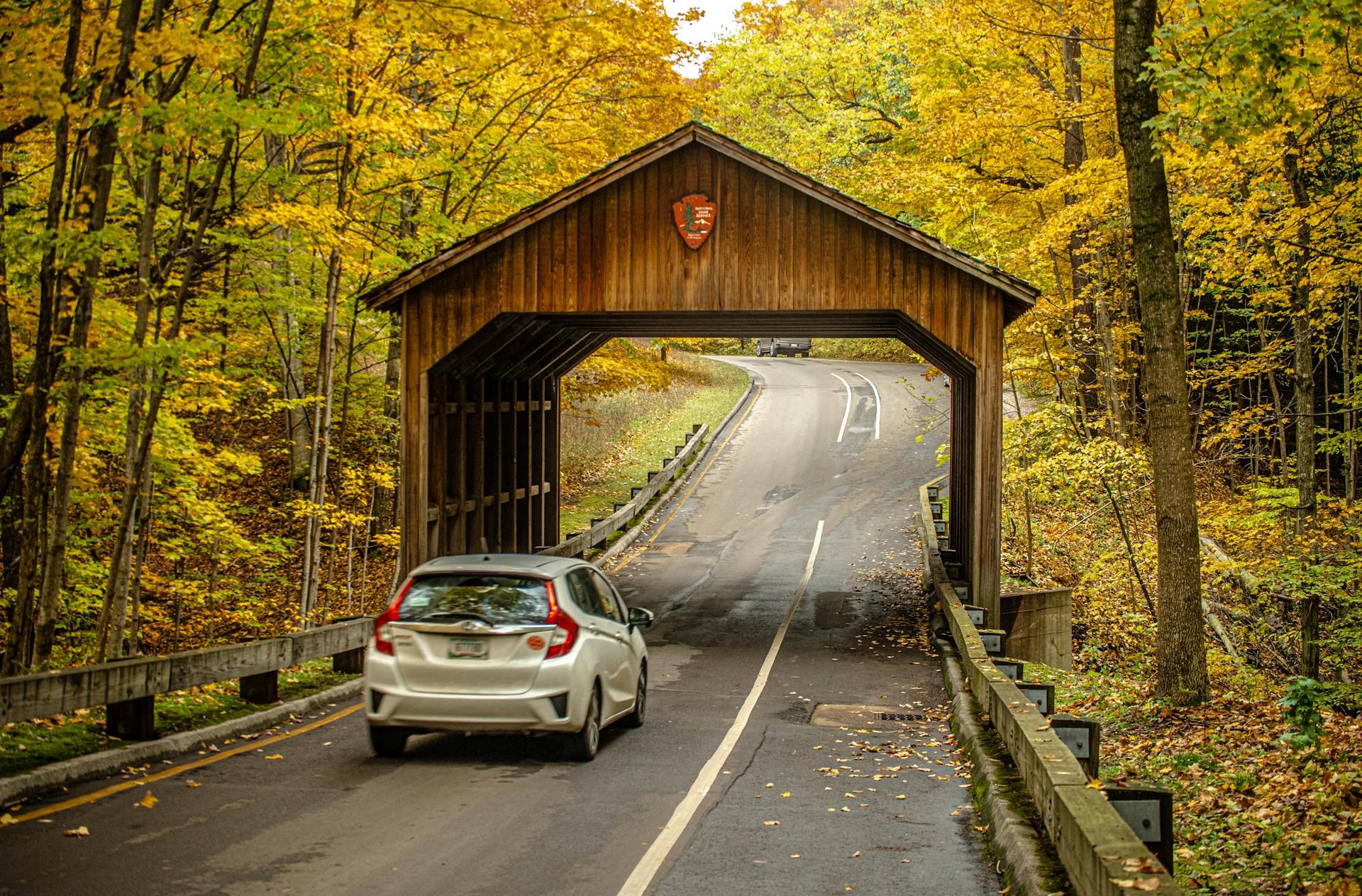
The infrastructure supporting America’s national parks amazes families and nature lovers. Roads, visitor centers, and campgrounds are designed to make vast natural areas accessible. Visitors are surprised at how well-developed these facilities are, given the remote locations. They balance preserving nature with creating family-friendly experiences. From Yosemite to Yellowstone, park infrastructure ensures millions can safely enjoy wilderness areas. For travelers, it shows America’s dedication to blending infrastructure with conservation, offering unforgettable adventures in some of the world’s most iconic landscapes.
From highways and bridges to smart cities and national parks, American infrastructure reflects both size and vision. For international visitors, it stands out as a mix of engineering, culture, and convenience, creating experiences that are as memorable as the destinations themselves.