Across many American cities locals often share honest warnings about certain neighborhoods that feel unpredictable for visitors who do not know the area well. These places are not always dangerous but they can become confusing stressful or uncomfortable for tourists who wander in without context. Most of the concerns come from poor lighting heavy foot traffic or isolated stretches that make newcomers nervous. Understanding these patterns helps travelers stay aware calm and prepared while exploring new cities with confidence.
1. Alleys And Backstreets Behind Major Tourist Attractions
Locals often caution visitors about slipping behind the main tourist routes because those narrow backstreets can become surprisingly empty once the crowds move away. These spots usually lack strong lighting and attract people who rely on the steady flow of distracted sightseers. Tourists unfamiliar with the area may feel overwhelmed by the sudden change from busy excitement to quiet isolation. Residents always advise sticking to well marked paths especially after sunset to avoid unnecessary stress.
2. Abandoned Buildings And Empty Lots
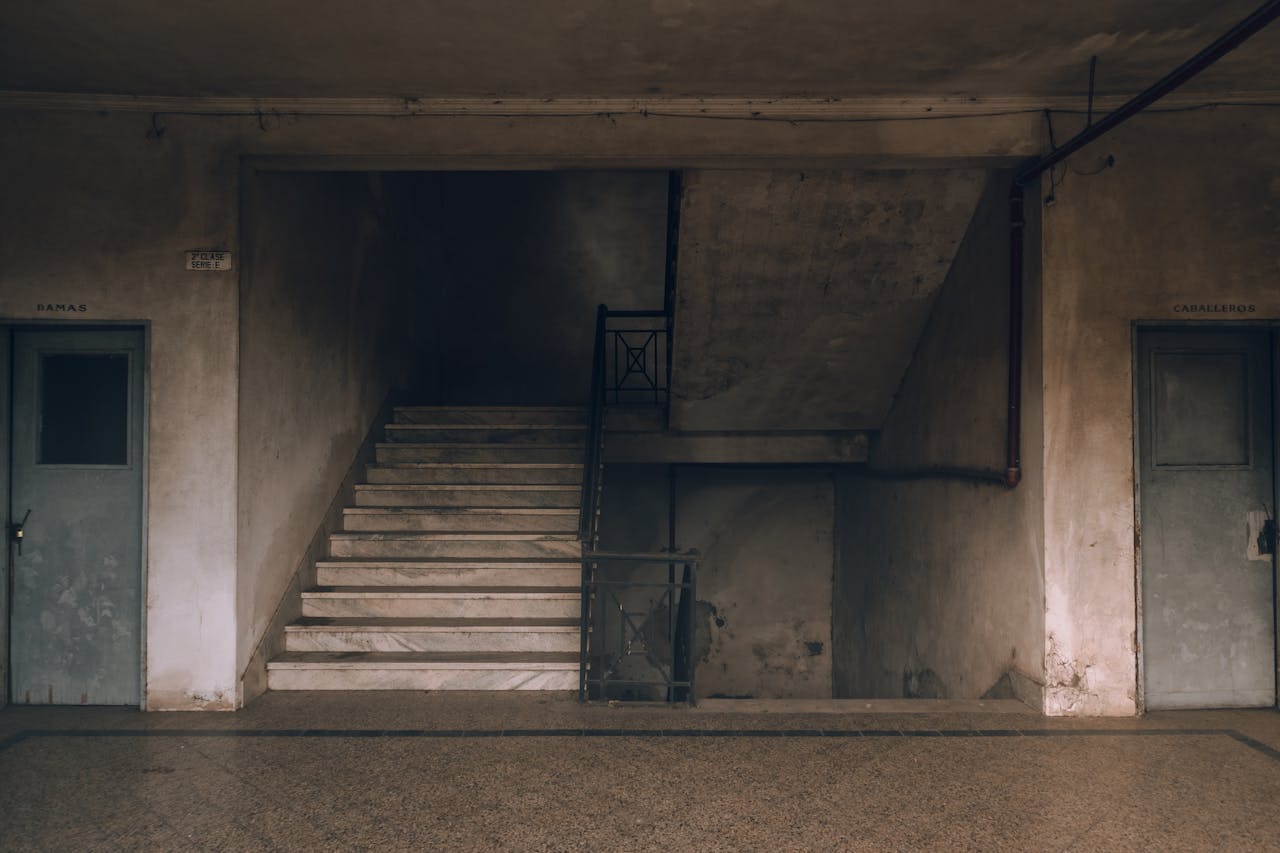
Many older districts have stretches filled with unused structures and vacant lots that create long silent gaps between active businesses. These areas feel unsettling because there are few people around and very little steady movement to make newcomers feel safe. Locals warn that unfamiliar visitors often underestimate how quickly a quiet block can become confusing at night. Staying aware and choosing more populated streets makes exploring the city more comfortable for travelers.
3. Old Industrial Zones With Little Night Lighting
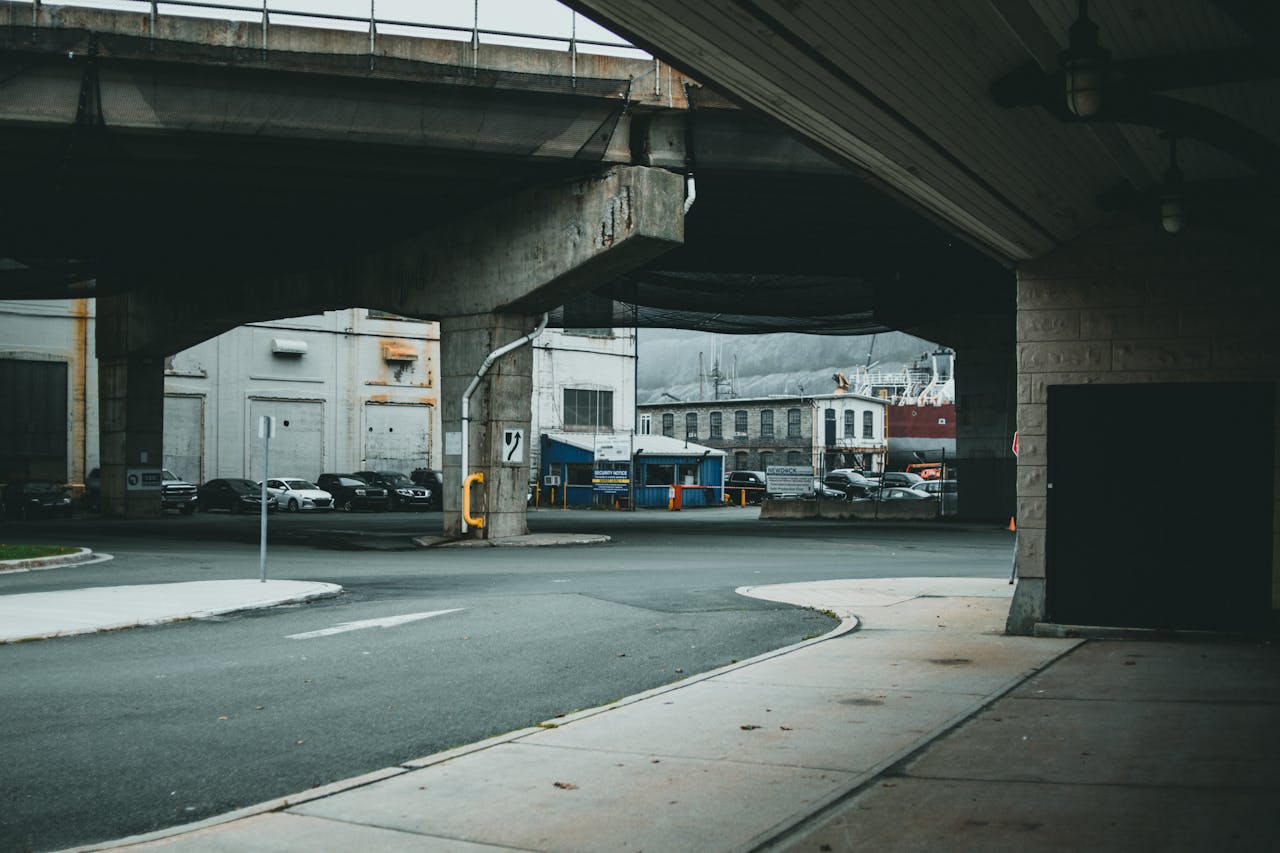
Former factory areas can look interesting during the day but at night the dim lighting and empty sidewalks create an uneasy atmosphere for tourists. Residents know these zones may have long stretches without open shops or passing cars which makes them feel isolated. Visitors often get caught off guard by how fast the environment shifts once businesses close. Locals suggest avoiding these routes after dark to ensure smoother and safer travel through the city.
4. Outskirts With No Rideshare Coverage
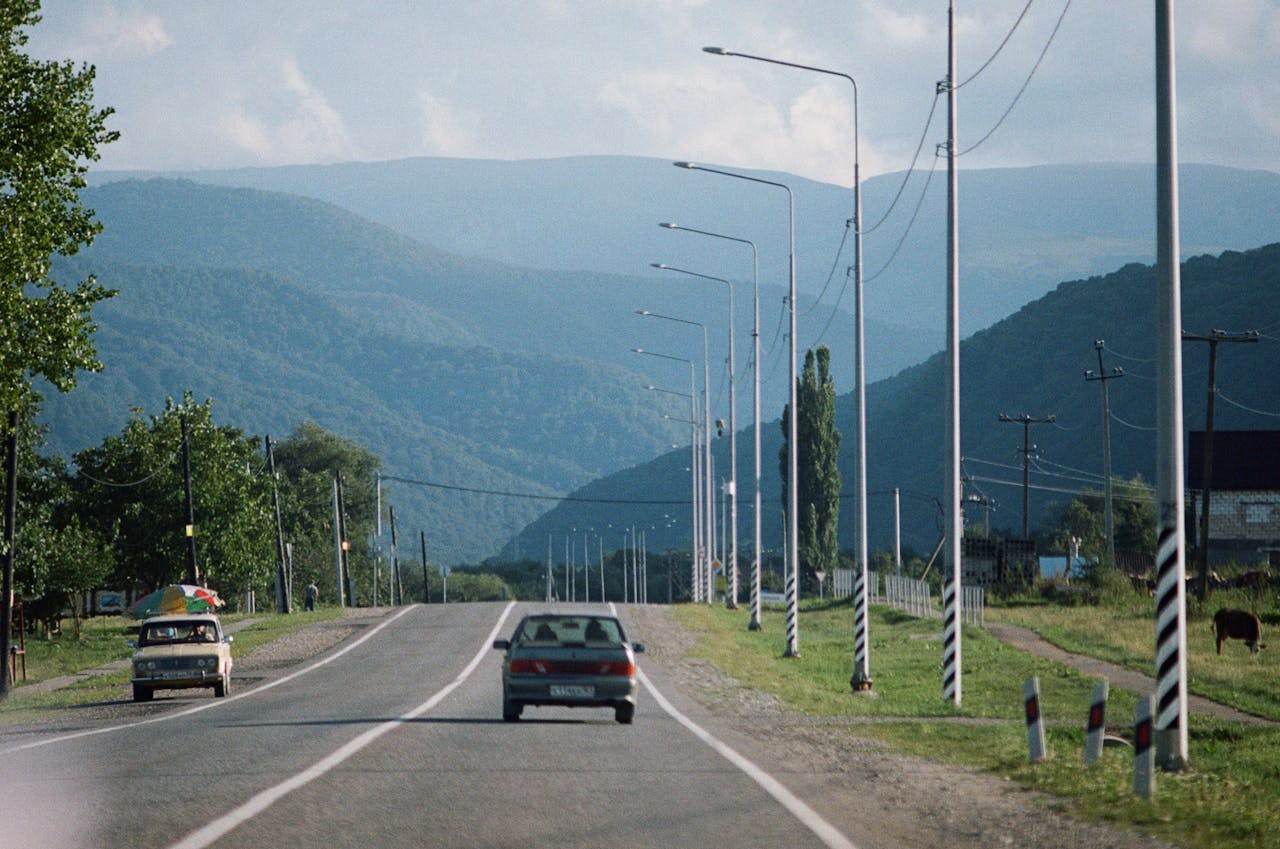
Some city outskirts look harmless but catch travelers by surprise when rideshare apps suddenly stop working. Locals warn that getting stranded in unfamiliar places late at night creates unnecessary anxiety especially when public transit is limited. Wide open roads long walking distances and minimal taxi access make these areas tricky for visitors. Choosing central pickup zones helps tourists avoid long waits and confusing late night travel problems.
Older Bus Terminals With Crowded Narrow Platforms
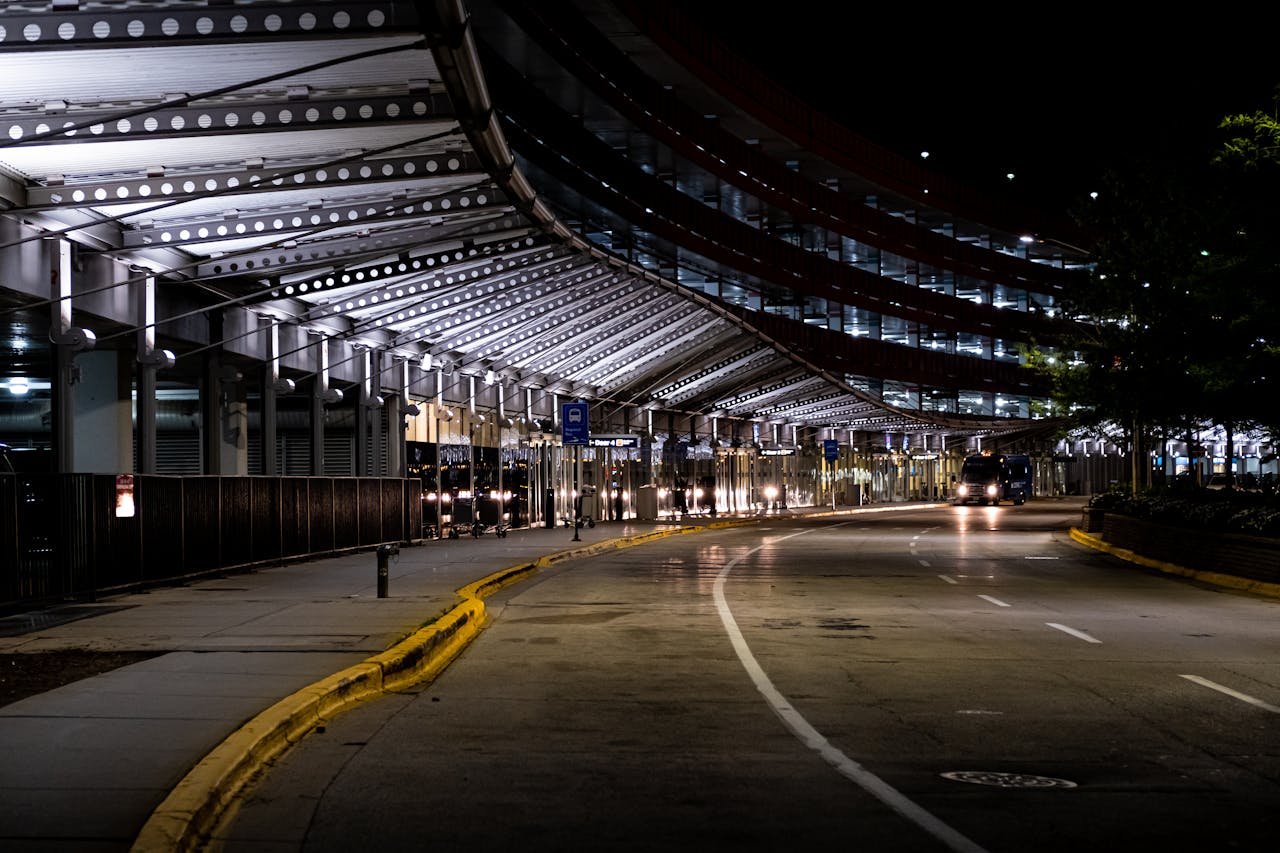
These older transit centers often feel hectic because of tight platforms quick arrivals and constant foot traffic that overwhelms newcomers. Residents know these terminals can be disorienting for tourists who are not used to the fast pace and close proximity. The lack of updated layouts makes it harder to move safely through busy crowds. Visitors benefit from planning routes ahead of time and using clearer well lit stations whenever possible.
Cheap Motel Areas With Constant Foot Traffic
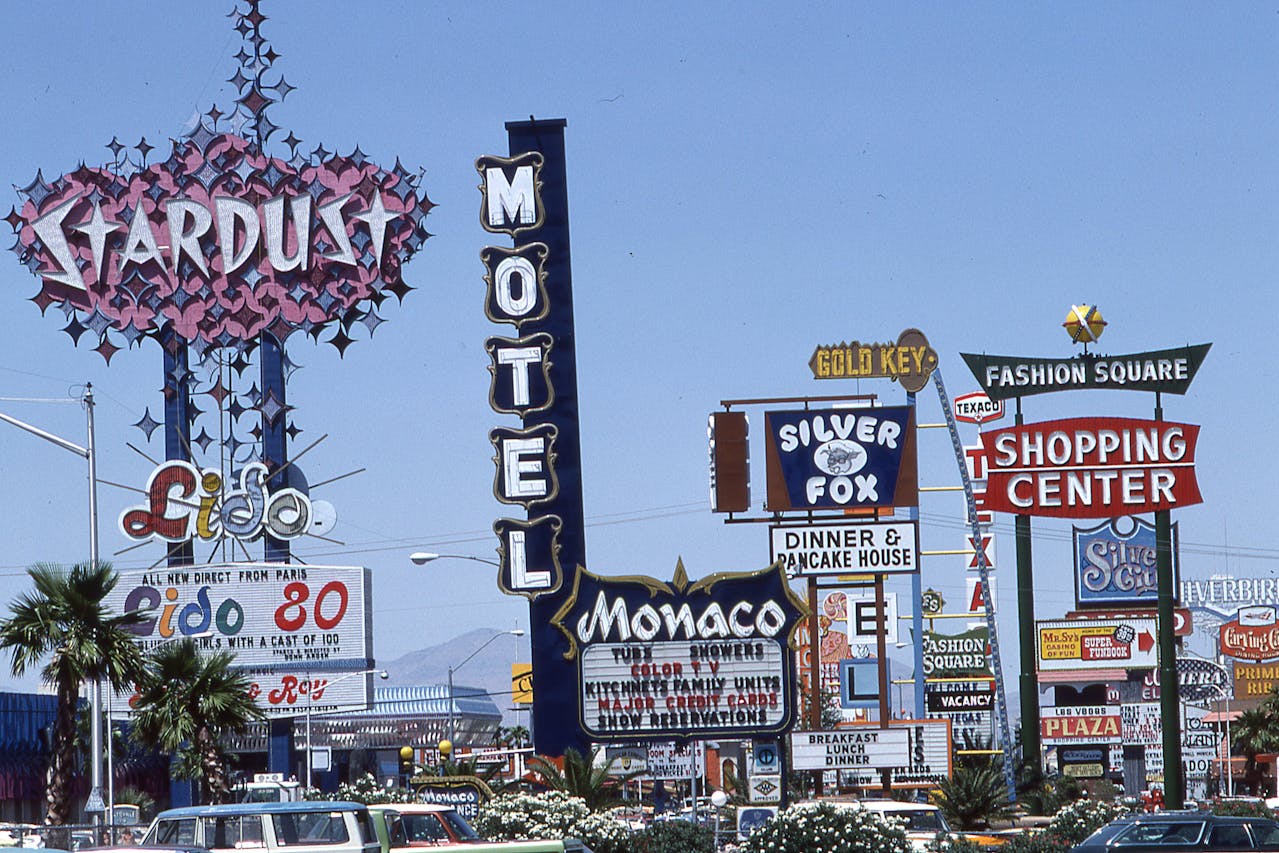
Locals often point out that budget motel districts attract heavy movement at all hours which can make tourists uncomfortable when they arrive without expecting the noise and crowds. These areas may feel disorderly because visitors from different places gather with little structure. The constant activity can confuse travelers who prefer predictable environments. Residents recommend sticking to well reviewed lodging zones for a calmer experience.
Underpasses Known For Nighttime Loitering
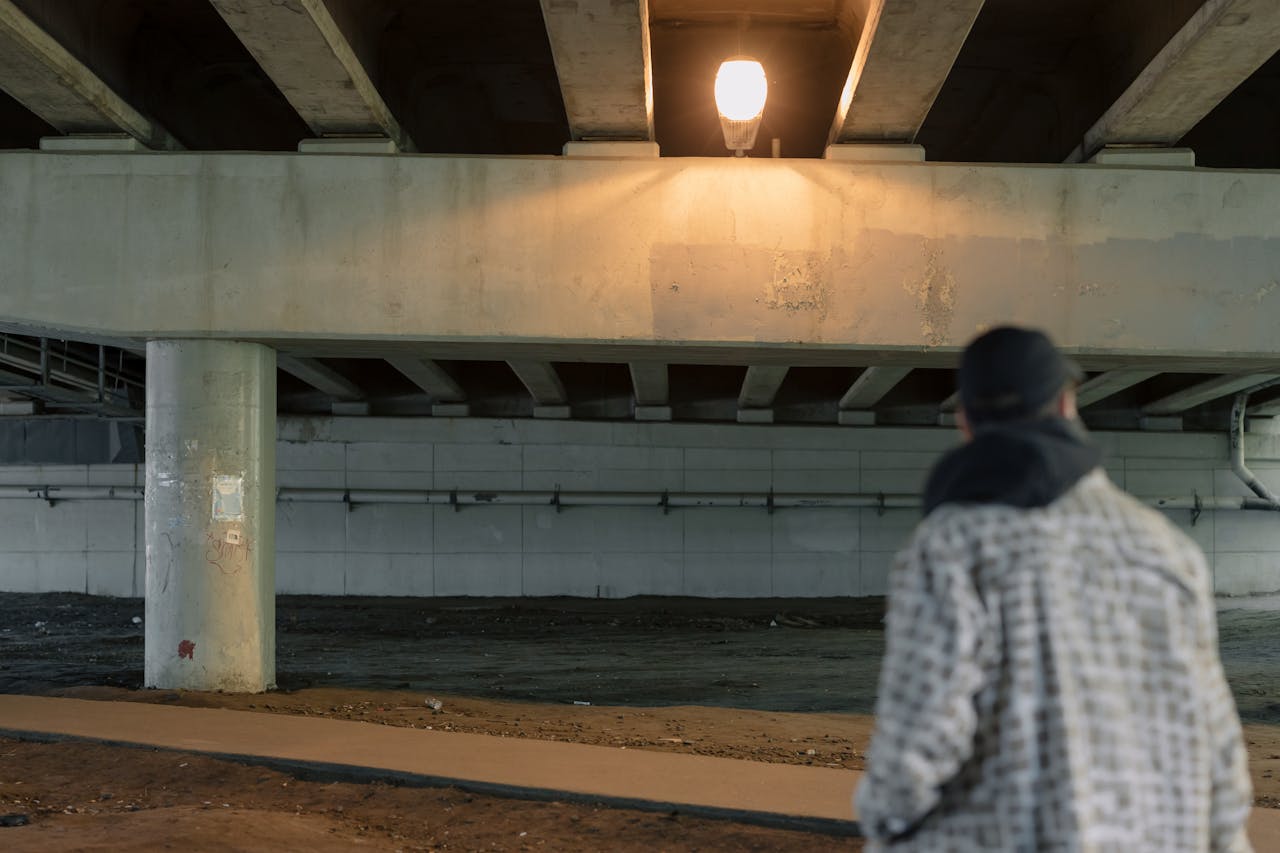
Underpasses may look harmless during the day but locals warn that these spots become unpredictable at night when foot traffic changes. Poor lighting and long shadows make tourists uneasy especially when they do not know where the path leads. These areas lack clear visibility and often surprise visitors who did not expect sudden pockets of silence. Residents generally suggest choosing open well lit streets instead of shortcuts under bridges.
Park Perimeters With Low Patrol Presence
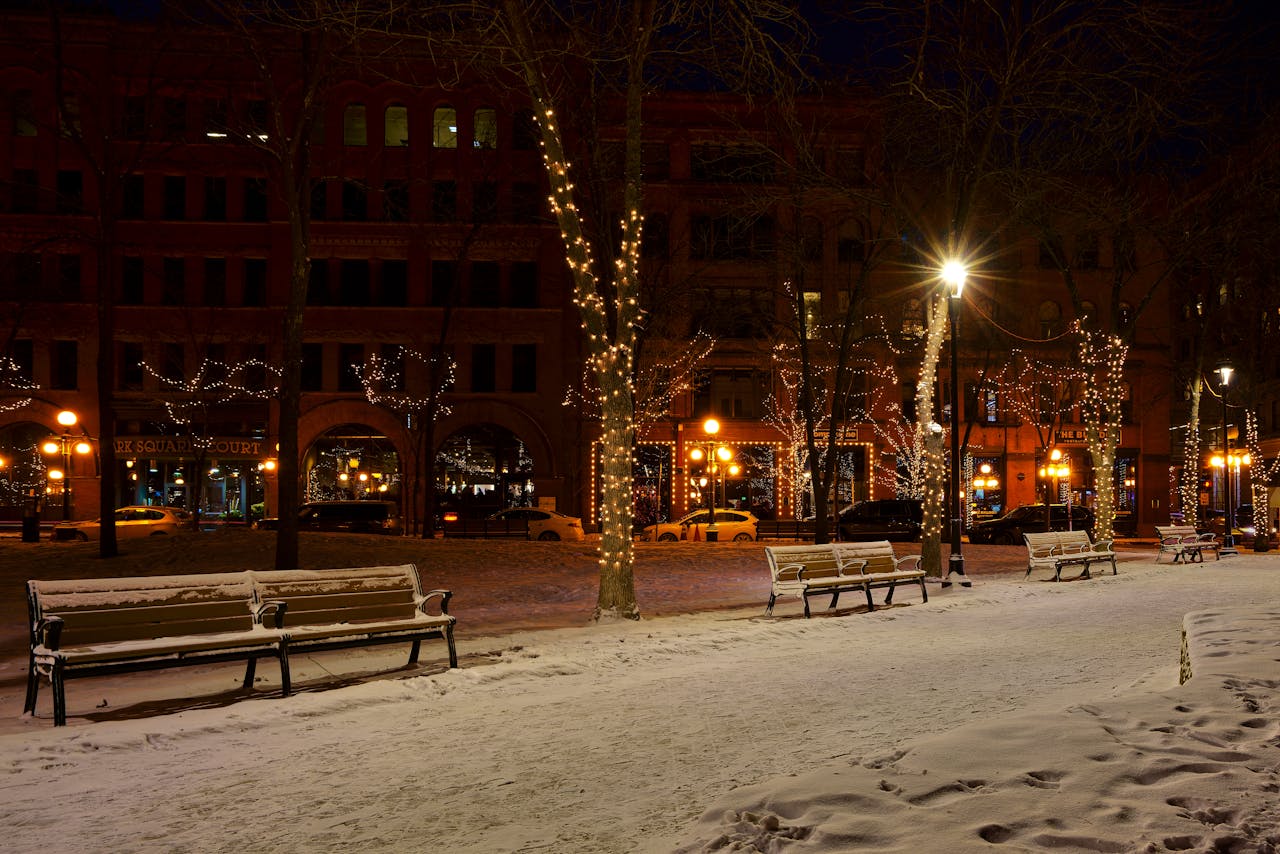
City parks often have calm walking paths but their outer edges can feel deserted at certain hours when patrols slow down. Locals know the difference between the active inner areas and the quiet borders that catch tourists off guard. Dim corners and fewer bystanders create an uncomfortable shift for newcomers trying to explore. Sticking to central well used routes helps travelers avoid uneasy moments near the edges of large parks.
Lonely Street Roads Near Stadium Parking Lots
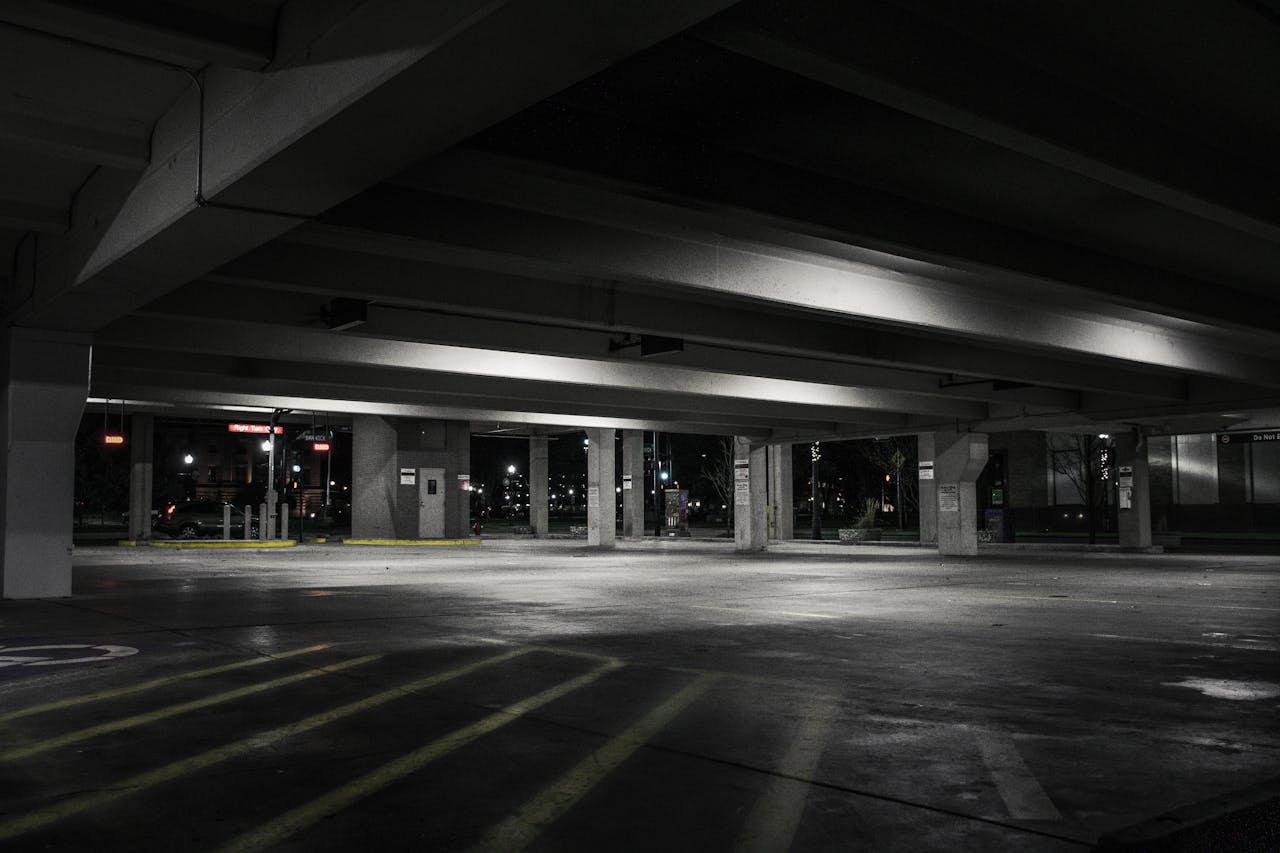
Stadium surroundings feel lively during events but once crowds leave the wide empty roads turn eerily quiet. Residents warn that visitors walking alone may feel unsettled by the sudden emptiness and long stretches without activity. The shift from loud excitement to complete stillness creates an unexpected contrast for travelers. Locals advise planning ahead for transportation to avoid wandering through these lonely spaces at night.
City Outskirts With Long Gaps Between Streetlights
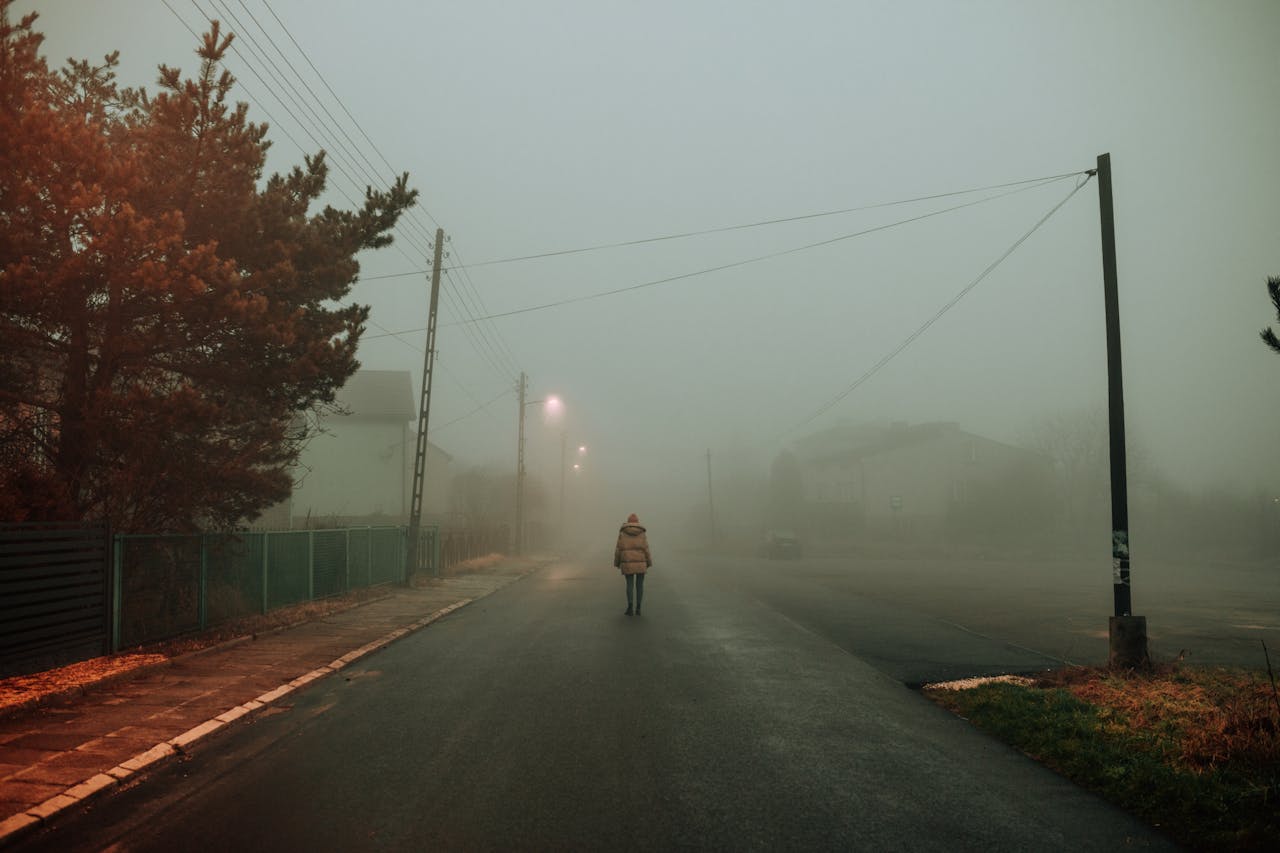
These areas feel unusual for tourists who are used to bright urban lighting because long dark gaps create moments where visibility drops sharply. Residents know that visitors often misjudge how far apart the lights are until they walk the stretch themselves. The uneven brightness makes nighttime travel confusing. Locals usually recommend staying within well illuminated zones for a smoother and more predictable city experience.
Underlit Gas Stations Off The Highway
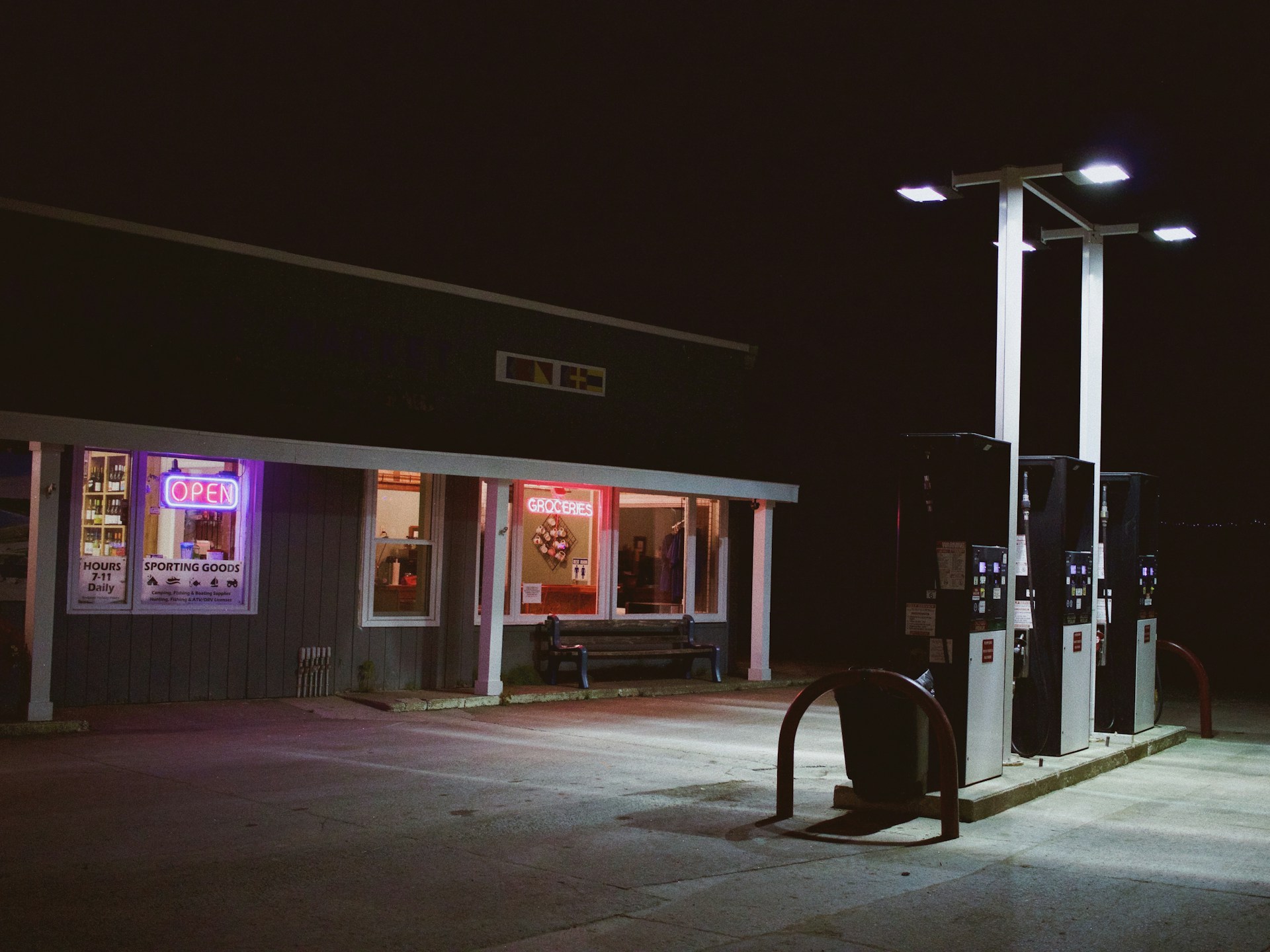
Gas stations on the edges of highways can feel uncomfortable for tourists because of dim lighting and minimal staff presence late at night. Residents notice that travelers often stop here without thinking and then feel uneasy when they see how isolated the area becomes. These stations attract random foot traffic that can make newcomers uncertain. Locals advise choosing brighter stations closer to main roads instead.
Travelers enjoy city adventures much more when they understand the areas locals avoid and the reasons behind those quiet warnings. These neighborhood patterns help visitors make smart choices so their trip feels safe relaxed and enjoyable from start to finish.