The United States is often celebrated for its cultural and geographic diversity, but few destinations capture this mosaic better than select cities, towns, and regions. Each location tells a story of history, migration, and evolving identity, reflecting the blend of ethnicities, traditions, and landscapes that shape modern America. Travel trends in 2025 show that Americans increasingly seek experiences that combine cultural immersion, heritage exploration, and community engagement. From urban enclaves to natural wonders, these destinations offer insights into the nation’s layered identity. Exploring them allows travelers to witness firsthand the intersection of past and present that defines American diversity.
New York City, New York
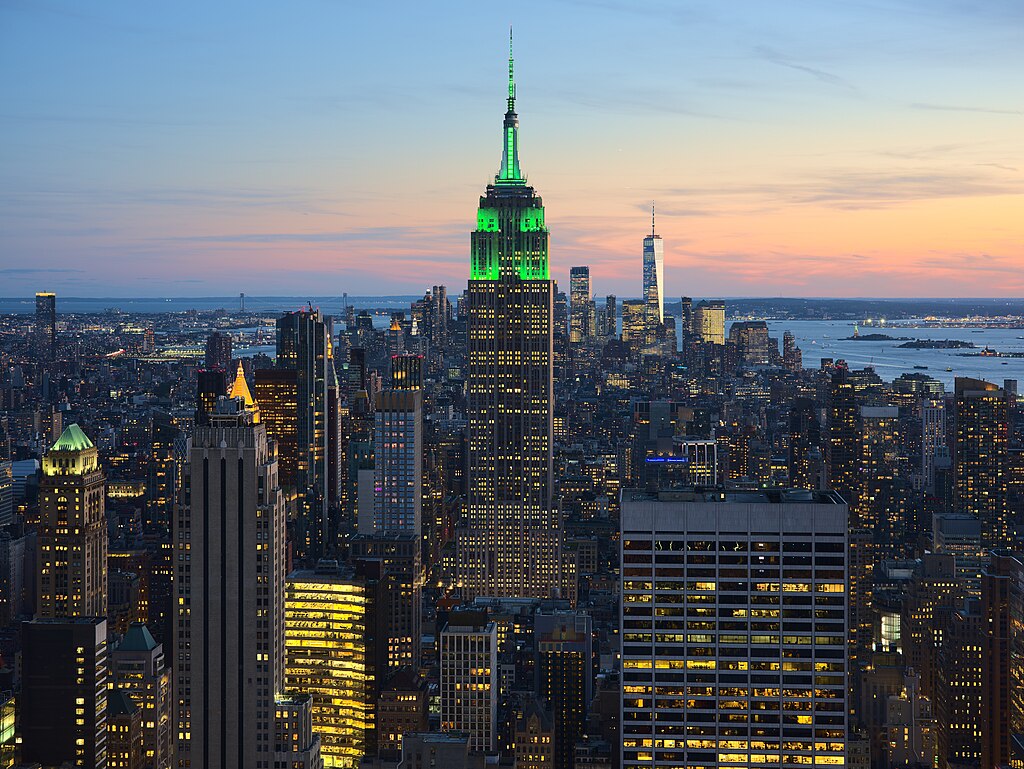
New York City remains a living showcase of multiculturalism. According to the U.S. Census Bureau (2020), over 37% of the city’s residents were foreign-born. Neighborhoods like Chinatown, Little Italy, and Jackson Heights reflect waves of immigration spanning centuries. Cultural festivals, diverse culinary offerings, and multilingual signage immerse visitors in a rich tapestry of heritage. NYC’s vibrant arts scene and global connectivity make it a prime example of urban diversity and the ongoing evolution of American identity.
New Orleans, Louisiana
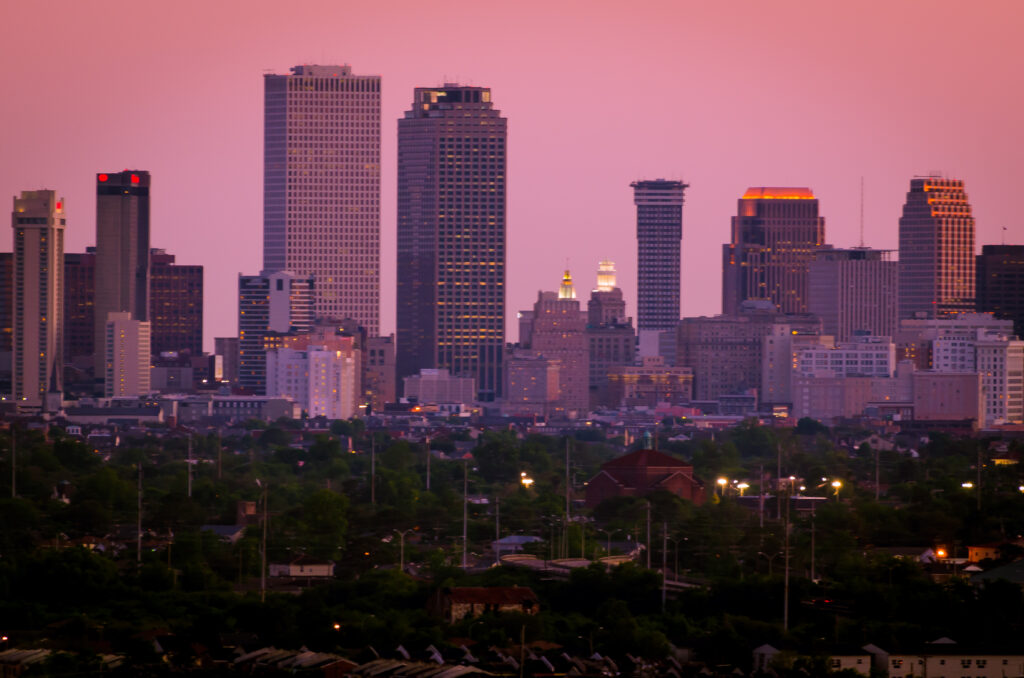
New Orleans exemplifies cultural fusion through its music, cuisine, and festivals. Founded in 1718, the city blends French, Spanish, African, and Caribbean influences. Jazz, Mardi Gras, and Creole cuisine reflect centuries of cultural exchange. According to the National Park Service, tourism surged 12% in 2025, with visitors drawn to the city’s unique heritage. New Orleans demonstrates how historical layering continues to shape modern social and artistic life, offering a living classroom in resilience and celebration.
San Francisco, California
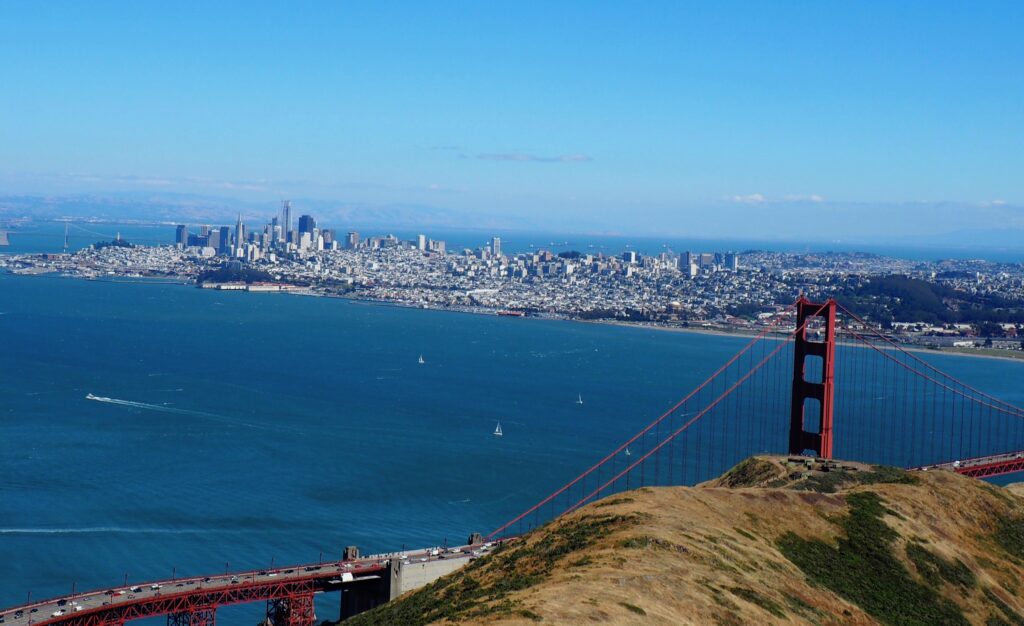
San Francisco’s cultural richness stems from Gold Rush-era migration, Asian-American communities, and LGBTQ+ activism. In 2025, the city maintained a strong blend of international residents, tech professionals, and creative artists. Attractions like Chinatown—the oldest in North America—highlight enduring immigrant legacies. Annual events, such as the Chinese New Year Parade and Pride celebrations, provide immersive experiences. San Francisco exemplifies how urban diversity can drive economic, cultural, and social vibrancy.
Miami, Florida
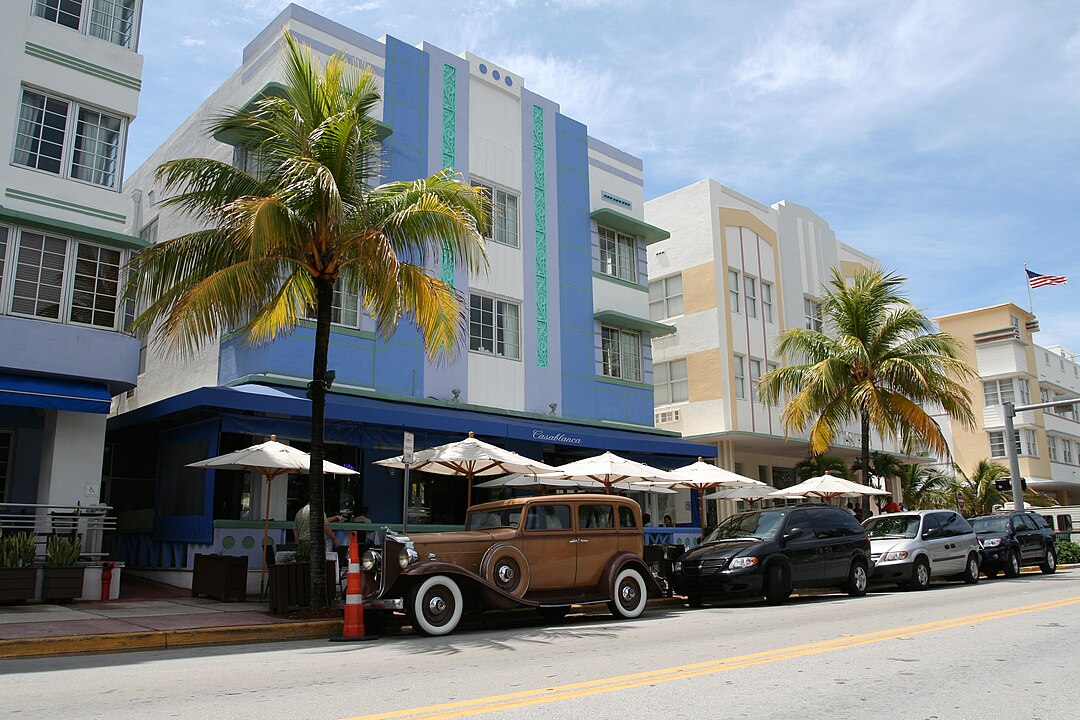
Miami is a hub of Latin American influence, with over 70% of its population identifying as Hispanic or Latino, according to the U.S. Census Bureau 2020. Cuban, Colombian, Haitian, and Puerto Rican communities shape the city’s culinary, musical, and social landscape. Calle Ocho Festival and Art Deco architecture draw tourists seeking cultural authenticity. Miami’s blend of languages, foods, and traditions makes it a microcosm of transnational America. Its energy reflects the fluidity and global connections embedded in U.S. cities.
Chicago, Illinois
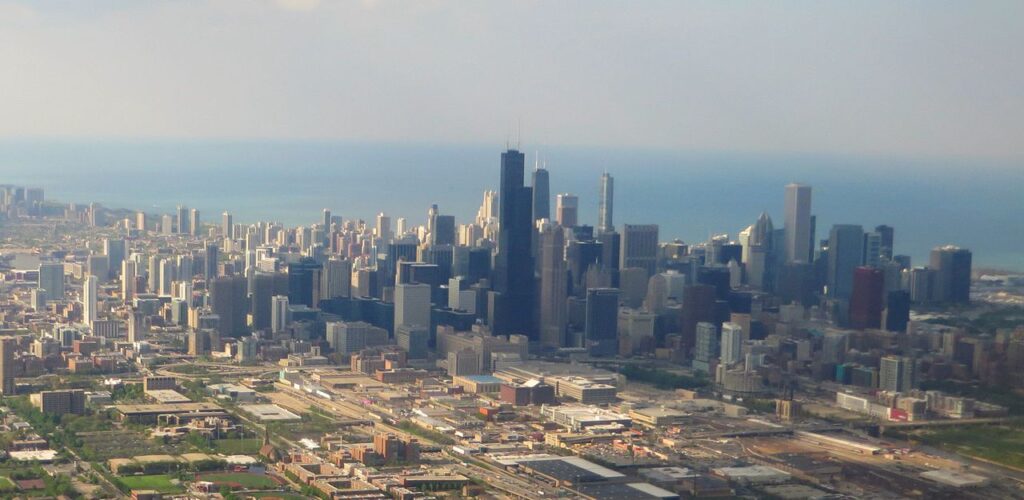
Chicago has long been a destination for African American migration and European immigrant settlement. Neighborhoods such as Pilsen and Bronzeville highlight Mexican-American and African-American heritage, respectively. The city’s blues and jazz traditions, combined with culinary diversity, underscore layered cultural identity. According to the Chicago Cultural Alliance, nearly 100 ethnic organizations celebrated heritage festivals in 2025. Chicago’s urban landscape reflects historical migration patterns and ongoing cultural interplay.
Santa Fe, New Mexico
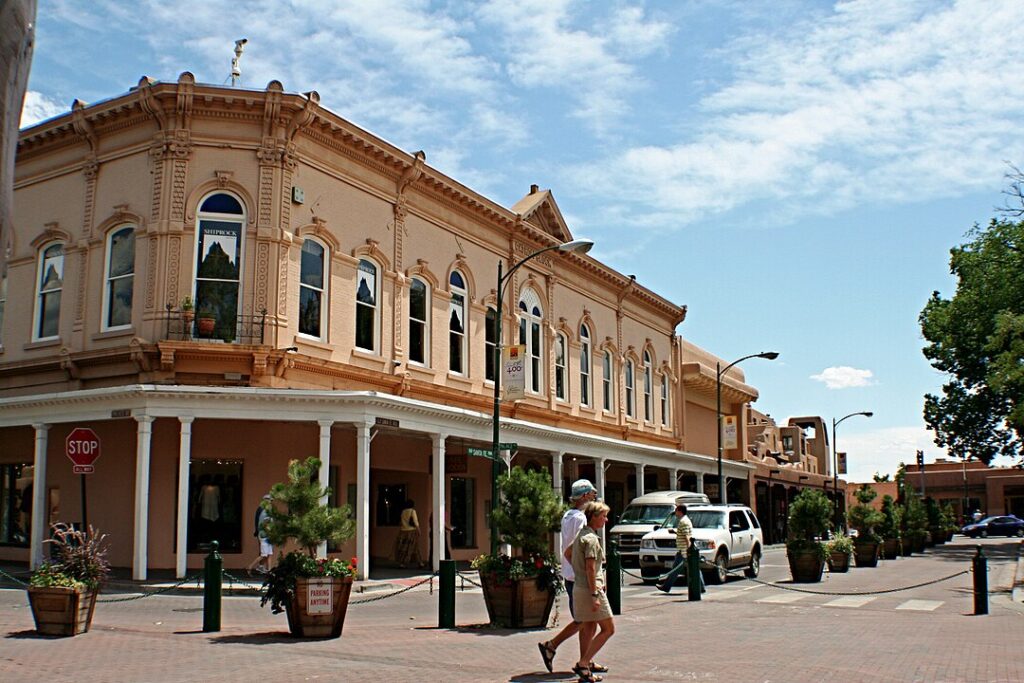
Santa Fe combines Native American, Hispanic, and Anglo-American influences. With roots tracing back over 400 years, the city celebrates Pueblo culture alongside Spanish colonial architecture. The annual Indian Market attracts thousands of visitors interested in art, craft, and storytelling. Santa Fe illustrates how geographic isolation can preserve and blend traditions uniquely. Its cultural and artistic vitality makes it a prime example of diversity rooted in place and history.
Seattle, Washington
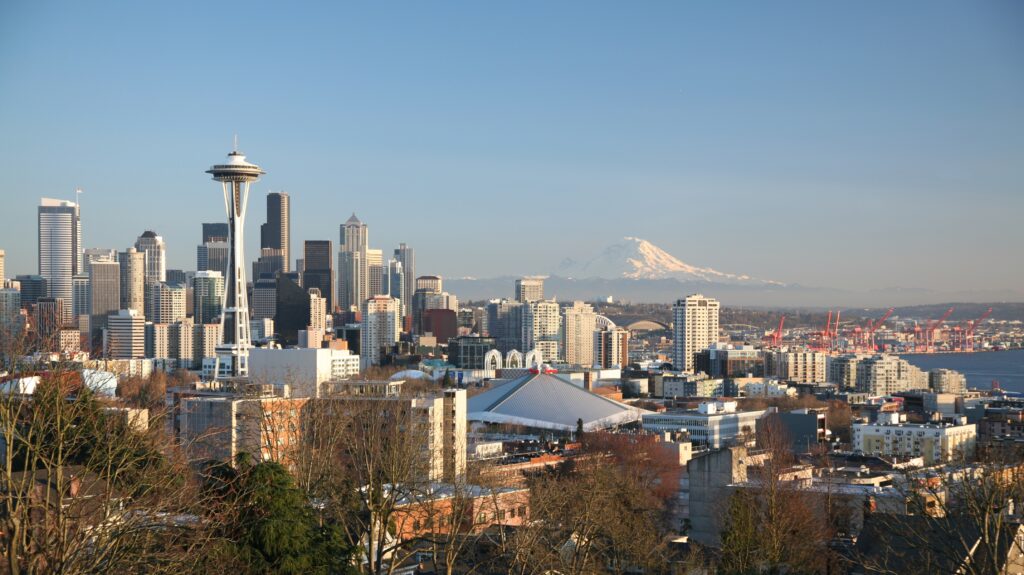
Seattle’s diversity is shaped by Pacific Rim connections, refugee communities, and indigenous heritage. The city hosts significant Asian-American and immigrant populations. According to the Seattle Office of Immigrant and Refugee Affairs, in 2025 over 20% of residents were foreign-born. Cultural festivals, such as Lunar New Year celebrations and Powwow events, engage communities and visitors alike. Seattle demonstrates how migration, commerce, and indigenous presence intertwine to create a multifaceted urban identity.
Honolulu, Hawaii

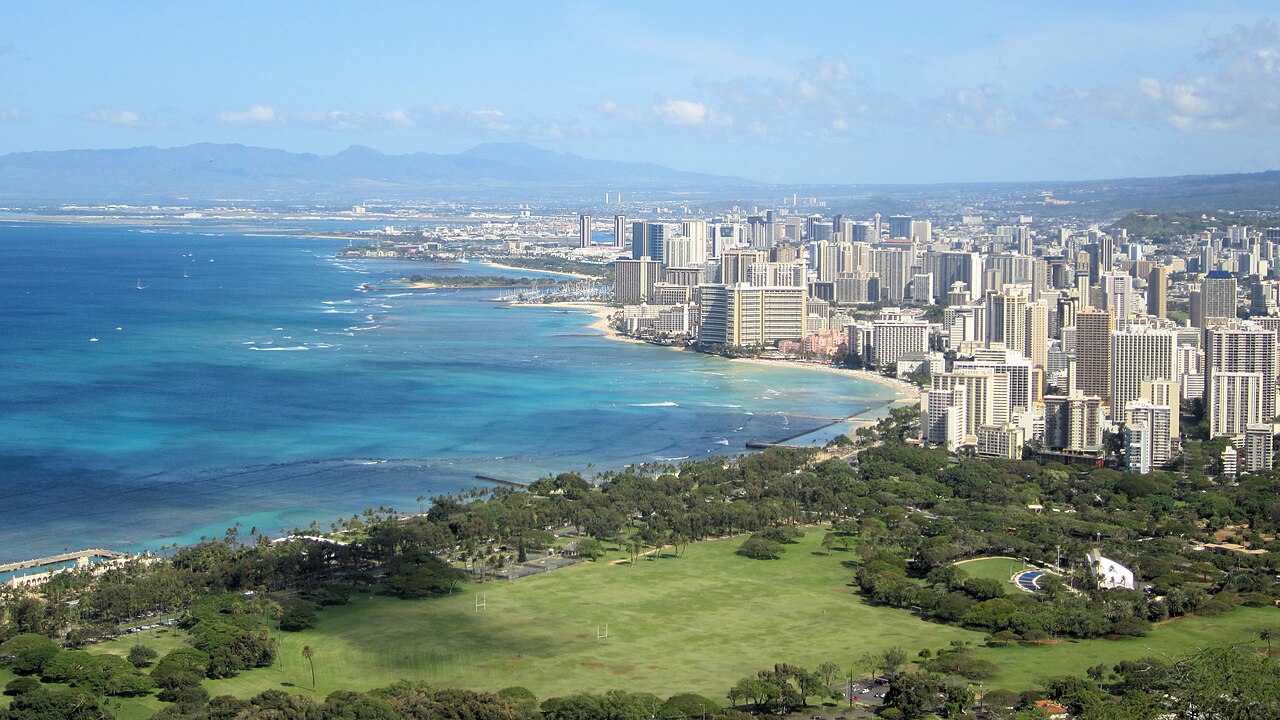
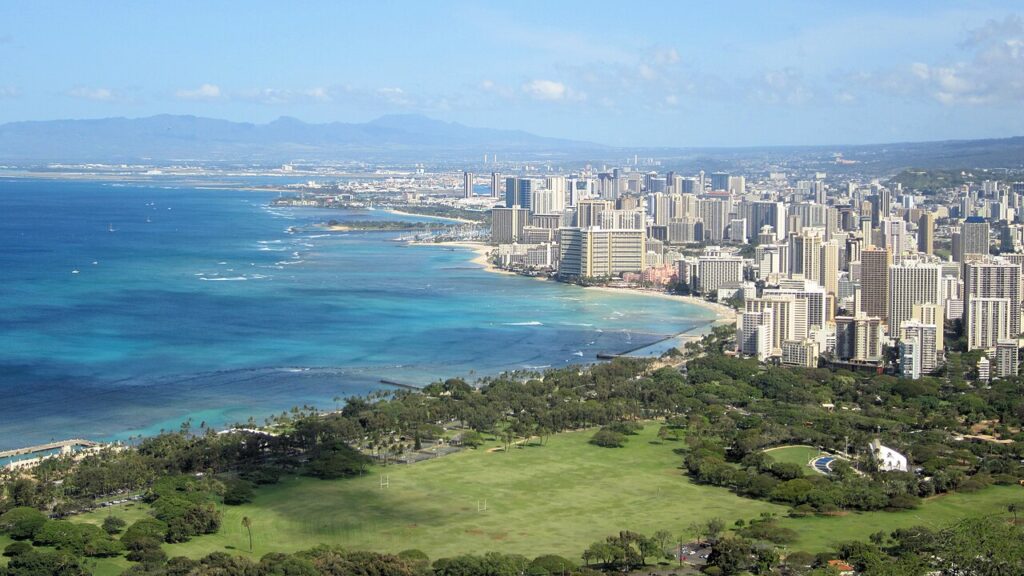
Honolulu embodies Polynesian culture alongside Asian, European, and American influences. Native Hawaiian traditions persist through hula, language preservation, and local festivals. In 2025, tourism statistics from Hawaii’s Department of Business, Economic Development & Tourism showed that cultural tourism accounted for 35% of visitor activities. Honolulu highlights the complexity of multiculturalism in a Pacific context. Its islands demonstrate how geography shapes both cultural preservation and global interaction.
Philadelphia, Pennsylvania
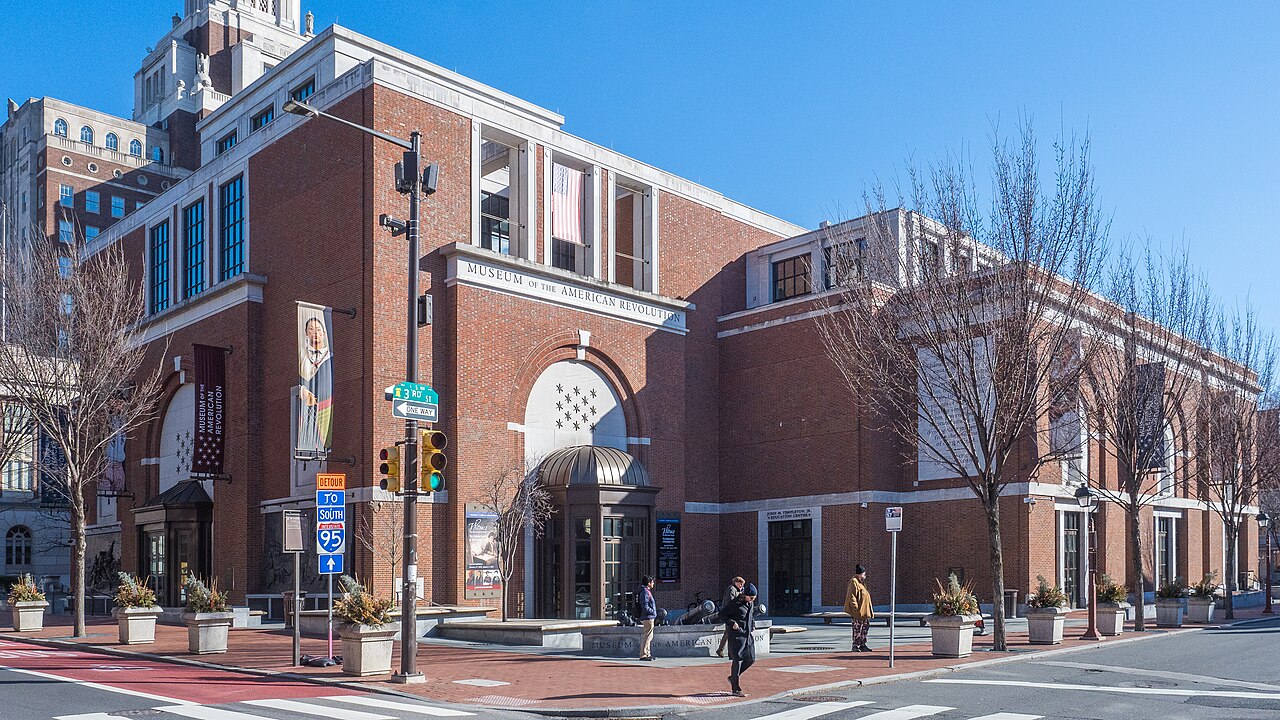
Philadelphia is a historical gateway for immigrants and a center for African-American history. Founded in 1682, it hosts landmarks such as the Liberty Bell and historic districts reflecting colonial and immigrant stories. The city’s neighborhoods, festivals, and cuisines showcase Italian, Irish, and African-American heritage. According to Visit Philadelphia, heritage tourism increased 10% in 2025, with visitors seeking immersive historical experiences. Philadelphia reflects how historical roots continue to inform modern diversity.
Portland, Oregon
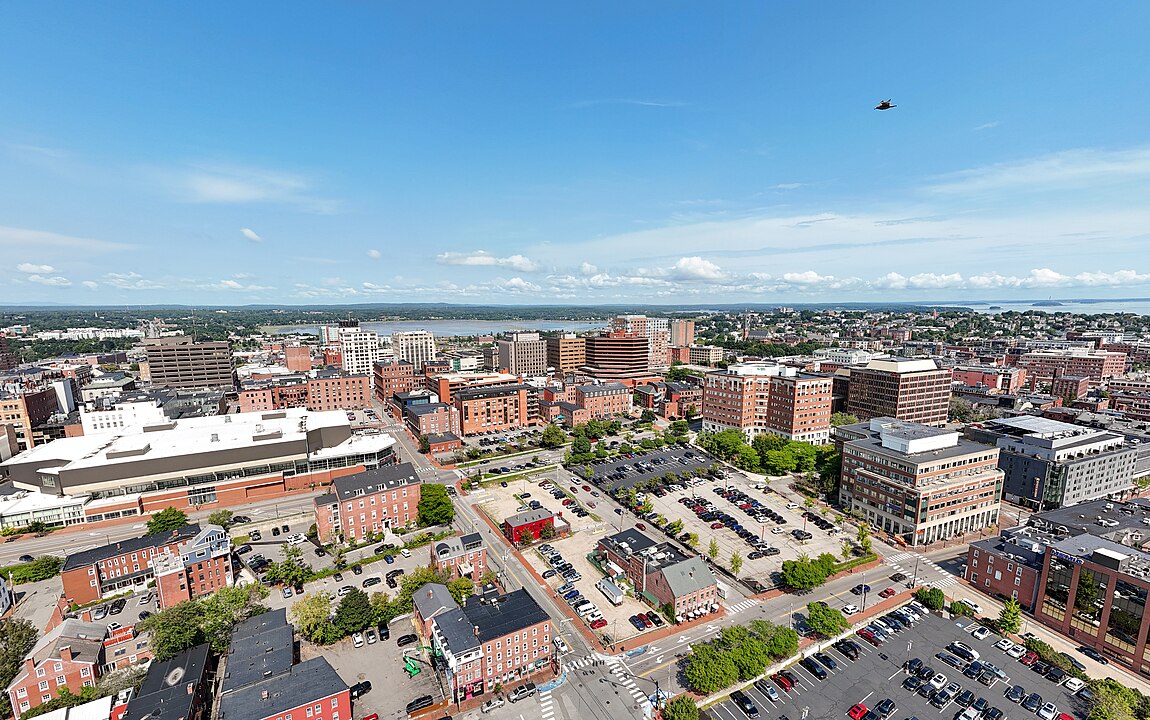
Portland combines European settler heritage with growing Asian, African, and Latino communities. Known for sustainability and arts culture, the city attracts diverse professionals and creatives. Census data from 2020 indicated that nearly 13% of residents were foreign-born. Festivals, local markets, and cultural workshops engage citizens and visitors. Portland illustrates how smaller cities can cultivate diversity alongside innovation, environmental consciousness, and cultural participation.
Asheville, North Carolina
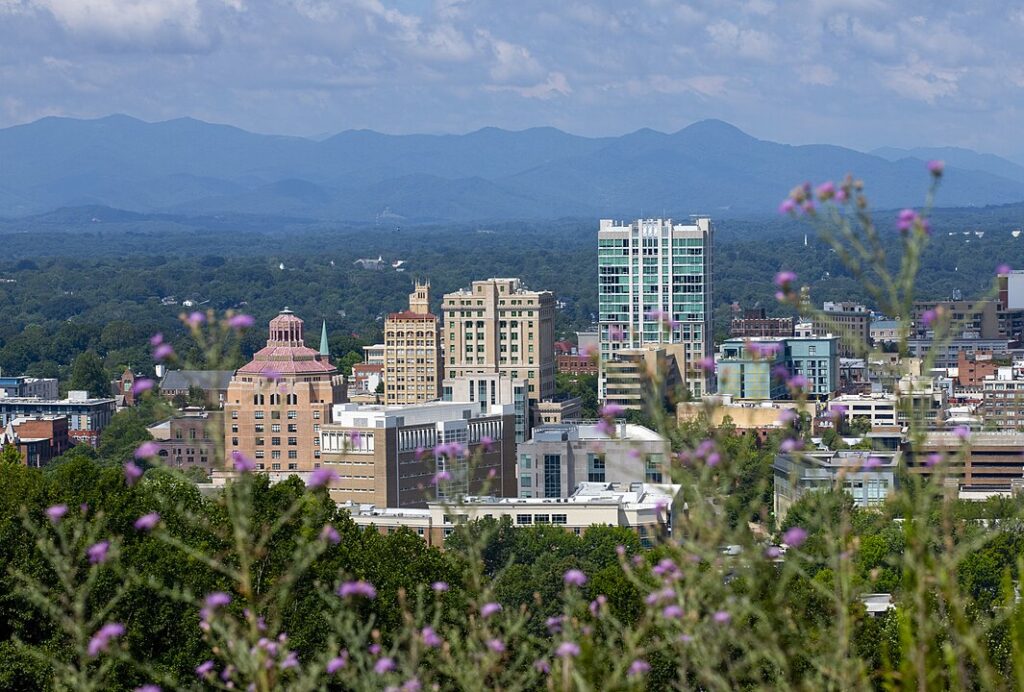
Asheville represents a blend of Appalachian traditions, African-American heritage, and creative migration. Its music, craft breweries, and artisanal markets draw both tourists and new residents. The city’s history as a retreat for artists and writers highlights the role of cultural mixing in regional identity. According to the Asheville Convention & Visitors Bureau, cultural tourism increased 8% in 2025. Asheville demonstrates how small cities preserve historic identity while integrating new cultural influences.