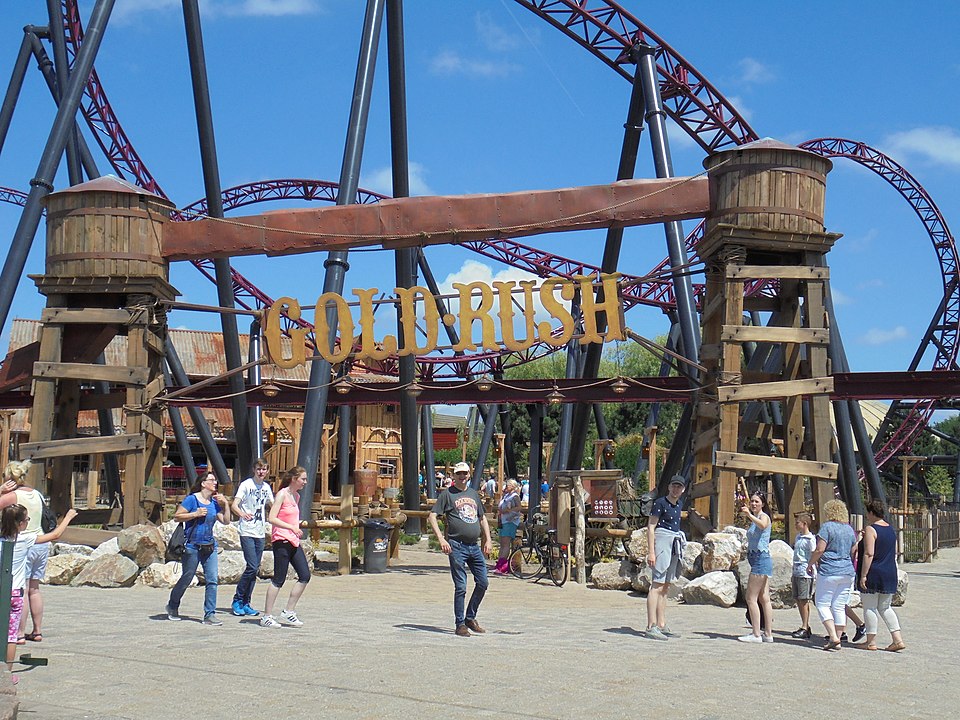
The gold rushes of the 19th century remain some of the most romanticized chapters of history. Tales of instant wealth, daring adventurers, and boomtowns rising overnight capture the imagination even today. Yet behind the glitter of gold lay a reality of hardship, injustice, and shattered dreams. These eleven stories reveal the true cost of chasing fortune and show why the gold rush was as much about suffering as it was about success.
The Toll on Native Communities
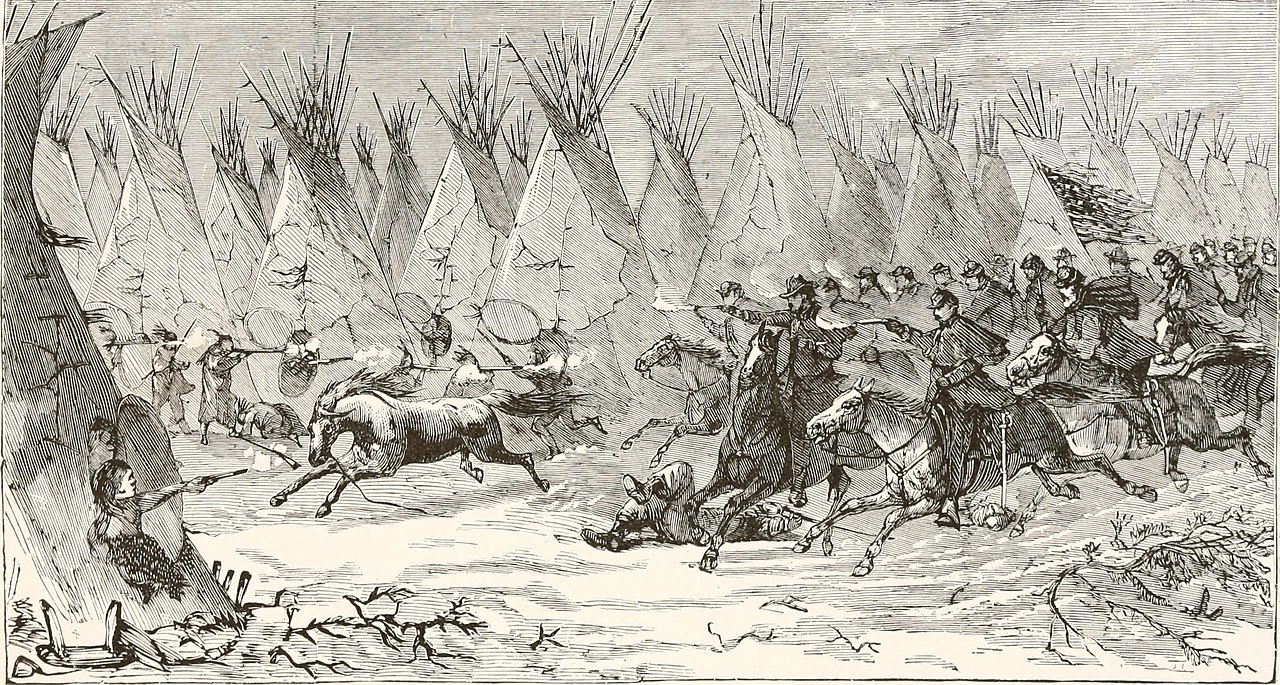
The California Gold Rush brought thousands of settlers onto indigenous lands, leaving a trail of devastation. Rivers were poisoned with mining runoff, hunting grounds were destroyed, and communities were violently displaced. Many Native Americans faced starvation and disease as their traditional way of life collapsed. The rush for gold left scars on the land and its original inhabitants that can still be traced today.
The Only Woman Lynched in the Gold Rush
Among the many tragic stories of frontier justice is that of Josefa Segovia, often remembered simply as “Juanita.” In 1851, she killed a man who tried to force his way into her home. Instead of receiving a fair trial, she was lynched by a mob, making her the only woman known to be executed in this way during the California Gold Rush. Her story highlights the harsh realities of gender and racial prejudice in an unstable society.
Riches That Rarely Lasted
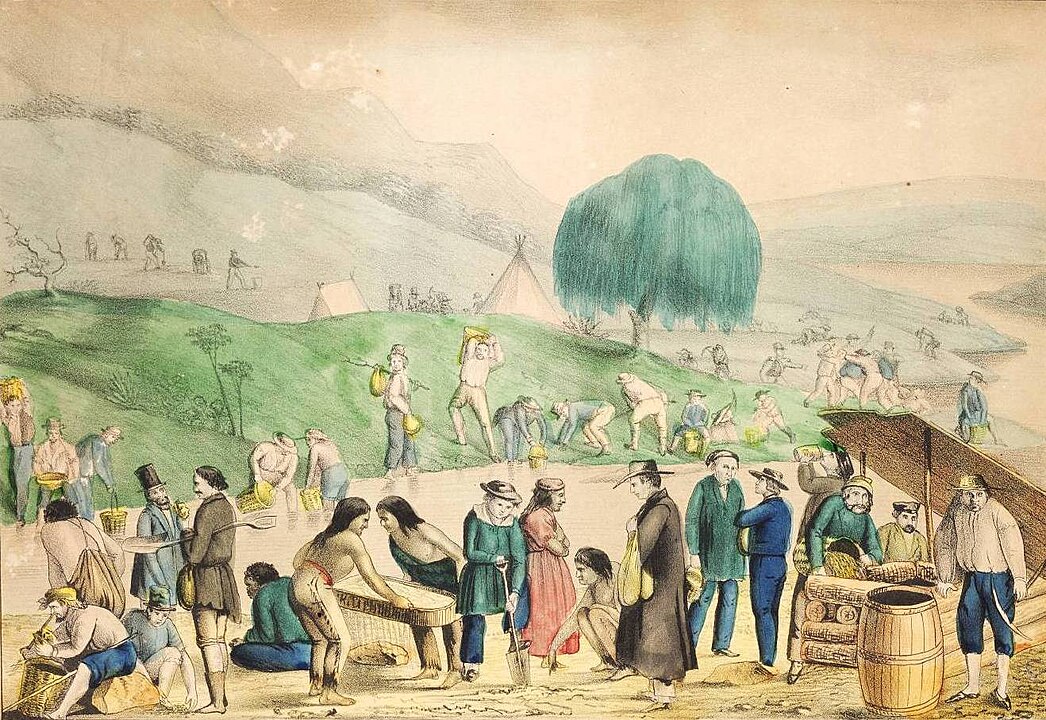
For every prospector who struck gold, countless others left empty-handed. In the Klondike Gold Rush alone, nearly 100,000 people set out, but only a few hundred found lasting fortune. Even some who did become wealthy quickly squandered their gains through poor investments or excessive spending. The dream of lifelong prosperity proved fleeting for most who chased it.
Robbery on the Gold Trails
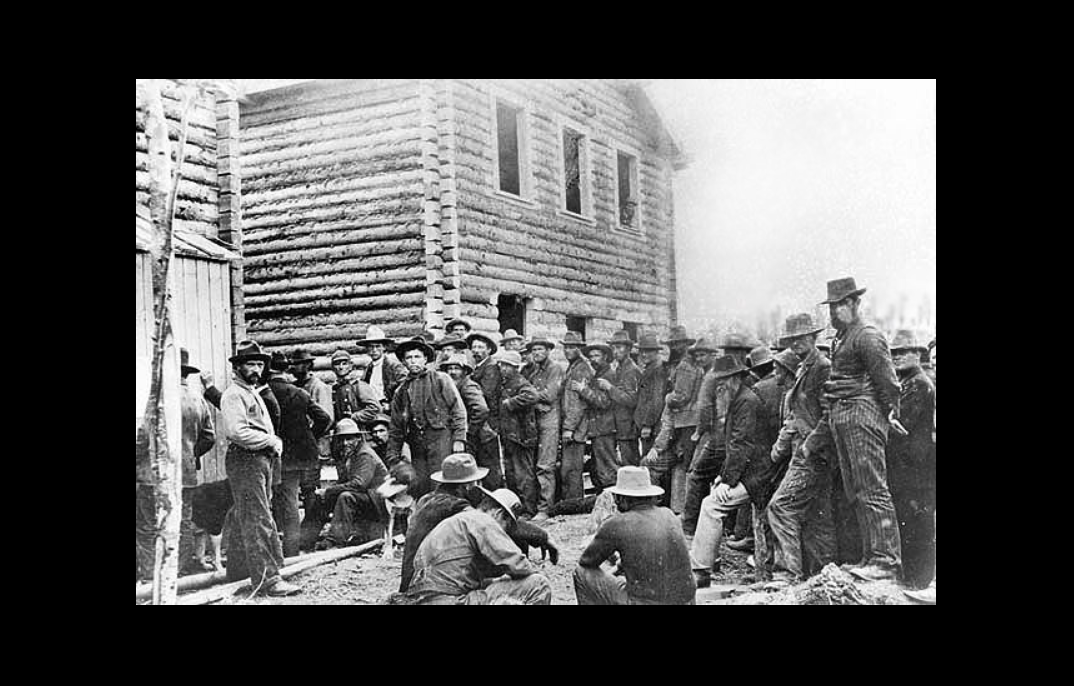
The lawlessness of gold country created the perfect environment for theft. In 1856, bandits ambushed a Wells Fargo mule train carrying gold, stealing a fortune before turning on each other in betrayal. Stories like this were common as greed overshadowed loyalty among outlaws. Highway robberies and stagecoach heists became as legendary as the mining camps themselves.
The Backbreaking Labor of Mining
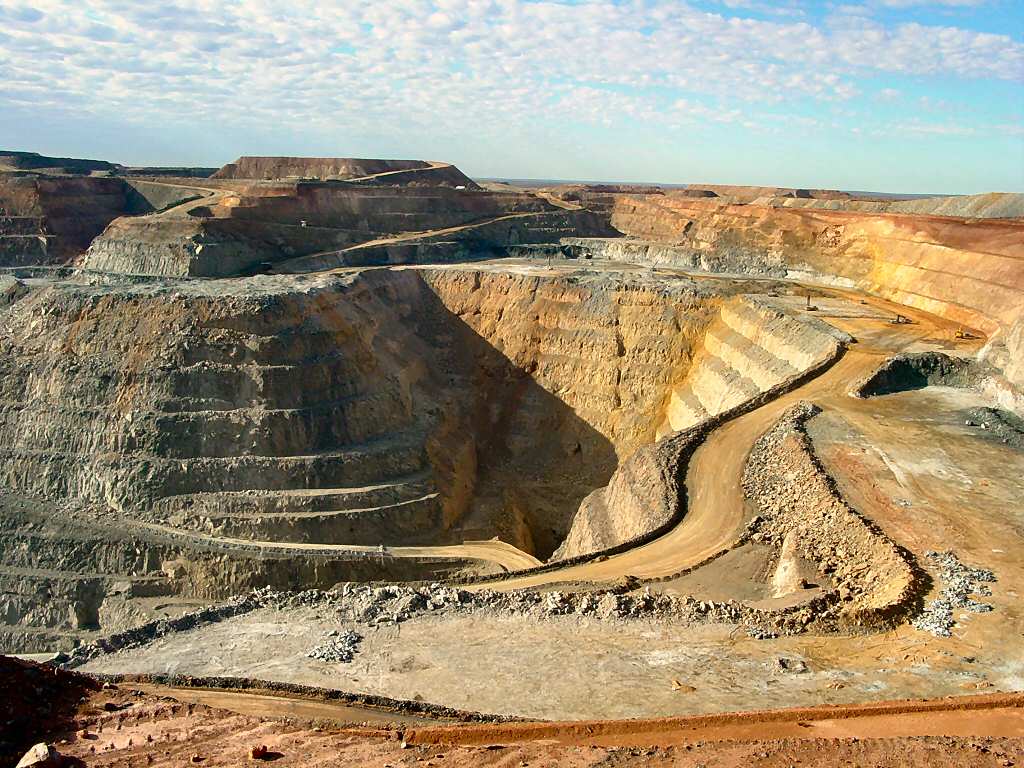
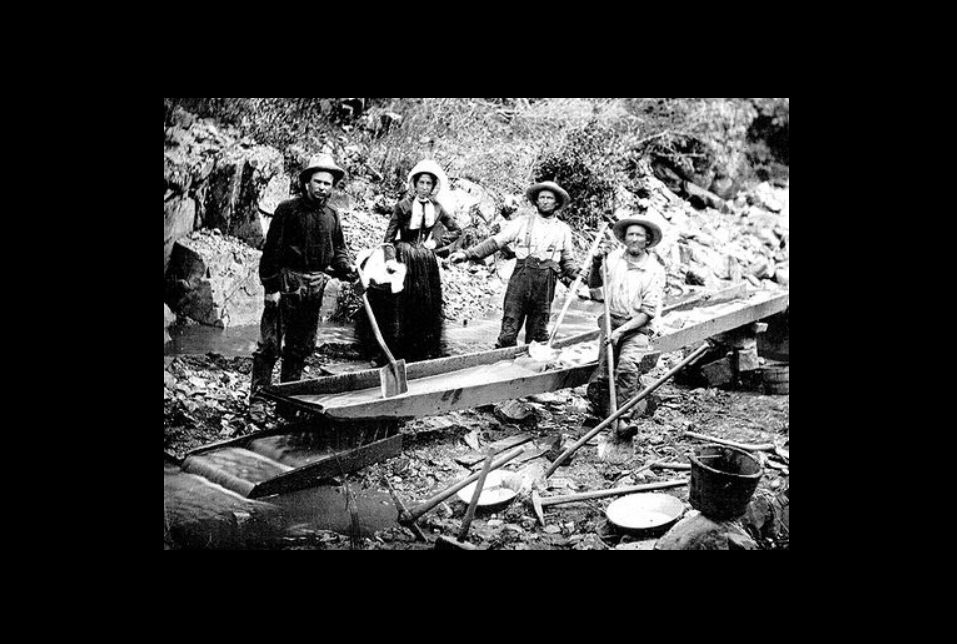
The reality of mining was grueling physical work under often dangerous conditions. Prospectors spent long days knee-deep in icy rivers, sifting through mud and gravel with little reward. Others risked their lives in collapsing mine shafts where accidents were frequent and deadly. The labor-intensive nature of gold mining left many exhausted, sick, and permanently scarred.
Disease and Famine in the Camps
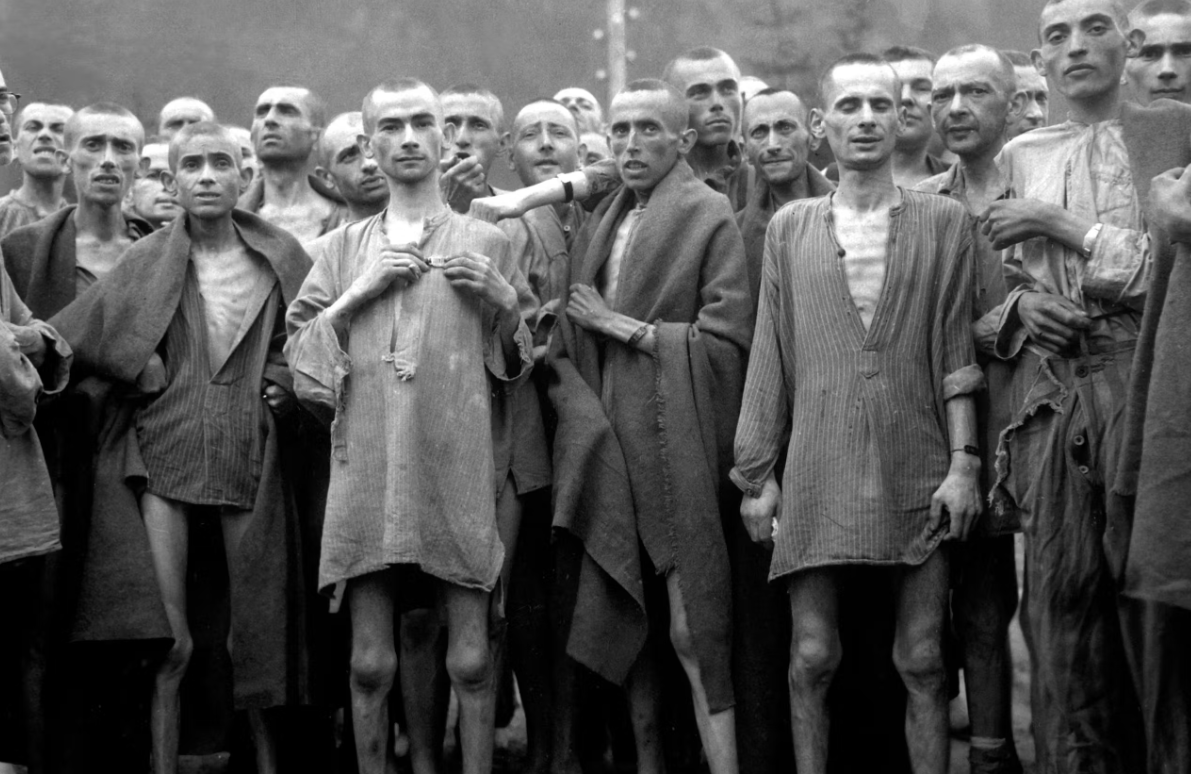
Boomtowns sprang up almost overnight, often without proper sanitation or food supplies. Disease spread rapidly through crowded camps, and outbreaks of cholera and dysentery were common. Malnutrition was also a threat, as supplies were expensive and inconsistent. Life in the camps was more often marked by hunger and illness than prosperity.
Vigilante Justice and Lawlessness
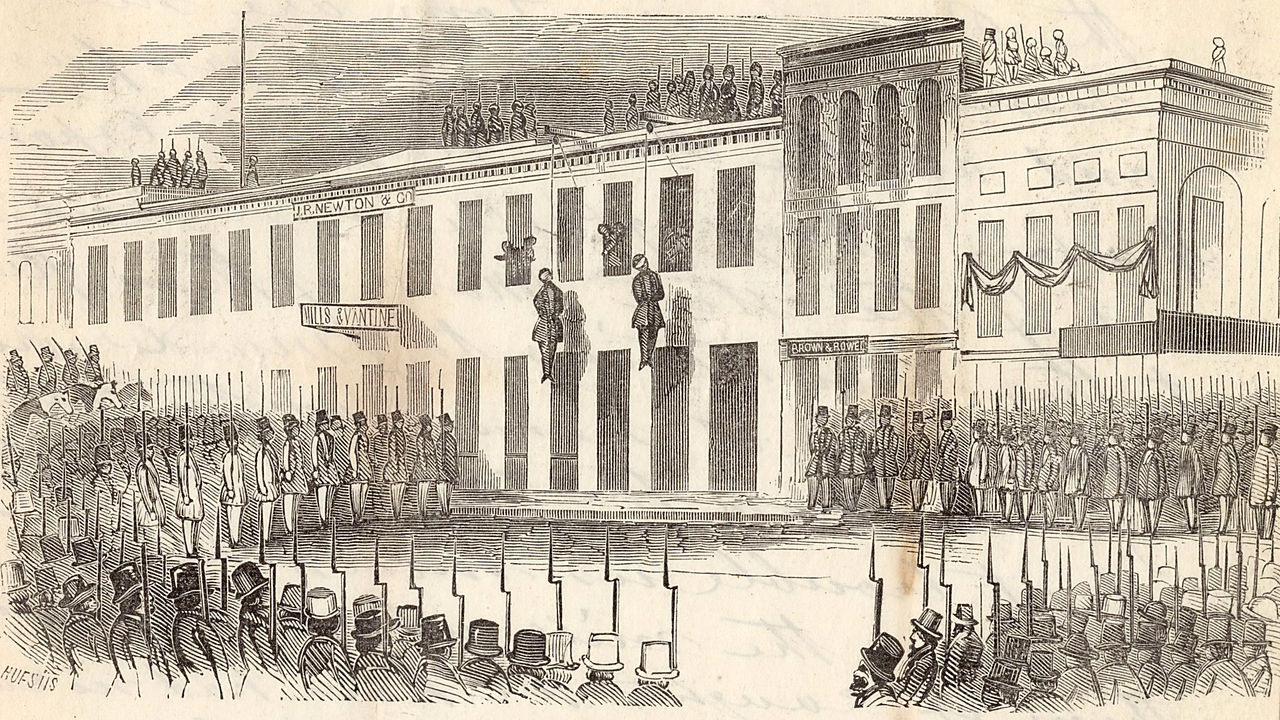
With limited official law enforcement, many gold rush settlements turned to vigilante justice. While some efforts were meant to restore order, they often led to mob violence and the execution of innocent people. The fear of theft, disputes over claims, and general chaos made justice unpredictable. This instability made the gold rush a breeding ground for conflict as much as opportunity.
The Struggles of Chinese Immigrants
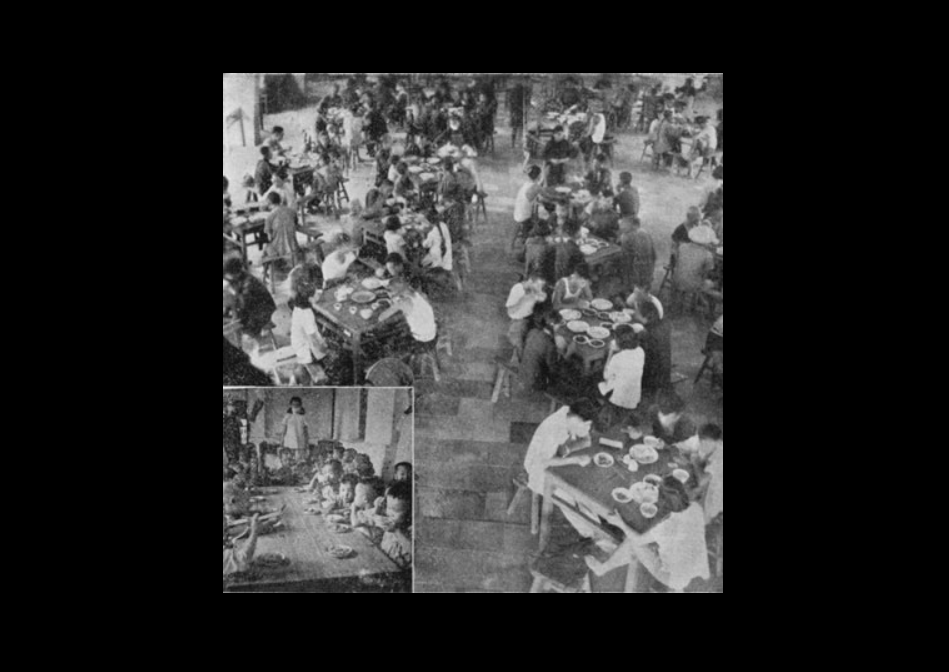
Chinese immigrants arrived in large numbers during the California Gold Rush, but instead of sharing in opportunity, they were met with prejudice and targeted restrictions. Discriminatory taxes, exclusion from prime claims, and violent attacks were common. Despite these hardships, Chinese communities persevered, contributing significantly to the economy and culture. Their resilience remains one of the underappreciated legacies of the gold rush era.
Broken Families and Abandoned Homes
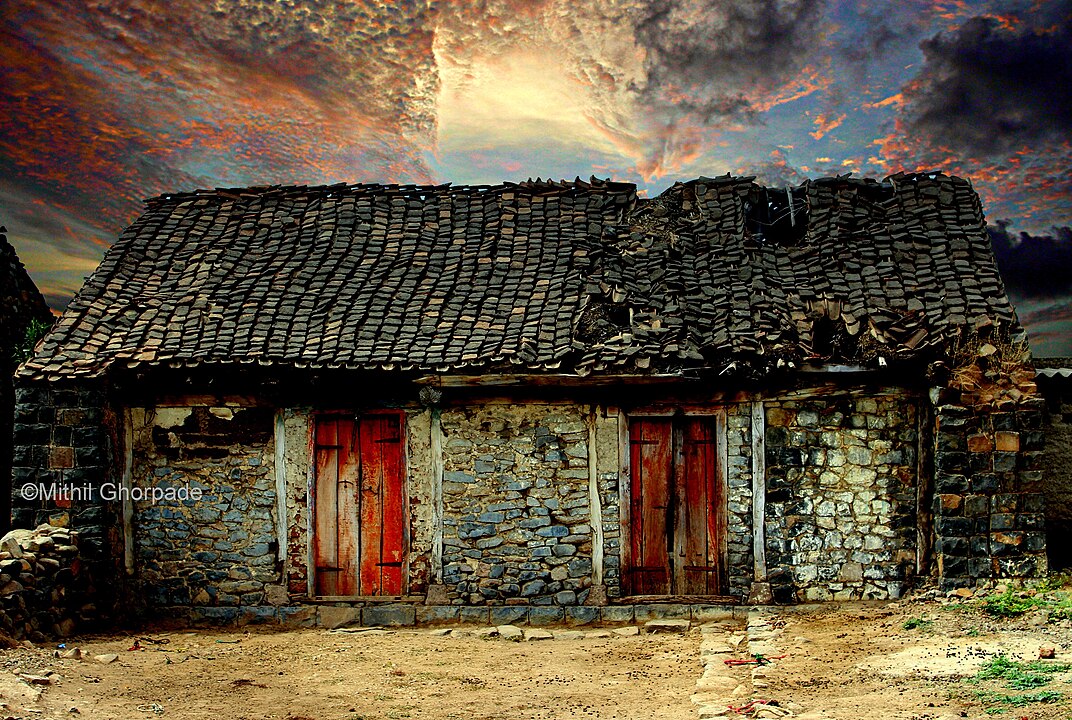
The lure of quick wealth drew men from across the country and the world, often leaving families behind. Many never returned, whether due to death, financial ruin, or simple disappearance into frontier life. Letters home spoke of hardship and disappointment, but often too late to mend the damage. The human cost of separation was a shadow rarely acknowledged in romantic tales.
Environmental Destruction That Lasts
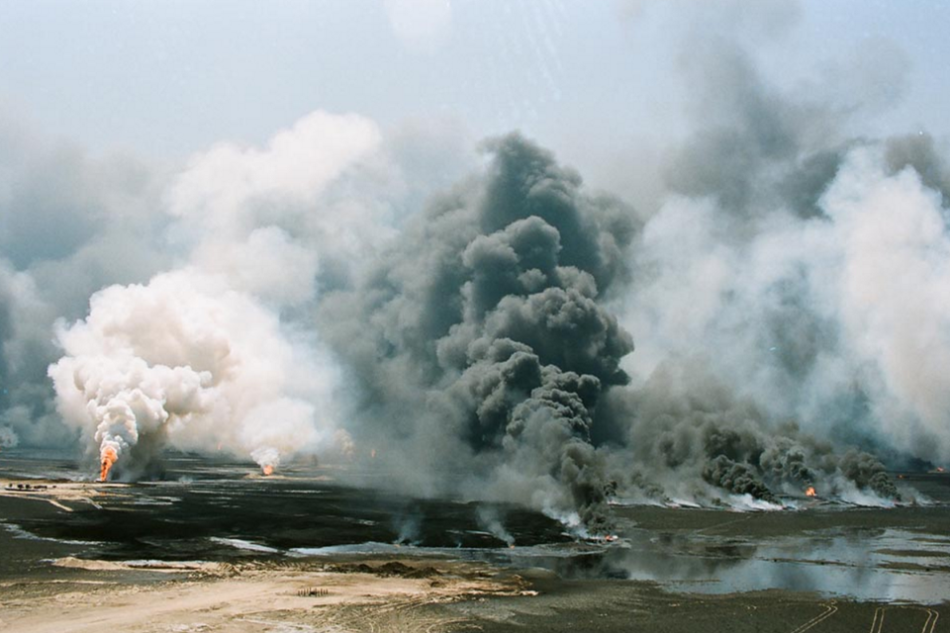
Mining methods such as hydraulic mining permanently scarred landscapes. Entire hillsides were washed away, rivers clogged with debris, and fertile valleys turned barren. These practices caused floods and ecological damage that persisted long after the gold rush ended. The price paid by the environment remains one of the least visible yet most lasting consequences.