For newcomers, small American behaviors often feel unfamiliar, exaggerated, or even surreal. These customs are so embedded in everyday life that locals rarely notice them. Immigrants navigating social, educational, and domestic spaces quickly realize that tiny habits, rituals, and routines define U.S. culture in ways that may feel otherworldly at first glance.
Saying “Have a Nice Day” Constantly

Americans often part ways with strangers using cheerful phrases. Immigrants may find it unusually friendly or performative. The habit reflects politeness and casual social engagement. Its frequency can feel exaggerated to newcomers.
Asking Personal Questions Early

Questions about work, family, or weekend plans happen immediately. In other cultures, these inquiries may seem invasive. Americans see it as friendly conversation. The practice reflects a casual approach to relationship-building.
Using First Names Instantly

Addressing people by first names is common, even in formal situations. Immigrants often expect titles or surnames. The habit emphasizes equality and approachability. Misunderstandings can arise until the cultural context is learned.
Smiling at Strangers in Public

Random smiles are part of U.S. social norms. Visitors may initially interpret them as overly familiar or suspicious—smiling functions as a tool for friendliness, not intimacy. The habit signals politeness over the depth of the relationship.
Frequent Tipping Practices

Tip amounts, timing, and expectations vary widely. Immigrants often struggle to understand who gets tipped and how much. The habit reflects social responsibility embedded in service culture. Errors can cause social awkwardness.
Drive-Through Everything
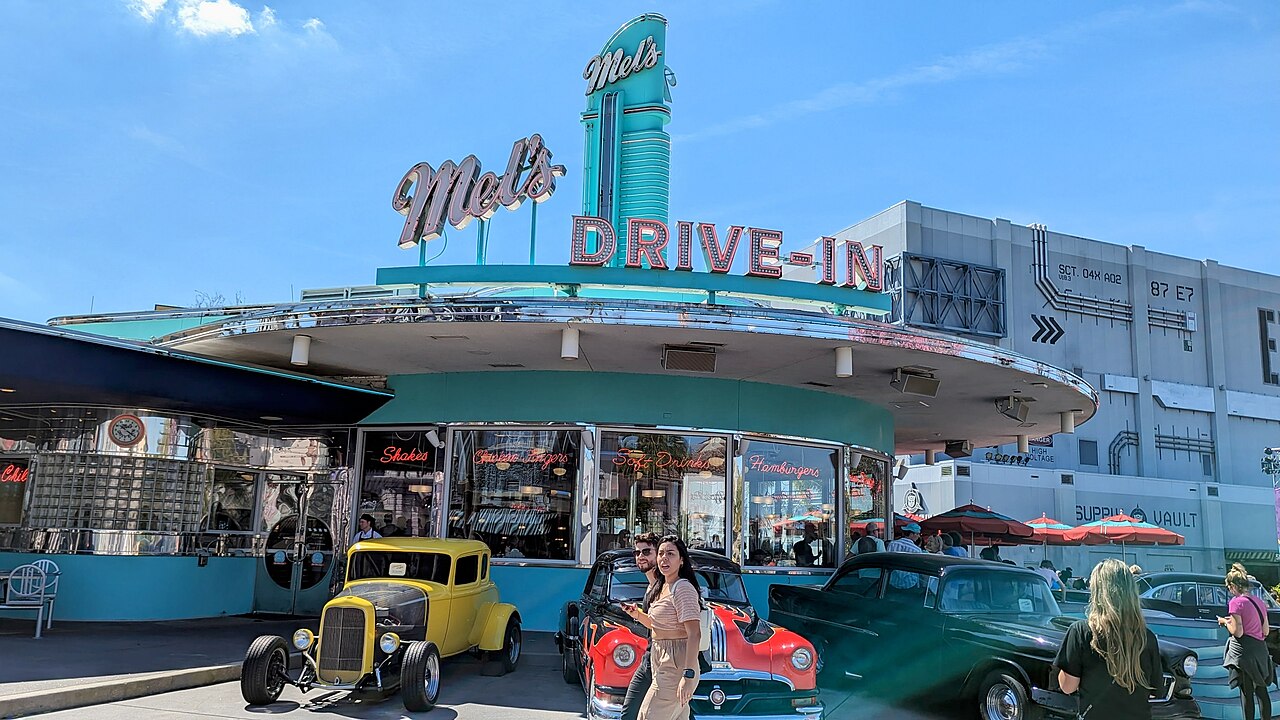
Restaurants, pharmacies, banks, and coffee shops all offer drive-throughs. Immigrants are surprised by the convenience-focused culture. The habit reflects suburban planning and car-centered lifestyles. It reshapes how errands are performed.
Ice in Every Drink
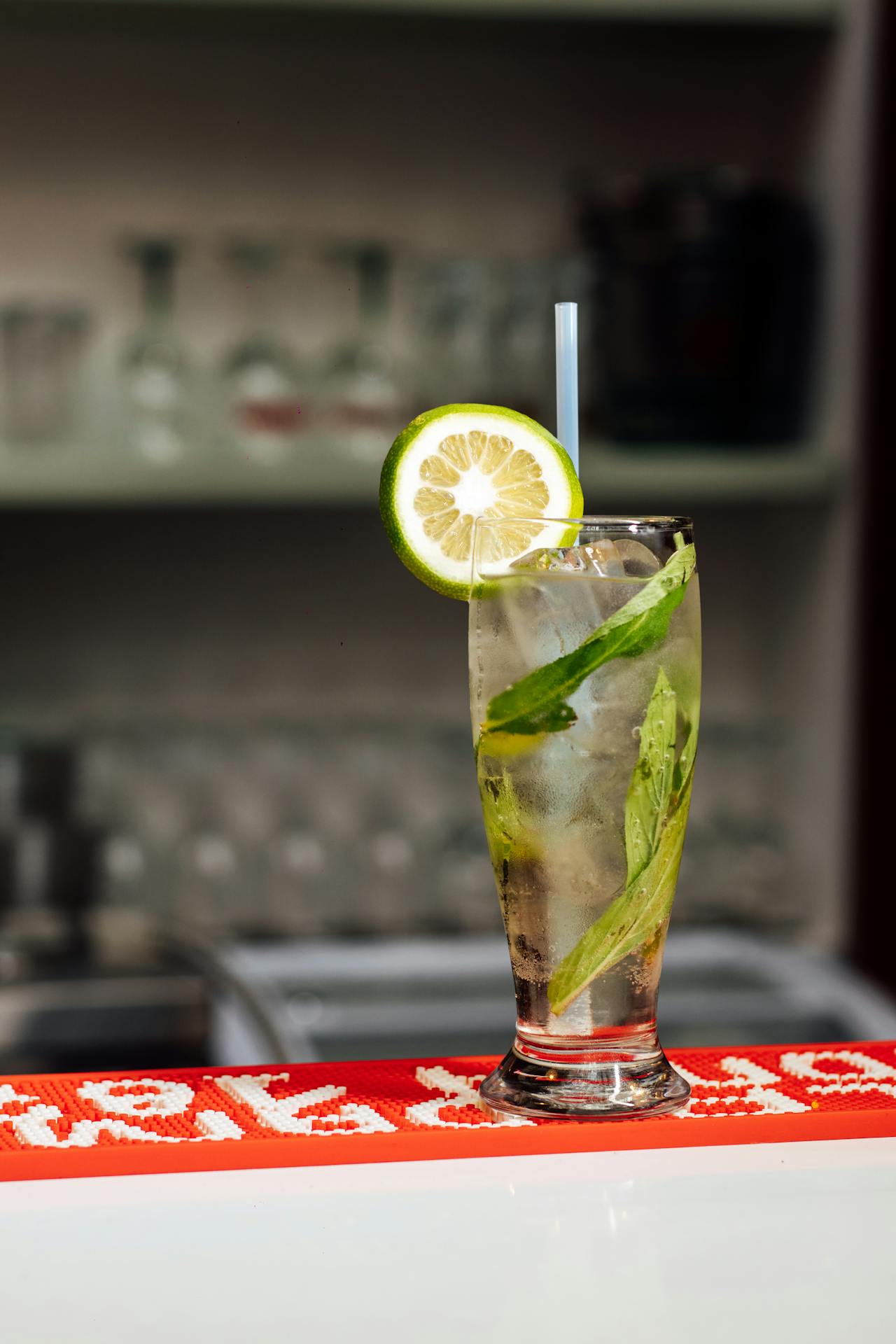
Large amounts of ice in beverages are ubiquitous. Visitors often find it excessive or unusual. Ice signifies abundance, refreshment, and hospitality. The expectation persists even in cold weather.
Pumpkin Spice Everything
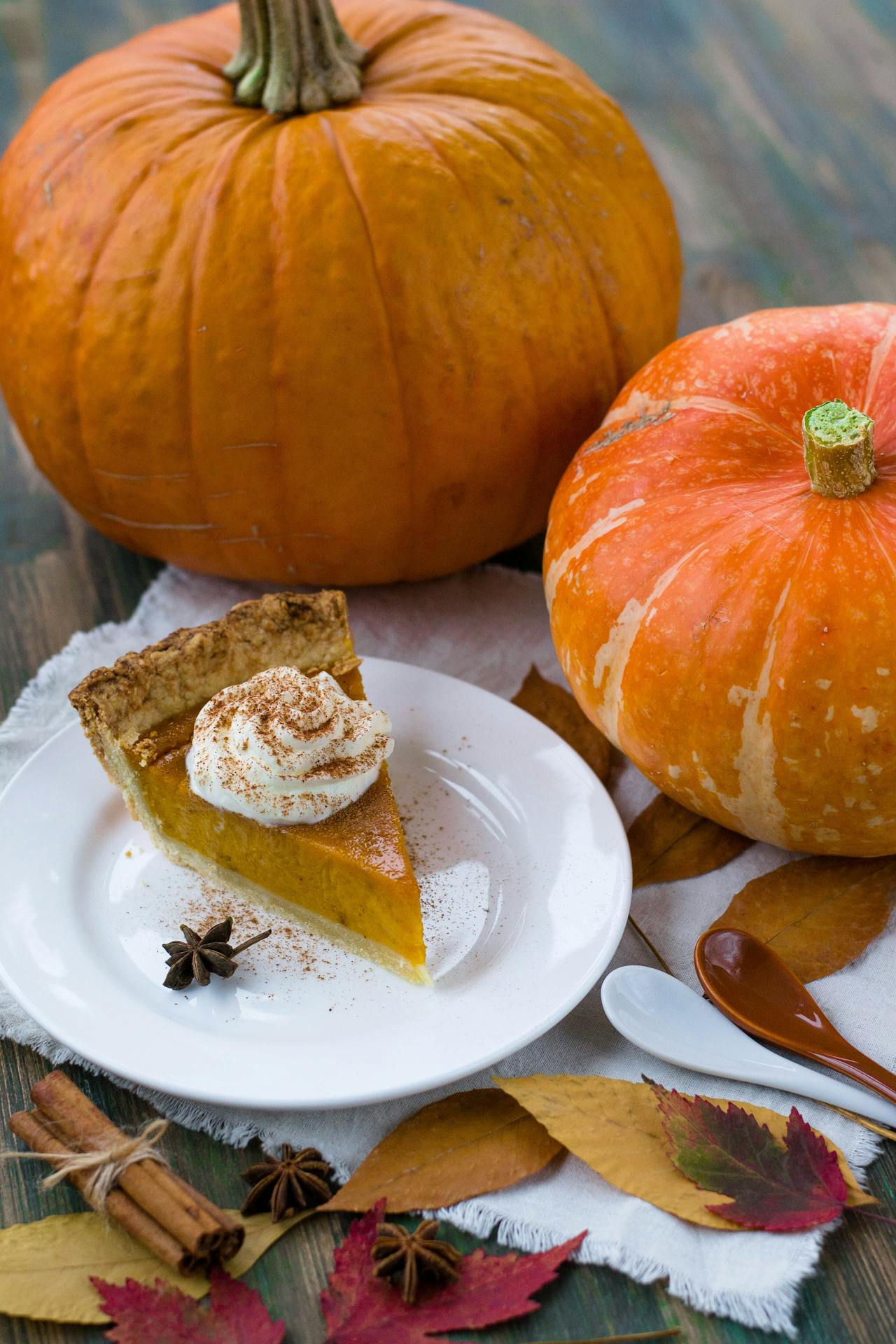
Seasonal flavors dominate fall menus, décor, and marketing. Immigrants may perceive it as overwhelming or exaggerated. The habit reflects marketing culture and seasonal consumer enthusiasm. It signals a shared temporal experience.
Door-to-Door Mail Delivery
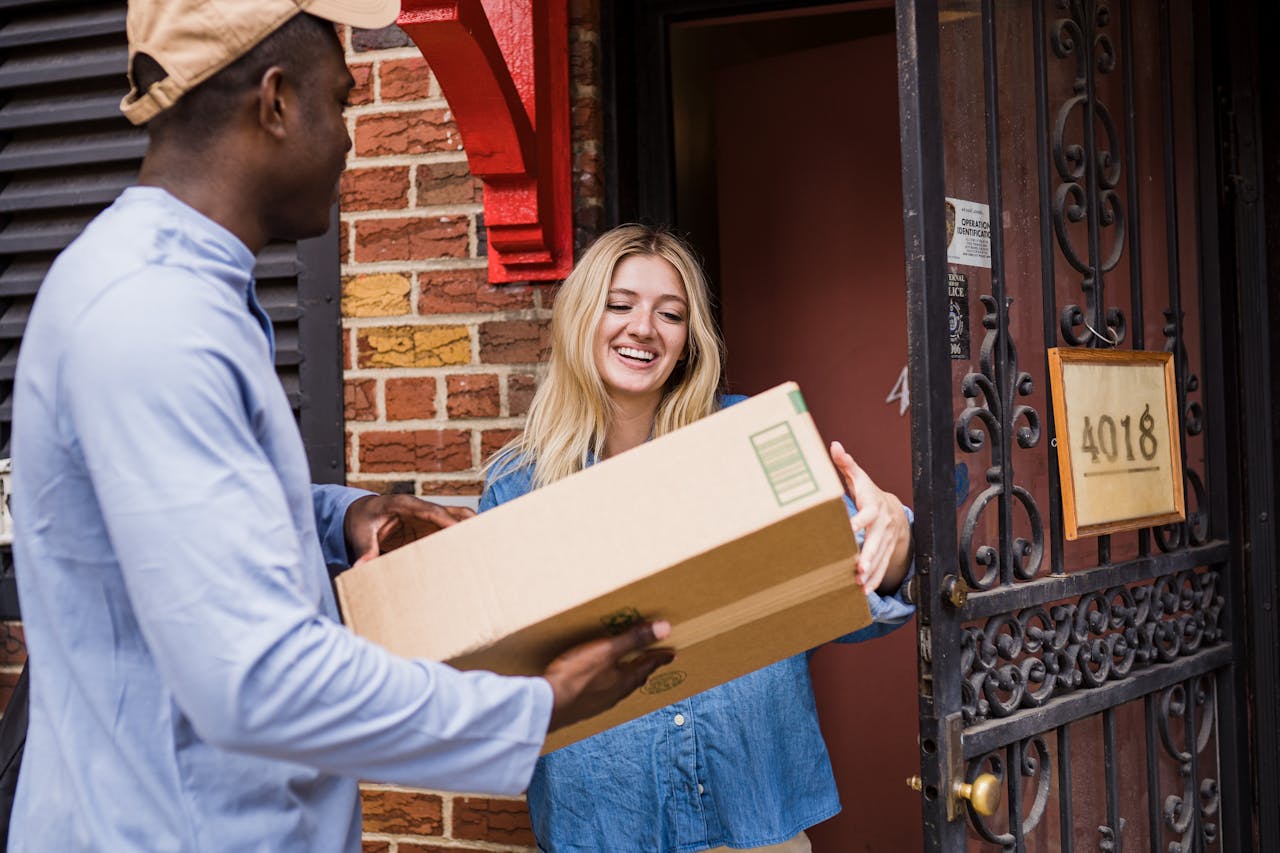
Daily mail delivery, including flyers and advertisements, surprises many newcomers. The personal touch is unexpected compared to centralized mailboxes in other countries. The habit reflects suburban design and service norms.
Recycling Bins Outside Every House
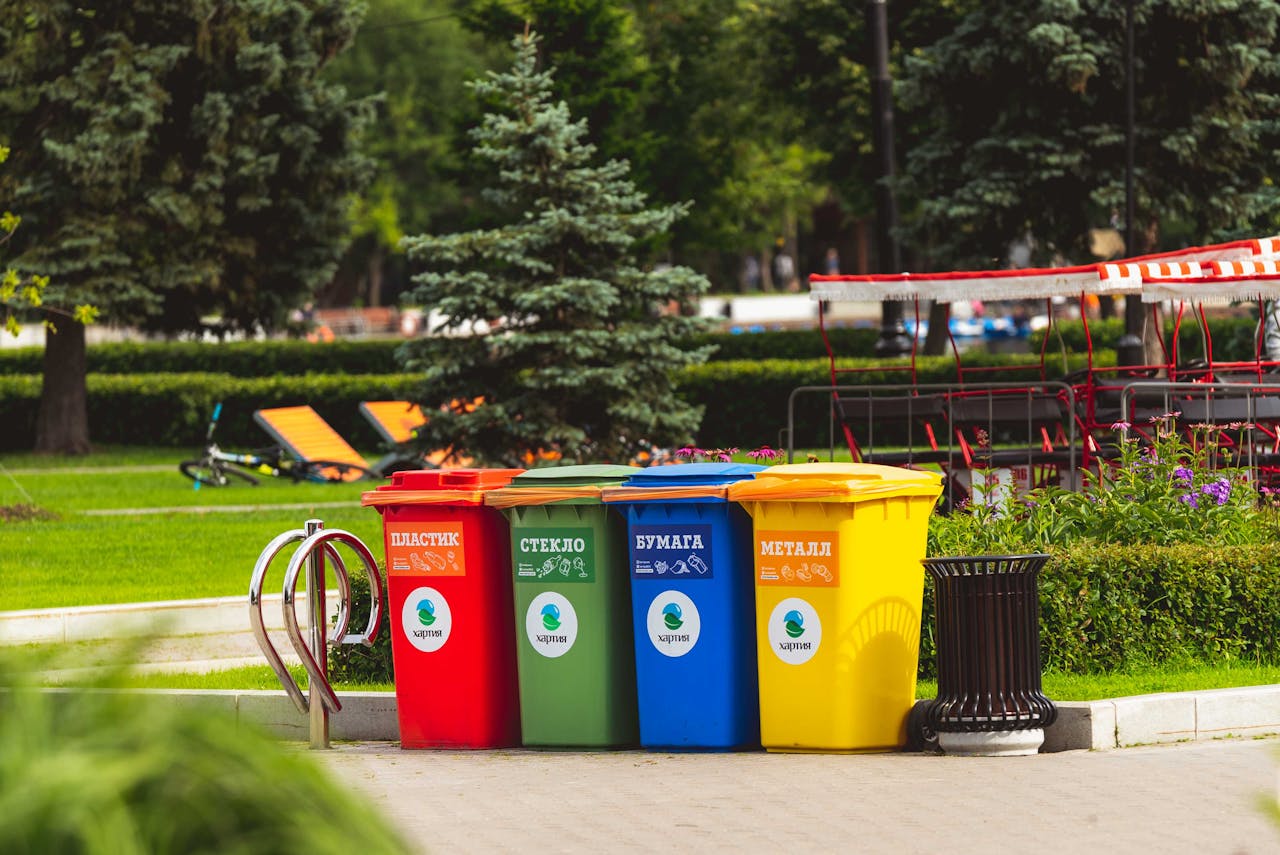
Designated bins for sorting recyclables are standard. Immigrants often find the system detailed and rigid. Compliance is culturally expected, reflecting environmental awareness. Participation is normalized rather than optional.
Public Bathroom Courtesy Rules
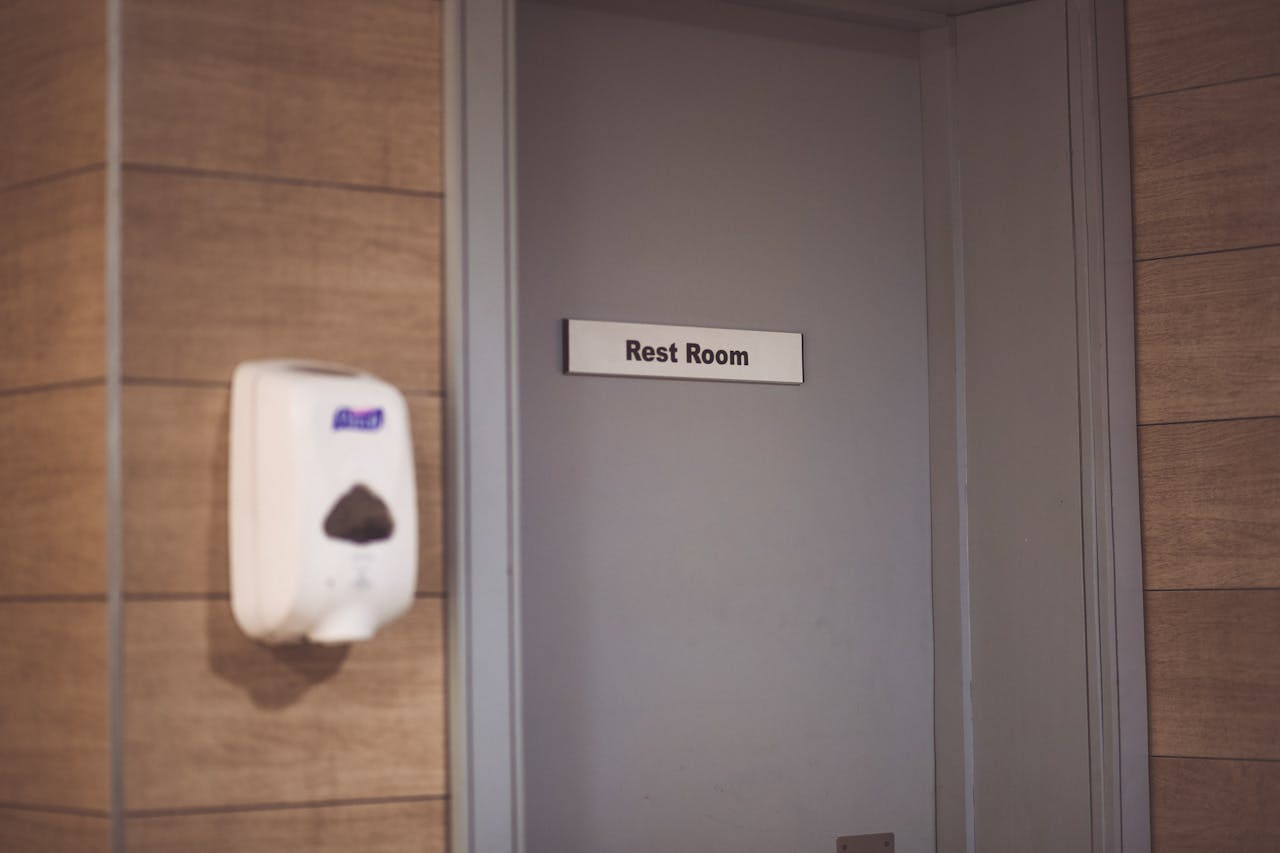
Bathroom etiquette, such as keeping toilet seats down or leaving paper for the next user, is emphasized. Newcomers may find this over-specific. The habits reflect social courtesy and hygiene culture. Unwritten rules guide behavior quietly.