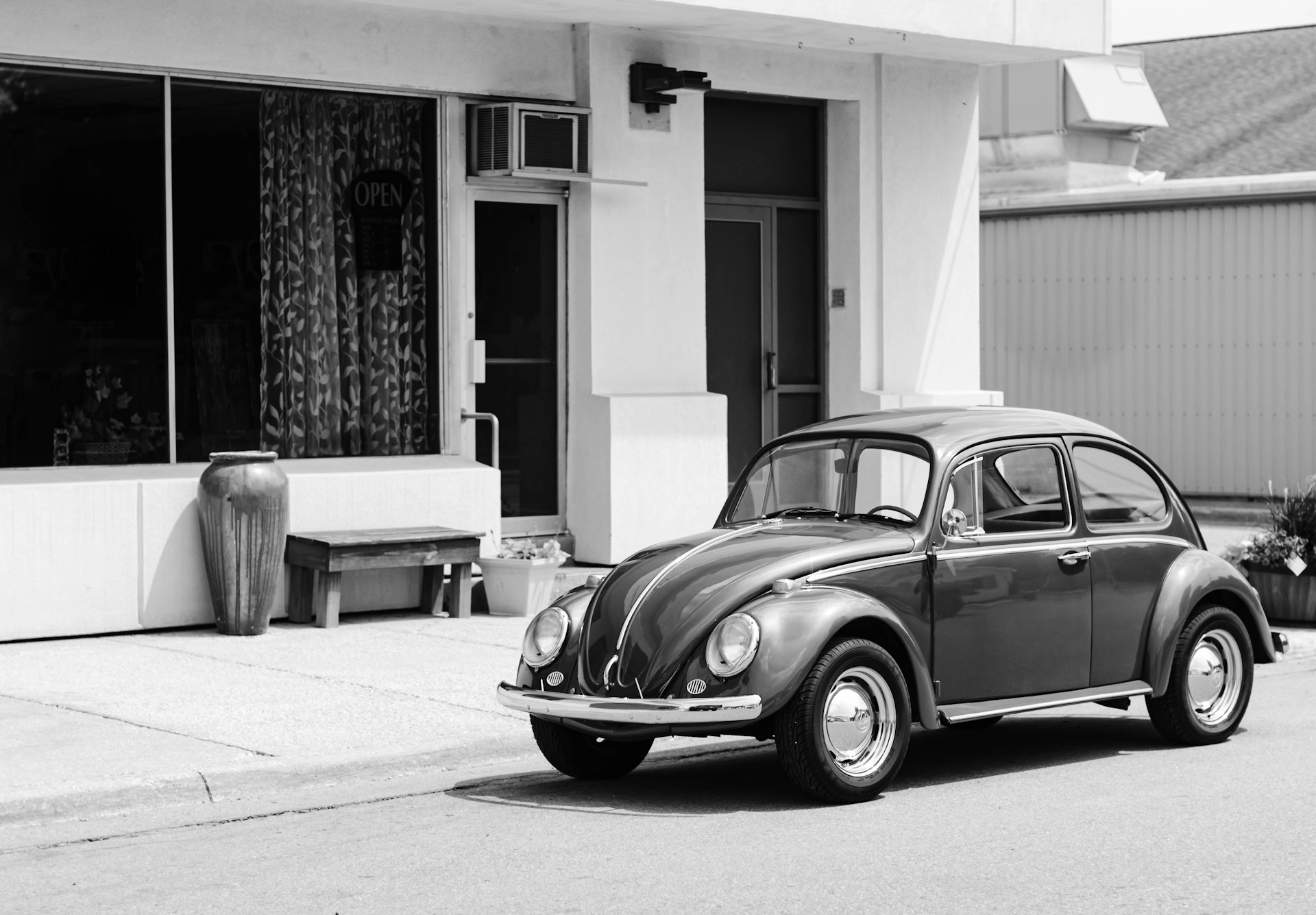
The 1960s were a unique decade that shaped many people’s lives, creating lessons and values that are still relevant today. From the way families interacted to the societal changes that took place, the ’60s instilled lessons in perseverance, community, and creativity. Growing up in that era often meant navigating a world of change, but it also meant learning some of the most important lessons that shaped the values of those who lived through it. Here are 11 timeless lessons that the 1960s taught us.
Value of Hard Work and Self-Reliance
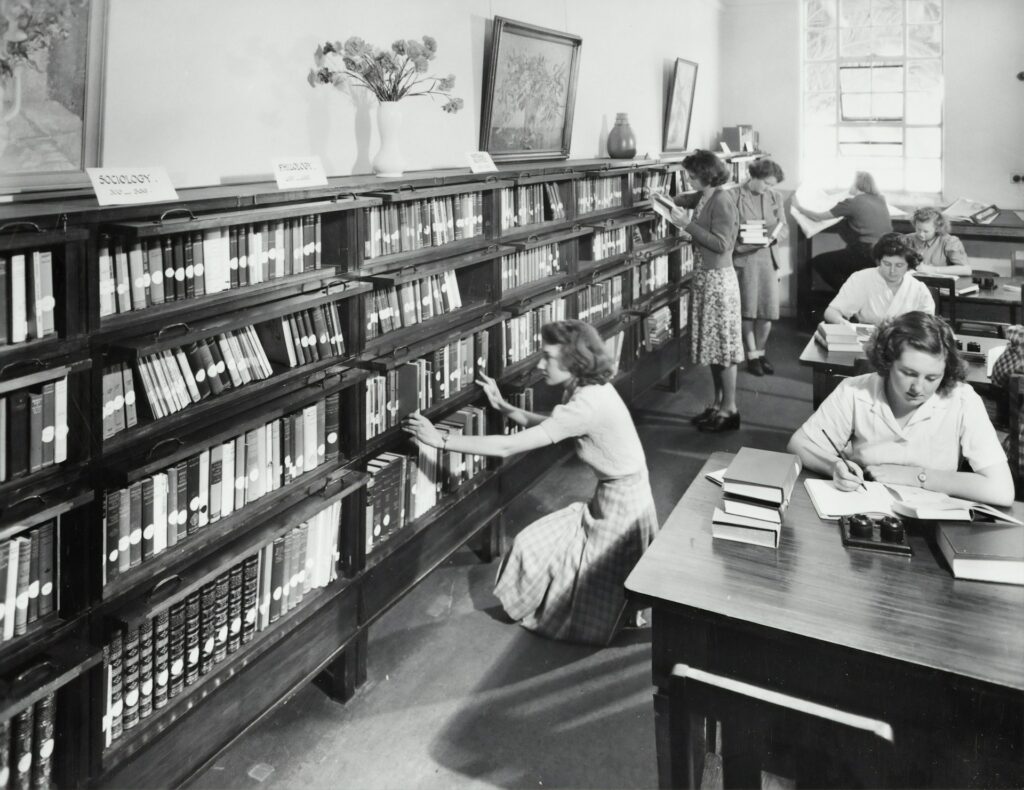
In the 1960s, life was often about doing things yourself and finding solutions without relying on others. Whether it was working a part-time job at a young age or fixing things around the house, kids learned early that hard work was a key to success. Self-reliance was not just encouraged but expected. Families did not have the luxury of relying on outside help for every problem. This sense of independence shaped the generation’s work ethic and ability to solve problems creatively, teaching many that nothing was impossible with determination and effort.
Appreciation for Simpler Pleasures
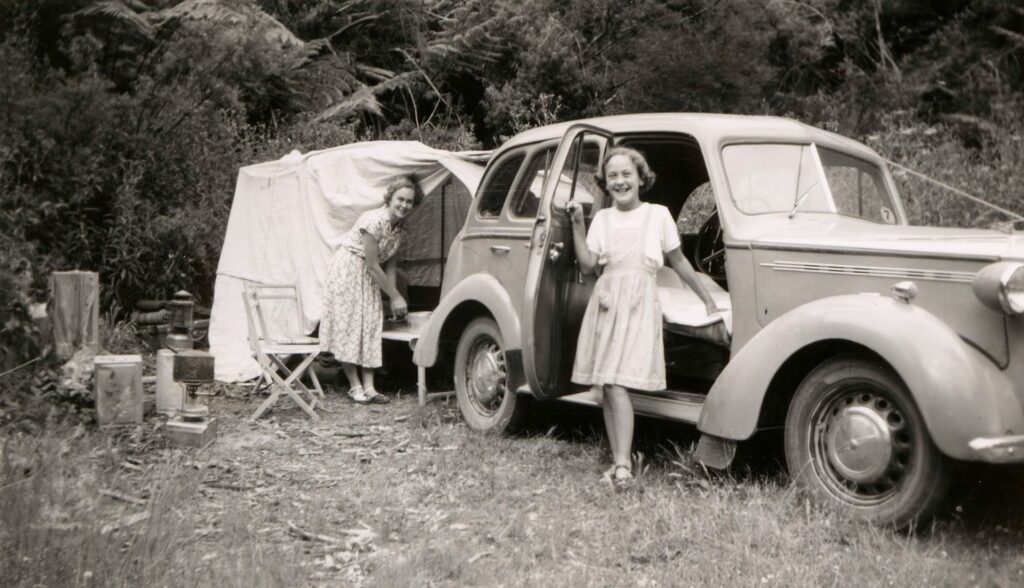
The 1960s were a time when families spent more time together at home rather than out at entertainment venues or busy shopping centers. Kids learned to appreciate simple pleasures like playing outside, riding bikes, reading books, or enjoying a family meal. There were no cell phones or video games to distract people from quality time, so kids learned how to entertain themselves with what was available—whether it was making up games or spending hours building forts. This era taught the value of slowing down and finding joy in the small things.
The Importance of Respect and Manners
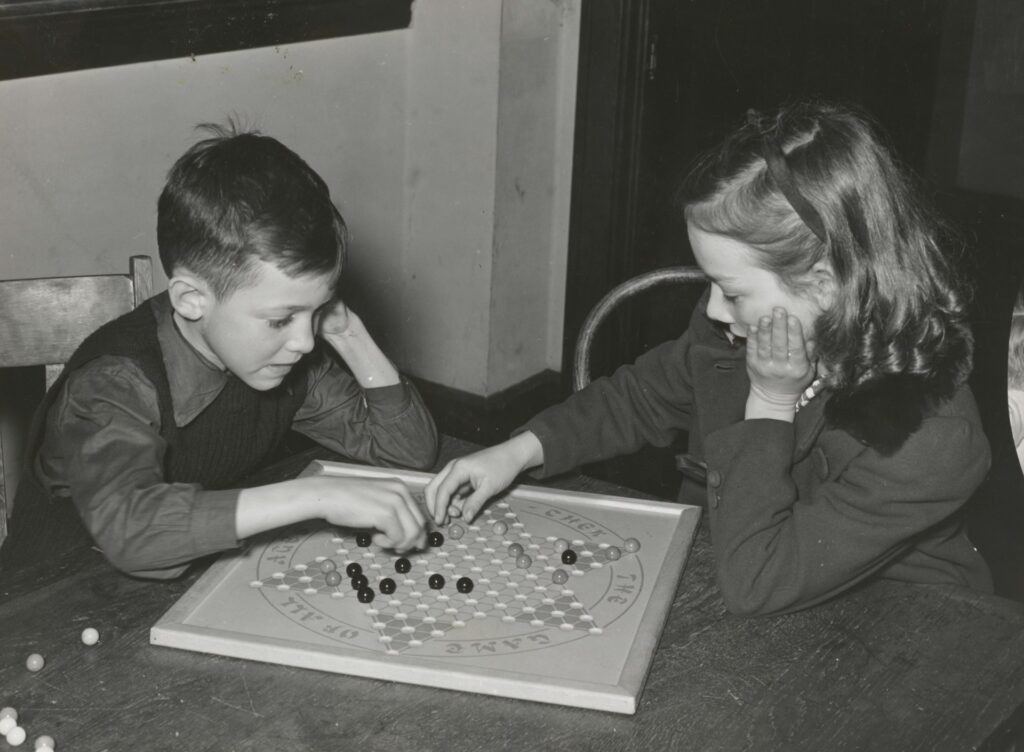
Respecting others and practicing good manners were emphasized heavily in the 1960s. Children were taught to address adults respectfully, whether it was through “sir” and “ma’am” or simply listening when someone else was speaking. It was a time when politeness and courtesy were seen as essential social skills. This focus on respect didn’t just apply to family members; it extended to teachers, neighbors, and strangers alike. The decade was marked by a sense of community and decorum that helped create more civil interactions in daily life.
Adaptability in the Face of Change

The 1960s were a period of enormous social change, from the civil rights movement to the rise of counterculture. Growing up during this time, many learned how to adapt to new ideas and shifting cultural norms. Whether it was dealing with a changing political climate or seeing societal expectations evolve, children in the 1960s learned that change was inevitable and sometimes even necessary. This lesson of adaptability and flexibility has endured, helping people cope with the unpredictable nature of the world around them.
Appreciation for Family Time

In the 1960s, family time was sacred. With limited access to technology, families often spent their evenings together playing board games, watching television, or enjoying a home-cooked meal. Sunday dinners were a tradition in many households, offering a time for families to connect and bond. Children learned that family was a central pillar of their support system, and it was the most reliable source of comfort and security. This appreciation for family time taught the importance of nurturing relationships and staying close to loved ones.
The Power of Community
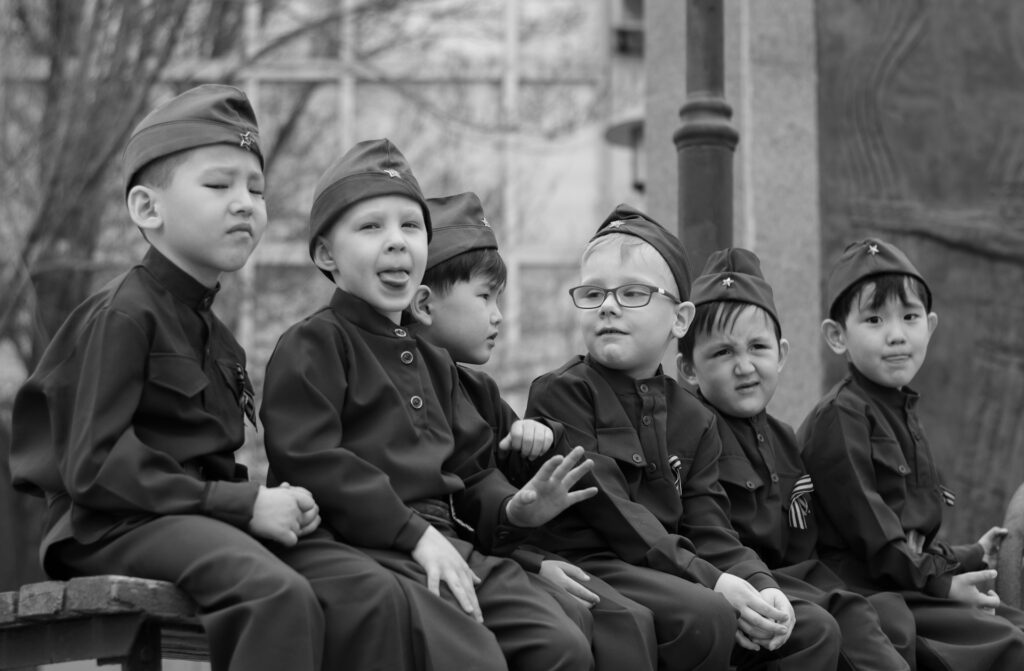
The 1960s also fostered a strong sense of community, especially in smaller towns and neighborhoods. Neighbors were friends, and it wasn’t uncommon for families to help each other out, whether it was lending a tool or watching the kids. This collective mindset taught many to value community and mutual support. Children learned that they could count on others, and that helping out those around you was essential to building a strong, supportive environment. This lesson in cooperation and shared responsibility has stayed with many, emphasizing the importance of community today.
Understanding the Value of Money

Money wasn’t always easy to come by in the 1960s, and children quickly learned the importance of saving and budgeting. With less access to credit and fewer luxuries, families were more frugal and mindful of their spending. This led to the lesson that money had to be earned and managed carefully. From receiving allowances to saving up for special purchases, kids understood that financial security didn’t come easily, and it required careful planning. This mindset of budgeting and saving has stuck with those who grew up in the ’60s, leading them to become more financially responsible as adults.
The Value of Creativity and Self-Expression
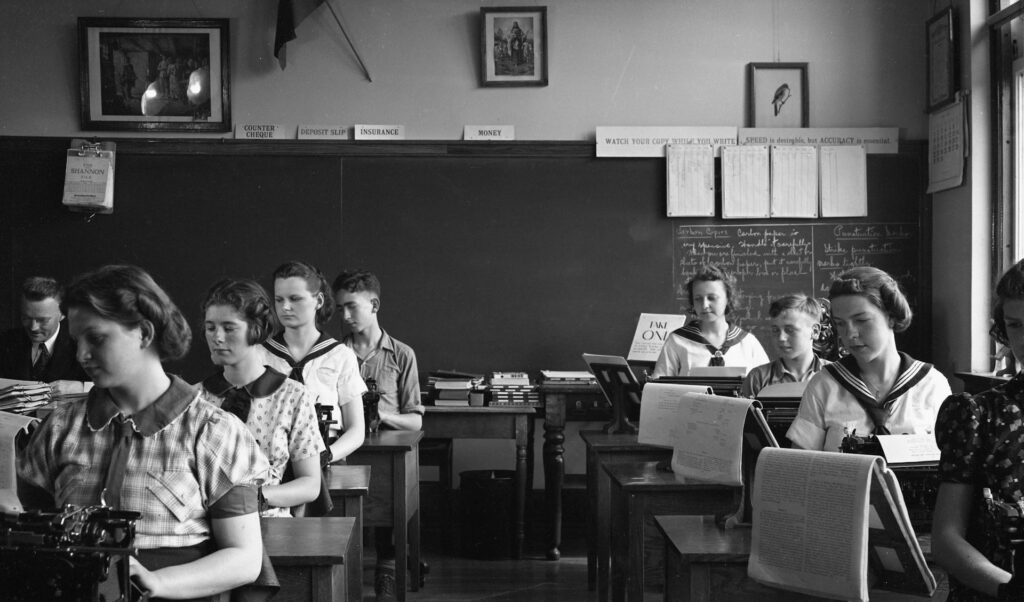
The 1960s were known for their creative revolution. Music, fashion, and art were all infused with new ideas and rebellious attitudes. Growing up in this time, children were encouraged to think outside the box and express themselves in new ways. Whether it was through music, art, or simply dressing differently, the 1960s encouraged kids to be creative and unapologetically themselves. This period helped many learn the value of self-expression and how creativity could lead to innovation and personal fulfillment. It laid the groundwork for a generation that would continue to challenge norms and push boundaries in every area of life.
Patience and Delayed Gratification
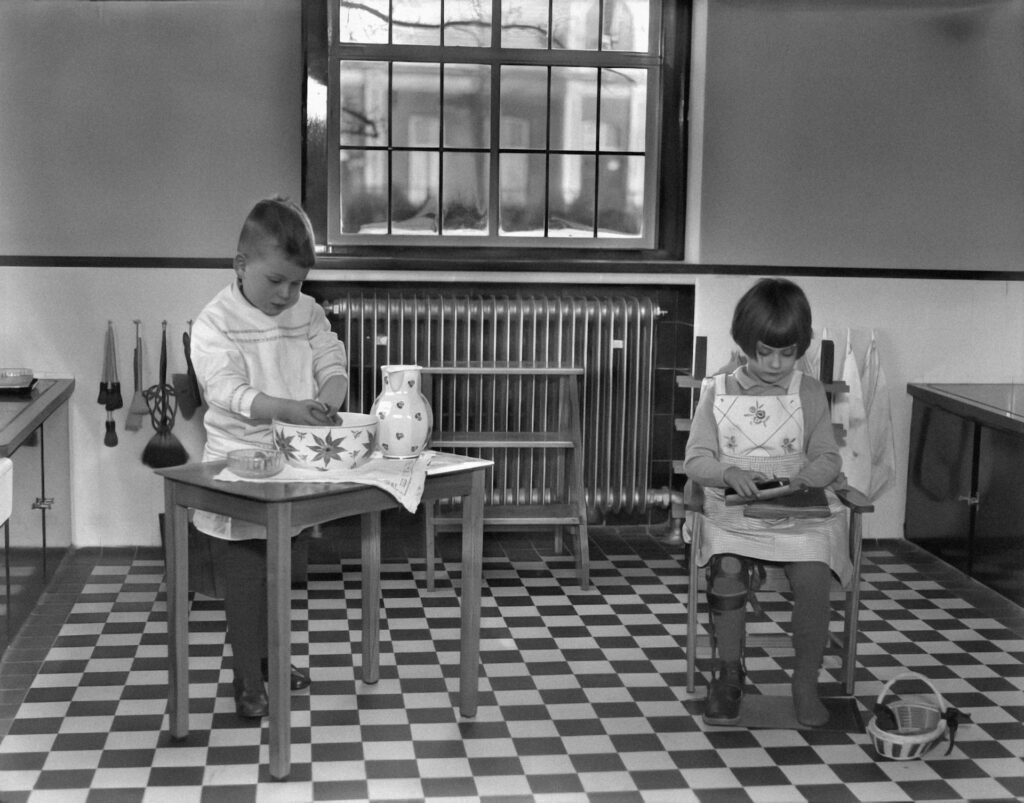
The 1960s were a time when instant gratification wasn’t as readily available as it is today. Kids had to wait for things, whether it was waiting for a special occasion to receive a gift or saving up their own money for a coveted toy. This taught them patience and the importance of delayed gratification. In today’s fast-paced, convenience-driven world, this lesson is often overlooked. However, those who grew up in the 1960s understood the value of waiting for something worthwhile, a lesson that has helped many remain focused and patient in both their personal and professional lives.
Learning the Importance of Personal Responsibility
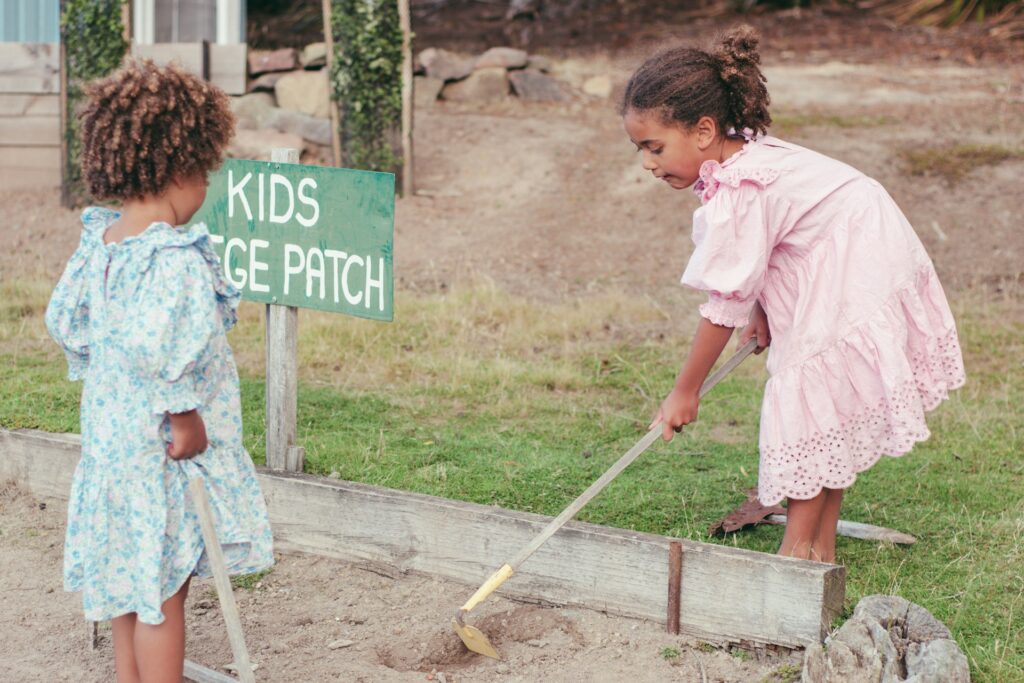
The 1960s were a time when personal responsibility was emphasized from an early age. Whether it was taking care of household chores, managing schoolwork, or looking out for younger siblings, kids were expected to carry their weight. There wasn’t much room for excuses or blaming others for mistakes. This taught children the importance of owning up to their actions and making sure they fulfilled their responsibilities. Personal accountability was seen as a cornerstone of maturity and an essential life skill. This lesson has remained with many, helping them tackle challenges head-on and take ownership of their successes and failures.
Respect for the Environment

The 1960s marked the beginning of the environmental movement. As the decade progressed, people began to notice the impact of pollution and waste on the planet. This sparked an awareness of the importance of taking care of the environment, leading to the first Earth Day in 1970. For children growing up in the ’60s, this meant learning to value nature, conserve resources, and appreciate the beauty of the world around them. This respect for the environment has been passed down to future generations, influencing many to adopt sustainable practices and advocate for environmental protection.
The Power of Peace and Tolerance

One of the most powerful lessons from the 1960s was the value of peace and tolerance. From the civil rights movement to anti-war protests, many children in this era were exposed to the importance of fighting for justice and equality. They learned that standing up for others and promoting peace were essential values that should guide their actions. The 1960s taught people to embrace diversity, respect different perspectives, and work toward a world where equality and fairness were the foundations of society. This lesson continues to resonate today, as many advocate for tolerance, peace, and inclusivity across the globe.
The 1960s left a lasting imprint on the generations that grew up during this transformative time. The lessons learned from navigating a decade of cultural, social, and political shifts have shaped values that continue to guide people today. From appreciating the simpler pleasures in life to understanding the importance of personal responsibility and respect for others, these lessons from the 1960s remain timeless and continue to offer wisdom for modern-day living.