Every generation has its signature trends, but cultural habits tend to circle back in surprising ways. Gen Z is often praised for its creativity and reinvention, especially in fashion, technology, entertainment, and lifestyle choices. Yet many of the trends they proudly embrace were once the norm for boomers several decades ago. The similarities show that what feels new often has roots in the past, reshaped by modern technology and taste. Looking at these parallels reveals how culture constantly cycles and evolves while retaining a familiar foundation.
Thrifting and Secondhand Style

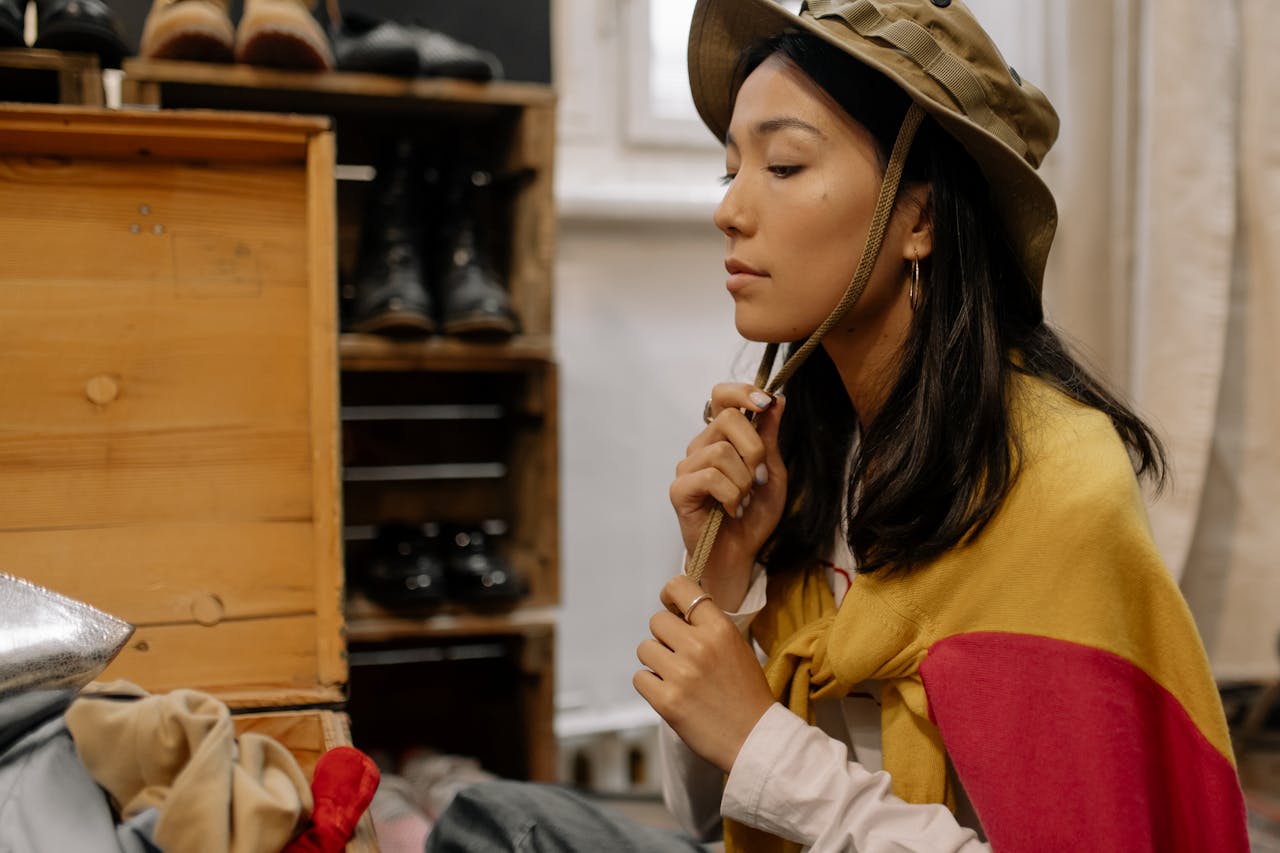
Gen Z has made thrifting a mainstream expression of individuality, sustainability, and creativity. Yet boomers grew up buying secondhand long before resale apps and curated thrift hauls existed. Families often visited community thrift stores out of practicality, repurposing clothes to stretch their budget. Boomers also embraced hand-me-down culture, altering garments to fit personal style. The modern trend mirrors the original spirit of resourcefulness and reusing what you have.
Vinyl Records and Analog Sound
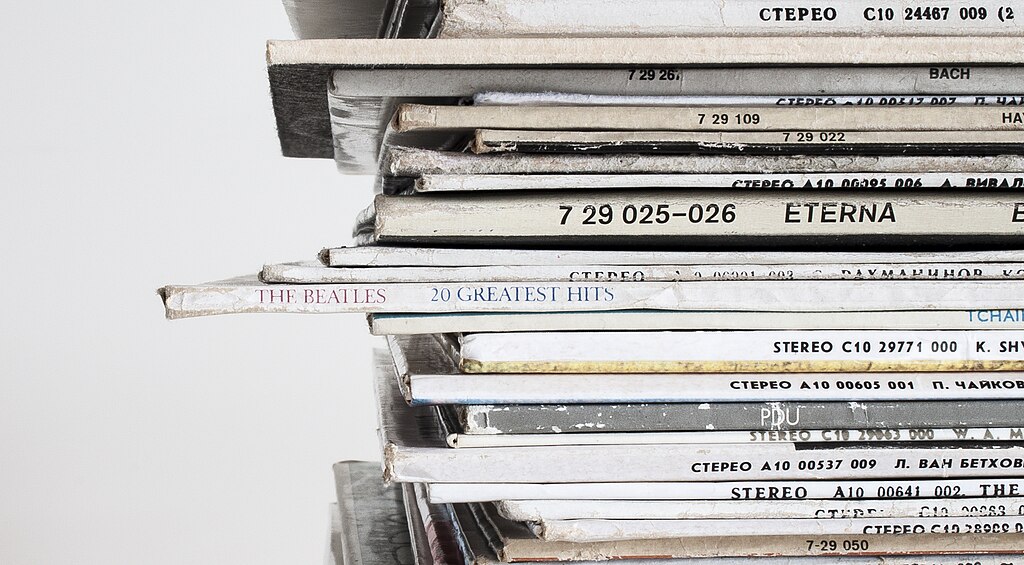
Vinyl’s comeback is driven by Gen Z’s desire for a warmer, more authentic listening experience. However, boomers were the generation that first defined musical identity through record collections. Albums weren’t just entertainment, they were social markers, displayed proudly and handled with care. The ritual of flipping a record and studying album art was part of the emotional connection to music. Gen Z’s love for vinyl simply revives that original analog intimacy.
Instant Cameras and Polaroid Aesthetics
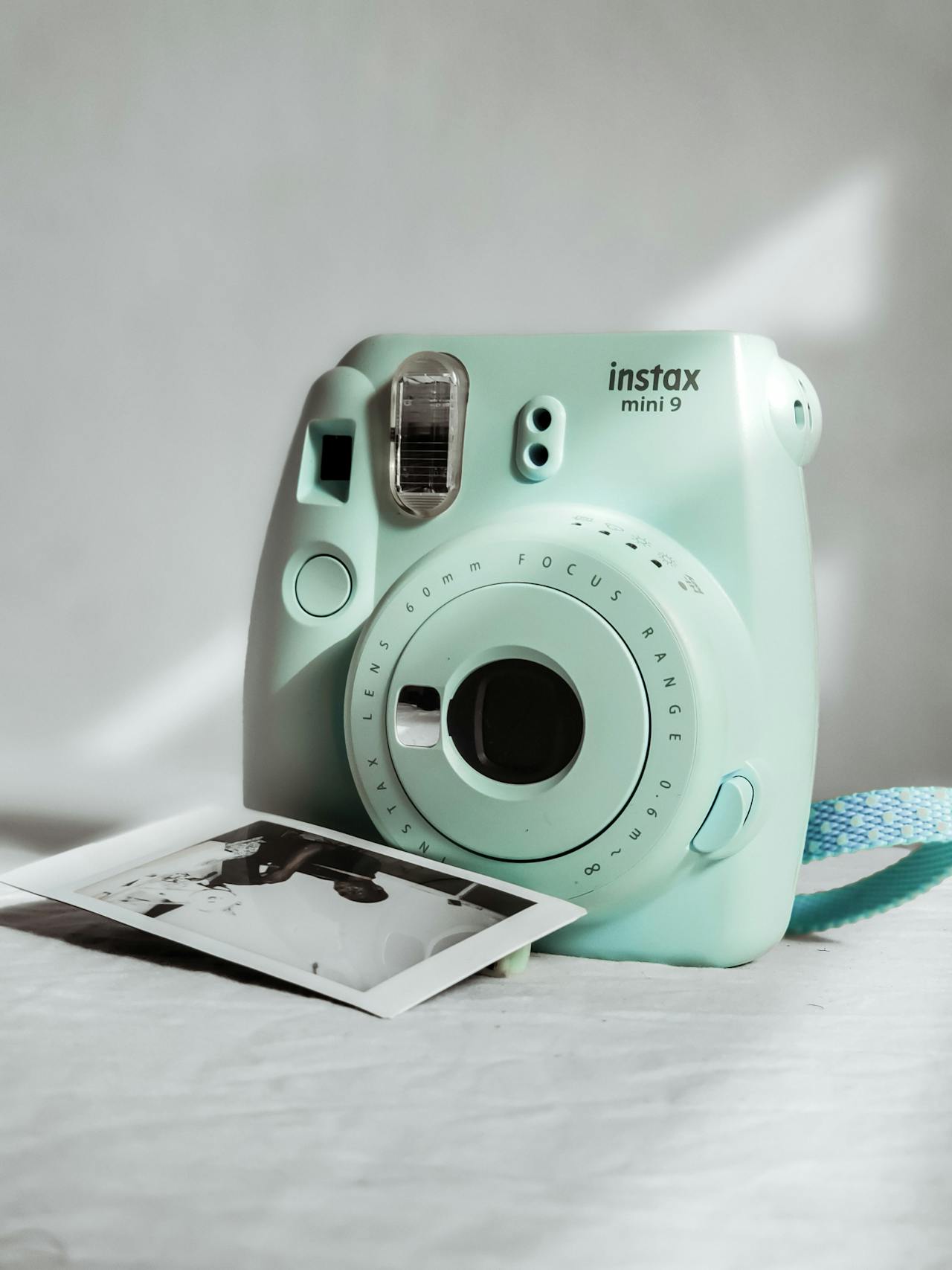
Gen Z’s fascination with instant cameras echoes the popularity of Polaroids in the boomer era. Families used Polaroids for spontaneous snapshots at birthdays, vacations, and weekend gatherings. The instant gratification of watching a photo develop was part of the charm long before digital selfies existed. Today’s mini cameras recreate that playful experience, blending nostalgia with social-media-friendly aesthetics. The concept remains the same, capturing life in a candid, tangible moment.
Podcast Culture and Talk Radio

Podcasts feel like a modern invention, but boomers spent decades listening to talk radio, interviews, and long-form broadcast shows. Public radio featured storytelling, advice programs, political commentary, and serialized dramas that served the same purpose as today’s podcast formats. The idea of learning or being entertained through conversational audio isn’t new. Gen Z simply modernized the medium, making it on-demand and portable through smartphones.
Environmental Consciousness

Gen Z often leads the conversation on climate action and sustainability, yet boomers participated in the earliest environmental movements. The first Earth Day in 1970 mobilized millions and helped establish major environmental protections. Young boomers joined protests, conservation efforts, and community cleanups to protect natural resources. Today’s activism builds on the foundation those early movements created. Both generations share a deep awareness of ecological responsibility.
DIY Crafting and Home Projects
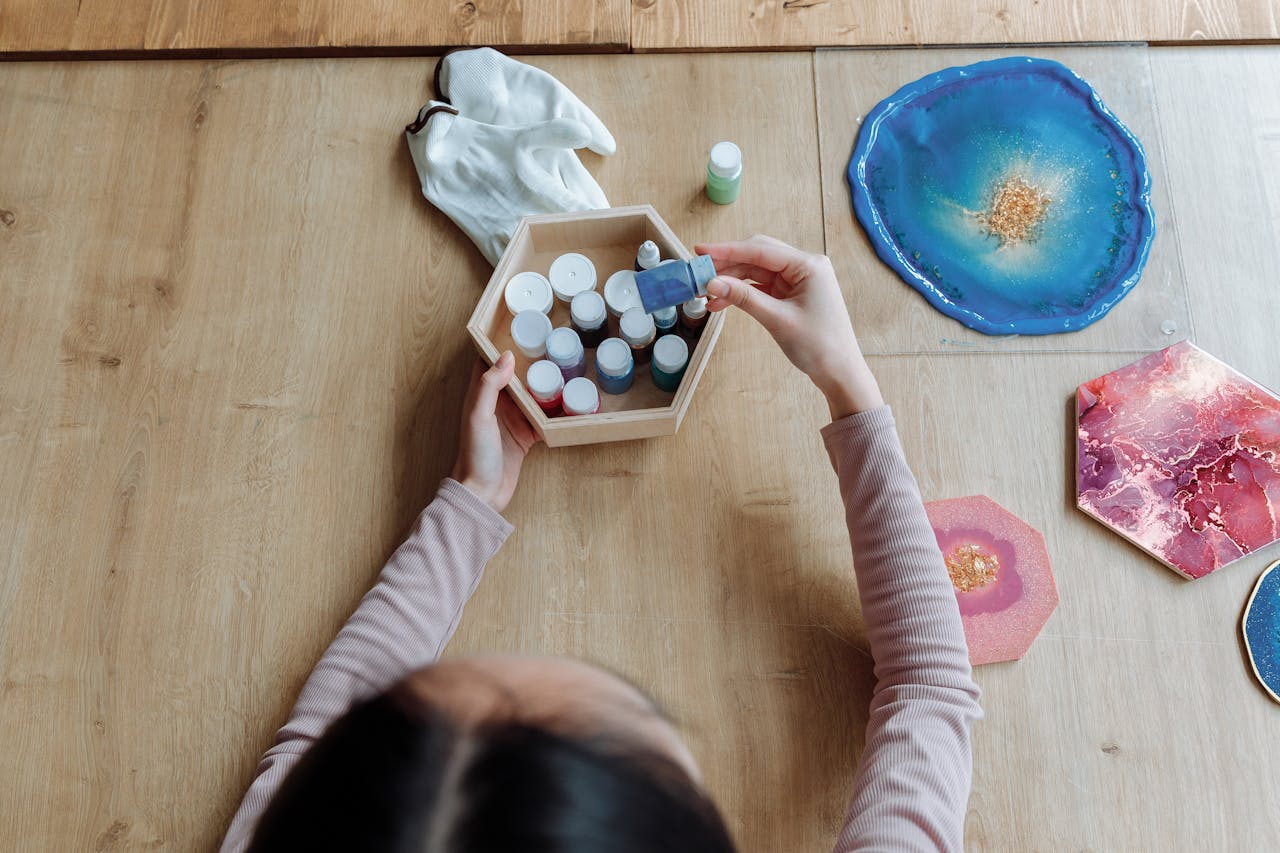
The rise of DIY videos among Gen Z echoes the hands-on culture boomers practiced at home. Many boomers learned to fix appliances, build shelves, and sew clothing because professional services were too expensive. Craftsmanship was a common family skill rather than an internet trend. While Gen Z showcases creativity online, boomers did the same projects quietly out of necessity. The love for handmade solutions spans both eras.
Oversized Eyewear Fashion

Gen Z’s large, bold glasses are strikingly similar to the eyewear trends boomers embraced in the 1970s and 1980s. Oversized frames once symbolized style, intelligence, and confidence. The playful shapes and dramatic silhouettes were fashion statements long before they reappeared on social media. Gen Z revived the look, adding a modern flair while honoring a decades-old aesthetic. Fashion, as always, cycles back with fresh energy.
Platform Shoes and Chunky Footwear
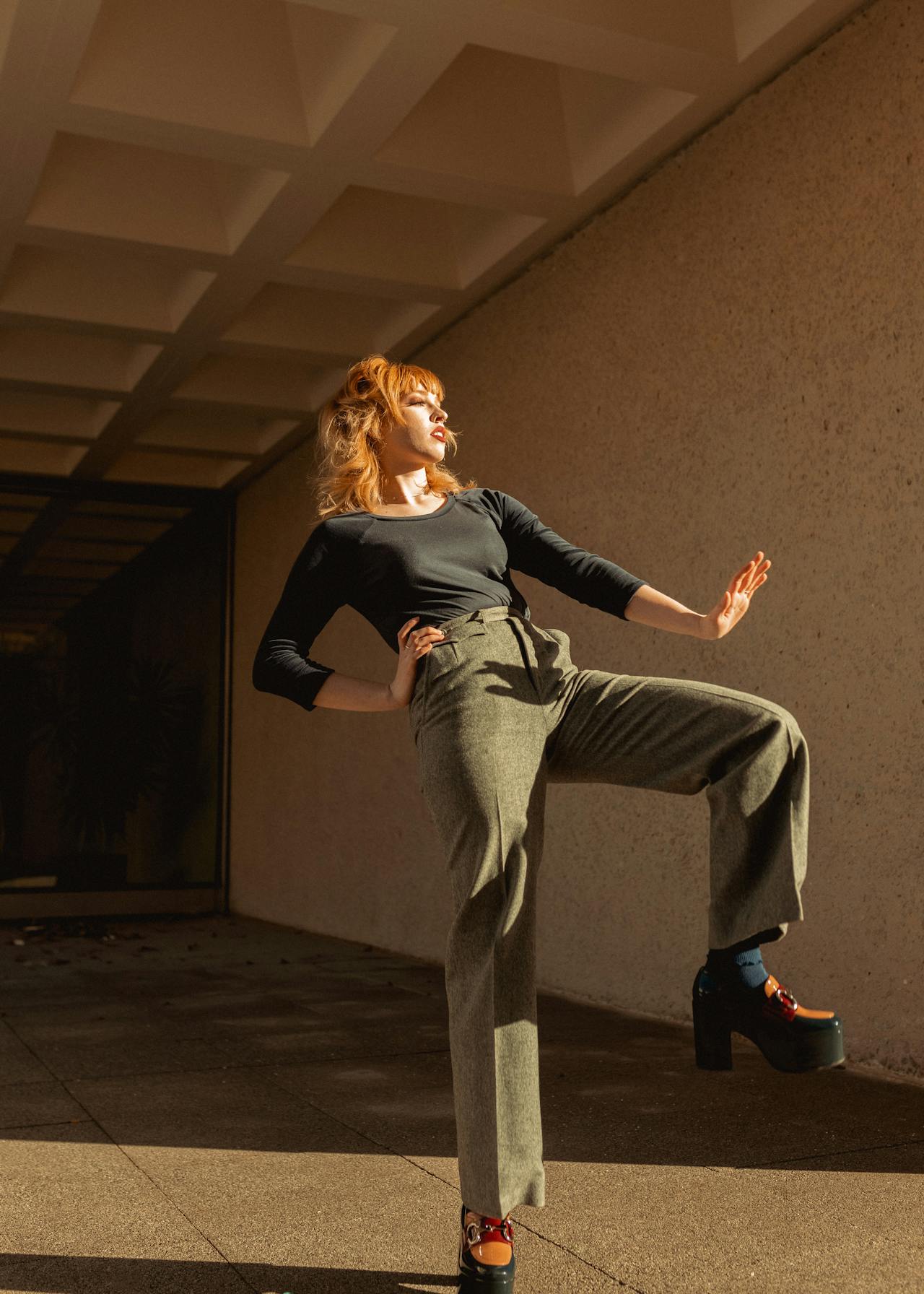
Chunky shoes and platforms feel synonymous with Gen Z style, yet boomers wore them during the height of 1970s fashion. Popularized by disco culture and youth movements, platform shoes represented boldness and rebellion. The dramatic height and exaggerated design turned footwear into a form of self-expression. Today’s styles echo the same attitude with updated materials and trends. Both generations use platform shoes to stand out and have fun.
Minimalist, Natural Makeup

Gen Z’s fresh-faced, natural makeup trends reflect the minimalist beauty movement that emerged during the boomer era. Simple looks focused on clean skin, light blush, and subtle enhancements rather than dramatic transformations. Many boomers valued an effortless appearance inspired by film icons and cultural shifts of the time. Gen Z’s emphasis on “no-makeup makeup” follows the same philosophy. The aesthetic offers timeless appeal through understated beauty.
Independent, Small-Batch Brands
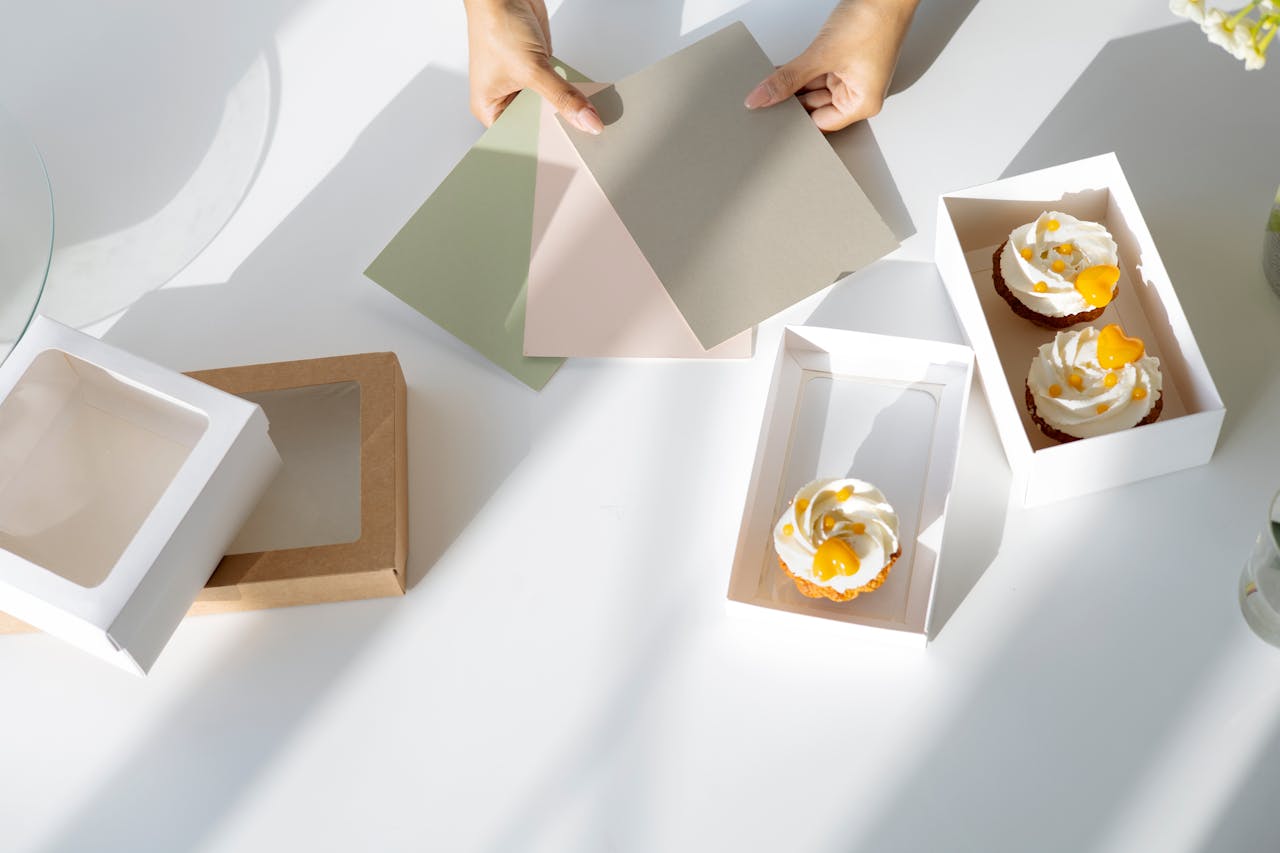
Supporting small creators is a core part of Gen Z’s shopping identity, but boomers once relied heavily on local artisans and small neighborhood shops. Before big-box retailers expanded, communities depended on small businesses for clothing, home goods, and crafts. Shopping locally wasn’t a trend, it was the default. Gen Z’s revival of small-batch culture simply restores those community-focused habits.
Retro Gaming and Classic Consoles
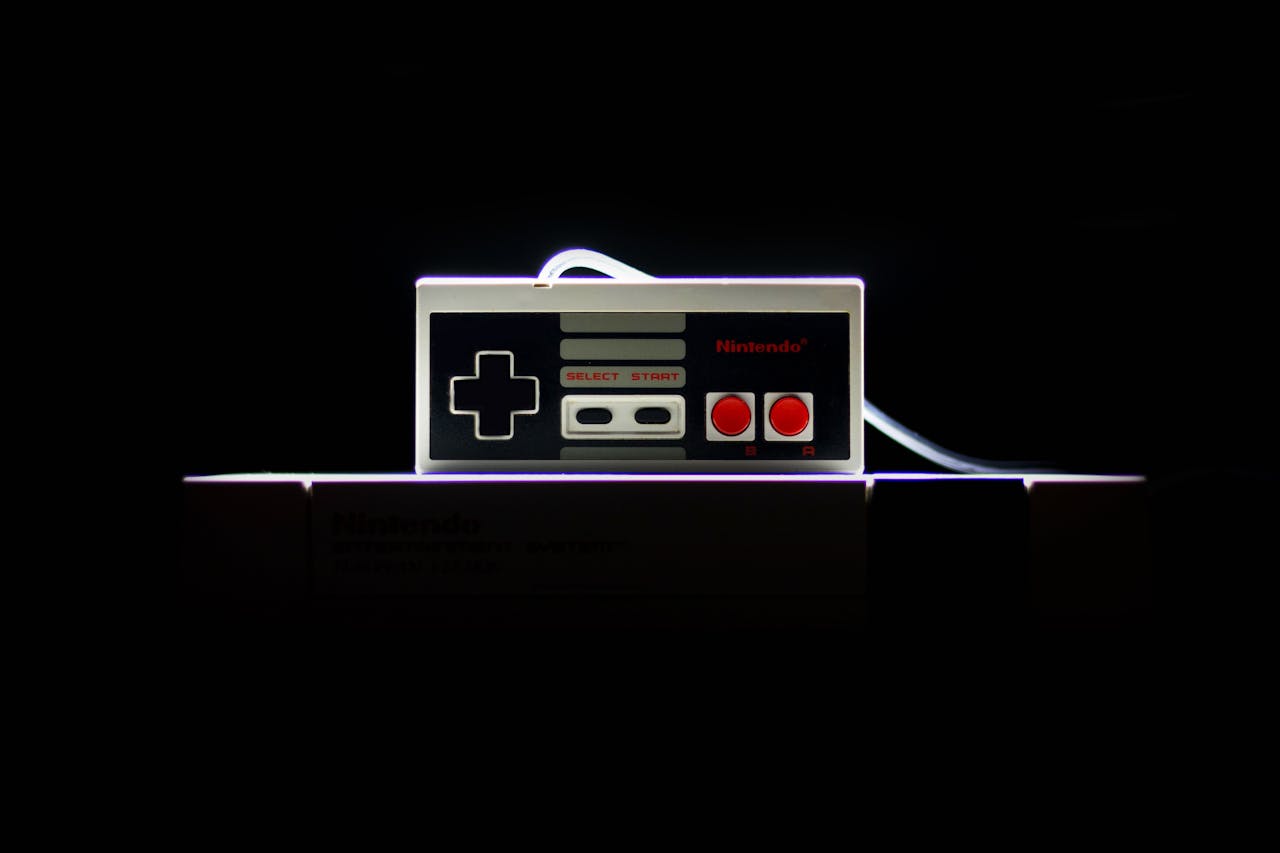
Gen Z loves retro-inspired games, pixel art, and simple gameplay designs. However, boomers were the first to experience arcade machines and early at-home consoles. Games like Pong and Space Invaders created the foundation for modern gaming culture. The appeal of straightforward, nostalgic gameplay connects both generations. Gen Z’s retro fascination honors gaming’s origins.