

Wealthy households often live in a world of luxury and comfort, where the finer details of everyday life are meticulously curated. These habits are not just about affluence but reflect a lifestyle shaped by tradition, exclusivity, and a deep appreciation for the finer things. Some of these habits may surprise middle-class families, as they represent not only financial success but also an investment in quality, culture, and personal well-being. Let’s explore 11 habits commonly found in wealthy households that may leave middle-class families in awe.
Hosting Formal Dinner Parties with Multiple Courses
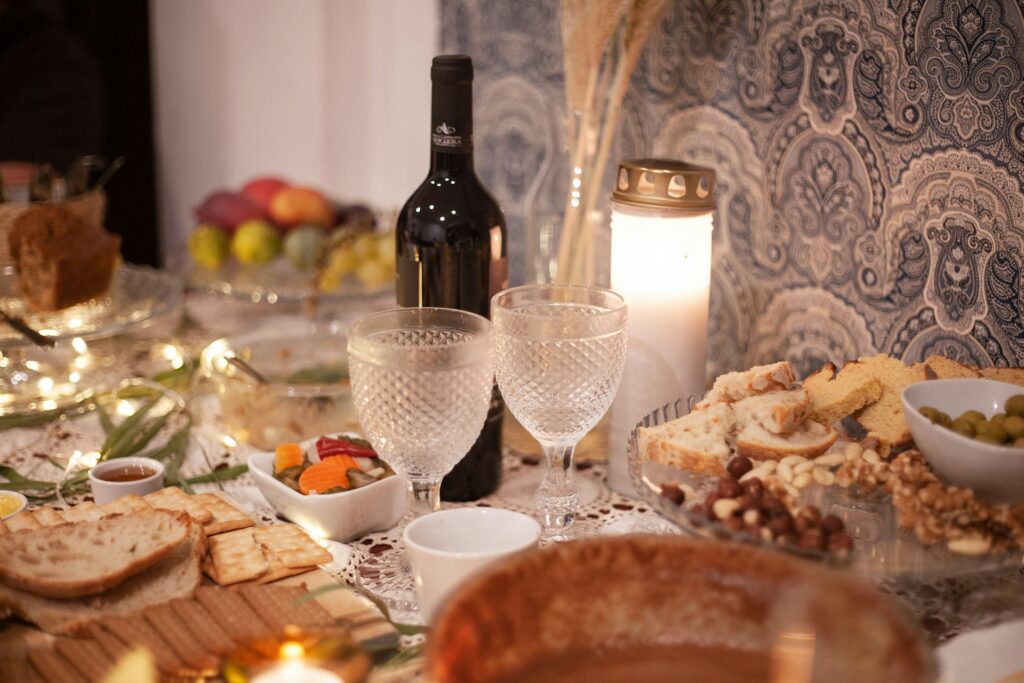
In wealthy households, dinner parties are not casual affairs. These gatherings often involve multiple courses, prepared with the utmost attention to detail. From hors d’oeuvres to dessert, each course is thoughtfully planned and prepared by a personal chef or high-end catering service. The ambiance is key, with elegant table settings, fine china, and crystal glasses. The guests, often invited based on professional or social ties, engage in refined conversation, making these events an experience of cultural exchange as much as a celebration of food.
Separate Staff Entrance for Privacy and Efficiency
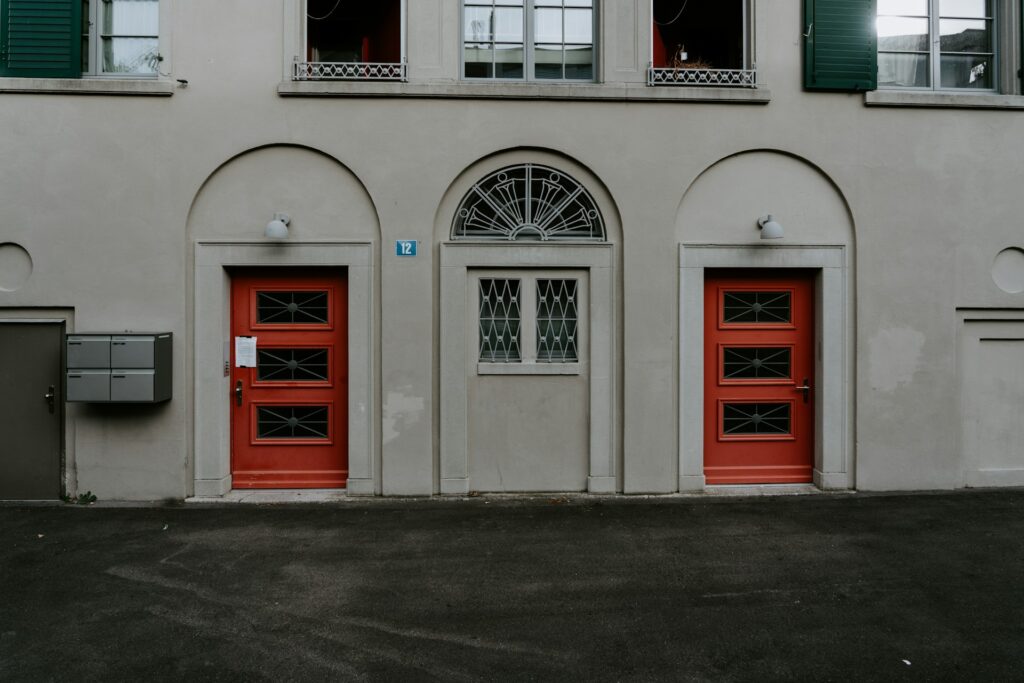
In many affluent homes, the staff has their own entrance, away from the main household entrance. This isn’t just about maintaining privacy; it’s about keeping the flow of operations efficient and discreet. Staff might include housekeepers, chefs, and even drivers who arrive at different hours of the day. By having a separate entrance, the privacy of the family members is protected, and staff can go about their duties without disturbing the household or visitors. It’s a small, often overlooked luxury that ensures both comfort and efficiency.
Monogrammed Linen Meal Napkins – The Mark of Distinction
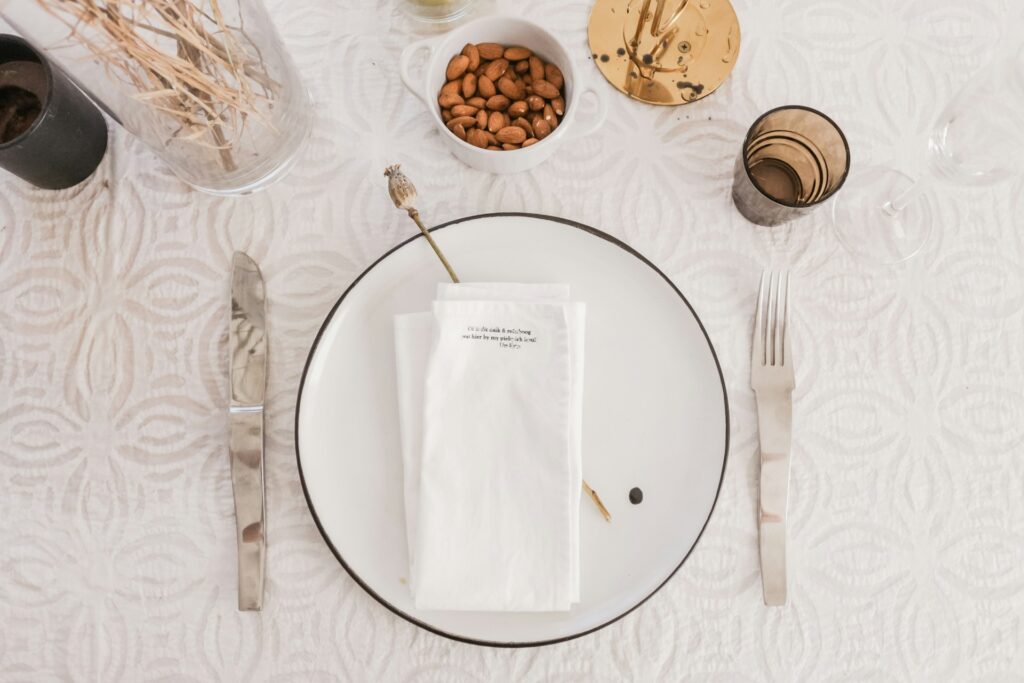
Wealthy families often use monogrammed linen napkins during meals, a subtle but luxurious detail that sets the tone for their dining experience. These custom napkins feature the family’s initials, offering a personal touch to every meal, whether it’s a casual breakfast or an elaborate dinner party. These monogrammed napkins not only represent a sense of sophistication but also a commitment to tradition and high standards of hospitality. This custom-made linen adds elegance to any dining setting, and is an often-overlooked yet essential luxury.
Rare First-Edition Books – A Timeless Hobby

For many affluent households, collecting rare first-edition books is more than a hobby; it’s an investment in culture, knowledge, and history. These books are often kept in custom-built, climate-controlled libraries to preserve their condition. From classic literature to modern rarities, the collection can span centuries, offering a glimpse into the wealth of knowledge and creativity that defines society’s most influential works. A first-edition book isn’t just valuable because of its rarity; it’s a testament to the family’s appreciation for culture and intellectual pursuits.
A Bespoke Wine Cellar for Exclusive Vintages
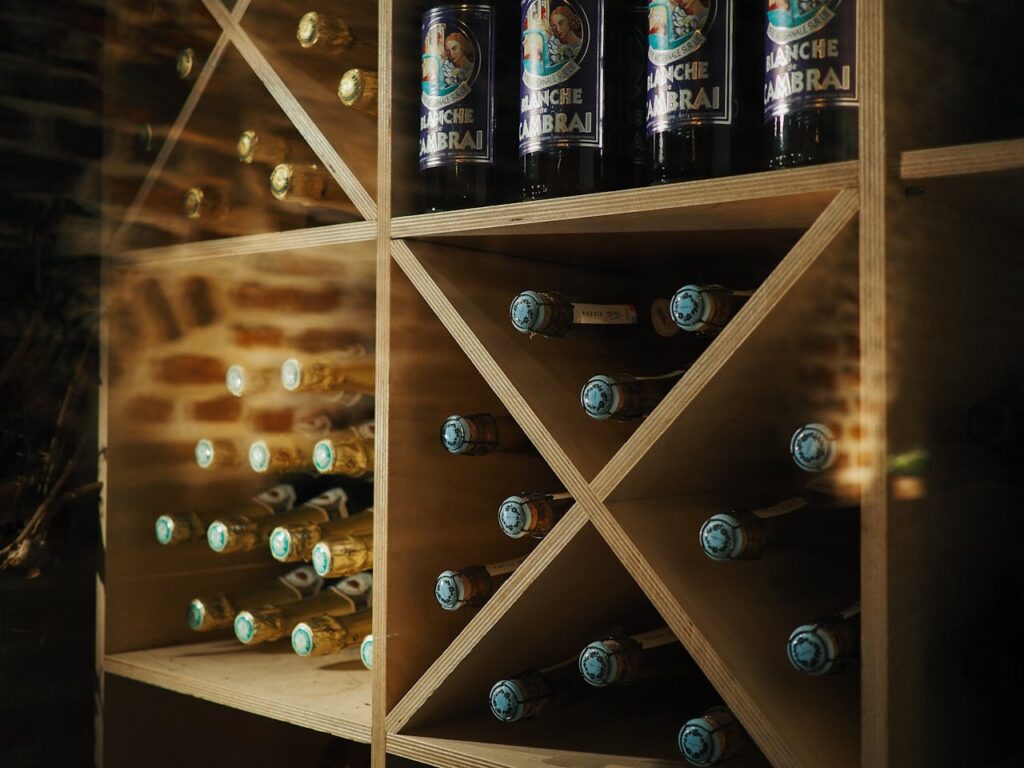
A custom-built wine cellar is a must for wealthy households, where wine isn’t just a beverage but a status symbol and an investment. These bespoke cellars are temperature and humidity-controlled to ensure the finest wines age perfectly. For wine aficionados, it’s not just about owning bottles—it’s about owning rare vintages and exclusive collections. Whether it’s for personal enjoyment or entertaining, these wine cellars are more than just storage spaces; they are personal shrines to the art of fine wine, featuring wines from top vineyards around the world.
Having a Personal Chef Who Curates Your Meals

In wealthy households, dining is often a personalized experience. A personal chef, often highly trained and well-versed in diverse cuisines, prepares meals tailored to the tastes and dietary needs of the family. This practice goes beyond having a cook—it’s about bringing fine dining to the home, where every meal is an opportunity to enjoy carefully crafted dishes. From special diet plans to gourmet creations, the chef ensures that every meal is not only delicious but also a reflection of the family’s tastes, preferences, and social stature.
Using Silverware on a Regular Basis
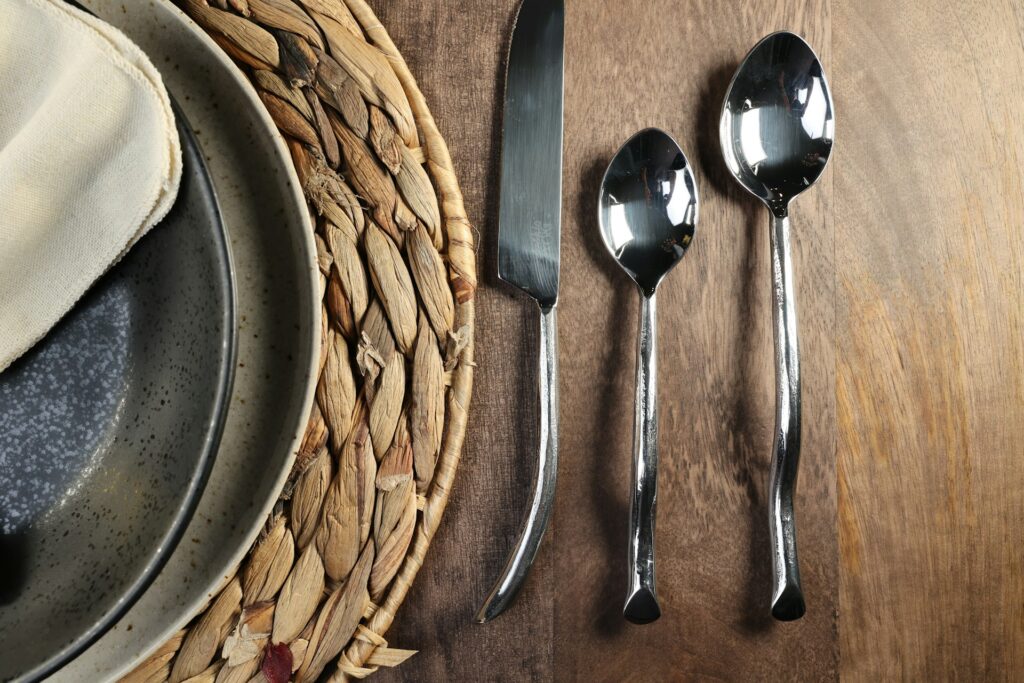
While many middle-class families might reserve silverware for special occasions, wealthy households use it as part of their everyday dining experience. Silverware, often inherited or crafted specifically for the family, becomes a standard part of dining, whether for casual meals or formal settings. The gleam of polished silver is not just about opulence—it’s about maintaining a sense of tradition and craftsmanship in every detail of life. Using silverware daily signals an appreciation for quality and an understanding of what elevates the dining experience.
Displaying Original Fine Art Pieces
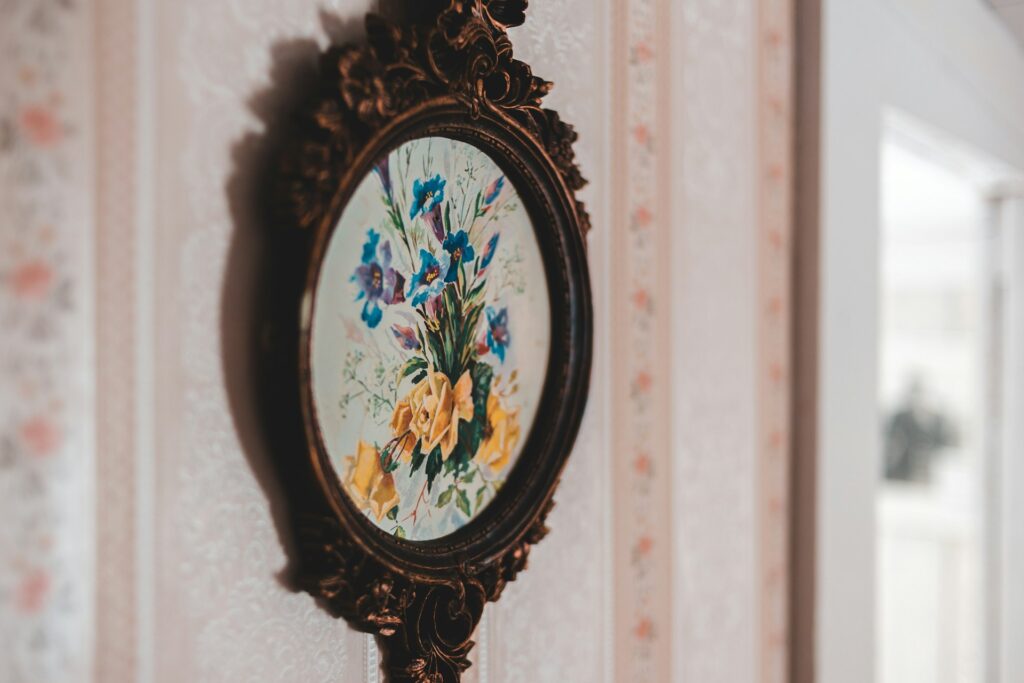
In affluent homes, the walls are often adorned with original fine art pieces, ranging from contemporary works to classical masterpieces. These artworks are not just for decoration; they are an investment in culture and an expression of personal taste. Displaying art in every room of the house is a reflection of the family’s commitment to beauty, culture, and intellectual stimulation. The art pieces often serve as conversation starters, elevating the space and setting the tone for the home’s aesthetic.
Attending Exclusive Private Gallery Openings
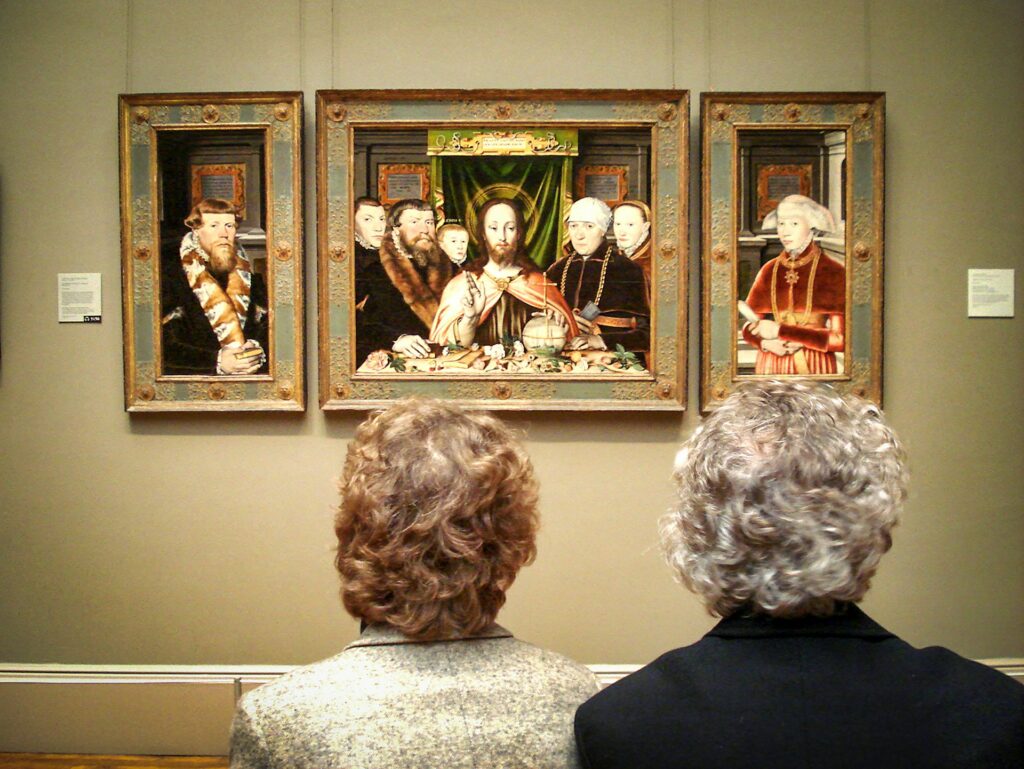
For wealthy individuals, attending private gallery openings or exclusive art exhibitions is more than just a social event; it’s an opportunity to network, learn, and invest in art. These private events are often attended by collectors, curators, and other high-net-worth individuals, offering a chance to view rare works before they are available to the public. This practice is part of cultivating a cultured lifestyle, where art isn’t just something you hang on your walls but something you actively engage with and support. It’s also a way to stay connected with the creative world, both socially and financially.
Rotating Seasonal Wardrobes with Tailored Clothing
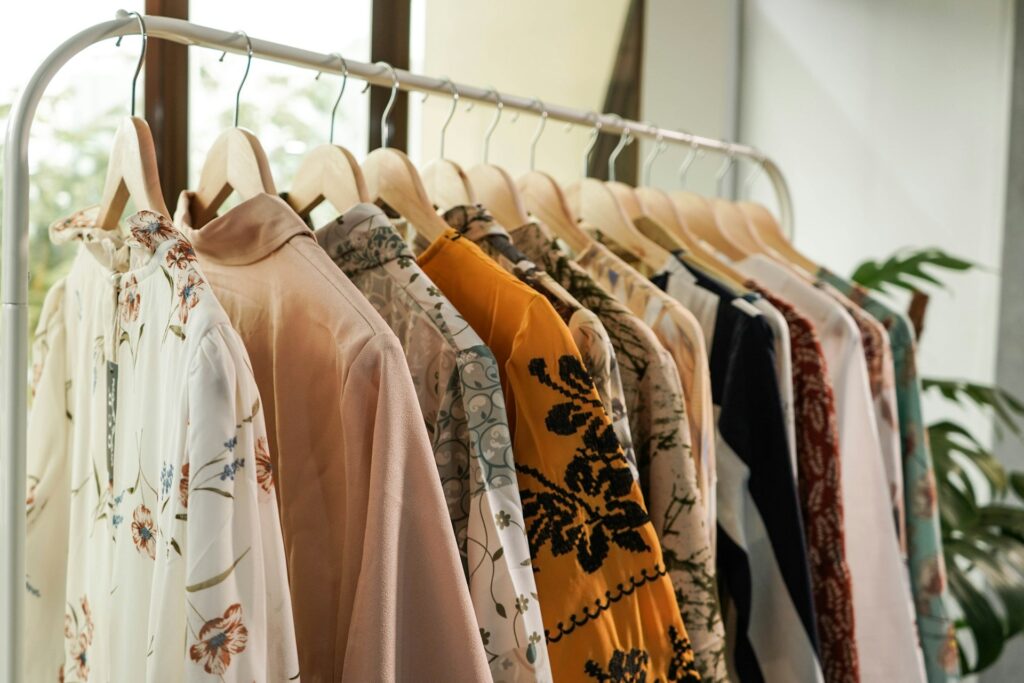
A wealthy household often has a wardrobe rotation system that ensures every season’s clothing is perfectly tailored to fit. This system is not just about maintaining a fashionable wardrobe but ensuring that every piece is high-quality and made to measure. Tailored clothing fits perfectly and exudes elegance, making each outfit feel like it was designed specifically for the wearer. Seasonal wardrobe rotation also allows for investment in pieces that last for years, creating a sustainable approach to fashion that focuses on timeless style over fleeting trends.
Planning Regular Weekend Escapes to Exclusive Country Clubs

For many affluent families, weekends are a time to unwind and socialize in exclusive settings, such as private country clubs. These clubs offer world-class amenities, including golf courses, fine dining, spas, and private events. The luxury of having a dedicated place to relax and enjoy activities with other high-net-worth individuals is an essential part of their lifestyle. Whether it’s a weekend golf outing or a formal gathering, these clubs provide a serene and sophisticated environment for both relaxation and business networking.
These 11 habits demonstrate how the wealthy curate a lifestyle built on exclusivity, culture, and comfort. While these habits might seem distant to middle-class families, they reveal a deeper connection to tradition, craftsmanship, and a personal investment in the finer things in life. These habits show that wealth isn’t just about material possession—it’s about living with intention, sophistication, and a commitment to quality in every aspect of life.