Not every difficult family story looks dramatic from the outside. Sometimes it shows up in small habits, careful wording, and reactions that seem a little bigger than the moment. These subtle signs don’t prove someone has a hard family life, but they can offer insight into what they may be carrying behind the scenes.
1. They apologize constantly

Some people say sorry so often it almost becomes punctuation. They apologize for asking a question, taking up space, needing help, or even reacting to something that would upset almost anyone. It can sound polite on the surface, but it often carries a deeper fear of being inconvenient.
In complicated families, peace may have depended on staying small and smoothing things over quickly. Over time, that habit can stick. Even in safe relationships, they may still act like basic needs or emotions are somehow too much for other people to handle.
2. They struggle to accept kindness

When someone offers support, a compliment, or a simple favor, they may immediately deflect it. They insist they’re fine, say you don’t have to do that, or act visibly uncomfortable when attention turns warm or generous. Kindness can feel unfamiliar, and unfamiliar things don’t always feel safe.
If affection in their family came with strings attached, they may have learned to scan every nice gesture for hidden expectations. That doesn’t mean they’re ungrateful. It often means they’re trying to figure out whether care is real, temporary, or about to be used against them later.
3. They are hyper-aware of other people’s moods

They notice a slight change in tone before anyone else does. A pause in a text, a tighter smile, or a heavier sigh can instantly put them on alert. What looks like intuition may actually be a survival skill built from years of trying to read a room before things turned tense.
In unpredictable homes, spotting emotional shifts early can feel essential. As adults, that sensitivity may still be running in the background all the time. They can seem deeply perceptive, but the downside is exhaustion, because their nervous system is always checking whether everyone around them is okay.
4. They keep conversations surface-level

They can be friendly, funny, and easy to talk to, yet somehow the conversation never goes very deep. The minute things get personal, they pivot to work, pop culture, or a joke. It’s not always because they’re private by nature. Sometimes deeper honesty has never felt fully safe.
In complicated families, sharing feelings may have led to criticism, dismissal, or information being weaponized later. So they learn to reveal just enough to seem open without actually becoming vulnerable. From the outside, they may look guarded, but often they’re simply protecting parts of themselves that were not handled gently before.
5. They make jokes right when things get serious

Humor can be charming, but sometimes it appears at very specific moments. Just as a conversation gets emotional, they crack a joke, change the energy, and move everyone away from the uncomfortable part. It keeps things light, but it can also be a shield.
In families where conflict, sadness, or tenderness felt dangerous, humor often becomes the safest exit. It creates distance without openly refusing the conversation. People around them may see them as endlessly easygoing, when in reality they may be using wit to avoid feelings they were never taught how to hold in the open.
6. They seem fiercely independent to a fault

They handle everything alone, even when help is available. They pride themselves on being low-maintenance, self-sufficient, and impossible to disappoint because they rarely ask for anything in the first place. Independence can be admirable, but sometimes it has a lonely edge.
People from complicated family systems often learn early that relying on others brings risk. Promises may have been inconsistent, support may have come with guilt, or needs may have been ignored entirely. So adulthood becomes a one-person operation. What gets praised as strength can sometimes be a sign that trust has felt expensive for a very long time.
7. They downplay their own experiences

When they mention something painful, they often soften it immediately. They say it wasn’t a big deal, everyone has family stuff, or other people had it worse. Even when describing genuinely difficult experiences, they may present them like ordinary background noise.
This kind of minimizing can develop when their reality was frequently dismissed or compared away. If they were taught that their pain didn’t count, they may still struggle to name it clearly. The result is a person who tells the truth in fragments, almost apologizing for the weight of it before anyone else can react.
8. They feel responsible for keeping the peace

They’re the one checking in on everyone, smoothing over tension, and making sure no one gets too upset. In group settings, they often slip into mediator mode without being asked. It can look mature and thoughtful, but it may come from an old sense of emotional duty.
In many complicated families, one person ends up managing the atmosphere. They become the translator, the fixer, or the one who absorbs stress before it spreads. Later in life, they may still feel oddly responsible for everyone else’s comfort. That pressure can make relationships feel less like connection and more like unpaid emotional labor.
9. They brace for rejection after opening up

Even after a good conversation, they may spiral later. They replay what they said, worry they shared too much, and assume the other person now sees them differently. Vulnerability doesn’t feel relieving for them. It often feels like standing still and waiting for impact.
That reaction can come from environments where openness led to shame, gossip, punishment, or withdrawal. Their body remembers the pattern even if the current relationship is healthy. So when they finally let someone in, the aftermath is not always comfort. Sometimes it’s a flood of anxiety that arrives the moment the door has cracked open.
10. They are oddly calm in chaotic situations

When everything gets messy, they don’t seem rattled. While others panic, they become organized, practical, and eerily composed. That can look like natural resilience, and sometimes it is. But occasionally it points to someone who has spent years functioning inside emotional disorder.
If chaos was normal growing up, the nervous system can start treating it like familiar terrain. Calm moments may even feel more unsettling than high-stress ones because there’s nothing obvious to prepare for. Their steadiness in a crisis can be impressive, but it may also reveal just how much turmoil they had to normalize early on.
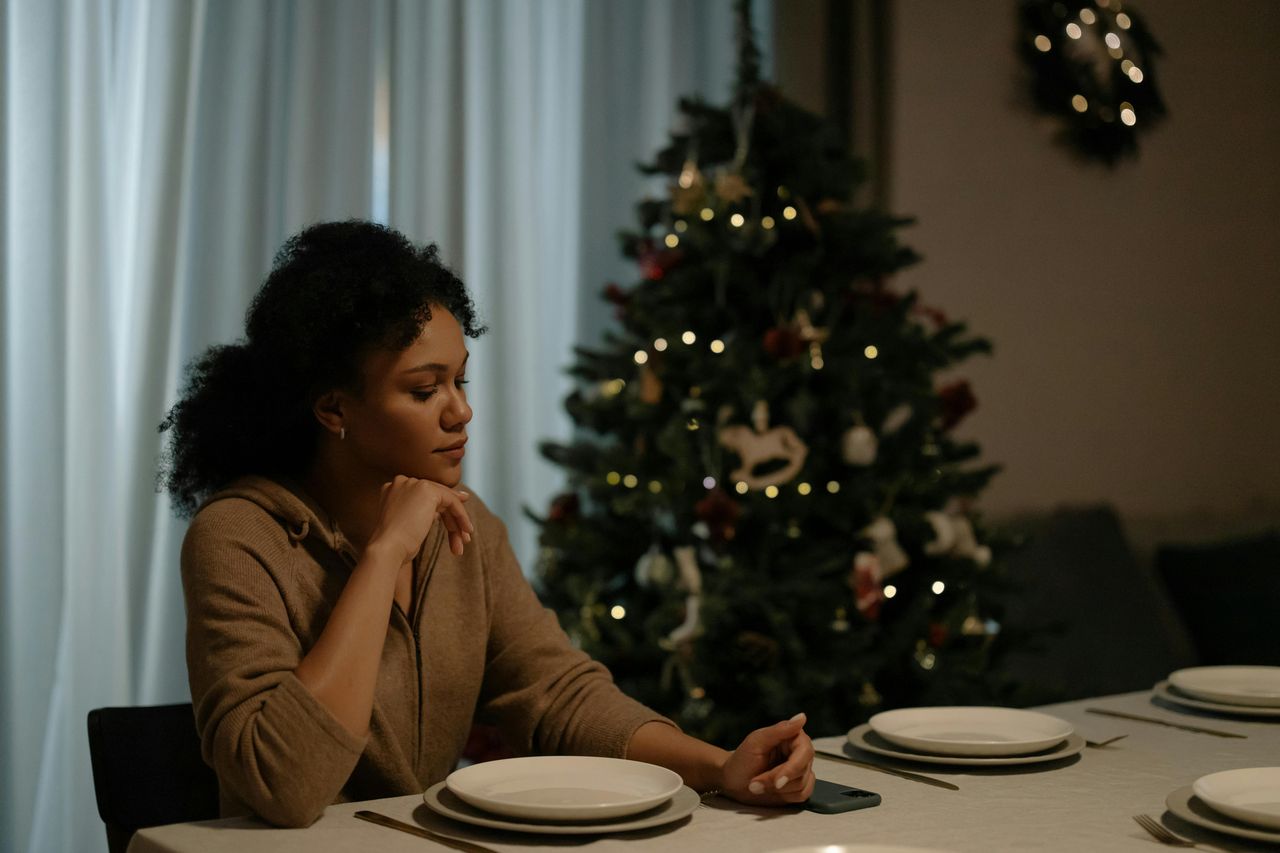
11. They have complicated feelings around holidays

When holidays come up, they may get vague, anxious, or strangely detached. While everyone else talks about traditions and excitement, they seem to brace themselves for logistics, expectations, or emotional landmines. Even supposedly joyful events can carry a heavy undertone.
That’s often because family-centered occasions magnify whatever is unresolved. Old roles reappear, difficult relatives resurface, and pressure to perform closeness gets intense. People with complicated family dynamics may dread these seasons while still wishing they felt different about them. The conflict isn’t just about the event itself. It’s about what the event has come to represent.